Top 13 Best Mobile Police Fire Scanner You Can’t Miss!
Trying to keep up with emergency broadcasts on a low-quality mobile police fire scanner often leads to missed or garbled signals, especially when on the move. The best mobile police fire scanner cuts through static and interference, providing reliable access to live police and fire department channels wherever you are. Poor receivers tend to struggle with weak transmission areas or complex urban surroundings, which can be frustrating when timely information matters most.
The key factors that distinguish a reliable mobile police fire scanner include its frequency range, antenna quality, and power source. A good scanner typically covers at least 25 to 500 MHz, ensuring access to most emergency frequencies. The antenna should be sturdy but flexible enough to withstand regular use without damage.
Battery life also plays a crucial role since many users rely on these devices during lengthy shifts or outdoor activities; expect around 8 to 12 hours of continuous operation with rechargeable options preferred for convenience.
Need a Quick Check?
| Image | Product | Price |
|---|---|---|
Our Top Picks 1  | Uniden BC365CRS Alarm Clock | Check Price |
Our Top Picks 2  | Uniden BC355N Scanner | Check Price |
Our Top Picks 3  | Uniden BCD996P2 TrunkTracker V | Check Price |
Our Selected Top 13 Mobile Police Fire Scanner Worth Your Money
This list features a carefully chosen selection of mobile police fire scanners, highlighting their performance, ideal users, strengths, and weaknesses. Each review provides clear insights to help you find the scanner best suited to your specific needs and usage scenarios.
1. Uniden BC365CRS Scanner and Alarm Clock
People interested in monitoring police, fire, weather, and other emergency channels will find the Uniden BC365CRS Scanner and Alarm Clock fits well on a desktop and combines multiple functions. Its biggest strength lies in offering 500 channels pre-set for popular bands alongside an alarm clock and FM radio in one device.
Setup takes just a few minutes using push button controls, and you can start listening right away to non-digital emergency channels, marine, aircraft, and railroad frequencies. Storing up to 30 FM stations means switching between scanner and radio is easy throughout the day. The device runs on corded electric power with backup by three AA batteries, making daily operation straightforward on a tabletop.
Listening quality is clear for analog frequencies, with solid reception on pre-loaded channels. The build is functional with a plastic tabletop frame, not heavy but stable enough for everyday use. The clearest positive is its all-in-one design combining scanner, radio, and alarm clock.
A common complaint relates to its reliance on alkaline batteries that drain with regular use and absence of digital scanning capability.
The strongest praise focuses on having a solid all-in-one scanner and alarm clock that works well with analog channels. The most common complaint mentions the battery life issues and lack of digital scanning, which limits its range of frequencies.
Anyone wanting a basic analog scanner with added radio and alarm functions will appreciate this device. Those needing digital coverage or longer battery life should consider other options better suited to those requirements.
Pros
- 500 pre-set channels for easy listening
- Combines scanner, alarm clock, and FM radio
- Stores up to 30 FM presets
- Simple push button operation
Cons
- Uses alkaline batteries that drain quickly
- No digital scanning features included
| Specification | Details |
|---|---|
| Power Source | Corded Electric |
| Battery Description | Alkaline |
| Number of Batteries | 3 AA batteries required |
| Control Method | Push Button |
| Audible Noise | 50 dB |
| Mounting Type | Tabletop Mount |
2. Uniden BC355N Base/Mobile Scanner
Analog scanning stands out with its reliable tuning for nearby signals and simple design. Suited best for people living in areas without digital trunk system coverage, it catches local police, fire, and emergency channels with ease through its Close Call RF Capture Technology.
Setting up involves plugging it into power and connecting via USB for simple control or updates. Day-to-day use benefits from the LCD display and the radio frequency tuner that focuses on the 800 MHz band. Scanning through service banks is straightforward, offering quick access to live local communications.
Performance is solid within its limits, easily capturing analog signals and switching between frequencies. The build comes across as practical but power-dependent since it needs a corded electric source and one specific battery type.
Praise centers on its accurate Close Call feature while complaints most often mention its lack of digital system support.
Close Call RF Capture Technology is praised for instantly tuning to nearby transmitters, making it valuable where analog signals dominate. The primary limitation is its inability to handle any digital radio systems, which limits its use as many agencies move to those newer formats.
Those living in regions still using analog public safety radios will find it reliable for everyday scanning. Users needing to listen on digital trunk systems should look at Uniden’s digital scanner series to avoid compatibility issues.
Pros
- Quickly finds nearby analog signals
- Easy to operate with USB connectivity
- Clear LCD display for straightforward use
- Wide frequency and service bank support
Cons
- Does not support digital radio systems
- Requires corded electric power and special battery
| Specification | Details |
|---|---|
| Connectivity Technology | USB |
| Power Source | Corded Electric |
| Radio Bands Supported | 1-Band |
| Frequency | 800 MHz |
| Display Type | LCD |
| Additional Features | Close Call RF Capture Technology, Wide Frequency and Service Bank Support |
3. Uniden BCD996P2 Digital Mobile TrunkTracker V Scanner
Uniden BCD996P2 Digital Mobile TrunkTracker V Scanner stands out for its ability to monitor a vast range of emergency and weather channels. Perfect for those who want reliable updates on police, fire, and weather activity while on the move. Its biggest strength is the combination of extensive channel coverage and advanced scanning technology.
Setting it up involves powering it from a 12-volt DC source, then tuning into any of its 25,000 channels. Everyday use is straightforward thanks to TrunkTracker V technology, which automatically follows conversations across trunked radio systems.
The Close Call RF Capture feature picks up nearby transmissions, alerting you without interrupting active channels. Location Based Scanning adds convenience by focusing on relevant frequencies for your area.
It performs very well when tracking fast-moving emergency communications, making it highly dependable for safety and situational awareness. The build feels solid and the LCD screen is clear, though it lacks water resistance. Most praise highlights the comprehensive weather alert system including S.A.M.E. warnings.
Common complaints mention the complicated setup for beginners and limited 1-band radio support.
Most praise revolves around the scanner’s detailed weather alerts and solid tracking of emergency channels. Common issues include a steeper learning curve during setup and limited band support, which can restrict use for some specialized scanning needs.
Those regularly monitoring public safety or weather will find the features well suited to their requirements. Anyone needing multi-band scanning or simple operation might prefer to look elsewhere for a more basic or versatile option.
Pros
- Covers 25,000 channels for wide frequency access
- Close Call RF Capture detects nearby signals discreetly
- Includes NOAA weather access with severe alerts
- Clear LCD display for easy reading
Cons
- Complex setup may challenge newcomers
- Only supports one radio band
| Specification | Details |
|---|---|
| Radio Bands Supported | 1-Band |
| Frequency | 25 MHz |
| Power Source | 12 volts Direct Current (DC) |
| Additional Features | Close Call RF Capture Technology, TrunkTracker V technology, S.A.M.E. weather alert, Location Based Scanning |
| Audio Output Mode | Stereo |
| Connectivity Technology | IR |
4. Uniden SDS200 TrunkTracker X Digital Scanner

Using the Uniden SDS200 feels straightforward, with a clear and colorful display that instantly shows what’s going on. It suits anyone wanting a reliable scanner for following police, fire, and emergency channels, especially when digital systems are involved. Its biggest strength lies in handling challenging digital simulcast signals without missing a beat.
Getting started is simple thanks to the HomePatrol database, which is already loaded with all known radio systems across the US and Canada. Updates come weekly via Sentinel software, so your scanner keeps up with changes.
The customizable 3.5 color display lets you decide how much info to see and what colors to use, making everyday scanning a more personal and easier experience.
Performance-wise, it handles digital simulcast systems impressively, rarely dropping signals even in complicated setups. The build feels solid with LED indicators and a USB connection for updates and data transfer.
The main praise highlights its combination of digital tech with ease of use. A common gripe is that some might find the learning curve steep if they want to customize advanced features extensively.
The scanner’s ability to manage tough digital systems stands out as its biggest plus, letting users monitor signals without frequent dropouts. The weekly database update helps keep things current, though some users note the customization options can feel complex before getting the hang of them.
Anyone who wants accurate scanning of police, fire, and digital channels across North America will find it satisfying. Those looking for absolute plug-and-play simplicity with minimal tweaking might want to explore simpler models instead.
Pros
- Handles digital simulcast systems well
- Customizable 3.5″ color display
- Includes HomePatrol database for US/Canada
- Frequent weekly database updates
Cons
- Advanced customization has a learning curve
- Display resolution details somewhat vague
| Specification | Details |
|---|---|
| Scanner Type | Radio Scanner |
| Connection Type | USB |
| Resolution | scanner |
| Light Source Type | LED |
| Media Type | USB |
| Standard Sheet Capacity | 10 |
5. Uniden Bearcat BC125AT Analog Handheld Scanner
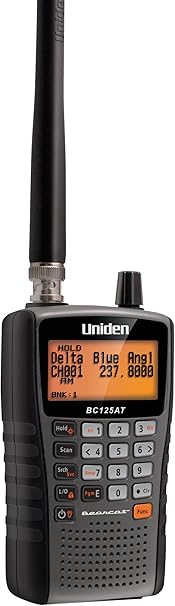
Great for anyone looking to monitor analog police and fire channels, this handheld scanner offers extensive channel capacity and smart tuning features that make it a solid pick. Its main strength lies in its ability to quickly find nearby signals through Close Call RF capture technology, keeping you updated on local transmissions with ease.
Setting up involves loading the scanner with 2 AA batteries and programming up to 500 channels, which you can alpha-tag for easy reference. The digital display makes it easy to browse through frequencies spanning 25 to 512 MHz. Daily use benefits from Do Not Disturb Mode to avoid interruptions during transmissions, making it straightforward to stay tuned without constant manual adjustments.
It delivers reliable analog scanning with a clear signal and fast response to nearby transmitters. The build is compact and easy to hold, though it doesn’t offer water resistance.
While many appreciate the Close Call feature, a common downside is its inability to pick up digital systems, limiting its usefulness in areas transitioning to digital radio.
Close Call RF capture technology is praised for quickly tuning to nearby analog signals, making it convenient for day-to-day listening. The most frequent criticism revolves around the lack of digital capability, which limits the scanner in cities switching to digital trunking systems.
Anyone needing affordable, reliable analog scanning in areas with predominantly analog transmissions will appreciate this device. Those requiring digital system monitoring or water resistance should consider other scanners better suited to those needs.
Pros
- 500 alpha-tagged channels for easy organization
- Close Call RF capture finds nearby signals fast
- Do Not Disturb Mode stops interference during broadcasts
- Wide frequency coverage across VHF and UHF bands
Cons
- Cannot monitor digital radio systems
- Not water resistant for outdoor use
| Specification | Details |
|---|---|
| Number of Channels | 500 |
| Frequency Range | 25-54 MHz, 108-174 MHz, 225-380 MHz, 400-512 MHz |
| Battery Type | 2 AA batteries (included) |
| Battery Life | 10 hours |
| Voltage | 3 volts |
6. Whistler WS1025 Analog Desktop Scanner
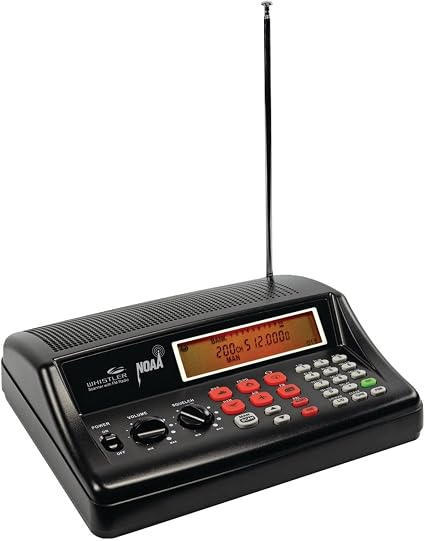
Designed with a solid build for desktop use, this analog radio scanner suits experienced hobbyists who want precise control over their frequency scanning. Its biggest strength lies in the priority channel feature, allowing quick check-ins on important channels without missing other transmissions.
Setting up involves entering your desired frequencies, and day-to-day use relies on key features like scan delay to catch replies before moving on. Priority channel scanning checks one channel every two seconds, so vital updates come through frequently.
The tune function helps find new or unlisted frequencies starting from where you want.
Performance is reliable for analog scanning, with a sturdy design built for desktop use. The scanner picks up a wide range of signals thanks to the tune option. Common praise highlights the practical priority channel scanning.
Some mention the learning curve, as operation demands familiarity for efficient use.
Priority channel scanning stands out as a helpful feature that keeps critical frequencies in focus, while some users find the setup and operation challenging without some prior experience. The Bluetooth connection adds convenience but does not simplify the technical aspects entirely.
Experienced scanner handlers looking for detailed analog frequency control will appreciate its capabilities. Those seeking digital signal coverage or easier novice-friendly operation might want to consider alternatives better suited for beginners or mixed-mode scanning.
Pros
- Priority channel scans one channel every two seconds
- Scan delay helps catch replies before switching
- Tune function finds unlisted frequencies easily
- Bluetooth connection for convenient setup
Cons
- Steeper learning curve for new users
- Analog-only scanning limits digital signal reception
| Specification | Details |
|---|---|
| Scanner Type | Radio |
| Connection Type | Bluetooth |
| Resolution | 200 dpi |
| Standard Sheet Capacity | 300 |
| Optical Sensor Technology | CCD, CMOS |
| Light Source Type | LED |
7. Uniden BCD536HP HomePatrol Digital Base/Mobile Scanner

Uniden BCD536HP HomePatrol caters to people serious about monitoring public safety channels with accuracy. Its biggest strength lies in the ability to scan up to 25,000 dynamic channels and automatically tune based on your location, perfect for anyone staying informed on police, fire, and EMS communications.
Setup involves connecting to a compatible GPS receiver to enable location-based scanning, which means it intelligently focuses on nearby systems without constant manual input. The Close Call RF Capture feature lets you detect nearby radio signals passively without interrupting what you’re listening to.
Using the device day to day mostly revolves around navigating these features through Wi-Fi on your desktop or smartphone.
Performance in picking up various digital and analog systems, including APCO-25 and Motorola, is reliable and precise. Its build is designed more for desktop or mobile use than rugged outdoor handling, as it’s not water-resistant.
The most appreciated feature is its dynamic channel capacity and location-based scanning, while the primary downside users mention is the limited battery type and relatively narrow frequency range.
The scanner’s ability to focus scanning on relevant channels based on your GPS location earns praise for convenience and efficiency. However, many note the inconvenience of its narrow frequency range and dependence on AA batteries as limiting factors for extended use.
People wanting a scanner that adapts automatically to changing locations and handles both analog and digital signals will value this model highly. Those needing more ruggedness or a wider frequency band might consider alternatives better suited for outdoor or more diverse scanning tasks.
Pros
- Scans up to 25,000 channels dynamically
- Location-based scanning via GPS connection
- Supports multiple digital and analog systems
- Close Call feature detects nearby transmissions quietly
Cons
- Not water-resistant, limited to indoor or vehicle use
- Requires 2 AA batteries, no rechargeable option
| Specification | Details |
|---|---|
| Number of Channels | 5 |
| Frequency Range | 25.0000 to 49.9900 MHz |
| Voltage | 12 volts |
| Connectivity Protocol | Wi-Fi |
| Number of Batteries | 2 AA batteries required |
8. Uniden BearTracker BCT15X Base/Mobile Scanner

Choosing a scanner with a large channel capacity and advanced system tracking makes a big difference for anyone serious about following police, fire, or emergency communications. Suited for those needing reliable mobile use, the Uniden BearTracker BCT15X stands out with its 9,000 channel memory and trunk tracking technology that keeps you connected to multiple systems at once.
Setting up involves plugging it into your vehicle using the included power cords and mounting hardware. Pairing with a compatible GPS receiver activates location-based scanning that automatically prioritizes local systems, which is great during travel. Tagging channels with alpha labels helps identify frequencies quickly.
The option to control volume on individual channels avoids missing important transmissions due to sudden loudness.
Performance-wise, the scanner picks up Motorola, EDACS, and LTR systems smoothly thanks to TrunkTracker III. The build includes everything needed for mobile or base setup, and it feels solid though a bit bulky for some. Praise often highlights the clear capture of close call RF signals, while occasional critiques point to its complexity for beginners trying to program manually.
The scanner excels at capturing signals even from nearby transmissions, keeping you updated effectively. Challenges mostly come from the intricate programming options that can overwhelm newer users not familiar with scanning equipment. Getting everything just right requires patience and time.
Anyone looking for a powerful, mobile scanner that adapts to location and covers a wide frequency range will appreciate this unit. Those wanting a simple plug-and-play device with minimal programming might prefer a more basic option due to the learning curve involved.
Pros
- Supports up to 9,000 channels
- Automatically selects local systems while traveling
- Individual channel volume offset prevents sudden loud noises
- Comes with comprehensive installation hardware
Cons
- Setup can be tricky for first-time programmers
- Somewhat bulky for smaller vehicle dashboards
| Specification | Details |
|---|---|
| Number of Channels | 9,000 |
| Trunk Tracking Technology | TrunkTracker III |
| Memory System | Advanced Dynamic |
| Power Accessories Included | Vehicle Accessory Power Cord, AC Adapter |
| Compatibility | BC-RH96 Remote Head, GPS for Location-Based Scanning |
| Warranty | 1 year manufacturer |
9. Uniden Bearcat BCD260DN Digital Base/Mobile Scanner

Listening to emergency, police, and fire channels clearly can make a big difference when you want timely information. Designed for serious scanners, the Uniden Bearcat BCD260DN Digital Base/Mobile Scanner suits anyone needing quick access to a wide range of emergency and service bands.
Its biggest strength lies in its wide frequency coverage and easy access to 10,000 frequencies.
Setting up the scanner involves using its pre-programmed service bands for convenience, covering weather alerts, aviation, marine, railroad, NASCAR, and emergency channels. Routine use benefits from features like Band Scope Rapid System, which speeds up finding channels, and Narrowband Reception, helping to pick out signals in crowded areas.
It connects via USB, making updates or power management straightforward.
Performance stands out with clear reception across digital and non-digital channels, catching elusive signals effectively. The build quality feels solid and reliable, suitable for both base and mobile use.
Reviews mention the scanner’s comprehensive features and quick scanning speed as positives, though some note the learning curve can be a bit steep because of its many options.
The scanner is praised for catching signals quickly and covering a broad spectrum, while many find its many features a bit overwhelming at first. It’s built tough for consistent use, but needs active attention to learn all functions.
Those who want detailed control over emergency channel scanning will be very satisfied. People looking for a straightforward device without much setup might want to consider simpler alternatives.
Pros
- Covers wide range of emergency and service bands
- Pre-programmed for quick start
- USB connection simplifies updates and power
- Fast signal detection with Band Scope feature
Cons
- Steep learning curve due to many features
- Not ideal for casual users needing simplicity
| Specification | Details |
|---|---|
| Scanner Type | Radio Frequency scanner |
| Connection Type | USB |
| Resolution | 300 dpi |
| Frequency Access | 10,000 frequencies |
| Pre-programmed Bands | Emergency, weather, aviation, marine, railroad, NASCAR |
10. Uniden SDS150 Digital Radio Scanner

Built-in GPS receiver makes this scanner ideal for anyone needing accurate location-based alerts during field operations. Best for users who want reliable signal reception combined with straightforward controls and a rugged design fit for daily professional use.
Setup is simple thanks to an intuitive control layout and clear digital display, which helps you jump right into scanning without fuss. Extended battery life means it can last through long shifts without constant recharging. Bluetooth connectivity pairs easily with a smartphone, making it convenient to monitor and control on the go.
The included charge cradle stores and powers it without hassle.
Reception quality stands out with enhanced sensitivity and signal filtering that cuts down interference well. Constructed to be lightweight yet durable, the scanner handles rough handling and frequent use without issue.
Customers value the dependable reception but occasionally mention a desire for more standard battery options.
The strongest praise highlights the scanner’s enhanced sensitivity and reliable signal filtering, which makes a big difference in busy radio environments. The most frequent complaint centers on the use of a nonstandard battery, which can be less convenient to replace or find as a spare.
Those requiring dependable operation with good reception and portability will appreciate this model. Users seeking a scanner with easily swappable, standard batteries might want to look at alternative options that better fit those preferences.
Pros
- Built-in GPS for precise location tracking
- Extended battery life for long field use
- Lightweight yet rugged design
- Bluetooth smartphone compatibility
Cons
- Uses nonstandard battery type
- Some users want a more standard battery option
| Specification | Details |
|---|---|
| Connectivity Technology | Bluetooth |
| Tuner Type | TrunkTracker X, APCO P25 Phase I & II, Motorola, EDACS, LTR DMR Tier III*, Hytera XPT*, Single-Channel DMR* NXDN 4800/9600*, EDACS ProVoice* |
| Power Source | Battery Powered |
| Radio Bands Supported | AM, NFM, FM, WFM, or FMB |
| Display Type | digital |
| Water Resistance Level | Water Resistant |
11. Uniden SDS100 True I/Q Digital Handheld Scanner

People looking for a handheld scanner that excels in picking up digital and trunked radio signals will find this one suits well. Ideal for serious hobbyists or emergency service watchers, its standout feature is the True I/Q receiver, which dramatically improves digital reception even in tricky signal areas.
Programming is straightforward, especially by entering your zip code to access the HomePatrol database covering all of the US and Canada with weekly updates. The color display is customizable, allowing quick access to key information during scanning. Its microSD card slot and USB connection make updating and managing channels easy, helping keep the scanner current without much fuss.
The main job of capturing and decoding digital and simulcast signals is managed very effectively, with superior performance noted in weak-signal environments. The build feels solid and reliable, designed for handheld use. A common point mentioned is that while the digital performance is outstanding, some find the device a bit complex or overwhelming initially due to its many features.
The scanner is praised for its excellent digital and trunked radio performance, especially in weak or crowded signal areas. Most users find the extensive feature set useful though some note a learning curve when getting started. The frequent database updates keep scanning relevant and accurate.
Those who want reliable digital reception and customize settings will enjoy this device. It’s best suited for dedicated scanner enthusiasts. Casual users or those wanting a very simple setup might prefer a less complex model.
Pros
- True I/Q receiver improves digital signal reception
- Customizable color display for quick info access
- Easy setup using zip code and HomePatrol database
- Weekly database updates via Sentinel software
Cons
- Device can be complex for beginners
- Many features may overwhelm casual users
| Specification | Details |
|---|---|
| Scanner Type | Digital Handheld Scanner |
| Connection Type | USB |
| Resolution & Color Depth | 24 Bits / 24 |
| Media Type | MicroSD Card |
| Database | HomePatrol, weekly updates |
12. Uniden HomePatrol-2 Digital Touchscreen Scanner

Uniden’s HomePatrol-2 stands out in police and fire scanning for its easy-to-use digital color touchscreen and community-focused features. Perfect for anyone wanting to stay connected to local emergency services without fuss, its biggest strength lies in how simply it organizes and accesses a variety of live radio communications.
Setting it up took just a few minutes using the USB connection to update the software through Sentinel. Choosing which radio services to listen to happens right on the color touchscreen, where everything is clear and straightforward.
Daily use involves tuning into police, fire, ambulance, and weather channels with no complicated menus, making it convenient for quick checks throughout the day.
Performance delivers clear reception across digital frequencies, covering not only public safety but also aircraft and military radios when desired. The build quality feels solid, and the touchscreen responds smoothly. Reviews praise its simple interface and consistent updates, though some mention occasional software quirks or slower response times when switching channels.
Many users find the touchscreen interface straightforward and appreciate automatic updates that keep the scanner current. Some experience glitches in the software and find channel changes take a moment longer than expected.
People wanting a simple, reliable way to monitor local emergency signals will be pleased with this scanner. Those needing instant channel switching or highly customizable software might prefer other models.
Pros
- Intuitive digital color touchscreen for easy use
- Includes Sentinel software for regular updates
- Access to multiple public safety and weather channels
- Clear reception on various communication systems
Cons
- Occasional software quirks reported
- Slower channel switching times
| Specification | Details |
|---|---|
| Scanner Type | Radio Frequency scanner |
| Connection Type | USB |
| Media Type | USB |
13. Uniden BearTracker 885 Hybrid CB Radio and Scanner
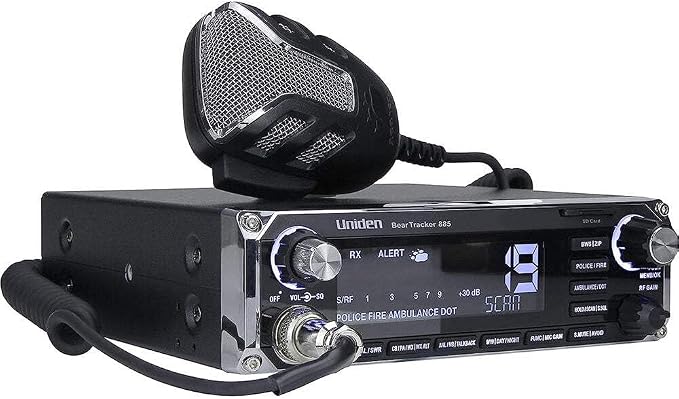
Uniden BearTracker 885 Hybrid CB Radio and Scanner delivers a unique combo of CB radio and public safety scanner functions, perfect for anyone wanting live updates on police, fire, ambulance, and DOT traffic across US and Canada. The biggest strength lies in its automatic channel selection by GPS, keeping you informed about nearby emergency services without manual tuning.
Setting up involves just plugging into a 12V power source, and the included GPS does the hard work of picking out relevant scan channels wherever you go. Daily use feels straightforward with its 40 CB channels, NOAA Weather alerts, and a clear 7-color display.
The BearTracker Warning System actively alerts you about nearby transmissions, so you never miss important updates, while controls like RF Gain and Mic Gain fine-tune your listening and speaking experience.
Performance delivers consistent scanning of public safety radios and reliable CB communication with 4-Watt output. Build quality feels solid but it isn’t water resistant, so care is needed in wet conditions.
Praise frequently mentions how useful the GPS-driven channel selection is for on-the-go scanning. Common complaints focus on the short talking range of only about 1 meter and the lack of water resistance, limiting outdoor use in harsh weather.
GPS-based channel selection automatically spots nearby emergency transmissions, making it easy to stay up to date without manual searching. Users value this feature highly, but the short talking range around 1 meter and lack of water resistance limits usage in outdoor environments.
Anyone who mainly listens for emergency broadcasts on the go will appreciate how the scanner tracks relevant channels. Those needing longer voice communications or rugged outdoor use should look at options with greater range and weather protection.
Pros
- GPS enabled automatic channel selection
- Full-featured 40-channel CB radio
- BearTracker Warning System alerts close signals
- NOAA Weather alerts included
Cons
- Limited talking range maximum of 1 meter
- Not water resistant, delicate in wet conditions
| Specification | Details |
|---|---|
| Number of Channels | 40 |
| Talking Range Maximum | 1 meter |
| Voltage | 12 volts |
| Tuner Type | UHF |
| Other Features | Emergency Alarm, BearTracker Warning System, NOAA Weather Alerts |
Comparison of Top Mobile Police Fire Scanners
| Product | Battery Type | Channels | Frequency Range | Power Source |
|---|---|---|---|---|
| Uniden BC365CRS Alarm Clock | 3 AA Alkaline | – | – | Corded Electric |
| Uniden BC355N Scanner | 1 Product Specific | – | 800 MHz | Corded Electric |
| Uniden BCD996P2 TrunkTracker V | – | – | 25 MHz | 12V DC |
| Uniden SDS200 TrunkTracker X | – | – | – | USB |
| Uniden Bearcat BC125AT Handheld | 2 AA Batteries | 500 | 25-512 MHz | 3V |
| Whistler WS1025 Desktop Scanner | – | – | – | Bluetooth |
| Uniden BCD536HP HomePatrol | 2 AA Batteries | 5 | 25-49.99 MHz | 12V |
| Uniden BearTracker BCT15X Scanner | – | – | – | AC Adapter |
| Uniden Bearcat BCD260DN Scanner | – | – | – | USB |
| Uniden SDS150 Digital Scanner | Battery Powered | – | – | Battery Powered |
| Uniden SDS100 True IQ Handheld | – | – | – | USB |
| Uniden HomePatrol-2 Touchscreen | – | – | – | USB |
| Uniden BearTracker 885 Hybrid | – | 40 | UHF | 12V |
- Battery Type3 AA Alkaline
- Channels–
- Frequency Range–
- Power SourceCorded Electric
- Battery Type1 Product Specific
- Channels–
- Frequency Range800 MHz
- Power SourceCorded Electric
- Battery Type–
- Channels–
- Frequency Range25 MHz
- Power Source12V DC
- Battery Type–
- Channels–
- Frequency Range–
- Power SourceUSB
- Battery Type2 AA Batteries
- Channels500
- Frequency Range25-512 MHz
- Power Source3V
- Battery Type–
- Channels–
- Frequency Range–
- Power SourceBluetooth
- Battery Type2 AA Batteries
- Channels5
- Frequency Range25-49.99 MHz
- Power Source12V
- Battery Type–
- Channels–
- Frequency Range–
- Power SourceAC Adapter
- Battery Type–
- Channels–
- Frequency Range–
- Power SourceUSB
- Battery TypeBattery Powered
- Channels–
- Frequency Range–
- Power SourceBattery Powered
- Battery Type–
- Channels–
- Frequency Range–
- Power SourceUSB
- Battery Type–
- Channels–
- Frequency Range–
- Power SourceUSB
- Battery Type–
- Channels40
- Frequency RangeUHF
- Power Source12V
How to Choose the Right Mobile Police Fire Scanner
Choosing a mobile police fire scanner depends on factors like frequency range, ease of use, and portability. Prioritizing reliable reception and user-friendly features ensures you stay informed without frustration. Getting these aspects right helps avoid wasted time and costly replacements.
Frequency Range and Coverage
Many scanners claim broad coverage, but some only catch common analog signals. Missing out on digital channels means losing access to a significant portion of modern police and fire transmissions.
Devices that cover both VHF (Very High Frequency) and UHF (Ultra High Frequency) bands offer better chances to monitor diverse emergency channels used by different departments.
A good scanner handles frequencies roughly from 25 MHz to 512 MHz, covering typical public safety bands. Supporting both analog and digital signals means compatibility with older and newer systems, so you don’t miss crucial updates.
This combination makes daily use reliable across various regions where signal types vary.
Portability and Mounting Options
Carrying and mounting the scanner makes a big difference on the road. Bulky units are cumbersome, often restricting installation spots inside smaller vehicles. Lightweight, compact models slide easily onto dashboards or under seats without clutter.
Look for scanners with multiple mounting accessories: suction cups for windshields, magnetic mounts for metal surfaces, or clips for handheld use. The best setups install and remove quickly with no marks or damage to the vehicle’s interior, letting you switch between mobile and handheld use without fuss.
Power Source and Battery Life
Running out of power mid-trip disrupts monitoring, especially on long drives. Many scanners offer a choice between plugging into the vehicle’s 12V power outlet and using a rechargeable battery.
Battery-powered use is handy off-vehicle but demands longer life while scanning continuously.
Expect at least 6 to 8 hours of battery runtime for uninterrupted use. Efficient scanners balance performance and power consumption, reducing the need to recharge frequently.
Having a switchable power setup adds flexibility depending on travel conditions and convenience.
User Interface and Ease of Use
A clear display and straightforward controls cut down the distraction of operating the scanner on the move. Complex menus or tiny buttons slow down tuning and lead to missed calls. Units featuring dedicated memory channels allow quick access to critical frequencies without repeated tuning.
Volume control must be easy to adjust, especially when outside noise changes constantly. Good audio clarity keeps transmissions intelligible in busy settings, so you don’t miss important details during emergencies or routine scans.
Signal Reception and Sensitivity
Signal clarity depends heavily on the antenna quality and receiver sensitivity. Weak or distant transmissions often drop off or get overwhelmed by static on poor scanners. High-sensitivity receivers pick up faint signals better, improving overall monitoring coverage.
Noise filtering cuts down static and interference, making it easier to understand transmissions. Fast scanning speeds also matter since emergency dispatches can be brief and sporadic.
A scanner that cycles through channels quickly ensures you catch even brief communications without delay.
Optimizing Mobile Police Fire Scanner Performance in Different Environments
Reception quality varies significantly depending on the environment where a mobile police fire scanner is used. Dense urban areas often cause more signal interference due to tall buildings or electronic noise.
In these situations, a scanner with a strong external antenna connection can make a considerable difference. Vehicles with built-in antennas designed for wide frequency ranges tend to receive broader public safety transmissions clearly.
The placement of the scanner inside the vehicle also matters. Mounting it near a window gives fewer obstructions than placing it inside a closed console.
Adjusting the scanner’s settings to filter out non-essential channels helps focus on critical communications without constant manual tuning.
- Use an external antenna when possible for better signal reception.
- Place the scanner near a car window or an open area for clearer sound.
- Regularly update frequencies and programming to stay current with local broadcasts.
This hands-on approach improves overall listening experience across urban, suburban, and rural landscapes.
Essential Maintenance and Care for Longevity of Mobile Scanners
Maintaining a mobile police fire scanner begins with keeping it clean and dry. Dust or moisture can hamper internal electronics and the speaker.
Wiping the device periodically with a soft, dry cloth prevents buildup that could obstruct buttons or display screens.
The scanner’s software and frequency database should be updated regularly. This keeps the device tuned to the latest communication protocols and changes in public safety channels.
Neglecting updates can result in missing vital transmissions or tuning to inactive frequencies.
- Store the scanner in a protective case when not in use to prevent physical damage.
- Check antenna connectors for corrosion or looseness, reinstalling or replacing when needed.
- Follow manufacturer guidelines for charging cycles to maintain battery life.
Routine care extends the scanner’s operational lifespan and reliability during emergencies or routine monitoring.
Comparing Mobile Scanners with Alternative Public Safety Monitoring Options
Mobile scanners differ from smartphone apps and online streaming platforms in a few key ways. Dedicated hardware typically provides faster frequency scanning and better audio clarity compared to apps that rely on internet connections.
This makes a scanner more dependable in areas with spotty cellular reception.
Online services offer convenience but depend entirely on data availability and service providers. They often include delay times from broadcast to listener.
Apps might also omit certain encrypted or regional frequencies that physical scanners can access directly.
- Hardware scanners require no ongoing data fees and work offline.
- Apps allow monitoring multiple agencies across locations without needing multiple devices.
- Some online platforms limit access during peak times to prioritize paid users.
Choosing between these options depends on specific priorities like portability, real-time access, and signal independence.
People Also Asked
How Do I Properly Maintain a Mobile Police Fire Scanner?
Keep the scanner clean and dry, and regularly update the firmware or software if available. Storing it in a protective case helps prevent damage when driving or moving around.
Is This Mobile Scanner Compatible with All Emergency Frequencies?
Many mobile scanners cover a wide range of frequencies but might not include every local emergency frequency. Check the frequency range list before buying to make sure it covers the specific channels you want to monitor.
What Safety Precautions Should I Take When Using This Scanner?
Avoid using the scanner while driving unless it’s hands-free and voice controlled. Also, never try to interfere or transmit on emergency channels, as that’s illegal and unsafe.
How Long Does the Battery Typically Last on a Mobile Scanner?
Battery life varies but typically lasts a few hours to a day depending on use and model. Carrying a backup battery or charging cable is practical for extended use.
What Are Common Problems Users Face with Mobile Police Fire Scanners?
Users often face reception issues in areas with poor signal or interference from other electronics. Antenna placement and keeping software updated can help reduce these problems.
Conclusion
Choosing a mobile police fire scanner comes down to clear reception, easy operation, and coverage of relevant frequencies. You want a model that picks up local signals reliably and lets you switch channels quickly as situations develop. Durability and power source also matter if you’ll use it outdoors or on the go.
Consider how much space you have and how often you’ll actually use the scanner before making a purchase. Matching these factors with your budget helps avoid overspending on features you don’t need. Scroll back to the comparison table and the detailed reviews above to find the scanner best suited for your setup and listening habits.