Top 13 Best Minimalist Winter Boots You Can’t Miss!
Cold, wet feet can ruin a winter day, especially when boots don’t handle snow or ice well. The best minimalist winter boots strike a balance between warmth and simplicity, avoiding bulk while keeping your feet dry and comfortable. Cheap boots tend to let moisture in or cause your feet to overheat, leading to cold spots and blisters.
Key features that set good minimalist winter boots apart include waterproof but breathable materials like Gore-Tex or similar membranes, ensuring moisture doesn’t get trapped inside. Proper insulation, usually around 200-400 grams of synthetic fill, helps retain warmth without adding weight.
The sole should provide decent traction on icy surfaces, often with rubber compounds designed for cold weather, while the fit must allow enough room for thicker winter socks without compromising stability.
Need a Quick Check?
| Image | Product | Price |
|---|---|---|
Our Top Picks 1 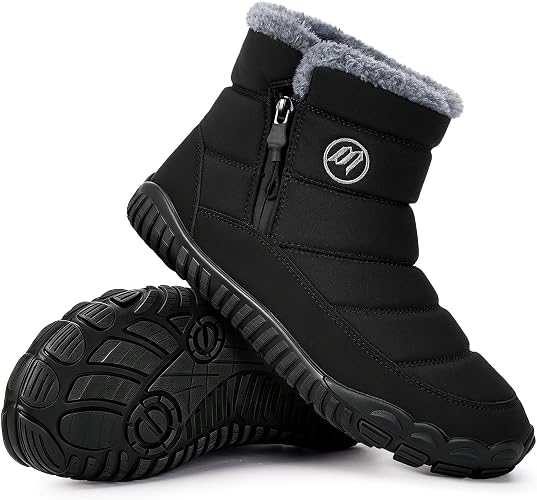 | Barefoot Wide Snow Boots | Check Price |
Our Top Picks 2  | WHITIN Men’s Barefoot W826 | Check Price |
Our Top Picks 3  | Men’s Barefoot Wide Toe Boots | Check Price |
Our Selected Top 13 Minimalist Winter Boots Picks for Every Need
This list features carefully chosen minimalist winter boots designed for various activities and conditions. Each review covers the boot’s performance, suitability for different users, and key advantages and drawbacks to help you find the right fit for your needs.
1. Barefoot Snow Boots Wide Width
Wide width and a flat heel make these snow boots a solid pick for anyone needing extra room without sacrificing warmth. Perfect for cold winter days, they stand out for comfort in snowy conditions. Their closed toe design is simple but very effective for keeping feet protected and cozy.
Slip them on easily, thanks to the roomy build, which is great for wider feet or thicker socks in winter. The solid black color keeps styling straightforward, and the flat heel lets you walk naturally through snow or icy sidewalks.
They feel light enough for everyday wear, and the solid pattern means no distracting details to worry about.
These boots manage cold weather well, focusing on straightforward warmth without frills. The closed-toe winter boot style covers what matters most: keeping out snow and chill. Most praise revolves around their fit for wide feet, while some mention they could be bulkier for those wanting something lighter.
The flat heel provides good stability but may not offer much arch support.
These boots earn praise chiefly for their roomy fit which suits wider feet well and keeps warmth in. Common complaints point to the somewhat bulky feel, which might not suit people seeking very slim winter options.
They will satisfy those needing wide, protective winter footwear. People wanting lighter, more minimalist designs or built-in arch support may prefer to look elsewhere for their winter boots.
Pros
- Wide width fits comfortably with thick socks
- Flat heel provides good stability on snow
- Closed toe for protection against cold and wet
- Solid black matches with most winter outfits
Cons
- Can feel a bit bulky for minimalists
- Lacks significant arch support for long wear
| Specification | Details |
|---|---|
| Color | 01-black |
| Toe Style | Closed Toe |
| Boot Form Type | Snow Boot |
| Heel Type | Flat |
| Seasons | Winter |
| Pattern | Solid |
2. WHITIN Mens Barefoot Winter Shoes W826
Someone looking for a minimalist winter shoe that fits daily routines and travel alike will appreciate these barefoot winter shoes. Its biggest strength lies in offering a simple, round-toe design without heels, making it easy to wear whenever you want a touch of winter protection without bulk or complexity.
Putting these shoes on feels straightforward thanks to their minimal design and soft Brown Beige color that goes well with casual clothes. There is no heel to worry about, so walking feels natural and close to barefoot.
Great for daily walking or travel where you want your feet to stay light yet covered during winter days.
The shoes perform well as winter footwear meant for daily use, combining comfort with a minimalist approach. Their solid pattern keeps things straightforward and durable.
The strongest point users notice is the fit, which gives a natural barefoot feeling. A frequently mentioned downside is that the design might be too minimal for harsher winter conditions needing more insulation or protection.
Most users appreciate the close-to-barefoot fit that lets your foot move naturally without a bulky heel, making it comfortable for everyday wear and travel. Some mention that this minimalist style doesn’t provide enough warmth or protection in very harsh winter weather. It’s great for light winter conditions but less suitable for deep snow or icy treks.
Those who prefer shoes that feel more like an extension of their foot will find these winter shoes fitting nicely into their lifestyle. People needing stronger, insulated boots for severe cold or rough terrain might want to consider options with more padding and protection.
Pros
- Lightweight minimalist design
- No heel for natural foot movement
- Simple solid pattern, easy to style
- Suitable for travel and everyday winter use
Cons
- Not heavily insulated for extreme cold
- May lack protection in rugged conditions
| Specification | Details |
|---|---|
| Color | Brown Beige |
| Occasion Type | Daily |
| Heel Type | No Heel |
| Toe Style | Round Toe |
| Seasons | Winter |
| Style Name | Minimalist |
3. Mens Winter Barefoot Boots Wide Toe Box
Designed for those who want a minimalist feel without sacrificing warmth, the Mens Winter Barefoot Boots Wide Toe Box offers plenty of room up front and a flat heel to keep balance natural. Ideal for casual wear in snowy conditions, its standout feature is the wide toe box that allows toes to spread comfortably.
Putting them on is straightforward, and the round toe shape accommodates foot motion well during daily walks or errands. The solid black color and casual style make them versatile, while their snow boot design means they’re built to handle winter weather without fuss. You won’t feel restricted thanks to the wide toe area, which also helps avoid pinching or cramping.
Performance in snowy conditions is steady, especially for flat-heeled boots where stability matters most. The build feels durable, focused on simple, functional design rather than extra flair.
Praise often goes to how comfortable the toe box is, but some mention the boots lack advanced insulation or technical waterproofing features, which might not suit extreme cold or wet conditions.
Comfort is the biggest strength thanks to the wide toe box providing generous room, allowing toes to spread out naturally. Most common downside mentioned is the limited insulation, meaning the boots may feel chilly in very harsh winter weather.
Those seeking casual, everyday winter boots with room to move toes will appreciate these. People needing heavy-duty warmth or full waterproofing should consider more specialized winter boots instead.
Pros
- Wide toe box for natural toe splay
- The flat heel offers better stability
- Simple and casual style fits winter outfits
- Solid black color pairs easily
Cons
- Lacks advanced insulation for extreme cold
- No high-tech waterproofing features
| Specification | Details |
|---|---|
| Color | Black |
| Toe Style | Round Toe |
| Boot Form Type | Snow Boot |
| Heel Type | Flat |
| Seasons | Winter |
| Pattern | Solid |
| Style Name | Casual |
4. Barefoot Winter Ankle Boots Wide Toe Box

Barefoot Winter Ankle Boots Wide Toe Box offer a great fit for anyone who values roomy toes and flat soles during cold weather. Their wide toe box is the standout feature, perfect for those who want to keep toes comfortable and unrestricted when walking around town or running casual errands in winter.
Putting them on is easy and the flat bootie style feels natural under typical winter wear. They shift just enough to adjust to your foot shape without feeling loose. The solid black color works well with casual outfits, making it simple to wear them every day.
Thanks to the round toe, foot movement inside the boot comes across as more natural than in narrow designs.
Designed as snow boots, they hold up well to cold weather, keeping feet warm without adding bulk. The flat heel supports steadiness on slippery surfaces while the roomy toe box lets your toes spread out, something many boots lack. Common praise highlights comfort and roomy fit, while some mention the boots could benefit from added insulation or water resistance for harsher conditions.
Consistent feedback praises the roomy fit as comfortable for longer wearer times. The most frequent downside relates to the boots not providing enough warmth or protection against wet snow and heavy moisture.
Good option for someone wanting a casual, everyday winter boot with space to move toes freely. Not suited for people facing deep snow or icy wet conditions demanding higher insulation or waterproofing.
Pros
- Wide toe box for extra comfort
- Flat heel offers stability
- Simple black fits all casual looks
Cons
- Lacks strong water resistance
- Could be warmer for extreme cold
| Specification | Details |
|---|---|
| Color | Black |
| Toe Style | Round Toe |
| Boot Form Type | Bootie |
| Heel Type | Flat |
| Seasons | Winter |
| Occasion | Casual |
5. HOBIBEAR Barefoot Zero-Drop Walking Boots

Feels incredibly natural on your feet, almost like walking barefoot yet with enough protection for chilly fall days. Ideal for someone who values minimalist design down to the sole and wants a boot that encourages natural foot movement without compromising warmth and comfort.
Slip them on easily thanks to the low-heel bootie form that hugs the foot without pressure. No break-in period needed as the round toe shape offers plenty of room, helping you move freely during daily walks or short hikes. The dark brown solid color pairs well with casual and outdoor wear alike.
Performance-wise, the zero-drop sole helps maintain a natural gait that makes each step feel light and agile while providing reliable grip on leaves and moderate trails. The build is focused on simplicity with quality materials aimed at day-to-day fall use. Most praise highlights comfort and freedom of movement, while one common complaint is they might not be warm enough for winter’s harshest days.
Comfort and a barefoot feel stand out as the strongest features, providing unmatched freedom of movement for fall walks and hikes. On the other hand, warmth can fall short during colder, wetter winter days, making them less versatile in harsher conditions.
Anyone looking for a minimalist, flexible boot suited to autumn will appreciate these. Those needing heavy insulation or protection from snow and rain might want to explore waterproof or winter-specific options instead.
Pros
- Natural zero-drop sole supports healthy foot motion
- Round toe offers roomy toe space
- Low-heel bootie design for easy wear
- Dark brown color works well with many outfits
Cons
- Not insulated enough for very cold winter weather
- Limited to fall season use, no waterproofing mentioned
| Specification | Details |
|---|---|
| Color | Dark Brown |
| Toe Style | Round Toe |
| Boot Form Type | Bootie |
| Heel Type | low-heel |
| Seasons | Fall |
| Style Name | Hiking |
6. Sisttke Kids Barefoot Snow Boots Wide Width

Ideal for kids needing winter footwear that fits wider feet comfortably, these black ankle boots stand out for their wide width and flat heel, offering stability without bulk. Perfect for outdoor winter activities, they focus on comfort and practical use in snowy conditions.
Putting them on is straightforward with the ankle boot design, ensuring the fit accommodates wide feet without pinching. The closed toe keeps little toes warm and protected throughout the day. Their flat heel style makes walking less tiring on snowy or icy surfaces, helping maintain balance and support during active play outside.
These boots perform well holding up in snow while keeping feet warm. The solid black color is easy to maintain, with no flashy patterns prone to showing dirt. Reviews highlight their comfortable wide fit as a major plus, while some note the boots might lack extra insulation for extremely cold days.
The build meets basic winter needs for outdoor use.
Comfortable wide fit remains the standout feature for everyday outdoor play. The main drawback mentioned is insufficient insulation to keep feet warm during extreme cold, making them better for moderate winter conditions rather than harsh freezing weather.
Kids with wider feet will find these boots well-suited for daily snowy activities. Those needing more warmth in cold climates should look for heavier insulated options instead.
Pros
- Wide width fits wider feet comfortably
- Flat heel provides stable footing
- Closed toe helps retain warmth
- Simple black design hides dirt well
Cons
- Limited insulation for very cold temperatures
- Not suitable for narrow foot shapes
| Specification | Details |
|---|---|
| Color | Black |
| Toe Style | Closed Toe |
| Boot Form Type | Snow Boot |
| Heel Type | Flat |
| Seasons | Winter |
| Style Name | Ankle Boots |
7. Barefoot Winter Hiking Boots

Designed with a composite toe and low-heel form, these boots are ideal for outdoor winter hiking. Their biggest strength lies in combining minimalism with winter-ready protection, suited for those who want lightweight yet sturdy footwear for cold weather trails.
Putting them on and taking them off is straightforward, with a fit that feels snug without being tight. The black color keeps dirt less visible. The low-heel and hiking boot form support steady footing on uneven surfaces.
Cleaning involves a simple wipe-down, keeping maintenance easy despite outdoor use.
Performance during winter hikes is reliable thanks to the composite toe providing solid protection without extra bulk. The build prioritizes safety while maintaining a lightweight feel.
Most people appreciate their comfort and durability, though some note the minimal padding could be less ideal in extremely rough terrain.
Protection from the composite toe stands out as the best feature, offering solid safety without heavy weight. Most common drawback mentioned is that the boots have minimal padding, which might reduce comfort on harsh or extended hikes.
People looking for lightweight winter boots with reliable toe protection will be satisfied. Those needing extra cushioning or multiple style choices may want to explore other options.
Pros
- Lightweight design with protective composite toe
- Low-heel supports stable footing
- Simple black color hides dirt well
- Easy to clean after use outdoors
Cons
- Minimal padding may feel thin for rough terrains
- Limited color options available
| Specification | Details |
|---|---|
| Color | Black |
| Toe Style | Composite Toe |
| Boot Form Type | Hiking Boot |
| Heel Type | low-heel |
| Seasons | Winter |
| Style Name | Sport Boots |
| Occasion | outdoor |
8. Barefoot Winter Hiking Boots Wide Toe Box

Brown color and a wide toe box stand out right away, making these boots a great match for those who want roomy, toe-friendly winter footwear. They suit anyone looking for minimalist hiking boots that provide natural foot movement without extra heel elevation.
Putting them on each day is straightforward thanks to the closed toe design that keeps feet well-protected from snow and cold. The boot shape stays true to classic hiking styles, designed to handle winter conditions without weighing you down.
Breathability and insulation balance out so feet stay comfortable during winter walks or sports activities.
Performance-wise, these boots deliver well on protection and grip during winter outings, with no heel to interfere with natural walking. The solid pattern holds up to regular use.
Most praise comes from how spacious and comfortable the toe box feels. Some find the lack of heel support limiting for longer hikes.
Spacious toe area consistently receives praise for comfort in winter conditions, while some users notice the lack of a heel reduces stability on uneven surfaces. The solid construction stands up to winter use but insulation may not be enough for severe cold.
Those who prioritize natural foot movement and wide toe space will appreciate these boots. People needing more heel support or higher insulation should look for alternatives better suited to challenging winter hikes or very cold climates.
Pros
- Wide toe box allows natural toe splay
- Minimalist design with no heel elevation
- Solid pattern suits winter hiking needs
- Closed toe protects against cold and snow
Cons
- Lack of heel can reduce support on rough terrain
- Not heavily insulated for extreme cold
| Specification | Details |
|---|---|
| Color | Brown |
| Toe Style | Closed Toe |
| Boot Form Type | Hiking Boot |
| Heel Type | No Heel |
| Seasons | Winter |
| Pattern | Solid |
9. Eagsouni Wide Barefoot Winter Snow Boots

Ideal for anyone wanting lightweight warmth without bulky winter boots, these beige snow boots fit well and offer a true barefoot feel. Their flat heel and closed toe design make them great for walking through snow or rough terrain, perfect for simple winter activities like hiking or walking the dog.
Setting them up is straightforward since they are easy to slip on and stay secure. Day-to-day wear reveals they keep feet comfortably warm without feeling heavy or restricting movement.
The wide toe box lets your feet spread naturally, which adds to comfort during longer walks or outdoor activities in cold weather.
Performance-wise, these boots handle snowy conditions well with a solid grip and flat sole that prevents slipping. They offer a minimalist design but protect adequately from cold and wetness. Most praise highlights the broad toe space making walking more natural.
A fairly common complaint points to some users wishing for a bit more insulation on extremely cold days.
The boots stand out for their wide toe box, which keeps your feet feeling natural and comfortable during winter activities. They provide reliable grip and protection but might feel less warm in very harsh winter climates. Users appreciate how light they are compared to traditional snow boots.
Those looking for minimalist, barefoot-style winter boots that work well for walking and light hiking will find these a solid choice. Anyone needing heavy-duty insulation for extreme cold or wanting more color variety should consider other options.
Pros
- Wide toe box for barefoot comfort
- Lightweight and easy to wear
- Flat heel offers stable footing
- Good grip on snowy surfaces
Cons
- May lack insulation in extreme cold
- Limited color options
| Specification | Details |
|---|---|
| Color | Beige |
| Toe Style | Closed Toe |
| Boot Form Type | Snow Boot |
| Heel Type | Flat |
| Seasons | Winter |
| Occasion | Walking the Dog, Camping, Skiing, Hiking |
10. HOBIBEAR Womens Barefoot Winter Shoes

Cold, snowy days demand footwear that keeps your feet warm without feeling bulky or heavy. These minimalist winter boots suit those who want a simple, lightweight option for casual winter wear. Their biggest strength lies in combining a barefoot feel with enough protection to handle typical winter conditions.
Slipping them on is quick thanks to a straightforward design. They fit close to the foot, offering a snug but flexible feel. The closed toe and flat heel promise stability on slippery surfaces without compromising natural movement.
Black color keeps things versatile and easy to match with winter outfits. They work best in everyday winter activities where you don’t need heavy insulation or deep snow protection.
Built as snow boots with a barefoot style, they offer decent warmth and traction for winter walks. The flat heel supports balance, but they don’t have thick padding or insulation layers, so very harsh, cold environments might reveal their limits.
A common positive is the lightweight feel, letting you move naturally. Some users find them less suited for deep, wet snow due to minimal bulk and protection.
The boots are praised for their lightweight, barefoot feel that allows natural movement during winter activities. The common drawback mentioned is their limited insulation, which makes them less suitable for extremely cold or snowy conditions.
Those seeking a minimalist design that balances foot freedom with light winter protection will appreciate these boots. Individuals needing thicker insulation or better waterproofing for deeper snow may want to explore other options.
Pros
- Lightweight and flexible like barefoot shoes
- Flat heel for natural foot movement
- Closed toe protects against cold and snow
- Simplistic black design suits many outfits
Cons
- Lacks heavy insulation for very cold days
- Not ideal for deep or very wet snow
| Specification | Details |
|---|---|
| Color | Black |
| Toe Style | Closed Toe |
| Boot Form Type | Snow Boot |
| Heel Type | Flat |
| Seasons | Winter |
| Style Name | Snow Boots |
11. SAGUARO Adult Barefoot Winter Hiking Boots

Classic Black color and a flat heel make these winter hiking boots ideal for minimalist winter wear. Perfect for anyone wanting closed toe protection along with lightweight, barefoot-style footwear suitable for chilly fall and winter days. Their biggest strength lies in maintaining simplicity without compromising on the essential coverage and grip for outdoor activities.
Putting the boots on is straightforward, with a fit that hugs the foot comfortably without extra bulk. The hiking boot form supports walking on varied winter terrain, while the flat heel keeps your feet grounded with natural movement. Daily use includes New Year outings and cold weather adventures, and the boots manage to stay flexible and breathable, making them practical for extended wear.
Built for durability with closed toe protection, these boots keep feet safe against winter elements during hikes. The classic black color hides dirt well, making them easy to maintain. Many praise their comfortable barefoot feel that doesn’t sacrifice stability.
A common complaint mentions the boots may lack extra insulation needed for severe cold climates.
Positive feedback highlights the boots’ barefoot comfort and natural walking experience, appreciated during winter hikes. The main drawback is the lack of heavy insulation, which can make them less warm in very cold settings.
People who want minimalist footwear with protection for moderate cold will appreciate these boots. Those facing harsh winter conditions or rough ground might want to look for boots with more insulation and support.
Pros
- Comfortable barefoot-style fit
- Supports natural foot movement
- Effective closed toe protection
- Classic black color hides dirt well
Cons
- Limited insulation for extreme cold
- May feel less supportive on rough terrain
| Specification | Details |
|---|---|
| Color | Classic Black |
| Toe Style | Closed Toe |
| Boot Form Type | Hiking Boot |
| Heel Type | Flat |
| Seasons | Fall, Winter |
| Occasion | New Year |
12. CERYTHRINA Winter Barefoot Snow Boots

Someone looking for simple, warm winter boots that support natural foot movement will appreciate these minimalist shoes. Great for casual use and light hiking, their biggest strength lies in offering a barefoot experience while still keeping feet protected.
Putting them on is straightforward with the round toe and no-heel design, making each step feel close to walking barefoot on snow. The brown color works well in winter settings and the solid pattern keeps the style clean.
These are lightweight, easy to slip into, and comfortable enough for daily wear during chilly months.
Designed as hiking boots, they focus on keeping feet warm without bulk or weight. The build favors natural foot shape and freedom over heavy insulation or aggressive tread. Praise often highlights comfort and natural flexibility, while some find them less suited for very icy or wet conditions due to minimal waterproofing.
Enough warmth and barefoot comfort make these boots stand out for everyday winter wear. Common complaints focus on the minimal water resistance and grip in icy conditions. They work well as casual minimalist boots rather than for intense winter hiking.
People who want a lightweight boot that feels like walking barefoot in winter will be happy here. Those needing more protection from wet snow or ice might prefer sturdier, more insulated options with better traction.
Pros
- Supports natural foot movement
- Lightweight and easy to wear
- Warm enough for casual winter use
- Neutral brown color suits many outfits
Cons
- Not fully waterproof for heavy snow
- Less traction on icy surfaces
| Specification | Details |
|---|---|
| Color | Brown 09 |
| Toe Style | Round Toe |
| Boot Form Type | Hiking Boot |
| Heel Type | No Heel |
| Seasons | Winter |
| Style Name | Barefoot Shoes |
13. Barefoot Winter Wide Toe Box Snow Boots

Perfect for anyone craving roomy, natural toe movement during winter, these snow boots stand out by offering a wide toe box without a heel. They suit casual use on cold days and focus on comfort for those who dislike constricted footwear.
The boots slip on easily and feel light despite being designed for snow. Black solid color keeps them versatile, while the round toe shape caters to comfort over style. They work well for daily errands or short walks, allowing toes to spread naturally without pressure.
They hold up well against cold weather in winter with no heel to interfere with balance. The build is simple but solid, aiming for a barefoot feel.
Most praise highlights the roomy fit as very comfortable, while common criticism points out limited insulation for extremely harsh conditions.
The most appreciated feature is the wide toe box that offers comfort and room compared to typical winter boots. However, the boots do not provide heavy insulation, limiting use in very cold climates. They keep things simple without extra thermal padding or waterproof layers.
People valuing natural foot movement and light winter boots will enjoy wearing them. Those facing deep snow or extremely low temperatures might want to consider more insulated or waterproof options instead.
Pros
- The wide toe box allows your toes to spread out naturally.
- Lightweight design favors casual wear
- No heel promotes better balance
- Simple solid black color fits many outfits
Cons
- Not heavily insulated for extreme cold
- Lacks specialized waterproof materials
| Specification | Details |
|---|---|
| Color | Black 1 |
| Toe Style | Round Toe |
| Boot Form Type | Snow Boot |
| Heel Type | No Heel |
| Seasons | winner |
| Style Name | Barefoot Shoes |
Best Minimalist Winter Boots Comparison Table
| Product | Color | Toe Style | Boot Form Type | Heel Type |
|---|---|---|---|---|
| Barefoot Wide Snow Boots | 01-black | Closed Toe | Snow Boot | Flat |
| WHITIN Men’s Barefoot W826 | Brown Beige | Round Toe | – | No Heel |
| Men’s Barefoot Wide Toe Boots | Black | Round Toe | Snow Boot | Flat |
| Barefoot Ankle Wide Toe Boots | Black | Round Toe | Bootie | Flat |
| HOBIBEAR Zero-Drop Walking Boots | Dark Brown | Round Toe | Bootie | Low-heel |
| Sisttke Kids Wide Snow Boots | Black | Closed Toe | Snow Boot | Flat |
| Barefoot Winter Hiking Boots | Black | Composite Toe | Hiking Boot | Low-heel |
| Barefoot Wide Toe Hiking Boots | Brown | Closed Toe | Hiking Boot | No Heel |
| Eagsouni Wide Barefoot Snow Boots | Beige | Closed Toe | Snow Boot | Flat |
| HOBIBEAR Women’s Barefoot Shoes | Black | Closed Toe | Snow Boot | Flat |
| SAGUARO Adult Barefoot Hiking | Classic Black | Closed Toe | Hiking Boot | Flat |
| CERYTHRINA Barefoot Snow Boots | Brown 09 | Round Toe | Hiking Boot | No Heel |
| Barefoot Wide Toe Snow Boots | Black 1 | Round Toe | Snow Boot | No Heel |
- Color01-black
- Toe StyleClosed Toe
- Boot Form TypeSnow Boot
- Heel TypeFlat
- ColorBrown Beige
- Toe StyleRound Toe
- Boot Form Type–
- Heel TypeNo Heel
- ColorBlack
- Toe StyleRound Toe
- Boot Form TypeSnow Boot
- Heel TypeFlat
- ColorBlack
- Toe StyleRound Toe
- Boot Form TypeBootie
- Heel TypeFlat
- ColorDark Brown
- Toe StyleRound Toe
- Boot Form TypeBootie
- Heel TypeLow-heel
- ColorBlack
- Toe StyleClosed Toe
- Boot Form TypeSnow Boot
- Heel TypeFlat
- ColorBlack
- Toe StyleComposite Toe
- Boot Form TypeHiking Boot
- Heel TypeLow-heel
- ColorBrown
- Toe StyleClosed Toe
- Boot Form TypeHiking Boot
- Heel TypeNo Heel
- ColorBeige
- Toe StyleClosed Toe
- Boot Form TypeSnow Boot
- Heel TypeFlat
- ColorBlack
- Toe StyleClosed Toe
- Boot Form TypeSnow Boot
- Heel TypeFlat
- ColorClassic Black
- Toe StyleClosed Toe
- Boot Form TypeHiking Boot
- Heel TypeFlat
- ColorBrown 09
- Toe StyleRound Toe
- Boot Form TypeHiking Boot
- Heel TypeNo Heel
- ColorBlack 1
- Toe StyleRound Toe
- Boot Form TypeSnow Boot
- Heel TypeNo Heel
How to Choose the Perfect Minimalist Winter Boots
Choosing the right minimalist winter boots means focusing on insulation, waterproofing, and sole grip to keep feet warm, dry, and stable in cold conditions. Prioritizing these factors ensures long-lasting comfort and protection, helping avoid costly replacements and discomfort during winter activities.
Insulation and Warmth
Walking outside on a frigid morning without proper insulation quickly reveals how critical this feature is for staying warm. When boots use synthetic insulation like Thinsulate or PrimaLoft, they trap heat efficiently without adding excessive bulk. Wool linings offer natural warmth but may lack the water resistance of synthetic options.
Thickness plays a key role; insulation around 200-400 grams typically balances warmth and flexibility for very cold conditions.
Poorly insulated boots can lead to cold feet and discomfort, especially if your activity level varies throughout the day. Breathability is essential to avoid moisture buildup from sweat, which otherwise chills the foot as soon as activity slows.
Materials that allow vapor to escape help maintain warmth longer and prevent soggy interiors.
Fit and Comfort
Boots that claim true-to-size measurements don’t always deliver, which can spoil a day outdoors if toes feel cramped or heels slip. Finding options that explicitly offer wide or narrow widths helps accommodate different foot shapes.
Arch support can make a big difference for comfort, particularly if you’re on your feet for hours. Boots should allow natural foot movement while still providing stability.
Padding around the collar and tongue, along with a soft inner lining, improve comfort during extended wear. Thin or stiff interiors often cause hotspots or blisters.
Flexible midsoles let your foot flex naturally, reducing fatigue without sacrificing support.
Waterproofing and Weather Resistance
Waterproof membranes like Gore-Tex or proprietary alternatives protect feet from snow and slush but vary in how well they keep moisture out over time. Treatment durability is just as important, boots with surface coatings can lose their water repellency after repetitive wet use. Outer materials such as treated leather or rubber resist winter elements better than fabric alone.
Failing waterproofing leads to cold, wet feet and accelerated wear of the boots. Pay attention to construction details like taped seams or gusseted tongues, which help block water entry. Longevity also depends on materials that stand up to abrasion and salt.
Outsole Traction and Safety
Walking on icy patches or packed snow without proper traction often ends in slips. Boots with rubber outsoles featuring multidirectional lugs and siping provide better grip on slippery surfaces. The ideal sole strikes a balance between hardness (for durability) and flexibility (to maintain contact with uneven ground).
Some models incorporate added features like heel braking zones or embedded microspikes for extra stability. A stiff sole can reduce balance while overly flexible ones wear out quickly, so look for options specifically designed for winter walking conditions.
Weight and Minimalist Design
Heavier winter boots feel cumbersome after several hours, limiting how far you want to walk or hike. Some minimalist designs cut unnecessary weight by trimming insulation and simplifying shape without sacrificing warmth or protection. This creates a more natural foot-ground connection, letting you sense terrain changes better.
Streamlined boots pack easier into bags or car trunks, making them practical for travel or everyday use. The reduced bulk improves agility and reduces foot fatigue compared to traditional bulky winter boots.
Optimizing Winter Boot Performance with Layering and Sock Choices
Choosing the right socks is crucial when using minimalist winter boots. Thin, moisture-wicking socks help manage sweat and keep feet dry, which reduces the risk of cold feet and blisters.
Avoid thick, bulky socks as they can reduce the boots’ fit effectiveness and control. Layering beneath minimalist boots works best when combined with insulating sock liners or thin wool socks designed for cold weather.
For added warmth, consider using removable insoles or thermal inserts specifically designed for minimalist footwear. These can provide extra insulation without compromising the natural foot movement these boots encourage. Layering with these components allows for adjustment according to outdoor conditions.
It’s a practical way to get through colder days without sacrificing the boots’ lightweight and flexible nature.
Tips to optimize boot performance:
- Use thin synthetic or wool-blend socks for base layers.
- Add thermal insoles if needed for extra warmth.
- Keep feet dry by changing socks after sweating or getting wet.
Essential Maintenance Tips to Prolong the Life of Minimalist Winter Boots
Maintaining minimalist winter boots involves regular cleaning and proper drying to extend their lifespan. After each use in snow or mud, remove dirt with a soft brush or damp cloth.
Avoid harsh detergents since they can damage water-resistant coatings and materials.
Dry boots naturally at room temperature, away from direct heat sources like radiators or fireplaces, which can deform or dry out the shoes prematurely. Stuffing boots with newspaper helps absorb moisture faster and maintain shape as they dry.
Doing this after every wet use prevents material breakdown and odor buildup.
Additional care methods include:
- Applying a waterproof spray designed for technical fabrics once boots are clean and dry.
- Checking seams and soles regularly for damage and repairing minor issues promptly.
- Storing boots in a cool, dry place during off-seasons to keep materials from degrading.
Comparing Minimalist Winter Boots to Traditional Insulated Options for Different Activities
Minimalist winter boots focus on flexibility, lightness, and natural foot movement, whereas traditional insulated boots usually provide more padding and bulk. This difference influences which type suits various activities better.
For urban walking or casual outdoor tasks in cold weather, minimalist winter boots offer sufficient warmth combined with ease of movement and less fatigue. Their slim profile also fits better under tight pants and is easier to store or carry.
Traditional insulated boots excel in conditions where deep snow, extended exposure to cold, or wet environments are involved. Their thicker insulation and waterproof constructions keep feet warmer and drier in harsher climates but at the cost of reduced agility and more weight.
Activity-based comparison:
- Long hikes or snowshoeing: insulated boots recommended for protection and insulation.
- City commuting or light outdoor use: minimalist boots suffice and offer comfort.
- Skiing or mountaineering: specialized waterproof and insulated footwear preferred.
People Also Asked
How Do Minimalist Winter Boots Fit Compared to Regular Boots?
Minimalist winter boots generally fit closer to the foot than regular boots, offering less bulk. It’s important to check sizing carefully, as some brands may recommend sizing up to accommodate thicker wool socks.
Are Minimalist Winter Boots Warm Enough for Extreme Cold Weather?
Most minimalist winter boots provide moderate warmth but might not be sufficient for extreme cold on their own. Layering with good thermal socks improves comfort during harsh weather.
What Is the Recommended Way to Clean and Care for These Boots?
Cleaning involves gently brushing off dirt and wiping with a damp cloth; avoid soaking or machine washing. Applying a suitable waterproofing treatment periodically helps maintain their effectiveness.
Do Minimalist Winter Boots Provide Enough Traction on Icy Surfaces?
Minimalist winter boots often have thinner soles, so traction can vary; some models grip well enough for city use but might slip on ice. Adding traction cleats can improve safety in slick conditions.
How Long Do Minimalist Winter Boots Typically Last with Regular Use?
Longevity depends on materials and wear, but minimalist winter boots usually last a couple of winter seasons with regular use. Rotating them with another pair and prompt repair of minor issues extends their life.
Conclusion
Durability, insulation, and grip matter most when choosing minimalist winter boots. The boots should keep your feet warm without adding bulk while handling icy or wet surfaces safely. A comfortable fit that doesn’t feel clunky is important since minimalist boots are worn for extended periods during cold weather.
Consider how often you will wear the boots and the typical conditions you face, along with your budget. This helps narrow down which features matter most for your situation.
Check the comparison table and detailed reviews above to find the boots that best match your needs and environment.