Top 13 Best Method Archery Tips Experts Don’t Want You to Know
Many people who try archery with a cheap or poorly matched setup quickly run into frustration. Arrows can veer off target, the bowstring might break, or the draw can feel uneven. Choosing the best method archery gear helps prevent these issues by focusing on consistency and reliability, which are key for improving accuracy and enjoying practice sessions.
Good archery equipment usually stands out because of the right combination of materials, draw weight, and fit. Most bows designed for target shooting use durable fiberglass or carbon to balance strength and flexibility. Draw weights typically range from 15 to 40 pounds depending on the user’s skill and purpose, which affects the arrow’s speed and control.
Proper fit matters too; the bow must suit your arm length and posture to avoid strain and improve safety during use.
Need a Quick Check?
| Image | Product | Price |
|---|---|---|
Our Top Picks 1  | Howard Hill Bow Guide | Check Price |
Our Top Picks 2  | Modern Archery Methods | Check Price |
Our Top Picks 3  | Ultimate Traditional Archery | Check Price |
Our Selected Top 13 Method Archery for Every Budget
This list features a range of method archery equipment designed to suit different needs and budgets. Each review covers the performance, ideal users, and the strengths and weaknesses to help you make an informed choice based on your preferences and skill level.
1. Howard Hill Method of Shooting Bow and Arrow
Mastering archery feels more natural with the Howard Hill Method of Shooting Bow and Arrow, designed for accuracy and traditional technique. It suits archers focused on precision and a classic shooting style, with its biggest strength being the emphasis on form and consistency rather than equipment complexity.
Getting into the swing of daily use involves embracing the straightforward setup centered on the shooter’s posture and release. No high-tech sights or adjustable components are involved, which keeps your focus on practicing technique rather than fiddling with gear.
This method demands patience but rewards steady improvement through repetition and attention to detail.
Performance relies heavily on how well the shooter adopts the method, as it’s about muscle memory and timing rather than the device’s power or materials. Built around traditional principles rather than modern construction, some find the lack of mechanical aids a refreshing challenge, while others might see it as limiting. The most common feedback praises its simplicity and effectiveness, yet some find the adjustment period demanding.
The strongest praise comes from how the method improves precision through disciplined form and muscle memory over time. The most common complaint involves the initial challenge of adapting without modern aids, which can feel limiting or frustrating at first.
Archers seeking to deepen traditional technique and patience will find satisfaction here. Those preferring modern bows with adjustable features and quicker results might consider other methods better suited to their needs.
Pros
- Promotes natural, accurate shooting form
- Simple, no-fuss approach to archery
- Improves muscle memory effectively
- Good for mastering traditional archery style
Cons
- Requires patience for skill development
- No mechanical aids or adjustability
| Specification | Details |
|---|---|
| Method Type | Traditional shooting technique |
| Focus | Form and consistency |
| Equipment Requirements | Basic bow and arrow set |
| Adjustment Features | None |
| Target Skill | Precision shooting |
2. Modern Methods in Archery
Modern Methods in Archery offers a straightforward guide for those wanting to improve their archery technique and knowledge. Ideal for beginners and intermediate archers, it stands out for its clear explanation of archery basics and practical methods to master the sport.
Getting into the book is easy since it organizes topics logically, covering key techniques and safety tips. Readers will find day-to-day advice that highlights proper form and the importance of consistent practice. Each chapter builds on skills progressively, which helps maintain focus and track improvement over time.
The manual does a solid job of explaining archery principles. It is built around accessible language and practical insights, making the sport approachable.
Positive comments praise its clarity and step-by-step instruction, while some note that it lacks depth on advanced equipment tuning for seasoned archers.
Clarity and accessible instruction are often highlighted, making it easy to follow and apply archery methods. A common limitation is its focus on introductory topics, leaving room for more complex gear and technique guidance.
Those new to archery or looking to solidify fundamental skills will appreciate the methodical approach and practical tips. Experienced archers seeking advanced techniques or detailed equipment advice may want to consider supplementary resources.
Pros
- Clear explanation of archery basics
- Practical and progressive approach
- Emphasis on safety and proper form
Cons
- Lacks advanced equipment tuning details
- Not suited for expert archers
| Specification | Details |
|---|---|
| Content focus | Archery techniques and methods |
| Target audience | Beginners and intermediate archers |
| Instruction style | Step-by-step, practical |
| Coverage | Form, safety, consistent practice |
3. Ultimate Guide to Traditional Archery
Laminated wood construction defines the Guide to Traditional Archery, designed for enthusiasts eager to master traditional techniques without distractions. Its single biggest strength lies in breaking down complex methods into clear, step-by-step instructions that fit a variety of skill levels.
Setup is straightforward, as the guide requires no extra gear or complicated equipment changes. Day-to-day use involves reading the detailed explanations and practicing the drills it recommends.
Emphasis on form and consistency helps users improve both accuracy and confidence, making it easy to integrate into regular archery practice routines.
Performance-wise, the guide excels at teaching traditional methods that prioritize skill development and bow handling. It’s well-written and clear, making complex information accessible.
The strongest praise highlights its thorough coverage and practical approach. A common complaint notes the lack of accompanying visual aids, which could make learning easier for visual learners.
The guide is praised for breaking down traditional archery concepts clearly and practically, which helps users develop solid shooting form. However, many find the absence of visual aids limiting, especially when trying to understand complicated motions without diagrams or photos.
Archers interested in traditional, wood-style bows and improving fundamentals will find this guide helpful. Those who prefer visually rich textbooks or who focus on modern or compound bows might want to look elsewhere for a better match.
Pros
- Clear step-by-step traditional archery methods
- Suitable for beginners and intermediate archers
- Focuses on form and consistency in shooting
Cons
- Lacks visual aids for complex techniques
- Not suitable for advanced compound bow users
| Specification | Details |
|---|---|
| Material | Laminated wood |
| Focus | Traditional archery techniques |
| Skill Level | Beginner to intermediate |
| Format | Guidebook |
4. 4-Sided Archery Target

Highly versatile with four sided shooting options, this target suits archers wanting varied practice in one setup. Its biggest strength lies in offering different aiming points, allowing both field tips and broadheads to be used on specific sides without extra gear changes.
Setting it up is straightforward thanks to its lightweight design and carrying handle, making it easy to move between sessions or locations. The open layer design eases arrow removal by using friction rather than force, so you don’t get worn out pulling arrows from the target face after multiple rounds.
It performs well against standard diameter arrows up to 300 FPS, handling the impact reliably without quick wear. Build quality feels solid and durable, made in the USA, standing up to regular shooting without fraying.
Some mention that it’s less effective against extremely fast or oversized bolts beyond its specs.
The open layer design is widely recognized for making arrow removal simple and less tiring during practice. However, some find the target less suitable for very high-speed bolts, which can reduce stopping effectiveness over time.
Archers using standard speed arrows will appreciate its versatility and durability, while those frequently shooting faster crossbow bolts might need a sturdier option rated for higher FPS velocities.
Pros
- Four-sided design for multiple aiming points
- Easy arrow removal limits shooter fatigue
- Lightweight with carrying handle for portability
- Durable construction made in the USA
Cons
- Limited to arrows up to 300 FPS standard diameter
- Less effective with faster or oversized crossbow bolts
| Specification | Details |
|---|---|
| Sport Type | Target Archery |
| Model Number | B61110 |
| Unit Count | 1 Count |
| Dimensions | 16″x11″x18″ |
| Stops arrows up to | 300 FPS (standard diameter) |
| Manufacturer | S4 |
5. Arrow Quiver Back Hip Holder
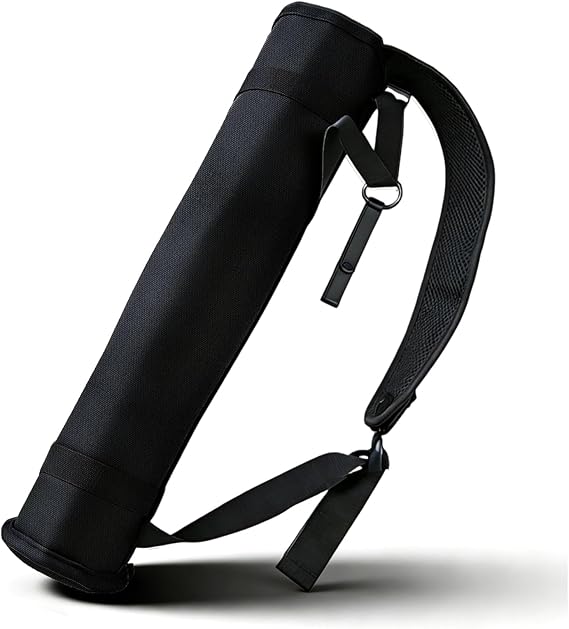
Offering a durable design with reinforced protection, the Arrow Quiver Back Hip Holder suits archers seeking a reliable way to keep arrows safe during activity. Its standout feature lies in the tear-resistant materials that maintain arrow condition on the go.
Adjustable shoulder straps from 13 to 30 inches help secure the quiver comfortably whether youth or adult is carrying it. The lightweight build and compact, foldable style make it easy to manage daily. It fits neatly without bulk, which matters when moving along a trail or range.
Primary function as an arrow holder is handled well thanks to the tough Oxford material and reinforced bottom. It keeps fletchings intact and broadheads sharp with minimal fuss.
Most praise focuses on durability, while the lack of warranty is the most noted drawback.
Durability is the strongest point, with the quiver protecting arrows well under regular use. The lack of a warranty is a common concern, as it leaves no support if damage occurs. The reinforced bottom adds long-term reliability that users appreciate.
Anyone needing a solid, comfortable quiver for regular archery will find it a good match. Those wanting a variety of colors or a product backed by a warranty might prefer other options. It works best for people valuing toughness in their gear above all else.
Pros
- Tear-resistant premium materials
- Reinforced bottom for added protection
- Adjustable padded shoulder straps
- Lightweight and compact design
Cons
- No warranty provided
- Only one color option available
| Specification | Details |
|---|---|
| Item Package Dimensions (L x W x H) | 11.34 x 7.91 x 0.83 inches |
| Package Weight | 0.04 kg |
| Material | Oxford |
| Strap Length | Adjustable from 13 to 30 inches |
| Color | Black |
6. Morrell Yellow Jacket Stinger Field Point Target

Hitting consistent bullseyes calls for a target that holds up against repeated practice without making arrow removal a chore. Great for backyard sessions and preseason training, the Morrell Yellow Jacket Stinger Field Point Target offers durability and multiple aiming spots to sharpen your accuracy with various bow types.
Setting it up is straightforward thanks to its manageable size, 20 inches long, wide, and tall, perfect for most shooting spaces. Two shooting sides with 10 bullseyes give plenty of room to focus on form and grouping. Arrows slide out smoothly, cutting down on downtime regardless of compound, recurve, or longbow use, helping you stay in the rhythm of your practice.
Its main role as a target is well covered by 38 arrow-stopping layers designed to handle arrows speeds up to 325 fps without quickly wearing out. The build quality means frequent shooting sessions won’t easily tear it apart.
Praise often notes how easily arrows come out while the most frequent gripe centers on the bag’s size being a bit bulky in smaller practice areas.
Arrows release easily from the cushiony layers, letting you focus more on shooting and less on extraction. However, the size may limit convenience for those with very small practice areas or limited storage space.
Great for archers looking to improve aim with varied targets and needing durable stopping power. Those who require lightweight, compact options for tight spaces might prefer smaller, simpler setups.
Pros
- Two-sided design with multiple bullseyes
- Arrows pull out smoothly without snagging
- Durable layers handle high arrow speeds
- Compact enough for backyard use
Cons
- Size can feel bulky in smaller spaces
- Limited to use with field points only
| Specification | Details |
|---|---|
| Dimensions | 20 inches long, 12 inches wide, 20 inches tall |
| Arrow Speed Capacity | Up to 325 fps |
| Layers | 38 layers with X-Tended Life design and IFS technology |
| Number of Bullseyes | 10 |
| Sport Type | Target Archery |
| Brand Name | Morrell |
7. HowExpert Guide to Archery

Designed as a detailed instructional book, HowExpert Guide to Archery fits anyone wanting to improve their archery skills with clear, step-by-step explanations. Its biggest strength lies in breaking down complex archery techniques into easy-to-understand sections, perfect for beginners or intermediate archers focused on learning solid fundamentals.
Getting started with the guide involves reading through well-organized chapters that cover essential aspects like aiming, drawing, and releasing. The day-to-day use centers around practicing the recommended methods, which are explained with practical tips and clear examples.
It focuses on safe, proper form and improving accuracy without needing extra gear or complicated setups.
The guide does well in teaching fundamental archery skills clearly and practically. The material is straightforward without oversimplifying, making building confidence achievable.
Most people praise its easy-to-follow approach, though some mention it lacks advanced techniques for experienced archers. The book is solidly built with durable pages and helpful illustrations but no physical tools or accessories are included.
Many appreciate the guide for making archery techniques approachable and easy to follow. Common feedback points out the book’s limited coverage when moving beyond basic skills. The material serves well for grasping core concepts and improving initial shooting form.
People new to archery or those wanting structured practice methods should find it helpful. Seasoned archers seeking detailed strategic training or equipment advice may want to look elsewhere for more advanced resources.
Pros
- Clear stepwise guidance for beginners
- Focus on safe shooting form
- Useful for improving accuracy
- Illustrated instructions aid learning
Cons
- Lacks advanced or expert-level content
- No physical archery tools included
| Specification | Details |
|---|---|
| Format | Paperback or eBook |
| Pages | Approximate count not provided |
| Content Focus | Archer techniques and fundamentals |
| Target Audience | Beginners to intermediate archers |
| Includes | Step-by-step instructions and illustrations |
8. 5 Simple Steps Barebow Archery Method

Beginners and hobbyists looking for a straightforward approach to barebow archery will appreciate the 5 Simple Steps Barebow Archery Method. It suits people wanting clear instruction without complicated gear.
Its single biggest strength lies in breaking down archery basics into manageable actions anyone can grasp.
Getting started involves following five clear steps that guide stance, grip, aiming, and release. It’s ideal for daily practice because you focus on form and consistency instead of equipment tuning.
The method helps keep training sessions simple but effective by emphasizing natural movement and steady progress.
Execution of the technique improves accuracy through repetition and clear guidance. The method is built around a step-by-step process rather than physical gear. The most praised aspect is how easy it is to follow, while some find the simplicity limiting if they want advanced techniques.
The 5 Simple Steps Barebow Archery Method earns praise for its straightforward, easy-to-follow structure that helps improve basic shooting form. The main complaint concerns its limited scope for those wanting more complex content or equipment-based guidance. Everyday practice revolves around mastering consistent form through repetition.
People new to barebow archery and looking for a no-frills introduction will find this method well-suited to their needs. Archers who already use advanced gear or want detailed tuning advice might prefer other resources offering deeper technical instruction.
Pros
- Clear and simple step-by-step instructions
- Focuses on fundamental archery skills
- Easy to apply without fancy equipment
- Encourages consistent practice habits
Cons
- Lacks advanced training for experienced archers
- Not a physical product with adjustable components
| Specification | Details |
|---|---|
| Steps | 5 |
| Archery style | Barebow |
| Focus | Form and technique |
| Target users | Beginners and hobbyists |
9. Shooting the Stickbow Third Edition

Shooting the Stickbow Third Edition is a focused guide for anyone interested in traditional stickbow archery. It suits those who want detailed, practical advice for shooting and improving with classic bows. Its biggest strength lies in clear instructions that bring out authentic stickbow techniques.
Using the guide daily involves following step-by-step methods tailored to stickbow style archery. It emphasizes fundamental shooting form and handling, making it easier to set up shots and practice consistently.
Readers will find that the guide explains nuances like grip and stance, which matter most in mastering traditional bows.
The guide performs well as a resource by delivering clear, actionable tips for stickbow shooting. It is built on experience and practical knowledge rather than theory alone.
Strong points include accessible language and thoroughness, while some find the lack of extensive visuals a drawback when starting out.
Many appreciate the clear and detailed shooting instructions that help improve form with traditional stickbows. The most common downside is the few illustrations, which can make some concepts hard to grasp without prior experience.
Those new to stickbow archery or wanting focused technical guidance will find this guide helpful. Those seeking extensive visual aids or advanced tactics might prefer different resources.
Pros
- Clear, practical shooting advice
- Focuses on classic stickbow style
- Step-by-step technical explanations
- Accessible language for beginners
Cons
- Limited visuals to support text
- May feel brief for advanced archers
| Specification | Details |
|---|---|
| Edition | Third |
| Focus | Stickbow archery techniques |
| Format | Instructional guide |
| Coverage | Shooting form, grip, stance |
10. Archery for Beginners Guide

Archery for Beginners Guide offers clear instructions for novices aiming to master the basics of archery. It suits newcomers looking for a straightforward, approachable way to learn proper techniques without getting overwhelmed.
Its biggest strength lies in providing step-by-step guidance that simplifies the learning curve.
Setting it up requires no special tools or prior knowledge, making it easy to start right away. Daily use focuses on improving stance, aiming, and release through practical tips. Emphasis on safety and form helps prevent bad habits early, so progress feels steady and manageable.
The guide stays user-friendly rather than diving into complex jargon.
The guide’s instructions help build solid archery skills, starting from drawing the bow to accuracy practice. It is well-organized and easy to follow, letting beginners feel confident while practicing.
Positive remarks highlight its clarity and helpful illustrations, while some find it less detailed on advanced techniques or gear selection.
Archery for Beginners Guide provides clear and straightforward steps for those new to archery. The instructions focus on fundamental techniques, which makes learning less overwhelming. Some find the pacing a bit slow, especially if they already have some experience shooting a bow. The guide sticks mainly to basic principles without diving into advanced styles or tips.
People just starting out with no prior knowledge will find this guide helpful for building a solid foundation. Those hoping to improve specific skills or looking for detailed training on competitive archery might want a more specialized resource. Casual archers aiming to understand the basics could benefit most from this straightforward approach.
Pros
- Simple step-by-step instructions
- Strong focus on safety and form
- Clear illustrations aid understanding
- Easy to follow for beginners
Cons
- Lacks advanced technique detail
- Limited advice on equipment choices
| Specification | Details |
|---|---|
| Target Audience | Beginners |
| Content Type | Instructional Guide |
| Focus Areas | Stance, Aiming, Release |
| Safety Tips Included | Yes |
| Equipment Guidance | Basic |
11. Beginners Guide to Traditional Archery

Starting traditional archery can feel overwhelming, but this guide breaks it down clearly for anyone wanting a straightforward way in. Perfect for beginners, it provides easy-to-follow instructions that focus on safety and technique, making the early learning process much less confusing.
Getting through the lessons is straightforward because the guide covers the crucial basics like bow handling, stance, and aiming. It emphasizes proper form and safety, so you feel confident setting up your equipment and practicing without second-guessing your approach.
Performance-wise, it does what’s needed for newcomers by building foundational skills through clear explanations and illustrations. The book’s build quality is consistent and well-structured, while the common disappointment lies in its limited coverage for advanced techniques or styles beyond the basics.
Many find the guide’s straightforward approach great for starting out and learning safe practices. The common complaint is it doesn’t go beyond basics, leaving those wanting more detail wanting additional resources.
This guide suits beginners aiming for a clear introduction to traditional archery. People ready to advance or explore different styles may want to look for more comprehensive materials instead.
Pros
- Simple step-by-step instructions
- Covers safety essentials thoroughly
- Clear focus on foundational skills
- Easy to understand language
Cons
- Limited advanced technique content
- Not suited for experienced archers
| Specification | Details |
|---|---|
| Focus | Traditional Archery Basics |
| Target Audience | Beginners |
| Content Type | Instructional Guide |
| Coverage | Safety, Bow Handling, Stance, Aiming |
| Depth | Fundamental Techniques Only |
12. Archery Recurve Bow Stringer Tool

Great for anyone working with recurve bows, this stringer tool simplifies the stringing process while protecting both bow and user. Its standout feature is the durable combination of thick cowhide leather and nylon, designed to last and handle all kinds of recurve bows without hassle.
Setting up the stringer is straightforward thanks to its 61-inch length, fitting hunting bows, target bows, longbows, and traditional bows alike. Using the tool takes the strain out of stringing and unstringing Dacron strings, making it a quick, simple step each time you need to assemble or disassemble your bow. The leather feels sturdy and comfortable in hand during use.
Performance aligns with its purpose: safely stringing your bow without risking damage. The leather and nylon materials make it tough and long-lasting, supporting repeated use without wear.
The most frequent praise points to how easily it handles stringing, while the main drawback noted is the somewhat basic design without extra features.
The tool receives praise for making stringing easy and safe, avoiding bow damage or personal injury. The main complaint revolves around its simple design lacking additional comfort or grip enhancements that some might want. Everyday usage benefits from the sturdy materials but practical simplicity.
Archers who need a reliable, straightforward stringer will appreciate its toughness and ease of use. Those wanting more advanced features or cushioned grips might look for a different model. It suits unisex-adults looking for solid, no-frills gear for frequent stringing tasks.
Pros
- Works with all recurve bow types
- Durable cowhide leather and nylon build
- Simple to use for stringing and unstringing
- Comfortable, ambidextrous design
Cons
- Basic design with no extra features
- Leather requires occasional conditioning
| Specification | Details |
|---|---|
| Total Length | 61 inch |
| Material | Thicked cowhide leather & Nylon |
| Brand Name | SOPOGER |
| Model Name | Bow Stringer |
| Color | Brown |
| Item Package Dimensions | 5.39 x 3.19 x 0.83 inches |
13. Archery

Made with sturdy materials and thoughtful design, Archery fits well for those who want reliable target practice gear. Its biggest strength lies in consistent performance, making it straightforward to handle during shoots without frequent adjustments.
Setting it up involves a quick string check and ensuring the grip feels right in your hand. Day-to-day use is simple, with attention on the bow’s tension and arrow alignment.
Regular cleaning prevents buildup, keeping things smooth and steady during each shot session.
Pulling the string delivers solid power, allowing accurate shots typical for its class. The build quality feels durable, with customers praising its balance and ease of use. Common complaints mention minor stiffness that can appear without regular maintenance.
Archery is often praised for its stable design and reliable power delivery, making it enjoyable for steady practice. Stiffness can affect smooth operation, mainly if maintenance is overlooked during regular use.
Those focused on steady target shooting and straightforward handling will appreciate this product. Individuals wanting detailed material information or a fully maintenance-free experience might want to consider other options.
Pros
- Stable design for consistent shooting
- Good grip fit aiding accuracy
- Easy to maintain with regular cleaning
Cons
- Some stiffness noted without upkeep
- Material specifics not fully detailed
| Specification | Details |
|---|---|
| Power | 3.0 |
| Energy | 15W |
| Material | Unspecified, focused on sturdy build |
Best Methods Archery Comparison Table
| Product | Sport Type | Brand | Material | Included Components |
|---|---|---|---|---|
| Howard Hill Bow Guide | – | – | – | – |
| Modern Archery Methods | – | – | – | – |
| Ultimate Traditional Archery | – | – | – | – |
| 4-Sided Archery Target | Target Archery | Black Hole | – | Target |
| Back Hip Arrow Quiver | – | NRJSSCC | Oxford | Archery Quiver |
| Morrell Yellow Jacket Target | Target Archery | Morrell | – | Athletic Sports Apparel |
| HowExpert Archery Guide | – | – | – | – |
| 5 Steps Barebow Method | – | – | – | – |
| Stickbow Shooting Third Ed | – | – | – | – |
| Beginner Archery Guide | – | – | – | – |
| Traditional Archery Beginners | – | – | – | – |
| Recurve Bow Stringer Tool | – | SOPOGER | Leather | Bow Stringer |
| Basic Archery Overview | – | – | – | – |
- Sport Type–
- Brand–
- Material–
- Included Components–
- Sport Type–
- Brand–
- Material–
- Included Components–
- Sport Type–
- Brand–
- Material–
- Included Components–
- Sport TypeTarget Archery
- BrandBlack Hole
- Material–
- Included ComponentsTarget
- Sport Type–
- BrandNRJSSCC
- MaterialOxford
- Included ComponentsArchery Quiver
- Sport TypeTarget Archery
- BrandMorrell
- Material–
- Included ComponentsAthletic Sports Apparel
- Sport Type–
- Brand–
- Material–
- Included Components–
- Sport Type–
- Brand–
- Material–
- Included Components–
- Sport Type–
- Brand–
- Material–
- Included Components–
- Sport Type–
- Brand–
- Material–
- Included Components–
- Sport Type–
- Brand–
- Material–
- Included Components–
- Sport Type–
- BrandSOPOGER
- MaterialLeather
- Included ComponentsBow Stringer
- Sport Type–
- Brand–
- Material–
- Included Components–
How to Choose the Best Method Archery Option
Choosing the right method archery involves considering factors like draw length, weight, and ease of use to ensure comfort and accuracy. Selecting the best fit prevents injury and saves money by avoiding frequent replacements or adjustments, making the experience more enjoyable and effective.
Draw Weight and Resistance
Handling a bow with the wrong draw weight makes shooting a frustrating experience fast. Using something too heavy often results in poor form and early fatigue, which reduces accuracy and slows progress.
A well-matched draw weight not only improves consistency but also helps control arrow speed, influencing both the flight and impact. Lower draw weights around 15 to 25 pounds suit beginners or lighter users, while experienced archers often prefer 40 pounds or more for better arrow penetration.
Many bows offer adjustable draw weights, which help users gradually increase strength and maintain good technique without buying new equipment. This adaptability is especially valuable for people aiming to sharpen their skills over time. Access to a smooth, user-friendly adjustment system ensures the bow stays responsive to your evolving needs.
Bow Type and Design
Choosing between recurve, compound, and traditional bow designs depends heavily on what you want to achieve with your shooting. Compound bows provide mechanical advantage through cams and pulleys, making them easier to hold at full draw for longer, a feature that benefits hunting and target accuracy. Recurve bows offer simplicity and typically require more physical effort but deliver a natural shooting feel.
Traditional bows focus on simplicity and a connection to classic archery styles, but often demand more skill to shoot consistently.
Beyond type, grip comfort matters during longer sessions. A poorly shaped grip can cause hand fatigue or inconsistent hand placement, which worsens accuracy. Lightweight models often prove easier to carry and set up outdoors, especially those with modular parts or folding options suited for travel or quick changes in terrain.
Material Quality and Durability
Daily use exposes bows to conditions that quickly reveal weak points in build quality. Limbs made from fiberglass or carbon fiber tend to last longer and better resist warping or cracking under tension than cheap wood or plastic. Aluminum or composite risers hold up well against impacts but vary in weight and flexibility.
Exposure to moisture and temperature swings can degrade weaker materials, leading to frequent adjustments or replacements. Choosing a bow with weather-resistant coatings or materials minimizes downtime for repairs and avoids performance shifts.
While some materials require regular oiling or tightening to stay reliable, higher-end materials usually demand less maintenance, cutting down on upkeep time.
Accuracy and Stability Features
The presence and quality of sights, stabilizers, and arrow rests play a decisive role in shot consistency. A clear, adjustable sight helps line up targets precisely, while stabilizers reduce vibrations and sway during release, preventing shots from wandering.
Arrow rests contribute to smooth arrow release and reduce noise and wear on both the bow and arrows.
Bows designed to minimize vibration and hand shock often translate to better comfort and less shooter fatigue, especially during extended sessions. These features are beneficial at all skill levels but critical for those refining their technique, making sure every shot feels natural and predictable.
Customization and Accessories
Compatibility with a range of arrow types and sizes is essential to tailor your setup for specific shooting styles or scenarios. Being able to switch between carbon, aluminum, or wooden arrows without extensive adjustments provides versatility needed for target practice or hunting applications.
Some bows allow easy addition or upgrading of components like sights, quivers, or stabilizers, letting users customize ergonomics and functionality after purchase. Look for models that come with basic accessories to get started, such as string silencers or arm guards, which improve comfort and training efficiency right out of the box.
Proper Maintenance Practices for Long-Lasting Archery Equipment
Keeping your archery equipment in good shape depends heavily on consistent care. Regularly checking your bowstring for frays and replacing it before it snaps is crucial. Using string wax helps maintain elasticity and prevents dry rot over time.
After every session, wipe down metal parts and limbs to remove dirt and moisture, which can cause rust or damage. Store your bow in a cool, dry place, preferably in a protective case to avoid warping or accidental impacts.
Arrows should be inspected for straightness and intact fletching; bent arrows can affect flight trajectory and accuracy. Using a bow press cautiously when making adjustments prevents undue stress on limbs.
These maintenance steps extend equipment life and keep performance steady.
Common Mistakes to Avoid When Practicing Archery
One frequent error is neglecting proper form during practice. Poor stance or inconsistent anchor points lead to missed shots.
Beginners often grip the bow too tightly; a relaxed grip reduces torque on the bow, improving accuracy. Not adjusting sights or not tuning the bow regularly can cause arrows to veer off target. Failing to warm up before shooting may decrease muscle control, increasing fatigue and injury risk.
Overlooking the importance of consistent draw length affects shot consistency, so measuring and maintaining this length is important. Ignoring safety rules, such as not inspecting targets or shooting in unsafe directions, endangers yourself and others.
Correcting these habits early supports improvement and safe practice.
Comparing Traditional and Modern Archery Techniques for Improved Accuracy
Traditional archery relies on instinctive aiming and simpler equipment. Drawing a recurve or longbow without sights means relying on muscle memory and judgment, which some shooters find builds stronger form and focus. Modern techniques typically involve compound bows with mechanical aids like cams, stabilizers, and adjustable sights that promote steadier shots.
This equipment reduces the physical effort needed and increases precision, especially at longer distances. Traditional methods can offer quicker shot preparation, as there’s less gear to adjust.
Meanwhile, modern setups benefit from technological tuning, helping archers dial in exact settings for each condition. Many archers combine both, practicing instinctive shots for close range and using sighted bows to improve accuracy at distance.
People Also Asked
How Do I Properly Size a Bow for Best Method Archery?
Select a bow length that matches your draw length for best performance. Measure your draw length by pulling a bow or string to a comfortable position and then picking a bow size slightly longer for stability and control during shooting.
What Are the Essential Safety Tips for Using Best Method Archery?
Always wear arm guards and finger tabs to protect your skin from the bowstring. Ensure your shooting area is clear of people and objects and never dry fire a bow, as this can damage the equipment and may cause injury.
How Do I Maintain and Care for My Archery Bow?
Keep your bow clean and dry, especially after use outside. Apply bowstring wax regularly to the string to prevent fraying, and always store the bow in a safe place away from extreme temperatures and direct sunlight.
What Common Problems Should I Expect with Best Method Archery Gear?
String wear and limb cracking are common with frequent use, along with loose or damaged nocks. Regularly inspect your bow and string for signs of damage and replace worn parts promptly to avoid performance issues or injury.
How Long Does a Typical Best Method Archery Bow Last?
A well-maintained bow can last several years, often 5 to 10 depending on use and care. Regularly check for damage and avoid leaving it under tension or exposure to harsh conditions to extend its lifespan.
Conclusion
Choosing the best method for archery depends mostly on how comfortable the draw feels, the accuracy it offers, and how durable the equipment is. Pay attention to the materials used and how the setup fits your style of shooting.
These factors affect your performance and enjoyment a lot more than extra features.
Make sure to pick a method that fits your shooting space and budget, and think about how often you plan to use it. That way, you won’t end up with something impractical or too expensive. Check the comparison table and the detailed picks above to find the option that matches your needs best.