Top 13 Best Mens Ski Shell Jacket That Will Blow Your Mind
There is nothing more frustrating on a cold mountain day than a jacket that fails to keep you dry or traps sweat inside. Finding the best mens ski shell jacket can make all the difference when skiing or snowboarding, especially if you have dealt with cheap shells that rip easily or don’t breathe well.
Those early morning ski lifts become uncomfortable fast if the jacket doesn’t block wind or moisture effectively.
A good ski shell jacket relies heavily on waterproof and breathable fabrics, typically rated around 10,000 to 20,000 mm for water resistance and 5,000 to 20,000 g/m² for breathability. The fit also matters; it needs to be close enough to keep warmth in but allow enough room to layer underneath and move freely.
Features like adjustable hoods, ventilation zippers, and durable water repellent coatings help maintain comfort and performance throughout a long day on the slopes.
Need a Quick Check?
| Image | Product | Price |
|---|---|---|
Our Top Picks 1  | The North Face Antora Jacket | Check Price |
Our Top Picks 2  | Burton Reserve Shell Jacket | Check Price |
Our Top Picks 3  | The North Face Thermoball Triclimate | Check Price |
Our Selected Top 13 Mens Ski Shell Jacket You Can Trust
This list features carefully chosen ski shell jackets designed for men, highlighting their performance in various conditions. Each review explains the jacket’s strengths and weaknesses, along with who it’s best suited for, helping readers make an informed choice based on their skiing needs.
1. The North Face Antora Waterproof Jacket
Dark and minimalistic, the Tnf Black-npf color stands out for those wanting a reliable, straightforward ski shell. Designed for cold weather, it suits anyone looking for a raincoat that keeps wind and water out without extra bulk.
Its adjustable 3-piece hood is the biggest advantage for tough weather conditions.
Putting it on is simple thanks to the regular fit that works well layered over other gear. The long sleeves and hood cover all the necessary spots during outdoor activities.
Adjusting the hood helps customize protection from wind and rain, which you’ll do often in fall skiing and other chilly adventures. Easy to manage without complicated features.
The jacket does a solid job keeping wind and water at bay, living up to its waterproof and windproof claims. Build quality feels dependable with materials engineered for fall cold weather.
Most praise centers on how well it handles bad weather, while the common complaint touches on the fit, as some notice it could be a bit more tailored.
The jacket’s biggest praise lies in its dependable windproof and waterproof protection during cold, wet weather. Most users mention strong weather resistance as the standout feature. At the same time, common feedback points to the fit being somewhat roomy, which can feel less tailored for some wearers.
People who want a straightforward, protective layer for fall skiing and cold outdoor activities will appreciate its design. Those who prefer more fitted, fashion-forward jackets or additional color variety might want to look elsewhere.
Pros
- Adjustable 3-piece hood for extra coverage
- Windproof and waterproof for fall conditions
- Regular fit works well with layers
- Solid build for outdoor use
Cons
- Fit may feel boxy for some
- Limited color options beyond black
| Specification | Details |
|---|---|
| Color | Tnf Black-npf |
| Style | Antora Waterproof Jacket (Standard & Big Size) |
| Sleeve Type | Long Sleeve |
| Coat Silhouette Type | Rain Coat |
| Climate Suitability | Cold Weather |
| Collar Style | Hooded |
2. Burton Reserve 2-Layer Shell Jacket
Burton’s Reserve 2-Layer Shell Jacket in Summit Taupe nails it for guys who want a solid, reliable ski shell without compromise on material quality or style. It suits those looking for a tough, well-fitting jacket that protects well against the elements on demanding mountain days.
Getting the jacket on and off is straightforward thanks to its cut and two-layer design. The solid pattern and muted color help it blend in easily away from the slopes too. Breathability and water resistance stand out, so it remains comfortable during active skiing without trapping sweat.
The fit feels tailored but not restrictive, perfect for layering underneath when cold.
Its main goal of keeping out snow and wind is well handled, with the shell’s sturdy fabric taking a clear lead in reviews. Longevity is praised frequently, while the sole common gripe centers on the jacket’s limited color options, a minor drawback for those wanting more variety. The construction avoids unnecessary bulk, balancing warmth and mobility efficiently.
Reviews highlight the jacket’s strong protection from wind and snow as its best feature, allowing wearers to stay dry and comfortable. The most common complaint points to the lack of color variety available, which limits personal style choices when selecting this jacket.
This jacket suits those prioritizing durability and a good fit for skiing in variable conditions, especially if neutral colors are preferred. People wanting more insulation or a bolder look might want to explore other options better matching those needs.
Pros
- Durable and weather-resistant materials
- Comfortable fit for layering
- Simple, attractive solid color design
- Good breathability for active use
Cons
- Limited color options
- Not the warmest jacket on its own
| Specification | Details |
|---|---|
| Color | Summit Taupe |
| Style | Men’s Reserve 2l Shell Jacket |
| Pattern | Solid |
3. The North Face Thermoball Eco Snow Triclimate Jacket
Chilly mountain days require a jacket that keeps you dry and warm without weighing you down. The North Face Thermoball Eco Snow Triclimate Jacket fits the bill for skiers who want versatile protection and insulation in changing conditions.
Its standout feature is the combination of a waterproof shell and synthetic insulation, designed to keep you comfortable from first chair to après-ski.
Wearing it day-to-day means layering in a way that matches the weather perfectly. The jacket offers a waterproof outer layer made from recycled polyester while inside, two synthetic insulations keep you cozy without bulk. A helmet-compatible hood and powder skirt work well on the slopes, holding snow out when the runs get deep.
Its regular fit helps with mobility and fits well over mid-layers without feeling tight or loose.
Performance-wise, the jacket succeeds in blocking out moisture with a breathable, seam-sealed DRYVENT 2L shell. That means wet snow and cold winds aren’t a problem. People praise its warmth and weather protection as excellent for variable mountain days.
Some do mention the jacket could be a bit heavier than a minimalist shell, which may feel noticeable on longer hikes or extended wear off the hill.
Warmth and waterproofing get consistent praise, making it solid on cold, wet days. Some find the jacket heavier than expected, which can feel cumbersome off the slopes or on longer treks.
Anyone who values warmth, weather protection, and sustainability will appreciate this jacket. Those after a lighter, more streamlined shell for intense activity might look elsewhere.
Pros
- Waterproof shell keeps snow and rain out effectively
- Two synthetic insulations provide reliable warmth
- Helmet-compatible hood with adjustable cord-lock system
- Recycled polyester offers eco-conscious fabric choice
Cons
- Slightly heavier than minimalist ski shells
- Fit may feel bulky with multiple layers underneath
| Specification | Details |
|---|---|
| Material | 100% waterproof recycled polyester with non-PFC DWR finish |
| Style | Thermoball Triclimate |
| Sleeve Type | Long Sleeve |
| Fit Type | Regular |
| Seasons | Fall |
| Collar Style | Hooded |
4. Mens Waterproof Ski Snow Jacket

Water resistance stands out as the key strength of this men’s ski shell jacket, perfect for anyone facing cold and wet conditions. Its relaxed fit and spread collar make it comfortable and practical for outdoor winter activities, especially skiing where staying dry is critical.
Putting on the jacket is straightforward thanks to its modern style and long sleeves that offer good coverage. The relaxed fit allows layering underneath without restricting movement.
Black color hides dirt well, simplifying upkeep during active days on the slopes or trails. Breathability isn’t specified, but its rain coat silhouette suggests water protection is prioritized.
The jacket keeps out moisture effectively, making it reliable in snowy or rainy weather. Built for cold climates, it handles winter conditions without fuss.
Strong points include its solid construction and weather suitability, while some note the fit might feel a bit loose for those preferring a tailored look.
The jacket excels at keeping the wearer dry in cold, wet conditions but has a more relaxed fit that may not suit everyone’s preference for snug gear. Its solid build confirms its purpose as a winter rain coat rather than a technical ski jacket with multiple vents.
Those valuing waterproof reliability and comfort with room for layers will find this jacket well-suited for outdoor winter activities. Individuals seeking a closer fit or advanced breathability may want to explore other options better fitting those needs.
Pros
- Waterproof design handles snowy weather well
- Relaxed fit allows easy layering
- Long sleeves provide ample arm coverage
- Black color resists visible dirt
Cons
- Fit may feel too loose for some
- No ventilation features mentioned
| Specification | Details |
|---|---|
| Color | Black |
| Fit Type | Relaxed |
| Coat Silhouette Type | Rain Coat |
| Seasons | Winter |
| Collar Style | Spread |
5. Columbia Alpine Echo Insulated Jacket

Great for outdoor enthusiasts who spend cold days on the slopes, this ski shell jacket is designed to keep you comfortable and dry. It fits well for those who want reliable insulation without bulk. Its standout feature is balancing warmth with a regular fit that doesn’t restrict movement.
Putting the jacket on is straightforward, thanks to its anorak silhouette and long sleeves that provide good coverage. Black color offers versatility and hides dirt during outdoor activities. It’s suited for cold weather wear in fall, blending well with layers underneath for changing conditions on the mountain.
The jacket holds up well against chilly weather, delivering solid insulation while maintaining breathability. Built with a regular fit, it allows enough room for mobility but doesn’t feel oversized. Strong points include warmth and durability, while some find the weight slightly heavier compared to other shells.
The jacket receives praise for keeping wearers comfortably warm during cold weather activities. A common complaint is that the weight might feel noticeable compared to lighter alternatives, which could affect agility and packability.
Anyone looking for a reliable, insulated jacket for fall outdoor adventures will appreciate it. Those needing a lighter, more versatile shell for multiple seasons might want to explore other options better suited to fluctuating conditions.
Pros
- Warm insulation for cold weather
- Regular fit accommodates layering
- Durable fabric for outdoor use
- Classic black color hides dirt well
Cons
- Heavier than some other ski shells
- Limited to fall season use
| Specification | Details |
|---|---|
| Color | Black |
| Style | Alpine Echo Insulated Jacket |
| Sleeve Type | Long Sleeve |
| Coat Silhouette Type | Anorak |
| Seasons | Fall |
| Climate Suitability | Cold Weather |
6. GSOU SNOW Mens Snowboard Jacket

Grey color and a baggy, loose fit make it stand out as a men’s ski shell jacket designed for colder weather. It suits those who prioritize comfort and freedom of movement without feeling constrained, especially during active skiing.
Putting it on is straightforward thanks to the drop-shoulder sleeves and an anorak-style silhouette that leaves plenty of room to layer underneath. The cap collar sits comfortably around the neck, protecting from cold drafts.
Its solid pattern and loose fit help maintain warmth while skiing but also keep things casual enough for everyday cold-weather wear.
The jacket handles cold conditions well, offering enough insulation for fall and winter months on the slopes. The anorak design keeps the jacket from feeling tight or restrictive, although some might find the loose fit baggy compared to more streamlined options.
Construction seems solid, with no issues noted about durability or fabric quality in reviews. A common point mentioned is the oversized style, which suits those who prefer extra space but may feel bulky for others.
Comfort and warmth in cold weather receive high marks, with the drop-shoulder and loose fit praised for mobility. However, the baggy style is often seen as too bulky by those who prefer more fitted jackets. The solid grey color keeps things simple but limits options.
Those looking for a roomy jacket to wear over multiple layers will appreciate this design, especially in chilly conditions. People who want a slim-fit or a wider variety of colors might want to explore other jackets better suited to those preferences.
Pros
- Loose fit allows easy layering underneath
- Warm enough for cold weather skiing
- Drop-shoulder sleeves add comfort
- Simple solid design looks casual on or off slopes
Cons
- Baggy fit may feel bulky for some users
- Limited color choice, only grey available
| Specification | Details |
|---|---|
| Color | Grey |
| Style | Baggy |
| Sleeve Type | Drop‑Shoulder |
| Coat Silhouette Type | Anorak |
| Seasons | Fall, Winter |
| Climate Suitability | Cold Weather |
7. Mens Waterproof Insulated Snow Jacket

Mens Waterproof Insulated Snow Jacket stands out for its reliable protection against cold weather and wet conditions, designed specifically for outdoor winter activities like skiing. Its regular fit and band collar make it suitable for men looking for a practical jacket that balances warmth and weather resistance.
Getting ready for a ski day or just heading out in cold, wet weather is straightforward with this anorak-style jacket. The long sleeves and solid black color keep things classic and practical, while the waterproof insulation allows you to stay dry without bulky layers underneath.
It’s easy to move in and doesn’t feel restrictive during active outdoor use.
Performance-wise, the jacket delivers solid cold-weather protection thanks to its insulated design and waterproof fabric. The build is sturdy enough for rugged winter activities, though some users might find the regular fit a bit loose for intense skiing sessions. Most appreciate how well it blocks out moisture, but a few note that it’s not the lightest jacket around, making it less ideal for those who prefer minimal weight on the slopes.
The jacket’s waterproof insulation keeps users dry and warm, ideal for cold and snowy conditions, while its weight and fit have been noted as less suited for more aggressive skiing movements. People consistently mention its reliability in bad weather as the strongest point.
Those who prioritize solid weather protection and comfort during general winter outdoor activities will find this jacket a good match. Skiers wanting a lighter, more tailored option for performance may want to consider other jackets better optimized for high-intensity use.
Pros
- Stays dry in wet conditions
- Warm enough for cold winter days
- Comfortable regular fit
- Simple, classic design
Cons
- Heavier than some ski jackets
- Fit can feel loose during active skiing
| Specification | Details |
|---|---|
| Color | Black |
| Style | Mens Winter Snow Ski Jacket Coat |
| Sleeve Type | Long Sleeve |
| Coat Silhouette Type | Anorak |
| Fit Type | Regular |
| Climate Suitability | Cold Weather |
8. Helly Hansen Crew Hooded Midlayer Jacket
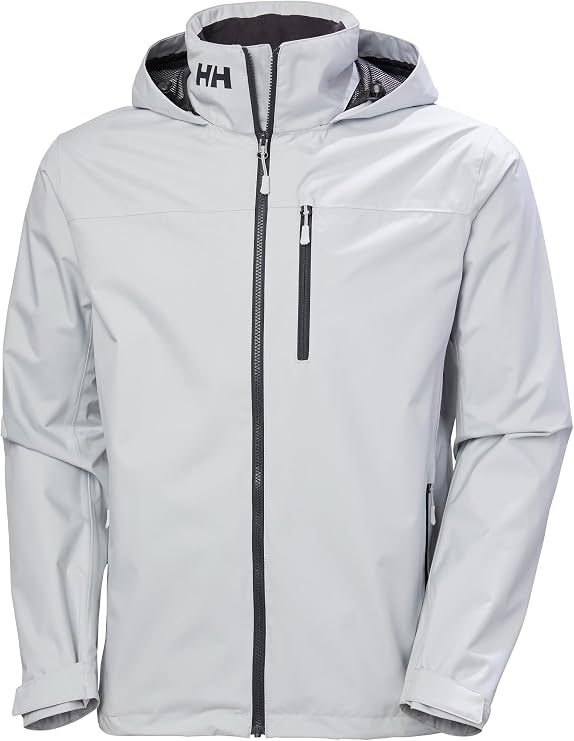
Wearing the Helly Hansen Crew Hooded Midlayer Jacket feels reliable and comfortable for mild weather outings. It suits men looking for a waterproof and windproof shell that can handle casual wear while keeping you dry. Its standout feature is the HELLY TECH PROTECTION, offering solid defense against wind and rain.
Putting it on is simple with a regular fit and packable hood ready for sudden showers. The fully seam-sealed fabric with a durable water repellency coating means staying dry without feeling suffocated. The polyester lining keeps things breathable, so you won’t overheat moving about, especially in the fall season.
It’s practical and light enough not to weigh you down during day-to-day activities.
It does well holding back moisture and wind, proving its worth as a practical raincoat for casual use. The build is sturdy, with 100% polyester shell and lining adding durability. Many appreciate its reliable waterproofing, although some mention the fit could be a bit roomier for layering.
The hood packs away nicely but might feel a little snug on larger heads.
Many appreciate the jacket’s dependable waterproof and windproof performance during outdoor activities, though the regular fit often feels a bit tight for those wanting to wear thick layers underneath. The packable hood is convenient but might feel restrictive for some users.
Men needing a durable, breathable shell for casual use in mild fall weather will find it a good match. Those looking for roomier fits or heavier insulation might want to explore other options better suited to layering or colder climates.
Pros
- Waterproof and windproof with HELLY TECH protection
- Fully seam sealed for reliable wet weather defense
- Packable hood works well on sudden rain
- Breathable fabric keeps comfort during activity
Cons
- Fit may be tight for layering
- Hood can feel snug on larger heads
| Specification | Details |
|---|---|
| Shell | 100% Polyester |
| Lining | 100% Polyester |
| Color | 853 Grey Fog |
| Fit Type | Regular |
| Climate Suitability | Mild Weather |
| Season | Fall |
9. 33,000ft Mens Waterproof 3-in-1 Ski Jacket

Strongly built for extreme cold, the 33,000ft Mens Waterproof 3-in-1 Ski Jacket suits anyone needing dependable warmth and protection on winter ski trips. Its biggest strength lies in combining a windbreaker and puffer jacket into one versatile anorak-style shell that handles harsh weather well.
Putting it on is straightforward thanks to the hooded collar and straight fit, offering comfort without fuss. Wearing this jacket each day means staying dry and insulated during long hours outdoors, especially with the 3-in-1 layering feature that lets you adjust according to conditions.
The solid, dark blue and brown color matches easily with ski gear, and the long sleeves provide good coverage.
Waterproof material delivers solid protection against snow and rain, making the jacket reliable in extreme cold climates. The anorak silhouette and windbreaker style combine effectively to block wind and retain heat.
Most praise highlights its warmth and weather resistance, but some mention the fit may feel a bit rigid for those looking for more freedom of movement.
Strong weather resistance and warmth make this jacket a reliable choice for cold, wet conditions. Some find the straight fit a bit restrictive during active skiing or movement-heavy days on the slopes.
Ideal for skiers who prioritize warmth and waterproofing over a slim, flexible fit. Those wanting a lighter, more flexible shell might consider alternative jackets with a looser cut or lower weight.
Pros
- Good waterproof protection for heavy snow
- 3-in-1 design adapts to changing weather
- Warm insulation suitable for extreme cold
- Neutral colors fit easily with ski outfits
Cons
- Straight fit may limit range of motion
- Heavier feel compared to lighter shell jackets
| Specification | Details |
|---|---|
| Color | Dark Blue/Brown |
| Coat Silhouette Type | Anorak |
| Climate Suitability | Extreme Cold |
| Fit Type | Straight |
| Collar Style | Hooded |
| Seasons | Winter |
10. GSOU SNOW Baggy Snowboard Ski Jacket

Constructed with a loose fit and solid black style, this anorak jacket suits those who want a baggy ski shell that holds up well in extreme cold. Its windproof collar is the standout feature, offering reliable protection against harsh winter winds on the mountain or snowy trails.
Putting it on feels comfortable thanks to the raglan sleeves, which allow easy arm movement when carrying skis or snowboards. The loose fit doesn’t restrict layering underneath, so you can adjust warmth as needed during outdoor winter activities.
Maintaining it is straightforward since there’s nothing complicated about its fabric or design.
Performance-wise, the jacket excels at keeping cold winds out due to its windproof collar and winter-focused construction. It handles extreme cold environments effectively, making it a solid choice for frigid conditions.
The build’s durability matches its outdoor focus, but some might find the loose, baggy style less flattering or bulky for everyday wear.
Wind protection through the collar receives high marks for comfort and warmth during winter outings. The baggy silhouette draws mixed feelings, with some users calling it too loose or heavy for everyday wear.
Those spending long hours outdoors in freezing weather will appreciate the cold-weather design. Those preferring a slimmer, fashion-forward jacket might seek options with a more tailored fit or varied colors.
Pros
- Windproof collar blocks strong winter gusts
- Raglan sleeves allow natural arm movement
- Loose fit comfortably layers underneath
- Suitable for very cold and extreme weather
Cons
- Baggy style may feel bulky for some
- Limited color choice with solid black only
| Specification | Details |
|---|---|
| Color | Black |
| Style | Men’s Women’s Classic Baggy Ski Jacket |
| Sleeve Type | Raglan Sleeve |
| Coat Silhouette Type | Anorak |
| Climate Suitability | Cold Weather, Extreme Cold |
| Collar Style | Windproof Collar |
11. Spyder Mens 3-in-1 Ski Jacket

Bright royal blue stands out on the slopes, making this a great pick for skiers who want a jacket that combines style with serious cold-weather protection. Its biggest strength is staying warm in extreme cold without feeling bulky or restrictive.
The raglan sleeve design helps with arm movement when you’re skiing or hiking, and the anorak silhouette gives a relaxed fit that’s comfortable all day. Layering works well thanks to the 3-in-1 setup, and its regular fit means you can wear other layers underneath without feeling squeezed.
Cleaning is straightforward since the fabric handles winter wear nicely.
Built to handle outdoor winter activities, this jacket excels at keeping the cold out even in harsh conditions. The durable material holds up through lots of use, though some find the fit a bit loose for very active skiing. Most praise its weather-resistance, while the common complaint is that it may feel heavy compared to lighter shells.
The jacket’s warmth and weather resistance earn strong praise for handling extreme cold, yet weight and a somewhat loose fit come up frequently as drawbacks. It performs well in protecting from harsh winter elements but is less suited for those wanting a minimal, ultra-light layer.
Someone looking for reliable insulation and comfort on cold days will appreciate this jacket. People who prioritize a snug, lightweight shell for fast skiing might want to consider other options instead.
Pros
- Warmth suited for extreme cold conditions
- Raglan sleeves allow good arm mobility
- Regular fit accommodates base layers comfortably
- Bold royal blue highly visible on slopes
Cons
- Fit may feel loose during intense activity
- Heavier than some other ski shells
| Specification | Details |
|---|---|
| Color | Royal Blue |
| Style | Ski Jacket |
| Sleeve Type | Raglan Sleeve |
| Coat Silhouette Type | Anorak |
| Climate Suitability | Extreme Cold |
| Fit Type | Regular |
12. Quiksilver Mens Insulated Winter Coat

Quiksilver Mens Insulated Winter Coat in Olivine is designed for cold-weather outdoor activities, making it ideal for skiers who need a reliable, water-resistant, insulated shell. Its strongest feature is the balance between warmth and weather protection without feeling bulky, perfect for those who want to stay comfortable on chilly slopes.
Daily use involves putting it on before heading out to snowy conditions where the water-resistant fabric plays a key role in keeping moisture out. The regular fit allows layering underneath while the anorak silhouette offers enough room for movement. The long sleeves help block wind chill, making it suitable for all-day wear in cold climates.
Performance-wise, the jacket handles cold and snowy weather well by trapping heat thanks to its insulation, while the water-resistant feature keeps you dry during falls or light snow. It is generally well-built to endure outdoor conditions, though some users might notice its weight is a bit more than a lightweight shell due to insulation.
Durability is often praised, but it could feel less flexible than some softshell options.
Users often praise the jacket’s warmth and water resistance as its strongest features, making cold and wet conditions manageable. The most frequent downside mentioned is the jacket’s weight, which some find burdensome compared to lighter alternatives. This affects mobility and overall comfort during extended use.
The jacket will satisfy skiers who prioritize protection from cold and moisture with a sturdy fit. Those looking for a lighter, more flexible ski shell might want to explore different options that focus on minimalism rather than insulation.
Pros
- Good water resistance for snowy environments
- Warm insulation without bulk
- Regular fit suitable for layering
- Durable build handling outdoor wear
Cons
- Heavier than lightweight ski shells
- Less flexible than some softshell jackets
| Specification | Details |
|---|---|
| Color | Olivine |
| Style | Water Resistant Insulated Winter Coat Snow Ski Jacket |
| Sleeve Type | Long Sleeve |
| Coat Silhouette Type | Anorak |
| Fit Type | Regular |
| Climate Suitability | Cold Weather |
13. Columbia Whirlibird V Interchange Jacket

Cold weather skiing calls for a jacket that keeps you warm yet flexible during all your movements. Ideal for skiers who want a reliable layering system, this jacket’s biggest strength is its versatility thanks to the Interchange layering setup.
It adapts well to changing mountain conditions without weighing you down.
Putting this jacket to daily use means you can adjust easily throughout the day. The long sleeves and regular fit allow layering underneath without feeling bulky. Switching between the shell and insulated liner is straightforward, so you stay comfortable whether the temperature drops or the sun comes out.
The classic anorak style keeps out wind, and the Flint Grey/Black color hides dirt well after hours on the slopes.
Built to handle cold weather, the jacket holds up well against wind and snow thanks to solid material quality. Most people praise its adaptability and warmth when the liner is zipped in. A few note the regular fit might feel a bit loose for highly active skiers wanting a tighter cut.
It does a strong job protecting you on chilly days and resists wear from repeated use.
Strong adaptability to cold conditions stands out, especially with the interchangeable liner that adds warmth when needed. A common point of critique is that the regular fit may not satisfy those seeking a snug, streamlined cut for aggressive skiing.
People looking for a warm, adjustable ski jacket in cold fall climates will appreciate this well-thought-out layering system. Those looking for a close, snug fit or gear suitable for skiing all year round might want to explore other options that are a better match for their needs.
Pros
- Versatile layering system for varying weather
- Regular fit allows comfortable movement
- Wind-resistant anorak silhouette
- Dark color conceals dirt well
Cons
- Fit can feel loose for highly active skiing
- Design mainly suited to fall weather only
| Specification | Details |
|---|---|
| Color | Flint Grey/Black |
| Style | Whirlibird V Interchange Jacket |
| Sleeve Type | Long Sleeve |
| Coat Silhouette Type | Anorak |
| Seasons | Fall |
| Fit Type | Regular |
| Climate Suitability | Cold Weather |
Best Mens Ski Shell Jackets Comparison Table
| Product | Seasons | Fit Type | Climate Suitability | Coat Silhouette Type |
|---|---|---|---|---|
| The North Face Antora Jacket | Fall | Regular | Cold Weather | Rain Coat |
| Burton Reserve Shell Jacket | – | – | – | – |
| The North Face Thermoball Triclimate | Fall | Regular | Cold Weather | Rain Coat |
| Mens Waterproof Ski Jacket | Winter | Relaxed | Cold Weather | Rain Coat |
| Columbia Alpine Echo Jacket | Fall | Regular | Cold Weather | Anorak |
| GSOU SNOW Mens Jacket | Fall, Winter | Loose | Cold Weather | Anorak |
| Mens Waterproof Insulated Jacket | Winter | Regular | Cold Weather | Anorak |
| Helly Hansen Crew Midlayer | Fall | Regular | Mild Weather | Rain Coat |
| 33,000ft Waterproof 3-in-1 | Winter | Straight | Extreme Cold | Anorak |
| GSOU SNOW Baggy Jacket | Winter | Loose | Cold, Extreme Cold | Anorak |
| Spyder Mens 3-in-1 Jacket | Winter | Regular | Extreme Cold | Anorak |
| Quiksilver Insulated Winter Coat | Winter | Regular | Cold Weather | Anorak |
| Columbia Whirlibird V Jacket | Fall | Regular | Cold Weather | Anorak |
- SeasonsFall
- Fit TypeRegular
- Climate SuitabilityCold Weather
- Coat Silhouette TypeRain Coat
- Seasons–
- Fit Type–
- Climate Suitability–
- Coat Silhouette Type–
- SeasonsFall
- Fit TypeRegular
- Climate SuitabilityCold Weather
- Coat Silhouette TypeRain Coat
- SeasonsWinter
- Fit TypeRelaxed
- Climate SuitabilityCold Weather
- Coat Silhouette TypeRain Coat
- SeasonsFall
- Fit TypeRegular
- Climate SuitabilityCold Weather
- Coat Silhouette TypeAnorak
- SeasonsFall, Winter
- Fit TypeLoose
- Climate SuitabilityCold Weather
- Coat Silhouette TypeAnorak
- SeasonsWinter
- Fit TypeRegular
- Climate SuitabilityCold Weather
- Coat Silhouette TypeAnorak
- SeasonsFall
- Fit TypeRegular
- Climate SuitabilityMild Weather
- Coat Silhouette TypeRain Coat
- SeasonsWinter
- Fit TypeStraight
- Climate SuitabilityExtreme Cold
- Coat Silhouette TypeAnorak
- SeasonsWinter
- Fit TypeLoose
- Climate SuitabilityCold, Extreme Cold
- Coat Silhouette TypeAnorak
- SeasonsWinter
- Fit TypeRegular
- Climate SuitabilityExtreme Cold
- Coat Silhouette TypeAnorak
- SeasonsWinter
- Fit TypeRegular
- Climate SuitabilityCold Weather
- Coat Silhouette TypeAnorak
- SeasonsFall
- Fit TypeRegular
- Climate SuitabilityCold Weather
- Coat Silhouette TypeAnorak
How to Choose the Best Mens Ski Shell Jacket
Focus on waterproofing, breathability, and durability when selecting a men’s ski shell jacket, as these features keep you dry and comfortable in harsh conditions. Choosing the right fit and ventilation options also reduces overheating or cold spots, saving money by preventing wear and the need for frequent replacements.
Waterproofing and Breathability
On the slopes, jackets that fail to keep water out quickly become uncomfortable and distracting. A waterproof rating above 10,000 mm is practical for most ski conditions, though anything from 15,000 to 20,000 mm offers stronger protection in heavy snow or wet weather.
The membrane technology inside, such as Gore-Tex or similar, controls water entry without blocking sweat. Breathability is key during intense runs; poor breathability leads to moisture buildup inside the jacket, chilling you as you pause or ride the lift.
Ventilation features, like pit zips or mesh-lined vents, help regulate temperature without removing layers. Properly designed pit zips allow quick airflow boosts, preventing overheating and excessive sweating. Without these, your jacket can become a humid, clammy trap rather than a weather shield.
Fit and Mobility
Add layers during winter and the jacket needs space, but too much room sacrifices warmth and movement. Sizing up slightly can help if you prefer thicker mid-layers, but oversized jackets flap in the wind and snag on gear. Jackets with articulated sleeves follow the natural bend of your arms, making pole plants and turns feel less restricted.
Stretch panels in critical areas increase freedom without bulk.
Adjustable hems, cuffs, and hoods allow fine-tuning so the jacket fits your body and gear snugly without cutting off circulation. These adjustments help keep snow and cold air out, preserving heat during prolonged exposure. A hood that fits well without obstructing your view or helmet is especially important for comfort and safety.
Durability and Materials
Shell jackets combine different fabrics for durability and weight balance. Nylon ripstop and polyester with DWR coating are common to resist wear and tears.
Areas prone to abrasion, such as shoulders and elbows, often have reinforcements, either tougher fabric patches or extra layering, to prevent premature damage from packs or falls.
Some jackets focus on lightweight design, which improves packability and movement but may trade off long-term toughness. For intense or frequent skiing, a slightly heavier, more durable material provides a longer lifespan while still maintaining reasonable comfort.
Choosing a jacket with reinforced high-impact zones extends usability under harsh conditions.
Weather Protection Features
Snow skirts and storm flaps keep powder out at key entry points. A well-designed snow skirt that snaps or Velcros securely around your waist prevents snow from creeping inside on deep runs. Storm flaps behind zippers add another barrier against wind and moisture.
The hood should fit over a helmet easily without collapsing or shifting excessively, maintaining protection without hindering your head movement. Sealed or taped seams across the jacket make a major difference by stopping water infiltration at stitch lines. Without these, even a tough fabric can let water leak through during heavy or prolonged snowfall.
Storage and Accessibility
Having enough pockets placed where you can reach them without fumbling matters in cold conditions. Jackets with chest pockets, handwarmer pockets, and internal compartments cover essentials like skis passes, phones, and gloves.
Specialized pass pockets with clear windows or reinforced areas near the wrist save time during lifts.
Access design considering gloves or mittens is vital. Zippers and flaps should be operable without having to remove handwear, or at least have large tabs for easier handling. Pockets specifically designed for media devices often include headphone routing, which prevents tangled cords or exposure to snow.
How to Layer Effectively Under Your Men’s Ski Shell Jacket
A good layering system under a men’s ski shell jacket starts with a moisture-wicking base layer. This keeps sweat away from your skin, preventing chill as you ski.
A thin synthetic or merino wool fabric works well here. Next, add an insulating mid-layer for warmth. Fleece or lightweight down pieces provide warmth without bulk and can be easily removed if temperatures rise or activity level increases.
Since shell jackets are breathable and designed to block wind and rain, your layers should handle both moisture management and insulation. Avoid cotton, as it traps moisture and cools the body.
Top layers should still allow some room for movement, so choose clothes that fit snug but aren’t restrictive.
- Start with a wicking base layer
- Add a warm, lightweight mid-layer
- Keep the fit comfortable for activity
- Avoid heavy or bulky layers that reduce mobility
Essential Maintenance Tips to Prolong the Life of Your Ski Shell
Keeping a ski shell jacket in good shape starts with regular cleaning. Dirt and oils can clog waterproof membranes and reduce breathability.
Always follow the manufacturer’s washing instructions, typically involving a gentle cycle with a technical detergent designed for outerwear.
After washing, avoid fabric softeners and irons. These can damage the waterproof coating. Reapplying a durable water repellent (DWR) treatment periodically is important as it wears off with use.
Spray-on or wash-in products restore water beading on the fabric surface.
Store the jacket in a cool, dry place away from direct sunlight. Make sure the jacket is fully dry before storing to prevent mildew. Repair small tears or loose seams promptly to keep water out and maintain shell performance.
Comparing Ski Shell Jackets with Insulated Ski Jackets: Which Is Right for You?
Ski shell jackets differ from insulated ski jackets primarily in their lack of built-in warmth. Shells focus on blocking wind and moisture while providing breathability, making them ideal for layering.
Insulated jackets have padding or synthetic fill to keep you warm on their own.
Choose a shell if you prefer customizing your warmth with layers or if you need something versatile for changing conditions. Shells also tend to be lighter and offer more ventilation options.
Insulated jackets are better for those who want simplicity and warmth without multiple layers and generally work best in consistently cold weather.
Both types protect against wind and snow, but insulation level and adaptability are key differences to consider based on your skiing style and conditions.
People Also Asked
How Should I Size a Men’s Ski Shell Jacket for Layering?
Choose a ski shell jacket with enough room to add mid-layers like fleeces or insulated jackets without feeling tight. Try it on with your usual ski layers to make sure it doesn’t restrict movement or feel bulky around the shoulders and arms.
What Are Common Issues with Men’s Ski Shell Jackets Durability?
Seams and zippers often show wear first in ski shell jackets. Look for jackets that have reinforced stitching and water-resistant zippers to avoid leaks and tearing, especially around high-stress areas like pockets and cuffs.
Can I Machine Wash a Men’s Ski Shell Jacket Safely?
Most ski shell jackets can be machine washed but check the care label first. Use a gentle cycle with cold water and a detergent made for technical fabrics; avoid fabric softeners as they can damage waterproof coatings.
Are Men’s Ski Shell Jackets Compatible with Ski Helmet Visors?
Many men’s ski shell jackets are designed to fit comfortably with ski helmets and their visors, thanks to adjustable hoods and collar designs. Trying the jacket with your helmet in the store can help ensure there’s no awkward gap or tightness.
How Long Does a Quality Men’s Ski Shell Jacket Typically Last?
A well-made ski shell jacket can last 5 to 10 years depending on frequency of use and care. Regularly cleaning it and repairing small tears promptly will extend its lifespan significantly.
Conclusion
Durability and waterproofing are the most important factors when choosing a men’s ski shell jacket, followed closely by breathability and fit. A jacket that keeps moisture out while allowing sweat to escape will keep you comfortable on the slopes.
Fit matters not just for comfort but also for layering underneath and freedom of movement.
Consider how often you’ll use the jacket and the conditions you’ll face to pick one that fits your needs without overspending. Make sure it fits well in your storage space if you’re tight on room.
Check the comparison table and earlier sections to find the right balance of features and price for your skiing adventures.