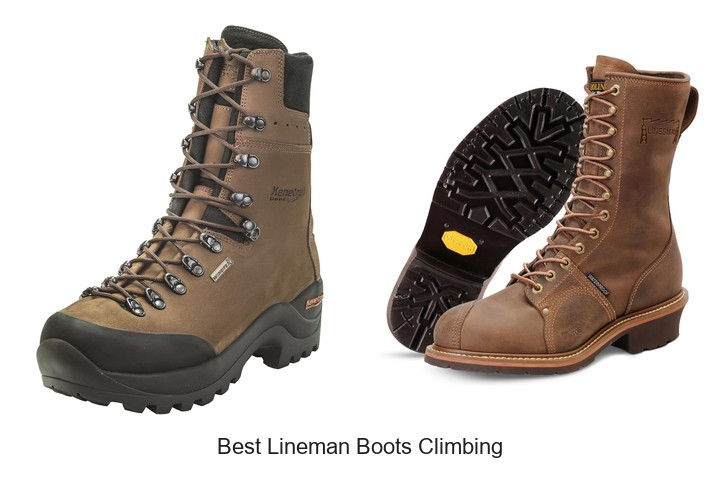
Top 12 Best Lineman Boots Climbing You Can’t Miss Today
Struggling with boots that fail to grip properly or wear out after a short period is a familiar issue for many who rely on the best lineman boots climbing. Poor traction and discomfort from ill-fitting boots can make climbing utility poles or towers more dangerous and exhausting than it needs to be.
The best lineman boots climbing provide a combination of durability and support critical for working at heights, helping prevent slips and reduce foot fatigue during long shifts.
Durability usually comes from full-grain leather or similar tough, water-resistant materials that can withstand rough conditions and frequent exposure to the elements. A secure fit with enough room for socks but snug around the ankle prevents blisters and improves climbing control.
Outsoles designed with deep, non-slip lugs that meet ASTM standards for electrical hazard protection add a safety layer that’s essential in this line of work. Proper lineman boots also balance sturdiness with flexibility, so the wearer can move easily while staying protected.
Need a Quick Check?
| Image | Product | Price |
|---|---|---|
Our Top Picks 1  | Kenetrek Lineman Steel Toe | Check Price |
Our Top Picks 2  | Carolina Linesman 10 Boots | Check Price |
Our Top Picks 3  | Carolina Elm 8 Steel Toe | Check Price |
Our Selected Top 12 Lineman Boots Climbing Worth Your Money
These boots are designed specifically for linemen who need reliable climbing footwear with strong support and durability. Each review explains how the boots perform during climbs, identifies the ideal users, and highlights their main advantages and potential drawbacks.
1. Kenetrek Lineman Extreme Steel Toe Boot
Working at height demands reliable boots that protect against impact and provide solid footing. These brown Kenetrek Lineman Extreme Steel Toe Boots suit linemen needing durable, all-season footwear. Their biggest strength lies in the steel toe protection merged with a snow boot design that holds up in tough conditions.
Putting them on is straightforward with no heel to complicate fit, keeping comfort during long workdays. The solid pattern and snow boot form offer stability and warmth regardless of season. The boots are about staying safe and comfortable when climbing poles or navigating slippery surfaces on the job site.
Built as work boots specifically for linemen, their steel toe delivers strong protection against heavy hazards. The all-season design ensures versatility across weather conditions.
Most praise comes from the ruggedness and dependable toe safety; a common complaint is the lack of heel, which might affect walking style for some users.
Users highlight the sturdy steel toe as the main advantage, providing excellent safety on the job. At the same time, some find the absence of a heel challenging for their walking style, which can take some adjustment.
Those who prioritize tough impact protection and need a reliable snow boot for all seasons will appreciate these boots. Anyone seeking more varied color choices or a heel for walking may prefer to consider other options.
Pros
- Durable steel toe protection
- Suitable for all seasons
- Comfortable without a heel
- Solid, stable design for work
Cons
- No heel may affect walking comfort
- Limited style options, just brown color
| Specification | Details |
|---|---|
| Color | Brown |
| Toe Style | Steel Toe |
| Boot Form Type | Snow Boot |
| Heel Type | No Heel |
| Seasons | All |
| Pattern | Solid |
2. Carolina Linesman 10 Leather Work Boots
Composite toes are essential for safety on the job, and the Carolina Linesman 10 Leather Work Boots deliver with a sturdy design suited for linemen needing reliable protection and comfort. The brown combat-style boots stand up to all seasons, making them a solid choice for everyday wear in the field or casual occasions.
Breaking in these boots takes some time, but once worn in, they fit comfortably without feeling heavy, suited for full-day use. The no-heel design and solid leather material offer a grounded feel that helps with climbing and standing on various surfaces.
Cleaning is straightforward due to the solid color and leather finish, keeping maintenance simple on busy workdays.
Built with durability in mind, the composite toe shields your feet safely without adding weight common with steel toes. The boots handle rough conditions well, protecting against impacts and wear. The most praised feature is the solid toe protection combined with a comfortable form.
However, some find the fit a bit stiff early on, requiring patience during the break-in period.
The composite toe receives high praise for balancing lightweight comfort and safety, yet the boots require patience due to stiffness during the initial wear. The durable leather ensures longevity, making them a trustworthy choice once broken in.
Those working in environments where foot safety is key and all-season protection is needed will appreciate these boots. Linemen wanting minimal weight without steel toes will find them ideal, but anyone seeking immediate softness or a heel for extra traction may want to explore other options.
Pros
- Protective composite toe that’s lighter than steel
- Durable leather suitable for tough work environments
- Good all-season wear, handling various weather conditions
- Combat style provides sturdy ankle support
Cons
- Break-in period can feel stiff and slow
- No heel may reduce grip on uneven surfaces
| Specification | Details |
|---|---|
| Color | Comp Toe – Brown |
| Toe Style | Composite Toe |
| Boot Form Type | Combat |
| Heel Type | No Heel |
| Seasons | All |
| Pattern | Solid |
3. Carolina Elm 8 Steel Toe Logger Boots
People working on power lines or climbing poles will find these boots built for durability and safety. The standout feature is the steel toe protection, which offers solid defense during tough climbs and jobsite hazards.
They fit well and provide a tough, reliable option for all-season use in demanding environments.
Breaking them in is straightforward, and the combat-style design supports long hours on your feet. The boots’ no-heel construction helps with stability on narrow surfaces, making climbing safer without extra bulk.
The all-black color and solid pattern keep them low-profile for casual work settings, while steel toes deliver reliable protection every day.
Built to withstand hard wear, these boots offer dependable performance on the job. The steel toe is a key safety feature, protecting toes from impact well. Durability is often praised, but some mention that breathability could be better during warm weather.
The balance of comfort, safety, and strong materials makes them a solid choice for linemen spending hours climbing and working outdoors.
Most users appreciate the reliable steel toe and tough build that protect during demanding climbs and work activities. The main drawback often mentioned is that breathability is limited, making them less comfortable in warm conditions. The boots consistently deliver on protecting feet and providing solid support for linemen.
Anyone needing durable, safe footwear for climbing and outdoor work will be satisfied with these boots. Those requiring better airflow or a dressier look for casual wear should consider other options. These boots suit practical use above all.
Pros
- Strong steel toe protection for impact safety
- Comfortable fit for long climbing sessions
- No heel design improves stability on poles
- All-season durability in rugged conditions
Cons
- Lacks ventilation for hot weather comfort
- Not styled for formal or dress wear
| Specification | Details |
|---|---|
| Color | Black |
| Toe Style | Steel Toe |
| Boot Form Type | Combat |
| Heel Type | No Heel |
| Seasons | All |
| Pattern | Solid |
4. Georgia Boot Mens Waterproof Work Boots

Georgia Boot Mens Waterproof Work Boots are built for linemen needing durable, waterproof footwear that keeps feet safe and dry. These boots fit well right out of the box and stand out mainly because of their sturdy steel toe and dependable waterproofing, ideal for tough outdoor jobs and climbing tasks.
Putting them on is straightforward thanks to the roper heel design that makes climbing easier and walking comfortable throughout the day. The waterproof feature holds up well in wet conditions, and the fit molds nicely with use, supporting long hours on the job.
Their brown color hides dirt well, so they stay looking decent between cleanings.
Durability is a strong point with thick leather and a solid build that protects during climbs and rough handling. The steel toe provides excellent protection in hazardous environments. Users appreciate the boot’s comfort and waterproof qualities but mention the weight can be a downside after extended wear, feeling a bit heavy at work shifts.
The boots provide strong protection and waterproofing, key features praised in reviews, while many note that they feel heavy after long hours, which can contribute to foot fatigue. Break-in time is often needed before the boots feel fully comfortable for work on climbs.
Anyone working outdoors in wet or rugged conditions will appreciate the durability and safety features offered here. Those prioritizing lightweight footwear might look for alternatives better suited to long climbs or lighter use days.
Pros
- Dependable waterproof protection for all-day use
- Sturdy steel toe guards against impact injuries
- Comfortable roper heel supports climbing tasks well
- Brown tone masks dirt and wear effectively
Cons
- Feel noticeably heavy during extended wear
- May require some break-in time for ideal comfort
| Specification | Details |
|---|---|
| Color | Brown |
| Toe Style | Steel Toe |
| Boot Form Type | Work Boot |
| Heel Type | Roper Heel |
| Seasons | All |
| Style Name | Men’s 8″ Loggers G7313 |
5. Kenetrek Lineman Extreme 1000 ST Work Boots

Kenetrek Lineman Extreme 1000 ST Work Boots deliver solid protection and durability for rigorous climbing tasks. Brown with a round toe and flat heel, they are crafted for demanding winter work, making them ideal for linemen needing reliable foot support and safety in harsh conditions.
Breaking in is straightforward given the compression style fit, and the boots hold up well in daily climbing and construction activities. They offer dependable grip and stability on poles and ladders, while the materials used ensure warmth during cold weather shifts.
The flat heel supports secure footing without extra bulk, making long wear more comfortable without sacrificing safety.
Built tough, these boots handle challenging work environments with a focus on protection and comfort. The durable construction helps reduce foot fatigue, something many users appreciate, though some say they feel heavy for those wanting a lighter shoe.
A noticeable trade-off is the weight, balanced against solid build quality and winter suitability.
These boots consistently receive praise for durability and warmth on cold workdays, while the most common drawback mentioned is their weight, which can feel substantial after extended wear. Reviews highlight the solid build as both a benefit and a reason for the heaviness.
Workers facing cold weather and needing protection will appreciate these boots. Those who prioritize lightweight footwear for quicker movement or less break-in time might want to explore alternatives.
Pros
- Strong protection for harsh winter work
- Comfortable flat heel supports stability
- Brown leather resists wear and tear
- Compression fit reduces foot fatigue
Cons
- Heavier than some other climbing boots
- Compression style may need breaking in
| Specification | Details |
|---|---|
| Color | Brown |
| Toe Style | Round Toe |
| Boot Form Type | Work Boot |
| Heel Type | Flat |
| Seasons | Winter |
| Style Name | Compression |
6. Carolina 8 Steel Toe Logger Boots

Comfort and protection come together in the Carolina 8 Steel Toe Logger Boots, made for linemen who need tough boots that stand up to long hours and rough climbs. Their biggest strength lies in the steel safety toe cap offering solid protection without feeling too bulky on the foot.
Getting these boots on is straightforward, and they fit true to size, which matters a lot when you’re spending all day on a pole or climbing gear. The high heels add a bit of extra grip on climbing setups, and the overall build keeps feet dry and supported across changing weather since they’re designed for all seasons.
Performance-wise, the boots do well at protecting against heavy impacts and rough terrain, holding up under tough conditions. The steel toe is durable, and the solid black color hides dirt well.
Some mention the high heels take a bit of getting used to and that break-in time can be notable, but the quality build often outweighs these.
Sturdy steel toe protection and true-to-size fit stand out as major benefits, while adjustment to the high heels and the break-in period are the most frequent drawbacks reported.
Anyone needing reliable foot protection during climbs, especially in varying weather, will appreciate these boots. Those who prefer a lower heel or want something that feels comfortable immediately might want to explore other options.
Pros
- Steel toe provides strong protection
- Fits true to size for secure comfort
- Suitable for all seasons and weather
- High heels help with climbing traction
Cons
- Heel design requires adjustment period
- Boots need some break-in time
| Specification | Details |
|---|---|
| Color | Black |
| Toe Style | Steel Toe |
| Boot Form Type | Work Boot |
| Heel Type | high-heels |
| Seasons | All |
| Style Name | Steel Safety Toe Cap |
7. Carolina 8 Steel Toe Logger Boots

Carolina 8 Steel Toe Logger Boots fit well for anyone needing reliable protection and durability on rough job sites. Their biggest strength lies in the steel toe, providing excellent safety without sacrificing comfort during long hours of wear.
Breaking them in feels manageable thanks to solid craftsmanship and careful design. The waterproof feature keeps feet dry in wet conditions, and the heeled sole offers extra grip for climbing tasks.
Brown solid leather holds up while staying casual enough for day-to-day wear beyond work, making these a practical all-season choice.
They do a solid job protecting toes and supporting ankles during tough climbs and heavy work. The boots are clearly built tough, with sturdy materials focused on long-term durability rather than lightweight flexibility. Some find them a bit stiff initially, but most praise the protective qualities and good fit once broken in.
The steel toe and waterproof features stand out as the prime benefits, ensuring safety and dryness on the job. Many note the boots are stiff at first, needing some wear time to soften up, which is a common point of feedback.
People who spend long hours on rugged terrain will find these boots reliable and tough. Those wanting a lighter or more flexible climbing boot might want to explore other options better suited for agility over protection.
Pros
- Steel toe for strong protection
- Waterproof for wet weather use
- Durable leather construction
- All-season wearability
Cons
- Initial stiffness requires breaking in
- Not the lightest boot to wear
| Specification | Details |
|---|---|
| Color | Brown |
| Toe Style | Steel Toe |
| Boot Form Type | Work Boot |
| Heel Type | heeled |
| Seasons | All |
8. La Sportiva Makalu Mountaineering Boots

Constructed with a durable hiking boot design and a rounded toe, these boots suit anyone needing solid footing on rugged terrain. The biggest strength lies in their natural color and practical form, offering reliable support for climbing and hiking alike.
Breaking them in starts with adjusting to the no heel form, which feels different but comfortable after some wear. The solid pattern doesn’t collect dirt easily, making cleaning straightforward during daily use. Their casual style blends practicality with everyday wear, while the natural color hides scuffs and marks well enough.
Performance during climbs and hikes ranks high due to the boot’s firm build and hiking-focused form. The rounded toe offers room without compromising protection. Praises mainly point to lasting comfort during long sessions.
Complaints often mention the lack of heel support, which could be an issue for some relying on extra ankle stability.
Comfort during long climbs gets high marks, with many appreciating the roomy toe box. The most common drawback involves the absence of a heel, which some find reduces stability on uneven ground.
Those needing strong foot protection and space for toe movement will appreciate these boots. People requiring extra heel lock-in might want to consider boots designed with a heel feature instead.
Pros
- Comfortable fit with rounded toe design
- Durable construction for rugged use
- Natural color masks dirt and wear
- Easy to clean solid pattern
Cons
- Lacks heel support for ankle stability
- May feel bulky for casual walkers
| Specification | Details |
|---|---|
| Color | Natural 2 |
| Toe Style | rounded toe |
| Boot Form Type | Hiking Boot |
| Heel Type | No Heel |
| Pattern | Solid |
| Style Name | Casual |
| Occasion | hiking |
9. Carolina 8 Composite Toe Logger Boots

Brown color and composite toe stand out right away, making these boots a safe and sturdy choice for linemen looking for protection on the job. They fit those who need reliable footwear that blends work readiness with casual wearability, especially suited for all-season use with a solid build.
Using these boots day-to-day involves slip-on comfort with a block heel that offers good support when climbing or walking on uneven terrain. The composite toe keeps your feet safe without adding extra weight, and the overall design is built for wear during long hours outside, dealing with wire lines or rough grounds.
They deliver solid protection and durability, handling the main job of keeping your feet safe during climbing and work tasks well. The composite toe keeps impacts at bay, while the block heel adds stable footing.
Most praise centers on the safety features, and a frequent downside mentioned is the boot’s weight, which can feel heavy over long days.
The strongest praise focuses on the reliable safety of the composite toe and durable support from the block heel that work well for climbing and protection. The most common complaint is the noticeable heaviness, which can cause fatigue during extended use.
People needing solid protection and all-day durability will appreciate these boots. Those seeking lightweight or highly breathable options might want to explore alternatives better suited for hot or extended climbs.
Pros
- Composite toe offers reliable safety
- Block heel provides sturdy footing
- Solid all-season use
- Brown color hides wear well
Cons
- Boots feel heavy after long wear
- Limited breathability in hot conditions
| Specification | Details |
|---|---|
| Color | Brown |
| Toe Style | Composite Toe |
| Boot Form Type | Work Boot |
| Heel Type | Block Heel |
| Seasons | All |
| Occasion | Casual |
10. Chippewa Super DNA 9 Logger Boots
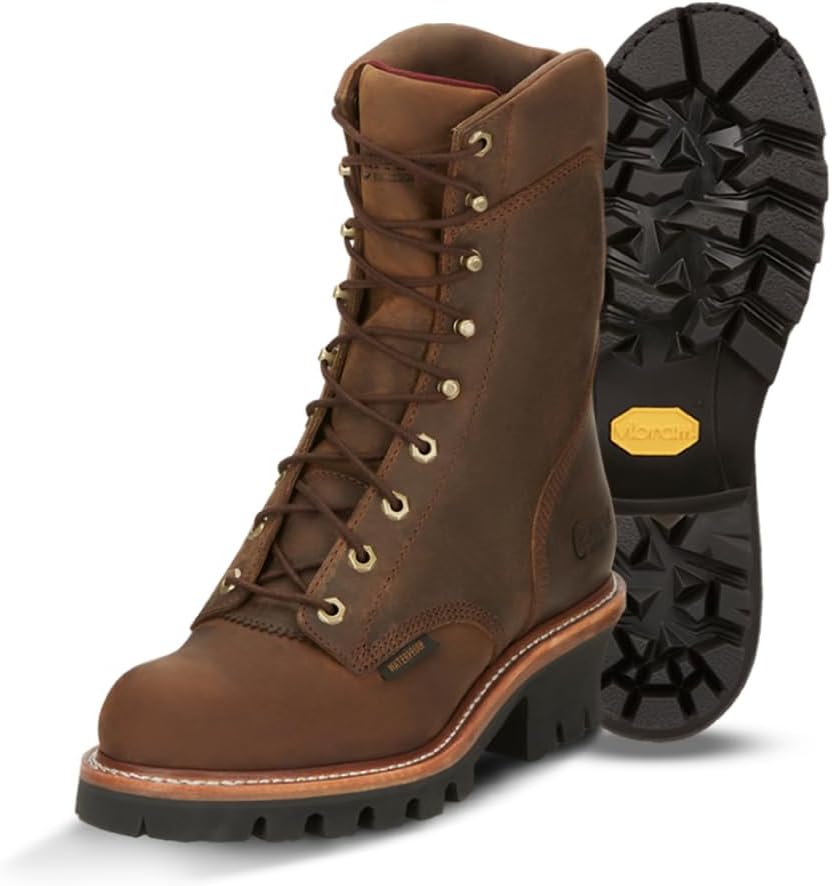
Durability and comfort on tough job sites stand out as the biggest reasons to choose these boots. Perfect for linemen who need reliable footwear that can take a beating without giving up on fit and support. Soft-toe design keeps the weight manageable while delivering enough protection for climbing and ground work.
Breaking them in is straightforward thanks to the chukka style, which offers a good balance between ankle support and flexibility. Wearing these boots daily keeps feet comfortable through changing weather, as they are suited for all seasons. The block heel gives solid footing on ladders and uneven terrain, while the bay Apache color stays fairly clean despite outdoor conditions.
Running into few issues with safety due to lack of a steel toe, they still perform well for climbing tasks, providing a decent grip and good heel support. Built solidly with quality materials, these boots hold up over time, though some might notice the softness of the toe while doing heavy work. Their design focuses on steady performance in a work environment rather than flashy looks.
The boots get high marks for comfortable fit and sturdy construction that holds up in rough work environments. Common complaints focus on the soft-toe feature, which may not offer enough safety in risky job conditions. Tracking mud or dirt on the bay Apache color is manageable but could be better.
Lineman who prioritize comfort over maximum toe protection will appreciate the balance these boots offer. Those working in highly hazardous conditions or needing extra ankle support might want to look at options with steel toes or higher cuts for extra safety.
Pros
- Comfortable soft-toe design for all-day wear
- Block heel offers stable footing on ladders
- Durable material works for all seasons
- Chukka form balances support and flexibility
Cons
- Soft toe offers less impact protection
- Limited ankle coverage compared to taller boots
| Specification | Details |
|---|---|
| Color | Bay Apache |
| Toe Style | soft-toe |
| Boot Form Type | Chukka |
| Heel Type | Block Heel |
| Seasons | All |
| Style Name | 2689263 |
11. Chippewa Baldor 8 Steel Toe Logger Boots

Working long shifts on rugged terrain calls for boots that combine toughness and comfort in equal measure. Designed for linemen seeking reliable protection, the Chippewa Baldor 8 Steel Toe Logger Boots stand out with their strong steel toe and solid construction that keeps your feet safe without compromise.
Breaking these boots in takes a bit of time, but once they soften up, the chukka form and block heel make daily wear comfortable enough for hours on end. Wearing them around job sites is straightforward thanks to the all-season oiled leather, which deals well with dirt and grime. The black color stays presentable through rough use, and the solid pattern keeps the look clean and simple.
Built with solid materials meant for heavy use, these logger boots do their main job, foot protection, very well. Steel toes guard against impact, and the block heel offers stable footing when climbing or working on uneven ground.
Most praise focuses on their durable build and strong safety features, while the common complaint is that they feel a bit heavy at first and require a decent break-in period.
Strong steel toe protection and durable oiled leather make these boots solid for tough environments. Many note the break-in period as the main hurdle before comfort sets in, along with the initial heaviness that can feel tiring at first.
Anyone needing solid all-season boots with steel toe safety will appreciate the ruggedness once broken in. Those looking for lighter or immediately comfy options might want to consider alternatives better suited to quick wear.
Pros
- Durable steel toe protection
- Comfortable chukka form after break-in
- All-season oiled leather
- Stable block heel for rough terrain
Cons
- Requires break-in period for comfort
- Boots feel heavy initially
| Specification | Details |
|---|---|
| Color | Black Oiled |
| Toe Style | Steel Toe |
| Boot Form Type | Chukka |
| Heel Type | Block Heel |
| Seasons | All |
| Style Name | Baldor 8″ Steel Toe Logger |
12. Carolina Elm 8 Unlined Logger Boots
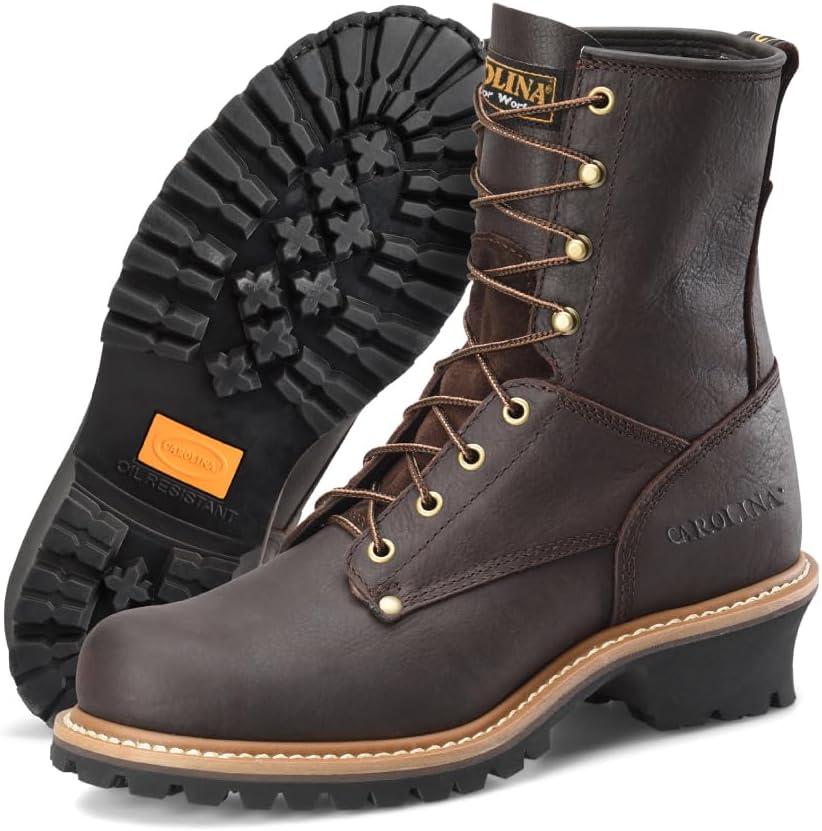
Brown plain toe work boots like the Carolina Elm 8 Unlined Logger make a solid choice for linemen needing dependable footwear. Its unlined design keeps the boots breathable, well-suited for all seasons while providing firm support for climbing tasks.
Breaking them in is straightforward because of the solid leather build and simple construction. The stacked heel gives good heel support and grip on climbing spikes or ladders.
Daily wear feels mostly sturdy with a comfortable fit, although the lack of lining can make them feel a bit raw in colder weather. Cleaning involves basic brushing off dirt from the solid leather surface.
The boots hold up well to rough use thanks to the durable plain toe and quality leather material. The solid build and heel type support the foot during climbing and work.
Most praise highlights the longevity and solid protection, while the main complaint is the boots feeling stiff and less cushioned during initial uses.
Longevity and solid foot protection come up as top positives, with the stiff break-in time being the main downside. The plain toe and stacked heel construction contribute greatly to the durability and climbing comfort.
Well-suited for linemen who value tough, straightforward boots across seasons and can handle a break-in period. Those who want extra cushioning or immediate softness might want to look at lined options instead.
Pros
- Durable plain toe protects against impacts
- Stacked heel supports climbing boots and ladders
- Breathable unlined design for all seasons
- Classic brown leather fits casual and work needs
Cons
- Unlined interior can feel stiff or rough initially
- Lacks cushioning compared to lined boots
| Specification | Details |
|---|---|
| Color | Brown |
| Toe Style | Plain Toe |
| Boot Form Type | Work Boot |
| Heel Type | Stacked Heel |
| Seasons | All |
| Style Name | Elm 8″ Unlined Logger |
Best Lineman Boots Climbing Comparison Table
| Product | Toe Style | Boot Form Type | Heel Type | Occasion |
|---|---|---|---|---|
| Kenetrek Lineman Steel Toe | Steel Toe | Snow Boot | No Heel | Work |
| Carolina Linesman 10 Boots | Composite Toe | Combat | No Heel | Casual |
| Carolina Elm 8 Steel Toe | Steel Toe | Combat | No Heel | Casual |
| Georgia Boot Waterproof | Steel Toe | Work Boot | Roper Heel | Casual |
| Kenetrek Lineman 1000 ST | Round Toe | Work Boot | Flat | Work |
| Carolina 8 Steel Toe 1 | Steel Toe | Work Boot | High-heels | Work |
| Carolina 8 Steel Toe 2 | Steel Toe | Work Boot | Heeled | Casual |
| La Sportiva Makalu | Rounded Toe | Hiking Boot | No Heel | Hiking |
| Carolina 8 Composite Toe | Composite Toe | Work Boot | Block Heel | Casual |
| Chippewa Super DNA 9 | Soft-toe | Chukka | Block Heel | Work |
| Chippewa Baldor 8 Steel | Steel Toe | Chukka | Block Heel | Casual |
| Carolina Elm 8 Unlined | Plain Toe | Work Boot | Stacked Heel | Casual |
- Toe StyleSteel Toe
- Boot Form TypeSnow Boot
- Heel TypeNo Heel
- OccasionWork
- Toe StyleComposite Toe
- Boot Form TypeCombat
- Heel TypeNo Heel
- OccasionCasual
- Toe StyleSteel Toe
- Boot Form TypeCombat
- Heel TypeNo Heel
- OccasionCasual
- Toe StyleSteel Toe
- Boot Form TypeWork Boot
- Heel TypeRoper Heel
- OccasionCasual
- Toe StyleRound Toe
- Boot Form TypeWork Boot
- Heel TypeFlat
- OccasionWork
- Toe StyleSteel Toe
- Boot Form TypeWork Boot
- Heel TypeHigh-heels
- OccasionWork
- Toe StyleSteel Toe
- Boot Form TypeWork Boot
- Heel TypeHeeled
- OccasionCasual
- Toe StyleRounded Toe
- Boot Form TypeHiking Boot
- Heel TypeNo Heel
- OccasionHiking
- Toe StyleComposite Toe
- Boot Form TypeWork Boot
- Heel TypeBlock Heel
- OccasionCasual
- Toe StyleSoft-toe
- Boot Form TypeChukka
- Heel TypeBlock Heel
- OccasionWork
- Toe StyleSteel Toe
- Boot Form TypeChukka
- Heel TypeBlock Heel
- OccasionCasual
- Toe StylePlain Toe
- Boot Form TypeWork Boot
- Heel TypeStacked Heel
- OccasionCasual
How to Choose the Right Lineman Climbing Boots
Choosing the right lineman climbing boots depends on comfort, durability, and strong ankle support to protect during long hours of work. Prioritizing proper fit and sturdy materials ensures safety and reduces wear, saving money by avoiding frequent replacements and preventing injuries.
Safety Features
Slipping on icy poles or muddy ground can lead to serious injury. The quality of the sole and traction determines how securely boots grip when climbing or walking on uneven surfaces. Soles with deep lugs and high abrasion rubber provide better hold.
Look for boots rated ASTM F2413 for electrical hazard protection, which guards against accidental shocks common in utility work. Poor ankle support can cause sprains or fatigue; sturdy padding and reinforced collars stabilize the joint during climbs and tough landings.
Impact resistance in the toe area protects from falling objects and abrasions. Boots with steel or composite toes absorb shocks, but composite toes weigh less and don’t conduct electricity.
The key is balancing traction, electrical safety, and ankle stability so feet feel secure all day without constant adjustments or slipping.
Comfort and Fit
Working hours on poles gets exhausting fast if boots don’t fit right. Sizes vary between brands, and wide or narrow options help prevent hot spots or pinching. Boots that are too tight cause blisters; too loose lets feet slide inside.
Cushioned insoles with good arch support reduce strain on feet and knees during long climbs. EVA foam or gel padding works well for this.
Heavy boots can weigh down each step, increasing fatigue on long shifts. Flexible soles that still support the arch allow for more natural movement when climbing. A good match of weight and flexibility makes the boots feel less cumbersome, letting you climb more confidently without sore feet by the end of the day.
Durability and Materials
Leather lasts longer than most synthetics but needs regular care to avoid cracking. Some synthetic uppers resist abrasions well and dry faster, useful in wet environments.
Water resistance keeps feet dry during rain or snow; boots with waterproof membranes or treated leather perform better outdoors. Without this, wet boots become uncomfortable and degrade faster.
Stitching and sole bonding quality affect how long a boot lasts. Poor glue or loose stitching leads to sole separation or upper tears after just a few months of rugged use. Reinforced stitching and cemented soles extend longevity, especially under frequent climbing stress.
Watching for these materials helps avoid premature replacements.
Climbing Compatibility
Specialized climbing spikes or gaffs need boots designed to hold them securely. The boots must have mounting points or slots that fit standard equipment well. Poor compatibility makes attaching or removing gear difficult and dangerous during quick transitions on poles.
A stiff sole gives leverage and stability when pushing spikes into wood or metal, while the shape of the heel and toe area affects foot positioning. Boots that are too flexible lose support, risking slips.
Balanced sole stiffness and shape ensure safe, controlled ascents without sacrificing comfort.
Maintenance and Care
Dirt and mud pile up quickly on boots after a day’s climb. Leather is easier to wipe clean, whereas some textiles need extra brushing. Boots with smooth surfaces and fewer seams trap less debris, saving time on maintenance.
Stains and odors develop over time; treated linings and antimicrobial insoles retard these problems.
Resoling options extend boot life significantly. Quality brands allow for replacement soles or parts like insoles and laces. Being able to fix instead of replace boots reduces costs over time and keeps equipment reliable.
Checking for accessible maintenance options before buying is practical for long-term use.
Proper Care and Maintenance Tips for Longevity of Lineman Climbing Boots
Cleaning lineman climbing boots regularly helps keep the leather and stitching in good shape. Use a soft brush to remove dirt after every use, especially from the soles and cleats.
Applying a leather conditioner every few weeks prevents the material from drying out and cracking. Check the boots for wear and tear, focusing on the soles and climbing heels, which take the most stress. Replace worn parts like insoles or laces promptly to maintain fit and support.
Additional tips:
- Store boots in a cool, dry place away from direct sunlight or heat sources.
- Avoid soaking boots in water to prevent damage to the leather and internal components.
- Inspect metal parts regularly for rust and clean with appropriate products.
Proper maintenance helps extend the boots’ usability and ensures they perform well during climbs.
Safety Practices to Maximize Protection While Using Lineman Boots
Wearing lineman climbing boots with the correct fit reduces the risk of slips and injuries. The boots should provide firm ankle support and enough grip on both wet and dry surfaces.
Always check that climbing gaffs are securely attached and sharp enough to penetrate wood poles where required. Use compatible climbing equipment such as belts and straps to avoid putting extra strain on the boots or the wearer. Following recommended inspection routines before climbs helps spot potential weaknesses.
Key safety practices:
- Perform a quick walk test to confirm comfortable range of motion without heel lift.
- Replace damaged gaffs or worn soles before climbing.
- Wear insulated boots when working in cold conditions to prevent numbness.
These steps help maximize protection and reduce hazards during utility work.
Comparing Lineman Climbing Boots with Alternative Footwear Options for Utility Workers
Lineman climbing boots differ from standard work boots or hiking boots primarily in their built-in features for climbing poles. Unlike most work boots, they include climbing gaffs or spikes specifically designed to grip utility poles and trees. This feature eliminates the need to carry separate climbing spikes.
The boots also provide more ankle support and are reinforced to handle the stresses of vertical climbing. Hiking boots may offer comfort and traction but lack these specialized elements.
Comparing options:
- Standard work boots focus on foot protection and slip resistance but don’t support climbing.
- Hiking boots offer traction and cushioning but no integrated climbing spikes.
- Lineman boots combine protection, support, and pole-climbing capability in one shoe.
For utility workers who climb frequently, specialized lineman boots provide practical advantages over alternatives.
People Also Asked
How Do I Properly Size Lineman Boots for Climbing?
Lineman boots for climbing should fit snugly but allow enough room to wiggle your toes slightly. Trying them on with the socks you plan to wear for climbing helps get an accurate fit and avoid pressure points during long periods of use.
What Safety Features Should Lineman Boots Have for Climbing?
Important safety features include electric hazard protection, slip-resistant soles, and reinforced toes. A secure ankle support and compatibility with climbing gaffs or hooks is essential for safe and steady ascents.
How Do I Care for Lineman Climbing Boots to Last Longer?
Clean boots after each use by wiping off dirt and checking for damage. Regularly treat the leather with conditioner to prevent cracking and store them in a cool, dry place away from direct sunlight to maintain their shape and durability.
Can I Use Lineman Boots with Different Climbing Gear Attachments?
Lineman boots are designed to work with specific climbing gear like gaffs and hooks, but compatibility varies by model. Check that your climbing attachments fit well with the boot design to avoid slippage or instability during climbs.
What Common Problems Should I Watch for in Lineman Climbing Boots?
Watch for worn soles, loose stitching, and cracks in the leather. Early signs of these issues can affect grip and foot support, so replacing or repairing boots before serious damage occurs helps maintain safety during climbs.
Conclusion
Fit and traction are the most important factors for climbing boots used by linemen. Boots should feel comfortable for long shifts and provide reliable grip on poles and ladders. Durability also matters since the boots need to withstand rough conditions and frequent use without wearing down quickly.
Choose boots that suit how often you’ll be climbing and the types of surfaces you encounter. Consider your budget but don’t compromise on safety features or comfort.
Check the comparison table and detailed reviews above to find the boots that balance these needs best for your work.