Top 13 Best Insulation Layer Jacket That Will Blow Your Mind
Stepping outside on a cold day only to find your jacket doesn’t keep you warm is a common frustration. Many have experienced shivering during outdoor activities because their best insulation layer jacket failed to provide enough warmth or trapped too much moisture, leaving them clammy and uncomfortable. A poorly chosen jacket can ruin a whole day spent in nature or on the move.
The best insulation layer jacket usually balances warmth with breathability, often featuring synthetic insulation like polyester or down alternatives rated for temperatures around 20 to 30 degrees Fahrenheit. Fit is crucial, as a jacket that’s too tight compresses the insulation and reduces its effectiveness, while one too loose lets cold air in. Durability of the outer fabric and ease of machine washing also matter since these jackets get frequent use in rough conditions and need regular cleaning without damage.
Need a Quick Check?
| Image | Product | Price |
|---|---|---|
Our Top Picks 1  | Amazon Essentials Puffer | Check Price |
Our Top Picks 2  | Mens Junction Jacket | Check Price |
Our Top Picks 3  | North Face Womens Junction | Check Price |
Our Selected Top 13 Insulation Layer Jacket Worth Buying
This list features carefully chosen insulation layer jackets that balance warmth, weight, and comfort for various outdoor conditions. Each review explains the jacket’s performance, ideal uses, and highlights strengths and drawbacks to help you find the right option for your needs.
1. Amazon Essentials Mens Packable Puffer Jacket
A warm, packable jacket that suits anyone needing reliable insulation without bulk. Its biggest strength lies in how easily it compresses, making it ideal for travel or daily layers when temperatures drop but space is tight.
Setting it up is simple since it packs down into its own pocket, saving room in backpacks or bags. Wearing it throughout the day feels light and comfortable thanks to the material’s low weight.
The fit accommodates layering underneath without feeling too tight or restrictive.
It delivers solid warmth for an insulated jacket, holding up well against cold winds while staying breathable. The construction is well designed for easy compression, and the fabric resists light moisture. Praise often highlights how compact and warm it remains, while some mention the zipper can be a little stiff at first.
The jacket’s standout feature is its packability combined with warmth, making it easy to carry without sacrificing insulation. The most frequent critique involves the zipper sometimes feeling stiff out of the box, requiring a bit of breaking in before smooth use.
People looking for an ultralight, warm jacket for travel or casual outdoor use will appreciate it. Those needing heavy waterproof protection or extreme cold weather gear might find it less suited to their needs.
Pros
- Highly compressible for easy packing
- Lightweight, ideal as midlayer or outerlayer
- Durable, water-resistant exterior fabric
- Comfortable fit accommodates multiple layers
Cons
- Zipper can be stiff when new
- Not designed for heavy rain protection
| Specification | Details |
|---|---|
| Weight | Lightweight and compressible |
| Material | Durable, water-resistant fabric |
| Packability | Packable, fits into own pocket |
| Fit | Regular fit comfortable for layering |
| Zipper | Full front zipper closure |
2. Mens Junction Insulated Jacket
When cold weather calls for reliable warmth without bulk, this jacket fits well into those needs. It suits anyone looking for a straightforward insulated layer that handles fall conditions.
Its biggest strength is the synthetic insulation combined with a water-repellent finish, making it ready for damp, chilly days outdoors.
Getting ready for a day outside is simple, the jacket slips on easily with its regular fit and band collar for neck coverage. Zip hand pockets keep essentials secure and close by.
The quilted silhouette offers warmth without extra weight, and the water-repellent finish handles light moisture so you don’t feel wet or uncomfortable during outdoor activities.
The synthetic insulation delivers consistent warmth suitable for cold fall weather. The water-repellent finish provides decent protection against light rain or snow, which works well for typical outdoor use. One frequent comment is how the jacket keeps the chill out without feeling too heavy.
Some mention the jacket would benefit from more breathability during active use.
The standout feature here is the jacket’s reliable warmth paired with its water-repellent finish, making it practical for chilly, damp days. A common drawback is the lack of breathability, which some notice during more vigorous outdoor activities.
Those who enjoy light hiking, casual outdoor activities, or commuting in cold fall weather will find this jacket suitable. Those needing a jacket for heavy winter conditions or high-exertion sports might want to look for something with more breathability and insulation depth.
Pros
- Effective synthetic insulation for cold weather warmth
- Water-repellent finish handles light rain well
- Secure zip hand pockets for carrying essentials
- Regular fit allows layering underneath
Cons
- Limited breathability during intense outdoor activity
- Designed mainly for fall, not extreme winter conditions
| Specification | Details |
|---|---|
| Color | Tnf Black |
| Style | Junction Insulated Jacket | Winter Coat With Synthetic Insulation, Water Repellent Finish & Secure Zip Hand Pockets |
| Sleeve Type | Long Sleeve |
| Coat Silhouette Type | Quilted |
| Fit Type | Regular |
| Climate Suitability | Cold Weather |
3. The North Face Womens Junction Insulated Jacket
Featuring 70% recycled, 100g HEATSEEKER synthetic insulation, this jacket offers warmth without bulk for cold-weather activities. It suits those needing a lightweight but cozy layer that carries from fall into early spring with ease.
The quilted design and water-repellent finish mean daily wear requires little fuss even around wet conditions. Its regular fit allows layering underneath, while the recycled polyester fabric feels soft but durable.
Zippers and pockets come in handy for storing essentials during outdoor trips.
Warmth holds up well in cold weather, balancing insulation and weight effectively. Construction uses circular design principles to make recycling easier at life’s end. Most praise warmth and comfort, while a few note the jacket runs a bit large compared to typical sizes.
Warmth and comfort stand out, thanks to the 100g HEATSEEKER insulation and soft recycled polyester shell. Some find sizing on the generous side, which may affect fit preferences.
Ideal for those seeking a versatile, eco-conscious jacket that works well from fall through spring. People needing a heavier coat for harsh winter conditions might want to look elsewhere.
Pros
- Lightweight warmth with 100g synthetic insulation
- Water-repellent finish repels moisture effectively
- Regular fit allows easy layering underneath
- Recycled materials reduce environmental impact
Cons
- Runs a bit large compared to usual sizing
- Not designed specifically for extreme winter cold
| Specification | Details |
|---|---|
| Material | 100% recycled polyester plain weave |
| Insulation | 70% recycled, 100g HEATSEEKER synthetic hollow-core |
| Finish | Non-PFC durable water-repellent (non-PFC DWR) |
| Fit Type | Regular |
| Seasons | Fall |
| Climate Suitability | Cold Weather |
4. Amazon Essentials Mens Insulated Fleece Jacket

Men looking for a warm but comfortable jacket for chilly days will appreciate the Amazon Essentials Mens Insulated Fleece Jacket. Its real highlight is the insulation, which keeps you cozy without making you feel bulky or weighed down.
Ideal for casual wear or light outdoor activity in colder weather.
Putting it on and wearing it day to day is simple thanks to its easy zip closure and soft fleece material. The jacket fits well without being too tight or loose, and the lightweight fabric means it’s easy to layer under a heavier coat if needed.
Caring for it is straightforward since it can be machine washed without losing much of its softness.
The insulation works well for moderate cold, making it suitable for fall and mild winter use. It’s put together mainly with warm fleece and synthetic fill to trap heat, making it quite reliable against the cold.
Praise often centers on the warmth it provides relative to its light weight. Some people mention that the fit can be a bit boxy or that the fleece isn’t as durable as expected after long use.
The warmth provided by the insulation is well-appreciated and suitable for cool days, while some users note that the fit runs a bit boxy and the fleece fabric can thin after extended use. This makes the jacket comfortable initially but may impact long-term durability for regular heavy wear.
Those seeking a lightweight, casual insulated jacket for occasional outdoor use will find this a solid choice. People wanting a tailored fit or extremely durable outerwear might want to look at alternative options better suited for rugged or professional needs.
Pros
- Warmth without heavy bulk
- Soft and comfortable fleece
- Simple zip closure
- Easy to machine wash
Cons
- Fit can feel boxy on some
- Fleece may wear down over time
| Specification | Details |
|---|---|
| Material | Insulated fleece |
| Closure | Full zip |
| Intended Use | Casual & light outdoor wear |
| Care | Machine washable |
| Fit | Regular |
5. Canada Weather Gear Mens Puffer Jacket

Canada Weather Gear Mens Puffer Jacket stands out with its solid black quilted design made for cold weather. It suits everyday casual use in fall and winter, offering reliable warmth without being too bulky. Its main strength is how well it insulates against chilly temperatures while maintaining a straightforward, classic style.
Putting it on each day is uncomplicated thanks to its regular fit and long sleeves, which feel comfortable for extended wear. The jacket’s casual style works well for daily errands or outdoor walks, without feeling out of place. The quilted silhouette traps heat effectively and the jacket stays breathable enough to avoid overheating when indoors briefly.
Performance-wise, it keeps you warm during cold weather with consistent insulation, while the material holds up well against wind. The jacket’s build is simple but durable, making it suitable for routine wear and tear.
The main praise focuses on its dependable warmth, while the most common drawback mentioned involves the fit feeling a bit roomy for some wearers.
The jacket is praised for consistently keeping warmth in during cold days. Many find the fit comfortable but a bit loose, which can affect the overall look for those who prefer a snugger style. Materials hold up well in regular daily use but aren’t specialized for heavy rain or intense outdoor activity.
Anyone needing a warm, casual layer for everyday cold weather will appreciate this jacket’s straightforward warmth and style. Those seeking a tighter fit or specialized outerwear features should consider other options better suited to those preferences.
Pros
- Effective insulation for cold weather
- Classic black color pairs with many outfits
- Regular fit suits different body types
- Durable quilted design handles everyday use
Cons
- Fit may feel roomy for some wearers
- Lacks advanced weatherproof fabric
| Specification | Details |
|---|---|
| Color | Black |
| Sleeve Type | Long Sleeve |
| Coat Silhouette Type | Quilted |
| Fit Type | Regular |
| Climate Suitability | Cold Weather |
| Seasons | Fall, Winter |
6. Mens Ski Jacket

Mens Ski Jacket offers reliable insulation for cold winter days, perfect for anyone seeking warmth without bulk. Its classic fit and hooded anorak style stand out as the biggest strengths, keeping you comfortable while facing chilly weather conditions.
Putting it on is straightforward with a roomy hood and long sleeves that cover well. The classic fit allows for layering underneath, while the solid navy color matches easily with other winter gear.
Regular wear brings out the value of its protective silhouette and warmth retention through freezing temperatures.
The jacket manages cold weather protection effectively with its well-constructed design. The solid pattern and anorak cut provide good coverage and wind resistance. The most common praise mentions how warm it keeps the wearer, while some note the classic fit might feel a bit roomy for those who prefer slimmer jackets.
Warmth is the standout feature praised consistently, making it suitable for cold winter use. Some find the classic fit a bit roomy, which could affect those looking for a closer to body cut.
This jacket suits anyone needing dependable cold weather wear without a tight fit. Those wanting a slim, tailored look or requiring waterproof performance might want to consider other options.
Pros
- Effective insulation for cold weather
- Classic fit accommodates layering well
- Hooded design adds extra protection
- Simple solid navy color suits any outfit
Cons
- Fit may be too loose for slim preferences
- No detailed mention of waterproofing features
| Specification | Details |
|---|---|
| Color | Navy |
| Style | Ski Jacket |
| Sleeve Type | Long Sleeve |
| Coat Silhouette Type | Anorak |
| Seasons | Winter |
| Fit Type | Classic |
7. Free Soldier Mens Waterproof Softshell Jacket

Wearing this jacket feels sturdy yet comfortable, designed for cold weather sports enthusiasts who need reliable insulation without bulk. Its best feature is the waterproof softshell fabric that keeps you dry and warm during winter activities, making it a solid choice for anyone facing wet, chilly conditions.
Putting it on is easy with the fitted cut and long sleeves that hold snugly, while the hood adds extra protection against wind and snow. The band collar prevents cold air from sneaking in around the neck. This jacket is practical and not overly heavy, so it moves well during activity and can handle outdoor sports in the winter months.
Performance-wise, it does well at blocking wind and staying waterproof, which is critical for cold, damp environments. The build feels durable with an anorak silhouette that covers well without restricting movement.
Most praise focuses on its warmth and water resistance. Common complaints mention the fitted style may feel tight for some and limited color options.
The jacket’s biggest strength is its ability to keep the wearer warm and dry with its waterproof softshell material, making it dependable in harsh winter weather. However, some find the fitted design restrictive, especially if layering underneath or if sizing isn’t perfect.
It suits those active in cold, wet conditions who prefer a slim fit and solid protection from the elements. People who want looser fits or options beyond a single color might want to look at other choices.
Pros
- Waterproof softshell fabric keeps you dry
- Fitted cut holds warmth close
- Hood provides extra weather protection
- Long sleeves cover well in winter
Cons
- Fitted style may be tight for some
- Only available in black color
| Specification | Details |
|---|---|
| Color | Black |
| Style | Hooded |
| Fit Type | Fitted |
| Seasons | Winter |
| Coat Silhouette Type | Anorak |
| Climate Suitability | Cold Weather |
8. Amazon Essentials Mens Full-Zip Polar Fleece Jacket

Comfortable and practical, the Amazon Essentials Mens Full-Zip Polar Fleece Jacket suits those looking for a reliable insulation layer without complicated features. Its biggest strength lies in offering consistent warmth with soft fleece material that’s easy to wear casually or during light outdoor activities.
Putting it on is straightforward thanks to the full-zip closure that lets you adjust warmth quickly. The fit is regular, making it suitable to layer over shirts or under heavier coats.
Its lightweight fleece fabric is gentle on the skin and dries relatively fast after washing, which makes maintenance simple and quick.
Keeping you warm is the jacket’s main purpose, and it does well by trapping body heat without feeling bulky. The material quality feels durable enough for repeated use but lacks windproof protection in harsher conditions.
Strong points mentioned often praise comfort and fit, while the biggest downside is it doesn’t block strong winds effectively.
Reviews often highlight how comfortable the fleece feels throughout the day and how the zipper functions smoothly for easy wear. The most frequent complaint involves the jacket’s inability to block cold wind, which limits its use as a standalone layer in very cold or blustery weather.
Those who want a cozy and easy-to-care-for fleece will find this jacket suits their needs well. People needing protection against strong wind or rain might prefer a jacket with added weatherproof features or heavier insulation.
Pros
- Soft and warm fleece fabric
- Full-zip allows easy temperature control
- Regular fit good for layering
- Machine washable and quick drying
Cons
- Not windproof
- Limited water resistance
| Specification | Details |
|---|---|
| Material | Polar fleece |
| Closure type | Full zipper |
| Fit | Regular |
| Cleaning | Machine washable |
| Design | Long sleeves, two front pockets |
9. Burton Mens Reserve Insulated Jacket

Constructed with a regular fit and designed for cold weather, the jacket suits men looking for dependable insulation during winter outdoor activities. Its key strength lies in balancing warmth with a straightforward, solid pattern that fits well in everyday winter settings.
Putting the jacket on is simple, thanks to its regular fit and long sleeves that cover well against the cold. The color options like True Black/Dried Moss make it versatile for different outdoor looks. The jacket works best in winter conditions, handling daily wear and tear without fuss, fitting comfortably for extended outdoor periods.
Designed for winter use, the insulation holds up nicely in cold climates, offering reliable protection against chill. The build focuses on durability with a solid, no-frills style.
A common compliment is how effectively it fights cold, while some note that the jacket might feel a little heavy for more casual or variable weather use.
The jacket is praised for keeping warm during cold weather, showing solid insulation performance. A common drawback mentioned is the weight feeling heavier than expected, which can be less ideal for activities needing faster movement or less bulk.
Those spending a lot of time outdoors in cold, steady winter conditions will find this jacket a dependable layer. People wanting a lighter, more adaptable jacket for changing climates might want to consider alternatives suited to mixed weather.
Pros
- Reliable warmth for cold weather
- Regular fit offers comfortable layering
- Durable fabric for outdoor use
- Solid color patterns for versatile wear
Cons
- Can feel a bit heavy for mild days
- Lacks specialized features for variable weather
| Specification | Details |
|---|---|
| Color | True Black/Dried Moss |
| Style | Men’s Reserve 2l Insulated Jacket |
| Sleeve Type | Long Sleeve |
| Seasons | Winter |
| Fit Type | Regular |
| Climate Suitability | Cold Weather |
| Occasion | Outdoor Activities |
10. Columbia Mens Tipton Peak III Jacket

City Grey/Shark color catches the eye first, fitting well with outdoor styles. Built for cold weather, it suits anyone needing a reliable, regular-fit insulated jacket for fall activities. The standout feature is how well it balances warmth and comfort without feeling bulky.
Getting it on takes no fuss thanks to the anorak silhouette and long sleeves that cover well. The jacket feels comfortable during daily wear when layering isn’t an option.
Its solid pattern keeps things low-key, while the regular fit ensures it moves nicely whether you’re hiking or just exploring the outdoors.
It performs solidly keeping the chill out, making it a practical choice for cold weather. The anorak design adds to ease of use and warmth retention. Most find the insulation effective yet not overbearing, though some mention it could be lighter for active days.
Quality materials make it sturdy enough to hold up over time.
The main praise is for its dependable insulation that keeps you warm without feeling too bulky. Most common feedback points to it being heavier than some prefer for energetic activities. It strikes a good balance but may not meet every performance need.
Those seeking a straightforward, warm jacket for typical cold fall weather will find it suitable. People needing something lighter for high-intensity outdoor sports or extreme cold might want to look elsewhere.
Pros
- Well balanced warmth and comfort
- Regular fit suits various body types
- Durable material holds up outdoors
- Simple solid pattern fits many styles
Cons
- A bit heavy for very active use
- Not designed for extreme winter conditions
| Specification | Details |
|---|---|
| Color | City Grey/Shark |
| Style | Tipton Peak III Insulated Jacket |
| Sleeve Type | Long Sleeve |
| Coat Silhouette Type | Anorak |
| Seasons | Fall |
| Climate Suitability | Cold Weather |
11. Marmot Mens Onward Insulated Jacket

Warmth and practicality make the Marmot Mens Onward Insulated Jacket a solid pick for cold weather wear. Best suited for those wanting a regular fit with dependable insulation, it shines through its quilted design that locks in heat without bulk.
Black color keeps it versatile for everyday use.
The jacket’s band collar and long sleeves provide good coverage against chilly winds during fall outings. Putting it on is straightforward, and the regular fit allows easy layering underneath.
Its solid pattern avoids distractions, making it suitable for casual and outdoor settings alike. Care involves standard cleaning practices typical for insulated jackets, keeping maintenance simple.
Designed specifically for cold weather, the jacket performs well in maintaining warmth without feeling heavy. Quilted construction ensures insulation stays evenly distributed.
Strong points include dependable cold protection and comfortable fit. Some users note that the jacket could be warmer in extreme cold, revealing a limit for very harsh winters.
The jacket is praised for locking in warmth nicely while offering good comfort and fit. A common drawback seen is that it might not hold up well against very low temperatures without extra layers.
People looking for a reliable jacket to handle typical cold fall days will find it suitable, especially if they prefer a no-nonsense style. Those facing harsher winter conditions or needing extra weather shields may want to consider options with heavier insulation or hoods.
Pros
- Effective cold weather insulation
- Regular fit fits well over layers
- Durable quilted construction
- Simple, solid black color
Cons
- Might lack warmth for extreme cold
- No hood for additional weather protection
| Specification | Details |
|---|---|
| Color | Black |
| Style | Onward Insulated Jacket |
| Sleeve Type | Long Sleeve |
| Coat Silhouette Type | Quilted |
| Seasons | Fall |
| Fit Type | Regular |
12. Helly Hansen Banff Insulator Jacket

Cold weather calls for reliable warmth without bulk, and the Helly Hansen Banff Insulator Jacket fits that need well. Designed for outdoor lifestyles, it suits anyone looking for a regular fit jacket that handles chilly conditions comfortably. Its strongest feature is how it keeps you warm across seasons while maintaining a clean, simple look.
Putting it on each morning is straightforward thanks to its band collar and regular fit that doesn’t restrict movement. Long sleeves offer good arm coverage, and the cocoon silhouette creates room without feeling oversized. Black color hides dirt well during active days, making it easy to wear frequently without worrying about constant cleaning.
The jacket does its job in cold weather with consistent insulation that keeps chills away, making outdoor time manageable. Built with solid materials, it focuses on a simple solid pattern and avoids unnecessary bells and whistles, giving a dependable, no-nonsense piece of gear. Most appreciate its warmth; a common drawback is the lack of advanced weatherproof features for heavy rain.
The jacket receives praise for providing reliable warmth throughout cold weather, making it a solid choice for daily outdoor use. However, users often point out that it lacks advanced weatherproofing, so it may not hold up well in heavy rain or wet environments. Its straightforward design holds up well for warmth but not for water resistance.
Anyone needing dependable insulation in cold but mostly dry conditions will appreciate its comfort and fit. Those expecting a jacket for wet weather or intense activity requiring breathability might want to consider other options better suited to those challenges.
Pros
- Regular fit suits various body shapes comfortably
- Warm insulation effective in cold climates
- Simple design with solid black color
- Long sleeves cover arms fully
Cons
- Not designed for heavy rain or wet conditions
- Limited ventilation options for active wear
| Specification | Details |
|---|---|
| Color | 990 Black |
| Style | Banff Insulator Jacket |
| Sleeve Type | Long Sleeve |
| Coat Silhouette Type | Cocoon |
| Seasons | All |
| Climate Suitability | Cold Weather |
13. Helly Hansen Mens Lifaloft Insulator Jacket
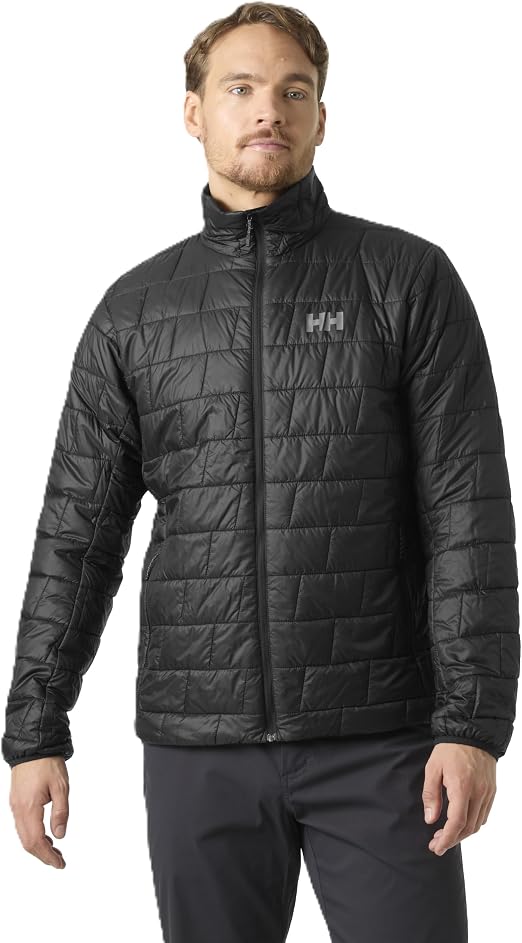
Helly Hansen Mens Lifaloft Insulator Jacket is built for cold weather, perfect for anyone who needs a warm layer that doesn’t feel too bulky. It stands out mainly for its relaxed fit and quilted design, making it comfortable for outdoor activities in fall.
Slipping into the jacket is quick and easy thanks to its band collar and long sleeves that give good coverage. The relaxed fit allows layering underneath without restricting movement.
The solid black color keeps it versatile for both casual wear and active use in cold weather environments.
It keeps heat well due to its insulation, making it reliable when temperatures drop. The quilted silhouette is durable and doesn’t trap moisture easily during outdoor activities.
Some users note that it can feel a bit heavy compared to lighter insulators, but most praise how warm it keeps them without needing extra layers.
People appreciate how warm the jacket feels, even in colder conditions, and the relaxed fit makes it comfortable for layering. On the downside, some find it heavier than expected, which can be a drawback for those wanting something lighter or more packable.
Ideal for those spending time outdoors in chilly weather who want reliable warmth without tight fit constraints. Not the best choice for anyone looking for a lightweight jacket or something suited for multiple seasons beyond fall.
Pros
- Warm insulation holds up well in cold weather
- Relaxed fit allows easy layering
- Durable quilted design
- Neutral black color suits many occasions
Cons
- Heavier than some other insulator jackets
- Limited to fall season use
| Specification | Details |
|---|---|
| Color | 990 Black |
| Style | Lifaloft Insulator Jacket |
| Sleeve Type | Long Sleeve |
| Coat Silhouette Type | Quilted |
| Fit Type | Relaxed |
| Climate Suitability | Cold Weather |
Comparison of Best Insulation Layer Jackets
| Product | Climate Suitability | Season | Coat Silhouette Type | Occasion |
|---|---|---|---|---|
| Amazon Essentials Puffer | – | – | – | – |
| Mens Junction Jacket | Cold Weather | Fall | Quilted | – |
| North Face Womens Junction | Cold Weather | Fall | Quilted | Outdoor activities |
| Amazon Essentials Fleece | – | – | – | – |
| Canada Weather Puffer | Cold Weather | Fall, Winter | Quilted | Casual |
| Generic Mens Ski Jacket | Cold Weather | Winter | Anorak | – |
| Free Soldier Softshell | Cold Weather | Winter | Anorak | Sports |
| Amazon Essentials Polar Fleece | – | – | – | – |
| Burton Reserve Jacket | Cold Weather | Winter | – | Outdoor activities |
| Columbia Tipton Peak | Cold Weather | Fall | Anorak | Outdoor activities |
| Marmot Onward Jacket | Cold Weather | Fall | Quilted | – |
| Helly Hansen Banff | Cold Weather | All | Cocoon | Outdoor Lifestyle |
| Helly Hansen Lifaloft | Cold Weather | Fall | Quilted | Outdoor activities |
- Climate Suitability–
- Season–
- Coat Silhouette Type–
- Occasion–
- Climate SuitabilityCold Weather
- SeasonFall
- Coat Silhouette TypeQuilted
- Occasion–
- Climate SuitabilityCold Weather
- SeasonFall
- Coat Silhouette TypeQuilted
- OccasionOutdoor activities
- Climate Suitability–
- Season–
- Coat Silhouette Type–
- Occasion–
- Climate SuitabilityCold Weather
- SeasonFall, Winter
- Coat Silhouette TypeQuilted
- OccasionCasual
- Climate SuitabilityCold Weather
- SeasonWinter
- Coat Silhouette TypeAnorak
- Occasion–
- Climate SuitabilityCold Weather
- SeasonWinter
- Coat Silhouette TypeAnorak
- OccasionSports
- Climate Suitability–
- Season–
- Coat Silhouette Type–
- Occasion–
- Climate SuitabilityCold Weather
- SeasonWinter
- Coat Silhouette Type–
- OccasionOutdoor activities
- Climate SuitabilityCold Weather
- SeasonFall
- Coat Silhouette TypeAnorak
- OccasionOutdoor activities
- Climate SuitabilityCold Weather
- SeasonFall
- Coat Silhouette TypeQuilted
- Occasion–
- Climate SuitabilityCold Weather
- SeasonAll
- Coat Silhouette TypeCocoon
- OccasionOutdoor Lifestyle
- Climate SuitabilityCold Weather
- SeasonFall
- Coat Silhouette TypeQuilted
- OccasionOutdoor activities
How to Choose the Right Insulation Layer Jacket
Choosing the right insulation layer jacket depends on warmth, weight, and breathability to ensure comfort in different conditions. Selecting the correct balance helps avoid overheating or feeling cold, ultimately saving money by reducing the need for multiple jackets and preventing discomfort during activities.
Insulation Material Quality
Using a jacket insulated with down feels noticeably warmer with less bulk compared to synthetic alternatives. Down’s warmth-to-weight ratio makes it a favorite for backpacking and cold weather, but it loses much of its insulating ability when wet.
Synthetic insulation, on the other hand, handles moisture better and continues to insulate even in damp conditions. Over time, down can clump and lose loft if not properly maintained, while good synthetic fills tend to hold up through repeated washings without significant loss of warmth.
Choosing insulation involves balancing warmth, weight, and moisture resistance. Look for down with a fill power rating of 600 or higher for good warmth without too much weight. Synthetic options often specify grams per square meter (gsm), with 60-100 gsm providing decent insulation.
Consider where and how you’ll use the jacket, especially in wet climates, to decide the best material for long-term comfort and durability.
Fit and Mobility
A jacket that fits well follows the body’s natural lines but still lets you move freely during hikes or climbs. Too tight, and it restricts stretching or reaching; too loose, and it traps cold air or feels bulky layered under shells.
Adjustable cuffs, hems, and hoods help seal out drafts and improve comfort throughout the day. This allows you to fine-tune the fit depending on the conditions and the layers worn underneath.
Layering compatibility is key since this insulation layer often sits between a base layer and an outer shell. A jacket with just enough room to accommodate a midweight fleece or a thin shell lets you adapt to changing temperatures without bulkiness. Pay attention to sleeve length and torso cut details to avoid sleeves riding up or fabric bunching during movement.
Weight and Packability
During long days outdoors, a lighter jacket makes a noticeable difference in comfort and energy. Jackets around 8-12 ounces are easier to carry and pack, but very lightweight jackets may sacrifice some warmth or durability. Packability matters when backpack space is limited; good ones compress down to about the size of a water bottle, making them easy to stash when inactive.
Heavier insulated jackets typically keep you warmer but can feel cumbersome over time, especially during high-exertion activities. A jacket that balances low weight and warmth can be worn for hours without feeling like a burden.
Check the product’s packed size measurements and weight ratings to find one that matches your activity and climate demands.
Breathability and Moisture Management
Sweat buildup inside a jacket can quickly make the wearer feel clammy and cold. Jackets that offer good breathability allow moisture from perspiration to escape, reducing overheating during physical effort. Features like pit zips and mesh-lined pockets act as vents, improving airflow and helping to maintain a comfortable internal climate.
Materials that wick moisture away from the body help prevent the insulation from becoming damp and losing effectiveness. Without proper moisture management, insulation layers can feel heavy and cold as sweat accumulates. Water-resistant or quick-drying fabrics with ventilation features boost overall comfort during activities like hiking or skiing.
Durability and Maintenance
A jacket used in rugged outdoor conditions needs fabric that resists tears and abrasion from sharp branches or rough surfaces. Durable nylon shells with ripstop weaving provide better protection and longevity. Over time, the insulation should maintain its loft even after many washes and exposure to dirt and moisture.
Maintenance is important to keep the jacket performing well. Washing instructions vary, but most modern jackets can be machine washed and dried without damage when proper detergents and cycles are used. Some synthetic insulated jackets are better at resisting odors and staying fresh longer compared to down, which can require more frequent cleaning in active use.
How to Maximize Warmth with Layering Techniques Using Insulation Jackets
Choosing the right layering method can significantly improve how well your insulation jacket keeps you warm. The insulation layer should trap heat but still allow sweat to escape, preventing dampness that chills the body.
Start with a snug base layer made from moisture-wicking materials like merino wool or synthetic fabrics. This moves sweat away from your skin.
Next, your insulated jacket should fit comfortably over the base without compressing the filling; compression reduces its warmth. Avoid bulky layers underneath as they can limit movement and reduce air pockets that insulate.
Finally, add an outer shell that blocks wind and water but still breathes.
- Choose insulation jackets with synthetic fill or down based on moisture conditions and activity level.
- Ensure the jacket’s insulation is distributed evenly without cold spots.
- Adjust zippers and vents during activity to regulate temperature without removing layers.
Mastering these basics helps maintain body heat outdoors more effectively.
Proper Care and Maintenance to Extend the Life of Your Insulated Jacket
Maintaining your insulated jacket is important to keep its warmth and durability over time. Dirt and oils can clog the fibers, reducing loft and insulation effectiveness.
Wash the jacket only when needed, following the manufacturer’s instructions precisely. Use a gentle detergent designed for technical fabrics and avoid fabric softeners, which degrade insulation performance.
Dry the jacket thoroughly before storage. Air drying is best, but low-heat tumble drying with clean tennis balls can restore loft by fluffing the insulation.
Store the jacket loosely, not compressed in a tight bag or drawer, to preserve the insulation’s ability to trap air.
- Repair small tears promptly to prevent down or fill loss.
- Avoid excessive washing which can shorten the jacket’s lifespan.
- Keep the jacket away from direct heat sources which can damage synthetic fibers or down.
Regular care ensures the jacket performs consistently over many seasons.
Common Mistakes to Avoid When Choosing and Using Insulated Layer Jackets
Choosing the wrong size is a common mistake with insulated jackets. A jacket that’s too tight compresses insulation, reducing warmth and comfort.
Make sure there’s enough room for a base layer underneath without restricting movement.
Overlooking the jacket’s intended use is another frequent error. Insulation types vary, down offers high warmth-to-weight ratio for cold, dry conditions, while synthetic fill performs better in wet climates and dries faster.
Using the wrong insulation for your typical environment compromises effectiveness.
- Do not rely solely on jacket weight as a warmth indicator.
- Avoid neglecting ventilation features; sweating inside reduces insulation efficiency.
- Skipping weather-resistant outer layers can expose your insulation to wetness and damage.
Paying attention to fit, insulation type, and layering options improves overall comfort and jacket performance.
People Also Asked
How Do I Properly Care for an Insulation Layer Jacket?
Care for an insulation layer jacket by following the washing instructions on the label, usually gentle cycle and cold water. Avoid fabric softeners as they can reduce the jacket’s ability to trap heat. Dry it thoroughly, preferably air drying or low heat in a dryer, to maintain loft.
What Size Insulation Jacket Should I Choose for Layering?
Choose an insulation jacket size that fits comfortably over your base layer but still allows room under your outer shell. Too tight can compress insulation and reduce warmth; too loose might cause drafts. Trying on layered outfits you plan to wear helps find the right balance.
Are Insulation Jackets Safe for Sensitive Skin or Allergies?
Many insulation jackets use synthetic materials that are generally safe for sensitive skin, but those with down can cause allergies. Look for hypoallergenic labels or jackets with treated down if allergies are a concern. Washing a jacket before use can also remove residual chemicals.
How Long Does an Insulation Layer Jacket Typically Last with Regular Use?
An insulation layer jacket usually lasts 3 to 5 years with regular use, depending on quality and care. Wear and tear like compression, tears, and dirt buildup can shorten this period. Repair small holes and clean regularly to extend its life.
What Common Problems Should I Watch for in Insulation Jackets?
Common problems include loss of loft which reduces insulation, broken zippers, and seams that come apart. Compression can permanently damage the insulation over time. Storing the jacket uncompressed and checking for damage after trips helps avoid these issues.
Conclusion
Choosing the right insulation layer jacket depends largely on warmth, weight, and packability. Consider how much heat retention you need without added bulk, and how easily the jacket fits into your gear if you plan to carry it around all day.
Durability and water resistance matter too, especially if you’ll be outdoors in varying conditions.
Think about where and how often you’ll use the jacket when making your choice. A simpler, less expensive option can work well for occasional use, while frequent outdoor activities might call for something more durable. Check the comparison table and detailed picks above to find the jacket that fits your needs and budget best.