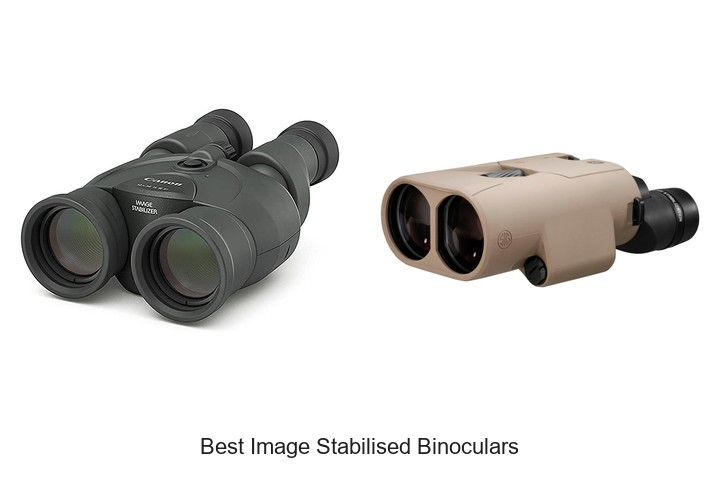
Top 12 Best Image Stabilised Binoculars That Blow Minds
Shaky images that blur every detail spoil countless moments for anyone using binoculars outdoors. The best image stabilised binoculars address this by reducing hand tremors and movement, making it easier to focus on distant objects clearly even during extended use or on a moving platform like a boat. People familiar with cheaper models know how annoying it is to miss a rare bird or distant scenery because of constant shaking in the viewfinder.
What separates a good image stabilised binocular from a poor one usually comes down to the quality of the stabilization system, optical clarity, and weight. A reliable stabilization often uses gyroscopes or electronic systems that compensate smoothly without lag. Optics with at least 8x magnification and lens coatings to reduce glare typically offer good clarity.
Weight around 500 to 700 grams strikes a balance between steady viewing and comfort for long periods. Durable waterproofing and rubber armor also improve durability and handling in the field.
Need a Quick Check?
| Image | Product | Price |
|---|---|---|
Our Top Picks 1  | Canon 12×36 IS | Check Price |
Our Top Picks 2 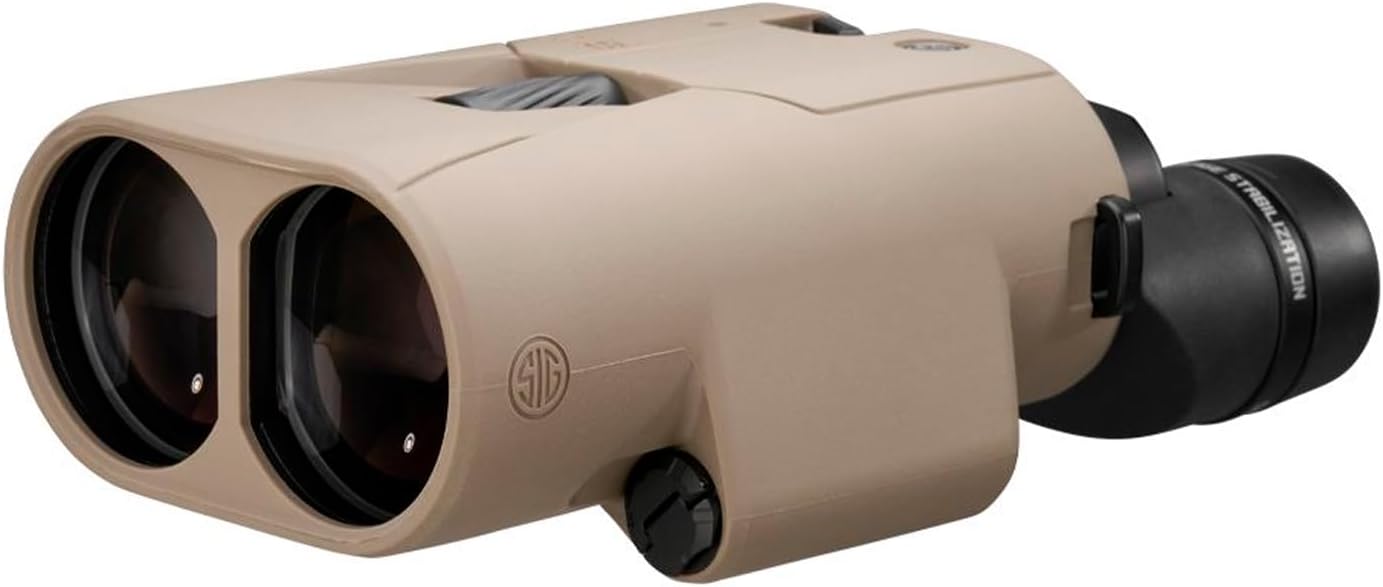 | SIG Sauer Zulu6 HDX 18×50 | Check Price |
Our Top Picks 3 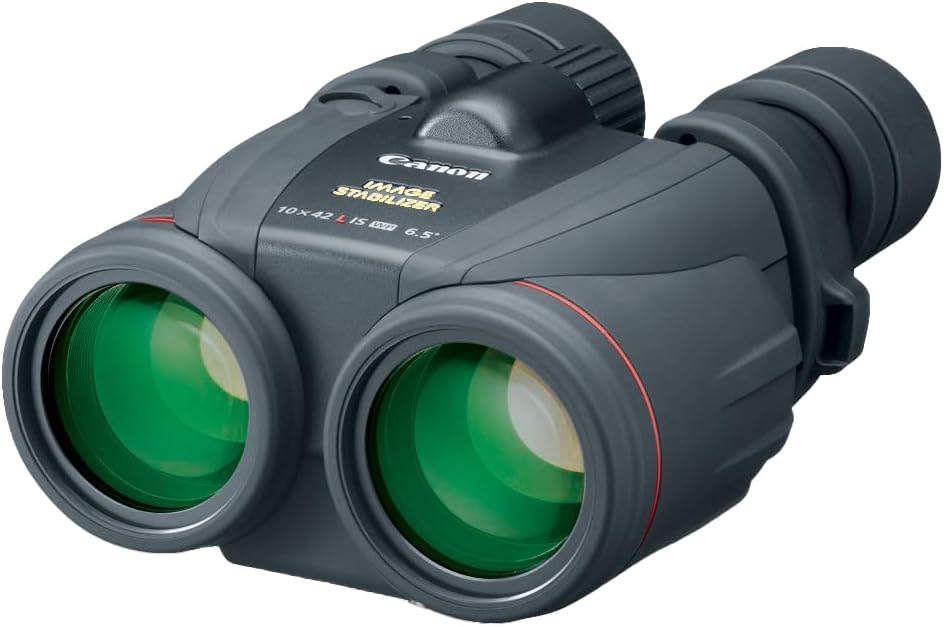 | Canon 10×42 IS | Check Price |
Our Selected Top 12 Image Stabilised Binoculars Worth Considering
This list features a carefully chosen selection of binoculars with built-in image stabilization technology. Each review covers performance details, suitability for different users, and highlights key advantages and potential drawbacks to help you find the best option for your needs.
1. Canon 12×36 Image Stabilization Binoculars
Watching birds or tracking game without shaky images is tough, but these binoculars keep your view steady. Perfect for outdoor fans needing clear, stable vision, they shine brightest in their image stabilization technology that reduces vibrations during use.
Setting up involves adjusting the center focus and diopter to match your vision, which feels smooth and responsive. Their compact size and water resistance make them easy to carry and reliable in different weather.
The long eye relief gives comfort during long sessions, especially for people wearing glasses, while multi-coated lenses keep brightness and clarity solid.
The performance remains sharp thanks to the Porro II prisms, delivering bright images with minimal distortion thanks to the doublet field-flattener lenses. Construction feels sturdy and well-engineered, designed to last without draining batteries quickly. The clearest praise is for the superb image stabilization, while the common complaint relates to the slightly narrow exit pupil that can affect brightness in low light.
Image stabilization works very well, making shaky views a non-issue even at 12x magnification. Across many real uses, some users found the brightness drops under darker conditions, linked to the 3 millimeter exit pupil size.
Outdoor enthusiasts focused on birdwatching or hunting in daylight will find these binoculars a solid choice. Those needing brighter views in dusk or dawn might want to look toward models with wider exit pupils or larger objectives.
Pros
- Excellent image stabilization reduces blur
- Compact and lightweight for easy portability
- Long eye relief comfortable for glasses wearers
- Water resistant for outdoor use
Cons
- Exit pupil can feel dim in low light
- Batteries may need regular replacement during heavy use
| Specification | Details |
|---|---|
| Magnification Maximum | 12 |
| Objective Lens Diameter | 36 millimeters |
| Eye Relief | 14 millimeters |
| Field of View | 55.3 degrees |
| Prism Type | Porro Prism |
| Water Resistance Level | Water Resistant |
2. SIG SAUER ZULU6 HDX PRO 18×50 Binoculars
18x magnification with 50mm objective lenses delivers clear, stable views, perfect for hunting or sports enthusiasts wanting detailed long-distance sight. Its advanced stabilization and fog proof design make it stand out for anyone needing sharp, steady images without worrying about weather conditions.
Setting up includes attaching the binoculars to a tripod thanks to the mount type, which helps keep the view steady at high power. Multi-coated lenses and a fixed focus system mean less fuss in adjusting focus constantly, while the 15.3 millimeters eye relief offers comfort during extended use.
The included neck strap and carrying case make it easy to carry around for all-day adventures.
Optical clarity is excellent with its reengineered lens coatings, and the wide 6-degree field of view balances magnification with a good viewing area. Built tough with waterproof and fog proof features, it handles outdoor conditions well.
The strongest praise highlights the sharp images at high power, while the most common complaint concerns the fixed focus, which can be tricky for some lighting or distance scenarios.
Users praise the sharp, detailed views provided by the 18x magnification and excellent lens coatings. However, the fixed focus system can cause difficulty in certain lighting and distance setups, requiring more effort to get a perfectly sharp image.
Hunters and sports watchers looking for powerful magnification and weather resistance will find this binocular a solid choice. Those needing more flexible focusing options or wider fields of view might consider other models.
Pros
- Clear image with 18x magnification power
- Fog proof and waterproof for outdoor use
- Comfortable 15.3 mm eye relief
- Tripod mount for steady viewing
Cons
- Fixed focus limits flexibility in some conditions
- Smaller exit pupil may affect low light performance
| Specification | Details |
|---|---|
| Magnification Maximum | 18 x |
| Objective Lens Diameter | 50 millimeters |
| Field of View | 6 degrees |
| Eye Relief | 15.3 millimeters |
| Focus Type | Fixed Focus |
| Water Resistance Level | Waterproof |
3. Canon 10×42 Image Stabilized Binoculars
Bird watchers and outdoor enthusiasts who demand steady, clear views will appreciate these image stabilized binoculars. Their biggest strength lies in keeping images rock steady, even when your hands aren’t perfectly still or you’re observing active wildlife at a distance.
Setup involves popping in two AA alkaline batteries before slipping on the neoprene strap for comfort. Day-to-day use revolves around the large center focusing knob, which makes finding sharp focus quick and easy. The eyepiece rainguard and waterproof design let you keep going even in damp conditions without worry.
The padded case keeps everything protected during travel.
Image stabilization is very effective, giving steady viewing even at 10x magnification. The build feels solid and durable, with fog proofing and fully coated lenses that deliver bright, clear pictures. The most common complaint is the binoculars’ weight, which can feel a bit heavy after long periods of use.
Still, the overall optical clarity and stabilization often get praised for serious outdoor use.
The image stabilization works very well, creating clear, steady views that are essential outdoors. The weight of the binoculars is a frequent drawback, especially on long hikes or extended holding periods. The protective features like waterproofing and fog proofing contribute to reliable daily use in various weather.
People who want exceptional image stability for bird watching or nature viewing will find these binoculars rewarding. Those seeking lightweight binoculars for quick spotting or casual use might prefer something less heavy and battery-dependent.
Pros
- Reliable image stabilization for steady views
- Fog proof and waterproof for all weather
- Large center focusing knob is easy to use
- Comes with case and protective lens caps
Cons
- Heavier than some other binoculars
- Requires AA batteries to operate image stabilization
| Specification | Details |
|---|---|
| Magnification Maximum | 10 x |
| Objective Lens Diameter | 42 millimeters |
| Eye Relief | 16 millimeters |
| Water Resistance Level | Waterproof |
| Focus Type | Center Focus |
| Field of View | 341.2 degrees |
4. Canon 15×50 Image Stabilized Binoculars

Offering a powerful 15x magnification paired with image stabilization, these binoculars suit bird watchers, marine observers, and stargazers seeking steady and detailed views. Their standout feature is the image stabilization, which drastically reduces hand shake and blurriness, especially at high zoom levels.
Daily use involves setting them up on a tripod or holding them comfortably with the included harness strap. The center focus and diopter adjustment make it easy to get sharp images quickly.
The large 50mm objective lenses bring in plenty of light, and the all-weather water resistance means no worry about unexpected outdoor conditions.
Performance excels in pulling distant detail into clear view even when handheld, thanks to the image stabilization. The build is solid and durable with multi-coated, anti-reflective lenses that also protect from UV rays. The clearest praise highlights the stable, bright viewing experience, while the main complaint centers around its manual focus, which can be tougher in fast-moving situations.
Image stabilization wins consistent praise for making crisp views possible without a tripod, especially at high zooms. On the downside, manual focusing sometimes slows users down during quick action, limiting fast adjustments.
Those wanting powerful, stable optics for birds, boats, or stars will appreciate the bright, clear images and weather resistance. Anyone looking for quicker focusing or a lighter option might want to explore other models.
Pros
- Powerful 15x magnification with steady images
- Large 50mm lenses for bright views
- Water resistant for all-weather use
- Wide 67-degree apparent viewing angle
Cons
- Manual focus can be tricky on fast subjects
- Heavier than some compact binoculars
| Specification | Details |
|---|---|
| Magnification Maximum | 15x |
| Objective Lens Diameter | 50 mm |
| Field of View | 236 feet at 1000 yards |
| Image Stabilization | Yes |
| Water Resistance Level | Water Resistant |
| Focus Type | Manual Focus |
5. Canon 18×50 Image Stabilization Binoculars

Canon 18×50 Image Stabilization Binoculars offer powerful 18x magnification combined with built-in optical image stabilization, making them ideal for bird watchers and outdoor enthusiasts. Their standout feature is the stabilization system, which reduces hand-shake and allows for clear views even at high magnification.
Setup involves inserting 2 AA batteries for the image stabilization, which helps a lot during use. Focus is manual with individual adjustment, giving precise control. A wide, bright field of view and multi-coated lenses provide sharp contrast and vivid color, improving observation comfort.
The binoculars mount easily on a monopod, helpful for longer viewing sessions. The fixed focus and diopter adjustment accommodate different eyesight without hassle.
These binoculars perform well at delivering sharp, steady images thanks to the optical stabilization and quality lenses. The build handles outdoor conditions with shock and water resistance, giving confidence when used in nature.
Most praise centers on the clear, stable view at 18x magnification. A frequent complaint is the limited eye relief and relatively narrow exit pupil, which can make eye positioning tricky for some users.
Steady and crisp images stand out due to the built-in stabilization, a big help when holding without a tripod. Common feedback points to the limited eye relief, making precise alignment necessary to avoid some discomfort.
Those spending time on bird watching or outdoor viewing with monopod support will appreciate this model. People needing longer eye relief or larger exit pupils for easier use might want to explore other binoculars.
Pros
- Strong 18x magnification with stable viewing
- Bright, multi-coated lenses for good clarity
- Shock and water-resistant design for outdoor use
- Easy to mount on a monopod
Cons
- Short eye relief can feel uncomfortable
- Small exit pupil limits ease of eye positioning
| Specification | Details |
|---|---|
| Magnification Maximum | 18 x |
| Objective Lens Diameter | 50 millimeters |
| Image Stabilization Power Source | 2 AA batteries |
| Field of View | 7.5 degrees |
| Eye Relief | 15 millimeters |
| Water Resistance Level | Water Resistant |
6. Canon 15×50 Image Stabilized Binocular

Image stabilization makes a huge difference when using high-magnification binoculars, especially at 15x power. Ideal for bird watchers or anyone spending long periods scanning distant subjects, these Canon binoculars shine by cutting down on handshakes and small jitters, making the image steady and clear.
The fold-down rubber eyecups and 15mm eye relief keep things comfortable during extended use. Setting up is straightforward with the large center focusing knob and tripod mount option, which gives extra stability. Multicoated lenses and a wide 50mm objective lens deliver bright, sharp views even in less than perfect lighting.
The water-resistant, slip-resistant armor lets you use them outdoors without worrying about weather conditions.
Optical image stabilization smooths out vibrations better than many binoculars at this zoom level, letting you focus on the scene rather than shaking. The Porro prism design and ultralow-dispersion glass help maintain crisp, colorful images. Some comments note the binoculars feel a bit heavy and can be tiring to hold over time, but most praise the steady viewing experience and impressive clarity.
The image stabilizer stands out as a strong point, allowing users to keep the view steady despite the high 15x magnification. The most common drawback is the weight, which some find makes handheld sessions less comfortable over time. That signature image stability does make up for much of the bulk though.
Outdoor enthusiasts who want stable, detailed views at significant zoom will find these binoculars rewarding. Those needing a lighter, more portable option or using them casually might prefer other models without stabilization features.
Pros
- Effective optical image stabilizer reduces handshaking
- Bright, clear view with ultralow-dispersion glass
- Comfortable eye relief for longer watching sessions
- Weather-resistant and slip-resistant armor for outdoor use
Cons
- Heavier than many other binoculars
- Can feel tiring to hold without tripod
| Specification | Details |
|---|---|
| Magnification Maximum | 15 x |
| Objective Lens Diameter | 50 millimeters |
| Eye Relief | 15 millimeters |
| Field of View | 236.2 feet |
| Focus Type | Center Focus |
| Water Resistance Level | Water Resistant |
7. Canon 10×30 II Image Stabilized Binoculars

Excellent for birdwatching or sports fans looking for steady images at 10x magnification, these Canon binoculars offer standout image stabilization that really cuts down on hand shake. Perfect for anyone who struggles with shaky views in regular binoculars.
Setup is straightforward with the included AA batteries and charger, while the binocular harness strap and travel bag make it easy to carry around all day. Center focus and easy diopter adjustment let you quickly fine-tune the view.
Multi-coated lenses keep images bright, and waterproofing means you can use them outdoors without worry.
The image stabilization technology works very well, making steady views possible even when panning. The build feels solid and compact with a 30mm lens diameter and Porro prism design. Most users praise the stability provided by the gyro sensors and microcomputer, though some mention the weight can be tiring on longer outings.
Many users appreciate the advanced image stabilization that cuts down on hand shake, even during high magnification or movement. The most common complaint involves the binoculars feeling heavy and tiring to hold for long periods, especially without support.
Those wanting stable views during active birding or sports will benefit greatly from the image stabilization feature. People seeking very lightweight binoculars or easier portability might want to look at lighter options without stabilization features.
Pros
- Second generation optical IS system
- Includes harness strap and travel bag
- Waterproof for outdoor use
- Multi-coated lenses provide bright images
Cons
- Heavier than average binoculars
- Exit pupil only 3 millimeters
| Specification | Details |
|---|---|
| Magnification Maximum | 10x |
| Objective Lens Diameter | 30 mm |
| Eye Relief | 14.5 millimeters |
| Focus Type | Center Focus |
| Water Resistance Level | Waterproof |
| Field of View | 60 degrees |
8. SIG SAUER ZULU6 HDX PRO 18×50 Binoculars

Built with a tough, waterproof design, these binoculars are made for serious marine use. Suited for anyone needing stable, high-magnification viewing on boats or rough waters, their standout feature is the OMNISCAN image stabilization that keeps images steady at 18x magnification.
Setup is straightforward with automatic autofocus and diopter adjustment to fine-tune the view. Day-to-day use feels smooth thanks to the ergonomic build and roof prism design, which makes them comfortable to hold.
The large 50mm objective lens captures ample light, helping with visibility even at low light around dawn or dusk.
Performance is strong, maintaining clear and steady images even on choppy seas thanks to the digital accelerometer. The HDX PRO ED glass delivers sharp, glare-reduced visuals at long range.
Build quality is rugged and waterproof, but some mention the device can be a bit bulky and heavy for extended handheld sessions. Autofocus works well, though minor delays in adjustment show up under very rapid motion.
The binoculars are praised for their ability to deliver steady, sharp images even in rough marine conditions, thanks to the image stabilization and HDX PRO glass. A common complaint revolves around the weight and bulk, which can tire users during extended periods of handheld viewing. Autofocus occasionally slows down with abrupt movements.
Anyone needing clear, stable viewing on boats or offshore will appreciate these. Those who prioritize lightweight or compact binoculars for long hikes or casual use might want to look at smaller, less powerful options instead.
Pros
- OMNISCAN image stabilization for steady viewing
- Large 50mm lens captures good light
- Autofocus simplifies use on moving boats
- Waterproof for marine conditions
Cons
- Bulky and heavy for long handheld use
- Autofocus lags slightly with sudden motion
| Specification | Details |
|---|---|
| Objective Lens Diameter | 50 millimeters |
| Magnification Maximum | 18 x |
| Focus Type | Autofocus |
| Water Resistance Level | Waterproof |
| Exit-Pupil Diameter | 2.78 millimeters |
| Prism Type | Roof Prism |
9. Nikon Stabilized 12×25 Binoculars
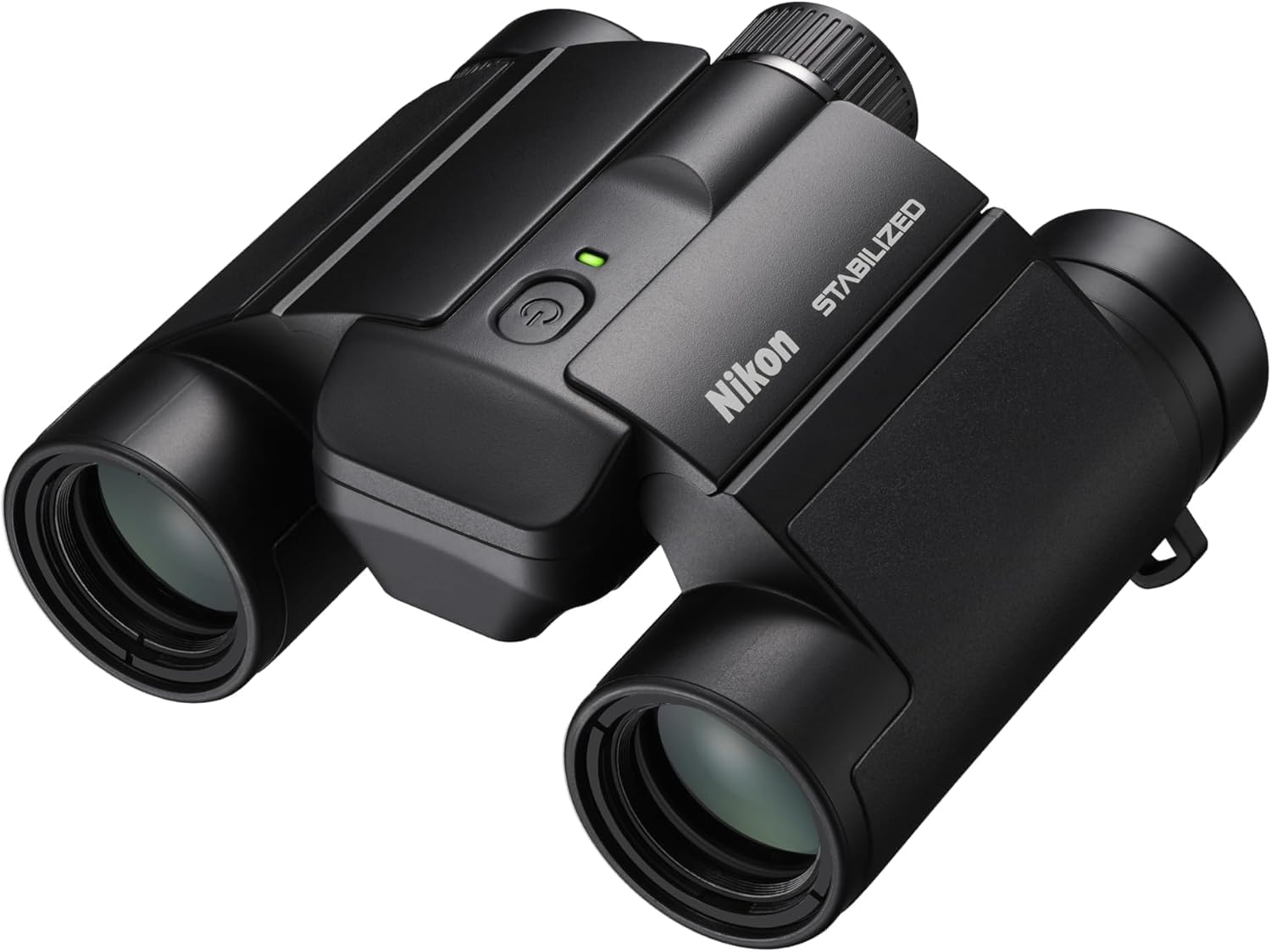
Image stabilization stands out as the key feature of these binoculars, making them great for anyone who wants steady, clear views without the blur from hand movements. Ideal for concerts, birdwatching, and sports events, they let you focus on details even when holding them without a support.
Setup involves adjusting the center focus and diopter to your eyesight, which is simple with the manual controls. The 12x magnification combined with 25mm objective lenses keeps the view bright during outdoor activities. They feel sturdy in the hand, and the waterproof build offers confidence in changing weather.
The tripod mount lets you fix them for longer viewing sessions.
Performance delivers sharp, true-to-life colors thanks to multicoated lenses and high-reflectivity silver alloy prisms. The image stabilization works well at keeping the view steady in dynamic conditions.
The main praise is about how clearly and steadily you can watch subjects for extended periods. Some mention the eye relief of only 2.1 millimeters can feel tight, especially with glasses.
The strong point is the electronic image stabilization, which truly cuts down on hand-induced shakes for clear views. Most common complaint revolves around the tight 2.1 millimeters eye relief, making it less comfortable to use with glasses during longer sessions. Manual focus also needs careful adjustment.
People seeking steady binoculars for fast-paced outdoor activities will appreciate the sharp, bright images and stability. Those who wear glasses or want a quick-focus experience might prefer models with more eye relief and autofocus features.
Pros
- Image Stabilization reduces shake effectively
- Bright, sharp images with true-to-life colors
- Waterproof design for outdoor use
- Tripod mount included for stability
Cons
- Low eye relief may be uncomfortable with glasses
- Manual focus requires some adjustment time
| Specification | Details |
|---|---|
| Magnification Maximum | 12 x |
| Objective Lens Diameter | 25 millimeters |
| Eye Relief | 2.1 millimeters |
| Focus Type | Center Focus |
| Water Resistance Level | Waterproof |
10. Canon 10×20 Image Stabilized Binoculars

Image stabilization combined with a 10x magnification makes these binoculars a solid choice for anyone who values steady views in a compact form. Ideal for birdwatching, their biggest strength lies in reducing hand shake to keep images sharp and clear even at high zoom.
Using these binoculars feels straightforward thanks to the manual focus and diopter adjustment that lets you customize clarity. They are lightweight and compact, making them easy to carry on long walks or trips. The image stabilizer system works on power, so you’ll need batteries, but it definitely smooths out the usual jitters that appear at 10x magnification.
Performance wise, the Porro prism design along with the field flattener lens helps keep images clear across the field of view, which spans 5.3 degrees. The build is solid for a compact model, but not water resistant, which is a drawback in wet conditions. Strongest praise often highlights the image stabilization quality, while a common complaint is the lack of water resistance and the need for power to operate the stabilizer.
Image stabilization is highly effective at steadying views at a 10x zoom, making birdwatching much clearer. Most common downside is the lack of water resistance, limiting use in damp or rainy conditions. Users appreciate the sharp, stable image but must keep in mind the need for power to run the stabilizer.
Perfect for outdoor enthusiasts who prioritize steady images and plan to use them mostly in dry weather. Those frequently exposed to rain or wet environments might want to consider binoculars with water resistance. The manual focus and diopter adjustment make them suitable for customized viewing preferences.
Pros
- High magnification with image stabilization
- Compact and lightweight design
- Manual focus with wide diopter adjustment range
- Super Spectra coating reduces glare
Cons
- Not water resistant
- Requires batteries for image stabilization
| Specification | Details |
|---|---|
| Magnification Maximum | 20 |
| Objective Lens Diameter | 20 |
| Field of View | 5.3 degrees |
| Focus Type | Manual |
| Image Stabilization | Yes (powered mode) |
11. Canon 15×50 Image Stabilized Binoculars

Watching distant landscapes or wildlife often gets frustrating with shakiness and dim images. Ideal for outdoor enthusiasts who need clear, stable views at high magnification, these binoculars offer a solid balance of powerful zoom and image stabilization that tackles hand shake well, making distant details much easier to see.
Getting ready to use them involves a quick manual focus adjustment, which feels smooth and precise. The lightweight design paired with a neck strap makes carrying comfortable during long hikes. Large 50mm lenses allow plenty of light to come through, so images don’t look dull even at dawn or dusk.
The waterproof build means you don’t have to worry about sudden weather changes while exploring outdoors.
Performance-wise, the 15x magnification reveals fine details from far away, and the Optical Image Stabilization significantly reduces blur caused by hand movements. The binoculars feel sturdy yet light enough not to tire the arms.
Most praise centers on the sharp, stable images, while some mention that the manual focus requires patience when trying to switch quickly between subjects.
Image stabilization does a great job keeping views steady, but adjusting the focus manually can take time when changing scenes quickly. The binoculars are praised for producing bright, detailed images despite the high magnification.
Outdoor lovers who prioritize stability and brightness during long treks will appreciate this model. Those needing a wider field of view or quicker focusing might want to explore other options.
Pros
- Bright images from large 50mm lenses
- Effective image stabilization against hand shake
- Lightweight and easy to carry
- Waterproof for outdoor use
Cons
- Manual focus can be slow to adjust
- Field of view is somewhat narrow at 3.7 degrees
| Specification | Details |
|---|---|
| Magnification Maximum | 15 x |
| Objective Lens Diameter | 50 millimeters |
| Optical Image Stabilization | Yes |
| Water Resistance Level | Waterproof |
| Field of View | 3.7 degrees |
| Eye Relief | 15 millimeters |
12. Canon 18×50 Image Stabilization Binoculars

Image stabilization stands out as the key feature here, making these binoculars ideal for spotting distant wildlife, stars, or extreme sports. Offering 18x magnification and a 50mm objective lens, they bring faraway scenes into sharp focus without the usual shakiness.
Setting up is straightforward with the included flexible tripod and neck strap, helping to keep the binoculars steady and accessible. The center focus mechanism works smoothly, and the weather-resistant housing means reliable performance outdoors. Extras like a filter kit and lens hoods improve viewing quality, while a hard carrying case and cleaning cloth keep everything protected on the go.
Stabilization effectively counters hand tremors across 0.7° of movement, so images stay steady even at high 18x magnification. The Porro prism and wide 3.7° field of view provide clear, bright images.
The binoculars feel lightweight and portable despite sturdy weather-resistant construction. Some users find the view narrow compared to lower magnification models, but the steady image more than compensates.
Image stabilization receives strong praise for keeping distant views sharp despite hand movement. The most frequent complaint concerns the narrower field of view, which can feel restrictive at 18x magnification compared to less powerful binoculars.
Those needing steady high-magnification viewing for astronomy, hunting, or extreme sports will find these binoculars highly effective. Users looking for a wider view or more flexibility in focus might prefer alternatives with lower magnification or adjustable focus.
Pros
- Effective image stabilizer reduces shakiness
- Weather-resistant construction for outdoor use
- Wide 3.7° angle of view
- Includes useful accessories like filters and tripod
Cons
- View angle narrower than lower magnification binoculars
- Fixed focus limits close-up adjustments
| Specification | Details |
|---|---|
| Magnification Maximum | 18 x |
| Objective Lens Diameter | 50 millimeters |
| Image Stabilizer Movement Correction | 0.7° in all directions |
| Field of View | 3.7 degrees |
| Water Resistance Level | Water Resistant |
| Prism Type | Porro Prism |
Best Image Stabilized Binoculars Comparison Table
| Product | Magnification | Objective Lens Diameter | Mount Type | Specific Uses |
|---|---|---|---|---|
| Canon 12×36 IS | 12x | 36 mm | Tripod Mount | Hunting |
| SIG Sauer Zulu6 HDX 18×50 | 18x | 50 mm | Tripod Mount | Hunting, Sports |
| Canon 10×42 IS | 10x | 42 mm | Tripod Mount | Bird Watching |
| Canon 15×50 IS | 15x | 50 mm | Tripod Mount | Bird Watching, Outdoors |
| Canon 18×50 IS | 18x | 50 mm | Monopod Mount | Bird Watching |
| Canon 15×50 IS Pro | 15x | 50 mm | Tripod Mount | Bird Watching |
| Canon 10×30 II IS | 10x | 30 mm | Harness Mount | – |
| SIG Sauer Zulu6 HDX Pro | 18x | 50 mm | – | Marine |
| Nikon 12×25 Stabilized | 12x | 25 mm | Tripod Mount | Outdoor Activities |
| Canon 10×20 IS | 20x | 20 mm | Tripod Mount | Bird Watching |
| Canon 15×50 IS Plus | 15x | 50 mm | – | Wandern und im Freien |
| Canon 18×50 IS Advanced | 18x | 50 mm | Tripod Mount | Hunting, Sports |
- Magnification12x
- Objective Lens Diameter36 mm
- Mount TypeTripod Mount
- Specific UsesHunting
- Magnification18x
- Objective Lens Diameter50 mm
- Mount TypeTripod Mount
- Specific UsesHunting, Sports
- Magnification10x
- Objective Lens Diameter42 mm
- Mount TypeTripod Mount
- Specific UsesBird Watching
- Magnification15x
- Objective Lens Diameter50 mm
- Mount TypeTripod Mount
- Specific UsesBird Watching, Outdoors
- Magnification18x
- Objective Lens Diameter50 mm
- Mount TypeMonopod Mount
- Specific UsesBird Watching
- Magnification15x
- Objective Lens Diameter50 mm
- Mount TypeTripod Mount
- Specific UsesBird Watching
- Magnification10x
- Objective Lens Diameter30 mm
- Mount TypeHarness Mount
- Specific Uses–
- Magnification18x
- Objective Lens Diameter50 mm
- Mount Type–
- Specific UsesMarine
- Magnification12x
- Objective Lens Diameter25 mm
- Mount TypeTripod Mount
- Specific UsesOutdoor Activities
- Magnification20x
- Objective Lens Diameter20 mm
- Mount TypeTripod Mount
- Specific UsesBird Watching
- Magnification15x
- Objective Lens Diameter50 mm
- Mount Type–
- Specific UsesWandern und im Freien
- Magnification18x
- Objective Lens Diameter50 mm
- Mount TypeTripod Mount
- Specific UsesHunting, Sports
How to Choose the Right Image Stabilised Binoculars
Choosing the right image stabilised binoculars depends on factors like image steadiness, optical clarity, size, and battery life. Prioritising these ensures comfortable use and sharp views, preventing frustration and additional costs from frequent replacements or repairs.
Image Stabilisation Performance
Unsteady hands can turn a crisp view into a blurry mess, especially at higher magnifications. The effectiveness of the stabilisation mechanism plays a huge role here.
Well-designed models noticeably reduce hand shake and vibrations, making it easier to keep the image steady without constant readjustment. Devices with smooth and responsive stabilization feel almost natural, adapting quickly to small movements and preventing strain on the eyes.
Poor or slow-acting stabilisation causes blurred images and forces users to spend more time trying to focus, which becomes tiring. Look for units with fast-responding gyros or sensors and low-latency motors that adjust image position promptly.
Performance ratings or user feedback mentioning minimal drift and quick correction are solid indicators of good systems.
Optical Quality
Viewing through these lenses in dim light or glaring sun reveals a lot about quality. Brightness and crystal clear clarity across various lighting conditions make spotting details easier and less fatiguing.
A wide field of view helps track moving objects without constantly shifting the device, while sharpness extending to the edges ensures consistent focus across the scene.
Color accuracy and strong contrast bring out subtle differences in nature or distant targets. Look for optical coatings on lenses and prisms, often noted in the specs, which improve light transmission and reduce glare. Specifications showing a field of view of at least 300 feet at 1000 yards are practical for most uses.
Ergonomics and Handling
Holding lightweight and well-balanced binoculars makes longer periods of use comfortable, which is important outdoors or during observation sessions. Weight spread evenly around your hands reduces fatigue, while a textured, ergonomic grip prevents slipping even in wet conditions. Some models feel bulky, making steady aiming harder despite stabilisation features.
Controls located near your fingers let you quickly switch stabilization on or off without fumbling, maintaining focus on the target. Simple buttons or switches reduce errors during use. Handling ease often depends on trial, but common practical designs keep buttons intuitive and responsive without requiring awkward movements.
Power Source and Battery Life
Battery type can mean the difference between easy use and constant hassle. Devices running on standard AA or AAA batteries offer convenience since replacements are widely available, but rechargeable lithium-ion packs provide longer use and lighter weight. A single charge or set powering the unit for 10 to 15 hours suits most outdoor plans without interruption.
Power indicators help avoid unexpected shutdowns, showing remaining charge clearly. Replacing or recharging batteries shouldn’t need special tools or complicated disassembly; having an accessible battery compartment is really practical.
Poorly designed power sections cause downtime and frustration, so pay attention to user notes on battery management.
Durability and Weather Resistance
Strong construction materials like magnesium alloy shells protect the internal components from shocks and impacts common in field use. A rigid frame prevents misalignment of lenses, which is crucial for clear images.
Weather-resistant seals guard against rain, dust, and fog, letting you use the device without worrying about damage.
Models rated with IPX7 or similar waterproofing standards handle unexpected weather well. Anti-fog coatings inside lenses or nitrogen purging stop moisture buildup during temperature swings. Reliable protection in different outdoor conditions means fewer interruptions and repairs, so investing in durable units pays off for serious users.
How to Maximize Performance with Image Stabilised Binoculars in Different Environments
Using image stabilised binoculars effectively means adjusting settings based on your surroundings. In low-light conditions such as dawn or dusk, slowing your scanning speed helps the stabilisation system maintain clarity.
Strong hand movements can overwhelm the stabiliser, so firm grips and controlled panning deliver steadier views.
That steadiness is especially crucial on bumpy platforms like boats or uneven ground. Position your arms close to your body for support, reducing shake. When observing distant objects, fine-tune the focus slowly to prevent introducing blur.
Useful tips for different environments:
- On windy days, brace against a solid surface or use a neck strap to reduce tremors.
- During extended use, take brief breaks to avoid muscle fatigue, which causes unsteady hands.
- In hot conditions, prevent lens fogging by keeping the binoculars ventilated or using anti-fog treatments.
Maintaining control over movement lets the stabilisation system perform optimally, providing clearer images across varying scenarios.
Essential Maintenance and Care Tips for Longevity of Image Stabilised Binoculars
Maintaining image stabilised binoculars involves routine care focused on protecting their delicate optics and mechanics. After use, wipe lenses gently with a microfiber cloth to remove dust and smudges, avoiding abrasive materials that can scratch coatings.
Storing binoculars in a padded case shields them from physical damage and dust accumulation. Avoid leaving them exposed to extreme temperatures or direct sunlight for prolonged periods, as internal components and lubricants may degrade.
Inspect battery compartments regularly for corrosion or leaks and replace batteries as recommended to ensure consistent stabilisation performance. When not using the binoculars for extended times, remove batteries to prevent damage.
Key maintenance tips:
- Keep adjustment knobs clean and free from grit to maintain smooth operation.
- Use lens caps whenever possible to protect glass surfaces.
- Seek professional servicing if you notice reduced stabilisation or mechanical issues to prevent further damage.
Consistent attention to these details extends the lifespan of image stabilised binoculars significantly.
Common Mistakes to Avoid When Using Image Stabilised Binoculars for Optimal Results
One often overlooked mistake is holding image stabilised binoculars too loosely. Strong grip is necessary because excessive hand movement forces the stabilization system to compensate beyond its limits, resulting in shaky images.
Another common error involves rushing focus adjustments. Quick twists on the focus wheel can create blurry views that take time to settle, so smooth, deliberate adjustments work best.
Ignoring battery life also hampers performance. Using weak or depleted batteries diminishes the stabilisation effect, making the effort to hold the binoculars steady futile.
Mistakes to avoid:
- Failing to secure the binocular strap, which can cause accidental drops.
- Using cleaning agents not intended for optical coatings, leading to damage.
- Assuming the stabiliser removes the need for proper stance or support during use.
Stabilised binoculars perform well only when users apply good handling practices alongside their technological benefits.
People Also Asked
How Do I Properly Care for Image Stabilised Binoculars?
Clean lenses with a soft microfiber cloth and keep the binoculars in a protective case when not in use. Regularly check and replace batteries, especially before trips, to keep the stabilisation working well.
What Size Image Stabilised Binoculars Are Easiest to Carry?
Smaller models around 30-40 mm objective lens diameter are easier to carry and lighter. They fit comfortably in pockets or a small bag but might have a bit less light gathering in low light conditions.
Are Image Stabilised Binoculars Safe to Use for Kids?
They are generally safe for kids, but some models can be heavy or complicated to operate. Choose ones with simple controls and supervise younger children to prevent damage and ensure correct use.
How Long Do Image Stabilised Binoculars Typically Last?
They usually last several years with proper care, though battery life and electronic components may need attention over time. Keeping them dry and stored safely extends their working life.
What Common Problems Occur with Image Stabilised Binoculars?
Common issues include battery failure, loss of stabilisation effect, and lens fogging. Carry spare batteries and use lens covers to minimize moisture-related problems when outdoors.
Conclusion
Image stabilization, optical clarity, and battery life matter most when choosing image stabilised binoculars. A steady view makes a big difference, especially for long observation periods.
Clear optics ensure details are visible without strain, and battery life affects how long you can use them without needing a recharge or replacement.
Consider where you will use the binoculars and how often before deciding on a model. Match your choice to your budget and typical viewing conditions. Check the comparison table and the recommendations above to find the right balance of features for your needs.