Top 13 Best Hunting Boots for Arizona You Can’t Miss!
Wearing the wrong boots in Arizona’s rugged terrain quickly turns a good hunt into a painful experience. Cheap or poorly chosen footwear often falls apart under intense heat and rough cactus patches, leaving your feet blistered or soaking wet in unexpected washes.
The best hunting boots for Arizona keep your feet comfortable and protected throughout the day, standing up to intermittent water and scorching ground without failing.
The key to solid hunting boots here lies in durable materials like full-grain leather combined with breathable membranes to handle both heat and moisture. A supportive yet flexible fit is crucial since long hikes cross uneven desert landscapes. Look for boots with certifications for waterproofing and adequate insulation, not too much, since high temperatures are common, but enough to prevent discomfort during cooler mornings.
Deep lug patterns on the sole help maintain traction on sandy and rocky surfaces essential for steady footing.
Need a Quick Check?
| Image | Product | Price |
|---|---|---|
Our Top Picks 1  | XPETI Thermator Boots | Check Price |
Our Top Picks 2  | NORTIV 8 Waterproof Boots | Check Price |
Our Top Picks 3  | Hunthor 800g Insulated Boots | Check Price |
Our Selected Top 13 Hunting Boots for Arizona for Different Needs
This list features thirteen hunting boots chosen for Arizona’s diverse terrain and climate, covering various styles and features. Each review explains how the boots perform in different conditions, the type of hunter they suit best, and highlights their main advantages and drawbacks.
1. XPETI Thermator Mid-Rise Hiking Boots
Camouflage design with a flat heel works well for anyone needing solid hiking boots to tackle Arizona’s diverse outdoor terrain. The clear strength lies in the durable build that supports long outdoor trips without sacrificing comfort or grip.
Wearing these boots daily, you quickly notice the round toe design provides ample room, helping avoid discomfort on long walks. The mid-rise form protects ankles well against rocks and debris, essential when hiking through rough trails.
The camouflage pattern blends nicely with natural surroundings, making them practical for those who want low visibility in the field.
Performance-wise, the boots handle rough terrain confidently, offering reliable stability and grip thanks to the flat heel. They feel sturdy without being too heavy, which keeps fatigue down on longer hikes. Most users appreciate how durable they are, although one common complaint is the need for a break-in period before full comfort is achieved.
Durability stands out as the most praised feature, making these boots reliable for tough outdoor conditions. The break-in period is frequently noted, suggesting they may feel stiff initially but soften with use. Proper fit improves over time as the material settles.
Perfect choice for hikers who need ankle protection and classic camouflage without fuss. Anyone prioritizing immediate comfort or advanced waterproofing might seek other options better suited to those needs.
Pros
- Good ankle support with mid-rise design
- Durable materials handle rough terrain well
- Camouflage pattern for natural blending
- Comfortable round toe shape for long hikes
Cons
- Needs break-in time before full comfort
- No specialized waterproofing mentioned
| Specification | Details |
|---|---|
| Color | Camouflage |
| Toe Style | Round Toe |
| Boot Form Type | Hiking Boot |
| Heel Type | Flat |
| Pattern | Camouflage |
| Occasion | Hiking |
2. NORTIV 8 Ankle High Waterproof Hiking Boots
Hunters trekking through Arizona’s varied terrain will appreciate these NORTIV 8 ankle-high hiking boots, especially those needing dependable waterproof protection. Their main strength lies in combining solid ankle support with durable waterproofing, suited for all seasons.
Breaking them in is straightforward due to the mid-top design, which grips the foot without feeling overly stiff. Daily wear benefits from a round toe that allows toe movement, and the boot’s solid color pattern resists showing dirt.
The absence of a heel keeps weight balanced, aiding long walks across rocky or uneven ground.
These boots handle wet and dry conditions well, keeping feet dry thanks to reliable waterproofing. Materials feel tough yet breathable for the Arizona heat, and construction holds up under repeated wear. Most praise the waterproof feature and comfort, while some mention the fit can feel a bit snug at first.
Waterproofing stands out as the most praised feature, keeping feet dry on typical Arizona outings. The snug fit early on is most mentioned as a drawback, requiring some adjustment time before full comfort.
Those needing solid ankle protection for hiking across varied terrain will find these boots suitable. Anyone looking for extra heel traction on steep or slick slopes might want to consider alternatives offering a raised heel.
Pros
- Waterproof protection for wet trails
- Comfortable mid-top ankle support
- Sturdy materials hold up well
- Round toe offers natural foot movement
Cons
- Initial fit can feel tight for some
- No heel may reduce grip on steep descents
| Specification | Details |
|---|---|
| Color | Brown/Black/Tan |
| Toe Style | Round Toe |
| Boot Form Type | Hiking Boot |
| Heel Type | No Heel |
| Seasons | All |
| Style Name | Mid-Top |
3. Hunthor 800g Insulated Waterproof Hunting Boots
Hunthor 800g Insulated Waterproof Hunting Boots stand out for keeping feet warm and dry in cold Arizona winter conditions. Designed for hunters who need solid insulation without sacrificing waterproofing, these boots fit like hiking boots but with a camouflage edge that suits wilderness settings.
Breaking in feels natural thanks to the hiking boot design and platform heel that adds stable footing on rough terrain. The closed toe protects well during hikes, while the Next Camo G2 pattern blends into the environment. Daily use involves easy navigation across rocky and sometimes wet ground without worrying about cold or moisture seeping in.
Performance-wise, the boots excel at warmth with their 800g insulation, making them reliable in winter hunts. Construction focuses on durability and waterproof qualities. Praise often highlights the effective insulation and weather protection, while a common complaint relates to the weight, these boots are on the heavier side for extended walks.
The strongest praise focuses on how well the boots maintain warmth and waterproofing in harsh winter weather. Most users mention the boots’ substantial weight as a drawback, especially when covering long distances on foot.
Those who hunt in cold, wet environments and value insulation over lightness will appreciate these boots. Anyone needing ultra-light footwear for long hikes may want to look at lighter alternatives.
Pros
- 800g insulation keeps feet warm in cold weather
- Waterproof design protects against moisture effectively
- Camouflage pattern fits hunting environments well
- Hiking boot form feels stable on rugged terrain
Cons
- Heavier than average boots, can tire legs
- May feel bulky during slow, lengthy treks
| Specification | Details |
|---|---|
| Color | Next Camo G2 |
| Toe Style | Closed Toe |
| Boot Form Type | Hiking Boot |
| Heel Type | Platform Heel |
| Seasons | Winter |
| Pattern | Camouflage |
4. Columbia Fairbanks Omni-Heat Boots
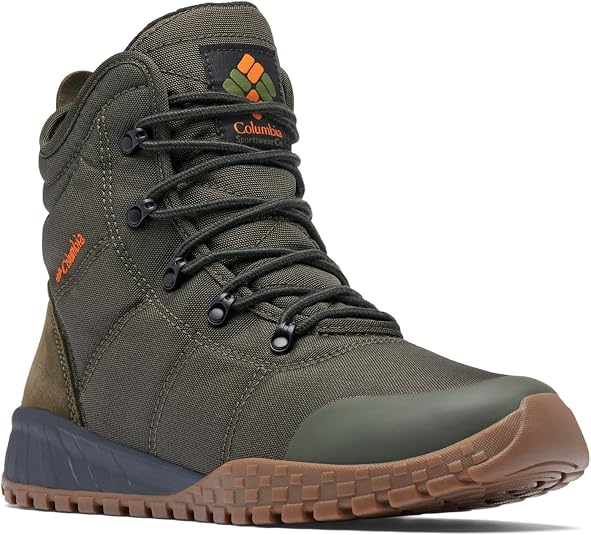
Columbia Fairbanks Omni-Heat Boots are designed for hiking in winter conditions, especially useful in Arizona’s colder seasons. They shine with their thermal insulation, keeping feet warm during chilly mornings or snow encounters.
Ideal for anyone needing reliable warmth without compromising on a comfortable fit.
Getting ready for a day outdoors is straightforward with these boots. They have a closed-toe design and no heel, which helps maintain stability when walking on rugged or snowy terrain. The deep olive and desert sun colors blend well with natural surroundings.
Wearing them day-to-day involves minimal maintenance, and their solid pattern prevents snagging on brush or rocks.
Built as a snow boot, they handle cold weather effectively, thanks to Omni-Heat technology, which reflects body heat for better insulation. Many praise how they keep feet dry and warm across winter hikes. The main complaint centers on the lack of heel, which some mention reduces ankle support on rough ground.
Their durability matches winter expectations without weighing too much.
These boots keep feet warm and dry during cold winter hikes, a feature that receives much appreciation. The most common concern involves the lack of heel support, which some find challenging on rough Arizona trails.
People who often hike in snow and need extra insulation find these suitable. Those requiring strong ankle support or boots for other seasons might want to consider alternatives.
Pros
- Effective warmth with Omni-Heat insulation
- Stable no-heel design for hiking
- Durable closed-toe construction
- Camouflaged colors suit desert environments
Cons
- No heel reduces ankle support on uneven terrain
- Limited to winter use only
| Specification | Details |
|---|---|
| Color | Deep Olive/Desert Sun |
| Toe Style | Closed Toe |
| Boot Form Type | Snow Boot |
| Heel Type | No Heel |
| Seasons | Winter |
| Style Name | Fairbanks Omni-heat |
5. TIDEWE Waterproof Rubber Boots

Wading through wet terrain feels less like a chore with these boots on. Built to keep feet bone-dry, they suit anyone tackling muddy or damp conditions in Arizona, especially under unpredictable weather.
Their biggest strength lies in waterproofing combined with a snug fit that prevents water sneak-ins.
Getting the right size is key since sizing runs true but wide feet or thick socks call for one size up. The soft neoprene upper moves naturally with your foot, making long walks or standing sessions comfortable.
A cushioned footbed softens each step, while the tall shaft blocks splashes from puddles or wet grass effectively.
Waterproofing stands out, thanks to a 6mm neoprene upper paired with a natural rubber shell sealing out wetness completely. The boots hold up well across seasons, including snowy days. The round toe offers enough room to avoid pinching, although some may find the fit tight if not sized properly or if they prefer more space.
Sizing advice is crucial and is often pointed out in feedback.
These boots excel at keeping feet completely dry in wet outdoor conditions, supported by the combination of neoprene and natural rubber. Their snug fit prevents water intrusion but can feel too tight without sizing up. Comfort from the cushioned footbed and flexibility of the neoprene upper is widely appreciated.
Hunters or workers facing wet, muddy Arizona landscapes who take care to size properly will appreciate these boots. Those needing extra width or preferring a roomy fit might look for options designed to accommodate wider feet more comfortably.
Pros
- 100% waterproof with tall shaft coverage
- Soft neoprene upper flexes naturally
- Cushioned footbed for all-day support
- Close-fitting design secures foot firmly
Cons
- May require sizing up for wider feet
- Tight fit can feel restrictive for some
| Specification | Details |
|---|---|
| Color | Black |
| Toe Style | Round Toe |
| Boot Form Type | Rain Boot |
| Heel Type | Flat |
| Seasons | Multi-Season |
| Pattern | Camouflage |
6. Hunthor 1000g Insulated Hunting Boots

Great for winter hunting in Arizona, these insulated boots suit anyone needing warmth and camouflage in cold conditions. Their best feature is the 1000g insulation paired with the Next Camo G2 pattern, keeping feet warm and blending into rugged environments effectively.
Putting them on involves a quick lace-up with their round toe hiking boot design, ensuring a comfortable fit that supports long days outdoors. The platform heel offers steady traction on rocky trails.
Daily wear feels sturdy but warm enough for colder winter hunts without overheating.
They perform well in chilly weather, keeping feet insulated without adding excessive weight. The build is solid with a durable hiking boot form, though some users mention they can feel a bit stiff initially. A standout for warmth and camouflage; minor break-in time required to soften the feel.
Warmth is the most praised aspect of these boots, while stiffness when new is the main complaint. They keep feet insulated in colder conditions but may feel rigid initially, requiring some time to become comfortable.
Hunters spending long winter days in Arizona’s varied terrain will find these boots very useful. Those needing a lighter or more flexible boot for other seasons might want to explore different options.
Pros
- High 1000g insulation for winter warmth
- Camouflage design blends well in outdoor settings
- Round toe adds comfort for long hikes
- Platform heel improves traction on uneven trails
Cons
- Stiff at first, requires break-in period
- Primarily suited for winter, less versatile
| Specification | Details |
|---|---|
| Color | Next Camo G2 |
| Toe Style | Round Toe |
| Boot Form Type | Hiking Boot |
| Heel Type | Platform Heel |
| Seasons | Winter |
| Pattern | Camouflage |
7. MUCK Mossy Oak Break up Country Woody Max Boots

Constructed with durable mossy oak materials, these boots suit hunters who prioritize camouflage and comfort during fall hunts in Arizona. The standout feature is their work boot style combined with a round toe, offering solid protection without added heel height, perfect for rugged terrain and casual use.
Slipping on the boots reveals a fit that feels secure without tightness, ideal for long days tracking through brush and rocky ground. Lightweight enough for quick movement but sturdy enough to guard against environmental elements, they balance durability with comfort.
The brown pattern blends naturally, reducing visibility while blending into the surroundings during casual hunting activities.
Performance under rough conditions shows reliable protection with no heel, helping maintain steady footing on uneven ground. The round toe provides enough space to avoid pinching during extended wear.
Most users appreciate the tough construction that holds up well against dirt and debris. On the downside, some mention the break-in period is a bit stiff and the boots require time to soften and conform to the foot.
Many appreciate the toughness and camouflage blend that supports long hunting days, while a common drawback is the initial stiffness that slows comfort. These boots require some time to mellow before reaching their best wearability.
Those hunting in dry, brush-filled areas during fall will find the boots well matched to their needs. Anyone seeking a waterproof option or immediate softness might look for alternatives better suited to those demands.
Pros
- Strong camouflage pattern
- Comfortable round toe design
- No heel for stable footing
- Durable work boot build
Cons
- Stiff break-in period
- Not suited for wet conditions
| Specification | Details |
|---|---|
| Color | Mossy Oak |
| Toe Style | Round Toe |
| Boot Form Type | Work Boot |
| Heel Type | No Heel |
| Seasons | Fall |
| Pattern | BROWN |
| Style Name | Woody Max |
| Occasion | Casual |
8. ROCKY Sport Pro Insulated Hunting Boots

Mossy Oak Break Up Country camo immediately stands out, making these boots ideal for blending into Arizona’s diverse terrain. Great for anyone wanting dependable, insulated footwear that handles changing weather and rugged landscapes with ease. Their biggest strength lies in being a comfortable hiking style boot built for all seasons without a heel.
Wearing these boots day-to-day involves breaking them in gently due to the round toe and slightly stiff build. The hiking boot form supports long walks and uneven ground typically found in the Arizona outdoors.
Color and pattern help keep a low profile during hunting trips, while the lack of a heel offers steady footing on rocky or desert surfaces. Suitable for casual use as well, they don’t feel overly bulky or heavy.
Performance shines during long hikes or tracking in cool or warm weather, thanks to the insulation that doesn’t overheat. Strong construction holds up well against scuffs and rough use, but some find the fit a bit rigid at first. Most praise centers on durability combined with effective insulation, while the common complaint notes it takes a short period to get fully comfortable.
The insulation and camo pattern rate highest in usefulness, especially when trekking through diverse Arizona environments. The most frequent drawback is a firmness when new, requiring time for the boots to soften up and feel natural during extended use.
Anyone seeking rugged boots that stay warm and blend into the desert or wooded areas will find these a fit. Those wanting softer, more immediately comfortable boots or more heel support should look elsewhere.
Pros
- Good insulation for year-round wear
- Comfortable hiking boot style
- Effective camo pattern for blending in
- Sturdy round toe design
Cons
- Initial break-in period can be stiff
- Lacks heel for added foot stability
| Specification | Details |
|---|---|
| Color | Mossy Oak Break Up Country |
| Toe Style | Round Toe |
| Boot Form Type | Hiking Boot |
| Heel Type | No Heel |
| Seasons | All |
| Pattern | MOSSY OAK BREAK UP COUNTRY |
9. Waterproof Anti-Slip Steel Shank Hunting Boots

Waterproof Anti-Slip Steel Shank Hunting Boots are designed to handle tough terrain and wet conditions, perfect for anyone hunting in Arizona’s unpredictable environment. The biggest strength lies in their waterproof feature combined with reliable grip, keeping feet dry and stable during long hikes.
Putting them on is straightforward with a round toe and block heel designed for comfort in all seasons. The camo color helps blend into natural surroundings, and the rain boot form means clean-up is quick after muddy trails. Anti-slip soles are a welcome feature for navigating slippery rocks or riverbeds without worry.
These boots deliver solid protection and stability thanks to the steel shank, which adds support on uneven ground. Built for durability, they handle Arizona’s mix of deserts and occasional wet areas well. The strongest positive feedback focuses on the waterproofing, while some mention the block heel might feel a bit stiff initially.
The waterproof feature is highly praised for keeping feet dry even in damp conditions, while the block heel stiffness is a recurring note that may require a break-in period. The anti-slip sole and steel shank work well for added safety across various outdoor surfaces.
Hunters needing durable, waterproof boots with solid support will find these a good match. Those who prefer lightweight or softer-soled boots for easier walking should look for alternatives better suited to more flexible movement.
Pros
- Waterproof construction keeps feet dry
- Anti-slip sole for better grip on terrain
- Steel shank offers solid foot support
- Camo pattern blends into natural surroundings
Cons
- Block heel can feel rigid initially
- Rain boot style may feel bulky for some
| Specification | Details |
|---|---|
| Color | Camo |
| Toe Style | Round Toe |
| Boot Form Type | Rain Boot |
| Heel Type | Block Heel |
| Seasons | All |
| Style Name | Hunting |
10. Hunthor 1600g Insulated Hunting Boots

Hunting in Arizona demands boots that handle rocky terrain and sudden weather changes without weighing you down. Hunthor 1600g Insulated Hunting Boots suit those needing strong insulation and camouflage for all-season use. Their biggest strength is staying warm in chilly mornings while keeping a low profile.
Putting these on feels straightforward thanks to the round toe and platform heel providing a secure, comfortable fit. The rain boot form type means water resistance is built in, which is handy during unexpected wet conditions or muddy trails.
Wearing them throughout the day, you’ll appreciate how the camouflage pattern helps blend into surroundings without sacrificing warmth or support.
Performance focuses on insulation and durability, making the boots well-suited for Arizona’s variable climate. The 1600g insulation keeps feet warm during cooler hunts, while the platform heel offers solid traction on uneven surfaces.
Constructed with materials designed for weather resistance, these boots have strong camouflage appeal, though some might find the platform heel less versatile for hiking very rough or steep terrain.
Hunthor 1600g insulated hunting boots provide solid warmth and good support during cold weather hunts. Reviewers often mention how the insulation handles low temperatures well, keeping feet comfortable for hours. A frequent complaint about these boots is their weight; they feel heavier compared to lighter trail boots, which might slow down longer hikes or stealthy movements.
People hunting in colder Arizona climates looking for warmth over lighter weight will appreciate these boots. Anyone needing more flexibility or lighter boots for quick, long treks might want to explore other options. Better suited for short, cold hunts rather than fast-paced chasing or very rugged terrain where lighter footwear is crucial.
Pros
- Well-insulated for cold weather hunting
- Camouflage pattern blends with Arizona landscapes
- Water-resistant rain boot design
- Comfortable round toe fit
Cons
- Platform heel may limit rough terrain mobility
- Not as lightweight as some other hunting boots
| Specification | Details |
|---|---|
| Color | Next Camo |
| Toe Style | Round Toe |
| Boot Form Type | Rain Boot |
| Heel Type | Platform Heel |
| Seasons | All |
| Pattern | Camouflage |
11. Extremus KastKing AntlerRidge Waterproof Leather Boots

Waterproof leather construction makes these boots a solid pick for hunting in Arizona’s varying winter conditions. Ideal for hunters needing reliable foot protection without sacrificing comfort during long days.
Their sturdy build and flat heel stand out as the most valuable features for traversing rough terrain.
Putting them on is straightforward thanks to the round toe shape, which offers enough room without feeling bulky. Daily use involves enduring Arizona’s rocky and sometimes damp environment with no soaking through, thanks to the waterproof leather.
The flat heel gives stable footing on uneven ground, while the terrene color blends well into natural outdoor surroundings.
The boots perform well in keeping feet dry and comfortable during winter hunts. Constructed from quality leather, they show toughness suited for rugged use. Positive feedback often highlights how waterproof and durable these boots are.
Some critical notes mention they can feel a bit heavy after extended walking.
Waterproofing and durability are praised most often, ensuring feet stay dry through winter hunts. Some experience fatigue from the boots’ weight during extended walks in the field. The leather holds up well but may feel a bit substantial after hours on foot.
Hunters focused on winter use and needing solid water resistance will appreciate these boots. Those seeking lightweight options for warmer weather or long treks might want something less heavy or more breathable for Arizona’s hot seasons.
Pros
- Waterproof leather for wet conditions
- Comfortable round toe design
- Stable flat heel for rough terrain
- Natural terrene color blends well outdoors
Cons
- Can feel heavy after long wear
- Designed mainly for winter, less for other seasons
| Specification | Details |
|---|---|
| Color | Terrene |
| Toe Style | Round Toe |
| Heel Type | Flat |
| Seasons | Winter |
| Style Name | Terrene |
12. ROCKY Retraction Waterproof 800G Insulated Boots

Hunters looking for durable, insulated boots suitable for Arizona’s diverse terrain will appreciate these. Ideal for all seasons, the standout feature is the 800G insulation combined with waterproof construction to keep feet warm and dry in unpredictable conditions.
Putting them on is simple thanks to their work boot form and round toe, which provide comfort during long wear. Realtree Xtra camo makes them blend into desert and brush environments. The western heel adds extra stability on rocky or uneven ground, making daily movement easier during hunts or casual outdoor activities.
Performance is solid with reliable waterproofing and substantial insulation, good for cooler mornings or unexpected wetness. The build is rugged, suited to tough conditions, and the camouflage pattern works well.
Most praise focuses on warmth and waterproofing; some note the boots can feel a bit heavy after extended wear.
Warmth and waterproofing are praised often, keeping feet comfortable throughout the day. Some mention the boots can get heavy, which might affect comfort during extended hikes.
Those hunting in variable weather and rough terrain will find these boots a reliable choice. People preferring lightweight or slimmer options might want to explore other boots better suited to those preferences.
Pros
- Good insulation with 800G warmth
- Waterproof to handle wet conditions
- Stable western heel for rough terrain
- Camouflage pattern fits Arizona outdoors
Cons
- Relatively heavy for all-day wear
- Fit may feel bulky for narrow feet
| Specification | Details |
|---|---|
| Color | Realtree Xtra |
| Toe Style | Round Toe |
| Boot Form Type | Work Boot |
| Heel Type | Western Heel |
| Seasons | All |
| Pattern | REALTREE XTRA |
13. NORTIV 8 Military Tactical Zipper Boots

Designed for multi-season use, these NORTIV 8 Military Tactical Zipper Boots stand out with a convenient side zipper and a solid, round toe build. They suit anyone looking for reliable, no-nonsense walking boots in Arizona’s varied terrain, especially those who value easy on-and-off and all-day comfort.
Putting them on is simple thanks to the zipper, cutting down on the usual hustle of lacing up. The boots fit like work boots should, sturdy without feeling bulky or heavy.
Wearing them day after day is surprisingly comfortable, with the round toe giving enough room to keep toes from feeling cramped during long walks or hikes in dry, rocky conditions.
Crafted to handle the grind of outdoor use, they hold up well against rough surfaces and the Arizona heat. The solid pattern keeps dirt and debris out, and the absence of a heel makes walking stable on uneven ground.
People often mention how well the zipper works, though some note the boots could be a bit lighter for easier all-day wear.
The boots get praise for the handy zipper that helps slip them on without fuss. Common feedback points to the weight, which can feel cumbersome during extended wear in hot weather.
These are well-suited for those needing solid, multi-season boots with easy wear for Arizona terrain. People wanting something lighter or waterproof might look for other options.
Pros
- Easy side zipper for quick wear
- Round toe offers good space
- No heel for stable footing
- Multi-season use versatility
Cons
- Some find the boots a bit heavy
- No special waterproof features
| Specification | Details |
|---|---|
| Color | Coyote |
| Toe Style | Round Toe |
| Boot Form Type | Work Boot |
| Heel Type | No Heel |
| Seasons | Multi-season |
| Style Name | Walking |
Best Hunting Boots for Arizona Compared Side by Side
| Product | Color | Boot Form Type | Heel Type | Seasons |
|---|---|---|---|---|
| XPETI Thermator Boots | Camouflage | Hiking Boot | Flat | – |
| NORTIV 8 Waterproof Boots | Brown/Black/Tan | Hiking Boot | No Heel | All |
| Hunthor 800g Insulated Boots | Next Camo G2 | Hiking Boot | Platform Heel | Winter |
| Columbia Fairbanks Omni-Heat | Deep Olive/Desert Sun | Snow Boot | No Heel | Winter |
| TIDEWE Waterproof Rubber Boots | Black | Rain Boot | Flat | Multi-Season |
| Hunthor 1000g Insulated Boots | Next Camo G2 | Hiking Boot | Platform Heel | Winter |
| MUCK Mossy Oak Woody Max | Mossy Oak | Work Boot | No Heel | Fall |
| ROCKY Sport Pro Insulated | Mossy Oak Break Up Country | Hiking Boot | No Heel | All |
| Steel Shank Hunting Boots | Camo | Rain Boot | Block Heel | All |
| Hunthor 1600g Insulated Boots | Next Camo | Rain Boot | Platform Heel | All |
| Extremus KastKing AntlerRidge | Terrene | – | Flat | Winter |
| ROCKY Retraction 800G Boots | Realtree Xtra | Work Boot | Western Heel | All |
| NORTIV 8 Tactical Zipper | Coyote | Work Boot | No Heel | Multi-season |
- ColorCamouflage
- Boot Form TypeHiking Boot
- Heel TypeFlat
- Seasons–
- ColorBrown/Black/Tan
- Boot Form TypeHiking Boot
- Heel TypeNo Heel
- SeasonsAll
- ColorNext Camo G2
- Boot Form TypeHiking Boot
- Heel TypePlatform Heel
- SeasonsWinter
- ColorDeep Olive/Desert Sun
- Boot Form TypeSnow Boot
- Heel TypeNo Heel
- SeasonsWinter
- ColorBlack
- Boot Form TypeRain Boot
- Heel TypeFlat
- SeasonsMulti-Season
- ColorNext Camo G2
- Boot Form TypeHiking Boot
- Heel TypePlatform Heel
- SeasonsWinter
- ColorMossy Oak
- Boot Form TypeWork Boot
- Heel TypeNo Heel
- SeasonsFall
- ColorMossy Oak Break Up Country
- Boot Form TypeHiking Boot
- Heel TypeNo Heel
- SeasonsAll
- ColorCamo
- Boot Form TypeRain Boot
- Heel TypeBlock Heel
- SeasonsAll
- ColorNext Camo
- Boot Form TypeRain Boot
- Heel TypePlatform Heel
- SeasonsAll
- ColorTerrene
- Boot Form Type–
- Heel TypeFlat
- SeasonsWinter
- ColorRealtree Xtra
- Boot Form TypeWork Boot
- Heel TypeWestern Heel
- SeasonsAll
- ColorCoyote
- Boot Form TypeWork Boot
- Heel TypeNo Heel
- SeasonsMulti-season
How to Choose the Right Hunting Boots
Choosing the right hunting boots involves considering factors like comfort, durability, waterproofing, and appropriate insulation for Arizona’s climate. Getting these aspects right ensures your feet stay protected and comfortable, preventing injuries and costly replacements while improving your overall hunting experience.
Fit and Comfort
Blisters can quickly ruin a long day outdoors, especially when boots don’t fit right. Having boots that match your foot size closely, with enough room to wiggle your toes, reduces friction that causes painful hotspots.
Good arch support and cushioning are crucial on the uneven terrain commonly found in desert hunting areas. Without them, feet tire faster and balance suffers, leading to discomfort or even injury. Features like EVA midsoles or gel pads deliver the needed shock absorption.
Arizona’s heat challenges boots to keep moisture under control. Breathable uppers made from mesh or perforated leather help air circulate, while moisture-wicking linings pull sweat away from skin.
This combination keeps feet drier and cooler, reducing the risk of fungal infections or blister development during long hours on rough ground. Proper fit paired with these materials ensures comfort throughout the day.
Durability and Materials
Boots that wear out too fast or fail to protect against rough elements can spoil any extended outdoor trip. In desert environments, abrasion-resistant materials like full-grain leather or tough synthetic fabrics stand up better to constant contact with rocks and cactus. Waterproofing prevents morning dew or rare rain from soaking your feet, which would otherwise cause discomfort and increase blister risks.
Trade-offs exist between lightweight and heavy-duty boots. Lightweight models make long-distance walking less tiring, but they might sacrifice some durability or protection. Heavier boots offer more rugged construction and support but can weigh you down after a day of hiking.
Picking balanced designs with reinforced soles and quality waterproof membranes usually results in gear suited for both endurance and toughness.
Traction and Sole Design
Finding solid footing on a mix of sandy trails, rocky outcrops, and packed dirt takes attention to the sole design. Boots with soles that are too stiff can feel clunky and uncomfortable, while overly flexible soles don’t provide enough support on uneven terrain.
A moderate stiffness helps maintain balance and foot stability during long treks.
Effective tread patterns include deep lugs spaced to clear dirt and grip loose soil or gravel securely. This reduces slipping and helps maintain control when climbing or descending.
Common features that work well in desert conditions include multi-directional lugs and heel brakes to prevent unwanted sliding on loose or steep surfaces.
Temperature Regulation
Temperature swings in the desert are extreme, cool mornings can feel chilly at the start, followed by hot afternoons under the sun. Boots with light insulation like Thinsulate handle early cold without overheating as temperatures rise.
Good ventilation is equally important, incorporating mesh panels or breathable fabrics to allow airflow during intense heat.
Layered designs that combine breathable materials with limited insulation tend to work best, adapting to changing conditions. Boots lacking these features often trap heat and moisture, leading to sweaty, uncomfortable feet. Staying comfortable throughout the day means paying attention to how well boots manage both warmth and cooling.
Protection and Safety
Sharp rocks and unexpected debris pose a constant threat on rugged trails. Boots with reinforced toe caps and sturdy heel counters provide essential protection where feet take the most impact.
This reduces injury from bumps and scrapes that can happen without warning.
Ankle support features like padded collars and firm uppers are vital for preventing sprains on uneven ground. Some boots also offer thicker materials or specific panels designed to resist bites from snakes or stings from insects common in desert regions, adding another layer of safety during hunts.
How to Break in Hunting Boots for Maximum Comfort in Arizona’s Terrain
Breaking in hunting boots is crucial for handling Arizona’s mix of rocky desert and sandy canyon terrain. Start by wearing the boots around the house for short periods to soften the leather and loosen stiff areas.
Gradually increase wear time outdoors on similar surfaces you expect in the field. Moistening the boots slightly can help the leather mold better to your feet, but avoid soaking them, which can cause damage. Pay close attention to pressure points as you walk; adding gel insoles or thicker socks can reduce early discomfort.
Tighten laces gradually rather than fully at first to avoid restricting circulation. The goal is to let the boots conform to your foot shape without causing blisters or hotspots.
A well-broken-in pair provides support, helps prevent injury on uneven ground, and improves overall comfort during long hikes in Arizona’s dry heat and rugged trails. Don’t rush this process, it often takes several days of use before the boots feel truly comfortable.
Essential Maintenance Tips to Extend the Life of Your Arizona Hunting Boots
Proper upkeep significantly increases the lifespan of hunting boots exposed to Arizona’s harsh conditions. Regularly cleaning off dust and dirt prevents grit from wearing down leather or fabric. Use a soft brush or damp cloth, and avoid harsh chemicals that dry out materials.
Conditioning leather boots monthly helps maintain suppleness and resists cracking caused by the desert dryness. Waterproofing treatments are essential to keep moisture out from occasional rain or wet creek crossings but should be reapplied periodically to stay effective.
Store boots in a cool, dry place away from direct sunlight to prevent fading and material breakdown. Using boot trees or stuffing them with newspaper can maintain shape and absorb lingering moisture. Here is a quick checklist:
- Clean boots after every outing
- Apply leather conditioner monthly
- Reapply waterproof treatment seasonally
- Store boots with shape support in a dry area
Following these steps ensures boots remain reliable and comfortable over many hunting seasons.
Comparing Waterproof vs. Breathable Boots for Hunting in Arizona’s Diverse Climates
Choosing between waterproof and breathable hunting boots depends on the specific Arizona climate you expect to encounter. Waterproof boots excel in wet conditions such as monsoon season or creek crossings, keeping feet dry and preventing blisters caused by moisture buildup. Their waterproof membranes limit airflow, which can lead to sweat accumulation and warmer feet in high-temperature desert hunts.
Breathable boots improve ventilation, which helps keep your feet comfortable during the hot, dry days common in much of Arizona. This airflow reduces overheating and sweating but sacrifices protection against water intrusion.
Many models attempt a balance through waterproof but breathable materials, though these can vary in effectiveness. Think about your usual hunting environment, rocky, dry foothills might favor breathable types, while wetter, cooler areas call for waterproof options. Layering good moisture-wicking socks with either boot style also improves foot comfort across different conditions.
People Also Asked
How Should I Size Hunting Boots for Arizona Terrain?
Choose boots that fit snugly with room to wiggle your toes since feet can swell in heat. Trying them on later in the day gives a better idea of daily fit under Arizona’s warm conditions.
Are These Hunting Boots Safe for Rocky Desert Conditions?
Boots with stiff soles and good ankle support work well to protect against sharp rocks and uneven ground. Wearing thick, durable socks adds extra cushioning and prevents blisters.
How Do I Clean and Care for Boots After Hiking?
After hiking, brush off dirt and dry boots slowly away from direct sunlight to avoid cracking. Using a leather conditioner keeps the material flexible and prevents drying out in the desert heat.
What Common Problems Do Arizona Hunters Face with Their Boots?
Blisters and overheating feet are common due to dry, hot conditions and rough terrain. Wearing moisture-wicking socks and ensuring boots are breathable helps reduce these issues.
How Long Do High-Quality Hunting Boots Typically Last in Arizona?
Quality boots with proper care usually last two to three hunting seasons in Arizona. Rotating between pairs and regular maintenance extends their lifespan despite tough use.
Conclusion
Durability and comfort stand out as the most important factors when choosing hunting boots for Arizona. A boot that can handle rough, dry terrain while keeping your feet dry and supported will make long days more manageable. Breathability is also key, considering the heat and arid conditions typical to the region.
Consider how often you will be out hunting and the specific conditions you’ll face before making a choice. Matching your boots to your needs and budget will help you get the right balance of use and value. Check the comparison table and detailed picks above to find the option that fits your hunting style and environment best.