Top 12 Best Hiking Jacket Cold Weather You Can’t Miss!
Cold weather hiking can turn miserable fast when the jacket you have lets in wind or fails to keep you dry. A poorly chosen jacket might leave you shivering or soaked, making it tough to stick to your trail plans. The best hiking jacket cold weather option needs to block wind, shed moisture, and keep warmth trapped, so enduring low temperatures outdoors doesn’t become a battle.
Look for jackets with a high-quality shell fabric that resists wind and rain; materials rated around 10,000 mm waterproof and 5,000 g/m² breathability strike a good balance. Insulation, either synthetic or down, should be enough to hold warmth without bulk, with fill weights typically from 60 to 100 grams for active use. Fit matters too; a jacket close enough to trap heat but loose enough for layering reduces cold spots and increases comfort on long hikes.
Need a Quick Check?
| Image | Product | Price |
|---|---|---|
Our Top Picks 1  | TACVASEN Winter Ski | Check Price |
Our Top Picks 2  | TACVASEN Ski Jacket | Check Price |
Our Top Picks 3  | The North Face Jacket | Check Price |
Our Selected Top 12 Hiking Jacket Cold Weather Worth Your Money
This list features durable and insulated jackets designed for cold weather hiking, each evaluated for warmth, comfort, and weather resistance. Readers will find insights into performance, ideal conditions, and user suitability, along with the main advantages and potential drawbacks of each option.
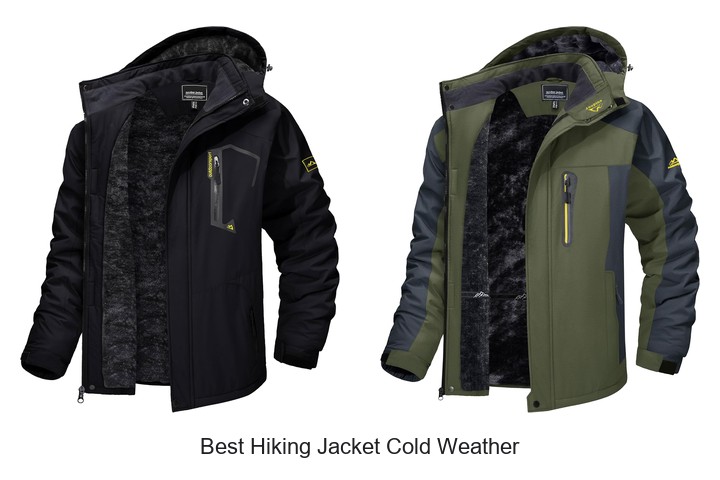
1. TACVASEN Mens Winter Ski Jacket
Warmth and cold weather suitability make this jacket ideal for winter sports enthusiasts. Its hooded design and regular fit provide comfort without bulk, making it well-suited for anyone who spends time outdoors during chilly months.
The best feature is how well it handles harsh weather while keeping you comfortable.
Putting the jacket on is straightforward thanks to its regular fit and long sleeves, which allow easy layering underneath. The hood keeps your head protected from wind and snow, while the solid pattern and black color blend well with most winter gear. It’s made as a rain coat style, so it handles moisture and cold without feeling heavy or restrictive in everyday use.
The jacket performs reliably in cold weather, offering dependable insulation and weather resistance during winter activities. It’s built to withstand winter conditions with a regular fit that moves with you, though some mention the fit might feel a bit roomy for slimmer frames. The most common feedback appreciates how well it maintains warmth but notes that the fabric could be a bit more breathable for intense physical activity.
Reliable warmth and hood protection are standout features appreciated by users, while breathability is the main drawback during intense activity. Reviews highlight how the jacket keeps cold and moisture out effectively but could improve airflow.
Ideal for casual winter sports and outdoor activities where warmth and weather resistance matter most. Those looking for a tighter fit or greater ventilation should consider other options designed for higher physical intensity.
Pros
- Effective insulation against cold weather
- Hooded collar offers added head protection
- Regular fit allows freedom of movement
- Durable rain coat style
Cons
- Fabric may lack breathability during high exertion
- Fit can feel roomy for slimmer builds
| Specification | Details |
|---|---|
| Color | #215 Black |
| Style | Winter Sports |
| Sleeve Type | Long Sleeve |
| Coat Silhouette Type | Rain Coat |
| Climate Suitability | Cold Weather |
| Fit Type | Regular |
2. TACVASEN Mens Winter Ski Jacket
People who spend serious time outdoors in freezing weather, especially hikers and skiers, will appreciate how warm the TACVASEN Mens Winter Ski Jacket keeps them. Its biggest strength lies in handling extreme cold with comfort while maintaining a regular fit that doesn’t feel bulky or restrictive.
Putting it on is straightforward thanks to the button-down collar that feels snug around the neck without squeezing. The cuff sleeves prevent cold air from sneaking in during brisk walks or skiing down slopes. Geometric patterns add a little style to the green fleece anorak silhouette, making it useful beyond just cold days out.
It’s easy to layer under this jacket without feeling too tight.
The jacket’s design targets extreme cold climates, making it excellent for snowy, windy environments. Constructed as a fleece parka, it holds warmth well but relies on layering underneath for added insulation.
Most reviews highlight how warm it keeps users in harsh conditions while some mention it can feel a bit heavy compared to lighter winter options.
The jacket consistently receives praise for its ability to keep wearers warm in winter’s harsh conditions. The main drawback highlighted is its weight, which some find heavier than expected for a fleece parka. This can make longer hikes feel a bit cumbersome.
Those who need serious protection against cold will like the sturdy build and warm fit. People prioritizing lightweight gear or looking for more color choices might want to look at alternatives that offer more variety or lighter fabrics.
Pros
- Keeps warmth in extreme cold conditions
- Regular fit allows for easy layering
- Button-down collar adds neck protection
- Cuff sleeves block cold air
Cons
- Feels somewhat heavy during extended use
- Limited color option in green only
| Specification | Details |
|---|---|
| Color | Green |
| Style | Fleece Parka Jacket |
| Sleeve Type | Cuff Sleeve |
| Coat Silhouette Type | Anorak |
| Climate Suitability | Extreme Cold |
3. The North Face Mens Jacket
Designed for cold weather, this jacket stands out for its balance of warmth and weather resistance. Tailored for outdoor activities in fall, its wind and water resistance make it a solid choice for staying comfortable when temperatures drop. The attached hood adds convenience, keeping your head protected without extra gear.
Putting on the jacket is straightforward with a regular fit that isn’t too tight or loose. The long sleeves and quilted style keep warmth close to the body.
The durable hood stays in place during movement without restricting vision. Its solid smoked pearl color is low-key but stylish enough for casual outdoor use.
The jacket performs well against cold winds and light moisture, thanks to its insulated construction and water resistance. The quilted design keeps insulation evenly distributed for reliable warmth.
A common positive note is about its durability in rough weather, while some mention the fit feels a bit bulky under layers. It’s built to endure outdoor conditions in a practical way.
Durability and weather resistance get solid marks, making it reliable in cold and slightly wet conditions. Some users find the fit a bit bulky when layering up underneath, which can limit flexibility.
Those spending time outdoors in chilly, windy fall weather will appreciate the protective design and hood. People needing something for harsher winter climates might look for a heavier insulated option.
Pros
- Warm and wind resistant
- Water resistant shell
- Attached, durable hood
- Comfortable regular fit
Cons
- Fit can feel bulky with extra layers
- Best for fall, not extreme winter
| Specification | Details |
|---|---|
| Color | Smoked Pearl |
| Style | Aconcagua 3 Hooded Jacket – Insulated Winter Coat |
| Climate Suitability | Cold Weather |
| Features | Wind & Water Resistant, Durable Attached Hood |
| Sleeve Type | Long Sleeve |
| Fit Type | Regular |
4. FREE SOLDIER Mens Hooded Softshell Jacket

FREE SOLDIER Mens Hooded Softshell Jacket is designed for cold weather hiking, focusing on a fitted style that keeps warmth close to the body. It suits active outdoor enthusiasts who want a lightweight, snug jacket that performs well in winter sports and other cold-season activities.
Setup involves simply slipping on the hooded softshell, which fits closely without restricting movement. Its anorak silhouette and band collar help block the chill, while the long sleeves cover you fully. Wearing it daily for hiking or other outdoor sports feels comfortable, as the jacket holds heat in while allowing enough breathability during physical exertion.
Performance-wise, this jacket handles cold weather reliably due to its fitted cut and softshell fabric. It’s built to be a winter staple with a solid black pattern that doesn’t easily show dirt. The top compliment by users touches on how warm it feels without bulk, while the most common complaint involves its snug fit, which might feel tight for some.
Users praise the jacket for its warmth while maintaining a slim, non-bulky feel. Most often mentioned complaint centers on the fitted design feeling overly tight around some arms and shoulders.
Those who prefer close-fitting cold-weather gear for active winter sports will be content with this jacket. Anyone needing a looser or more versatile fit should consider other styles.
Pros
- Warm without heavy bulk
- Fitted cut reduces cold air entry
- Hood adds extra coverage
- Simple solid black design hides dirt
Cons
- Snug fit too tight for some users
- Limited color options
| Specification | Details |
|---|---|
| Color | Black |
| Style | Hooded |
| Sleeve Type | Long Sleeve |
| Coat Silhouette Type | Anorak |
| Seasons | Winter |
| Fit Type | Fitted |
5. 33,000ft Mens Hooded Rain Jacket

Wearing the 33,000ft Mens Hooded Rain Jacket feels like having a dependable shield against cold weather chills. Suited for casual outdoor wear during fall and spring, it stands out for keeping you comfortably warm without feeling bulky.
Getting ready for the day is simple since the jacket’s regular fit works well over layers without restricting movement. The hood offers extra coverage when wind picks up, and the long sleeves do a good job of keeping the cold out. Its anorak-style silhouette combined with a solid black color means it pairs easily with most outdoor gear.
Cold weather protection is at the heart of this jacket’s design, and it handles chilly conditions reliably. The windbreaker material feels lightweight yet tough enough for daily use. Most reviews appreciate how it manages chilly weather well, but a few note it might not be the warmest option for extreme winter cold.
The jacket is praised most for its reliable warmth and wind resistance during cold weather. The common complaint centers on its suitability, as it may fall short in very harsh winter conditions, making it less ideal for extreme cold outings.
Those looking for a solid, everyday cold weather jacket will find this option fitting well for casual and light outdoor activities. People needing heavy insulation for severe winter might want to explore warmer alternatives designed specifically for harsh conditions.
Pros
- Reliable cold weather protection
- Regular fit allows layering
- Hood offers extra wind coverage
- Neutral black suits many occasions
Cons
- Not designed for extreme cold
- Limited color options
| Specification | Details |
|---|---|
| Color | Black |
| Style | Windbreaker |
| Sleeve Type | Long Sleeve |
| Coat Silhouette Type | Anorak |
| Seasons | All, Fall, Spring |
| Climate Suitability | Cold Weather |
6. Outdoor Ventures Womens Softshell Jacket

Perfect for cold weather hikes, the Outdoor Ventures Womens Softshell Jacket offers reliable warmth and protection. It suits women looking for a straightforward, practical jacket with a hood and straight fit, combining comfort and weather resistance in a softshell design.
Wearing it around town or on trails during chilly days is simple. The hood keeps your head covered when winds pick up, while the cuff sleeves stop cold air from creeping in at your wrists. The straight fit makes layering underneath easy without feeling bulky, and the ice green color stands out nicely in winter landscapes.
Its main job of shielding against cold weather holds up well with solid materials suitable for spring and winter seasons. The build feels sturdy yet flexible, allowing natural movement during activity.
Most users praise its warmth and hood design. Some mention it lacks advanced waterproofing, making it less ideal in heavy rain.
The jacket’s warmth and hood design receive consistent positive remarks, making it effective for cold weather hikes. Limited waterproofing often comes up, so it may not suit rainy conditions well.
Women seeking a warm, hooded softshell for cold, dry weather will appreciate this jacket. Hikers needing full waterproof protection might want to consider other options.
Pros
- Warm and comfortable in chilly conditions
- Hood offers extra protection
- Easy layering with straight fit
- Unique ice green color stands out
Cons
- Not fully waterproof in heavy rain
- Cuff sleeves may feel tight for some
| Specification | Details |
|---|---|
| Color | Ice Green |
| Style | Women’s Softshell Jacket |
| Coat Silhouette Type | Rain Coat |
| Seasons | Spring, Winter |
| Fit Type | Straight |
| Climate Suitability | Cold Weather |
7. The North Face Mens Antora Jacket

Made with waterproof and windproof materials, the Antora Jacket from The North Face is designed for mild fall weather and outdoor activities. Perfect for those who want reliable protection from rain and wind without too much bulk, its most notable feature is an adjustable 3-piece hood that keeps you dry and comfortable.
Putting it on is straightforward thanks to its regular fit that suits most body types. The long sleeves and hood offer good coverage, while the jacket’s raincoat silhouette helps shed water easily. Daily wear involves minimal fuss since it resists wind and rain well, making it a solid choice for unpredictable weather without overheating.
The black color also pairs easily with other outdoor gear.
It performs well where it counts, keeping wind and rain at bay during outdoor activities. The build focuses on waterproofing and windproofing, while maintaining a fit that feels neither too tight nor too loose.
Users appreciate how the hood adjusts to provide more protection, but some might find the jacket better suited for mild rather than freezing cold conditions. A common point is its limited warmth for harsher climates.
Many find the jacket keeps out wind and rain effectively thanks to the adjustable hood and waterproof materials. Some note it does not provide enough warmth for very cold weather, so layering is often necessary. Its design prioritizes weather resistance over insulation.
Anyone looking for a dependable, breathable shell in cooler but not freezing conditions will appreciate its features. Those needing serious cold-weather insulation should look for jackets with thicker thermal layers instead.
Pros
- Strong waterproof and windproof protection
- Adjustable hood for better coverage
- Regular fit suits most body types
- Simple, versatile solid black design
Cons
- Better suited for mild weather than freezing cold
- Limited insulation for colder conditions
| Specification | Details |
|---|---|
| Color | Tnf Black-npf |
| Style | Antora Waterproof Jacket (Standard & Big Size) |
| Features | Windproof & Waterproof Rain Coat, Adjustable 3-piece Hood |
| Sleeve Type | Long Sleeve |
| Fit Type | Regular |
| Seasons | Fall |
8. Outdoor Ventures Womens Packable Puffer Jacket

Teal color and a hooded design make the Outdoor Ventures Womens Packable Puffer Jacket stand out for anyone tackling cold weather outdoors. It suits those looking for warmth combined with a packable, lightweight option that doesn’t skimp on comfort. Its biggest strength is staying warm without feeling bulky.
Easy to fold and pack into its own pocket, it’s perfect for layering on chilly days during autumn, winter, or spring. The regular fit offers enough room for movement without excess fabric getting in the way.
Long sleeves and a hood protect against cold gusts, making it great for outdoor activities where you’re constantly on the move and need flexible protection.
Fabric and quilting keep cold air out efficiently, making it effective in colder climates. The quilted silhouette makes the insulation evenly distributed, avoiding cold spots.
Most users say it’s surprisingly warm for such a packable jacket. Some mention the fit could be a bit more tailored for smaller frames, but overall it does what it promises when it comes to staying warm outdoors.
Many appreciate how warm the jacket is despite its lightweight and packable nature. Commonly mentioned drawbacks include the fit being less tailored, which may not suit everyone looking for a snug cut. The hood and long sleeves are favored for full coverage in cold weather.
People who want an easy-to-carry, warm puffer for outdoor activities will find it useful. It suits regular fit preferences well but those wanting a tight or form-fitting coat should consider other options. It handles cold weather reliably across autumn, winter, and spring seasons.
Pros
- Packable design fits into its own pocket
- Warm with well-distributed insulation
- Hood adds extra protection from cold
- Regular fit allows easy layering
Cons
- Fit may feel roomy for smaller frames
- Limited color options beyond teal
| Specification | Details |
|---|---|
| Color | Teal (fold in Pocket) |
| Style | Coat |
| Sleeve Type | Long Sleeve |
| Coat Silhouette Type | Quilted |
| Seasons | Autumn, Winter, Spring |
| Climate Suitability | Cold Weather |
9. TACVASEN Mens Fleece Softshell Jacket

Warmth and comfort stand out with this green military-style fleece jacket built for cold weather. Designed for outdoor activities, it suits anyone needing relaxed fit and reliable insulation during chilly hikes or everyday wear. Its zip-up hooded collar adds extra coverage against wind and cold.
Putting on the jacket feels easy thanks to the long sleeves and relaxed fit that won’t restrict movement. The zip-up hooded collar keeps your neck and head shielded, which means less hassle layering with other gear.
The solid pattern pairs well with different outdoor outfits, and it wears comfortably during lengthy outdoor sessions.
The fleece softshell effectively traps heat, making it a solid choice for cold climate use. Its military coat style adds durability without being too heavy.
Many users appreciate how well it performs in cold weather, commenting on its warmth. Occasionally, some mention the jacket could be more breathable during intense activity.
Users appreciate how warm the fleece softshell jacket keeps them in cold conditions, making it a reliable companion outdoors. Some also mention that prolonged intense activity might bring up breathability concerns, which could cause discomfort during high effort.
Ideal for those who want a comfortable, easy-to-wear cold weather jacket for hikes or casual wear. Those who need highly breathable fabric for intense exercise might find other options more suited to their needs.
Pros
- Warm fleece material suitable for cold weather
- Relaxed fit allows comfortable layering
- Zip-up hooded collar adds good neck and head coverage
- Military style looks rugged and durable
Cons
- Can feel less breathable during vigorous exercise
- Solid color limits style variety
| Specification | Details |
|---|---|
| Color | #08-green |
| Style | Military Coat |
| Sleeve Type | Long Sleeve |
| Coat Silhouette Type | Overcoat |
| Fit Type | Relaxed |
| Collar Style | Zip-up hooded collar |
| Climate Suitability | Cold Weather |
| Occasion | Outdoor Activities |
10. 33,000ft Mens Lightweight Softshell Jacket

Cold weather hikes demand a jacket that balances warmth and mobility, and the 33,000ft Mens Lightweight Softshell Jacket fits the bill for outdoor enthusiasts looking for a slim, modern style. Its biggest strength lies in protecting against chilly winds while keeping you comfortable during active pursuits in fall, winter, or spring.
Putting on this jacket feels straightforward thanks to its anorak silhouette and band collar that sits close to the neck for extra warmth. The slim fit means it layers well underneath a heavier coat or carries on its own when you want less bulk. Long sleeves and solid black color make it versatile for various outdoor activities without limiting movement or creating noise.
The jacket holds up well in cold weather, blocking the wind and maintaining core warmth without overheating. Its lightweight feel doesn’t sacrifice durability, making it easy to wear for extended periods.
Users frequently praise its effective cold-weather protection, while the most common drawback mentioned is the snug slim fit, which might not suit everyone looking for a looser cut.
The jacket is widely appreciated for how well it blocks the cold wind and keeps you warm during outdoor activities. On the flip side, most mention the slim fit can be restrictive for those who prefer a bit more room or thicker layers underneath.
People who like a lean, close-to-body jacket for brisk conditions will find this a reliable choice. Anyone needing a more relaxed fit or higher visibility in vibrant colors might want to explore other options better suited to those preferences.
Pros
- Effective wind resistance for cold weather
- Slim fit layers well with other gear
- Lightweight to avoid bulkiness
- Simple design suitable for outdoor use
Cons
- Slim fit feels tight on some wearers
- No bright colors for visibility
| Specification | Details |
|---|---|
| Color | Black |
| Style | Modern |
| Seasons | Fall, Spring, Winter |
| Fit Type | Slim |
| Coat Silhouette Type | Anorak |
| Climate Suitability | Cold Weather |
11. Columbia Mens Tipton Peak III Jacket

Sedona Sage color and regular fit make the Columbia Mens Tipton Peak III Jacket a solid choice for cold fall weather. It suits hikers looking for reliable warmth without bulk, focusing on insulation and comfort as its biggest strength.
Long sleeves and an anorak silhouette provide good coverage on chilly trail days. The jacket stays roomy enough to layer underneath, making it practical for various activity levels. The solid pattern keeps it versatile for outdoor wear beyond just hiking, suitable for daily use during colder months.
Built for cold weather, the insulation helps maintain body heat effectively. The fabric and construction feel durable, ready to handle elements without wear after regular use.
Most praise centers on the jacket’s warmth and color, while the main complaint mentions a lack of additional pockets or features some might want.
Warmth stands out as the jacket’s best quality, maintaining comfortable temperature during typical fall hikes. A common downside is the lack of multiple practical pockets, which some find limiting when carrying small gear.
Anyone needing solid mid-season insulation with a flexible fit will find it fitting well. People facing more severe cold or wanting extra storage might look for alternatives offering more features or heavier insulation.
Pros
- Warm insulation for cold fall conditions
- Regular fit allows for comfortable layering
- Long sleeves provide full arm coverage
- Simple, solid Sedona Sage color
Cons
- Minimal pocket options
- Designed mainly for fall, not extreme cold
| Specification | Details |
|---|---|
| Color | Sedona Sage |
| Style | Tipton Peak III Insulated Jacket |
| Sleeve Type | Long Sleeve |
| Coat Silhouette Type | Anorak |
| Seasons | Fall |
| Climate Suitability | Cold Weather |
12. BAERSkin Mens Tactical Hoodie Jacket

Anyone who spends time outdoors in cold weather will find this jacket a practical choice. Designed with a tactical style, it fits comfortably and handles chilly conditions well.
Its biggest strength lies in balancing warmth and mobility for winter adventures.
Wearing it feels natural thanks to its regular fit and long sleeves that cover well without restricting movement. The dark green color keeps things low-profile, ideal for hikes or tactical uses. The hoodie adds extra protection against wind and cold, making it easy to adjust as temperatures change during a day out.
Warmth remains consistent throughout cold outings, proving the jacket’s winter readiness. The anorak silhouette helps keep the cold out without too much bulk.
Some users note the jacket could feel a bit heavy for longer hikes, but most appreciate its solid construction. The simplicity of design means fewer zippers or distractions in rough weather.
The jacket excels at keeping warmth while allowing good mobility, making it great for cold winter use. A common critique mentions its weight which might affect longer hikes. It seems built with simplicity and durability in mind rather than ultralight features.
Outdoor enthusiasts who want dependable warmth with a tactical look will appreciate this jacket. Those prioritizing ultra-lightweight gear or highly breathable fabrics might want to consider other options more suited to high-output activities.
Pros
- Regular fit for comfort and ease of movement
- Dark green color suited for outdoor activities
- Long sleeves and hoodie offer solid weather protection
- Simple design reduces bulk during hikes
Cons
- Some find it a bit heavy on extended hikes
- No specific material details given for breathability
| Specification | Details |
|---|---|
| Color | Dark Green 5.0 |
| Style | Tactical Hoodie |
| Sleeve Type | Long Sleeve |
| Coat Silhouette Type | Anorak |
| Seasons | Winter |
| Climate Suitability | Cold Weather |
Best Cold Weather Hiking Jackets Comparison Table
| Product | Climate Suitability | Style | Coat Silhouette Type | Season |
|---|---|---|---|---|
| TACVASEN Winter Ski | Cold Weather | Winter Sports | Rain Coat | Winter |
| TACVASEN Ski Jacket | Extreme Cold | Fleece Parka Jacket | Anorak | Winter |
| The North Face Jacket | Cold Weather | Insulated Winter Coat | Quilted | Fall |
| FREE SOLDIER Softshell | Cold Weather | Hooded | Anorak | Winter |
| 33,000ft Rain Jacket | Cold Weather | Windbreaker | Anorak | All, Fall, Spring |
| Outdoor Ventures Softshell | Cold Weather | Women’s Softshell Jacket | Rain Coat | Spring, Winter |
| The North Face Antora | Mild Weather | Waterproof Jacket | Rain Coat | Fall |
| Outdoor Ventures Puffer | Cold Weather | Coat | Quilted | Autumn, Winter, Spring |
| TACVASEN Fleece Jacket | Cold Weather | Military Coat | Overcoat | – |
| 33,000ft Softshell | Cold Weather | Modern | Anorak | Fall, Spring, Winter |
| Columbia Tipton Peak | Cold Weather | Insulated Jacket | Anorak | Fall |
| BAERSkin Tactical Hoodie | Cold Weather | Tactical Hoodie | Anorak | Winter |
- Climate SuitabilityCold Weather
- StyleWinter Sports
- Coat Silhouette TypeRain Coat
- SeasonWinter
- Climate SuitabilityExtreme Cold
- StyleFleece Parka Jacket
- Coat Silhouette TypeAnorak
- SeasonWinter
- Climate SuitabilityCold Weather
- StyleInsulated Winter Coat
- Coat Silhouette TypeQuilted
- SeasonFall
- Climate SuitabilityCold Weather
- StyleHooded
- Coat Silhouette TypeAnorak
- SeasonWinter
- Climate SuitabilityCold Weather
- StyleWindbreaker
- Coat Silhouette TypeAnorak
- SeasonAll, Fall, Spring
- Climate SuitabilityCold Weather
- StyleWomen’s Softshell Jacket
- Coat Silhouette TypeRain Coat
- SeasonSpring, Winter
- Climate SuitabilityMild Weather
- StyleWaterproof Jacket
- Coat Silhouette TypeRain Coat
- SeasonFall
- Climate SuitabilityCold Weather
- StyleCoat
- Coat Silhouette TypeQuilted
- SeasonAutumn, Winter, Spring
- Climate SuitabilityCold Weather
- StyleMilitary Coat
- Coat Silhouette TypeOvercoat
- Season–
- Climate SuitabilityCold Weather
- StyleModern
- Coat Silhouette TypeAnorak
- SeasonFall, Spring, Winter
- Climate SuitabilityCold Weather
- StyleInsulated Jacket
- Coat Silhouette TypeAnorak
- SeasonFall
- Climate SuitabilityCold Weather
- StyleTactical Hoodie
- Coat Silhouette TypeAnorak
- SeasonWinter
How to Choose the Best Cold Weather Hiking Jacket
The most important factors for choosing a cold weather hiking jacket are warmth, waterproofing, and breathability, as these keep you comfortable and dry during outdoor activities. Picking the right features prevents overheating or getting soaked, saving money by avoiding unnecessary replacements or repairs.
Insulation and Warmth
On cold hikes that involve steep climbs or long distances, insulation plays a crucial role in staying comfortable. Different materials like down or synthetic fibers provide warmth, but they vary significantly in how they handle moisture and weight. Down insulation offers excellent heat retention for its weight but loses effectiveness when wet.
Synthetic insulation keeps some warmth even damp and dries faster, making it better for wet or variable conditions.
Balancing warmth and weight is key because carrying a heavy jacket slows you down and can make you sweat more, which chills you later. A good jacket will offer enough insulation to keep core temperature stable without bulk. Breathability is important since active movement generates heat; fabrics that allow moisture vapor to escape help prevent overheating and uncomfortable moisture buildup inside the jacket.
Look for jackets that specify standard insulation weights or use breathable membranes alongside down or synthetic fills to manage this balance.
Waterproofing and Weather Resistance
During winter hikes, encountering snow, sleet, or rain is common, so waterproofing can’t be overlooked. Jackets rated with a waterproof membrane typically list a hydrostatic head number, with anything over 10,000 mm providing solid protection against steady rain or snow. Materials like Gore-Tex or similar membranes block water while allowing sweat vapor to escape, maintaining dryness inside.
Wind resistance is equally important, as chilling winds can strip away body heat quickly. Jackets designed for harsh conditions often combine windproof fabrics with durable water repellent (DWR) coatings on the outer shell. DWR treatment prevents water from soaking into fabric but wears off with use, requiring periodic reapplication to maintain effectiveness.
Without DWR, fabric saturation increases weight and reduces insulation performance, making the jacket less reliable in bad weather.
Fit and Mobility
Comfort during a hike depends heavily on how well a jacket fits over other layers. Managing this means choosing a cut that allows room for a base layer and a midlayer without being loose enough to catch cold air.
Jackets with articulated sleeves and stretch panels make it easier to reach, swing your arms, or climb without feeling restricted. Low mobility in sleeves or body quickly becomes a nuisance on technical trails.
Adjustable features are practical for adapting to changing weather or activity levels. A hood with cinches lets you dial in coverage without limiting your field of vision.
Similarly, cuff adjustments keep out drafts and snow, which makes a difference in cold or windy conditions. Overly tight cuffs can limit circulation, so look for those with Velcro or elastic that balances fit and comfort.
Durability and Build Quality
Regular exposure to rocky terrain or brush tests a jacket’s durability more than occasional use on groomed trails. Outer fabrics with a higher denier count resist snags and tears better but often add weight. Finding a jacket that balances a sturdy face fabric with acceptable weight is important for serious hikers.
Stitching quality is another factor often noticed when seams start to pull or fray after just a few trips. Reinforcements at stress points like shoulders or elbows prevent early wear.
Zipper quality matters too, especially in cold conditions where cheap sliders can freeze or jam. YKK zippers and durable hardware that glide smoothly really stand out on long trips in tough weather.
Weight and Packability
Carrying a jacket throughout a day hike adds to the load, so weight becomes a crucial decision factor. Heavy jackets provide more protection but can weigh you down during uphill sections, while ultralight options save effort but sometimes sacrifice durability or insulation.
Storage size also matters if you want to pack the jacket when temperatures rise or conditions improve. Compressible materials that stuff into small sacks or pockets make it easier to manage more gear without losing space.
Lightweight jackets with efficient insulation and simple designs typically pack down smaller. Balancing protection against weight and packability depends on the hiking environment and your personal endurance.
How to Layer Effectively with Your Cold Weather Hiking Jacket
Choosing the right layers with a cold weather hiking jacket is key to staying warm and comfortable. Start with a moisture-wicking base layer to keep sweat off your skin.
Wool or synthetic materials work best for this. Next, add an insulating layer like a fleece or down jacket to trap heat. The cold weather hiking jacket should serve as the outermost layer, providing windproof and waterproof protection.
Important layering points include:
- Ensure each layer fits comfortably without restricting movement.
- Opt for jackets with adjustable cuffs and hoods to block drafts.
- Pack extra layers for variable temperatures and activity levels.
- Ventilation options such as pit zips help regulate body heat when hiking uphill.
Proper layering allows you to remove or add clothing as conditions change without sacrificing warmth or breathability. A good cold weather jacket works best combined with thoughtful layering underneath.
Essential Maintenance Tips to Prolong the Life of Your Hiking Jacket
Maintaining a hiking jacket extends its usefulness and preserves performance. Regular cleaning is crucial since dirt and oils can break down the fabric’s waterproof coating. Follow the care label and use a gentle detergent designed for technical outerwear.
Avoid fabric softeners as they reduce water repellency.
Practical maintenance steps include:
- Spot clean small stains after each use.
- Machine wash with cold water on a gentle cycle only when necessary.
- Reapply durable water repellent (DWR) treatment periodically to restore waterproofing.
- Store your jacket hanging in a dry place rather than folded to keep fabric integrity.
- Handle zippers and seams carefully to prevent damage.
Consistent care prevents fabric deterioration and keeps insulation effective. It also helps the jacket retain its breathability and resistance to wind and moisture.
Comparing Insulated vs. Shell Jackets for Extreme Cold Conditions
Insulated and shell jackets serve different roles in extreme cold conditions. Insulated jackets contain synthetic or down fill that provides built-in warmth without needing extra layers underneath.
This makes them a convenient choice in freezing temperatures and for stationary activities.
Shell jackets don’t have insulation but provide strong protection against wind, rain, and snow. They excel when paired with various insulating layers customized for changing conditions.
This flexibility benefits hikers active over long distances or in environments with fluctuating weather.
Consider these points:
- Insulated jackets can become too warm during intense activity or mild weather.
- Shell jackets require additional insulating garments but allow better ventilation options.
- Weight and packability differ; shell jackets tend to be lighter and compress smaller.
- Durability and resistance to abrasion often favor shell designs with reinforced panels.
Choosing between the two depends on the hike’s intensity, expected weather, and personal comfort preferences.
People Also Asked
How Do I Choose the Right Size for a Hiking Jacket?
Choose a hiking jacket size that fits over your base and mid layers without feeling tight. Trying it on with the clothes you plan to wear underneath helps avoid restriction during movement. Make sure the sleeves and hem provide enough coverage to keep the warmth in.
What Is the Best Way to Care for a Cold Weather Jacket?
Wash your cold weather jacket according to the manufacturer’s instructions, usually with gentle detergent and cold water. Avoid fabric softeners as they reduce waterproofing. Air dry or tumble dry on low to reactivate water repellency if the jacket has a DWR coating.
Can a Hiking Jacket Keep Me Safe in Extreme Cold Conditions?
A hiking jacket can help protect against cold but may not be enough alone in extreme cold without layering. Combining it with warm base layers and insulated pants is important during severe conditions. Look for jackets with good insulation and windproof features for added safety.
How Long Does a Typical Cold Weather Hiking Jacket Last?
A typical cold weather hiking jacket lasts several years with regular use, but this depends on care and frequency of wear. Avoid rough surfaces and sharp objects to prevent tears. Restoring water resistance yearly can extend its functional life significantly.
What Are Common Problems with Hiking Jackets in Snowy Environments?
Common problems in snowy environments include moisture seepage as snow melts, causing dampness inside the jacket. Snow can also clog ventilation zippers, reducing breathability. Keeping zippers clear and ensuring the jacket’s waterproofing is intact helps manage these issues.
Conclusion
A good cold weather hiking jacket should keep you dry and warm without feeling bulky. Look for materials that resist wind and moisture but still allow your skin to breathe.
Fit matters too, you want something that lets you move freely and layer underneath as needed.
Think about where you’ll use the jacket most and how often before choosing one. A heavier coat might be worth it for frequent hikers in harsh climates, while occasional users might prefer something lighter and more affordable.
Check the comparison table and detailed picks above to find the jacket that fits your needs.