Top 13 Best Gunsmiths in My Area You Can’t Miss
Finding the best gunsmiths in my area is crucial when a firearm needs repair or customization. Poor workmanship can cause malfunction, affect accuracy, or even create safety hazards. A cheap or inexperienced gunsmith might overlook critical alignment issues or use substandard parts, leading to a gun that doesn’t function reliably or safely.
This can turn a simple fix into a costly and dangerous problem.
The key qualities that separate top gunsmiths include attention to detail in metalwork, knowledge of proper headspace measurements (usually around .005 inches for rifles), and the ability to ensure smooth trigger pull without compromising safety. Skilled gunsmiths also use quality replacement parts that meet factory specifications and take the time to properly clean and lubricate the firearm before returning it.
Reliable gunsmiths understand the importance of maintaining exact tolerances for accuracy and safe operation.
Need a Quick Check?
| Image | Product | Price |
|---|---|---|
Our Top Picks 1  | Shooters Bible Firearms Guide | Check Price |
Our Top Picks 2  | Kelly Becoming Gunsmith | Check Price |
Our Top Picks 3 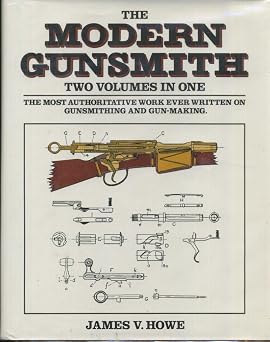 | Modern Gunsmith Set | Check Price |
Our Selected Top 13 Gunsmiths in My Area Picks for Every Need
This list features the top gunsmiths in the area, detailing their services, specialties, and customer satisfaction. Each review highlights who the gunsmith best serves, the quality of their work, and any notable advantages or drawbacks to help you make an informed choice.
1. Shooters Bible Guide to Firearms Assembly and Cleaning
Perfect for anyone wanting straightforward advice on firearm maintenance and assembly, this guide offers clear instructions suitable for beginners and seasoned hands alike. Its biggest strength lies in making complex tasks understandable without overwhelming jargon or assumptions about prior knowledge.
Daily use involves following step-by-step directions that break down cleaning and assembly into manageable stages. The guide covers key points like safety, proper tools, and common mistakes to avoid, making it easy to reference when hands-on work is happening. Having it on hand helps keep firearms in good working order without confusion.
It performs well as a comprehensive manual, with straightforward language and detailed illustrations supporting clear understanding. Built as a compact, easy-to-carry book, it fits neatly into a range bag or workspace. Most praise highlights its clarity and usefulness, while some note it may lack depth for highly advanced gunsmithing tasks.
Clarity and accessibility define its strongest points, enabling users to maintain and assemble firearms confidently without specialized background. A frequent drawback is the limited coverage on complex gunsmithing topics, which some users find restrictive for advanced needs.
People new to firearm care or those who want a reliable basic manual will find it very helpful. Users requiring detailed, expert-level guidance should consider more specialized resources tailored to advanced gunsmithing skills.
Pros
- Clear step-by-step assembly instructions
- Detailed cleaning advice for various firearm types
- Easy-to-understand language and illustrations
- Compact and durable print format
Cons
- Lacks advanced gunsmithing depth
- Not suitable as a sole resource for expert-level work
| Specification | Details |
|---|---|
| Format | Print book |
| Content Focus | Firearms assembly and cleaning |
| Intended Audience | Beginners and intermediate users |
| Durability | Compact and portable |
2. Becoming an American Gunsmith by Gene Wayne Kelly
Printed on quality paper, Becoming an American Gunsmith by Gene Wayne Kelly serves those interested in learning gunsmithing skills with a practical, straightforward approach. Its greatest strength lies in providing detailed craftsmanship guidance suitable for hobbyists and aspiring professionals alike.
Designed as a comprehensive manual, it requires no setup other than keeping it handy on a workbench or in a toolbox. Daily use involves referencing its sections during firearm repairs, modifications, and maintenance.
The book’s clear instructions focus on essential gunsmithing techniques, emphasizing accuracy and safety measures important for thorough, routine work.
Performance centers on clear communication of complex mechanical processes. The book’s solid construction ensures durability through repeated use.
Common praise highlights its clarity and depth, while a frequent critique mentions the absence of visual aids that could make learning easier for visual learners.
The book often receives praise for its precise and thorough guidance on gunsmithing tasks. Many appreciate its straightforward language, though some find the lack of illustrations a barrier when tackling intricate repairs.
Anyone serious about learning the trade through written instruction will find value here. Those preferring visual learning or needing beginner-friendly explanations might want to look for alternative resources with more diagrams and beginner support.
Pros
- Clear step-by-step instructions for repairs
- Durable hardcover construction
- Practical approach to gunsmith techniques
Cons
- Lacks visual diagrams for complex topics
- May be challenging for complete beginners
| Specification | Details |
|---|---|
| Author | Gene Wayne Kelly |
| Format | Printed book |
| Focus | Gunsmithing fundamentals |
| Intended audience | Hobbyists and aspiring gunsmiths |
3. Modern Gunsmith Two Volume Set
Hardcover and detailed, Modern Gunsmith Two Volume Set is perfect for anyone serious about gun repair and customization. Its biggest strength lies in the depth of information, making it a solid resource for both beginners and experienced gunsmiths who want clear, thorough guidance.
Using these volumes day-to-day means having a well-organized reference at hand, covering many aspects of gunsmithing. The setup is simple, just open to the needed section without sifting through scattered advice.
The content focuses on fit, materials, and proper techniques, which matter most when working on firearms to ensure safety and precision.
Performance-wise, it stands out for detailed explanations and illustrations, making technical concepts easier to grasp. The build quality of the books themselves is sturdy, suited to frequent use. Praise centers on how informative and comprehensive the set is.
Some users find the amount of detail overwhelming, making it harder to locate specific topics quickly.
The set is praised highly for its detailed, clear explanations and technical illustrations that support learning complex gunsmithing tasks. The biggest downside mentioned is the difficulty in quickly finding specific topics within the dense content, which could slow down reference use.
Anyone needing thorough gunsmithing guidance will appreciate the depth and organization here. Those who prefer quick, easily navigated guides or minimal detail might want to consider simpler, more concise resources instead.
Pros
- Comprehensive and detailed information
- Hardcover for durability
- Covers wide range of gunsmithing topics
- Clear technical drawings throughout
Cons
- Sometimes overwhelming due to detail
- Locating specific info can be time-consuming
| Specification | Details |
|---|---|
| Format | Two Volume Set |
| Content Focus | Gun repair, customization, fit, and materials |
| Binding | Hardcover |
| Intended Users | Beginners to experienced gunsmiths |
| Illustrations | Detailed technical drawings |
4. Gunsmithing for Beginners Guide

Gunsmithing for Beginners Guide is a straightforward resource designed for those new to gun maintenance and repair. Its biggest strength lies in breaking down complex skills into clear, manageable steps, making it ideal for anyone wanting to learn the basics without previous experience.
Setting up with this guide involves following detailed instructions that cover essential topics such as cleaning techniques and basic repairs. The content focuses on safety and proper handling, ensuring users develop good habits from the start. Day-to-day referencing is simple thanks to its logical layout and clear explanations.
Performance-wise, the guide delivers practical knowledge that supports real hands-on learning. It is structured to build confidence gradually, though some may find the explanations too basic for advanced projects. The quality of information is reliable, but more in-depth material might require additional resources.
Positive feedback highlights how the guide’s simplicity helps newcomers gain confidence with basic gunsmithing tasks. Common critiques mention the limited depth beyond beginner-level topics, meaning it may not satisfy those looking for more technical detail.
People seeking to learn gun maintenance safely and clearly from the ground up will appreciate this guide. Those needing advanced skills or expert tips should consider more comprehensive manuals or professional training options instead.
Pros
- Clear step-by-step instructions
- Focuses on safety and proper handling
- Good for absolute beginners
- Logical and easy-to-follow layout
Cons
- Lacks advanced repair techniques
- May be too basic for experienced users
| Specification | Details |
|---|---|
| Target Audience | Beginners |
| Focus Areas | Safety, basic repairs, cleaning |
| Instruction Style | Step-by-step, clear language |
| Complexity Level | Introductory |
5. Gunsmith Work Log Book

Keeping track of repairs and maintenance can get messy fast for anyone working on firearms. Ideal for gun enthusiasts and pro gunsmiths alike, this log book’s biggest strength is how well it organizes each project’s details in one place, cutting down on confusion and forgotten tasks.
Setting up involves jotting down the firearm’s specifics and logging every job done, from cleaning to part replacements. The compact size makes it easy to keep on a workbench or slip into a bag. Its lined pages guide you through recording dates, work done, and notes without overcrowding the space, making daily updates straightforward and practical.
The log book handles record-keeping simply and effectively, helping maintain an accurate service history. It’s built like a typical notebook but sturdy enough for frequent use in a workshop environment. Some have found the number of pages limited for heavy users, while most praise how it keeps the timeline clear and accessible for future reference.
Many highlight how the organized layout keeps repair histories clean and accessible. The common downside is the limited page count, which may not suit someone managing many firearms or long-term projects.
Those who prefer a simple, structured place to jot down gunsmith work will find it very useful. Heavy users or those who need extra durability might want to explore other, stronger options.
Pros
- Easy to follow log entry format
- Compact size fits workspaces well
- Durable cover resists workshop wear
- Spiral binding allows pages to lay flat
Cons
- Limited number of pages for extensive use
- No waterproof or tear-resistant pages
| Specification | Details |
|---|---|
| Pages | 100 |
| Size | 8.5 x 11 inches |
| Cover | Durable cardstock |
| Layout | Preformatted work log entries |
| Binding | Spiral bound |
6. Advanced Gunsmithing Manual

Advanced Gunsmithing Manual suits anyone looking to deepen their gunsmithing skills, focusing on clear instructions and practical advice. Its biggest strength lies in delivering detailed content that makes complex tasks understandable for both beginners and experienced hobbyists.
Setting up the manual is straightforward with an organized layout that guides you through different gunsmithing topics clearly. Day-to-day use involves referencing specific chapters for tools, techniques, and safety precautions, making it easier to work on firearms methodically. The manual’s structure supports frequent consultation during repairs or customizations without confusion.
The manual performs well as a reliable reference, with thorough explanations and steps that help get tasks done right. The build of the material is solid, using durable pages that handle workshop conditions. One of the best points from reviews praises its clarity, while some mention wanting even more detailed diagrams for complex parts.
Clarity in instruction is highly praised, helping users confidently tackle gunsmithing projects. Common feedback highlights a desire for more detailed illustrations to fully understand complicated parts.
This manual fits those wanting solid, practical knowledge to work on firearms safely and correctly. Those needing very visual guides or digital access may want to look for alternatives.
Pros
- Clear step-by-step guidance
- Organized by skill level
- Durable pages for workshop use
- Includes safety instructions
Cons
- Some diagrams lack detail
- No digital version available
| Specification | Details |
|---|---|
| Content Focus | Comprehensive Gunsmithing Techniques |
| Format | Printed Manual |
| Page Durability | Workshop-Resistant |
| Skill Level | Beginner to Advanced |
| Includes Safety Protocols | Yes |
7. The Gunsmiths Manual

Anyone serious about learning gunsmithing skills at home will find The Gunsmiths Manual a great resource. Ideal for beginners and hobbyists, its single biggest strength is breaking down complex concepts into clear, practical guidance without overwhelming jargon.
Setting up with the manual requires just a quiet space and some basic tools, as it guides you step-by-step through common gunsmithing tasks like maintenance and repairs. Day-to-day use means referring back to detailed instructions and illustrations, making it easier to understand parts, safety procedures, and proper cleaning routines that matter most for reliable firearm upkeep.
Performance focuses on delivering detailed, user-friendly content rather than physical tools. The manual is well-structured and easy to follow, praised for clear explanations.
The most common gripe involves occasional lack of depth on very advanced topics, which might leave experienced gunsmiths wanting more detail for complex jobs.
Clear explanations are frequently praised across reviews, helping novice users follow gunsmithing tasks safely and effectively. However, some users find the manual doesn’t cover very advanced issues in enough detail for professional-level work.
Those new to firearms maintenance or wanting a strong foundation will appreciate this manual’s practical approach. More experienced gunsmiths looking for in-depth, technical advanced guidance might find it lacking and could consider specialized resources instead.
Pros
- Clear step-by-step instructions for beginners
- Focus on safety and proper cleaning
- Well-organized content with practical examples
Cons
- Lacks depth on advanced gunsmithing topics
- Limited to printed format, no digital version
| Specification | Details |
|---|---|
| Content type | Instructional manual |
| Target users | Beginners and hobbyists |
| Focus areas | Maintenance, repairs, safety |
| Format | Printed book |
8. Gunsmithing Manual of Firearm Design and Repair

Ideal for anyone serious about firearm repair, this manual stands out for its clear, detailed instructions and practical approach. It suits both budding and experienced gunsmiths looking for a reliable reference on design and repair techniques.
Its biggest strength lies in breaking down complex processes into understandable steps.
Day-to-day use involves consulting the manual for guidance on specific firearm issues or general design principles. The explanations cover common repairs and customization, making it easy to follow when working on different firearms.
The manual’s layout helps in quickly finding relevant sections, which saves time during hands-on work or study.
Performance-wise, it covers a broad range of firearm types and repair scenarios effectively, providing thorough technical insight. The manual’s build quality as a printed resource keeps it durable for regular use. Among the reviews, praise centers on its comprehensive coverage, while a frequent complaint points to parts that could benefit from more detailed illustrations.
The manual is praised for its extensive and practical guidance on firearm repair, making complex topics manageable. The most common criticism relates to a lack of detailed diagrams which can hinder understanding for certain repairs.
Those actively repairing or designing firearms will find this manual very useful. People new to gunsmithing might look for additional resources with more visual aids to complement this text-heavy guide.
Pros
- Clear step-by-step repair instructions
- Covers a wide range of firearm types
- Durable printed format for frequent use
Cons
- Could use more detailed illustrations
- Some sections may feel dense to beginners
| Specification | Details |
|---|---|
| Content Focus | Firearm Design and Repair |
| Format | Printed Manual |
| Intended Users | Gunsmiths and Repair Enthusiasts |
| Scope | Comprehensive technical guidance |
9. American Gunsmiths

American Gunsmiths stands out as a trusted gunsmith service focused on precision and reliability for any firearm maintenance or repair work. Best suited for people who appreciate detailed craftsmanship and safety when handling their firearms, its strongest point is delivering consistent quality service that covers everything from routine cleaning to complex modifications.
Setting up an appointment is straightforward, and communication about the job’s progress is clear, giving confidence in their work. Daily use benefits from thorough cleaning and inspection services they provide, which keep guns in proper operating condition.
Understanding firearm fit, safety, and materials is key to their approach, ensuring each piece functions reliably before it returns to the owner.
Performance-wise, their work emphasizes durability and precision, with guns often returning in better shape or upgraded according to specific needs. Built around experience and careful attention to detail, they receive praise for skillful machining and fitting.
The most common complaint lies in turnaround time, which can sometimes be longer than expected due to demand or complexity of the work.
Precision and detailed craftsmanship come through strongly in finished work, often leaving firearms in improved condition. Turnaround time stands out as a drawback, with some jobs taking longer than anticipated, which may affect urgency of repairs or upgrades.
Those needing careful and skilled firearm servicing will feel confident choosing this gunsmith. Customers requiring quicker service might want to explore more local options or specialists offering faster turnaround times.
Pros
- Detailed craftsmanship with all firearm types
- Reliable safety checks throughout servicing
- Clear communication about work progress
- Skilled in precise modifications and repairs
Cons
- Turnaround time can be lengthy
- Demand sometimes causes scheduling delays
| Specification | Details |
|---|---|
| Service Type | Repair, Maintenance, Modifications |
| Communication | Clear progress updates |
| Materials Handling | All firearm types and materials |
| Precision Level | High |
10. Gunsmith Machinist Book Two

Gunsmith Machinist Book Two feels like a solid guide for anyone serious about precision and craftsmanship in gunsmithing. Its biggest strength lies in the clear focus on the core skills and techniques essential for machining parts accurately. Ideal for those looking to deepen their practical knowledge beyond basics.
Setting up with this book involves following detailed instructions that carefully explain tools and machining processes step-by-step. Day-to-day use benefits from its straightforward approach to machining practices, making it easier to understand complex procedures and apply them during workshop projects. It’s concise without skipping crucial details, suited for hands-on learning.
Its performance is solid as a reference, giving reliable information on machining specific gunsmithing parts. Construction-wise, it’s a well-organized manual that stays practical throughout. The main positive is the clarity of instructions that make tricky techniques more approachable.
A common drawback mentioned is that it could offer more visual aids to complement the text.
Clarity in conveying machining techniques stands out as the book’s strongest point, helping readers grasp precision tasks effectively. However, a frequent criticism points to a shortage of visual aids, which can make some sections harder to follow without pictures supporting the text.
People interested in improving practical machining skills specifically for gunsmith work will appreciate the depth and organization here. Those needing a more beginner-friendly or heavily illustrated resource might want to look elsewhere for easier guidance and visual support.
Pros
- Clear, practical machining guidance
- Well-structured step-by-step instructions
- Focuses on core gunsmithing skills
Cons
- Lacks sufficient visual illustrations
- May be complex for beginners
| Specification | Details |
|---|---|
| Volume | Book Two |
| Focus | Gunsmith machining techniques |
| Content style | Step-by-step instructions |
| Suitability | Intermediate to advanced users |
11. Gunsmith Work Log Book

An essential log book designed specifically for gunsmiths who want to keep thorough records. Ideal for professionals focused on accuracy and organization.
Its biggest strength lies in how it simplifies tracking repairs and maintenance over time.
Setting up involves simply writing down each job, part, or detail as it happens, making it easy to maintain a clear history. The layout allows quick entry of dates, procedures, and serial numbers, which you’ll appreciate during busy workdays.
Carrying it along is convenient since it fits in a toolbox or on a workbench without taking much space.
It performs well in tracking detailed job histories, making it easy to reference past work. Constructed with durable paper and a practical size, it withstands frequent handling.
The most common complaint is about limited space per entry for more complex jobs, but its straightforward design is widely appreciated for clarity and simplicity.
Clear and organized job tracking is the strongest appreciated feature, helping avoid confusion over past repairs. Users often mention space isn’t quite enough when notes get detailed, which can limit usefulness for more involved projects.
Anyone needing straightforward, portable record keeping will find this book very practical. Those requiring extensive documentation or digital records might want to consider alternative solutions better suited to detailed job histories.
Pros
- Clear layout for quick note-taking
- Compact size for easy carrying
- Durable pages handle frequent use
- Makes tracking maintenance simple
Cons
- Limited entry space for complex jobs
- No digital backup option
| Specification | Details |
|---|---|
| Format | Log book |
| Purpose | Recording gunsmith work |
| Portability | Fits toolbox or bench |
| Durability | Durable paper |
12. Complete Guide to Gunsmithing

Hardcover design and detailed illustrations make the Complete Guide to Gunsmithing perfect for both beginners and experienced tinkers. Its biggest strength lies in clear, step-by-step instructions covering a wide range of gunsmithing techniques and repairs.
Setting it up means opening right to the section you need, thanks to the well-organized chapters and indexed topics. It’s practical for daily reference, especially during projects that require precise adjustments or replacements. The guide covers tools, maintenance, and modifications, helping you handle everything from cleaning to complex fixes confidently.
Well-written content combined with strong visual aids ensures instructions are easy to follow and reliable in real-world use. The build quality of the book itself feels durable, designed for workshop use.
Most praise points to its comprehensive scope, while some mention that the sheer volume of information can feel overwhelming at first.
The strongest praise centers on how well the book explains intricate gunsmithing concepts with clear illustrations, making it a reliable reference during detailed projects. The most common complaint is that the amount of content can be challenging to absorb quickly, especially for someone seeking fast answers.
Those wanting a comprehensive guide for learning and thorough repairs will find this book valuable. People in need of a brief, quick-fix manual might want to look for a more concise resource focused on specific tasks.
Pros
- Clear step-by-step guidance with illustrations
- Covers broad range of gunsmithing tasks
- Durable hardcover for workshop use
- Easy-to-use indexed chapters make finding content simple
Cons
- Information density can be overwhelming
- Not a quick-reference format for urgent fixes
| Specification | Details |
|---|---|
| Format | Hardcover |
| Content Type | Step-by-step instructions, illustrations |
| Recommended for | Beginners and experienced gunsmiths |
| Topics Covered | Maintenance, repairs, modifications |
13. The Gunsmiths Manual

Thick and detailed, The Gunsmiths Manual suits anyone looking to understand firearm maintenance and repair thoroughly. Its biggest strength lies in clear explanations and practical guidance that help make complex gunsmithing tasks approachable for enthusiasts and professionals alike.
Day-to-day use means flipping through well-organized sections that cover essential tools, parts, and techniques. The manual lays out step-by-step instructions, ensuring you get the job done right without guessing.
Using this as a reference makes disassembling a rifle or cleaning a handgun straightforward and efficient.
Built on solid, easy-to-follow content, it succeeds at breaking down intricate procedures into manageable steps. Readers appreciate how comprehensive the material is, yet some mention the dense text can feel a bit overwhelming.
It’s packed with practical knowledge but doesn’t always offer quick, simple fixes for beginners.
The manual’s thorough explanations earn praise for helping readers handle detailed gunsmith work confidently. Some find the volume of information a little heavy when searching for quick answers or basic repairs.
Those with patience and a serious interest in gunsmithing will find it valuable. People looking for fast, straightforward fixes might want a simpler or more concise guide instead.
Pros
- Thorough coverage of gunsmithing topics
- Step-by-step instructions for complex tasks
- Organized layout for easy referencing
- Good balance of theory and practical advice
Cons
- Text can feel dense for beginners
- Lacks quick tips for simple fixes
| Specification | Details |
|---|---|
| Pages | 512 |
| Language | English |
| Publisher | Skyhorse Publishing |
| ISBN | 978-1510717425 |
| Format | Paperback |
Best Gunsmiths in Your Area Compared
| Product | Best For | Skill Level | Format | Focus Area |
|---|---|---|---|---|
| Shooters Bible Firearms Guide | Reference | All Levels | Book | Firearms Overview |
| Kelly Becoming Gunsmith | Learning | Beginners | Book | Gunsmithing Basics |
| Modern Gunsmith Set | Comprehensive | Intermediate | Set | Modern Gunsmithing |
| Beginners Gunsmith Guide | Starters | Beginners | Guide | Basic Gunsmithing |
| Gunsmith Work Log | Record Keeping | All Levels | Log Book | Work Documentation |
| Advanced Gunsmithing Manual | Advanced | Experienced | Manual | Technical Gunsmithing |
| The Gunsmiths Manual | General Reference | All Levels | Manual | Gunsmithing Techniques |
| Firearm Design Gunsmithing | Design | Intermediate | Book | Firearm Engineering |
| American Gunsmiths Book | History | All Levels | Book | American Gunsmiths |
| Gunsmith Machinist Vol 2 | Machining | Advanced | Volume | Machinist Skills |
| Gunsmith Work Log Book | Record Keeping | All Levels | Log Book | Work Documentation |
| Complete Gunsmithing Guide | Complete | All Levels | Guide | Full Gunsmithing |
| Gunsmiths Manual Edition | Manual | All Levels | Edition | Gunsmith Reference |
- Best ForReference
- Skill LevelAll Levels
- FormatBook
- Focus AreaFirearms Overview
- Best ForLearning
- Skill LevelBeginners
- FormatBook
- Focus AreaGunsmithing Basics
- Best ForComprehensive
- Skill LevelIntermediate
- FormatSet
- Focus AreaModern Gunsmithing
- Best ForStarters
- Skill LevelBeginners
- FormatGuide
- Focus AreaBasic Gunsmithing
- Best ForRecord Keeping
- Skill LevelAll Levels
- FormatLog Book
- Focus AreaWork Documentation
- Best ForAdvanced
- Skill LevelExperienced
- FormatManual
- Focus AreaTechnical Gunsmithing
- Best ForGeneral Reference
- Skill LevelAll Levels
- FormatManual
- Focus AreaGunsmithing Techniques
- Best ForDesign
- Skill LevelIntermediate
- FormatBook
- Focus AreaFirearm Engineering
- Best ForHistory
- Skill LevelAll Levels
- FormatBook
- Focus AreaAmerican Gunsmiths
- Best ForMachining
- Skill LevelAdvanced
- FormatVolume
- Focus AreaMachinist Skills
- Best ForRecord Keeping
- Skill LevelAll Levels
- FormatLog Book
- Focus AreaWork Documentation
- Best ForComplete
- Skill LevelAll Levels
- FormatGuide
- Focus AreaFull Gunsmithing
- Best ForManual
- Skill LevelAll Levels
- FormatEdition
- Focus AreaGunsmith Reference
How to Choose the Right Gunsmith Near You
Choosing a skilled gunsmith nearby involves considering experience, reputation, and range of services to ensure quality repairs and maintenance. Finding the right professional protects your firearms, prevents costly mistakes, and saves time by addressing issues correctly the first time.
Expertise and Experience
Many skilled technicians carry certifications specifically related to firearm repair, such as qualifications from recognized gunsmithing schools or accredited firearm safety programs. Experience spanning over 10 years often means they have worked on a broad spectrum of firearms, from pistols to hunting rifles to shotguns. This exposure helps them handle complex issues that aren’t covered by manuals.
Reputation within the local shooting community can be a reliable indicator of skill and trustworthiness. Those known for consistent quality and fair dealings tend to be recommended quietly among enthusiasts.
Choosing someone with certified training and multiple years of hands-on work reduces the chances of botched repairs or unnecessary replacements.
Range of Services Offered
A solid technician typically covers a wide array of tasks including repairs, basic maintenance like cleaning and lubrication, and custom jobs like trigger tuning or stock modifications. Some workshops offer more advanced custom machining services that involve reshaping or fabricating parts, which is essential for unique firearm builds or restorations.
It helps to verify that they can work on the specific brands and models you own. This is especially important for imports or high-end firearms that need proprietary knowledge or special parts.
Versatility in services ensures you won’t have to shop around for different issues, making ongoing care more convenient.
Quality of Workmanship
Quality workmanship comes down to using the right tools and staying current with industry practices. Outdated equipment can lead to imprecise fits or surface damage, problems easily avoided when a technician relies on standardized gauges, proper torque settings, and modern measurement devices.
Attention to detail appears in clean, tight assembly work and consistent final function tests. Customer feedback often reflects how long repairs last without fallback problems, highlighting the importance of both technical skill and quality control.
Look for work that guarantees reliability over extended use, not just quick fixes.
Turnaround Time and Availability
Typical turnaround for simple services like cleaning or trigger adjustments ranges from a day to a week, but extensive repairs or customizations might take several weeks. Professionals who can offer clear scheduling and accommodate drop-offs without long delays make firearm ownership less stressful.
Good communication throughout the process, updates on progress, parts availability, or unexpected issues, helps avoid surprises. Flexibility for appointments, especially outside normal business hours or by pre-arrangement, is a practical convenience when timelines suddenly shift.
Pricing and Warranty
Fair pricing relies on transparency from the start. Receiving detailed estimates before work begins allows you to compare services objectively and avoid unexpected costs. Some technicians charge flat fees, while others bill hourly; clear upfront info makes budgeting easier.
Warranty policies that cover both labor and replaced parts provide extra confidence. Having at least a 90-day warranty period is common, meaning any defects or malfunctions related to the service are fixed without additional charges.
This accountability shows the technician stands behind their work.
Tips for Choosing the Right Gunsmith Based on Your Firearm Needs
Different firearms require specific expertise, so focus on gunsmiths who specialize in the type of gun you own. A gunsmith with experience in handguns may not be the best choice for a shotgun or rifle work.
Ask if the gunsmith offers services tailored to your needs, such as cleaning, repair, customization, or building parts. Some handle only basic maintenance, while others perform complex modifications or restorations.
Consider these points when selecting a gunsmith:
- Check licenses and certifications related to firearms repair.
- Read reviews about the quality and timeliness of their work.
- Look for shops that provide detailed estimates before beginning work.
- Confirm if they keep your firearm for extended periods or offer quick turnaround.
Finding the right match ensures your firearm is handled properly, meeting both performance standards and safety requirements.
Common Mistakes to Avoid When Working with a Gunsmith
One frequent mistake is failing to communicate clearly about the firearm’s issues or desired outcome. The gunsmith cannot fix or modify your gun correctly without detailed information.
Avoid dropping off your gun without discussing costs upfront. Price surprises can lead to frustration or unfinished work.
Request a written estimate when possible.
Neglecting to verify the gunsmith’s credentials and experience can lead to poor workmanship. Check for references or customer feedback before entrusting any firearm.
Additional points to watch out for:
- Avoid choosing based solely on price, as this can compromise quality.
- Don’t overlook the importance of clean and secure facilities.
- Never rush the process; quality gunsmithing often takes time.
Being informed and cautious helps ensure the firearm is serviced safely and correctly.
How to Maintain Your Firearm After Professional Gunsmith Services
After professional gunsmith work, regular upkeep is necessary to maintain function and longevity. Wipe down the firearm with a quality lubricating oil to prevent rust and remove residue.
Use a cleaning kit appropriate for your firearm’s caliber to clean the barrel and action. Cleaning right after use or after a gunsmith’s service maintains smooth operation.
Follow these maintenance steps:
- Check screws and fittings for tightness periodically.
- Store firearms in a dry, temperature-controlled environment to avoid moisture damage.
- Inspect for unusual wear or damage between services and address issues promptly.
Consistent care after gunsmith visits supports reliable performance and safety for every use.
People Also Asked
How Do I Properly Size Firearm Parts for My Gun?
Measuring the part against the original or consulting the firearm’s manual is the best way to size parts correctly. Always double-check measurements with calipers and consider visiting a gunsmith if uncertain to avoid damage.
What Safety Tips Should I Follow When Using My New Firearm?
Always treat every firearm as if it’s loaded and keep the muzzle pointed in a safe direction. Store your firearm unloaded, use safety locks, and know your target and what lies beyond it before shooting.
How Can I Maintain My Gun to Ensure It Lasts Long?
Clean your gun after every use, especially the barrel and action, using appropriate solvents and lubricants. Store it in a cool, dry place to prevent rust and inspect it regularly for wear or damage.
What Are Common Problems with Guns and How to Fix Them?
Common issues include misfires, failure to eject, and trigger problems. Regular cleaning prevents many issues, and replacing worn parts or springs can resolve mechanical faults. Consulting a gunsmith is advisable for persistent problems.
Which Ammo Types Are Compatible with My Firearm Model?
Only use ammunition that matches the specifications listed on your firearm’s barrel or in the manual. Mismatched ammo can cause malfunctions or damage, so stick to the recommended caliber and bullet type for safe operation.
Conclusion
Choosing the right gunsmith comes down to a few key factors: experience with your type of firearm, turnaround time, and clear communication about repairs and costs. Trustworthy workmanship and accurate estimates prevent surprises down the line. Make sure they have the tools and skills for the specific services you need.
Consider how often you’ll require gunsmithing to decide whether a more affordable option with basic services or a specialized shop fits your budget. Take another look at the comparison table and detailed reviews above to weigh these points carefully before making your decision.