Top 13 Best Grease for Brake Pads You Can’t Miss
Using the wrong grease on brake pads often leads to squeaking, premature wear, and reduced braking efficiency. The best grease for brake pads prevents these issues by reducing friction where it counts without breaking down under high temperatures. Cheap or unsuitable greases can melt away quickly or attract dirt, causing the brakes to stick or make noise during normal driving.
Good grease for brake pads needs to withstand temperatures above 500°F (260°C) without losing its protective properties. It should be chemically stable and compatible with rubber and metal components to avoid corrosion and degradation. Ease of application is another factor, grease that spreads evenly and cleans up without leaving residue helps maintain brake performance over time.
Need a Quick Check?
| Image | Product | Price |
|---|---|---|
Our Top Picks 1  | AGS SIL-Glyde Brake Grease | Check Price |
Our Top Picks 2 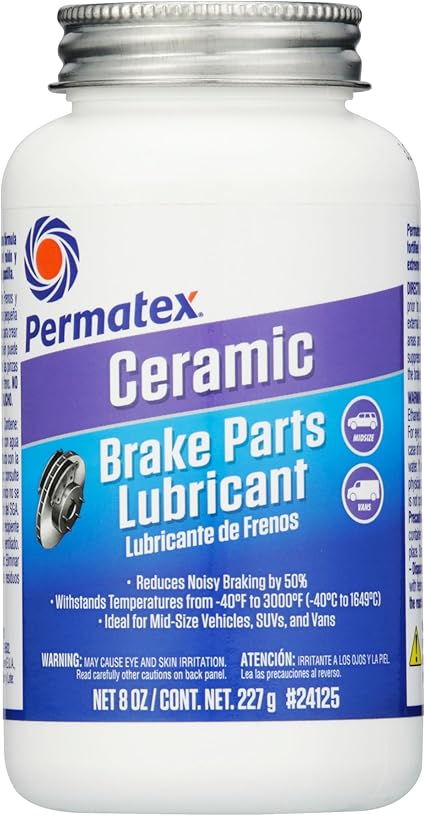 | Permatex Ceramic Brake Lubricant | Check Price |
Our Top Picks 3  | Keze Ceramic Brake Grease | Check Price |
Our Selected Top 13 Grease for Brake Pads for Every Budget
This list features a variety of grease options for brake pads that suit different needs and budgets. Each product is evaluated on performance, suitability for specific users, as well as its advantages and drawbacks, helping readers make an informed choice for their brake maintenance.
1. AGS SIL-Glyde Silicone Brake Grease
AGS SIL-Glyde Silicone Brake Grease is designed for anyone looking to stop brake squeal and keep their brake hardware working smoothly. Its biggest strength lies in the built-in brush applicator that makes applying the grease clean and even, especially on caliper pins and pad ears.
Applying the grease is straightforward thanks to the brush in the cap, which helps spread a thin, consistent layer without getting your fingers dirty. Use it only on hardware like caliper slide pins, pad backing plates, and dust seals, never on friction surfaces like rotors or brake pads. The grease seals out water and road salt, which helps prevent corrosion and keeps things moving freely over time.
Performance-wise, this silicone grease effectively lowers vibration at contact points, noticeably reducing brake noise after servicing. It’s rated up to 425 °F, making it suitable for typical brake temperatures. The paint-on brush keeps application neat, but some people mention the tube size feels small for larger projects.
It excels at quieting brakes and protecting hardware from corrosion.
The built-in brush applicator stands out as a practical feature for neat, precise applications without touching messy grease. Common remarks point to the tube being on the smaller side, which means frequent trips to the store during larger repairs.
Anyone dealing with brake noise and hardware corrosion will appreciate how well it reduces squeal and protects parts. Those tackling extensive brake jobs needing more product might want to look for a larger container.
Pros
- Built-in brush for easy, mess-free application
- Damps brake squeal by reducing vibration
- Seals out water and road salt to prevent corrosion
- Works on various brake hardware components
Cons
- Tube size may feel small for bigger brake jobs
- Not to be applied on pad friction material or rotors
| Specification | Details |
|---|---|
| Container Type | Tube |
| Upper Temperature Rating | 425 °F |
| SAE J300 Viscosity Grade | 20W-50 |
2. Permatex Ceramic Extreme Brake Parts Lubricant
Feels smooth and reliable during brake maintenance, especially for anyone who demands quiet and lasting performance from their brake parts. Best suited for those looking to stop brake noise while ensuring protection against moisture and corrosion. Its biggest strength lies in staying effective even under extreme temperatures.
Application is straightforward with the jar packaging, making it easy to access and control the amount you use. It spreads evenly on disc brake caliper hardware, pistons, and rubber sleeves without breaking down or washing out.
The synthetic ceramic formula resists contaminants, so daily upkeep means less worry about reapplication.
Handles high heat up to 3000 °F without losing its lubricating qualities, making it highly dependable for brake systems. Built from 100% synthetic formula with ceramic solids, it outperforms typical caliper greases and squeak silencers. Most find it excellent at stopping brake noise, yet some mention it can be pricier than standard greases.
The product is well-loved for silencing brake noise and maintaining lubricant integrity even at very high temperatures. On the downside, some mention it costs more compared to standard brake greases, and the jar container might not suit those wanting a squeeze-tube style for precise application.
Anyone who frequently works on disc brakes and values noise reduction and durability will appreciate this lubricant. Those looking for a budget option or prefer easier application methods may want to consider other types of brake greases.
Pros
- Resists moisture and corrosion effectively
- Works across wide temperature range
- Compatible with plastic and rubber parts
- Lasts longer than traditional brake greases
Cons
- Tends to be more expensive than typical greases
- Jar packaging can be less convenient for some users
| Specification | Details |
|---|---|
| Viscosity | 0w |
| Upper Temperature Rating | 3000 °F |
| Flash Point | 500 °F |
| Container Type | Jar |
| Compatible Material | Plastic, Rubber |
| SAE J300 Viscosity Grade | 0W |
3. Keze Ceramic Brake Grease Lubricant
Keze Ceramic Brake Grease Lubricant stands out for its ability to handle the extreme temperatures around brake components. Ideal for anyone wanting a grease that keeps brakes quiet and parts moving smoothly without melting or drying out, it delivers reliable protection even under heavy use.
Applying the grease is straightforward thanks to the tube packaging and its thick, purple formula that stays put where you need it. It spreads easily on caliper pins, brake pads, and shims, helping reduce friction and noise without creating a mess.
The heat resistance means it stays effective, even on parts subjected to intense heat from braking.
Performance is impressive, especially at high temperatures up to 3000°F, where the ceramic and synthetic blend prevents the grease from melting. It forms a strong barrier against rust and moisture, preserving brake parts over time. Users most often praise its noise reduction, while occasional complaints mention its thicker consistency can slow application slightly.
Strongest praise highlights its effective noise elimination and heat resistance, performing well long-term in hot brake environments. The most common gripe involves its thickness, which some find tricky to spread evenly on small parts.
Those seeking lasting lubrication and corrosion protection on brake parts will appreciate this grease. People wanting a lighter, easier-to-spread formula might want to explore other options better suited for quick application.
Pros
- Resists melting up to 3000°F heat
- Reduces brake squeal and friction
- Corrosion-resistant, protects from rust
- Thick formula clings securely in place
Cons
- Thicker consistency can be harder to apply
- May require careful spreading to avoid buildup
| Specification | Details |
|---|---|
| Container Type | Tube |
| Upper Temperature Rating | 3000 °F |
| Compatible Material | Brake Parts |
| Formula Color | Purple |
4. AstraVox Ceramic Brake Grease

Ceramic composition stands out in this brake grease, making it ideal for those who want to reduce noise and prevent rust. Suitable for anyone looking to keep their brake system quieter and longer-lasting, it’s especially strong at stopping vibration and annoying brake squeaks.
Applied easily from a bottle, this grease works well on metal parts like brake calipers, guide pins, and pads. Its setup is straightforward, spreading smoothly to create a protective layer.
Day-to-day driving feels quieter as the lubricant keeps parts moving without harsh sounds or grinding issues, making routine maintenance less frequent.
Its main job of noise reduction is done very effectively, cutting down abnormal sounds and vibrations noticeably. The protection against moisture and corrosion adds to how well it preserves brake components over time.
Most praise highlights the silence it brings, while some mention that it requires careful application to avoid mess.
Strong praise centers on how well this grease eliminates harsh brake noise, improving driving comfort. The most common complaint is about managing the amount applied, as overuse can cause some mess or buildup.
Those wanting quieter brakes and corrosion protection will appreciate this grease. People working on brake systems with mixed materials might want to look for grease made for other surfaces beyond metal.
Pros
- Effectively reduces brake noise and vibration
- Prevents rust and corrosion on brake parts
- Easy application from a bottle container
- Compatible with metal brake components
Cons
- Needs careful application to avoid excess grease
- Limited compatibility with non-metal materials
| Specification | Details |
|---|---|
| Container Type | Bottle |
| Compatible Material | Metal |
5. Silicone Brake Caliper Grease

Known for withstanding extreme heat without melting or running, Silicone Brake Caliper Grease is ideal for anyone wanting quieter and smoother braking. Its best feature is handling high temperatures while keeping brake parts moving freely and silently, making it a solid pick for daily drivers and performance enthusiasts alike.
Applying from the tube is straightforward, making it easy to spread a thin layer on brake pads, calipers, and hardware. The grease creates a lasting barrier that prevents squeaks and vibrations during braking.
Its waterproof nature keeps it effective in wet conditions, ensuring long-term protection for brake components without frequent reapplication.
The grease holds up well under intense heat, rated up to 2100 °F, and stays put without breaking down or washing away. It bonds nicely with rubber, plastic, and metal parts, which helps reduce brake noise effectively. One common praise is how it cuts down on squeaking, while a few users mention it can be a bit thicker than some expect during application.
Silicone brake caliper grease performs well under high temperatures, staying stable during heavy braking without melting or running. It effectively reduces brake squeaks and vibrations by lubricating contact points between pads, calipers, and hardware. Some find the application a bit tricky since it requires careful placement to avoid excess grease on braking surfaces.
Those working on regular passenger cars or light trucks will appreciate the long-lasting, water-resistant protection this grease offers. People dealing with heavy-duty trucks or motorcycles exposed to extremely harsh conditions might want to explore products formulated specifically for those environments. This grease excels in typical driving situations but may need more frequent attention in extreme off-road or racing setups.
Pros
- Handles high temperatures without melting or running
- Reduces brake noise and vibration effectively
- Waterproof and oxidation-resistant for long-lasting use
- Works on rubber, plastic, and metal parts
Cons
- Grease consistency thicker than some expect
- Tube size may require careful dispensing
| Specification | Details |
|---|---|
| Container Type | Tube |
| Upper Temperature Rating | 2100 °F |
| Compatible Material | Rubber; Plastic; Metal |
6. Silicone Brake Parts Lubricant

Choosing a grease that handles extreme temperatures and protects delicate brake components makes the Silicone Brake Parts Lubricant a solid pick for anyone serious about brake maintenance. Its synthetic formula paired with nano-solid ceramics offers strong protection and quiet operation, ideal for those who want reliable, long-lasting brake care.
Applying this lubricant is straightforward since it’s compatible with both plastic and rubber parts, important for preserving seals and pins. It spreads smoothly with its low viscosity, making it easy to coat brake pad pins and caliper parts.
The waterproof nature means it stays effective even in damp or harsh road conditions, reducing rust risks.
Performance-wise, it excels at preventing squealing and seizing due to its high-temperature resistance up to 3000 °F. The patented additives truly keep the brake system moving smoothly. Users often commend how quiet their brakes become after use.
However, some notes mention the viscosity might feel thinner than expected for thicker applications.
Quiet braking and strong heat resistance stand out as this lubricant’s main strengths, helping brakes operate smoothly without squeals. The more common issue involves its consistency feeling thin to those expecting a greasier texture, which can affect handling during application.
Drivers seeking quieter brakes and better corrosion protection for caliper pins with compatible materials will appreciate this lubricant. Those requiring a heavier, thicker grease or easier application might want to look elsewhere.
Pros
- Stops brake squeal by reducing friction noise
- Protects against rust and corrosion on pins
- Works well with plastic and rubber components
- Remains stable at very high temperatures
Cons
- Lower viscosity might not suit all thick grease uses
- Some find bottle dispensing tricky for precise application
| Specification | Details |
|---|---|
| Viscosity | 150 centipoise |
| Upper Temperature Rating | 3000 °F |
| Compatible Material | Plastic, Rubber |
| Nlgi Consistency Grade | Grade 1 |
| Viscosity Level | Low |
7. High Temp Brake Caliper Grease

Stopping your car quietly without that annoying squeal makes a big difference, especially in busy city driving or during cold mornings. High Temp Brake Caliper Grease suits people who want to cut down brake noise and protect brake parts through all weather conditions. Its biggest strength is how durable it stays under extreme temperatures and wet environments.
Applying the grease is straightforward thanks to the tube packaging, letting you target the caliper hardware without getting it on the rotors or pad friction areas. It cushions the contact points thanks to ceramic particles that form a smooth film preventing parts from sticking or wearing too fast. The grease stays put even in freezing cold or scorching heat, and it resists being washed away when wet, keeping the brake system working quietly day after day.
Performance-wise, it does a solid job at reducing vibration and squeal as intended, keeping your brakes quieter for longer periods. The ceramic lubrication also helps reduce friction on sliding components, which could extend the life of your brake hardware. Built to handle temperatures from -40°F all the way up to 3000°F, it suits almost any driving condition.
Some users find the grease’s viscosity a bit thick to spread initially, but most appreciate how well it holds in place after application.
Quiet braking and anti-squeal protection stand out as key benefits, making it great for anyone tired of noisy brakes. Most people notice it stays put under harsh conditions, but some find the grease consistency a bit dense when applying.
Ideal for those wanting durable brake lube that works in extreme temperatures and wet weather. Not the best choice if you prefer a thinner grease or want something safer to apply near rotor surfaces.
Pros
- Extremely resistant to heat and cold
- Reduces brake squeal effectively
- Protects against water washout
- Compatible with common brake materials
Cons
- Grease can be thick and hard to spread
- Must avoid contact with rotors and pad surfaces
| Specification | Details |
|---|---|
| Upper Temperature Rating | 3000 °F |
| Viscosity | 150 centistokes |
| Compatible Material | Epdm Rubber, Nitrile Rubber, Plastic |
| SAE J300 Viscosity Grade | 75W-140 |
| Flash Point | 250 °C |
| NLGI Consistency Grade | Grade 1 |
8. AGS SIL-Glyde Silicone Brake Grease
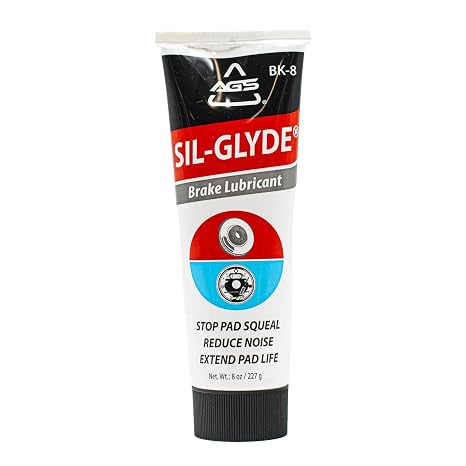
Stops disc brake squeal by damping vibration at contact points, the AGS SIL-Glyde Silicone Brake Grease suits anyone wanting quiet brakes after a pad job. It’s especially handy for those looking to use one safe lubricant across various brake assembly parts without worrying about damaging rubber or plastic components.
Application focuses on hardware like caliper slide pins, guide pins, boots, and pad backing plates, not the pad friction material or rotors. The silicone base means it’s rubber-safe on EPDM and nitrile seals, so it works well across different brake hardware surfaces without causing damage. You squeeze a bit from the tube onto the involved hardware, making setup straightforward and maintenance a breeze.
It effectively eliminates brake squeal by cutting down on vibration where pads meet calipers. The grease stays intact over time and doesn’t degrade rubber parts, which is a big plus.
Reviews praise how quiet brakes stay post-application, though some note the viscosity changes with temperature, which can make spreading it a bit uneven on colder days.
Reviews highlight how well it keeps brakes quiet, appreciating its rubber-safe formula for all hardware parts. Some users mention it gets harder to spread when cold due to varying viscosity.
People needing a single grease for all hardware components will like this grease. Avoid it if looking for something to apply on rotors or friction material since it’s not designed for those.
Pros
- Damps vibration to stop brake squeal
- Safe on EPDM and nitrile rubber seals
- Usable on plastic brake hardware
- Works across entire brake assembly hardware
Cons
- Viscosity changes with temperature
- Not for pad friction material or rotors
| Specification | Details |
|---|---|
| Container Type | Tube |
| Viscosity | Varies with temperature |
9. CRC Synthetic Brake & Caliper Grease

People who work on their own vehicles or in a garage setting will find this grease practical for brake pad maintenance. Its main strength lies in resisting moisture and high temperatures, helping prevent caliper binding and corrosion in various conditions.
Applying it is straightforward since it’s designed for metal-to-metal contact points and sliding surfaces. The synthetic formula handles a wide temperature range from -40°F to 400°F, so it keeps working whether you’re in cold weather or dealing with brake heat after long drives.
Being safe on plastic and rubber parts means it won’t degrade seals or boots around the caliper, making maintenance simpler.
Performance-wise, it does well stopping vibration and sticking issues along brake parts, thanks to its blend of molybdenum, PTFE, and graphite. Users appreciate how it won’t wash away in wet conditions, though some mention the bottle could be easier to control for precise application.
Its synthetic build supports heavy-duty use without breaking down, which many find reassuring for long-term maintenance.
Most people value that the grease stays put under wet conditions and prevents caliper sticking, but many find the bottle tricky to handle when applying it tightly in small areas. The formula’s ability to protect various materials while dealing with temperature extremes makes it reliable for brake parts.
Those working on cars or light trucks within typical temperature limits will appreciate this grease. People dealing with ultra-high heat environments or requiring exact application control might want to look for alternatives better suited to those specific needs.
Pros
- Wide temperature range from -40°F to 400°F
- Safe on plastic and rubber components
- Resists moisture and prevents washout
- Effective on metal-to-metal contact points
Cons
- Bottle design can be hard to control precisely
- Not designed for extremely high heat beyond 400°F
| Specification | Details |
|---|---|
| Upper Temperature Rating | 400 °F |
| Flash Point | 232 °C |
| Compatible Material | Metal;plastic;rubber |
| Container Type | Bottle |
| SAE J300 Viscosity Grade | 0W-20 |
10. CRC Silaramic Brake System Grease

Designed to handle extreme temperatures up to 3000°F, CRC Silaramic Brake System Grease suits anyone needing durable protection for brake calipers and backing plates. Its biggest strength lies in defending against rust, wear, and friction over long periods, making it an excellent choice for high-performance or even racing vehicles.
Applying the grease is straightforward thanks to its tube packaging. It spreads easily on caliper hardware and mating surfaces without making a mess.
The formula stays in place under heavy use and wide temperature swings, meaning less frequent reapplication is needed. It protects the metal parts it contacts, preventing seizure or sticking during daily drives or track days.
Performance feels solid, with lasting protection that stands the heat and prevents corrosion. The anti-wear additives extend the life of moving brake parts. Some users mention the grease can feel thick, requiring a bit more effort during application.
On the upside, its resistance to oxidation ensures it doesn’t break down quickly over time.
Protection against friction and corrosion comes through clearly, lasting even in very high temperatures. The grease’s thickness is commonly noted, meaning it may take a little extra work to spread evenly during setup.
This grease works well for people running performance or racing brakes who need durable, heat-resistant protection. Users looking for a lighter or multi-material grease might want to explore other options.
Pros
- Works well in extreme temperature ranges
- Protects against rust and corrosion
- Contains anti-wear additives for durability
- Easy tube packaging for precise application
Cons
- Grease is thick, application needs some effort
- Only compatible with metal parts
| Specification | Details |
|---|---|
| Container Type | Tube |
| Upper Temperature Rating | 3000 °F |
| Flash Point | 550 °F |
| Compatible Material | Metal |
11. CRC Synthetic Brake & Caliper Grease

CRC Synthetic Brake & Caliper Grease is made for anyone who wants reliable brake lubrication that stands up to extreme temperatures. Its biggest strength lies in defending brake components against binding and corrosion, making it ideal for every brake job.
Applying this grease is straightforward thanks to the tube packaging. Its medium viscosity spreads evenly without dripping, which helps avoid messy application.
Using it on caliper slides and brake pads daily keeps parts moving smoothly. The synthetic base with molybdenum, PTFE, and graphite means it won’t break down easily even in harsh conditions.
Performance-wise, it handles heat impressively, rated up to 600 °F, so it won’t melt away under intense braking. The grease prevents vibrations and helps avoid caliper sticking, which can extend brake life. Most praise mentions how well it resists corrosion.
Some users note it isn’t VOC compliant for California and OTC regions, which limits where it can be legally used.
The most praised feature is its strong resistance to corrosion and ability to prevent brake vibration, maintaining smooth brake operation under heat stress. The main drawback is the environmental restriction, as it cannot be used in California or OTC due to VOC compliance.
Anyone working on brakes outside restricted regions will appreciate the temperature tolerance and anti-corrosion benefits, especially for intensive or frequent brake jobs. Those located in VOC regulation zones in California and OTC should look for a compliant alternative.
Pros
- Handles wide temperature range from -30°F to 600°F
- Prevents caliper binding and vibration
- Medium viscosity spreads easily without mess
- Contains molybdenum, PTFE, and graphite additives
Cons
- Not VOC compliant in California and OTC areas
- Tube size may limit quantity for large jobs
| Specification | Details |
|---|---|
| Container Type | Tube |
| Viscosity | Medium Viscosity (NLGI Grade 2) |
| Upper Temperature Rating | 600 °F |
| Temperature Range | -30°F to 600°F |
12. Ceramic Brake Caliper Grease

Using this ceramic brake caliper grease makes braking quieter and smoother, perfect for anyone tired of annoying brake squeals. It suits drivers who want a reliable way to cut down on harsh noises without complicated maintenance. Its best feature is how effectively it reduces vibrations and squealing in brake components.
Applying the grease is straightforward thanks to its tube container, which makes dispensing simple and mess-free. It works well on calipers, guide pins, and brake pads, forming a smooth protective layer that locks out moisture and road salt. Regular driving benefits from less brake noise, improving comfort during every trip and keeping the brake parts running smoothly.
Performance meets the needs of quiet and protected brakes without a fuss. The grease withstands very high temperatures, rated up to 3000 °F, ensuring it won’t break down under extreme heat.
Users appreciate the durable rust and corrosion protection it provides, which helps extend brake component life. Some found it tricky to apply evenly at times, but mostly it lives up to reducing squeal and wear.
Quieting brake squeals is the top benefit, highly praised by users who want smoother stops. The main complaint is around the grease being tricky to spread evenly on all parts during application. Despite that, it holds up well under extreme heat and protects components from rust.
Drivers needing quieter brakes and solid corrosion protection will appreciate this grease. People looking for easier application or larger quantities might want to consider alternative products better suited to those preferences.
Pros
- Reduces harsh brake noise and vibrations
- Protects against rust and corrosion effectively
- High heat resistance up to 3000 °F
- Easy to apply from tube container
Cons
- Can be challenging to apply evenly sometimes
- Only available in tube format, no larger options
| Specification | Details |
|---|---|
| Container Type | Tube |
| Upper Temperature Rating | 3000 °F |
| Protection | Rust & Corrosion |
| Application Areas | Calipers, Guide pins, Brake pads |
13. Versachem Synthetic Caliper Grease

Synthetic caliper grease suited for anyone wanting to stop brake noises and protect parts from wear. Its biggest strength is its ability to prevent disc brake squeal while guarding against rust and corrosion in tough conditions.
Application is straightforward with a paste formula that spreads easily on metal brake components like calipers and hardware. It’s also useful on spark plug boots and other electrical parts, thanks to its high temperature tolerance.
Handling it doesn’t require any special tools or conditions, and it stays stable from cold starts to hot braking scenarios.
Performance holds up with a temperature range from -5°F up to 400°F, keeping lubricated parts working smoothly without breaking down. The grease sticks well and doesn’t drip or run under heat.
Reviews mention how effective it is at stopping brake squeal, though some note it can be a bit thick or pasty to apply precisely in tight spots.
Brake squeal reduction stands out as the grease’s strongest benefit, keeping calipers quiet and functional. Some users find its paste consistency a bit challenging to apply in small or hard-to-reach areas, making precision a bit tougher.
Drivers seeking a reliable, high-temp paste for metal brake parts will be satisfied here. Those needing a thinner lubricant or compatibility with non-metal materials might want to consider different options better suited to their needs.
Pros
- Works well in high temperature ranges up to 400°F
- Prevents disc brake squeal effectively
- Protects against rust and corrosion
- Suitable for multiple automotive parts
Cons
- Consistency can be too thick for some applications
- Only formulated for metal surfaces
| Specification | Details |
|---|---|
| Viscosity | Paste |
| Upper Temperature Rating | 400 °F |
| Flash Point | 500 °F |
| Compatible Material | Metal |
| Container Type | Bottle |
Best Grease for Brake Pads Comparison Table
| Product | Container Type | Upper Temperature Rating | Compatible Material | Viscosity Grade / Consistency |
|---|---|---|---|---|
| AGS SIL-Glyde Brake Grease | Tube | 425 °F | – | 20W-50 |
| Permatex Ceramic Brake Lubricant | Jar | 3000 °F | Plastic, Rubber | 0W |
| Keze Ceramic Brake Grease | Tube | 3000 °F | Brake Parts | – |
| AstraVox Ceramic Brake Grease | Bottle | – | Metal | – |
| Silicone Brake Caliper Grease | Tube | 2100 °F | Rubber, Plastic, Metal | – |
| Silicone Brake Parts Lubricant | Bottle | 3000 °F | Plastic, Rubber | Grade 1, Low Viscosity |
| High Temp Brake Caliper Grease | Tube | 3000 °F | Epdm, Nitrile Rubber, Plastic | Grade 1, 75W-140 |
| AGS SIL-Glyde Silicone Grease | Tube | – | – | Varies with temperature |
| CRC Synthetic Brake Grease | Bottle | 400 °F | Metal, Plastic, Rubber | 0W-20 |
| CRC Silaramic Brake Grease | Tube | 3000 °F | Metal | – |
| CRC Synthetic Caliper Grease | Tube | 600 °F | – | Grade 2 |
| Generic Ceramic Brake Grease | Tube | 3000 °F | – | – |
| Versachem Synthetic Caliper Grease | Bottle | 400 °F | Metal | – |
- Container TypeTube
- Upper Temperature Rating425 °F
- Compatible Material–
- Viscosity Grade / Consistency20W-50
- Container TypeJar
- Upper Temperature Rating3000 °F
- Compatible MaterialPlastic, Rubber
- Viscosity Grade / Consistency0W
- Container TypeTube
- Upper Temperature Rating3000 °F
- Compatible MaterialBrake Parts
- Viscosity Grade / Consistency–
- Container TypeBottle
- Upper Temperature Rating–
- Compatible MaterialMetal
- Viscosity Grade / Consistency–
- Container TypeTube
- Upper Temperature Rating2100 °F
- Compatible MaterialRubber, Plastic, Metal
- Viscosity Grade / Consistency–
- Container TypeBottle
- Upper Temperature Rating3000 °F
- Compatible MaterialPlastic, Rubber
- Viscosity Grade / ConsistencyGrade 1, Low Viscosity
- Container TypeTube
- Upper Temperature Rating3000 °F
- Compatible MaterialEpdm, Nitrile Rubber, Plastic
- Viscosity Grade / ConsistencyGrade 1, 75W-140
- Container TypeTube
- Upper Temperature Rating–
- Compatible Material–
- Viscosity Grade / ConsistencyVaries with temperature
- Container TypeBottle
- Upper Temperature Rating400 °F
- Compatible MaterialMetal, Plastic, Rubber
- Viscosity Grade / Consistency0W-20
- Container TypeTube
- Upper Temperature Rating3000 °F
- Compatible MaterialMetal
- Viscosity Grade / Consistency–
- Container TypeTube
- Upper Temperature Rating600 °F
- Compatible Material–
- Viscosity Grade / ConsistencyGrade 2
- Container TypeTube
- Upper Temperature Rating3000 °F
- Compatible Material–
- Viscosity Grade / Consistency–
- Container TypeBottle
- Upper Temperature Rating400 °F
- Compatible MaterialMetal
- Viscosity Grade / Consistency–
How to Choose the Right Brake Pad Grease
Choosing the right brake pad grease depends on factors like heat resistance, water repellency, and compatibility with brake materials. These qualities ensure smooth brake operation, prevent corrosion, and reduce wear, ultimately saving money by avoiding premature part replacement and costly repairs.
Heat Resistance
Brake components can heat up quickly, especially during heavy or prolonged braking, reaching temperatures high enough to cause some lubricants to deteriorate or evaporate. In daily use, a grease that can handle these intense temperatures stays reliable; it doesn’t break down or dry out, which means it continues to lubricate properly and prevent wear.
Using a product that struggles with heat often results in decreased protection, leading to squealing, sticking parts, or more frequent maintenance.
Look for greases with temperature ratings above 260°C (500°F) to ensure they hold up under typical braking conditions. Synthetic or ceramic-based greases usually tackle heat better than basic petroleum types. Finding one that maintains consistent performance despite heat makes brake work less demanding over time.
Compatibility with Brake Materials
Brake pads and rotors come in various materials such as metallic, ceramic, or organic blends. Some greases react chemically or cause corrosion on these surfaces, impacting performance and longevity. A compatible product doesn’t harm any pad or rotor type and avoids impairing the friction needed for safe braking.
Greases marked as safe for mixed brake materials are safer bets. They should be free from abrasive fillers and not contain corrosive components like copper unless specifically designed for it.
Avoiding interference with friction means brake responsiveness remains sharp and consistent.
Water and Corrosion Resistance
Brake parts are frequently exposed to water from rain, puddles, or road spray, which can lead to rust and corrosion if not properly protected. Using a grease resistant to water and corrosion means those moist conditions don’t cause damage or reduce lubrication.
Greases featuring strong water repellency or thick, long-lasting films keep moisture out to prevent rust formation. Staying effective in humid or wet environments reduces the chance of sticky calipers or seized components, thus extending the hardware’s lifespan considerably.
Ease of Application and Consistency
Applying grease around brake pads and calipers isn’t always neat or easy, especially in tight spaces. Greases with a smooth, spreadable consistency that clings well to surfaces without dripping make the process cleaner and faster.
This avoids mess and waste and helps the lubricant stay where it’s needed.
Products that work well with brushes, small spatulas, or even fingertips allow more precise application. Choosing the right consistency means less cleanup and less worry about lubricant contaminating the braking surface or other parts.
Noise Reduction Capability
Noise from brakes often originates from vibrations between metal parts rubbing together. A grease that reduces this by acting as a cushioning layer helps keep braking quiet. Over time, consistent noise reduction means fewer distractions and a more comfortable driving experience.
Look for products that maintain their noise-dampening properties without frequent reapply, as some greases wear off quickly under motion and heat. Using a grease that sticks well and absorbs vibration reduces squealing and rattles long term.
Proper Application Techniques for Brake Pad Grease
Applying grease on brake pads requires careful attention to ensure effectiveness and safety. Use a small amount of high-temperature brake grease specifically designed for brake components. Focus on the back of the brake pads and the contact points where the pads meet the caliper or pins.
Avoid getting grease on the friction surface, as it can reduce braking performance significantly.
Use a clean brush or your finger to spread the grease evenly, creating a thin layer. Don’t overapply; excess grease can attract dirt and cause uneven wear.
Before applying, clean all surfaces thoroughly with a brake cleaner to remove dust, old grease, and debris. Reassemble the brake components promptly to prevent contamination from dust or moisture.
- Apply grease sparingly to the back of the brake pads
- Keep grease away from the friction surface
- Clean surfaces before application
- Use grease made for high temperature and brake use
Maintaining Brake Performance Through Regular Grease Inspection
Brake performance can decline if grease deteriorates or becomes contaminated. Regular inspections help maintain optimal function. Check the brake components during routine maintenance or tire changes.
Look for signs of grease drying out, caking, or contamination with dirt and moisture. These conditions can cause noise, uneven pad wear, and reduced braking efficiency.
Remove old grease carefully with a brake cleaner and apply a fresh, thin coat on recommended areas. Inspections should also verify that grease is not present where it shouldn’t be, like the friction surface.
Keeping the greased parts clean and properly lubricated reduces squeaking and allows the brake pads to move smoothly within the caliper.
- Inspect grease condition during brake servicing
- Replace dried or contaminated grease promptly
- Ensure grease is applied only to contact points
- Regular maintenance supports smooth brake operation
Common Mistakes to Avoid When Using Grease on Brake Pads
A common error is applying too much grease, which can cause the grease to spread onto the pad surface during braking. This will reduce the friction needed to stop the vehicle and may cause dangerous braking conditions. Applying grease to areas not intended, such as the rotor or pad surface, should be avoided strictly.
Another mistake involves using the wrong type of grease. Regular lubricants or oils can degrade at high brake temperatures and damage components.
Always choose a product rated for high heat and brake-specific applications. Skipping the cleaning step before applying grease is also problematic. Dirt or old grease left on components can interfere with proper adhesion and function.
- Do not overapply grease
- Avoid grease on friction surfaces
- Use grease formulated for brake systems only
- Clean parts thoroughly before application
People Also Asked
How Do I Apply Grease to Brake Pads Safely?
Apply a thin layer of brake grease to the metal contact points of the brake pads, not the pad surface itself. Avoid getting grease on the braking surface to prevent reduced friction and noisy brakes. Use a small brush or your finger to spread it evenly.
Is Brake Pad Grease Compatible with All Types of Brakes?
Brake pad grease is generally formulated for disc brakes and some drum brakes but is not suitable for ceramic or organic brake pads. Check the grease label for compatibility and avoid using regular grease, as it may melt or fail under high heat.
How Long Does Brake Grease Last on Brake Pads?
Brake grease typically remains effective for several months after application if properly applied and in normal driving conditions. High temperatures and moisture can reduce its lifespan, so reapply during each brake pad replacement or if you notice noise or sticking.
Can Using Too Much Grease Damage My Brake Pads?
Excess grease can attract dirt and debris, which may cause brake drag or uneven pad wear. Use only a small amount on the backing plate and avoid the friction surface to keep brakes working correctly and prevent damage.
What Size Tube of Brake Pad Grease Do I Need?
A 1 to 2-ounce tube is usually enough for most brake jobs, covering all pads and caliper contact points. Buying a slightly larger size can be more cost-effective if you do multiple brake jobs or expect to service several vehicles.
Conclusion
Choosing the right grease for brake pads comes down to a few key points: it should withstand high temperatures, prevent noise and corrosion, and be compatible with the brake system’s materials. Durability matters too, since brake pads face constant friction and heat. Checking the grease’s performance in these areas helps avoid issues down the road.
Consider how often you plan to service your brakes and where you’ll store the grease, this can affect the size and type you need. A smaller tube might be fine for occasional use, while a larger container fits regular maintenance. Revisit the comparison table and the detailed picks above to find the best match for your specific situation.