Top 12 Best Extreme Cold Weather Jacket That Will Amaze You
There is nothing worse than standing outside in freezing temperatures only to find your jacket doesn’t keep out the cold properly. A cheap or wrong jacket can leave you shivering with damp sleeves or frozen fingers.
The best extreme cold weather jacket handles bitter winds and low temps without adding bulk or weight. It also manages moisture well, so sweat and snow don’t leave you soaked or chilly hours later.
Key factors set a solid cold weather jacket apart. The insulation matters most, with down fill powers around 700 to 900 offering excellent warmth-to-weight ratio, while synthetic insulation holds up better when wet.
Fit is crucial; a jacket should provide room for layering but not be loose enough to let cold air in. Features like adjustable cuffs, storm flaps over zippers, and durable water-repellent coatings improve weather resistance and longevity without making the jacket hard to clean or maintain.
Need a Quick Check?
| Image | Product | Price |
|---|---|---|
Our Top Picks 1  | Carhartt Yukon Jacket | Check Price |
Our Top Picks 2  | North Face McMurdo | Check Price |
Our Top Picks 3  | Arctix Tundra Jacket | Check Price |
Our Selected Top 12 Extreme Cold Weather Jacket You Can Trust
This list features twelve reliable jackets designed to withstand extreme cold, each evaluated for warmth, durability, and comfort. You will learn how each jacket performs in harsh conditions, who it is best suited for, and its key advantages and disadvantages to help with your choice.
1. Carhartt Yukon Extremes Insulated Jacket
Designed for cold weather, the loose fit provides excellent layering room, making it ideal for those facing extreme chills. Its insulation keeps warmth steady when temperatures drop, setting it apart as a reliable choice for outdoor work or activities in harsh conditions.
Putting it on feels spacious thanks to the loose fit, allowing thick sweaters underneath without feeling cramped. The band collar helps block wind without adding bulk, and long sleeves cover arms fully for consistent warmth.
Its solid black color means it pairs easily with other gear, making daily wear straightforward and practical.
Performance-wise, the jacket holds heat well across spring and summer cold snaps, thanks to its active insulated design. The anorak silhouette provides added protection against wind.
Reviews note its durable build, but some find the weight a bit heavy for extended wear. Still, warmth and ruggedness often take priority here.
Praise often focuses on the jacket’s durability and reliable insulation that holds up in cold conditions. The main complaint revolves around its weight, which some consider a drawback during longer or active wear. The loose fit consistently receives positive remarks for comfort and layering.
Those spending time outdoors in cool to cold spring and summer environments will appreciate the warmth and durability. People looking for a lightweight option or winter-specific gear should explore other jackets better tailored for harsh winter climates or less bulky wear.
Pros
- Generous loose fit for layering comfort
- Warm insulation for cold weather
- Band collar blocks wind effectively
- Durable construction for tough conditions
Cons
- Some find the jacket heavier than expected
- Best suited for cooler seasons, not extreme winter
| Specification | Details |
|---|---|
| Color | Black |
| Style | Yukon Extremes Loose Fit Insulated Active Jac |
| Sleeve Type | Long Sleeve |
| Coat Silhouette Type | Anorak |
| Seasons | Spring/Summer |
| Fit Type | Loose |
| Collar Style | Band |
| Climate Suitability | Cold Weather |
2. The North Face McMurdo Parka
People who spend long hours outdoors in freezing conditions will appreciate this parka made for cold weather. It suits anyone needing reliable warmth and protection during winter activities.
Its biggest strength lies in combining windproof, waterproof features with a 600 fill recycled down insulation that holds up well to harsh weather.
Daily use revolves around its waterproof DRYVENT 2L shell that keeps snow and rain out. The adjustable 3-piece hood helps block wind on blustery days, and the regular fit offers enough room for layering underneath. Despite being insulated with down, the jacket remains surprisingly lightweight for its warmth level, making it practical from late fall through deep winter.
Performance stands out while facing winter’s worst, living up to the McMurdo name with solid weather protection and insulation that doesn’t bulk up too much. Reviews praise its warmth and waterproof capability, though some note the fit can feel a bit bulky for casual wear. The recycled nylon with a durable water-repellent finish also adds an eco-friendly touch without sacrificing functionality.
Warmth and waterproof protection stand out as the strongest points, making it reliable in extreme cold and wet conditions. Some users find the regular fit a bit bulky, which might feel less comfortable for casual or less active days.
People regularly exposed to cold winter weather and outdoor activities will find this jacket very suitable. Those looking for a slim-fit or more style-focused option might want to explore lighter or less insulated jackets instead.
Pros
- Excellent warmth from 600 fill recycled down insulation
- Waterproof and windproof with DRYVENT 2L shell
- Adjustable hood improves protection on harsh days
- Eco-friendly materials with non-PFC DWR finish
Cons
- Fit can feel bulky for everyday casual wear
- Limited color options available
| Specification | Details |
|---|---|
| Fill | 600 Fill Waterfowl Down Insulation |
| Shell Material | 100% recycled nylon woven with non-PFC DWR finish |
| Shell Technology | Seam-sealed DRYVENT 2L |
| Hood | Adjustable 3 Piece Hood |
| Fit Type | Regular |
| Color | Tnf Black/Tnf Black |
3. Arctix Performance Tundra Jacket
A jacket designed for cold weather outdoor activities, best suited for those who need reliable warmth combined with visibility. Its main strength lies in balancing effective insulation with reflective safety features, making it ideal for staying active after dusk or early in the morning.
Putting it on feels comfortable thanks to a medium-regular fit that avoids bulk while still insulating well. The long sleeves and anorak silhouette give enough coverage, and the tab collar adds a bit of extra neck protection.
It’s straightforward to care for and easy to layer over lighter gear during chilly fall outings.
The jacket holds up well against cold temperatures, providing necessary protection without overheating. Strong reflective elements help with visibility during low-light conditions, a feature that stands out positively.
On the downside, some find the insulation better suited for fall rather than deep winter, making it less versatile in extreme cold than heavier parkas.
Reflective visibility is frequently praised as a key safety feature, especially during night use. The most common drawback mentioned is that the jacket’s insulation falls short when temperatures drop far below typical fall weather.
People who spend time outdoors in chilly but not freezing conditions and want clear visibility will appreciate this jacket. Those expecting heavy-duty warmth in severe winter should consider heavier options instead.
Pros
- Reflective visibility for low-light safety
- Comfortable medium-regular fit
- Light enough for layering without bulk
- Tab collar protects the neck area
Cons
- Best for fall, not extreme cold
- Limited insulation for harsher winters
| Specification | Details |
|---|---|
| Color | Black |
| Style | Performance Tundra Jacket With Added Reflective Visibility |
| Sleeve Type | Long Sleeve |
| Coat Silhouette Type | Anorak |
| Seasons | Fall |
| Fit Type | medium-regular |
4. Yufawow Insulated Waterproof Winter Jacket

Yufawow Insulated Waterproof Winter Jacket excels at keeping you warm and dry during extreme cold conditions. Designed for men who enjoy skiing and other winter outdoor activities, it fits regularly and suits solid, cold-weather protection without feeling bulky.
Its waterproof feature stands out as the biggest strength for harsh weather.
Putting on the jacket feels straightforward thanks to the regular fit and anorak silhouette, which lets you move comfortably during active use. The solid pattern and dark colors like black and dark grey keep it easy to match with gear. Its insulation and waterproof qualities make it reliable for days spent outdoors, whether on ski slopes or hiking in winter.
Performancewise, it does well at keeping the cold and moisture out, which matters most in extreme winter environments. The build feels sturdy and functional but some have noted that breathability could be better during intense activity. Warmth and water resistance are where it really scores, while minor ventilation issues come up occasionally.
Strong waterproofing and insulation ensure warmth and dryness in freezing weather. Occasional complaints focus on breathability, which can make extended intense activity a bit uncomfortable.
Those looking for a dependable winter jacket for skiing or outdoor cold weather will appreciate this one. People needing superior ventilation or more style variety might want to explore other jackets instead.
Pros
- Waterproof to handle wet snow and rain
- Insulated warmth for extreme cold
- Regular fit for comfortable layering
- Durable construction for winter sports
Cons
- Limited breathability during high-exertion
- Only two color options available
| Specification | Details |
|---|---|
| Color | Black Dark Grey |
| Style | Men’s Skiing Jackets |
| Coat Silhouette Type | Anorak |
| Seasons | Winter |
| Climate Suitability | Cold Weather |
| Fit Type | Regular |
5. Columbia Tipton Peak III Insulated Jacket

Warmth comes quickly in cold fall days wearing this black anorak-style jacket with a regular fit and hooded collar. It suits anyone needing solid insulation for casual outings without bulk. Its biggest strength lies in balancing a comfortable fit with dependable cold-weather protection.
Slip it on easily, thanks to the long sleeves and hooded collar for extra coverage. The jacket works well for everyday use with a design meant for colder climates.
Its solid color keeps things simple, while the regular fit offers enough room to layer underneath without feeling tight or overly loose.
Keeping you warm is the jacket’s main purpose, and it delivers with insulation designed for cold weather. Build quality supports the anorak silhouette well.
Most praise focuses on how effectively it retains heat, while the most common drawback seen is limited suitability beyond fall conditions.
Retention of warmth is the jacket’s strongest point, delivering reliable insulation during cold weather. A common complaint is it doesn’t perform well in temperatures beyond typical fall cold, limiting its use for more extreme winter conditions.
Anyone needing a dependable insulated jacket for fall outings will find this a good option. Those looking specifically for gear to combat harsher winter cold might want to consider other jackets with stronger insulation or winter-specific designs.
Pros
- Good cold-weather insulation for fall use
- Comfortable regular fit with room to layer
- Hooded collar adds extra warmth and coverage
- Simple solid black color fits casual occasions
Cons
- Limited use outside of fall season
- Not designed for extreme cold conditions
| Specification | Details |
|---|---|
| Color | Black |
| Style | Tipton Peak III Insulated Jacket |
| Sleeve Type | Long Sleeve |
| Fit Type | Regular |
| Collar Style | Hooded Collar |
| Seasons | Fall |
6. TACVASEN Hooded Water Repellent Parka

Good for anyone needing reliable protection from extreme cold, this parka stands out mainly for its water-repellent feature combined with solid cold-weather performance. It suits outdoor enthusiasts who want comfort without constant worry about moisture or chill.
Putting it on feels straightforward with a regular fit that doesn’t restrict movement. The hood adds extra coverage for windy days. Its long sleeves and overcoat style shield well against cold air, making it practical for activities in fall and winter.
The simple design in black keeps it versatile for different occasions.
Cold weather protection is the main focus here, and it handles that well thanks to the water-repellent fabric. The build feels durable and made for extended outdoor use. Positive notes often mention how it repels moisture effectively.
A common downside is that some users find it bulky, which could affect layering underneath.
The water repellency of this parka is often praised for helping keep users dry in snowy or damp conditions. Many find the bulkiness a drawback, as it adds weight and reduces ease of movement during intense activities.
People needing a dependable, water-repellent jacket for cold weather outdoor sports will suit this well. Those looking for a lighter, more flexible option with detailed insulation tech might want to consider alternatives.
Pros
- Water-repellent fabric keeps dryness during snow and rain
- Regular fit allows for easy layering underneath
- Long sleeves and hood provide good overall coverage
- Simple black design fits many outdoor occasions
Cons
- Can feel bulky, limiting some mobility
- No specific insulation details provided
| Specification | Details |
|---|---|
| Color | Black |
| Style | Tacvasen Mens Winter Coat |
| Sleeve Type | Long Sleeve |
| Coat Silhouette Type | Overcoat |
| Seasons | Fall, Winter |
| Fit Type | Regular |
| Climate Suitability | Cold Weather |
| Occasion | outdoor sports and activities |
7. Carhartt Washed Duck Bartlett Jacket

Made from rugged Washed Duck fabric, the Bartlett Jacket suits anyone looking for dependable warmth in cold weather. Its relaxed fit and aviator style make it a solid choice for casual outdoor wear during fall, with durability standing out as its biggest strength.
Slip into this jacket on chilly days without worrying about feeling cramped, thanks to the relaxed fit and long sleeves. The band collar adds a simple touch while helping keep the wind out.
Wearing it during fall, it handles typical cold weather well, making layering underneath comfortable with its roomy silhouette.
Performance-wise, the jacket blocks cold effectively due to its sturdy material and solid construction. Most praise highlights the durable fabric that withstands wear and tear.
A common grip is that it lacks additional insulation for extreme cold, so it’s better suited to moderately cold conditions than freezing temperatures.
The jacket receives consistent praise for its sturdy, long-lasting fabric, making it reliable for regular outdoor use. However, many note it isn’t sufficiently insulated for the harshest cold, limiting its use to moderately chilly conditions.
People who want a tough, comfortable jacket for casual cold weather outings during fall will likely appreciate its qualities. Those needing serious warmth for freezing temperatures should explore options with heavier insulation.
Pros
- Durable Washed Duck fabric stands up to wear
- Relaxed fit allows easy layering underneath
- Band collar helps block cold wind
- Simple solid dark brown color suits many looks
Cons
- Not insulated enough for extreme cold weather
- Only recommended for fall season use
| Specification | Details |
|---|---|
| Color | Dark Brown |
| Style | Washed Duck Bartlett Jacket |
| Sleeve Type | Long Sleeve |
| Coat Silhouette Type | Aviator |
| Seasons | Fall |
| Climate Suitability | Cold Weather |
8. GEMYSE Waterproof Winter Ski Jacket

Black color and classic style make it a reliable choice for anyone facing extreme cold. The single biggest strength lies in its suitable design for cold weather, ensuring warmth without sacrificing a familiar look.
Perfect for winter activities like skiing or daily wear in biting temperatures.
Wearing a jacket designed as an anorak with a band collar and long sleeves makes layering easy and comfortable. The overall fit type means it feels neither too tight nor too loose, which helps during active use outdoors. The solid pattern keeps it versatile, pairing well with various winter gear without overwhelming your outfit.
The jacket performs solidly in cold conditions, providing consistent warmth throughout demanding winter days. Its build focuses on practical design over flashy features, prioritizing comfort and protection.
The most common praise highlights dependable warmth, while some users mention that lack of advanced waterproof data leaves them cautious in heavy wet snow.
Many find the jacket reliably warm and comfortable for everyday winter use, but concerns about waterproof performance come up, especially in wetter snow conditions. Its simple style and fit get consistent praise for ease of movement and warmth.
Those needing a dependable, warm jacket for cold weather activities will appreciate it. Anyone requiring confirmed waterproof protection for heavy snow or rain might want to consider other options.
Pros
- Classic and versatile black color
- Comfortable overall fit type
- Long sleeves for solid arm coverage
- Anorak silhouette keeps cold out effectively
Cons
- No detailed waterproof rating available
- May feel bulky under heavy layering
| Specification | Details |
|---|---|
| Color | Black |
| Style | Classic |
| Sleeve Type | Long Sleeve |
| Coat Silhouette Type | Anorak |
| Seasons | Winter |
| Climate Suitability | Cold Weather |
9. TACVASEN Waterproof Thermal Ski Jacket

Designed for cold weather walking, this jacket stands out for being waterproof and thermal, making it a solid pick for anyone tackling winter’s chill. Its regular fit and hooded anorak style offer a comfortable way to stay warm without feeling bulky.
Putting on the jacket is straightforward with its anorak silhouette and long sleeves giving decent coverage. The hood adds extra protection against wind and snow, while the solid pattern in a #215 Grey Black color keeps things low-key and versatile. It suits day-to-day winter use well, especially around the holiday season when cold weather really settles in.
It handles cold weather notably through its thermal insulation and waterproof qualities, protecting against wet and chilly conditions. The build emphasizes function over fashion with no noticeable frills but reliable warmth.
Positive notes often mention effective insulation, while some point out the regular fit may not suit those wanting a more tailored or slimmer style.
The jacket is praised for staying warm and dry during cold weather activities, with many appreciating the reliable thermal protection. A common drawback mentioned is the regular fit, which doesn’t suit those looking for a more tailored look. It performs its core function well but leaves style flexibility limited.
Ideal for anyone needing a practical winter walking jacket that handles cold and wet conditions. Individuals seeking a sharper silhouette or a jacket for formal occasions might want to consider options with slimmer cuts or different styles.
Pros
- Effective waterproof thermal insulation
- Comfortable regular fit for layering
- Secure hood against winter elements
- Simple solid color fits many styles
Cons
- Fit may feel loose for slim preference
- Not designed for formal or urban use
| Specification | Details |
|---|---|
| Color | #215 Grey Black |
| Style | Walking |
| Sleeve Type | Long Sleeve |
| Coat Silhouette Type | Anorak |
| Climate Suitability | Cold Weather |
| Collar Style | Hooded |
10. The North Face Thermoball Eco Ski Jacket

Braving bitter cold and wet conditions becomes manageable with a jacket designed for serious winter weather. Ideal for anyone spending long hours outdoors, especially on the slopes, the jacket’s waterproof shell combined with synthetic insulation keeps users warm and dry.
Its standout feature is the ability to layer efficiently, adjusting to shifting conditions without bulk.
Everyday use revolves around layering flexibility thanks to the triclimate design. The outer DRYVENT 2L shell offers breathability and protects against snow and rain, while the inner insulation adds warmth without weight.
Features like the snap-down powder skirt and helmet-compatible hood make it easy to stay comfortable while moving from lift rides to lodge breaks. The regular fit allows good mobility without feeling restrictive.
Performance focuses on maintaining dryness and warmth in wet, cold weather. The waterproof recycled polyester with non-PFC durable water repellent finish and seam-sealed protection handles snow and slush well. Reviews highlight warmth and weather resistance as key benefits.
Some note occasional bulkiness during everyday wear, especially when not actively skiing or in extreme conditions.
The jacket excels at keeping wearers dry and warm thanks to the recycled waterproof DRYVENT shell and synthetic insulation. Users regularly appreciate the layering system for adapting to changing weather, though some find the jacket bulky when worn casually or in less extreme conditions. The helmet-compatible hood and powder skirt add functional protection on snowy days.
Anyone who spends time skiing or in consistently cold, wet environments will find reliability and comfort. Those seeking a lightweight or versatile jacket for milder weather might want to explore lighter options. The fit and insulation focus on cold weather make it less practical for warmer seasons or everyday urban use.
Pros
- Waterproof and breathable recycled polyester shell
- Layering-friendly triclimate design
- Helmet-compatible hood with hidden adjustment
- Snap-down powder skirt with gripper elastic
Cons
- Can feel bulky outside skiing activities
- Best suited for cold weather, less for mild seasons
| Specification | Details |
|---|---|
| Material | 100% waterproof recycled polyester with non-PFC DWR |
| Climate Suitability | Cold Weather |
| Coat Silhouette Type | Anorak |
| Season | Fall |
| Fit Type | Regular |
| Collar Style | Hooded |
11. Eskimo Roughneck Jacket
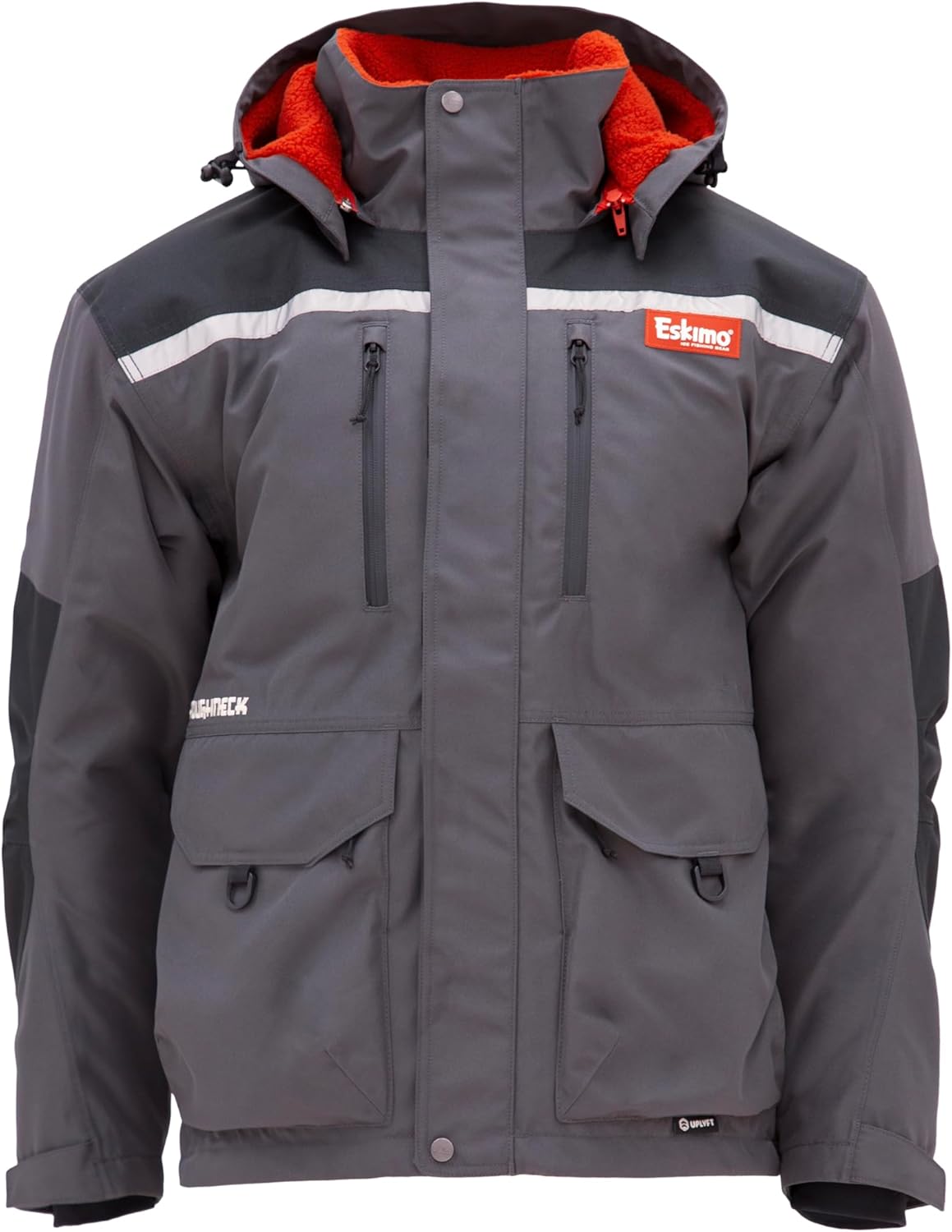
Ready for brutally cold days, the jacket’s cold weather suitability stands out for anyone facing harsh winter conditions. Its classic fit ensures comfort without bulk, making it a solid pick when warmth and practicality are top priorities in snowy outdoor activities.
Slipping on the jacket feels natural with its anorak style and round collar, blocking cold air without extra fuss. The long sleeves cover well and the solid forged iron color blends easily with winter gear. It works well layered over mid-weight clothing for hiking or casual outdoor use, fitting steadily without restricting movement.
The jacket handles freezing temperatures reliably, providing consistent warmth during extended outdoor exposure. Constructed with a classic silhouette, it holds up nicely in wind and snow but could feel heavier compared to lighter shell jackets. Reviews often praise its insulation and temperature retention while noting occasional heaviness as a drawback.
The jacket keeps warmth reliable even in cold, windy conditions, making it trustworthy for outdoor winter activities. Some users find the weight noticeable during long periods of wear or more intense movement.
Those focused on solid insulation and a straightforward, time-tested style will appreciate this jacket. Anyone needing a lightweight or highly technical design may want to explore other options better tailored for agility and minimal bulk.
Pros
- Warm and suited for cold weather
- Classic fit offers a comfortable feel
- Long sleeves provide full arm coverage
- Solid forged iron color masks dirt well
Cons
- Heavier than some other winter jackets
- Limited style options beyond classic look
| Specification | Details |
|---|---|
| Color | Forged Iron |
| Style | Classic |
| Coat Silhouette Type | Anorak |
| Seasons | Winter |
| Climate Suitability | Cold Weather |
12. Canada Weather Gear Sherpa Puffer Jacket

Anyone heading for extreme cold weather who wants a dependable, casual jacket will appreciate its warmth and comfort. It suits those needing serious insulation without a bulky feel.
The strongest feature is how well it handles freezing temperatures while staying stylish enough for everyday wear.
Putting it on feels like wrapping yourself in a heat trap thanks to the quilted design and thick padding. The long sleeves keep out drafts and the black color hides dirt well.
It moves easily for daily errands or outdoor activities in winter, making it practical and low-maintenance.
Its main job of keeping you warm in extreme cold is handled very well through solid construction and careful insulation. The quilted pattern isn’t just for looks, it helps maintain heat evenly throughout.
Most praise highlights just how cozy it is, while the most common complaint mentions that it can feel a bit heavy during longer wear.
The jacket excels at maintaining warmth with its quilted insulation, which users find very cozy. The most frequent downside is its weight, which can feel noticeable when worn for long stretches.
People who want a reliable winter jacket that combines warmth and casual style will be satisfied. Those needing something lighter or more formal might prefer exploring other options.
Pros
- Keeps warm in extreme cold weather
- Quilted design traps heat effectively
- Black color hides dirt well
- Comfortable for daily casual wear
Cons
- Can feel heavy after extended use
- Limited to casual occasions, not formal
| Specification | Details |
|---|---|
| Color | Black |
| Style | Puffer Jacket |
| Sleeve Type | Long Sleeve |
| Coat Silhouette Type | Quilted |
| Climate Suitability | Extreme Cold |
| Occasion | casual_wear |
Best Extreme Cold Weather Jackets Comparison Table
| Product | Climate Suitability | Season | Fit Type | Coat Silhouette Type |
|---|---|---|---|---|
| Carhartt Yukon Jacket | Cold Weather | Spring/Summer | Loose | Anorak |
| North Face McMurdo | Cold Weather | Fall | Regular | Anorak |
| Arctix Tundra Jacket | Cold Weather | Fall | Medium-Regular | Anorak |
| Yufawow Winter Jacket | Cold Weather | Winter | Regular | Anorak |
| Columbia Tipton Peak | Cold Weather | Fall | Regular | Anorak |
| TACVASEN Water Repellent Parka | Cold Weather | Fall, Winter | Regular | Overcoat |
| Carhartt Bartlett Jacket | Cold Weather | Fall | Relaxed | Aviator |
| GEMYSE Ski Jacket | Cold Weather | Winter | Overall | Anorak |
| TACVASEN Thermal Ski Jacket | Cold Weather | Winter | Regular | Anorak |
| North Face Thermoball | Cold Weather | Fall | Regular | Anorak |
| Eskimo Roughneck | Cold Weather | Winter | Classic | Anorak |
| Canada Weather Sherpa Puffer | Extreme Cold | Winter | – | Quilted |
- Climate SuitabilityCold Weather
- SeasonSpring/Summer
- Fit TypeLoose
- Coat Silhouette TypeAnorak
- Climate SuitabilityCold Weather
- SeasonFall
- Fit TypeRegular
- Coat Silhouette TypeAnorak
- Climate SuitabilityCold Weather
- SeasonFall
- Fit TypeMedium-Regular
- Coat Silhouette TypeAnorak
- Climate SuitabilityCold Weather
- SeasonWinter
- Fit TypeRegular
- Coat Silhouette TypeAnorak
- Climate SuitabilityCold Weather
- SeasonFall
- Fit TypeRegular
- Coat Silhouette TypeAnorak
- Climate SuitabilityCold Weather
- SeasonFall, Winter
- Fit TypeRegular
- Coat Silhouette TypeOvercoat
- Climate SuitabilityCold Weather
- SeasonFall
- Fit TypeRelaxed
- Coat Silhouette TypeAviator
- Climate SuitabilityCold Weather
- SeasonWinter
- Fit TypeOverall
- Coat Silhouette TypeAnorak
- Climate SuitabilityCold Weather
- SeasonWinter
- Fit TypeRegular
- Coat Silhouette TypeAnorak
- Climate SuitabilityCold Weather
- SeasonFall
- Fit TypeRegular
- Coat Silhouette TypeAnorak
- Climate SuitabilityCold Weather
- SeasonWinter
- Fit TypeClassic
- Coat Silhouette TypeAnorak
- Climate SuitabilityExtreme Cold
- SeasonWinter
- Fit Type–
- Coat Silhouette TypeQuilted
How to Choose the Right Cold Weather Jacket
Choosing a good cold weather jacket means focusing on warmth, insulation type, waterproofing, and durability to ensure reliable protection in harsh conditions. Getting these factors right prevents discomfort, frequent replacements, and unnecessary expenses over time.
Insulation Quality
Choosing the right insulation can make a big difference in how cold you actually feel during extended exposure in freezing weather. Down insulation offers an impressive warmth-to-weight ratio, meaning it traps heat effectively without making the jacket bulky. Synthetic insulation, while often heavier, performs better when damp and still retains heat well.
In extremely low temperatures, insulation thickness affects not just warmth but also mobility; overly thick jackets can feel awkward and restrict movement, especially if you’re active outdoors.
A jacket with moderate to high fill power down (600 to 900) or high-quality synthetic fibers strikes a balance by keeping you warm without being cumbersome. Thickness should be enough to hold body heat but not so much that layering underneath becomes difficult or the jacket loses flexibility. Expect to see insulation layers ranging from about 100 to 250 grams depending on the intended temperature range.
Water and Wind Resistance
Waterproofing is essential to keep you dry when it snows or sleets, and windproof fabrics prevent chilling gusts from cutting through the insulation. A jacket with a durable water repellent (DWR) finish will shed light moisture, but this coating can wear off after heavy use, making maintenance important.
Breathability is just as critical to avoid sweating inside the jacket, which leads to dampness and cold.
Materials like Gore-Tex or other laminated membranes do a good job blocking wind and water while allowing sweat vapor to escape. Without enough breathability, moisture builds up, causing discomfort and reducing insulation effectiveness. Look for ratings or terms like 10,000 mm waterproofness and high vapor transmission rates for fabrics designed for prolonged harsh conditions.
Fit and Mobility
The daily experience of wearing an outer layer depends heavily on how well it fits with your base and mid-layers. You need enough room to move without feeling squeezed while avoiding excess space that lets cold air circulate.
Adjustable cuffs, hoods, and waistband features let you customize the fit and seal out drafts.
Some jackets offer articulated sleeves or gusseted underarms to prevent binding when climbing or using trekking poles. The goal is a snug fit that keeps warmth in and cold out but still feels comfortable for extended wear.
Too tight wears out materials fast and restricts movement; too loose sacrifices heat retention.
Durability and Construction
Spending time outdoors on rocky terrain or dense forests can quickly ruin outerwear that lacks durability. A strong outer fabric like ripstop nylon or heavy-duty polyester resists tears and abrasions caused by branches, rocks, and backpacks.
Durable stitching and taped seams keep the jacket from splitting and prevent water from seeping in at vulnerable points.
Jackets designed for rugged use show consistent quality in construction and often feature reinforcement in high-wear areas like shoulders and elbows. Lower quality or lightweight models may fail after just a few seasons. Seam sealing also plays a role in weatherproofing and adds longevity.
Additional Functional Features
Storage pockets insulated for hand warmth provide comfort during breaks and keep essentials like phones and wallets safe from the cold. Pockets with secure closures prevent loss when moving fast.
A hood with multiple adjustment points improves protection and visibility, fitting closely to block wind but allowing a clear field of vision.
Compatibility with other gear, such as straps or harnesses, is important for those carrying heavy packs or using climbing equipment. Features like helmet-compatible hoods and low-profile pockets that don’t interfere with gear add to functionality without compromising warmth or comfort.
How to Layer Effectively with Extreme Cold Weather Jackets
Choosing the right layers underneath an extreme cold weather jacket makes a significant difference in staying warm. Start with a moisture-wicking base layer to keep sweat away from your skin. Wool or synthetic fabrics work well for this purpose.
Next, add an insulating layer, like a fleece or lightweight down, to trap body heat. The jacket offers strong wind and water resistance while still remaining breathable.
Attention to fit matters too: A jacket that is too tight compresses insulation and reduces warmth, while one that is overly loose allows cold air to enter. Keep in mind that pockets and collars should remain accessible when layered.
- Base layer: synthetic or merino wool for moisture control
- Mid layer: fleece or down for heat retention
- Outer jacket: durable shell with insulation and weather protection
This combination balances warmth, movement, and comfort during extreme cold conditions.
Essential Maintenance Tips to Prolong Your Jacket’s Lifespan
Frequent washing can degrade an extreme cold weather jacket’s insulation and water repellency, so cleaning only when necessary keeps it functional longer. Spot cleaning small stains with a damp cloth avoids unnecessary wear.
Use a gentle detergent formulated for technical outerwear during washing and avoid fabric softeners.
Drying is crucial: Air drying is often safer than heat, but tumble drying on low with clean tennis balls can help restore loft in down jackets. Store the jacket in a cool, dry place away from direct sunlight to prevent material deterioration.
- Avoid over-washing to preserve insulation and coatings
- Reapply durable water repellent treatments periodically
- Check zippers and seams for damage and repair promptly
Proper care maintains the jacket’s performance across multiple winters.
Comparing Extreme Cold Weather Jackets to Other Winter Gear Options
Extreme cold weather jackets differ from regular winter coats mainly in their insulation type and weather resistance. These jackets typically use higher-loft down or advanced synthetic fills designed to trap heat more efficiently in subzero temperatures. Materials also tend to be tougher, with reinforced seams and water-repellent finishes to handle harsh conditions.
Compared to layering systems like shell and fleece, an extreme cold weather jacket often combines insulated layers and a protective shell into one piece, reducing bulk. However, traditional layering offers more flexibility to adapt to changing temperatures or activity levels.
- Extreme cold weather jackets provide integrated insulation and shield
- Regular winter coats may lack sufficient fill or durable outer fabrics
- Layering systems provide versatility but require more coordination
These jackets are better suited for consistently frigid environments where dependable warmth and wind protection are priorities.
People Also Asked
How Do I Properly Size an Extreme Cold Weather Jacket?
Choose a jacket size that allows layering underneath without being too loose. Trying it on with warm layers helps determine if it fits comfortably around the shoulders and chest. Make sure the sleeves cover your wrists completely to block out cold air.
What Is the Best Way to Clean and Care for This Jacket?
Most extreme cold weather jackets require gentle washing with cold water and a mild detergent, avoiding fabric softeners. Air drying is best to maintain the jacket’s insulation and waterproofing. Regularly reapply a water-repellent spray to keep the outer layer effective.
Are Extreme Cold Weather Jackets Safe for Icy and Windy Conditions?
These jackets are designed with insulated materials and windproof fabrics to protect against cold and wind. Look for features like adjustable cuffs, snug hoods, and storm flaps that help block icy wind. Keep the jacket zipped and fastened for the best protection during harsh weather.
How Long Does a Typical Extreme Cold Weather Jacket Last?
A quality extreme cold weather jacket can last several years with proper care. Avoid excessive machine washing and store it in a dry place to preserve insulation. Over time, the insulation might compress, so occasional recharging or replacement could be necessary.
What Are Common Problems with Extreme Cold Weather Jackets to Watch For?
Common issues include zipper failures, insulation clumping or thinning, and outer fabric wear from abrasion. Watch for seam leaks that can let moisture in, and check that all adjustments work properly before buying or after extensive use. Repair or patch early for continued protection.
Conclusion
Warmth, durability, and weather resistance are the key points to look for in an extreme cold weather jacket. The insulation should keep you comfortable in frigid temperatures, while the outer material must block out wind and moisture.
Fit and layering space also matter; you need enough room to layer underneath without feeling bulky or restricted.
Choose a jacket that fits your climate, budget, and how often you’ll wear it. A heavy-duty coat makes sense if you spend a lot of time outside in severe cold, but a lighter option might work if use is occasional. Check the comparison table and details above for features and prices to find the right balance for your needs.