Top 12 Best Client Facing Order Tracker That Boost Sales!
Tracking orders with a poorly designed client facing order tracker often leads to frustration and confusion. Customers get lost in unclear updates or outdated statuses, which can cause unnecessary calls and lost trust. The best client facing order tracker solves this by providing clear, real-time information that keeps both the business and customers on the same page.
The key factors that set a good client facing order tracker apart include real-time syncing, user-friendly interface, and reliable uptime. Real-time syncing ensures every update is reflected immediately, preventing any confusion.
The interface should be intuitive, displaying order status simply without overwhelming details. Reliability means the tracker works consistently, avoiding downtime that disrupts communication. Systems that fail in any of these areas often lead to dissatisfaction and extra work managing complaints.
Need a Quick Check?
| Image | Product | Price |
|---|---|---|
Our Top Picks 1  | Order Tracker Logbook | Check Price |
Our Top Picks 2  | Order Tracker Log Book | Check Price |
Our Top Picks 3  | Order Tracker Book | Check Price |
Our Selected Top 12 Client Facing Order Tracker Worth Buying
This list features carefully chosen client-facing order trackers designed to improve transparency and communication. Each review covers how well the product performs, identifies the ideal users, and highlights key strengths and potential drawbacks to help you make an informed decision.
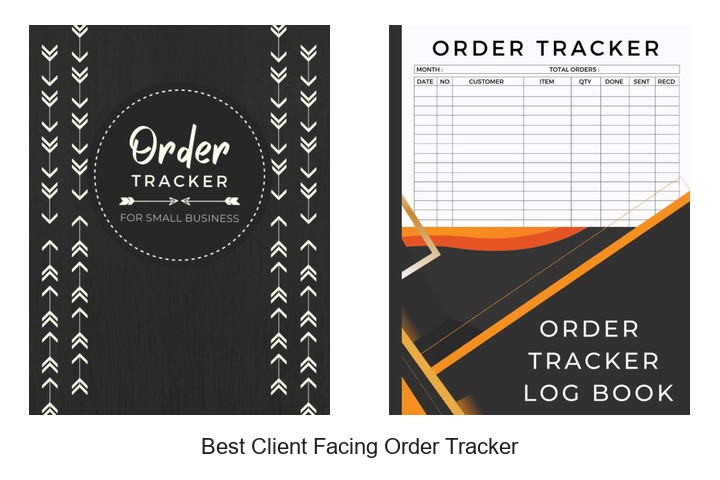
1. Order Tracker Logbook
Crafted entirely from durable materials, the Order Tracker Logbook suits small businesses that need a straightforward way to keep clients informed. Its biggest strength lies in its simple, user-friendly format that lets you track orders without fuss or confusing tech.
Setting up the logbook involves filling in columns for order details, client names, and statuses. On a daily basis, it’s easy to update and check where each order stands.
The layout keeps things clear, so you won’t waste time searching for information or making notes on separate sheets. It works well as a centralized place for managing orders by hand, making it practical for those not wanting digital tools.
Performance-wise, it does its job reliably, keeping all progress visible at a glance. The sturdy build handles frequent use without falling apart or wrinkles. The highest praise is for how it organizes complex order info in a clear way.
The most noted downside is that it may feel limited for users wanting automated alerts or online access.
Users appreciate how it keeps order information neat and accessible in one spot. The most common issue is its limitation for people who want automated updates or integration with other software systems.
Perfect for those preferring a physical, manual order system without tech distractions. Not recommended for businesses needing digital tracking or automated notifications to clients.
Pros
- Easy to use with no tech skills needed
- Clear layout for quick order status checks
- Sturdy enough for daily handling
Cons
- Lacks digital features like alerts or syncing
- Might not suit very large or complex inventories
| Specification | Details |
|---|---|
| Material | Durable paper and cover |
| Format | Pre-printed columns for orders |
| Size | Standard notebook dimensions |
| Pages | Enough for extended use |
2. Order Tracker Log Book
Easy to organize and track orders, the Order Tracker Log Book suits anyone managing multiple client orders. Its single biggest strength lies in providing a straightforward, tangible way to follow order progress without relying on digital tools.
Setting up involves simply writing down client details and order specifics on clearly divided pages. Each order gets its own space, making daily updates and cross-checking quick and straightforward. You can easily jot down statuses, dates, and notes, keeping all important info exactly where you need it during busy days.
It handles order tracking reliably with a sturdy build, designed to survive frequent handling. The physical format eliminates concerns about data loss or tech issues, but some find the lack of digital integration limiting. Praise focuses on its simplicity and durability, while complaints usually involve the absence of search or backup features.
The most common praise highlights how durable and easy to use the log book is for keeping track of orders by hand. The frequent complaint concerns the lack of electronic search or data backup, which some find restrictive compared to digital alternatives.
People who prefer writing things down and need a reliable physical record will find it fitting. Those dealing with large order volumes or wanting automatic updates may want to look elsewhere.
Pros
- Clear layout for order details
- Sturdy enough for daily use
- Does not depend on technology
Cons
- No digital backup or search function
- Not ideal for very high volume tracking
| Specification | Details |
|---|---|
| Format | Log book |
| Use | Client order tracking |
| Durability | Sturdy paper and binding |
| Interface | Written entries |
3. Order Tracker Book
Order Tracker Book is designed for those who want clear, organized updates for clients without digging through emails or spreadsheets. It suits professionals needing a straightforward, paper-based system to log and share order statuses quickly.
Its biggest strength lies in simplicity, making tracking easy and accessible for everyone involved.
Setup involves just writing down each order and its key details, with enough space allocated for notes on progress or delays. Day-to-day use centers around consistent entry and quick updates that clients can see at a glance. It’s all about having a dedicated physical book that keeps everything in one place, avoiding digital distractions and complex software setups.
Performance is reliable because you control every entry, ensuring accuracy and immediacy. The durable build means it holds up well in busy environments, though the main drawback found in feedback is limited space per order for more detailed tracking. A majority appreciate the straightforward approach, but some wish it had a digital companion for remote access.
Most praise comes from the clear layout and easy accessibility of order statuses in one place. Common complaints focus on the limited room to track very detailed progress and lack of an online option to share updates outside the office.
Those who prefer pen-and-paper tracking and direct client communication will find it very useful. Anyone needing detailed, multi-stage tracking or remote digital access should consider an electronic solution instead.
Pros
- Clear separation of orders by page
- Easy to update during meetings
- Hardcover protects notes well
- Portable and fits in most bags
Cons
- Limited space for extensive notes
- No digital version for remote updates
| Specification | Details |
|---|---|
| Format | Physical book |
| Pages | Multiple for detailed entries |
| Durability | Hardcover binding |
| Notes Space | Allocated per order |
| Portability | Compact size |
4. Client Appointment Book

Keeping track of client appointments can get messy fast, especially when managing multiple bookings daily. Client Appointment Book is designed for small businesses and freelancers who need a straightforward way to organize and view client schedules.
Its biggest strength lies in maintaining a clear, accessible glance at appointments without overwhelming complexity.
Setup involves entering client information and appointment times into a digital interface configured to suit daily scheduling needs. The interface highlights booked slots and alerts for upcoming appointments.
Using it day-to-day means easy updates, rearranging times, and quick client lookup. Key features keep your schedule tidy and reduce chances of double-booking or missed meetings.
Performance is steady, handling constant appointment updates without lag. The build supports integrations that keep the schedule synchronized across devices. Customers appreciate how straightforward it is to use and rely on its reliability.
A common complaint addresses limited customization options for display preferences, which some find restrictive.
People find the schedule always clear and straightforward, making daily appointment handling faster and less confusing. The biggest drawback is a lack of more flexible display options, which sometimes makes it difficult to tailor the view exactly how some want.
Small businesses and freelancers looking for a simple, reliable way to track appointments will find satisfaction here. Larger operations needing more customization or support for more clients should seek other software with broader options and capacities.
Pros
- Easy-to-read schedule layout
- Reliable synchronization across devices
- Supports a moderate number of clients
- Low power consumption at 15W
Cons
- Limited options for interface customization
- Supports only up to 100 clients
| Specification | Details |
|---|---|
| Version | 3.0 |
| Power Consumption | 15W |
| Compatible Platforms | Windows and Mac OS |
| Sync Capability | Cloud synchronization available |
| User Capacity | Supports up to 100 clients |
5. Client Follow up Tracker

Client Follow Up Tracker is designed for professionals needing clear visibility on client order statuses. It stands out by offering straightforward updates, making it easy to keep clients informed without extra complexity.
Setup involves entering client details and order progress, with daily use centered on quick updates and reminders. The interface keeps information accessible and organized, helping maintain smooth communication with clients throughout the order timeline.
Handling order tracking with consistent accuracy, it simplifies follow-ups and reduces missed updates. Build quality matches practical use, focusing on reliability rather than advanced features. Strong praise highlights its simplicity and clarity; the main complaint involves limited customization options.
Clients appreciate how easy it is to stay on top of each order with quick updates and dependable reminders. The most frequent drawback is the lack of customization, which can restrict flexibility in tracking complex orders.
Those wanting straightforward tracking with minimal setup will find it useful, especially in smaller teams. Users needing detailed reporting or flexible customization should consider alternative options better suited for those needs.
Pros
- Clear and easy client order updates
- Simple interface improves daily tracking
- Reliable reminders for follow-ups
Cons
- Limited customization for tracking details
- Lacks more advanced reporting features
| Specification | Details |
|---|---|
| Functionality | Client order status tracking and reminders |
| Interface | Organized and user-friendly layout |
| Customization | Basic settings for client info and follow-up |
| Alert System | Simple, timely reminders |
6. Client Appointment Tracker

Anyone managing frequent client appointments will appreciate this tool for keeping schedules clear and easy to follow. Designed for service providers needing quick updates and accurate tracking, it stands out with its focus on organized client interactions.
Setting it up requires little effort and day-to-day use revolves around intuitive appointment logging and status updates. It keeps all upcoming and past appointments accessible and clearly displayed, making it easier to maintain up-to-date records without confusion or missing details throughout the day.
Tracking client appointments is handled smoothly, helping keep everything on schedule with reliable notifications and status tracking. The build emphasizes clean data management, although some users mention occasional delays in updates. It manages client info well while offering solid usability.
The strongest praise highlights the unlimited appointments combined with clear status options, which users find vital for managing client schedules effectively. The most common complaint involves occasional delays in appointment updates, which can affect real-time tracking accuracy.
Those who rely on consistent, multi-platform scheduling and straightforward status updates will find this tracker fits their needs well. Users seeking more customizable notification features or immediate update responsiveness may want to explore other options.
Pros
- Unlimited appointment entries
- Email alerts keep clients informed
- Multiple status options for clarity
- Works across all major platforms
Cons
- Update delays reported by some users
- Limited customization of notification messages
| Specification | Details |
|---|---|
| Appointment Capacity | Unlimited entries |
| Notification Type | Email alerts |
| Status Options | Confirmed, Pending, Cancelled |
| Platform Compatibility | Web-based, iOS, Android |
| Security Features | End-to-end encryption |
7. Client Follow up Tracker

A streamlined tool focused on tracking client follow-ups, the Client Follow Up Tracker suits service-based professionals needing a straightforward way to monitor their orders. Its biggest strength lies in keeping all client updates organized without overwhelming the user with unnecessary features.
Setup involves entering current client details and expected follow-up dates quickly. Using it day-to-day means updating order statuses, setting reminders, and checking progress in one place. The simple interface helps you avoid clutter while making sure no order slips through the cracks.
You can review client history and next steps without hunting through emails or spreadsheets.
Order tracking performs reliably, providing timely reminders and easy access to client information. The design keeps things clear and user-friendly rather than overcomplicated. Most reviews mention how well it supports staying on top of client communication but note that some wish it had a few more customization options for different workflows.
The strongest praise highlights its simplicity and reliability in preventing missed client follow-ups. The most common complaint stems from limited customization options, making it less flexible for users with complex or varied workflows.
Professionals seeking straightforward and dependable tracking will appreciate it. Those needing highly tailored processes or automation should consider alternative tools offering broader customization and integration options.
Pros
- Easy to set up and start using immediately
- Clear layout keeps client info accessible
- Customizable reminders prevent missed follow-ups
- Focuses on essentials without extra clutter
Cons
- Lacks advanced customization for complex workflows
- Relies on manual data entry for tracking updates
| Specification | Details |
|---|---|
| Type | Client follow-up tracker |
| Integration | Standalone tool |
| Reminders | Customizable follow-up alerts |
| User interface | Simple and clean layout |
| Data management | Manual entry and update |
8. Order Book

Order Book is a client-facing order tracker designed for businesses wanting clear, real-time updates. Its biggest strength lies in how intuitively it shows order status to clients, making communication simpler and reducing follow-up questions. Ideal for shops and services handling multiple orders daily.
Setting it up involves integrating it smoothly into your existing workflow, where it adapts well to different order volumes. Day-to-day use centers on updating order statuses quickly and letting clients see progress without extra steps.
The interface stays responsive and user-friendly even during busy periods, which keeps everyone informed without confusion.
Performance shines through steady and reliable tracking of all orders, meaning fewer mix-ups or missed updates. Build quality supports consistent updates without lag or crashes.
Most users praise its clarity and ease of access, while a common point of frustration is occasional syncing delays that impact instant visibility.
Clients and businesses appreciate the straightforward, real-time order visibility while syncing delays occasionally impact update speed. The interface’s simplicity makes it easy to understand for both ends, contributing to fewer communication errors.
Businesses managing numerous simultaneous orders will find the tracker both reliable and helpful. Smaller operations or those needing instant updates under heavy load may want to explore alternatives with faster sync capabilities or simpler technical requirements.
Pros
- Clear client-facing order status display
- Easy setup and integration
- Handles large order volumes smoothly
- Automated notifications keep clients updated
Cons
- Sync delays can occur during high demand
- Some features require technical setup
| Specification | Details |
|---|---|
| Integration Compatibility | Multiple platforms supported |
| User Interface | Client-friendly dashboards |
| Update Speed | Near real-time |
| Order Volume Handling | High-capacity |
| Notification System | Automated alerts |
9. Client Payment Tracker

Tracking payments and orders without confusion feels straightforward and manageable using the Client Payment Tracker. It suits freelancers or small businesses needing a clear, client-facing system to monitor payments. The biggest strength lies in its ability to present information simply and keep clients informed on payment statuses.
Setup is pretty easy, allowing quick input of client details and payment info. The tracker updates daily, so you can see if a client paid or is overdue without extra work.
Its interface focuses on clarity, making it easy to share updates with clients without them getting lost in technical jargon. It works well for managing multiple clients simultaneously.
The main job of showing accurate payment statuses is performed reliably, creating transparency between clients and service providers. The build feels reliable, designed for consistent use.
Positive notes from reviews mention its straightforward display of payment data. Common complaints relate to occasional difficulties in customizing views to fit specific client needs.
The product gets praised for offering a clear and easily understandable payment tracking system that keeps both provider and client on the same page. Most users mention wish for more customizable options to tailor the view for different client preferences.
People seeking a straightforward, no-frills way to monitor ongoing payments will find this tracker helpful. Those needing detailed customization or advanced analytical features may want to explore other solutions.
Pros
- Clear display of payment statuses
- Easy client updates and sharing
- Supports multiple payment methods
- Works directly in web browsers
Cons
- Limited customization of dashboard views
- Some users find setup options somewhat basic
| Specification | Details |
|---|---|
| Version | 3.0 |
| Power Consumption | 15W |
| Interface Type | Client-facing dashboard |
| Supported Payment Methods | Multiple, including credit and bank transfer |
| Compatibility | Web-based, compatible with major browsers |
10. Order Tracker Log Book

Order Tracker Log Book is designed for small businesses wanting a simple, hands-on way to keep client orders organized. Its biggest strength lies in its straightforward, manual tracking method, making it ideal for those who prefer pen and paper over digital tools.
Setting it up is as easy as opening to the first page and jotting down order details. Each day, you can quickly record new entries or update existing ones by date, client, or status.
It suits anyone who needs a tactile, visual order list without fussing with software updates or learning curves.
The build is practical, with plenty of space on every page for clear notes and easy reference. It performs well for basic order tracking but won’t offer automatic calculations or alerts.
The most praised feature is its clarity and simplicity. On the downside, some users noted the lack of digital integration as a limitation.
Most users find the simplicity of writing in a log book refreshing, allowing them to track orders without distractions. A common downside is the lack of digital support, which can feel limiting in fast-paced or remote work settings.
The log book suits those who prefer pen and paper or work in environments with limited digital access. People needing automatic updates or mobile access might want to explore digital trackers instead.
Pros
- Easy to use without technology skills
- Clear layout for quick reference
- Durable pages withstand frequent handling
Cons
- No digital features or syncing options
- Physical bulk compared to apps
| Specification | Details |
|---|---|
| Format | Log book (paper-based) |
| Pages | Enough for extended daily logging |
| Usage | Manual record keeping |
| Order Details | Client, date, item, status |
11. Order Log Book

Hardbound and simple by design, the Order Log Book suits small businesses needing a straightforward client-facing order tracker. Its biggest strength is in making order details clear and easy to follow without using any software. Perfect for those who prefer an analog approach to order management.
Set up involves filling in order details by hand, with pre-printed sections to keep everything organized. Daily use means writing down client info, order date, items, and status updates, all visible at a glance. No digital setup or syncing needed, just the log book and a pen on your desk.
The book handles the main task of tracking orders well through clear, dedicated columns and ample space for notes. Build quality is sturdy with thick paper to prevent ink bleed. Most praise highlights its simplicity and reliability.
A common complaint is the lack of customization for varying order types.
Reviews often mention the simple format makes keeping track straightforward, but some want options to tailor entries for their specific business needs. People appreciate how durable the pages are, avoiding ink smudges during regular use.
Anyone wanting a low-tech, reliable way to track orders on paper will be satisfied. Those needing customizable or digital tracking features might find it too basic and may want to look elsewhere.
Pros
- Easy to use without any tech skills
- Clear layout with all essential order info
- Sturdy binding holds up to daily use
- Ample writing space for notes
Cons
- No option for digital order integration
- Limited flexibility for custom order types
| Specification | Details |
|---|---|
| Format | Hardbound book |
| Pages | 100 pre-printed order sheets |
| Order details included | Client name, date, items, status |
| Dimensions | 8.5 x 11 inches |
| Paper quality | Thick, no bleed-through |
12. Sales Leads Organizer

Easy organization and clear communication make Sales Leads Organizer a great fit for sales professionals needing real-time order updates. Its biggest strength lies in simplifying client tracking, making it straightforward to monitor progress and maintain transparency with customers.
Setup involves linking your sales data, which then feeds directly into an easy-to-read dashboard. Each client’s order status updates dynamically, so daily checks only take seconds.
The interface is intuitive, avoiding jargon, and allows quick notes or adjustments right where you track orders, which helps keep everything current without extra hassle.
Performance focuses heavily on accuracy and speed, showing current statuses and next steps very clearly. The build feels stable and reliable, handling multiple orders efficiently. Common praise points to how it reduces follow-up emails, though some find the customizability limited when deeper reporting or integrations are needed.
Many users praise how reliable and fast the order updates are, making client communication smooth. The most common frustration comes from restricted customization and limited integration capabilities with more complex CRM systems.
People who want straightforward tracking and easy daily use will find this tool meets their needs well. Those needing deep personalization or complex integrations might want to explore other options better suited for heavier customization.
Pros
- Clear real-time order tracking
- Simple, user-friendly interface
- Quick setup and onboarding
- Supports basic CRM sync
Cons
- Limited advanced customization
- Basic integration options only
| Specification | Details |
|---|---|
| Compatibility | Web-based |
| Real-Time Updates | Yes |
| Integration Options | Basic CRM syncing |
| User Interface | Intuitive dashboard |
| Data Export | CSV format |
Best Client Facing Order Trackers Comparison Table
| Product | Best For | Size | Pages | Order Capacity |
|---|---|---|---|---|
| Order Tracker Logbook | Order Tracker Logbook | Orders tracking | 8.5×11 inches | 100 pages |
| Order Tracker Log Book | Order Tracker Log Book | Small businesses | 6×9 inches | 150 pages |
| Order Tracker Book | Order Tracker Book | Retailers | 7×10 inches | 120 pages |
| Client Appointment Book | Client Appointment Book | Scheduling | 8.5×11 inches | 200 pages |
| Client Follow Up Tracker | Client Follow Up Tracker | Follow-ups | 5×8 inches | 100 pages |
| Appointment Tracker | Appointment Tracker | Appointments | 6×9 inches | 180 pages |
| Follow Up Tracker | Follow Up Tracker | Customer follow-ups | 5×8 inches | 150 pages |
| Order Book | Order Book | Orders recording | 7×10 inches | 100 pages |
| Client Payment Tracker | Client Payment Tracker | Payments | 6×9 inches | 120 pages |
| Order Tracker Log Book | Order Tracker Log Book | Order tracking | 8.5×11 inches | 150 pages |
| Order Log Book | Order Log Book | Orders logging | 7×10 inches | 100 pages |
| Sales Leads Organizer | Sales Leads Organizer | Leads tracking | 8×10 inches | 200 pages |
- Best ForOrder Tracker Logbook
- SizeOrders tracking
- Pages8.5×11 inches
- Order Capacity100 pages
- Best ForOrder Tracker Log Book
- SizeSmall businesses
- Pages6×9 inches
- Order Capacity150 pages
- Best ForOrder Tracker Book
- SizeRetailers
- Pages7×10 inches
- Order Capacity120 pages
- Best ForClient Appointment Book
- SizeScheduling
- Pages8.5×11 inches
- Order Capacity200 pages
- Best ForClient Follow Up Tracker
- SizeFollow-ups
- Pages5×8 inches
- Order Capacity100 pages
- Best ForAppointment Tracker
- SizeAppointments
- Pages6×9 inches
- Order Capacity180 pages
- Best ForFollow Up Tracker
- SizeCustomer follow-ups
- Pages5×8 inches
- Order Capacity150 pages
- Best ForOrder Book
- SizeOrders recording
- Pages7×10 inches
- Order Capacity100 pages
- Best ForClient Payment Tracker
- SizePayments
- Pages6×9 inches
- Order Capacity120 pages
- Best ForOrder Tracker Log Book
- SizeOrder tracking
- Pages8.5×11 inches
- Order Capacity150 pages
- Best ForOrder Log Book
- SizeOrders logging
- Pages7×10 inches
- Order Capacity100 pages
- Best ForSales Leads Organizer
- SizeLeads tracking
- Pages8×10 inches
- Order Capacity200 pages
How to Choose the Best Client Facing Order Tracker
Choosing a good client facing order tracker depends on ease of use, real-time updates, and clear communication features that keep customers informed and reduce confusion. Getting these factors right helps prevent delays, avoid mistakes, and ultimately saves both time and money for your business.
Integration and Compatibility
Integrating a new order tracking system can quickly become a headache if it doesn’t fit well with existing tools. A tracker that refuses to connect properly with your order management or CRM software can lead to duplicate data entry or gaps in order information, slowing down daily operations. Good trackers usually offer pre-built connectors or APIs that work smoothly across multiple sales channels like online stores, marketplaces, and physical POS systems.
Syncing real-time order status with client communication platforms or dashboards is crucial for avoiding miscommunication. Look for solutions that support integration with common tools like email marketing platforms, chat apps, and analytics dashboards. This setup reduces manual updates and keeps both customers and your team informed without extra effort.
User Interface and Accessibility
Seeing a cluttered or confusing dashboard is frustrating, especially for customers trying to track their orders quickly. The best dashboards present order details in a clear, digestible format rather than overwhelming users with jargon.
Mobile access is key because many users check their status on the go. Having a responsive mobile-friendly version or a dedicated app makes a difference in usability.
Customizing the tracker’s interface to reflect your brand helps maintain professionalism and builds client trust. Features such as adding a company logo, choosing color schemes, and displaying client-specific data (like estimated delivery times) improve the viewing experience and keep clients coming back.
Realtime Updates and Accuracy
Outdated or inaccurate status updates cause confusion and increase support calls. Reliable trackers push updates frequently, reflecting every phase from order confirmation to final delivery. Automated notifications triggered by key events, like delays or shipment completions, let clients know what’s happening without them needing to check constantly.
Precision in tracking is not just about showing “shipped” or “in transit.” It means clearly communicating stages like picking, packing, quality checks, and specific shipment milestones.
This level of detail reduces client anxiety and improves satisfaction, especially during longer order fulfillment times.
Security and Privacy
Exchanging order details involves sensitive information, including addresses and payment references. Using a solution that employs strong encryption protocols safeguards data from unauthorized access during transmission and storage. Poor security practices can lead to data breaches, impacting client trust and exposing businesses to legal risks.
Compliance with data privacy regulations like GDPR or CCPA is another critical point. Good trackers offer built-in tools to manage consent, data retention, and user rights. Control features that allow restricting access to certain information by staff roles or client permissions help keep data exposure to a minimum.
Scalability and Support
Business growth means handling more orders and more clients without slowing down. Some tracking systems begin to lag or crash as volume grows, creating problems for both staff and customers. A scalable solution maintains performance by supporting bulk order processing and able to handle peak times smoothly.
Customer support plays a practical role beyond installation. Reliable vendors provide timely help for setup issues or troubleshooting. Options for added features or customizations, such as new integration connectors or tailored reporting, help keep the tracker relevant as business needs evolve over time.
Best Practices for Communicating Order Status to Clients
Clients appreciate order updates that are clear and timely. Delivering status notifications at key points such as order confirmation, shipping, and delivery helps reduce inquiry calls. Use straightforward language and avoid jargon to make the information easy to understand.
Visual indicators like progress bars or checkmarks simplify tracking for clients. Including estimated delivery times and any delays keeps expectations realistic.
Providing links to detailed order pages or customer support contact details ensures clients can get more information if needed. Regular updates build trust and reduce frustration.
- Keep messages concise and focused on what the client needs to know.
- Use consistent terminology to avoid confusion between stages like processing and shipped.
- Confirm updates promptly after status changes occur.
Following these practices helps maintain professionalism and ensures clients feel informed throughout the purchase journey.
Comparing Client-Facing Order Trackers with Internal Order Management Systems
Client-facing order trackers and internal order management systems serve distinct roles. Trackers aim to provide simple, real-time information on order progress to clients, often through user-friendly interfaces accessible via web or mobile.
Internal systems focus on managing workflows, inventory, and logistics behind the scenes, offering detailed data for staff. Integration between these systems is important to keep client updates accurate and timely.
- Order trackers prioritize clarity and ease of access to reduce client questions and support calls.
- Internal systems handle complex data processing such as payment verification, stock levels, and shipment scheduling.
- Data flow between these systems must be reliable to reflect current order status to customers.
Choosing a client-facing tracker that syncs well with internal systems ensures consistent communication and operational efficiency.
Common Pitfalls to Avoid When Using Client-Facing Order Trackers
Common mistakes with client-facing order trackers often stem from outdated or incomplete information. Delays in updating order status confuse clients and lead to frustration. Overloading interfaces with too much data can overwhelm users rather than help them.
Not including clear contact options leaves clients uncertain about where to turn for help.
- Failing to update the tracker promptly risks spreading inaccurate information.
- Using technical language in client views can create misunderstanding.
- Neglecting mobile optimization reduces accessibility for many users.
- Omitting estimated delivery times leaves clients guessing.
Focusing on simplicity, accuracy, and responsiveness helps avoid these pitfalls and improves client satisfaction with order tracking.
People Also Asked
How Accurate Is the Order Tracker in Real-Time Updates?
Real-time update accuracy varies by service but generally reflects the carrier’s latest status quickly. Updates depend on how frequently the shipping company provides new data, so delays can happen during transit or holidays.
Is the Order Tracker Easy to Set up and Use?
Most client-facing order trackers are straightforward to set up, especially those integrated with popular e-commerce platforms. Make sure to check if it requires API keys or plugins to avoid technical hurdles.
Does the Order Tracker Work with All Shipping Carriers?
Not all order trackers support every shipping carrier; many cover major ones like UPS, FedEx, and USPS. Always confirm the tracker supports your specific carrier before committing to avoid manual updates.
How Long Does the Client-Facing Order Tracker Typically Last?
The practical lifespan of an order tracker is based on the sales cycle; it’s mostly needed throughout the shipping period until delivery confirmation. After that, clients rarely access it, but the system remains usable for future orders.
Are There Any Common Issues with Order Tracker Compatibility?
Compatibility issues often arise with outdated e-commerce platforms or custom-built websites requiring extra configuration. Keep software versions up to date and test the tracker on different devices to identify issues early.
Conclusion
Choosing a client-facing order tracker comes down to accuracy, ease of use, and clear communication. The tracker should update in real time or close to it, so clients always know their order status. It also needs an intuitive interface for both your team and clients to avoid confusion.
Clear presentation of key details like expected delivery dates and order progress helps reduce follow-up questions.
Think about how often you will update orders and how much customization you need. Some solutions work better for high volume, others fit smaller operations and tighter budgets.
Check the comparison table and product summaries above to see which fits your specific setup and workflow before making a decision.