Top 13 Best Police Scanners for Beginners You Must Own Now
Many people looking for the best police scanners for beginners end up frustrated with devices that drop signals, have complicated controls, or fail to cover the right frequency ranges. A scanner that doesn’t reliably pick up important channels or requires too much technical know-how can turn what should be a straightforward experience into a guessing game of trial and error.
Key features to focus on include frequency coverage, ease of programming, and overall durability. Most scanners for beginners cover common public safety bands like VHF and UHF, typically from 25 MHz up to around 512 MHz.
A simple interface with clear buttons or a basic screen makes tuning and saving frequencies easier without a steep learning curve. These units usually run on batteries or an AC adapter, so battery life or power options also impact daily use.
Need a Quick Check?
| Image | Product | Price |
|---|---|---|
Our Top Picks 1 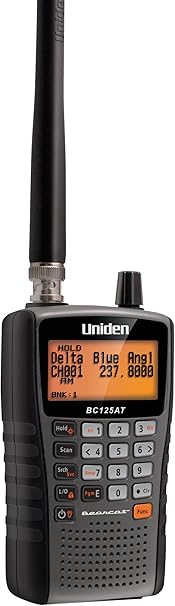 | Uniden Bearcat BC125AT | Check Price |
Our Top Picks 2  | Uniden BC365CRS Clock Scanner | Check Price |
Our Top Picks 3  | Uniden SDS200 TrunkTracker X | Check Price |
Our Selected Top 13 Police Scanners for Beginners Worth Considering
This list features easy-to-use police scanners ideal for beginners, highlighting their key features and performance. Each review explains who the scanner is best suited for, along with its main advantages and potential drawbacks, helping you make an informed choice.
1. Uniden Bearcat BC125AT Handheld Scanner
Compact size and easy channel tagging make this scanner great for beginners wanting quick access to up to 500 analog channels. Its standout feature is Close Call RF capture technology, which helps tune to strong nearby signals automatically, perfect for staying updated on police and emergency frequencies within range.
Setting up involves inserting the two included AA batteries before you can start scanning. Navigating channels with a digital display makes day-to-day use straightforward, while the Do Not Disturb mode stops interruptions during transmissions.
Connecting it to a PC helps manage frequencies but is optional. The handheld design fits well in hand, making extended listening comfortable without added weight.
It performs well capturing analog transmissions across UHF and VHF bands but does not support digital systems used in many larger cities. The build is compact and practical, though it is not waterproof. Common praise centers on how quickly it locks onto nearby signals, while users often mention it can’t scan newer digital trunked systems, limiting coverage in some urban areas.
Many users appreciate how quickly Close Call technology picks up nearby transmissions, making monitoring straightforward on the go. The biggest limitation is the inability to receive digital trunked signals, which means some agency communications may be missed in areas upgrading to those systems.
People wanting a simple, analog-only scanner with a compact design will find this reliable and easy to handle. Those who need digital or more advanced trunked system coverage should look for a different model that supports those technologies.
Pros
- Close Call RF capture tunes nearby signals fast
- 500 alpha-tagged channels for easy identification
- Compact and lightweight for comfortable handheld use
- Do Not Disturb mode prevents scanning interruptions
Cons
- Does not support digital or trunked radio systems
- Not water resistant for outdoor use in rain
| Specification | Details |
|---|---|
| Number of Channels | 500 |
| Frequency Range | 25-54 MHz, 108-174 MHz, 225-380 MHz, 400-512 MHz |
| Battery Average Life | 10 hours |
| Voltage | 3 volts |
| Number of Batteries | 2 AA batteries required (included) |
2. Uniden BC365CRS Scanner and Alarm Clock
A solid choice for beginners, this device combines a police scanner, FM radio, and alarm clock into one compact unit. Its biggest plus is having 500 channels with popular presets ready to go, making it simple to tune into local emergency and public service broadcasts without fuss.
Setup is straightforward with push-button controls that keep things simple for anyone new to scanners. The presets make it easy to find common channels like police, fire, weather, and marine frequencies.
Day-to-day listening involves just plugging it in, storing up to 30 FM stations, and using the alarm clock feature to keep a regular schedule.
The scanner handles its analog signals clearly and consistently, which is great for standard listening needs. The tabletop design feels sturdy and practical.
Positive feedback often highlights the ready-made channel presets, while common remarks mention the need for 3 AA batteries to run as a portable option, which might feel a bit inconvenient to some.
Many appreciate how easy it is to start listening right away thanks to the presets and the straightforward controls. A common complaint focuses on the battery requirement for portability, which some find inconvenient compared to fully corded models. The analog-only scan might feel limited depending on your needs.
Those looking for a no-fuss scanner with extra features like radio and alarm clock will find this suitable. People wanting digital decoding or purely portable use might prefer to explore other options. The desktop setup suits beginners not needing advanced scanning capabilities.
Pros
- 500 channels with popular presets included
- Built-in FM radio stores 30 presets
- Functions as an alarm clock too
- Simple push button controls
Cons
- Needs 3 AA batteries to use portably
- Only supports analog signals
| Specification | Details |
|---|---|
| Channels | 500 |
| Power Source | Corded Electric |
| Battery Description | Alkaline |
| Number of Batteries | 3 AA batteries required |
| Control Method | Push Button |
3. Uniden SDS200 TrunkTracker X Digital Scanner
Trying to keep track of police and emergency channels without frustration is easy with a scanner that’s designed for beginners but handles complex signals well. Perfect for someone new to police scanners who wants clear, fast access to all digital systems in the US and Canada. Its biggest strength lies in combining simple use with powerful signal handling.
Setup is straightforward thanks to the HomePatrol database that comes preloaded with all the radio systems you need, making initial tuning quick and easy. Daily use is smooth with the large 3.5 customizable color display that lets you decide how much detail to show.
Updating the scanner weekly via USB and the Sentinel software keeps your information current without needing extra tools.
Performance is impressive, catching tricky digital simulcast signals that simpler scanners might miss. The device’s build feels solid without being bulky, and the color display eases navigation through channels. Reviews often praise its mix of ease and capability.
Some users mention the display might take a moment to get used to customizing but otherwise find nothing major to complain about.
The scanner excels at picking up difficult digital signals and keeps its database updated regularly, which users find very convenient. Some find the color display customization not instantly intuitive but manageable with time. It balances technical power and beginner-friendly design well.
Anyone wanting solid digital signal coverage without complicated setup will appreciate its ease and performance. People looking for more physical controls or large capacity for storing multiple profiles might prefer another model better suited to heavy, advanced use.
Pros
- Preloaded HomePatrol database for easy setup
- 3.5″ color display customizable by user
- Weekly updates keep frequencies current
- Strong digital simulcast system reception
Cons
- Display customization has a slight learning curve
- Standard sheet capacity is limited to 10
| Specification | Details |
|---|---|
| Scanner Type | Radio Scanner |
| Connection Type | USB |
| Resolution | scanner |
| Standard Sheet Capacity | 10 |
| Light Source Type | LED |
| Media Type | USB |
4. Uniden BCD996P2 TrunkTracker V Mobile Scanner

With 25,000 channels and TrunkTracker V technology, this scanner fits well for beginners who want solid coverage and clear tracking of trunked systems. Its single biggest strength is the Close Call RF Capture, which alerts you to nearby transmissions without interrupting your listening.
Setting it up takes some time but follows a straightforward process, especially with location-based scanning guiding you to relevant frequencies. Day-to-day use benefits from the NOAA weather access and S.A.M.E. alerts, providing timely warnings about severe weather. The interface is mostly user-friendly, and connectivity via IR to smartphones helps with updates and managing channels remotely.
Performance is strong when it comes to scanning various radio bands, picking up both local emergency signals and weather updates reliably. Build quality feels solid, though it isn’t water resistant. The most common praise focuses on its advanced scanning features, while some find the initial programming a bit complex without prior experience.
The scanner’s advanced features like Close Call and TrunkTracker V receive a lot of praise for detecting transmissions accurately, while the most frequent complaint centers on the challenging initial setup and programming. Day-to-day operation is smooth once you get past this hurdle.
This unit works well for users willing to invest some time learning its functions and wanting extensive scanning and weather alert capabilities. Those seeking a simpler, more plug-and-play scanner may want to consider other options.
Pros
- Close Call RF Capture for nearby transmissions
- TrunkTracker V scans trunked radio systems efficiently
- S.A.M.E. alerts keep you updated on severe weather
- Smartphone compatibility improves control options
Cons
- Not water resistant
- Programming setup can be complicated for beginners
| Specification | Details |
|---|---|
| Channels | 25,000 |
| Power Source | 12 volts Direct Current (DC) |
| Frequency | 25 MHz |
| Audio Output Mode | Stereo |
| Connectivity Technology | IR |
| Weather Alerts | S.A.M.E. weather alert, NOAA |
5. Uniden Bearcat SR30C Handheld Analog Scanner

People new to police scanners looking for an easy-to-use, budget-friendly option will find this handheld model fits well. It stands out for offering access to over 32,000 frequencies with convenient presets, making it straightforward to start listening without needing much technical setup.
Getting started is simple thanks to the preset banks, which cover popular categories like police, fire, NOAA weather, and even marine channels. Programming more specific frequencies through a PC is also possible via USB, adding flexibility for those who want to dig deeper.
The compact design and battery power make it easy to carry around during daily activities.
The scanner picks up analog signals reliably across a broad frequency range, and its bulk is manageable for handheld use. Build quality feels solid and functional, suited to normal handling without extra frills. Common praise highlights the ease of tuning and clear audio output, while some users mention the mono sound mode and limited service bank customization as drawbacks.
The scanner consistently receives praise for how easy it is to access a variety of frequencies thanks to its preset channels. At the same time, some find the mono audio and limited customization restrict deeper or higher quality listening experiences. The straightforward setup balances well with these modest limits.
Anyone wanting a simple, affordable way to monitor non-digital public safety and weather channels will appreciate this model. Those who need stereo sound or advanced custom memory features should look toward more advanced scanners instead.
Pros
- Preprogrammed with 10 popular service banks
- Supports PC programming via USB connection
- Compact, lightweight handheld design
- Wide frequency support for diverse listening
Cons
- Audio output limited to mono sound only
- Service bank customization options are limited
| Specification | Details |
|---|---|
| Frequency | 32000 MHz |
| Number of Channels | 500 |
| Power Source | USB, Battery-Powered (AA batteries required) |
| Connectivity Technology | USB |
| Audio Output Mode | Mono |
6. Uniden BC355N Base/Mobile Scanner

Analog scanners like the Uniden BC355N stand out for beginner-friendly use, especially where digital systems aren’t active. It’s great for those wanting simple, reliable reception of local analog police and emergency channels. The standout feature is the Close Call RF Capture, which tunes into nearby signals automatically, making scanning much less manual.
Setup involves plugging it into power and attaching any needed antenna. Everyday use is straightforward thanks to the Close Call RF Capture Technology that picks up local signals quickly.
The LCD display shows clear channel info, while the single-band frequency coverage keeps things uncomplicated without overwhelming options.
Receiving analog signals at 800 MHz is solid, and the scanner does its main job well. The build feels solid enough for desktop or mobile use, powered by corded electric. Praise goes to how easy it is to pick up local activity quickly.
Most common complaint is the lack of digital system support, making it unsuitable in areas with newer radio tech.
Intuitive Close Call RF Capture speeds up locating local channels, making daily listening simple and effective. On the downside, it cannot decode digital trunked systems, so those signals remain inaccessible to this model where digital radio is used.
People living in areas with analog systems will appreciate its straightforward operation and solid reception. Users needing digital system support must consider upgraded Uniden models equipped for digital monitoring instead.
Pros
- Automatic channel tuning with Close Call technology
- Clear LCD display for easy reading
- Supports wide frequency range in 800 MHz band
- Powered through corded electric for continuous use
Cons
- No digital radio system monitoring capabilities
- Requires 1 specific battery for operation
| Specification | Details |
|---|---|
| Connectivity Technology | USB |
| Tuner Type | Radio Frequency |
| Power Source | Corded Electric |
| Radio Bands Supported | 1-Band |
| Frequency | 800 MHz |
| Additional Features | Close Call RF Capture Technology, Wide Frequency and Service Bank Support |
7. Whistler WS1010 Analog Handheld Scanner

Whistler WS1010 Analog Handheld Scanner is ideal for beginners looking to explore a wide range of frequencies with ease. Its biggest strength lies in the generous 400 channel memory that organizes scanned frequencies neatly into 10 banks, making tracking and scanning a simple task.
Setting up takes just a few steps thanks to included presets for marine, fire, police, aircraft, ham, and weather bands. Daily use feels straightforward, especially with the Spectrum Sweeper that quickly scans nearby transmissions and the SAME weather alerts that keep you informed about local weather hazards.
Using 4 AA batteries means you’re not tied to chargers and replacements are easy to find.
Performance is reliable in picking up a broad spectrum of analog signals, making it well suited for monitoring various communication channels. The compact size and light weight at 7.7 ounces make it comfortable to handle for long periods.
The most appreciated feature is its PC programmability, although simple programming without a PC can be a bit limiting for some users.
The scanner’s ability to store 400 frequencies into dedicated banks receives high praise for organization and accessibility. Many users find the PC programming feature helpful but note the need for additional accessories and software can complicate setup. Battery operation means no reliance on charging but requires keeping extra AA batteries on hand.
Anyone new to scanning who wants easy access to common public safety and weather channels will appreciate this model. Those wanting digital or more advanced scanning features should explore other options better suited for extensive scanning practice or digital frequency monitoring.
Pros
- Stores 400 frequencies in 10 memory banks
- Preprogrammed service banks cover key communication types
- Includes SAME weather alerting for county-specific warnings
- Lightweight and compact for easy handheld use
Cons
- PC programming requires extra cable and third-party software
- Analog only, no digital frequency support
| Specification | Details |
|---|---|
| Channel Memory | 400 |
| Dimensions | 1.56 x 2.37 x 5.68 inches |
| Weight | 7.7 ounces |
| Batteries | 4 AA (included) |
| Model Number | WS101 |
8. Uniden SDS150 Digital Radio Scanner

Feels solid and professional right out of the box, ideal for beginners who want straightforward yet advanced police scanner capabilities. The built-in GPS really helps keep track of what you’re listening to. Its biggest strength lies in combining powerful scanning with ease of use thanks to a carefully designed digital interface.
Getting started doesn’t take long since the layout is clear and easy to follow. Daily use is simple with features like Bluetooth connectivity and a weather alert system. The battery lasts long enough for extended sessions, and the lightweight design makes it comfortable to carry around during field activities.
The charging cradle adds convenience for storing and powering up when not in use.
Signal reception and filtering meet high expectations, making interference noticeably less bothersome. It scans a wide range of digital and analog standards well suited for police and emergency communications. The device has a rugged frame that holds up to daily use, and water resistance adds some extra reliability.
A common complaint is that the unique battery requires a specific replacement, limiting flexibility.
Reception quality is highly praised for capturing clear signals with little interference, though the need for a special battery can be inconvenient for those wanting to swap power packs easily. Its digital interface and added GPS offer a better user experience compared to older models.
Anyone looking for a scanner that balances solid performance with thoughtful features will appreciate this device. People wanting very simple, entry-level scanners might prefer something less technical or without the need for a unique battery. This device suits hobbyists leaning toward professional-level tools without overwhelming complexity.
Pros
- Enhanced sensitivity reduces interference effectively
- Lightweight yet rugged design for daily use
- Extended battery life suitable for long hours
- Built-in GPS and Bluetooth improve tracking and convenience
Cons
- Nonstandard battery limits quick replacements
- Interface may feel complex initially for complete beginners
| Specification | Details |
|---|---|
| Connectivity Technology | Bluetooth |
| Tuner Type | TrunkTracker X, APCO P25 Phase I & II, Motorola, EDACS, LTR DMR Tier III*, Hytera XPT*, Single-Channel DMR* NXDN 4800/9600*, EDACS ProVoice* |
| Power Source | Battery Powered |
| Frequency | 1300 MHz |
| Additional Features | Weather Alert |
| Display Type | digital |
9. Uniden SDS100 True I/Q Digital Handheld Scanner

Great for beginners wanting reliable, clear digital scanning, the Uniden SDS100 offers strong performance in tough signal areas. Easy to program by zip code, it stands out through its advanced digital trunk tracking and customizable color display, which makes tuning into local communications straightforward and effective.
Setup requires just a few steps thanks to the HomePatrol database containing all known US and Canadian radio systems. Updating is simple and done through USB connection with the Sentinel software.
Day-to-day use benefits from the bright, colorful display where users can quickly access desired channels and scan modes without deep technical knowledge.
Handling weak signals and simulcast broadcasts impresses with consistent clarity, outperforming many competitors. The handheld design feels solid, with a color depth of 24 bits delivering clear visuals.
Reviewers praise its digital performance while noting occasional complexity when customizing advanced settings beyond basic use.
The most praised feature is the strong digital reception in simulcast and challenging RF environments, ensuring clear audio and reliable tracking. The frequent complaint relates to the learning curve with advanced customization beyond the basic zip code setup.
People looking for an easy-to-use scanner with excellent digital sensitivity will appreciate this model. Those wanting a simple, no-fuss device without software updates might consider other options that prioritize minimal maintenance over advanced digital performance.
Pros
- Easy programming by zip code
- Highly effective in weak-signal areas
- Customizable, bright color display
- Includes comprehensive HomePatrol database
Cons
- Advanced settings can be complex
- Requires periodic software updates via USB
| Specification | Details |
|---|---|
| Scanner Type | Digital Handheld Scanner |
| Connection Type | USB |
| Resolution | 24 Bits |
| Color Depth | 24 |
| Media Type | MicroSD Card |
10. Whistler WS1025 Analog Desktop Scanner
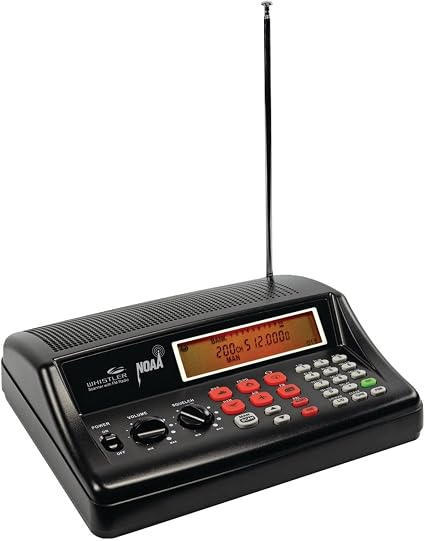
Constructed primarily for desktop use, this analog scanner fits well in a home or office setting and targets those experienced with similar devices. Its standout feature is the priority channel function, which helps you focus on important communications by checking a set channel frequently during scans.
Setup involves connecting through Bluetooth, making it relatively straightforward to integrate without extra wiring. Day-to-day usage benefits from the scan delay feature, allowing you to catch replies on busy channels by pausing before moving on. The tune function helps discover new frequencies by scanning from a chosen starting point, which is handy for keeping up with changes in your area.
Performance-wise, it handles scanning analog radio frequencies smoothly, quickly prioritizing important channels with minimal fuss. The build feels solid and designed to stay in one spot, typical for desktop scanners. Strong points in reviews highlight its reliable monitoring capabilities.
However, some find it less suited for beginners due to its complexity and feature set.
The ability to prioritize channels and delay scanning stands out as a key strength, helping catch replies without missing anything important. Common feedback points to its complexity, making it a less friendly choice for those new to scanning.
Those familiar with desktop scanners who want reliable channel monitoring will appreciate this model. Beginners or users looking for a simpler, portable option might want to explore different scanners better suited to their needs.
Pros
- Priority channel checks one channel every two seconds
- Scan delay keeps scanning on active channels longer
- Tune function finds unlisted frequencies
- Bluetooth connection simplifies setup
Cons
- Recommended mainly for experienced desktop scanner users
- Not ideal for portable or on-the-go scanning
| Specification | Details |
|---|---|
| Scanner Type | Radio |
| Connection Type | Bluetooth |
| Resolution | 200 dpi |
| Standard Sheet Capacity | 300 |
| Optical Sensor Technology | CCD, CMOS |
| Light Source Type | LED |
11. Uniden BCD436HP HomePatrol Digital Handheld Scanner

Uniden BCD436HP makes it incredibly easy to start scanning immediately, which is great for beginners. It suits anyone who wants advanced features but without the headache of complicated programming. The biggest draw is the simple setup that begins working quickly with just a zip code.
Getting started is straightforward: turn it on, punch in your zip code, and the scanner auto-configures itself thanks to TrunkTracker V. Day-to-day use involves just holding the unit and watching the extra-large display show multiple channels at a fast scan speed of 85 per second. You’ll catch broadcasts from police, fire, EMS, and even aircraft without fiddling through complicated menus.
Performance on receiving signals is solid across a wide frequency range including UHF and some higher bands, perfect for local public safety channels. The build is lightweight enough to carry easily but not water-resistant, so indoor or dry conditions work best.
Most praise centers on it being very user-friendly, while some note it could be better on battery life or weatherproofing.
A common highlight is the scanner’s ease of use and quick setup with just a zip code, making it approachable for those new to scanning. Some users mention battery life as a downside, needing to replace or recharge batteries fairly often during extended sessions.
People looking for a scanner that works well out of the box and covers extensive local channels will appreciate this model. Those who expect rugged outdoor use or longer battery life might want to consider alternatives designed with those features in mind.
Pros
- No programming needed, start scanning quickly
- Extra-large display for easy reading
- Catches wide range of public safety frequencies
- Close Call RF Capture detects nearby transmissions
Cons
- Not water resistant, limited outdoor use
- Battery lasts up to 8 hours, may need spares
| Specification | Details |
|---|---|
| Number of Channels | 85 |
| Frequency Range | 25-512 MHz, 758-824 MHz, 849-869 MHz, 894-960 MHz, 1240-1300 MHz |
| Battery Type | 3 AAA batteries |
| Battery Life | 8 hours |
| Connectivity Protocol | GPS |
12. Uniden BCD325P2 Handheld TrunkTracker V Scanner

Great for beginners who want solid scanning features without complexity, this scanner stands out with its Close Call RF Capture Technology, which automatically tunes to nearby signals. Perfect for staying updated on local channels, it suits anyone new to police scanners looking for an easy-to-use but capable device.
Setup involves programming channels and using the Quick-Key System Access to save your favorites for fast scanning. Day-to-day use is straightforward, as the scanner handles up to 25,000 channels and switches quickly between frequencies.
The GPS compatibility helps keep your scanning relevant to your current location without much hassle.
Performance meets expectations with smooth scanning of a wide range of signals, including APCO Project 25 Phase II systems. The build feels durable in hand, mostly praised for reliability, though some users note the weight as a slight downside.
The user-friendly interface paired with powerful search tools makes it a practical scanner for its price.
The scanner receives praise for automatically capturing nearby frequencies, making it easier to track local activity. Some users find the weight a bit much for extended handheld use, which can be tiring over time.
Anyone looking for a sturdy, feature-rich scanner with straightforward access to multiple channels will be satisfied. Those wanting a lighter or simpler device may want to explore other options better suited to portability.
Pros
- Automatically tunes to nearest signals
- Stores up to 25,000 channels
- Quick-Key access simplifies channel switching
- Supports latest APCO Project 25 systems
Cons
- Heavier than some handheld scanners
- Interface can be confusing at first
| Specification | Details |
|---|---|
| Scanner Type | Radio |
| Connection Type | gps |
| Resolution | 2400 dpi |
| Wattage | 20 watts |
| Media Type | USB |
13. Uniden BearTracker BCT15X Base/Mobile Scanner

Tracking multiple channels from police, highway patrol, and DOT while on the move can be tricky for beginners. The Uniden BearTracker BCT15X fits mobile use perfectly, offering a wide range of channels and automatic location-based scanning that simplifies staying updated on local frequencies. Its most notable strength is the automated channel selection tied to your GPS.
Setting up the scanner involves connecting the accessories and optionally integrating a compatible GPS receiver to enable location-based scanning. Day-to-day use is straightforward, with features like Alpha Tagging to easily identify channels, an adjustable volume per channel, and the TrunkTracker III technology that keeps up with Motorola, EDACS, and LTR systems. The large channel capacity means users won’t quickly run out of space for local frequencies.
The scanner does well in picking up signals and switching between trunked radio systems. It has a solid build and comes with practically all necessary accessories for vehicle or base use. Most praise points toward its automatic channel programming state-by-state.
The main complaint states occasional complexity in fully understanding the advanced memory system for very beginners.
The scanner’s biggest advantage lies in its state-by-state preprogrammed channels paired with location-based scanning, making travel scanning easy without manual reprogramming. However, beginners may struggle initially with the advanced dynamic memory system and extensive features.
This model suits users who want a powerful mobile scanner that adapts automatically to new locations and are comfortable spending some time learning its features. Those seeking a simpler, purely handheld beginner model might want to consider alternatives with less complex menus.
Pros
- 9,000 channels cover local and travel frequencies
- Location-based scanning adjusts automatically with GPS
- Compatible with BC-RH96 remote head for flexible setup
- Individual volume control for channels
Cons
- Advanced memory system can be confusing for new users
- Requires GPS for full location-based scanning functionality
| Specification | Details |
|---|---|
| Channels | 9,000 |
| Trunking Technology | TrunkTracker III (Motorola, EDACS, LTR) |
| Location-Based Scanning | Automatic with compatible GPS receiver |
| Included Accessories | AC Adapter, Vehicle Power Cord, Three-Wire Harness, Mounting Bracket, Antenna, Serial Programming Cable |
| Manufacturer Warranty | 1 year |
Best Police Scanners for Beginners Comparison Table
| Product | Channels | Power Source | Battery Required | Frequency Range |
|---|---|---|---|---|
| Uniden Bearcat BC125AT | 500 | 2 AA batteries | Yes | 25-512 MHz |
| Uniden BC365CRS Clock Scanner | – | Corded Electric | 3 AA batteries | – |
| Uniden SDS200 TrunkTracker X | – | USB | – | – |
| Uniden BCD996P2 TrunkTracker V | 1-Band | 12 volts DC | – | 25 MHz |
| Uniden Bearcat SR30C Analog | 1-Band | USB / Battery-Powered | – | 32000 MHz |
| Uniden BC355N Mobile Scanner | 1-Band | Corded Electric | 1 battery | 800 MHz |
| Whistler WS1010 Handheld | – | Battery Powered | 4 AA batteries | – |
| Uniden SDS150 Digital Scanner | – | Battery Powered | – | – |
| Uniden SDS100 True IQ | – | USB | – | – |
| Whistler WS1025 Desktop | – | Bluetooth | – | – |
| Uniden BCD436HP HomePatrol | 85 | – | 3 AAA batteries | 25-1300 MHz |
| Uniden BCD325P2 TrunkTracker V | – | GPS | – | – |
| Uniden BearTracker BCT15X | – | AC Adapter | – | – |
- Channels500
- Power Source2 AA batteries
- Battery RequiredYes
- Frequency Range25-512 MHz
- Channels–
- Power SourceCorded Electric
- Battery Required3 AA batteries
- Frequency Range–
- Channels–
- Power SourceUSB
- Battery Required–
- Frequency Range–
- Channels1-Band
- Power Source12 volts DC
- Battery Required–
- Frequency Range25 MHz
- Channels1-Band
- Power SourceUSB / Battery-Powered
- Battery Required–
- Frequency Range32000 MHz
- Channels1-Band
- Power SourceCorded Electric
- Battery Required1 battery
- Frequency Range800 MHz
- Channels–
- Power SourceBattery Powered
- Battery Required4 AA batteries
- Frequency Range–
- Channels–
- Power SourceBattery Powered
- Battery Required–
- Frequency Range–
- Channels–
- Power SourceUSB
- Battery Required–
- Frequency Range–
- Channels–
- Power SourceBluetooth
- Battery Required–
- Frequency Range–
- Channels85
- Power Source–
- Battery Required3 AAA batteries
- Frequency Range25-1300 MHz
- Channels–
- Power SourceGPS
- Battery Required–
- Frequency Range–
- Channels–
- Power SourceAC Adapter
- Battery Required–
- Frequency Range–
How to Choose the Right Police Scanner
Look for scanners that are easy to use, cover the right frequency ranges, and have reliable reception to avoid frustration and wasted time. Choosing features that match your needs ensures better performance and fewer upgrades, ultimately saving money and hassle in the long run.
Ease of Use
Trying to use a scanner with complicated menus quickly frustrates anyone new to the hobby. I learned the hard way that devices lacking intuitive controls turn every session into a struggle to figure out which buttons do what. A clear display, preferably backlit and easy to read outdoors, makes a big difference during use.
Some models cram too much info on screen, which slows down navigation.
Starting out, having preprogrammed frequencies relevant to local police and emergency services cuts down on setup time. Easy scanning setup with straightforward options to add or remove channels means less fiddling and more listening.
Look for scanners with simple, logical menus and dedicated buttons for scanning, lockout, and channel selection to avoid confusion.
Frequency Coverage
Some scanners only pick up a small range of frequencies, missing many important channels. In everyday use, this leads to gaps where you won’t hear all activity, especially if your unit covers only either VHF or UHF but not both.
For comprehensive monitoring, it’s crucial to have coverage of a wide band range that covers police, fire, EMS, and other emergency signals.
Both analog and digital radio signals are used by agencies now. Older scanners might struggle with digital formats, causing missed transmissions or static-filled audio. Prioritize models that handle digital and analog modes well to ensure you don’t miss key information during an emergency or event.
Portability and Size
Holding a bulky scanner for long periods makes listening sessions uncomfortable fast. Early on, I found that devices labeled as portable but actually heavy or awkward to grip made it hard to carry them around during outdoor activities.
Lightweight units with a compact design fit into pockets or backpacks easily, making spontaneous listening more practical.
Extended use requires a reliable battery life; scanners running out mid-session become frustrating, especially when away from power sources. A run time of several hours with standard AA or built-in rechargeable batteries keeps things simple. Look for ergonomics too – well-placed buttons and textured grips make operation easier when on the move.
Audio Quality
Listening to garbled or faint transmissions defeats the purpose of having a scanner. Clear speaker output with enough volume is essential to catch important details in busy or noisy environments. Some cheap models have weak audio, forcing you to strain or miss parts of the conversation.
Volume controls should be responsive and squelch adjustments easy to reach; this lets you filter out background static without interrupting incoming messages. Having a headphone jack is a practical feature for listening discreetly or in quiet settings, avoiding disruption and improving clarity.
Additional Features
Manually switching through frequencies wastes valuable time and patience. A good scanner includes scanning and search functions that automatically cycle through preset channels or search frequency ranges, stopping on active signals.
This feature makes monitoring multiple sources manageable without constant button-pressing.
Memory channels come in handy to save frequently used frequencies, allowing quick access during urgent situations. Compatibility with software updates or smartphone apps adds longevity to a unit by enabling fresh features and easier programming. This flexibility is particularly useful as communication systems evolve over time.
Tips for Effective Use of Police Scanners for Beginners
Starting with police scanners can be straightforward when focusing on a few key practices. First, choosing a scanner with simple controls and clear display helps reduce confusion. Many models offer preset channels, which saves time programming and ensures quick access to local frequencies.
It’s also important to check local laws regarding scanner use to avoid legal troubles. Keeping the scanner updated with current frequency lists guarantees better reception of relevant channels.
Position the device near a window or higher spot to improve signal clarity. Using headphones can help distinguish important transmissions from background noise. Lastly, patience is essential.
Police radio traffic can be sporadic, and understanding codes and terminology develops over time.
Common Mistakes to Avoid When Operating Police Scanners
One frequent mistake is assuming a scanner picks up all police activity automatically. Most require manual tuning or programming to local frequencies. Another error lies in ignoring updates.
Frequencies change, so outdated lists yield poor reception. Overusing the volume controls can distort critical audio, so moderate adjustments work better.
Some beginners overlook the scanner’s antenna quality, settling for weaker signals. Positioning the device inside metallic enclosures, like cars or near electronic devices, often reduces performance. Also, impatience leads many to give up too soon; learning scanner operation involves trial and error.
Avoid scanning in restricted areas; respecting privacy laws prevents legal issues.
Comparing Police Scanners with Scanner Apps: Pros and Cons
Police scanners and scanner apps serve similar purposes but have distinct differences. Physical scanners work independently from cell signals, making them reliable in areas with poor mobile coverage. They usually feature specialized antennas that improve reception and provide instant scanning without data delays.
On the downside, physical devices require an upfront purchase and occasional programming. Apps, however, offer convenience by running on smartphones without extra hardware.
They deliver access to police and emergency feeds available via the internet, which can include global sources. The catch is that app functionality depends on mobile data and signal strength. Some apps have subscription fees or limited access to certain channels, which physical scanners avoid.
Choosing between these options depends on location, budget, and preference for portability.
People Also Asked
How Do I Properly Care for a Police Scanner After Buying?
Keep the scanner clean and store it in a dry place when not in use. Avoid dropping it and clean the antenna and screen regularly to maintain good reception.
What Size Police Scanner Is Easiest for Beginners to Handle?
A compact handheld scanner is usually easiest for beginners to handle. It fits comfortably in your hand and can be used on the go without much hassle.
Are Police Scanners Safe to Use Around Other Electronics?
Police scanners generally do not interfere with other electronics as they operate on different frequencies. Keeping them away from very sensitive medical devices is a safe precaution.
How Long Do Typical Police Scanners Last with Regular Use?
A well-maintained police scanner can last several years with regular use. Battery life varies, so having spare batteries or a charger nearby helps during extended listening sessions.
What Are Common Problems New Users Face with Police Scanners?
New users often struggle with programming frequencies and understanding scanner codes. Using a scanner with preloaded channels or following a detailed manual can reduce initial confusion.
Conclusion
Choosing a police scanner for beginners means focusing on ease of use, clear reception, and the range of frequencies it can pick up. A simple interface helps avoid frustration, while good signal quality ensures you hear important updates clearly.
Supporting local channels and emergency services is also key to getting the information you want.
Consider how often you plan to use the scanner and your budget before buying. A smaller unit might suit occasional use, while more features make sense if you listen frequently.
Check the comparison table above to find the scanner that fits your needs and space without overspending.