How to Hunt Coyotes at Night Without Thermal: Practical Night Hunting Strategies
Hunting coyotes at night without thermal technology is possible by focusing on classic hunting techniques: using calls to lure them, managing light sources efficiently, and understanding coyote behavior and terrain. These strategies allow hunters to compensate for the lack of thermal gear and still track and take down coyotes under low-light conditions.
The challenge with night coyote hunting without thermal devices lies in the reduced visibility, but coyotes’ sharp senses and curiosity work to your advantage. By mastering coyote calls, employing effective light management, and knowing their activity patterns, hunters can create successful encounters during nocturnal hours.
This article covers key areas for hunting coyotes at night without thermal: optimal calling methods, ideal lighting tactics, terrain awareness, gear recommendations, safety tips, and practical hunting setups. You’ll learn actionable techniques to improve your chances under the cover of darkness.
Understanding Coyote Behavior for Night Hunting
Activity Patterns and Movement
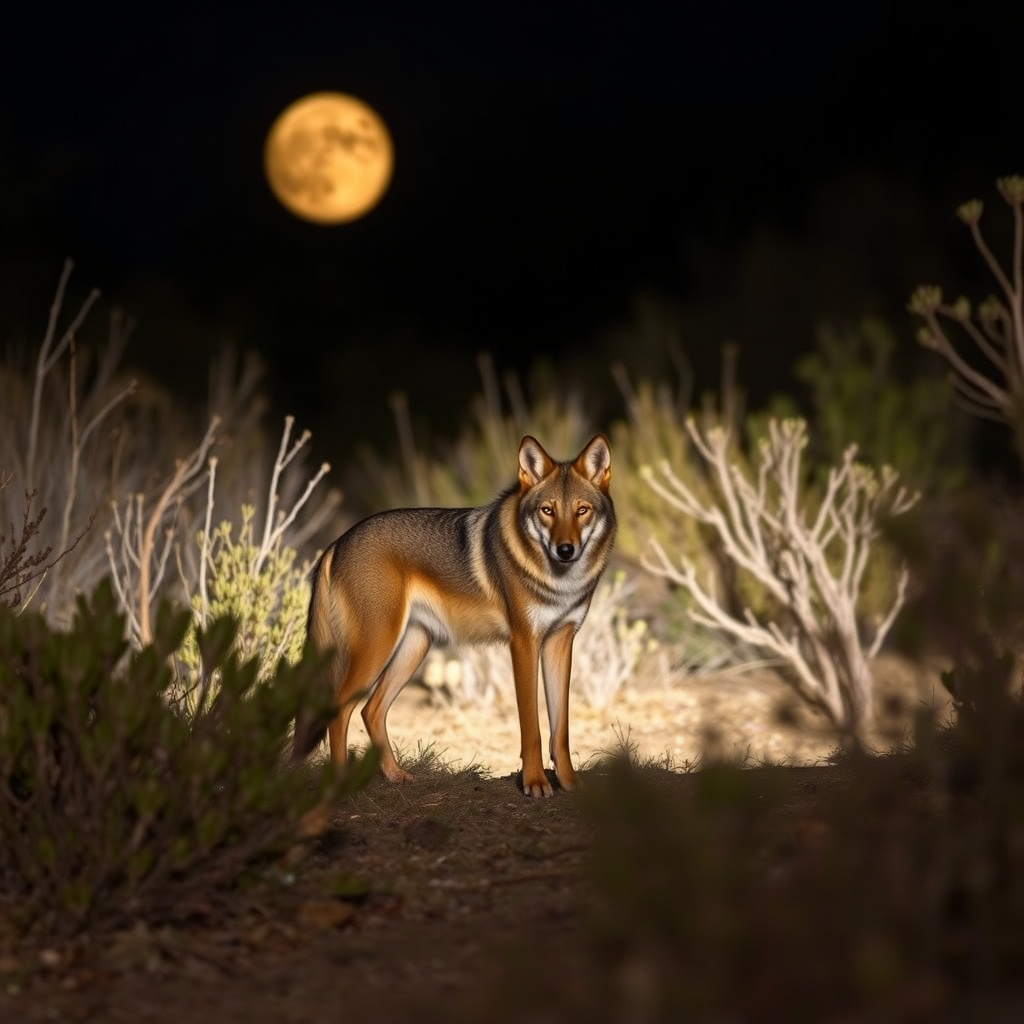
Coyotes are most active during dawn, dusk, and throughout the night, especially in moonlit conditions. Knowing their movement corridors and favored hunting grounds can help hunters position themselves advantageously to intercept them.
Typically, coyotes move along edge habitats such as fence lines, creeks, and roads. Tracking signs like scat, tracks, and territorial markings improves your chances of locating these paths during dark hours.
Behavioral Responses to Calls
Coyotes respond strongly to distress and pup-in-distress calls, often becoming curious or aggressive enough to approach. Mastering a few call types and delivering them convincingly increases the probability of drawing coyotes out.
Observing how coyotes react to calls at different distances and volumes can help refine your technique for calling in night conditions without thermal aid.
Effective Calling Techniques Without Thermal
Selecting and Using Calls
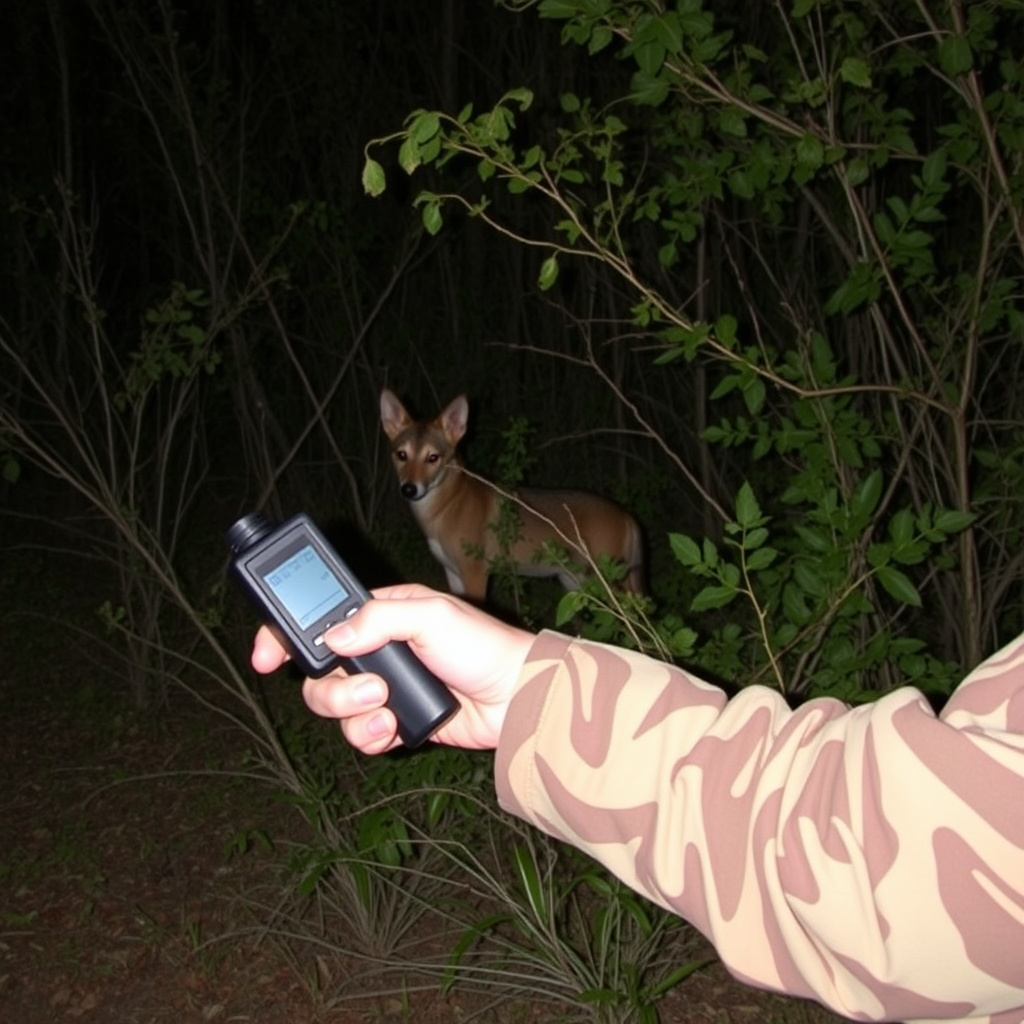
Electronic calls are preferred due to volume control and variety of sounds, but mouth calls like howls or distress whistles work well for mobility. Practice call sequences that mimic prey or distressed animals.
Use calls sparingly to avoid alerting coyotes to your position prematurely. Start with soft pup distress calls followed by occasional coyote howls to hold interest.
- Use a combination of pup distress and coyote howls
- Keep calls brief and spaced to prevent saturation
- Experiment with call placement relative to wind direction
Timing and Range of Calls
The best times for calls are during the first couple hours after sunset and before dawn, coinciding with peak coyote activity. Keep calls within 100 to 150 yards to prevent early detection.
Move or adjust calling spots if no response occurs within 15-20 minutes to avoid spooking coyotes.
- Call mostly early night or pre-dawn
- Maintain moderate distances to balance curiosity and caution
- Regularly shift calling locations
Optimizing Lighting Strategies
Using Red and Green LED Lights
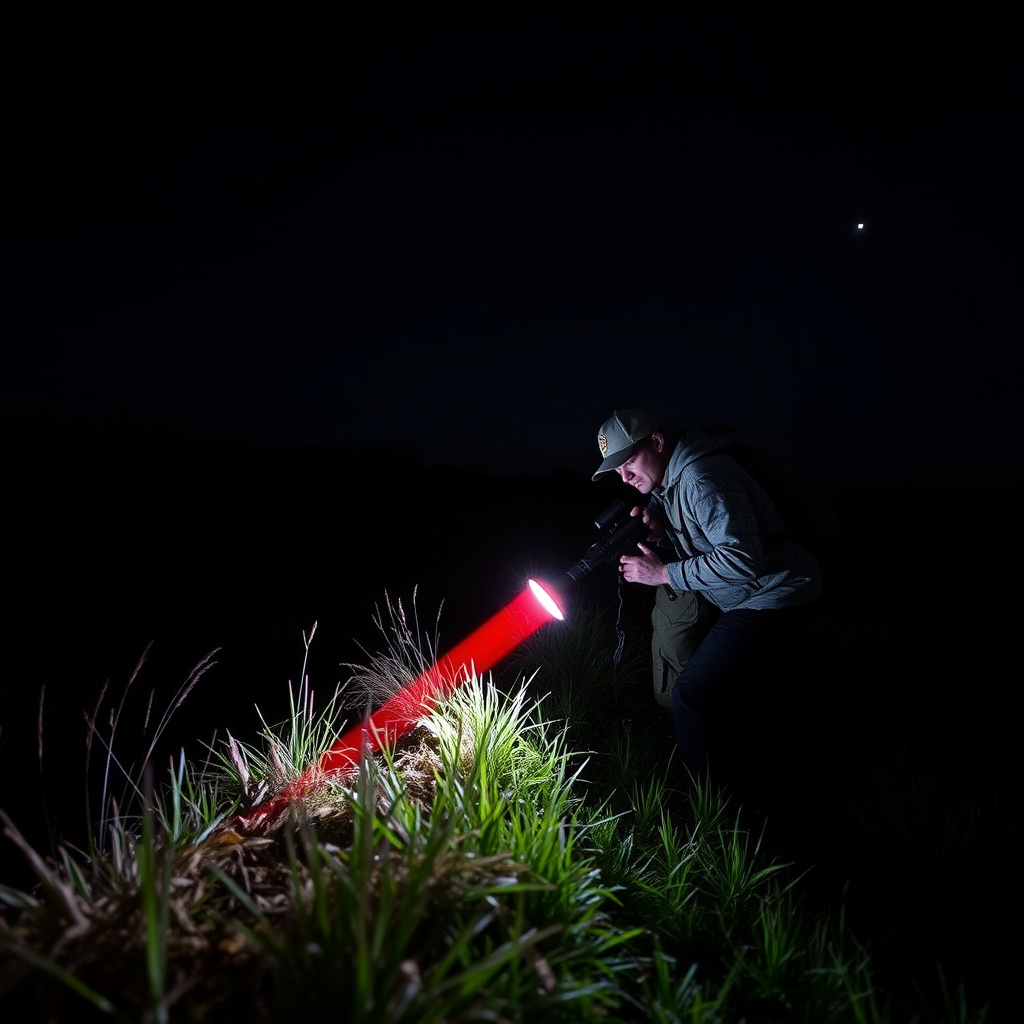
Red and green LED lights are less disturbing to coyotes than white light and preserve your night vision. Using these lights to scan fields or edges can reveal eye reflections without startling animals.
Avoid shining lights directly at coyotes; instead, sweep slowly at an angle to pick up glinting eyes that help locate them discreetly.
- Carry lightweight red and green LED flashlights
- Scan in slow, wide sweeps
- Avoid sudden bright bursts
Spotlighting Techniques Without Thermal
Spotlighting can still be effective by focusing a low-powered beam onto open areas where coyotes are likely to appear. Pair this with audio calling to increase the chances of an animal entering the lit zone.
Plan spotlighting routes ahead of time; limit use to intervals to prevent animals from becoming wary of your presence.
- Use moderate spotlight beam intensity
- Combine with calling from concealed spots
- Limit spotlight duration per area
Terrain and Positioning for Night Coyote Hunts
Selecting Ideal Hunting Locations
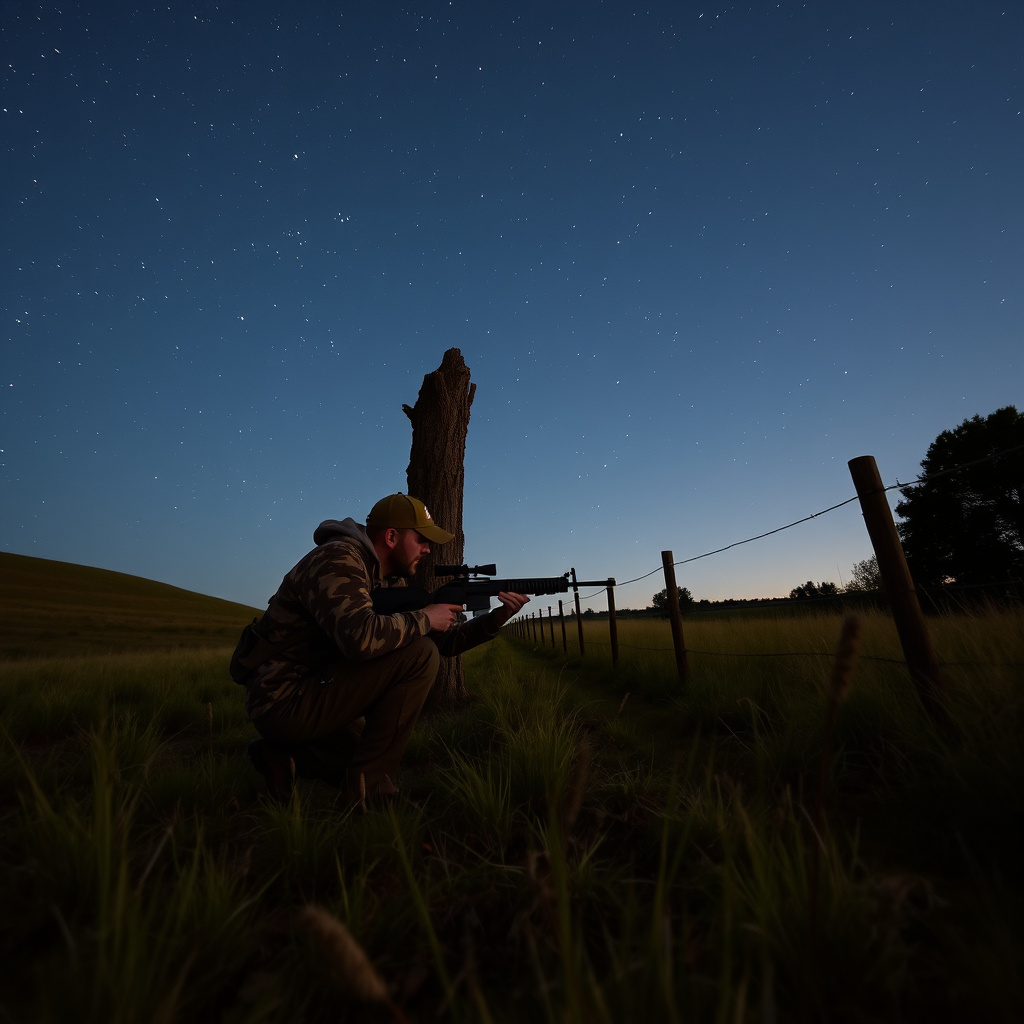
Coyotes prefer edges and transitions between open fields and wooded areas for travel and hunting. Choosing spots with high visibility from cover provides better chances to detect movement or eye shine.
Corners of fields, fence lines, creek beds, and small ridges are prime locations to set up for night coyote hunts without thermal gear.
- Edge habitats between woods and open land
- Near water sources or creek banks
- Along fence lines or narrow travel corridors
Using Natural Cover and Concealment
Concealment is key when hunting coyotes at night without thermal technology. Trees, low shrubs, and natural depressions hide your silhouette and help prevent detection by enhanced senses coyotes have in low light.
Minimal movement during calling and scanning improves success by reducing noise and visible movement cues that might spook animals.
- Use natural shadows and terrain dips
- Limit movement after calling
- Wear camouflaged clothing suited to low-light
Gear Essentials for Hunting Coyotes at Night
Non-Thermal Optics and Support Tools
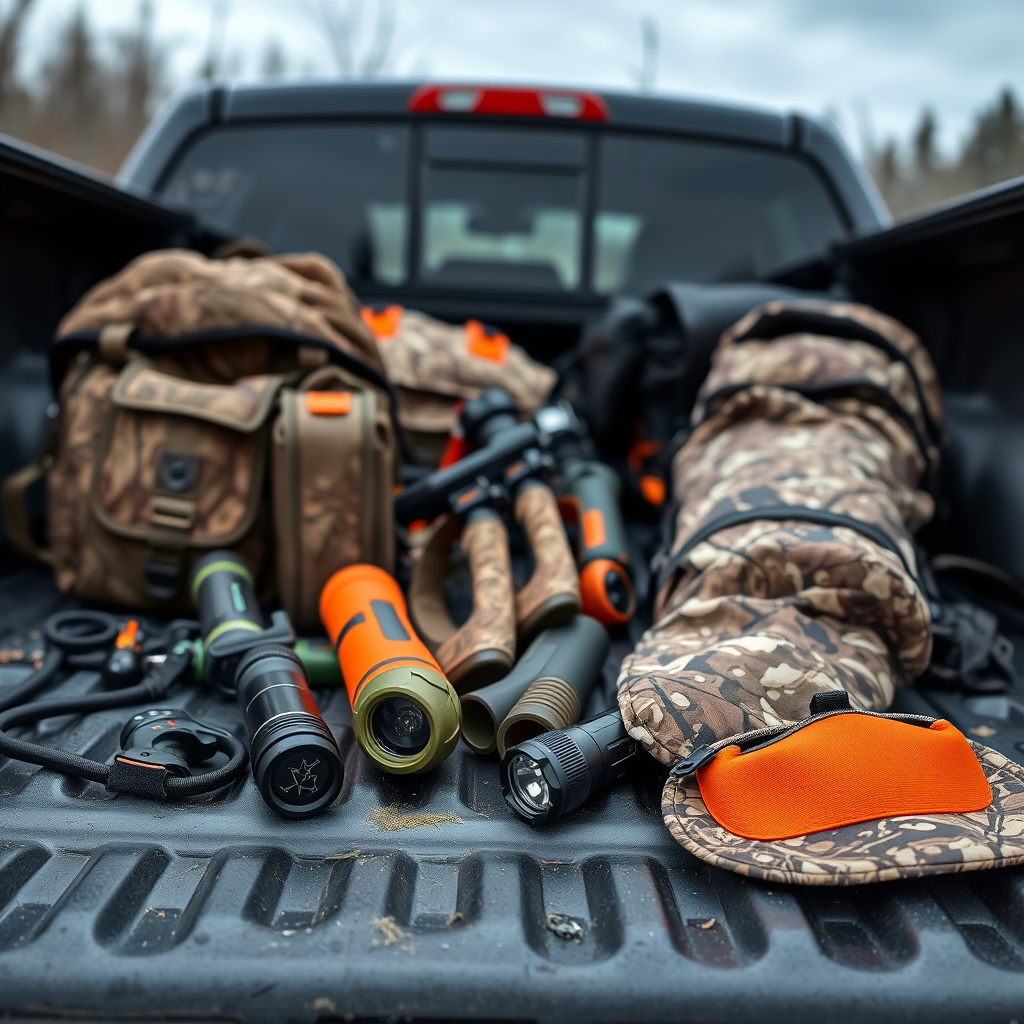
Without thermal scopes, quality low-light optics such as night vision scopes or moonlight-optimized binoculars can help detect subtle shapes and movements. Eye shine reflectors are crucial for pinpointing coyote positions.
Bring reliable, high-output LEDs that offer adjustable brightness for varied conditions. A rangefinder can assist in estimating shot distance in darkness.
- Night vision or low-light scopes
- Red and green LED flashlights
- Rangefinder and binoculars
Safety and Communication Gear
Be sure to pack safety essentials like a GPS, whistle, and first aid kit, as night hunts can be disorienting. Using two-way radios helps keep in touch with companions when spread out over large areas in darkness.
Wear blaze orange or reflective elements when legal and feasible to be visible to other hunters while maintaining low visibility to coyotes.
- GPS and whistle for location safety
- Two-way radios for team communication
- Appropriate safety apparel
Safety Considerations When Hunting Coyotes at Night
Navigating in Darkness
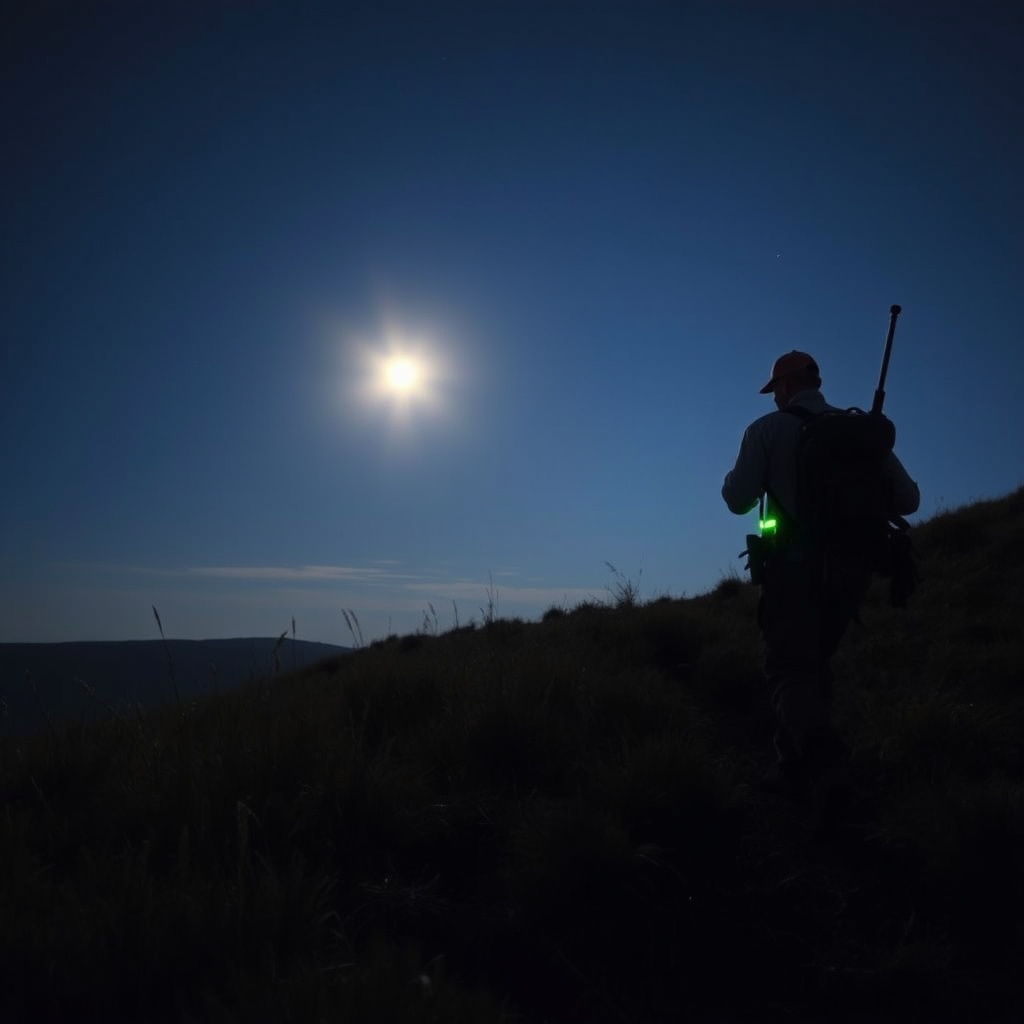
Nighttime terrain hazards require careful navigation. Plan your route ahead to avoid unexpected drops or obstacles. Use headlamps with red light to preserve night vision while moving safely.
Take your time moving between spots to minimize slip or fall risk in uneven, unfamiliar environments.
- Map out terrain and hunting area
- Use red headlamps for movement
- Carry a sturdy walking stick
For deeper insights into coyote behavior and effective hunting approaches, consider reviewing authoritative resources like this guide on coyote control and management. Coyote hunting techniques and behavior.
Legal and Ethical Considerations
Check local laws for night hunting restrictions, permissible equipment, and required permits. Ethical hunting includes being confident in your shot and avoiding wounding animals, particularly without thermal to ensure target confirmation.
Always inform someone of your whereabouts and expected return time when hunting at night.
- Review local night hunting regulations
- Use proper identification before shooting
- Share hunting plans with a trusted contact
Comparison of Night Hunting Strategies Without Thermal Devices
This table contrasts common methods used for hunting coyotes at night without thermal gear, highlighting pros and cons to help guide your approach.
| Strategy | Advantages | Disadvantages | Best Use Case |
|---|---|---|---|
| Calling with Electronic Calls | Wide variety of sounds, volume control | Requires batteries, electronic failure risk | Stationary hunts with concealed setups |
| Mouth Calls (Whistles, Howls) | Silent carry, no batteries needed | Less volume control, requires skill | Mobile hunters covering ground |
| Red/Green LED Spotlighting | Preserves night vision, less startling | Limited range visibility | Scanning edges and open areas |
| Night Vision Optics (Non-Thermal) | Improved detection in low light | Expensive, requires training | Low-light spotting before shots |
| Natural Cover and Movement | No gear needed, stealthy | Relies heavily on terrain knowledge | Known travel corridors and edge habitats |
Frequently Asked Questions
Is it legal to hunt coyotes at night without thermal equipment?
Night hunting laws vary by location. Many areas allow nighttime coyote hunting but have specific regulations about equipment use, so check local laws before hunting without thermal gear.
What type of calls work best for hunting coyotes at night?
Distress pup calls and coyote howls are effective at night since they trigger coyotes’ curiosity and territorial instincts, drawing them closer for a shot.
Can red LED lights really prevent coyotes from spooking?
Yes, red LED lights are less likely to disturb coyotes because they do not affect their night vision as much as white light, allowing hunters to spot eye shine with less risk.
How far should I call coyotes from my hunting spot?
Calling within 100 to 150 yards is ideal. Closer calls can alert coyotes too soon, while calls farther away might not reach them clearly in the dark.
What precautions should I take when hunting coyotes at night?
Stay informed of terrain, use adequate lighting to see your path safely, communicate your plans, and confirm target identification to maintain safety during night hunts.
Key Takeaways
- Use dogged calling and subtle light sources to attract coyotes without thermal gear
- Edge habitats and natural cover improve your ability to spot and close in on coyotes
- Red and green LED lights help maintain night vision while detecting eye shine
- Safety and legal knowledge are essential for successful night coyote hunting
Conclusion
Hunting coyotes at night without thermal equipment is a blend of patience, skill, and knowledge of coyote habits. Instead of relying on high-tech gear, successful hunters employ calls that exploit coyote instincts, carefully manage light sources to preserve night vision, and use terrain advantages like edges and cover. Combining these techniques adjusts for restricted visibility and increases encounter chances.
Depending on your preference and terrain, electronic calls paired with red LED lighting provide controlled, effective ways to lure and locate coyotes at night. Mobile hunters might favor mouth calls and natural ambush spots, while more stationary methods benefit from precise calling distances and subtle spotlighting. Supplementing your hunt with low-light optics enhances detection, making these options suitable for various night hunting scenarios without thermal gear.
The best next step is to practice your calling sequences and light management in familiar areas that coyotes travel at night. Study local regulations thoroughly and prepare your gear for safety and stealth. With dedication to these methods, night hunting coyotes without thermal technology can be both productive and rewarding.