What Are Nods in the Military? Understanding Their Meaning and Use
Nods in the military serve as a simple yet powerful form of nonverbal communication, often indicating acknowledgment, agreement, or respect without spoken words. Typically, a subtle head nod can mean 'Yes,' 'Understood,' or 'Proceed,' depending on the situation.
In military environments where silence or discretion is required, nods provide an efficient way to communicate quickly and clearly. This gesture's effectiveness lies in its ability to convey messages across distances or in noisy, high-pressure environments where verbal communication might be challenging.
This article explores the different uses and meanings of nods in the military, the contexts in which they appear, and how they fit into the broader system of military nonverbal communication. We’ll examine examples from various branches and scenarios to provide a full understanding of this simple but essential signal.
The Role of Nods in Military Communication
How Nods Signal Confirmation and Agreement
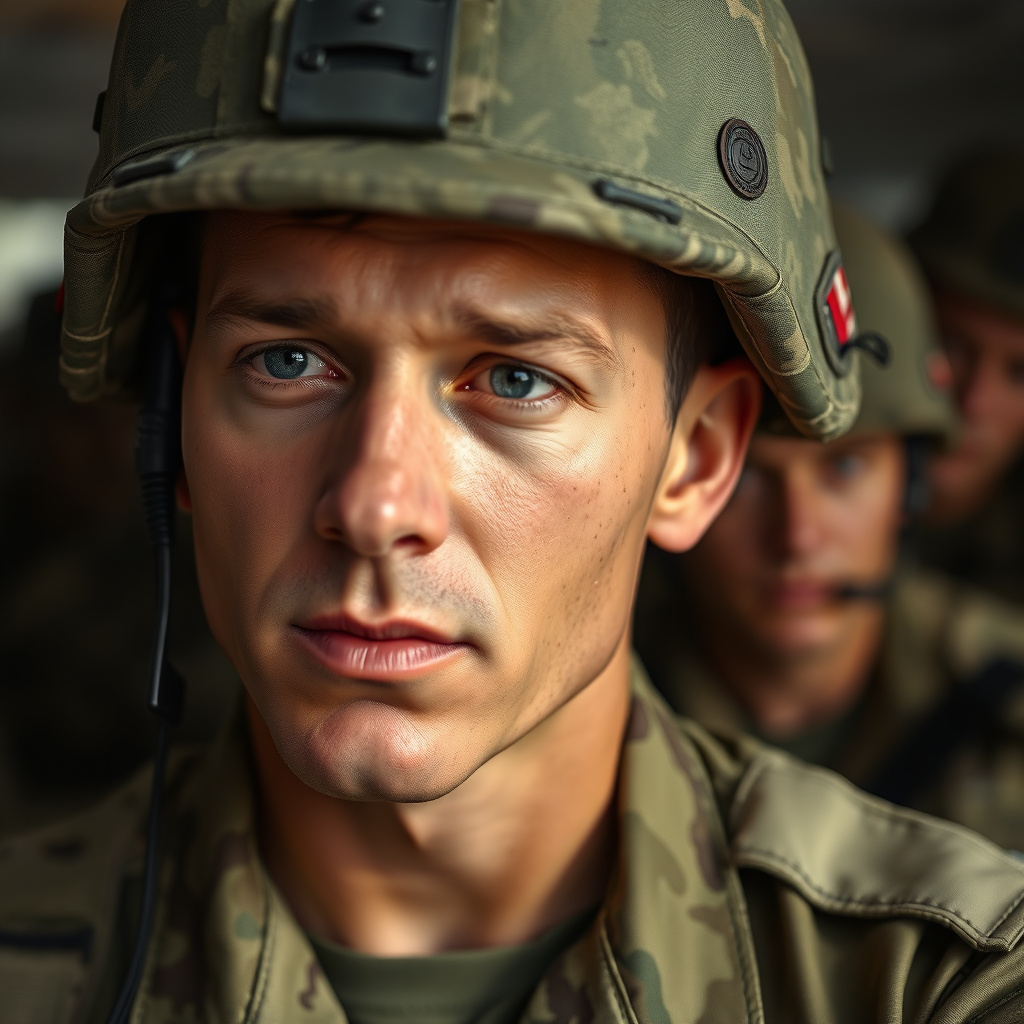
In many military contexts, nods are used as a quick form of confirming orders or instructions without breaking focus. This can be during training exercises, on the battlefield, or in command environments where verbal acknowledgements may slow down operations.
The clarity of a nod ensures that commands are not misunderstood. A fluid nod can indicate full understanding, while a hesitant nod might prompt further clarification, making it a subtle way to gauge readiness.
Nods as a Form of Respect and Military Courtesy
Beyond practical communication, nodding in the military often embodies respect among personnel. It can be a more discreet alternative to saluting in informal or low-key situations where salutes might not be required or practical.
This respectful gesture helps maintain discipline and camaraderie, signaling acknowledgment of rank or presence without interrupting ongoing operations or communication.
Types of Nods and Their Specific Meanings in Military Use
Slow and Deliberate Nods
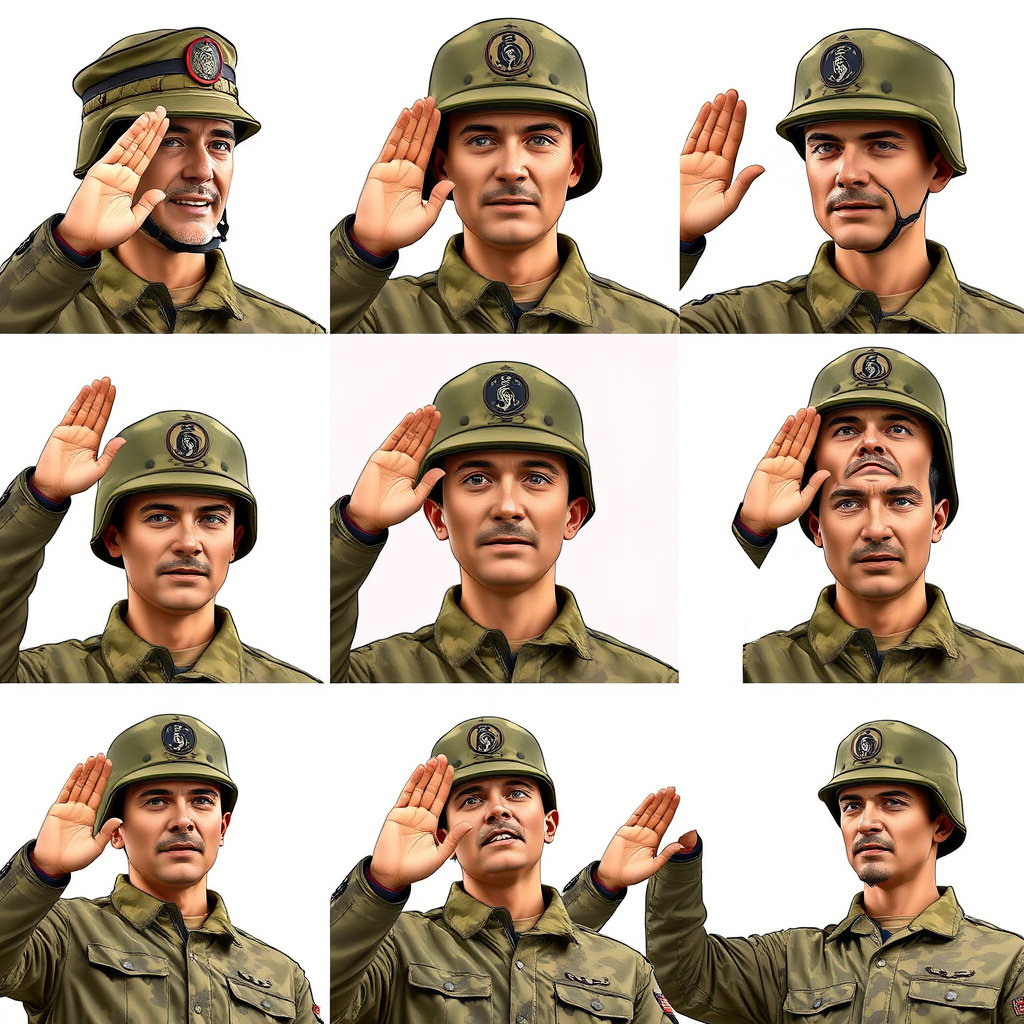
A slow, deliberate nod typically conveys careful consideration or explicit agreement. It may be used when a soldier wants to affirm complete understanding of orders, especially when details are complex.
This form of nodding avoids ambiguity and reassures commanding officers that instructions have been fully processed.
Quick or Subtle Nods
A quick or subtle nod often serves as a discrete acknowledgment, especially when silence is essential. For example, during covert operations or in loud combat zones, a brief nod can replace verbal signals altogether.
Such nods allow soldiers to respond promptly without revealing intentions to adversaries.
Contextual Uses of Nods Across Military Branches
Nods in Army Operations
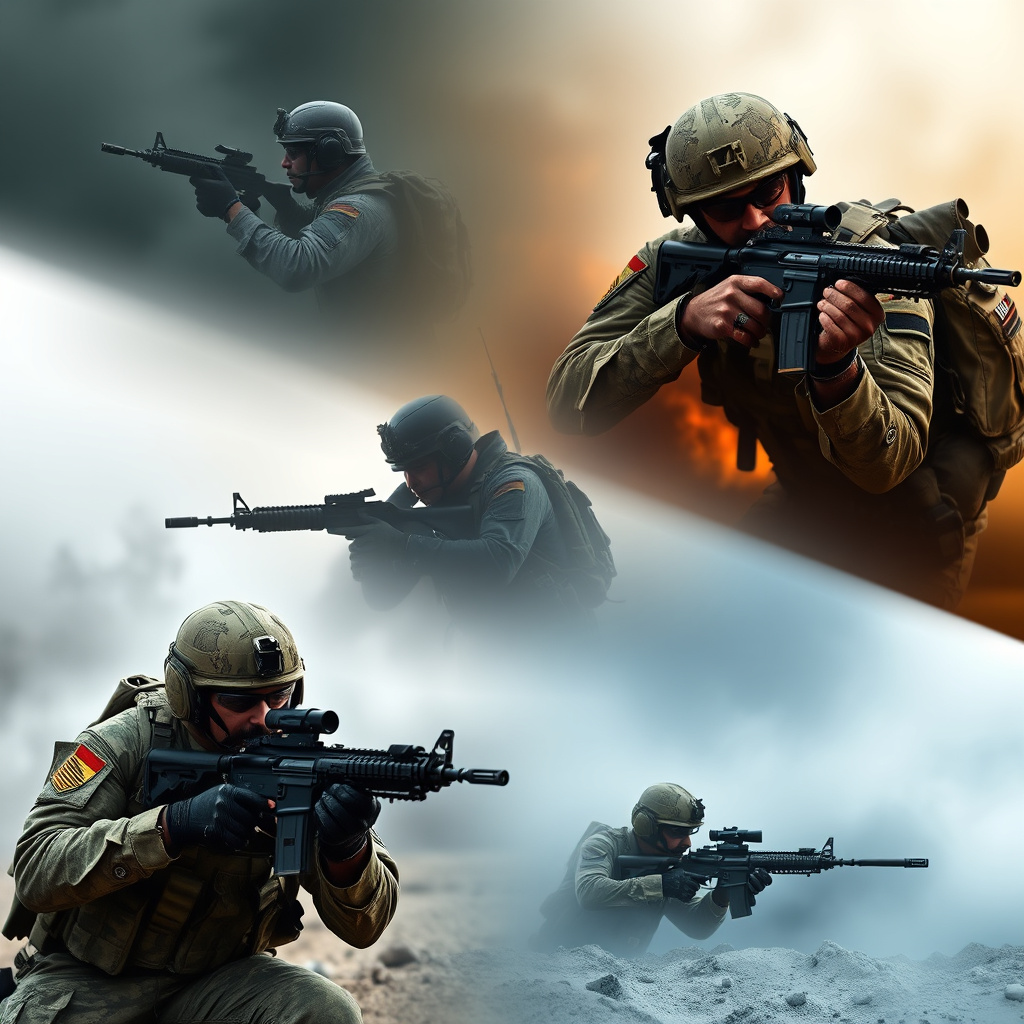
In the Army, nods primarily function during field operations and training drills for efficient command and control, especially where radio silence is enforced. Nods help minimize distractions and maintain situational awareness.
They are frequently combined with other body language cues to convey readiness or request permission.
Nods in Navy and Marine Corps Settings
For Navy and Marine personnel, nodding helps communicate on crowded decks or noisy ships where verbal commands might not carry well. It also plays a role in signaling agreement or acknowledgment during tactical planning or boarding operations.
Subtle nods allow quick nonverbal feedback that supports tight coordination under challenging conditions.
Training to Recognize and Use Nods Effectively
Incorporating Nods into Military Training
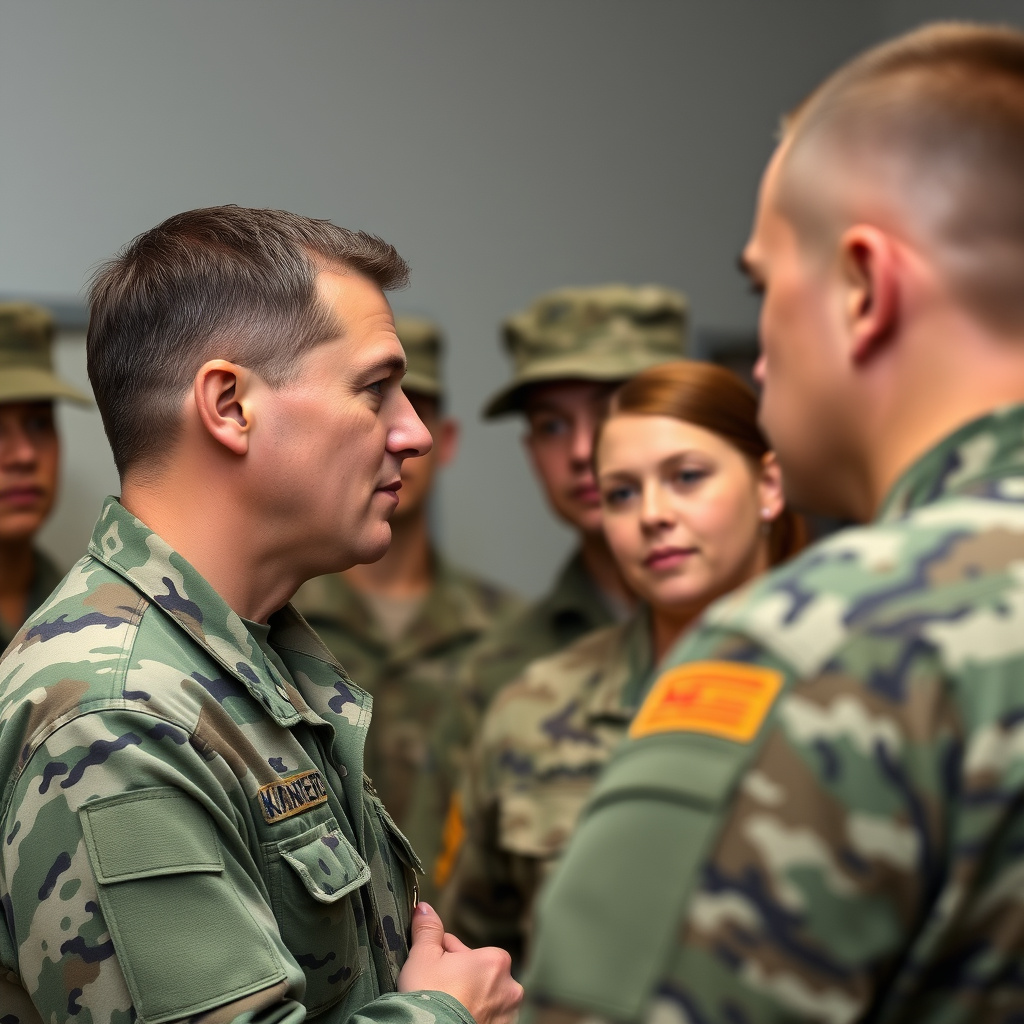
Training emphasizes recognizing nods to reduce misunderstandings and speed up command response times. Drill instructors teach recruits to read the nuances of nods, distinguishing between hesitation and certainty.
This careful instruction ensures that every nod carries the intended meaning, supporting efficient teamwork and operational success.
Developing Confidence in Using Nods
Military personnel learn to use nods confidently to maintain communication channels even when speech is impossible or impractical. Confidence in this nonverbal tool improves overall discipline and responsiveness.
Exercises simulating real mission environments build familiarity with different nod types and meanings.
Limitations and Challenges of Using Nods in the Military
Potential for Misinterpretation
Nods can sometimes be ambiguous, especially if cultural differences or individual habits alter their meanings. In high-stress situations, a nod might be mistaken for uncertainty or refusal, causing confusion.
Thus, relying solely on nods without backup communication methods can be risky.
Environmental and Situational Challenges
Adverse weather conditions, physical barriers, or poor visibility can reduce the effectiveness of nods. Soldiers must adapt by combining gestures with other signals when nods alone are insufficient.
Understanding these limitations helps mitigate communication breakdowns in critical moments.
Nods Within the Broader Spectrum of Military Nonverbal Communication
How Nods Complement Hand Signals and Gestures
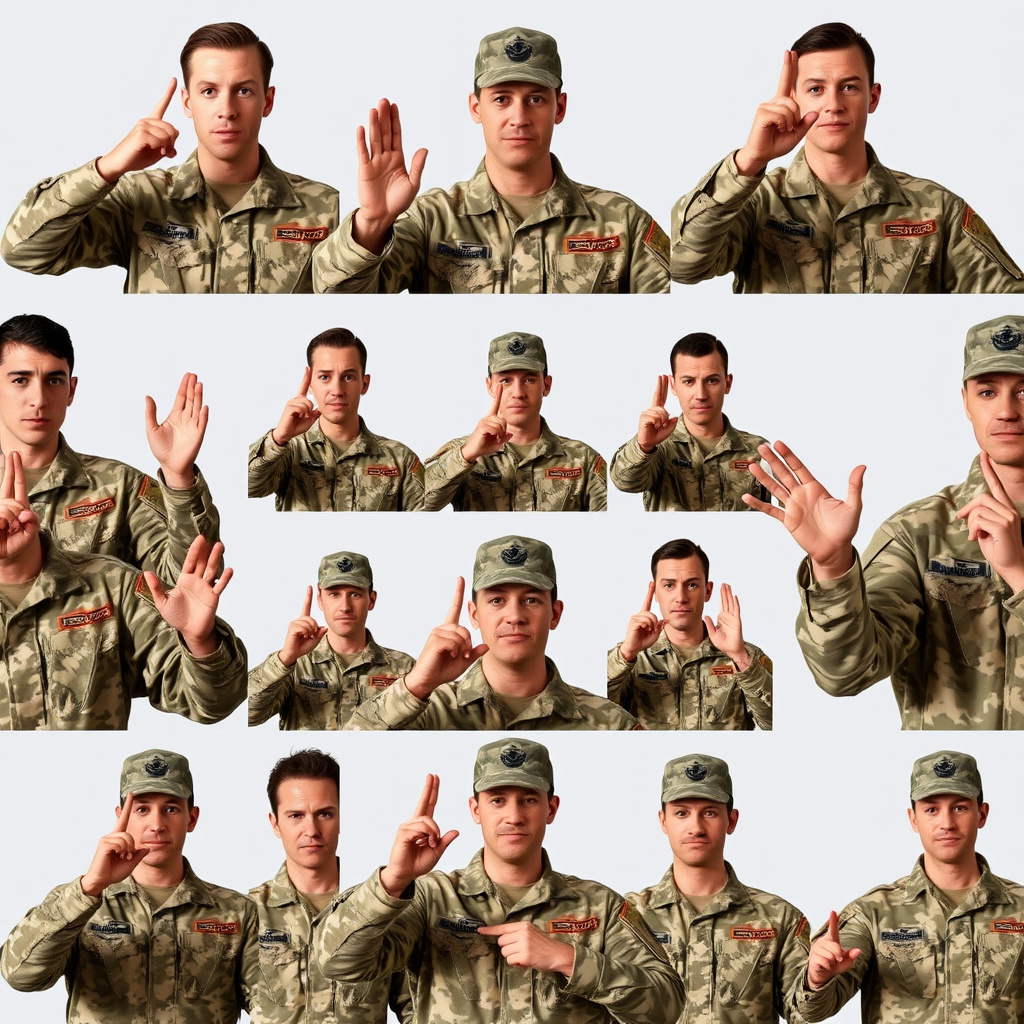
Nods often work alongside hand signals to reinforce commands and acknowledgments silently. Together, they form a versatile system that adapts to varied operational demands.
The coordination of these nonverbal cues enhances clarity and efficiency in tactical communication.
For more detailed information on nonverbal military communication, including nods, see Military hand and nonverbal signals. Military hand and nonverbal signals.
The Importance of Context in Interpreting Nods
Reading nods accurately relies heavily on context such as rank, situation, and previous exchanges. Without this understanding, nods may lead to miscommunication or errors in judgment.
Training stresses interpreting nods as part of the complete communication environment rather than isolated signals.
Comparison of Different Military Communication Methods
Here’s a comparison of nods alongside other common military communication techniques, highlighting their uses and limitations.
| Method | Communication Type | Best Use Case | Limitations |
|---|---|---|---|
| Nods | Nonverbal | Quick acknowledgments in noisy environments or when silence is needed | Ambiguity without context; visibility required |
| Hand Signals | Nonverbal | Covert tactical commands and coordination | Requires line of sight and training |
| Radio Communication | Verbal/ electronic | Detailed instructions and updates over distances | Signal interference; can be detected by adversaries |
| Written Messages | Verbal/ written | Secure, documented communication | Slow delivery; not real-time |
| Visual Signals (e.g. lights, flags) | Nonverbal | Communication over long distances especially in naval contexts | Weather dependent; limited message complexity |
Frequently Asked Questions
Why do military personnel use nods instead of verbal communication?
Nods allow soldiers to acknowledge or agree silently when speaking is impossible or would reveal their position, maintaining stealth and clarity in noisy or sensitive situations.
Are nods used universally across all military branches?
While nods are common in many armies and forces globally, their specific meanings and use can vary depending on branch and cultural context within each military.
Can nods be misinterpreted in military operations?
Yes, without clear context or when individuals have different nodding habits, nods might be misunderstood, which is why they are often paired with other communication forms.
How are soldiers trained to understand nods?
Training includes recognizing nod types and their meanings in different scenarios to reduce miscommunication and speed command execution, often practiced in simulated missions.
What is the difference between a nod and a salute?
A nod is generally an informal gesture acknowledging orders or respect quietly, whereas a salute is a formal ceremonial gesture recognizing rank or honor.
Key Takeaways
- Nods serve as a quick, silent way to confirm messages and show respect in the military.
- Different types of nods convey varying levels of agreement or readiness.
- Nods complement hand signals and other nonverbal communication methods.
- Understanding context is essential to correctly interpret nods and avoid confusion.
Conclusion
Deciding how to interpret or use nods in the military involves weighing their speed and subtlety against potential ambiguity. Their role as part of a comprehensive communication system highlights how body language supports operational efficiency and unit cohesion under pressure. Commanders and soldiers benefit when nods are incorporated thoughtfully alongside other signals and verbal communication.
For everyday military tasks or high-stakes operations, choosing between nods, hand signals, or radio communication depends on the environment and mission goals. For example, silent nods work best where stealth is critical, while hand signals offer clearer commands during tactical maneuvers. Both methods reduce reliance on radios, which may be intercepted. Understanding these options enables military personnel to respond flexibly.
If you want to deepen your knowledge of military gestures including nods, practicing interpreting them in context is a great next step. Observing drills or studying military manuals can improve proficiency, ensuring clearer communication during complex missions. Recognizing the power and limits of nods helps soldiers make split-second decisions that maintain safety and coordination.