Do Dogs Have Depth Perception? Understanding Canine Vision
Yes, dogs do have depth perception, but it differs somewhat from that of humans. Their ability to judge the distance between objects is aided by the placement of their eyes and how their brains process visual information. This means dogs can see in three dimensions, allowing them to navigate their environments effectively.
Understanding how dogs perceive depth helps explain their behavior, such as how they catch balls or avoid obstacles. Their visual system is adapted to support their needs as predators and companions, even though their depth perception isn’t as sharp or colorful as human vision.
This article will examine how dogs perceive depth, the biological factors behind their vision, and how this affects their daily interactions. We'll also compare dog depth perception to humans and explore practical implications for dog owners.
Dog Eye Anatomy and Its Role in Depth Perception

How Eye Placement Affects Visual Field
Dogs have eyes positioned more on the sides of their heads compared to humans, resulting in a wider field of view. This lateral positioning provides a panoramic view up to 250 degrees but reduces the binocular overlap where depth perception is most accurate.
The smaller binocular field means dogs have less area where both eyes focus on the same object simultaneously. Consequently, their depth perception is concentrated in a narrower zone directly in front of them.
- Wider peripheral vision compared to humans
- Reduced binocular overlap limits depth cues
- Better at detecting motion from the sides
Retina Structure and Visual Processing
The canine retina contains more rods than cones, which enhances their ability to see in low light but limits color detection. While rods do not directly affect depth perception, this influences how dogs interpret shapes and contours in dim environments.
Depth perception is also influenced by visual processing in the brain, where signals from each eye are merged to create a sense of three-dimensional space. Dogs’ brains are wired to optimize this for their hunting and survival needs rather than high-resolution detail.
How Dogs Use Depth Perception in Everyday Life
Hunting and Tracking Prey
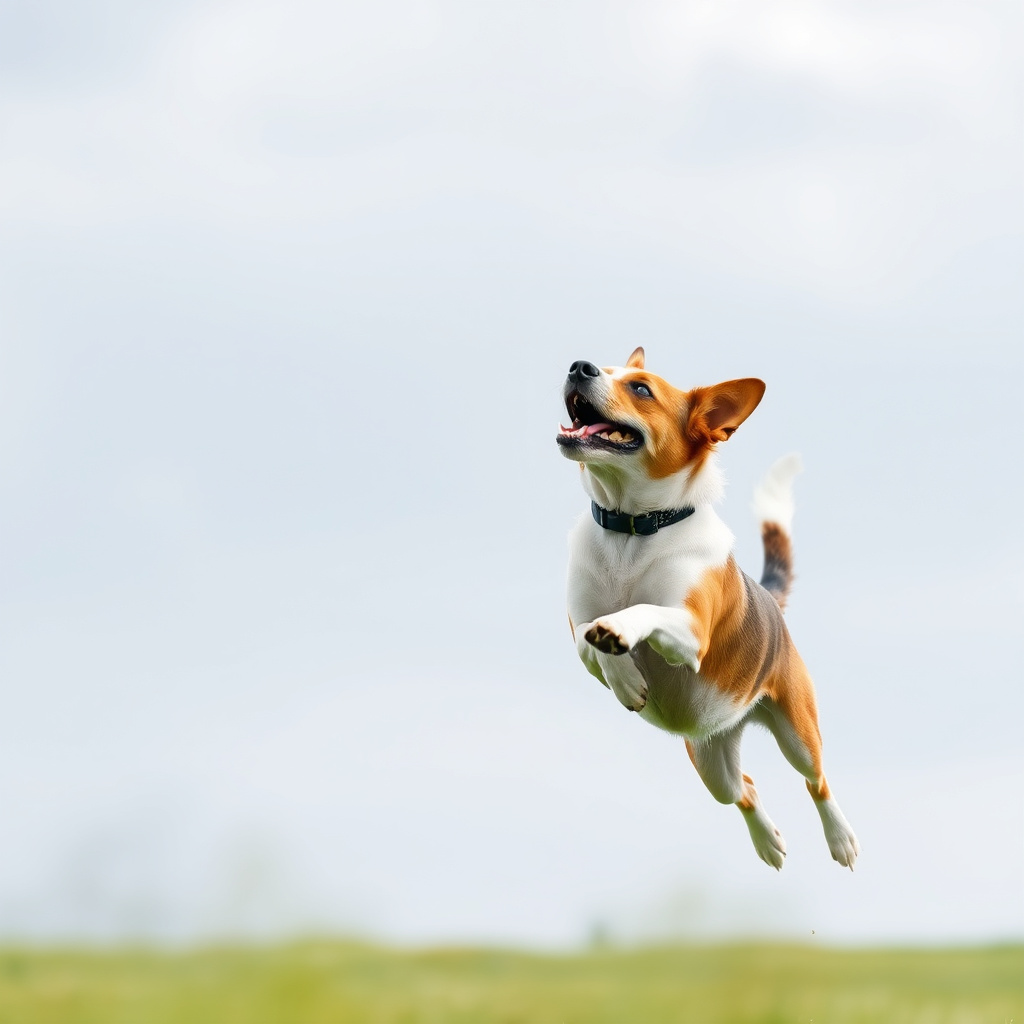
Dogs rely on depth perception to judge the distance and speed of moving targets, crucial for hunting or playing fetch. Their ability to estimate how far a ball or prey is allows for precise timing and coordination during pursuit.
Though their depth perception range is shorter compared to humans, their keen sense of smell and hearing complement vision, creating a robust system to track and capture targets even when the visual info is limited.
Navigating Terrain and Obstacles
Depth perception helps dogs navigate complex environments, such as jumping over fences or avoiding obstacles. The binocular visual field allows them to perceive depth for objects directly ahead while peripheral vision warns them of nearby dangers.
Dogs also use other sensory inputs like vibrissae (whiskers) and proprioception to gauge space beyond visual cues, which is especially helpful in low visibility conditions.
Comparing Dog and Human Depth Perception
Differences in Binocular Vision
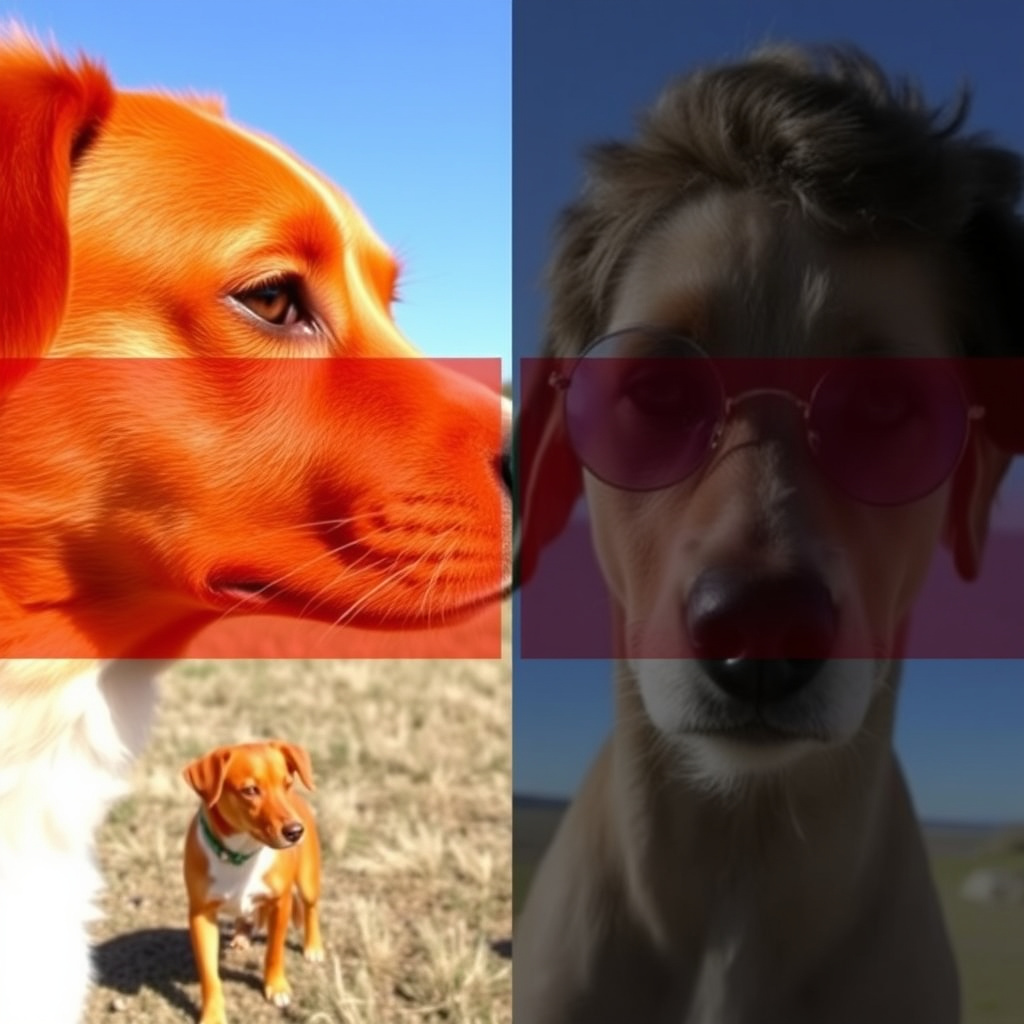
Humans have forward-facing eyes with about 120 degrees of binocular overlap, enabling detailed depth perception across a wide space. Dogs typically have 30 to 60 degrees of overlap, limiting detailed depth cues to a smaller field.
This difference means humans excel at tasks requiring precise depth judgment, while dogs emphasize detecting movement and wide peripheral vision to survive in varied environments.
Color Perception and Its Impact
Human depth perception benefits from color differentiation, which enhances contrast and object recognition. Dogs have dichromatic vision, seeing mostly blues and yellows, which can affect how textures and shapes are perceived but minimally impacts spatial depth accuracy.
While color cues are less vivid for dogs, their ability to detect motion and shape contrast allows effective use of depth perception in hunting and play.
Factors Influencing Depth Perception Accuracy in Dogs
Lighting Conditions and Visual Acuity
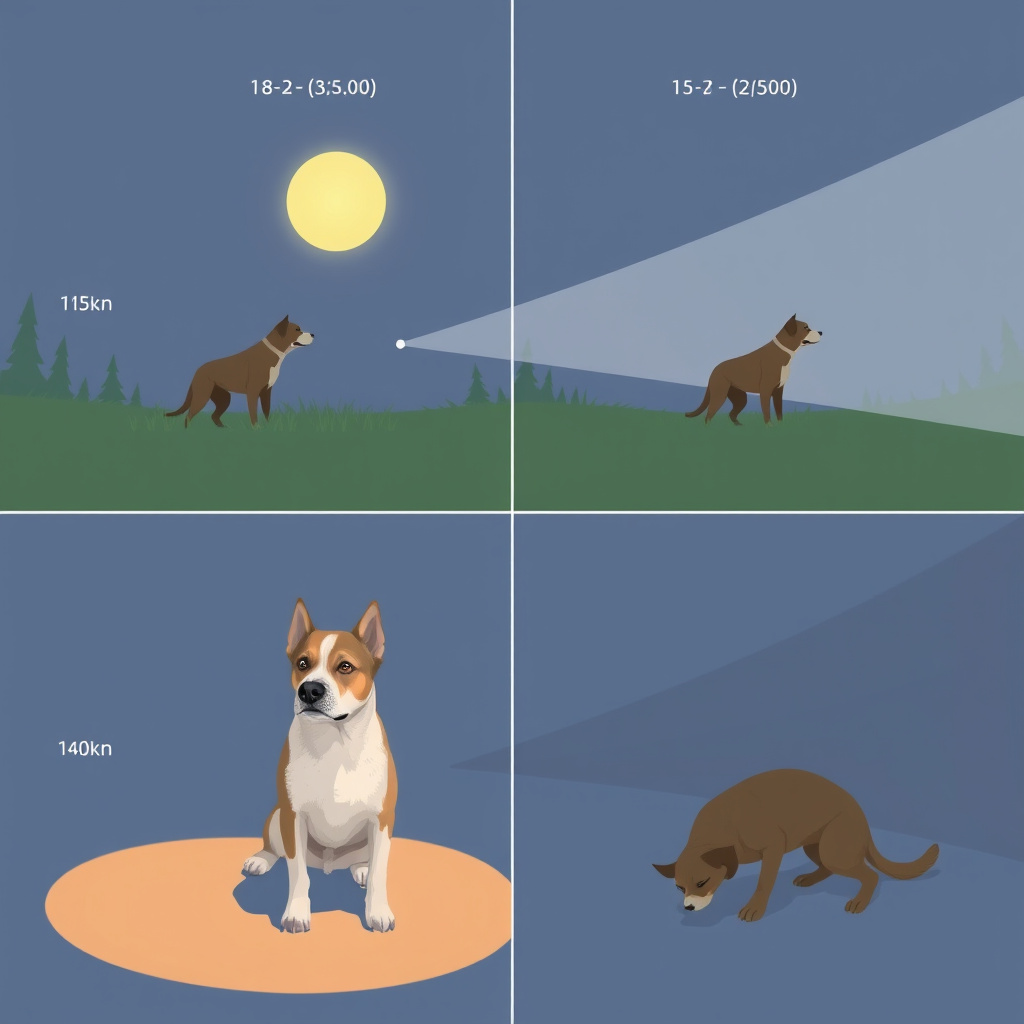
Dogs perform better than humans in low-light due to a higher rod density and the tapetum lucidum, a reflective layer behind their retinas. These adaptations improve their ability to detect depth in dim settings but limit sharpness in bright conditions.
In bright daylight, dogs' vision sharpness decreases relative to humans, which could affect their depth perception during detailed tasks but not general navigation or motion tracking.
Age and Health Effects
Age-related changes such as cataracts or retinal degeneration can impair a dog's depth perception. Healthy dogs usually maintain stable visual capabilities into middle age, but older dogs may rely more on non-visual senses.
Regular veterinary eye exams help identify issues that could affect depth perception, enabling early intervention and better quality of life.
Training and Enhancing Canine Depth Perception
Using Agility Exercises to Improve Spatial Awareness
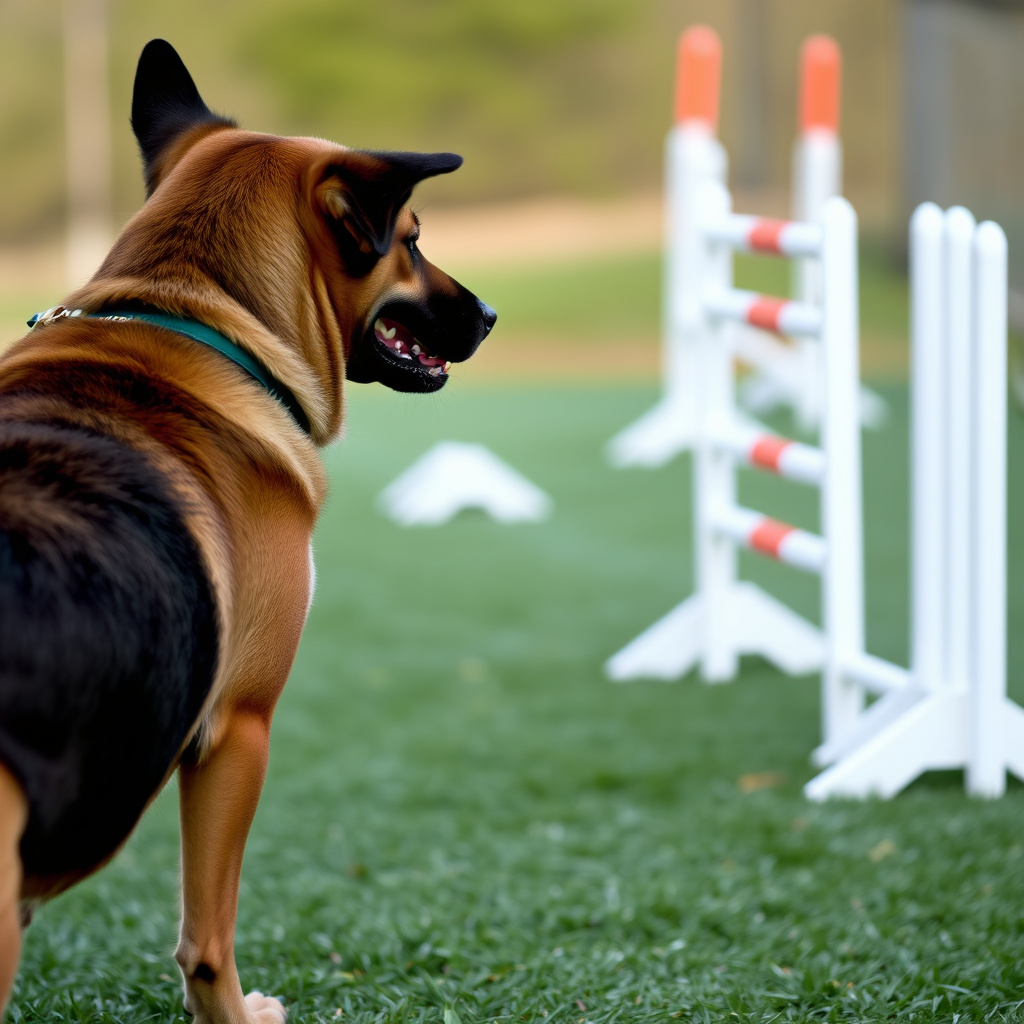
Agility training challenges dogs to judge distances, speed, and timing. Exercises involving jumps, tunnels, and weave poles sharpen their depth perception and coordination by reinforcing spatial judgment skills.
Regular practice with varied obstacles encourages dogs to process visual cues quickly and accurately, potentially compensating for their limited binocular vision.
- Jump height adjustments
- Timed obstacle runs
- Close proximity maneuvering
Incorporating Multi-Sensory Cues
Training that combines olfactory, auditory, and tactile cues strengthens overall spatial awareness beyond vision alone. Such approaches help dogs adapt when visual depth perception is insufficient in certain environments.
Using scent trails or sound signals along with visual obstacles supports cognitive mapping and improves the dog's confidence in judging distances safely.
Common Misconceptions About Dog Vision and Depth Perception
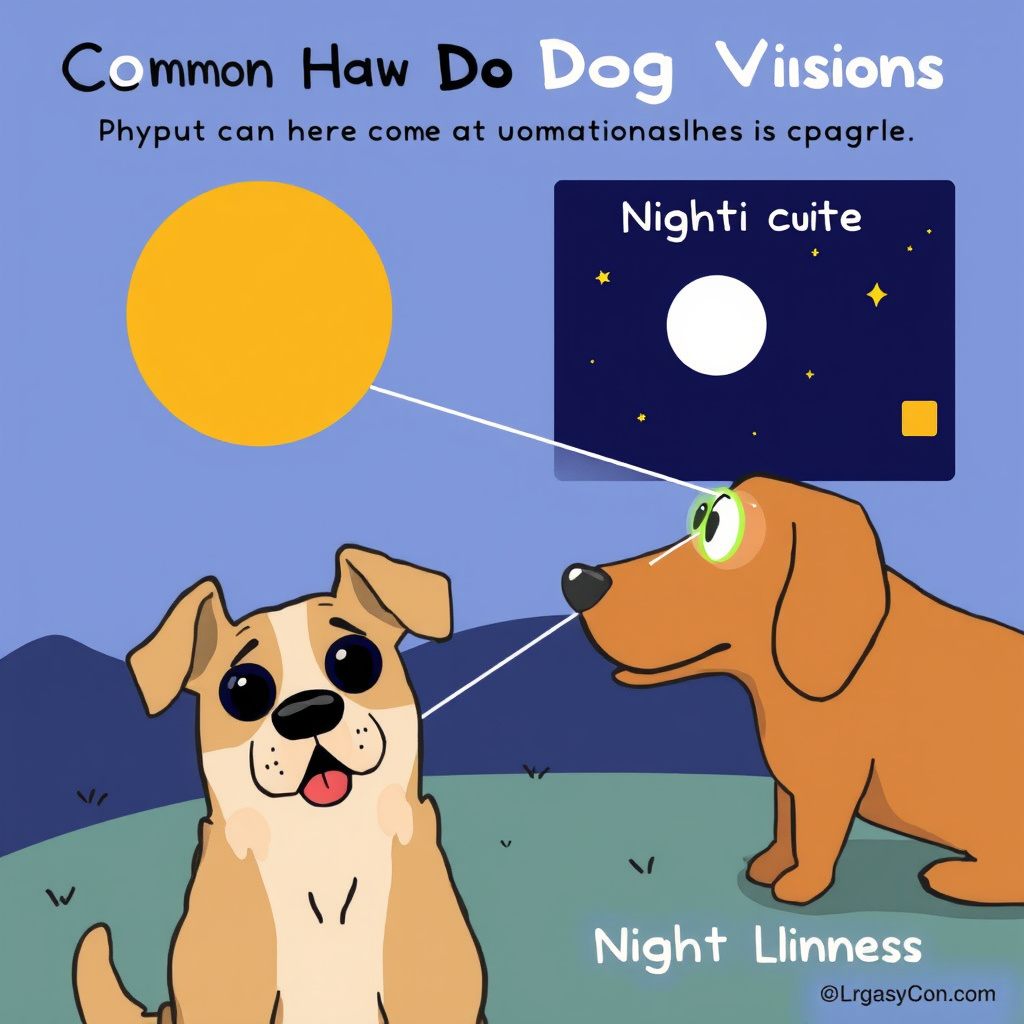
Myth: Dogs See Only in Black and White
It's often said dogs are completely colorblind, but they actually see blues and yellows while missing reds and greens. This dichromatic vision influences how they discern depth-related contrasts but doesn’t mean their world is grayscale.
Understanding their color range clarifies how dogs perceive the environment differently without diminishing their depth perception capabilities.
For more detailed information on how dogs see and perceive their environment, the American Kennel Club provides comprehensive insight into canine vision research. canine vision research from the American Kennel Club.
Myth: Dogs Have Poor Vision Overall
Though dogs don’t see as sharply or in as many colors as humans, their vision is well-adapted to detect motion and navigate varied terrains. Their depth perception is sufficient for hunting, playing, and interacting safely within their surroundings.
This misconception arises from comparing dog vision directly to human standards rather than appreciating their specialized sensory setup.
Dog Vision Types and Depth Perception Comparison
This table compares different dog breeds and their typical vision traits related to depth perception and overall sight capabilities.
| Breed Type | Binocular Vision Angle | Field of View (degrees) | Color Perception | Depth Perception Strength |
|---|---|---|---|---|
| Hunting Breeds | 50°–60° | 240°–250° | Dichromatic | Strong in motion tracking, moderate binocular depth |
| Companion Dogs | 30°–50° | 200°–220° | Dichromatic | Moderate depth, focus on close-range interaction |
| Sight Hounds | 40°–55° | 230°–245° | Dichromatic | High speed visual tracking, good depth perception |
| Working Dogs | 35°–55° | 220°–240° | Dichromatic | Balanced depth and peripheral vision |
Frequently Asked Questions
Can dogs judge distances accurately when catching a ball?
Dogs use their depth perception combined with motion detection to estimate how far a ball is and when to catch it, allowing surprisingly good accuracy despite their narrower binocular vision.
Do dogs see better in the dark than humans?
Yes, dogs have more rod cells and a reflective layer behind their retinas that enhances low-light vision, helping them perceive depth better in dim environments than humans.
How does a dog's depth perception affect their safety indoors?
Dogs' depth perception helps them avoid collisions with furniture and stairs. However, their limited binocular field means they rely on other senses like smell or touch to fully navigate tight spaces safely.
Is depth perception in dogs hereditary or breed-dependent?
Depth perception varies by breed due to differences in eye placement and brain structure. Hunting and sight hounds often have stronger depth perception suited for tracking moving objects.
Can training improve a dog's depth perception?
Training and activities like agility courses enhance a dog’s ability to judge distances and improve coordination, helping them make better use of their natural depth perception.
Key Takeaways
- Dogs have functional depth perception focused within a narrower binocular field than humans.
- Eye placement and retinal structure shape canine visual capabilities and depth perception.
- Dogs complement vision with other senses when judging distances and navigating spaces.
- Training can improve a dog's spatial awareness and use of depth perception in daily activities.
Conclusion
Evaluating dog vision and depth perception reveals a system finely tuned for survival rather than fine detail. Their eyes produce a panoramic view with limited binocular overlap, emphasizing motion detection and spatial awareness over sharpness. The ability to perceive depth, though not as extensive as humans, serves dogs well for hunting, navigating terrain, and interacting with their environment confidently. By understanding the mechanisms behind canine vision, owners can better appreciate how dogs experience their world and respond to visual stimuli.
Different breeds show variation in depth perception ability, depending largely on eye positioning and genetics. Hunting breeds and sight hounds possess broader binocular vision allowing enhanced spatial judgment for tracking. Companion dogs tend to have slightly narrower vision but compensate with other senses like smell and hearing. Activities such as agility training can optimize dogs' existing depth perception, enhancing coordination and responsiveness. Recognizing these differences helps tailor activities and care to support a dog’s natural vision strengths and weaknesses.
For dog owners interested in maximizing their pet's visual capabilities, offering regular movement-based training, ensuring proper lighting conditions, and monitoring eye health with a veterinarian are practical steps. Engaging dogs in games that require judging distances reinforces their spatial skills within their physical capabilities. Overall, while dogs have different depth perception than humans, their vision remains a remarkable adaptation to their lifestyle — providing a rich sensory experience that enables them to thrive as loyal companions.

One Comment