Where to Get a Criminal Background Check: Your Complete Guide to Sources and Process
If you need to obtain a criminal background check, you have several options—ranging from official government agencies to reliable online services. You can request a background check directly from your state police, local sheriff’s department, or the FBI, depending on whether you need statewide or federal records. Many people also use accredited online platforms that securely access public databases and streamline the process for both individuals and employers. Knowing where to get a criminal background check ensures you receive accurate, up-to-date information for employment, housing, or personal peace of mind.
Securing the right type of criminal background check is crucial for making informed decisions in hiring, adopting, or gaining access to certain services. The process can differ significantly by jurisdiction, what the check is used for, and the level of detail required. Not all sources provide the same depth of information, so understanding your options protects you from incomplete or outdated reports.
This guide details the major sources for criminal background checks—including government agencies, online providers, and specialty services—and outlines the pros, cons, and procedures for each. We’ll also walk you through step-by-step how to request a background check depending on your needs, compare types of checks, and answer common questions about reliability, privacy, and costs.
Government Sources for Criminal Background Checks
State Police and Local Law Enforcement Agencies

Most state police or local sheriff departments provide criminal background check services to the public. Applications are often available online or at physical offices, requiring a government-issued ID and a nominal fee. Processing times may vary from same-day to several weeks depending on the agency.
These checks generally cover only offenses within that particular state or jurisdiction. It’s important to clarify whether you need statewide records or something more comprehensive before applying.
- Check eligibility for in-person or mail-in requests
- Be prepared with accurate personal identification
- Review turnaround times and fees before applying
Federal Bureau of Investigation (FBI) Checks
For a nationwide criminal history, the FBI maintains the Identity History Summary. You can apply through the FBI directly, usually online or via mail after fingerprinting at an authorized location. The FBI’s summary is widely accepted for federal employment or international purposes.
Processing typically takes 3–5 business days after receipt, but factors like fingerprint clarity can affect timing. The secondary_keyword often applies here, as many seek federal checks specifically for employment or immigration.
Where to Get a Criminal Background Check Online
Accredited Online Providers

Numerous private companies, such as GoodHire and Checkr, provide criminal background checks online. These platforms streamline how to request a background check for personal or professional purposes. Customers typically create an account, enter identifying details, and receive electronic reports within a few days.
Ensure the site is compliant with federal and state regulations. Look for National Association of Professional Background Screeners (NAPBS) accreditation to ensure privacy and accuracy.
- Fast, user-friendly application process
- Reports often emailed directly
- Keep documentation for future reference
Direct Court Record Searches

Many state and local courts allow online searches of criminal records via official websites. Some are free while others charge a fee. Results can be very detailed but require manual navigation and some legal know-how to interpret.
This method is most effective if you know exactly where the subject lived or was convicted. It is less practical for multi-state searches or large-scale screening needs.
Specialty Services for Specific Needs
Background Checks for Employment and Tenant Screening

Employers and landlords commonly use third-party screening services, which comply with the Fair Credit Reporting Act (FCRA). These specialty services request explicit consent, gather criminal, credit, and employment history, and deliver formatted reports for hiring or leasing decisions.
This approach is ideal for organizations seeking compliance and a standardized process. Individuals may be required to pay a fee or sign a disclosure.
- Check provider’s FCRA compliance
- Employer or landlord must notify applicant
For more on this, see our related guide: How to Get Someone’s Criminal Record: Steps, Laws, and Best Practices.
Volunteer and Licensing Checks
Volunteering with vulnerable populations or applying for professional licensing may require background checks tailored to the sector. Organizations often direct applicants to government-verified vendors for these specialties.
Requirements vary, so always verify specific documentation and submission procedures with the organization or licensing board.
How to Request a Background Check Step-by-Step
Essential Documentation and Application Process

Start by identifying the appropriate source, such as state police, the FBI, or an online provider. Prepare a government-issued photo ID, completed forms, and, if required, fingerprints. Some agencies require in-person visits; others accept digital submissions.
Verify that you have all necessary personal information—such as full legal name, date of birth, and Social Security number—to avoid delays in processing.
- Photo ID (e.g., driver’s license, passport)
- Completed request forms
- Proof of payment (if required)
Dealing with Errors and Follow-Up

Mistakes on a criminal background check are not uncommon. If you find inaccurate information, contact the reporting agency immediately to initiate a dispute. Provide copies of supporting documentation to expedite corrections.
Most agencies have formal procedures for resolving errors, though timelines and requirements can differ by jurisdiction and source.
- Keep a personal copy of your report
- Document all communications for records
Privacy, Accuracy, and Legal Considerations
Privacy Rights and Consent

U.S. federal law requires informed consent for most employment and tenant checks. Never allow a background check without first reviewing the requesting party’s privacy disclosures and terms.
Some checks, especially from online services, may capture more information than necessary. Limit requests to what’s relevant for your purpose.
- Read and understand consent forms
- Know your right to dispute erroneous results
For more on this, see our related guide: What Is the State Bureau of Investigation? Your Complete Guide to State Law Enforcement Agencies.
Ensuring Report Accuracy

Always verify that the source you’re using has access to updated, official records. Some internet-based services scrape outdated databases, which may result in misleading outcomes.
The secondary_keyword becomes crucial here—the process you follow directly affects accuracy. Choose providers governed by federal or state standards.
Where to Get a Criminal Background Check: Main Types and When to Use Them
Name-Based vs. Fingerprint-Based Checks
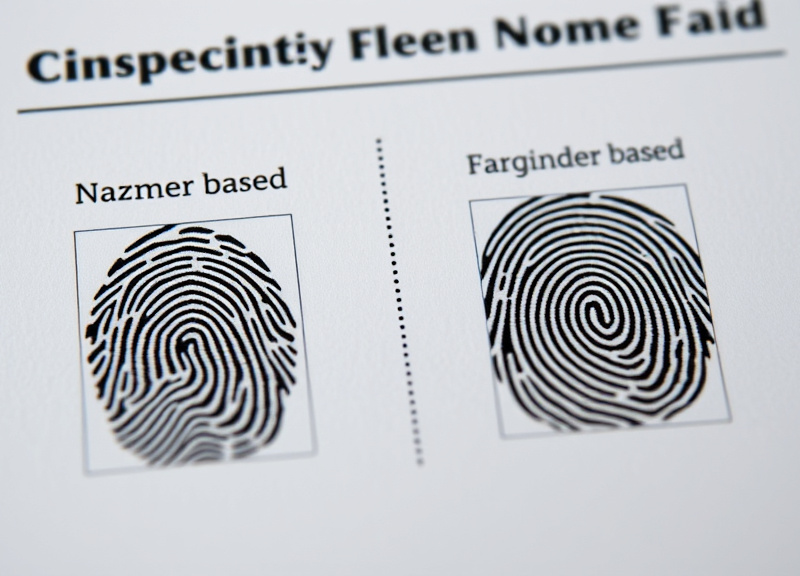
Name-based checks are quicker and useful for preliminary screenings but may miss records due to spelling errors or name changes. Fingerprint-based checks are more accurate, matching records across state and federal databases, but require in-person fingerprinting and typically cost more.
Consider the sensitivity of your purpose when choosing which method fits best.
- Name-based: fast, less invasive
- Fingerprint-based: high accuracy, used for licensing
For federal-level background checks, you can find step-by-step instructions and requirements on the official FBI’s Identity History Summary information page. FBI’s Identity History Summary information.
Single-Jurisdiction vs. Nationwide Searches
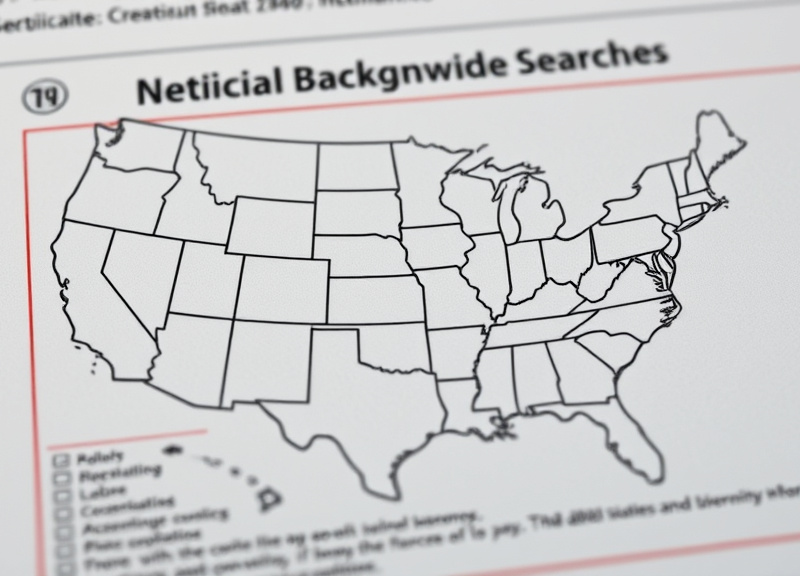
A single-jurisdiction search reveals records from a specific area, often all that’s needed for local employment or volunteer roles. Nationwide searches cover multiple states and are required for federal jobs, adoption, and certain licenses.
Always confirm with the requesting organization which scope is required for your scenario.
- Single-jurisdiction: cheaper, faster
- Nationwide: comprehensive but longer turnaround
Criminal Background Check Options Compared
Not all background check options are created equal. The following table compares the main types based on scope, speed, and ideal use cases to help you decide.
| Category | Scope | Turnaround Time | Ideal Use Cases | Approximate Cost |
|---|---|---|---|---|
| State Police Check | Statewide | 1–10 days | Local jobs, volunteering | $10–$30 |
| FBI Identity History Summary | Nationwide | 3–10 days | Federal jobs, visas, adoption | $18–$50 |
| Accredited Online Provider | Varies | 1 hour–3 days | Personal review, basic screening | $20–$70 |
| Court Record Search | County/State | Instant–2 days | Targeted legal research | Free–$20 |
| Employer/Tenant Screening | Multistate | 1–7 days | Hiring, rentals | $25–$60 |
Frequently Asked Questions
How long does it take to get a criminal background check?
Timing varies: state police checks often take 1–10 days, FBI checks 3–10 days, and online providers may return results within hours. Processing can be delayed by incomplete information or high demand.
Are online background checks as accurate as government checks?

Accredited online providers accessing official sources can be highly accurate. However, some sites use outdated or incomplete databases, so always check provider credentials and compliance with federal standards.
Do I need consent to run a background check on someone?

Yes, U.S. law requires written consent for most checks conducted for employment, housing, or credit purposes. Skipping this step can have legal consequences for both requester and provider.
Can I get a background check on myself?

Absolutely. Many government agencies and online services allow individuals to request their own criminal background checks for personal review, employment, or immigration purposes.
What should I do if my background check shows incorrect information?

Contact the reporting agency immediately, provide supporting documentation, and follow their dispute process. Most agencies are required by law to investigate and correct any erroneous or outdated records in their reports.
Key Takeaways
- Multiple official and online sources are available for criminal background checks.
- Understand your specific needs to choose the best provider and check type.
- Accuracy and privacy are critical—verify sources and provide proper consent.
- Turnaround times and costs can vary significantly by method and jurisdiction.
Conclusion
Successfully navigating where to get a criminal background check begins with understanding your unique situation. Whether you need a local records search, a full federal check, or an immediate online report, identifying your primary purpose—employment, housing, licensing, or personal review—helps narrow your options. Always prioritize sources that offer both accuracy and legal compliance, ensuring your information is both reliable and respectfully handled.
For most individuals, starting with a state police agency or a reputable online provider covers common needs efficiently. Employers and landlords should use certified screening services to meet legal standards, while specialized checks like the FBI’s are reserved for high-level requirements such as federal employment or international visa applications. If timing is critical, accredited online platforms deliver speed, while government sources may provide greater official recognition.
As a next step, determine your requirements and gather all necessary documentation before beginning the application process. Double-check if your target organization specifies a certain type or provider. By following the practical steps outlined here, you’ll streamline how to request a background check and avoid common pitfalls, giving you peace of mind and confidence in your results.



5 Comments