Top 10 Best Technical Ski Jackets You Can’t Miss Today
Dampness seeping through a jacket at the first hint of a heavy snowstorm or the frustration of bulkiness that limits movement are problems anyone hunting for the best technical ski jackets understands well. Choosing poorly can turn a ski day into a slog, especially when you’re battling wind and cold on the slopes. Many jackets claim to be waterproof or breathable but often fall short where it counts, leaving you cold and clammy in the heart of winter sports.
The key features separating effective technical ski jackets from the rest include waterproof rating, breathability, and fit. Look for jackets with a waterproof rating of at least 20,000 mm, combined with breathability around 10,000 grams per square meter per day to keep moisture out while allowing sweat to escape.
A tailored fit that allows layering without restricting movement matters just as much. Durable seams and adjustable features like cuffs, hems, and hoods make a jacket practical and keep you protected all day on the mountain.
Need a Quick Check?
| Image | Product | Price |
|---|---|---|
Our Top Picks 1  | TACVASEN Ski Jacket | Check Price |
Our Top Picks 2  | Spyder Monterosa Jacket | Check Price |
Our Top Picks 3  | Dakine Gerard Beacon | Check Price |
Our Selected Top 10 Technical Ski Jackets Picks for Every Need
This list features carefully chosen technical ski jackets that combine performance, comfort, and durability for various skiing conditions. Each review highlights key features, suitability for different users, and the strengths and weaknesses to help you find the best jacket for your needs.
1. TACVASEN Mens Ski Jacket
Cold weather outdoor activities demand a jacket that keeps you warm and comfortable without restricting movement. Suited for winter conditions, this ski jacket has a loose fit and a hood that block cold air effectively.
Its biggest strength lies in offering reliable protection during Christmas and other cold-weather occasions.
Putting it on feels cozy thanks to the loose fit and long sleeves that cover well. The hooded collar adds extra warmth around your head and neck.
Wearing it daily is simple since it’s designed as an anorak style raincoat, making it easy to layer underneath or over your other gear. The solid black color stays practical for repeated use without standing out or showing dirt quickly.
The jacket handles cold weather well, matching the needs of winter climates through its construction and materials. The build encourages warmth retention with the long sleeves and hooded collar as key features.
Most praise highlights its effectiveness in cold, while some find the loose fit less tailored for more active skiing. The main complaint revolves around it feeling bulky for some occasions but fine for casual wear.
Warmth and hood coverage receive the highest praise, making it solid for cold weather use. Some find the loose and bulky fit not ideal for more dynamic skiing activities. The jacket performs well as a casual winter layer but might be too oversized for those who prefer a more tailored feel.
People who appreciate warmth and comfort without needing a tight fit will like this jacket. Anyone seeking a lightweight, form-fitting technical skiing jacket should consider other options. This works best for casual skiing days or winter wear focused on staying cozy rather than speed and agility.
Pros
- Warm and hooded design for full coverage
- Loose fit allows comfortable layering
- Durable anorak style raincoat construction
- Solid black color hides dirt well
Cons
- Loose fit may feel bulky for active skiing
- Lack of adjustable features might limit custom fit
| Specification | Details |
|---|---|
| Color | #215 Black |
| Style | Raincoat |
| Sleeve Type | Long Sleeve |
| Coat Silhouette Type | Anorak |
| Season | Winter |
| Climate Suitability | Cold Weather |
2. Spyder Mens Monterosa Ski Jacket
Black insulated jacket with a slim fit and removable hood suits cold winter outdoor activities. Its biggest strength is balancing warmth and a streamlined fit, making it a solid pick for those who want protection without bulk on the slopes.
Putting it on feels snug but not restrictive thanks to the slim fit and round collar. Removing the hood is straightforward, which helps when layering or needing less coverage.
Cap sleeves add a bit of style, while the solid color keeps it simple for daily winter wear. Easy to pair with other gear because it’s low-profile yet protective.
It performs well in cold weather, holding heat effectively while allowing enough movement. The anorak silhouette keeps snow out. Most users praise how warm it is, especially with the insulated design and hood option.
Some mention sleeve length could feel short for taller arms, a common note given the cap sleeve style.
The jacket consistently receives praise for its insulation and warmth during cold weather, while the cap sleeve length is a downside for those with longer arms. Removing the hood adds convenience, which many appreciate on fluctuating weather days.
People looking for a warm, slim-fitting jacket with flexible coverage will like this option. Those needing more sleeve length or varied colors should look elsewhere to better fit their needs.
Pros
- Warm insulated design for cold winter days
- Removable hood adds versatility
- Slim fit minimizes bulk
- Anorak silhouette blocks out snow
Cons
- Cap sleeves may feel short for tall users
- Limited color option with just solid black
| Specification | Details |
|---|---|
| Color | Black |
| Style | Insulated Ski Jacket With Removable Hood |
| Sleeve Type | Cap Sleeve |
| Coat Silhouette Type | Anorak |
| Fit Type | Slim |
| Climate Suitability | Cold Weather |
3. Dakine Mens Red Gerard Beacon Jacket
People who spend long hours on the slopes during cold weather will appreciate the Dakine Mens Red Gerard Beacon Jacket. It suits riders looking for serious protection against wet conditions without sacrificing breathability.
Its standout feature is the combination of 30k waterproofing and 25k breathability, ideal for staying dry and comfortable.
Getting ready to hit the mountain involves pulling on this anorak-style jacket with a regular fit and a hooded collar that provides extra coverage. The long sleeves keep the cold out and allow room for layering underneath.
It’s made for fall, winter, and holiday seasons, so warmth and waterproofing are clearly priorities in everyday use.
Designed with a 3-layer fabric structure, it handles moisture expertly while letting sweat escape during intense activity. The build feels sturdy and purpose-driven for cold weather.
High waterproof and breathability ratings receive praise, although some find the regular fit less tailored than preferred. Solid materials create confidence during prolonged use.
Waterproofing and breathability are the strongest points, keeping moisture out while allowing sweat to escape. Common opinions point to a fit that runs a bit roomy, which some may find less ideal for a more aerodynamic feel.
Someone valuing serious weather resistance with enough room for layers will be happy. Those wanting a slim or tailored fit could look elsewhere for a closer cut.
Pros
- Highly waterproof with 30k rating
- Excellent breathability at 25k
- Comfortable regular fit for layering
- Hooded collar adds wind protection
Cons
- Regular fit may feel loose for some
- Lacks extensive interior pocket options
| Specification | Details |
|---|---|
| Color | Huckleberry |
| Style | Red Gerard Beacon Snowboard Jacket |
| Waterproof Rating | 30k |
| Breathability | 25k |
| Layers | 3-layer |
| Climate Suitability | Cold Weather |
4. Quiksilver Mens Winter Ski Jacket

Quiksilver Mens Winter Ski Jacket in Iron Gate stands out with its water-resistant insulation, ideal for cold weather outdoor activities. Its regular fit anorak style suits anyone who wants reliable warmth without bulk, making it a solid choice for winter sports enthusiasts needing dependable protection against the elements.
Handling day-to-day wear during cold days is straightforward thanks to its water-resistant fabric, which helps keep moisture at bay. The long sleeves provide full coverage and the regular fit avoids restricting movement, making it comfortable during active pursuits like skiing.
Its solid pattern keeps things simple and versatile for various outdoor settings.
Performance-wise, the jacket holds up well in cold, wet conditions due to its insulated and water-resistant design. The anorak silhouette offers good protection, but some note that the fit can feel a bit restrictive for layering underneath. Material quality earns praise for durability, but occasional complaints mention the jacket feeling heavier compared to some competitors.
Many appreciate the jacket’s insulation and water resistance as key strengths, making it reliable in wet, cold conditions. A frequent downside noted is its weight, which some find heavier than desired, possibly impacting extended wear comfort.
Anyone looking for a sturdy, warm jacket that handles winter weather well will find it fits the bill. Those wanting a lighter or more flexible layering option might want to look toward other jackets designed with thinner materials or more stretch.
Pros
- Water resistant insulation keeps you dry
- Regular fit allows good mobility
- Anorak style offers solid coverage
- Suitable for cold weather outdoor activities
Cons
- Fit can feel restrictive for layering
- Heavier compared to some other ski jackets
| Specification | Details |
|---|---|
| Color | Iron Gate |
| Style | Water Resistant Insulated Winter Coat Snow Ski Jacket |
| Sleeve Type | Long Sleeve |
| Coat Silhouette Type | Anorak |
| Seasons | Winter |
| Fit Type | Regular |
5. GSOU SNOW Unisex Snowboard Jacket

GSOU SNOW Unisex Snowboard Jacket offers reliable protection for cold weather and extreme cold. Its loose fit and windproof collar make it a solid choice for both men and women who need a comfortable and warm jacket for skiing or other outdoor activities.
The baggy anorak style with raglan sleeves gives plenty of room for layering underneath. The windproof collar keeps drafts out while on the slopes or trails. Its solid black color fits easily with any ski gear, and the loose fit doesn’t restrict movement during active days outdoors.
This jacket suits cold winter months comfortably and handles the demands of snow sports.
Construction focuses on keeping warmth in and wind out, ideal for harsh winter climates. The jacket is made for cold to extreme cold conditions, which matches its windproof collar detail. Many appreciate its cozy insulation and roomy fit for layering, while some mention the bulky shape as a drawback.
It stands up well to winter weather but isn’t the sleekest option for those who prefer a more streamlined look.
Many find the insulation keeps warmth in effectively, while others note the large, baggy cut can feel cumbersome. Fit stands out as both a strength and the main drawback depending on what you want from a technical jacket.
This jacket suits those who prioritize warmth and don’t mind a loose, roomy fit. People looking for a more tailored or streamlined style might want to explore other options.
Pros
- Loose baggy fit allows for layering
- Windproof collar blocks cold gusts
- Unisex design fits men and women
- Durable material for harsh winters
Cons
- Bulky fit may feel oversized to some
- Limited color options with just black
| Specification | Details |
|---|---|
| Color | Black |
| Style | Men’s Women’s Classic Baggy Ski Jacket |
| Sleeve Type | Raglan Sleeve |
| Coat Silhouette Type | Anorak |
| Climate Suitability | Cold Weather, Extreme Cold |
| Fit Type | Loose |
6. MOERDENG Womens Ski Jacket

Feels snug and reliable in cold weather, making it ideal for anyone who likes snowboarding without fuss. Its regular fit and solid black color keep things simple while staying comfortable during winter outings. The standout feature is how well it keeps you warm and dry.
Putting it on is straightforward thanks to the anorak silhouette and spread collar that fit naturally without tightness. The cuff sleeves keep cold air out, letting you focus on your run without adjusting layers constantly.
It’s a dependable jacket for everyday winter use, especially when you want straightforward protection without extra bulk.
Performance-wise, it holds up well against cold weather conditions, matching its design for snowboarding or casual winter activities. Built with durable materials, its regular fit avoids feeling restrictive but some users mention wanting a little more style options. The black solid pattern doesn’t stand out but works well as a classic choice.
Common praise focuses on warmth; the main complaint is the limited color variety.
Warmth and cold weather protection repeatedly stand out as key positives. Many find the jacket reliable for snowboarding but point out its simplicity and limited color choices as drawbacks.
Those wanting straightforward, warm gear for winter sports will appreciate this jacket. People looking for something flashier or more varied in color might prefer exploring other options.
Pros
- Warm and suited for cold weather snowboarding
- Regular fit avoids tightness or bulk
- Cuff sleeves keep cold air out effectively
- Simple, solid black style works with most gear
Cons
- Limited color options
- Design may feel plain for some users
| Specification | Details |
|---|---|
| Color | Black |
| Style | Ski Jacket |
| Sleeve Type | Cuff Sleeve |
| Coat Silhouette Type | Anorak |
| Seasons | Winter |
| Climate Suitability | Cold Weather |
7. Swix Womens Focus Jacket

Perfect for chilly fall days, the Swix Womens Focus Jacket suits those who want a slim, well-fitting jacket that keeps warmth without bulk. Its strongest point is the combination of a slim aviator silhouette with cold weather suitability, making it ideal for anyone looking for practical style and efficient protection against the cold.
Putting it on feels natural thanks to the cuff sleeves and band collar, which lock in warmth around the wrists and neck. The slim fit makes layering easy and comfortable, so you won’t feel restricted when moving. Jet Black color keeps things simple and versatile for daily wear in cold fall conditions.
The jacket performs solidly in cold environments, offering reliable warmth without extra weight. It’s crafted with a focus on fit and maintaining a clean, solid pattern that helps it stand out subtly on the slopes or streets. One common critique is that it’s designed strictly for fall, so it might not be warm enough for deeper winter outings.
The jacket receives praise for its slim design and warmth during chilly fall conditions. Most reviews note it performs well in cold weather but isn’t suitable for more severe winter climates, which limits its use. The cuff sleeves and band collar are often mentioned as useful features that keep warmth in.
Those looking for a lightweight, slim, and stylish jacket for fall will find this a good match. People needing extra warmth for longer winter sessions may want to consider heavier, more insulated options instead.
Pros
- Offers a warm fit for cold fall weather
- Cuff sleeves seal in heat effectively
- Slim aviator style for a flattering look
- Simple solid color easy to pair with gear
Cons
- Limited to fall season, not for deep winter
- May feel snug for layering thicker clothing
| Specification | Details |
|---|---|
| Color | Jet Black |
| Style | Focus Jacket W |
| Sleeve Type | Cuff Sleeve |
| Coat Silhouette Type | Aviator |
| Seasons | Fall |
| Fit Type | Slim |
8. Burton Mens Reserve Shell Jacket

Constructed with a 2-layer shell design, the Burton Mens Reserve Shell Jacket suits skiers looking for lightweight weather protection without bulk. Its standout feature is the balanced blend of waterproofing and breathability, making it ideal for unpredictable mountain conditions.
Putting it on feels natural thanks to the streamlined fit and solid construction. The solid pattern in Gray Cloud/Washed Lavender adds subtle style without distractions.
Ventilation and layering options are well managed, letting you adjust for warmth and moisture during active use. The jacket resists snow and light rain, keeping you dry through varied weather on the slopes.
The jacket performs well at blocking wind and water, maintaining comfort on cold ski days. Built for durability with quality materials, it holds up after repeated use. The strongest praise highlights how effectively it keeps moisture out while allowing sweat to escape.
The most mentioned drawback relates to limited color options and the simplicity of design for those seeking flashier gear.
The jacket receives praise for effectively keeping moisture out while breathing well during activity. Its common critique centers on a limited color palette and modest aesthetic appeal, which might not suit everyone’s style preferences.
Ideal for skiers wanting reliable weather protection and versatility without heavy insulation. Those looking for bold colors or flashy design elements may prefer other jackets better matched to their style.
Pros
- Lightweight 2-layer shell design
- Good waterproof and breathable balance
- Streamlined fit for layering
- Durable construction
Cons
- Limited color options
- Simpler style for flashier tastes
| Specification | Details |
|---|---|
| Color | Gray Cloud/Washed Lavender |
| Style | Men’s Reserve 2l Shell Jacket |
| Pattern | Solid |
9. Helly Hansen Alpha 4.0 Jacket

Bright white stands out on the slopes, giving a clean, sharp look to the Alpha 4.0 Jacket. It works best for anyone needing a reliable cold-weather layer that balances warmth and mobility well.
Putting it on is straightforward thanks to the regular fit and hooded collar, which keeps wind and snow at bay. The long sleeves offer good coverage, and its design is simple enough for everyday wear in fall and winter outdoor settings without feeling bulky or restrictive.
The jacket does a solid job keeping cold air out while being comfortable to move in. It’s built with durable material suited for harsh weather, and most users praise how warm it is.
Some mention it could use more pockets or ventilation options for longer active days.
Warmth and protection stand out as the strongest aspects of this jacket, making it reliable in cold weather. Common feedback notes the need for more pockets and better ventilation, especially during physically demanding use.
Anyone spending time outdoors in cold conditions who prioritizes warmth and simplicity will find this jacket meets their needs well. Those planning long periods of high activity or who carry a lot of equipment may want to consider alternatives with more features.
Pros
- Effective warmth in cold weather conditions
- Regular fit balances comfort and mobility
- Hood keeps head protected from wind and snow
- Eye-catching solid white color
Cons
- Limited pocket space for gear
- Lacks extra ventilation for intense activity
| Specification | Details |
|---|---|
| Color | 001 White |
| Style | Alpha 4.0 Jacket |
| Sleeve Type | Long Sleeve |
| Climate Suitability | Cold Weather |
| Fit Type | Regular |
| Collar Style | Hooded |
10. Spyder Leader Jacket
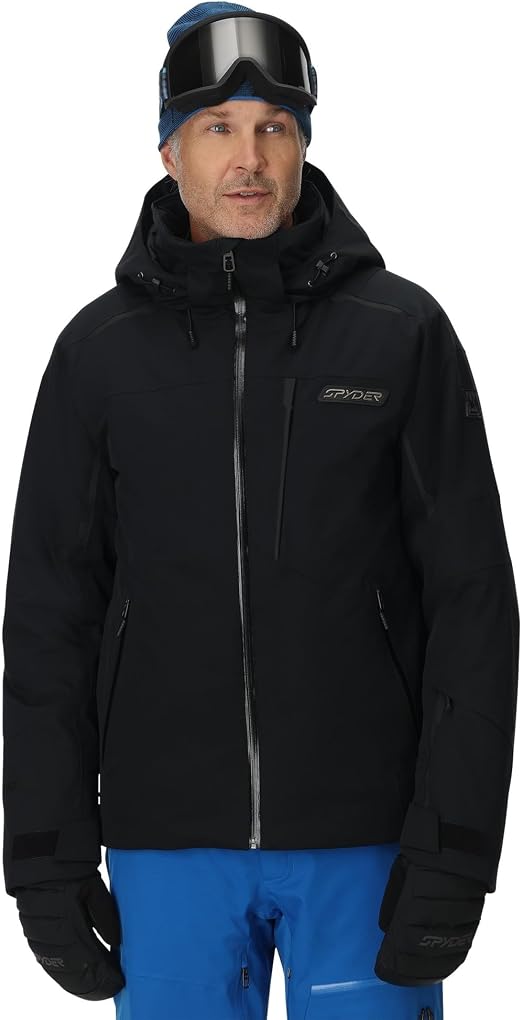
Designed for cold-weather outdoor lifestyle, the Spyder Leader Jacket offers a reliable balance between warmth and style. Its regular fit and anorak silhouette make it a solid choice for those looking for a dependable fall jacket without overcomplicating design or function.
You’ll find the jacket straightforward to wear, with cap sleeves that provide freedom of movement without bulk. The solid black color ensures it pairs easily with almost any outfit, making it versatile for casual or active days outside. The regular fit gives enough room for layering, important when temperatures drop but you still want comfort.
Built to handle cold weather conditions, the jacket keeps you warm without feeling too heavy. The main highlight from feedback points to its dependable warmth and quality material that holds up well over time.
Some mention the length of the cap sleeves can be limiting for full arm coverage, which may not suit those seeking maximum protection.
Warmth is the jacket’s strongest feature and praised for keeping you comfortable in cold weather. The main drawback lies in the cap sleeve design, which some find restricts full arm protection during harsher conditions.
Those looking for a cold-weather jacket suitable for layering and active use in fall will appreciate this one. Anyone needing more coverage or a winter-specific jacket might want to explore other options better suited for prolonged exposure to deep cold.
Pros
- Solid black color for versatile style
- Regular fit allows for layering
- Warm enough for chilly fall days
- Cap sleeves offer good arm mobility
Cons
- Cap sleeves limit full arm coverage
- Designed mainly for fall, not deep winter
| Specification | Details |
|---|---|
| Color | Black |
| Sleeve Type | Cap Sleeve |
| Coat Silhouette Type | Anorak |
| Seasons | Fall |
| Fit Type | Regular |
| Climate Suitability | Cold Weather |
Comparison of Top Technical Ski Jackets
| Product | Color | Style | Fit Type | Climate Suitability |
|---|---|---|---|---|
| TACVASEN Ski Jacket | 215 Black | Raincoat | Loose | Cold Weather |
| Spyder Monterosa Jacket | Black | Insulated Ski Jacket | Slim | Cold Weather |
| Dakine Gerard Beacon | Huckleberry | 3-layer Ski Jacket | Regular | Cold Weather |
| Quiksilver Winter Jacket | Iron Gate | Water Resistant Insulated | Regular | Cold Weather |
| GSOU SNOW Snowboard Jacket | Black | Classic Baggy Ski Jacket | Loose | Cold, Extreme Cold |
| MOERDENG Womens Ski | Black | Ski Jacket | Regular | Cold Weather |
| Swix Womens Focus | Jet Black | Focus Jacket W | Slim | Cold Weather |
| Burton Reserve Shell | Gray Cloud/Washed Lavender | 2l Shell Jacket | – | – |
| Helly Hansen Alpha 4.0 | 001 White | Rain Coat | Regular | Cold Weather |
| Spyder Leader Jacket | Black | M on M Leader Jkt | Regular | Cold Weather |
- Color215 Black
- StyleRaincoat
- Fit TypeLoose
- Climate SuitabilityCold Weather
- ColorBlack
- StyleInsulated Ski Jacket
- Fit TypeSlim
- Climate SuitabilityCold Weather
- ColorHuckleberry
- Style3-layer Ski Jacket
- Fit TypeRegular
- Climate SuitabilityCold Weather
- ColorIron Gate
- StyleWater Resistant Insulated
- Fit TypeRegular
- Climate SuitabilityCold Weather
- ColorBlack
- StyleClassic Baggy Ski Jacket
- Fit TypeLoose
- Climate SuitabilityCold, Extreme Cold
- ColorBlack
- StyleSki Jacket
- Fit TypeRegular
- Climate SuitabilityCold Weather
- ColorJet Black
- StyleFocus Jacket W
- Fit TypeSlim
- Climate SuitabilityCold Weather
- ColorGray Cloud/Washed Lavender
- Style2l Shell Jacket
- Fit Type–
- Climate Suitability–
- Color001 White
- StyleRain Coat
- Fit TypeRegular
- Climate SuitabilityCold Weather
- ColorBlack
- StyleM on M Leader Jkt
- Fit TypeRegular
- Climate SuitabilityCold Weather
How to Choose the Best Technical Ski Jacket
Focusing on waterproofing, breathability, and insulation ensures a ski jacket performs well in cold, wet conditions while keeping you comfortable. Choosing the right fit and durability helps avoid frequent replacements, saving money and preventing hassle on the slopes.
Waterproofing and Breathability
Skiing in heavy snow or wet conditions reveals quickly how critical waterproofing is. A jacket with a waterproof rating below 10,000 mm can let water through during prolonged exposure, making the inside damp and uncomfortable.
Jackets with ratings of 15,000 mm or higher are better at keeping moisture out. Membranes like Gore-Tex or proprietary equivalents play a major role in this. They block water from entering yet allow sweat vapors to escape, preventing clamminess on intense uphill climbs or fast descents.
Breathability ratings work in tandem, measured in grams of moisture vapor transferred per square meter per day (g/m²/24h). Higher numbers mean less sweat buildup, which directly impacts comfort and warmth. Sealed seams and water-resistant zippers are often overlooked but essential to stop water getting in through vulnerable stitch lines or zipper teeth.
A good technical jacket will include fully taped seams and coated zippers to provide consistent dryness.
Insulation and Warmth
Down insulation offers excellent warmth-to-weight ratio, compresses well for packing, but struggles if it gets wet. Synthetic insulation performs better in damp conditions and dries faster, though it can feel bulkier.
Ski jackets often balance these materials or layer them to optimize warmth and durability. Thickness matters too; bulky insulation restricts movement, so moderate loft that fits smoothly under a shell or together with base layers is ideal.
Ventilation features such as pit zips or mesh-lined vents allow quick heat release during fast, strenuous sections, preventing overheating. Without ventilation, sweat builds up, which can freeze later and reduce warmth.
Designs that let you toggle vents open or shut provide better control over temperature without needing to stop and unzip the whole jacket.
Fit and Mobility
Adjustable cuffs, hems, and hoods make a tangible difference in daily use by allowing you to tailor the fit to block out wind, snow, and trap warmth. Without these, cold air sneaks in where the jacket is loose, and moisture can enter or escape unpredictably. Ski-specific designs prioritize mobility with articulated sleeves, stretch panels, and roomy underarms to accommodate the bending, reaching, and twisting that come with carving turns or reaching for poles.
The length and cut affect both protection and comfort. Jackets that are too short expose your lower back when crouching, inviting cold air or snow inside. Longer cuts offer better coverage but should not restrict leg movement.
Slim cuts can reduce bulk but must maintain enough room to layer effectively over insulating pieces.
Durability and Material Quality
A jacket’s survival in rough conditions depends on its fabric strength. Abrasion-resistant textiles like ripstop nylon or polyester hold up better against rocks, tree branches, and ski edges.
Areas such as shoulders and sleeves receive frequent wear from carrying backpacks or using poles, so reinforcement patches in these zones extend the garment’s life significantly.
Lightweight fabrics ease fatigue on long days uphill while sturdy coatings or membranes keep their protective qualities intact. A jacket that balances these allows you to climb harder and ski longer without worrying about rips or tears.
Thinner but tough materials avoid bulk but still withstand serious use over multiple seasons.
Ventilation and Climate Control
Ventilation options help keep moisture from building up inside the jacket during vigorous skiing. Pit zips under the arms allow fast airflow without removing layers, while mesh-lined vents promote breathability while blocking cold drafts. Both types help regulate internal temperature and prevent the chill from sweat buildup that freezes mid-run.
Compatibility with layering is equally important. A jacket that fits comfortably over various mid-layers, including fleece or down, offers more flexibility to adapt to changing weather and effort levels. Proper ventilation combined with adaptable layering ensures you stay dry and warm throughout the day without overheating or getting cold.
Maximizing Performance: How to Layer with Technical Ski Jackets
Layering plays a crucial role in staying comfortable and dry on the slopes. Technical ski jackets serve as the outer shell, providing waterproof protection and wind resistance. Underneath, a mid-layer made of materials like fleece or lightweight down adds insulation without bulk.
In colder conditions, start with a moisture-wicking base layer to keep sweat off your skin, followed by insulating mid-layers, then finish with the ski jacket. This setup allows adjusting layers according to activity level and weather changes.
Look for jackets with adjustable ventilation zippers and stretchy, breathable fabrics. These features help regulate temperature without needing to remove the outer layer.
Pockets designed for goggles and gloves improve convenience.
Key layering tips:
- Select breathable base layers to avoid overheating.
- Use mid-layers suited to expected temperatures.
- Choose jackets with customizable ventilation.
- Ensure freedom of movement while layering.
Essential Maintenance Tips to Extend the Life of Your Ski Jacket
Regular care significantly extends a technical ski jacket’s lifespan. Dirt and oils trapped in the fabric reduce its water repellency and breathability.
After every use, brush off snow and mud, then wash the jacket using a gentle cycle and a detergent designed for waterproof gear.
Avoid fabric softeners, as they clog the jacket’s micropores. Reapply Durable Water Repellent (DWR) treatment once performance begins to fade, usually after several washes.
Air dry or tumble dry on low heat if the jacket’s care instructions allow it; heat helps reactivate the DWR coating.
Store jackets away from direct sunlight and avoid compressing them for long periods to maintain insulation loft and fabric integrity. Repair minor tears or loose seams promptly to prevent water ingress.
Maintenance essentials:
- Clean with the right detergent after each season.
- Restore water repellency with DWR treatments.
- Proper drying improves fabric function.
- Store in a cool, dry place without crushing.
Comparing Technical Ski Jackets to Snowboarding Outerwear: Key Differences and Benefits
Technical ski jackets often emphasize waterproofing and breathability with lightweight, stretch fabrics designed for dynamic skiing movements. Snowboarding outerwear, while sharing some properties, tends to focus more on durability and relaxed fits to accommodate wide, lateral motion and sitting on the snow.
Ski jackets commonly feature helmet-compatible hoods and long ventilation zips to adjust warmth rapidly during uphill climbs or fast descents. Snowboard jackets may include reinforced cuffs and extra padding to handle falls and grabs better.
Both types use waterproof membranes and have insulation options, but the choice depends on the activity style. Ski jackets prioritize streamlined fit and performance ventilation. Snowboard jackets offer more room and abrasion resistance.
Benefits of ski jackets:
- Tighter fit reduces wind drag.
- Advanced ventilation improves temperature control.
- Design tailored for upright, fast movements.
People Also Asked
How Do Technical Ski Jackets Fit Compared to Regular Jackets?
Technical ski jackets typically have a snugger, more tailored fit than regular jackets to reduce bulk and allow for layering. They often feature articulated sleeves and adjustable cuffs for better mobility and comfort on the slopes.
What Is the Best Way to Clean and Care for Ski Jackets?
Machine wash ski jackets on a gentle cycle using a specialized cleaner for waterproof fabrics and avoid fabric softeners. Drying them with a few clean tennis balls helps maintain loft in insulated models.
How Long Do Technical Ski Jackets Usually Last with Regular Use?
With regular use, a technical ski jacket usually lasts around five to seven years, depending on care and frequency of wear. The waterproof membranes may degrade slightly after heavy use but can still function well for several seasons.
Are Technical Ski Jackets Compatible with Ski Helmets and Backpacks?
Most technical ski jackets have features like helmet-compatible hoods and reinforced areas that work well with backpacks and ski helmets. Look for jackets that include helmet-compatible hoods if you wear helmets frequently.
What Common Issues Should I Watch for in Ski Jackets?
Common issues to watch for include seam leaks where stitching wears out, zippers getting stuck or failing, and patches of lost waterproofing over time. Testing waterproofing every season can help catch problems early.
Conclusion
Choosing the right technical ski jacket comes down to three key factors: waterproofing, breathability, and insulation. A jacket must keep you dry during wet snow and occasional rain while allowing sweat to escape during intense activity.
Insulation level depends on how cold it gets where you ski and your personal tolerance to cold. Fit and comfort are important but secondary to these core features for reliable performance on the slopes.
Consider how often you will ski and how much storage space you have before making a choice. A jacket used frequently in varied conditions may justify a higher investment, while occasional skiers may prefer something simpler and less expensive. Check the comparison table again to match those needs with the features and price points outlined in the picks above.