Top 10 Best Shoes for Trekking in Rain That Wow Hiking Fans
Anyone who’s trekked in soggy conditions knows how quickly cheap shoes can turn a good hike into a miserable slog. The best shoes for trekking in rain manage to keep feet dry without sacrificing grip or comfort. Without proper waterproofing, cold water seeps in through seams or around poor soles, and the shoe’s grip often fails on wet rocks or muddy trails, making each step risky.
Key features that separate reliable trekking shoes for rain include a waterproof yet breathable membrane, like Gore-Tex or similar, which keeps water out but lets sweat escape. The sole needs a lug pattern designed for wet surfaces to prevent slips, typically made of durable rubber compounds. Fit matters too; a snug but not tight fit stops water pooling or excessive pressure points, and attention to seam sealing can prevent leaks.
Shoes with quick-dry linings and minimal stitching are easier to clean and dry after long treks.
Need a Quick Check?
| Image | Product | Price |
|---|---|---|
Our Top Picks 1  | NORTIV 8 Ankle Boots | Check Price |
Our Top Picks 2 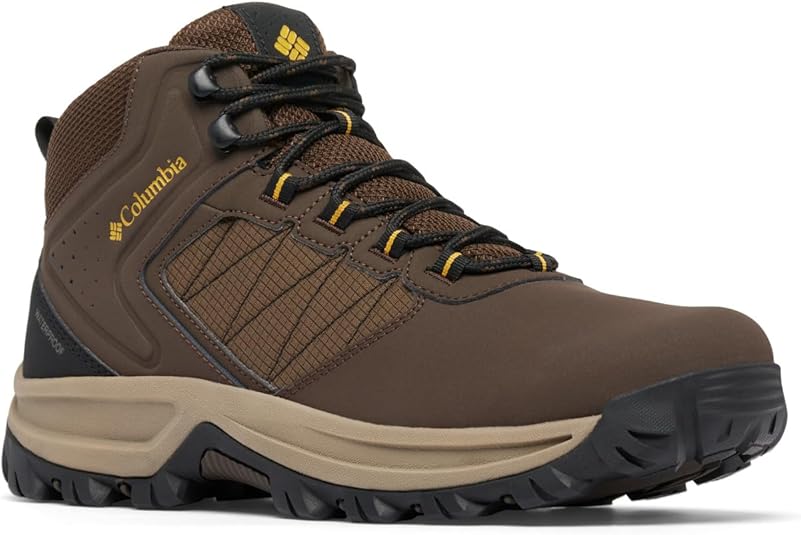 | Columbia Transverse Hike | Check Price |
Our Top Picks 3 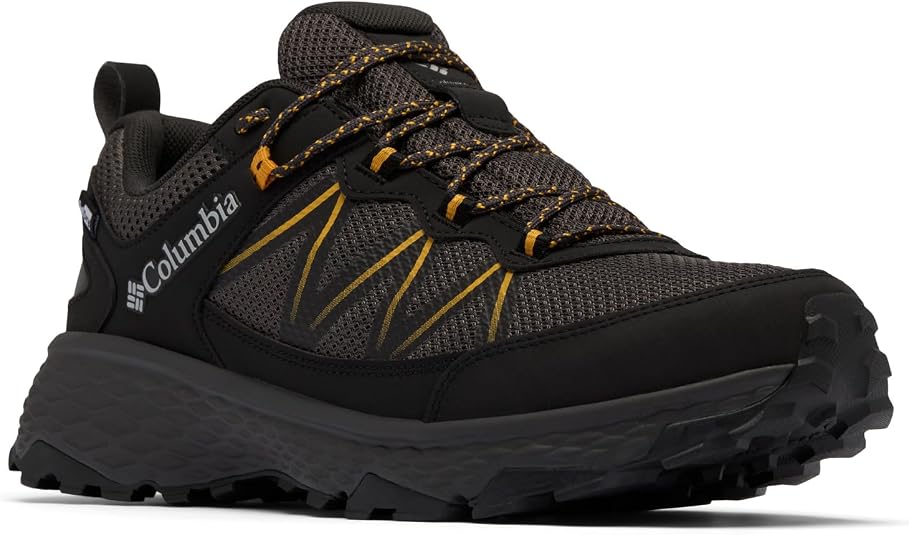 | Columbia Peakfreak Rush | Check Price |
Our Selected Top 10 Shoes for Trekking in Rain for Different Needs
This list features a variety of trekking shoes designed to perform well in wet conditions, each evaluated for durability, comfort, and waterproof capabilities. Readers will learn how each shoe suits different needs, along with its strengths and potential drawbacks to help make informed choices.
1. NORTIV 8 Mens Ankle High Hiking Boots
Feels sturdy right out of the box and suits anyone needing ankle support on wet trails. Excellent grip and water resistance stand out as reliable features when trekking in rainy conditions.
Lacing up is straightforward with its round toe and solid mid-top design, providing a secure fit without a heel that could cause discomfort. The brown/black/tan colors fit well with rugged outdoor gear and offer solid coverage all year, making them a practical daily choice for rainy hikes or muddy paths.
Built for durability with a solid form ideal for trekking, these boots handle wet environments well. The main praise centers on their dependable waterproofing and grip, while the most frequent critique touches on their weight, which some feel is a bit on the heavier side for extended hikes.
Waterproofing performs well in the rain and prevents wet feet, but the boots can feel heavy during longer trekking sessions. Most praise goes to their grip and support, while weight remains the common drawback mentioned.
Those heading out for moderate rainy treks and needing ankle protection will likely appreciate this boot. Anyone looking for ultralight footwear or added heel support might want to explore other options.
Pros
- Reliable water resistance for rainy conditions
- Good ankle support with mid-top style
- Fits well with different outdoor outfits
- Solid grip on slippery surfaces
Cons
- Heavier weight may tire feet on long hikes
- Lacks a heel, which some hikers prefer
| Specification | Details |
|---|---|
| Color | Brown/Black/Tan |
| Toe Style | Round Toe |
| Boot Form Type | Hiking Boot |
| Heel Type | No Heel |
| Seasons | All |
| Style Name | Mid-top |
2. Columbia Mens Transverse Hike
Great for anyone needing reliable waterproof hiking boots, these focus on keeping feet dry and comfortable. Their waterproof feature stands out, making them solid companions for trekking under wet conditions without adding unnecessary weight.
Putting them on is straightforward thanks to the closed toe design and solid fit. They work all year round, protecting feet from moisture while maintaining breathability. The lack of a heel offers a flat, stable base, which helps on uneven terrain during long hikes.
The Cordovan/Golden Yellow color adds a bit of style without being flashy.
Construction feels sturdy, designed to last through rough, wet hiking adventures. The main strength is how well these boots keep water out, a crucial factor for rain trekking. A common drawback is the absence of heel support, which may not suit those looking for extra ankle stability.
Boots excel at waterproofing which is the biggest positive noted. Comfort is generally good but the lack of heel support is the largest complaint, especially for those wanting extra ankle protection. These features matter most in wet, rough hiking environments.
Someone looking for dependable waterproof boots without extra heel elevation will be happy with these. People needing extra ankle stability or wanting more colorful designs should consider other options better suited for those needs.
Pros
- Waterproof design keeps feet dry in rain
- Flat base offers stable footing on uneven ground
- Suitable for hiking in all seasons
- Durable materials hold up on rugged trails
Cons
- No heel support may affect ankle stability
- Limited color options for style seekers
| Specification | Details |
|---|---|
| Color | Cordovan/Golden Yellow |
| Toe Style | Closed Toe |
| Boot Form Type | Hiking Boot |
| Heel Type | No Heel |
| Seasons | All |
| Style Name | Transverse Hike Waterproof |
3. Columbia Mens Peakfreak Rush Outdry
Crafted with Outdry waterproof technology, the Columbia Mens Peakfreak Rush Outdry delivers reliable wet-weather protection perfect for outdoor adventures. Its closed toe design and casual style fit well for those needing solid grip and comfort when trekking through rain-soaked trails.
Wearing these shoes daily means you’ll notice the lightweight build and no heel design make moving on muddy or uneven ground easier. The striped pattern adds a bit of style without complicating cleaning, keeping maintenance simple after wet walks. The fit stays snug and secure through hours on the trail, avoiding slipping inside the shoe.
Excellent water resistance is the main performance highlight, keeping feet dry without overheating in spring or summer use. The material feels durable against rough terrain, although some find the toe box a bit narrow for wider feet.
The shoe grips well on slippery surfaces but some have mentioned the sole wears down faster than expected under heavy use.
Waterproof performance receives strong praise for keeping feet dry without overheating in warmer seasons. The narrow toe box stands out as a common discomfort, especially for those needing more room.
Those wanting a reliable, lightweight trekking shoe for rainy trails during spring and summer will appreciate this model. People with wider feet or requiring highly durable soles might prefer other options.
Pros
- Reliable waterproof Outdry technology
- Lightweight and comfortable for long hikes
- Closed toe protects against debris
- Casual style suits outdoor wear
Cons
- Toe box may feel narrow for wide feet
- Sole may wear faster with heavy use
| Specification | Details |
|---|---|
| Color | Black/Raw Honey |
| Occasion Type | Adventure/Outdoor |
| Heel Type | No Heel |
| Toe Style | Closed Toe |
| Seasons | Spring/Summer |
| Style Name | Peakfreak Rush Outdry |
4. Adidas Mens Terrex Anylander Mid Hiking Shoes

Water resistance stands out right away with these adidas Terrex Anylander Mid hiking shoes, making them a solid choice for trekkers facing wet and muddy conditions. Designed for outdoor use in fall, they suit casual hikers who want reliable protection without heavy boots.
Putting them on feels straightforward thanks to the mid-top design that supports ankles without feeling restrictive. The closed toe gives good protection while the low heel ensures comfort when walking for hours.
Daily use on fall trails has shown that they handle damp terrain well, keeping feet dry and comfortable through wet weather excursions.
The build is sturdy yet not bulky, providing a balanced mix of durability and comfort that works well across different trail surfaces. The main highlighted feature is their rain-ready construction, which effectively prevents water from soaking in.
Some mention that the shoes aren’t the lightest, making longer hikes feel a bit more tiring.
Many users appreciate how well these shoes keep feet dry on wet trails, making them dependable in rainy weather. Some feel that the added weight can make longer hikes a bit more tiring compared to lighter models.
Those seeking a solid, weather-resistant shoe for casual fall trekking will find these a good fit, especially if water protection is a priority. Hikers looking for a lighter shoe or something adaptable for all seasons might want to explore alternative options.
Pros
- Effective water resistance in rainy conditions
- Mid-top supports ankles without bulk
- Closed toe protects against rocks and debris
- Comfortable for casual outdoor wear
Cons
- Heavier than some lightweight hiking shoes
- Designed mainly for fall, limited season versatility
| Specification | Details |
|---|---|
| Color | Black/Black/Grey |
| Occasion Type | Outdoor |
| Heel Type | No Heel |
| Toe Style | Closed Toe |
| Occasion Lifestyle | Casual |
| Style Name | Terrex Anylander Rain.rdy Mid Top Hiking |
| Seasons | Fall |
5. NORTIV 8 Mens Lightweight Hiking Shoes

Ideal for rugged all-weather walks, these army green hiking shoes stand out because they strike a great balance between lightweight comfort and protection. Suited for anyone who needs a reliable casual trekking shoe especially in wet conditions, they manage to keep your feet feeling supported without weighing you down.
Putting these shoes on feels straightforward thanks to their flat heel and round toe design, which doesn’t press on your feet awkwardly. Wearing them around daily, they adapt well to varying weather thanks to their all-season capability.
The solid color and sport theme make them versatile enough for casual use or more intense walking situations, ensuring comfort during long days outdoors.
They perform solidly in rain, keeping water out while offering decent traction on slippery surfaces. The lightweight build means they aren’t clunky but still feel durable enough for rough trails.
Most praise focuses on how comfortable they remain during extended use, but some mention the fit can feel a bit tight initially before breaking in.
The strongest praise notes how comfortable and lightweight these shoes remain even in rainy weather, making them reliable for prolonged use. The most common complaint is their initial snug fit that requires some break-in time to avoid discomfort during the first outings.
People who prefer a lightweight, casual hiking shoe that handles rain well will appreciate these. Those needing wider fit options or a wider color selection might want to consider alternatives better suited to those needs.
Pros
- Lightweight for all-day comfort in wet conditions
- Flat heel offers stable footing on uneven terrain
- Water-resistant enough for rainy treks
- Casual sport style fits multiple occasions
Cons
- May feel tight before being broken in
- Limited color options beyond army green
| Specification | Details |
|---|---|
| Color | Army Green |
| Heel Type | Flat |
| Toe Style | Round Toe |
| Occasion Lifestyle | All-weather |
| Style Name | Walking |
| Seasons | All |
6. NORTIV 8 Womens Hiking Boots

Muddy trails and sudden downpours don’t have to ruin your trek anymore, especially with hiking boots built for wet conditions. These boots suit anyone needing a reliable option that stands up to rain without trading comfort or style, with their standout strength being dependable water resistance combined with a lightweight feel.
Putting the boots on feels comfortable right away thanks to the round toe design and low-top style, which doesn’t restrict movement during long hikes. They perform well through all seasons, so you don’t have to switch shoes when the weather changes.
The materials keep feet dry while offering good support without any heel, preventing blisters and strain during daily use.
They handle rain and slippery paths effectively, keeping feet dry and stable thanks to the thought-out construction. Most praise focuses on how well they maintain grip on wet rocks and mud, while some mention the fit can feel a bit tight initially, especially for wider feet.
Durability meets practical design in these boots, even though some people wish for a bit more cushioning on harder surfaces.
Practical water resistance and good grip stand out as key strengths, but the fit sometimes feels narrow for some, which affects comfort. The boots keep feet dry and stable, making them trustworthy companions on rainy hikes.
People looking for dependable, all-season waterproof boots with ankle flexibility will appreciate these. Those needing extra cushioning or with wider feet might want to explore other options.
Pros
- Reliable water resistance in wet conditions
- Comfortable round toe shape
- Low-top allows flexible ankle movement
- Suitable for all seasons
Cons
- Can feel tight for wider feet
- Limited cushioning on hard terrain
| Specification | Details |
|---|---|
| Color | Grey/Blue |
| Toe Style | Round Toe |
| Boot Form Type | Hiking Boot |
| Heel Type | No Heel |
| Seasons | All |
| Style Name | Low-top |
7. Adidas Mens Terrex Anylander Hiking Shoes

Offering a secure fit with reliable traction, adidas Mens Terrex Anylander Hiking Shoes are built for hikers who often trek in wet conditions. Their grip stands out as the most useful feature when navigating slippery, rain-soaked terrains.
Day-to-day use is straightforward thanks to a design focused on comfort and durability. The shoes’ build supports your feet firmly, while the outsole provides solid ground contact for stability on paths turned slick by rain. They manage wet environments well, making it easier to keep hiking without slipping concerns.
Performance during wet weather is strong, with the outsole delivering good traction and the materials resisting water to a useful degree. Construction feels sturdy, contributing to long-lasting wear. Most users praise the grip and comfort, though some mention that the shoes feel a bit stiff initially before breaking in.
Strong traction and a secure fit often receive praise, making these shoes dependable in rain and on uneven ground. Some note initial stiffness as a slight drawback before the shoes soften with use. Everyday walking can require a short adjustment period due to this break-in phase.
Hikers seeking solid grip and water resilience will find satisfaction here. Those needing an immediately soft, flexible shoe might prefer alternatives that are softer from the start. The focus on stability and durability suits outdoor enthusiasts facing damp, challenging trails.
Pros
- Excellent grip on slippery surfaces
- Firm and comfortable fit
- Durable materials withstand rough conditions
- Water-resisting design for wet weather
Cons
- Takes time to break in comfortably
- May feel stiff during initial wear
| Specification | Details |
|---|---|
| Outsole | Traction-focused design |
| Fit | Secure and supportive |
| Water resistance | Effective for rainy conditions |
| Material | Durable construction |
8. Columbia Mens Transverse Hike Low

Great for anyone who spends time hiking in wet conditions, these shoes stand out for their waterproof feel and solid grip. They suit casual outdoor enthusiasts looking for reliable footwear during fall hikes without needing heavy or complicated boots.
Getting started with these shoes is uncomplicated since they come in a straightforward low-cut style with no heel. Their closed toe design keeps feet protected from dirt and water, making daily use easy on wet trails.
The solid pattern and titanium grey with mountain red color give a sporty look that fits casual outdoor lifestyles well.
Built to handle fall weather, the shoes offer traction that holds up on slippery paths while keeping feet relatively dry. The materials seem durable enough for regular hiking, although some may find the fit a bit snug or wish for extra ankle support. The most praised feature is the dependable grip, while a common drawback is less cushioning for long distances.
These shoes perform well with their grip in rainy conditions, which users appreciate for safer footing on trails. On the other hand, many find the cushioning insufficient for extended walks, which may cause discomfort over time. The low heel and closed toe design help mostly with moderate outings.
Those who enjoy shorter or casual fall hikes and want lightweight, waterproof footwear should find these shoes satisfying. Anyone planning longer, more rugged treks or needing extra support might want to explore options with more cushioning and ankle protection.
Pros
- Good waterproof feel for rainy hikes
- Sporty look fits casual outdoor wear
- Reliable traction on wet surfaces
- Simple low-cut design for easy movement
Cons
- Fit can feel tight for some feet
- Lack of cushioning on longer hikes
| Specification | Details |
|---|---|
| Color | Titanium Grey Steel/Mountain Red |
| Occasion Type | Hiking |
| Heel Type | No Heel |
| Toe Style | Closed Toe |
| Occasion Lifestyle | Outdoor |
| Seasons | Fall |
9. Columbia Mens Crestwood

Built for rainy and rugged outdoor use, the Columbia Mens Crestwood stands out as a reliable trekking shoe that handles wet conditions well. Its waterproof design suits casual hikers who value staying dry on unpredictable fall trails.
The shoe’s biggest strength lies in its balance between comfort and weather protection.
The setup is straightforward with no heel and a closed toe, providing secure fit and easy mobility on slippery terrain. Its multi-occasion use means you can wear it beyond just hikes, like casual outings on wet days. The solid pattern and neutral outdoor theme make it versatile, while the waterproof feature is crucial for enduring wet weather without soggy feet.
Durability comes from its solid construction with waterproof materials that protect against the elements throughout fall adventures. The shoe performs well in keeping water out while maintaining a comfortable fit. Most praise mentions its reliable waterproofing, while the main complaint centers around the casual style not being ideal for intense mountaineering.
Waterproofing effectiveness ranks highest in user feedback, showing strong performance against rain and puddles. The casual style and limited season focus are common points, making it less versatile for extreme mountain conditions or other seasons. Wearing it means dry and comfy feet, but not for heavy-duty trekking demands.
The shoe fits well for casual outdoor enthusiasts who want dependable dry feet on rainy fall hikes or everyday use. Those looking for specialized gear with aggressive mountaineering features should explore other options designed for technical terrain and year-round use.
Pros
- Reliable waterproof protection for wet conditions
- Comfortable closed toe design for varied terrain
- Suitable for casual and outdoor use
- Neutral colors fit multiple occasions
Cons
- Style less suited for technical mountaineering
- Limited to fall season performance
| Specification | Details |
|---|---|
| Color | Graphite/Dark Adobe |
| Occasion Type | Multi occasions |
| Heel Type | No Heel |
| Toe Style | Closed Toe |
| Seasons | Fall |
10. KEEN Mens Targhee 4 Mid Hiking Boots
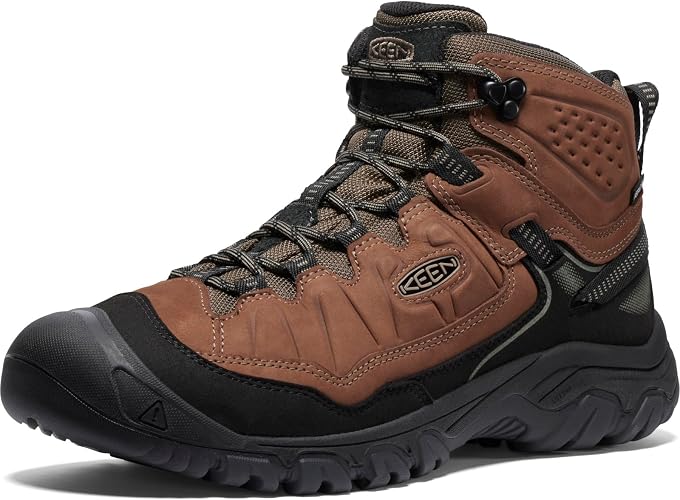
KEEN Mens Targhee 4 Mid Hiking Boots work best for those who trek in wet conditions and need reliable waterproof footwear. They suit hikers looking for solid grip, comfort, and durability in a mid-height boot that handles rain well.
Putting them on is straightforward thanks to the mid-height design that secures the ankle without feeling restrictive. The bump toe offers protection without adding bulk. These boots keep feet dry during rainy hikes while providing enough cushion and support to stay comfortable throughout the day.
Performance is strong when tackling slick, muddy trails. Waterproof materials hold up well even on soggy ground. The build focuses on durability, using solid construction to repel water and resist wear.
A common praise points to comfort and waterproofing, while some mention they can feel a bit heavy during longer treks.
Strong waterproofing and comfort get a lot of praise, keeping feet dry and cushioned on wet hikes. Some find the boots to be on the heavier side, which can tire legs over long distances. The bump toe helps avoid stubbing but adds a bit of stiffness.
Happy hikers who need durable, all-season waterproof boots will appreciate these. Those who prioritize ultra-lightweight or heel-specific support might want to look elsewhere for their trekking needs.
Pros
- Reliable waterproofing for wet conditions
- Comfortable mid-height ankle support
- Durable construction withstands rough use
- Protective bump toe without bulk
Cons
- Heavier than some other hiking boots
- No heel for specialized foot support
| Specification | Details |
|---|---|
| Color | Bison/Black |
| Toe Style | Bump Toe |
| Boot Form Type | Hiking Boot |
| Seasons | All |
| Style Name | Targhee 4 Mid Height Durable Comfortable Waterproof |
Best Trekking Shoes for Rain Comparison Table
| Product | Toe Style | Boot Form Type | Waterproof Feature | Seasons |
|---|---|---|---|---|
| NORTIV 8 Ankle Boots | Round Toe | Hiking Boot | – | All |
| Columbia Transverse Hike | Closed Toe | Hiking Boot | Waterproof | All |
| Columbia Peakfreak Rush | Closed Toe | – | Outdry | Spring/Summer |
| adidas Terrex Anylander Mid | Closed Toe | – | Rain.rdy | Fall |
| NORTIV 8 Lightweight Shoes | Round Toe | – | – | All |
| NORTIV 8 Womens Boots | Round Toe | Hiking Boot | – | All |
| adidas Terrex Anylander | – | – | – | – |
| Columbia Transverse Low | Closed Toe | – | – | Fall |
| Columbia Crestwood | Closed Toe | – | Waterproof | Fall |
| KEEN Targhee 4 Mid | Bump Toe | Hiking Boot | Waterproof | All |
- Toe StyleRound Toe
- Boot Form TypeHiking Boot
- Waterproof Feature–
- SeasonsAll
- Toe StyleClosed Toe
- Boot Form TypeHiking Boot
- Waterproof FeatureWaterproof
- SeasonsAll
- Toe StyleClosed Toe
- Boot Form Type–
- Waterproof FeatureOutdry
- SeasonsSpring/Summer
- Toe StyleClosed Toe
- Boot Form Type–
- Waterproof FeatureRain.rdy
- SeasonsFall
- Toe StyleRound Toe
- Boot Form Type–
- Waterproof Feature–
- SeasonsAll
- Toe StyleRound Toe
- Boot Form TypeHiking Boot
- Waterproof Feature–
- SeasonsAll
- Toe Style–
- Boot Form Type–
- Waterproof Feature–
- Seasons–
- Toe StyleClosed Toe
- Boot Form Type–
- Waterproof Feature–
- SeasonsFall
- Toe StyleClosed Toe
- Boot Form Type–
- Waterproof FeatureWaterproof
- SeasonsFall
- Toe StyleBump Toe
- Boot Form TypeHiking Boot
- Waterproof FeatureWaterproof
- SeasonsAll
How to Choose the Right Trekking Shoes for Rain
Look for trekking shoes that offer waterproof protection, good traction, and durability to keep your feet dry and prevent slips on wet terrain. Choosing the right features ensures comfort and safety while avoiding costly replacements or injuries caused by unsuitable footwear.
Waterproofing and Breathability
Stepping into wet grass or shallow streams during a hike quickly reveals whether your shoes can keep your feet dry over time. Shoes that use a waterproof membrane like Gore-Tex or similar materials manage to block external water while allowing sweat vapor to escape. Without this balance, feet can end up soggy or sweaty, both uncomfortable and bad for skin health.
Early waterproof coatings may repel water at first but lose effectiveness after repeated use or exposure to dirt and abrasion.
A good membrane maintains protection through long hikes and varying conditions. Look for shoes with multiple layers or those that specify durable waterproof treatments lasting over 200 miles of trail use. Breathability ratings help too; membranes with higher moisture vapor transmission rates (MVTR) allow better internal drying.
This balance between keeping water out and letting perspiration escape is what keeps your feet comfortable during wet-weather treks.
Traction and Outsole Grip
Slippery rocks and muddy paths test the grip of any shoe. Soles with deep, widely spaced lugs prevent mud from sticking and clogging the tread, meaning you keep your footing even on fresh, wet earth. Shallow or tightly packed lugs often fill with mud quickly, turning soles slick and useless.
The rubber compound matters as well. Softer rubbers grip smooth, wet surfaces better but wear faster; harder compounds last longer but can lose grip on slick rocks or roots. Shoes designed for wet trails often use a specific slip-resistant compound to improve traction.
A sole with lug depths around 4 to 6 millimeters combined with aggressive spacing usually offers the best balance for keeping you steady during wet conditions.
Comfort and Fit
Feet swell after hours on the trail, particularly in humid or wet conditions. Shoes lacking adequate room for thicker socks or natural expansion can cause blisters and nail damage.
Buying a size up or choosing shoes with adjustable forefoot volume helps accommodate this change during long hikes.
Support features significantly affect comfort. Strong arch support reduces fatigue, while ankle stabilization prevents rolling on uneven ground. Cushioned midsoles with quality insoles absorb impact and provide comfort over miles.
Shoes with removable, replaceable insoles also let users insert custom orthotics if needed. Proper fit and support together mean fewer sore feet and long days out without stopping due to discomfort.
Material Durability and Maintenance
Repeated exposure to wet dirt and abrasive surfaces wears out some materials quickly, causing splits or permanent damage. Leather uppers are often more durable but heavier, while synthetics dry faster but may degrade with frequent washing or heavy mud buildup.
Shoes that can handle regular cleaning without fabric breakdown extend the life of the footwear.
Quick-drying linings and mesh panels help reduce moisture-related weight, preventing that soggy heaviness during trek breaks. Look for fabrics that are water-resistant but still breathe and materials that show customer feedback about holding up well after multiple washes and scrubs.
Maintenance usually involves rinsing off mud soon after the finish of a trip rather than letting it bake on and cause irreparable staining or stiffening.
Weight and Flexibility
A heavy shoe adds up to foot and leg fatigue after many miles. Lightweight hiking shoes reduce strain but must still protect against rocks, roots, and irregular terrain. Flexibility in the sole allows the foot to move naturally, improving balance and reducing cramping, which is critical on uneven or technical surfaces.
Too much stiffness can make the shoe feel like a boot, restricting movement and tiring muscles faster. Too little support sacrifices protection, increasing the risk of injury. A good shoe balances a flexible sole with enough rigidity in protected areas like the toe cap and heel.
Uppers should also allow natural flex without feeling loose or unstable. Tests of these features often show that shoes around 12 to 14 ounces per foot are light enough for comfort while offering necessary protection.
Tips for Maintaining Traction and Stability on Wet Trails
Proper traction is crucial on wet and slippery trails. Shoes with deep, multidirectional lugs grip uneven surfaces better, reducing the risk of falls.
Look for soles made from sticky rubber compounds that stay flexible in cold and wet conditions, helping maintain contact with the ground.
Stability comes not only from the soles but also from how the shoe fits. A snug fit around the heel prevents slipping inside the shoe, while good ankle support keeps your foot aligned during tricky steps. Avoid overly loose shoes that can cause instability or blisters.
To keep traction and stability at their best:
- Regularly clean the soles to remove mud or debris that can reduce grip.
- Replace worn-out shoes as the tread wears down quickly in wet conditions.
- Test your shoes on wet rocks or roots before long treks to understand their performance.
Common Mistakes to Avoid When Trekking in Rainy Conditions
One common mistake is relying solely on waterproof claims and neglecting breathability. Shoes that don’t allow moisture to escape can leave feet damp from sweat, causing discomfort and blisters over time.
Another issue is ignoring proper sock choice. Cotton socks hold moisture, which increases slipping inside the shoe.
Using synthetic or wool socks helps keep feet dry and secure.
Many trek in shoes without adequate lacing or with worn-out laces, reducing fit and stability. Always check and tighten your laces regularly during the hike.
Finally, skipping foot care like drying shoes and changing socks after rain impacts foot health on longer treks. Wet, cold feet can lead to cold-related injuries or infections.
Comparing Trekking Shoes and Waterproof Hiking Boots for Rainy Adventures
Trekking shoes tend to be lighter and more flexible than traditional hiking boots. This makes them easier to wear during fast or multi-day hikes, but they might offer less ankle support on uneven terrain.
Waterproof hiking boots usually have a sturdier build with reinforced ankles and thicker soles. They provide better protection against water ingress and knee fatigue on rugged trails but weigh more and may take longer to dry.
Choosing between the two depends on your trail conditions:
- For wet, rocky, and uneven paths, waterproof boots offer added protection and durability.
- For quicker or lighter hikes with moderate wetness, waterproof trekking shoes often provide enough protection with better comfort.
Consider testing both options to see which fits your preferred hiking style and trail demands better.
People Also Asked
How Do I Care for Trekking Shoes Used in Heavy Rain?
Clean your trekking shoes thoroughly after rain by removing mud and letting them dry naturally away from direct heat. Wet shoes can develop odors and degrade faster without proper care.
Are Trekking Shoes Waterproof Enough for Prolonged Rain Exposure?
Most trekking shoes provide some water resistance but not full waterproofing in prolonged heavy rain. Waterproof models with Gore-Tex or similar membranes hold up better but still require breaks to dry out.
What Size Should I Choose for Trekking Shoes with Thick Socks?
Choose trekking shoes with about half a size larger than your regular fitting if you use thick socks. This extra space prevents toe compression and blisters on rough, wet terrain.
How Long Do Trekking Shoes Usually Last When Used in Rainy Conditions?
Trekking shoes can last one to two seasons in rainy conditions depending on use and maintenance. Regularly treating the material and drying them properly extends their lifespan.
Can Trekking Shoes Cause Slipping on Wet and Muddy Trails?
Shoes with worn soles or insufficient tread can slip on wet and muddy surfaces. Opt for soles with deep, multi-directional lugs to maintain traction on slippery trails.
Conclusion
Choosing the best shoes for trekking in rain depends mostly on waterproofing, grip, and comfort. The shoes need to keep your feet dry without making them sweat too much.
Good traction is crucial to avoid slipping on wet or muddy trails. Comfort matters a lot since you’ll be on your feet for hours, and wet conditions can cause blisters if the fit isn’t right.
Think about where you’ll hike and how often you’ll be out in the rain when picking your shoes. A more affordable pair may work fine for occasional use, while frequent trekkers might invest in tougher, longer-lasting options.
Check the comparison table and detailed picks above to find a balance that fits your needs and budget.