Top 10 Best Ultra Lightweight Hiking Boots You Need Now
Carrying the wrong pair of boots can easily turn a day hike into an uncomfortable ordeal. Many hikers looking for the best ultra lightweight hiking boots end up with shoes that either don’t offer enough support or feel heavy after just a few miles. Blisters, sore feet, and fatigue often follow, especially on uneven terrain where foot protection matters most.
A good pair of ultra lightweight hiking boots balances weight with durability and support. Typically, they weigh between 1.5 to 2.5 pounds per pair, made from breathable materials like mesh and synthetic leather.
Proper fit is crucial, a snug but not tight fit helps prevent slipping and blisters. Stiff midsoles and grippy soles with deep lugs provide stability and traction without adding extra bulk. Waterproofing and ease of cleaning can also make a big difference in how well the boots perform over time.
Need a Quick Check?
| Image | Product | Price |
|---|---|---|
Our Top Picks 1  | Mens Waterproof Hiking Boots | Check Price |
Our Top Picks 2 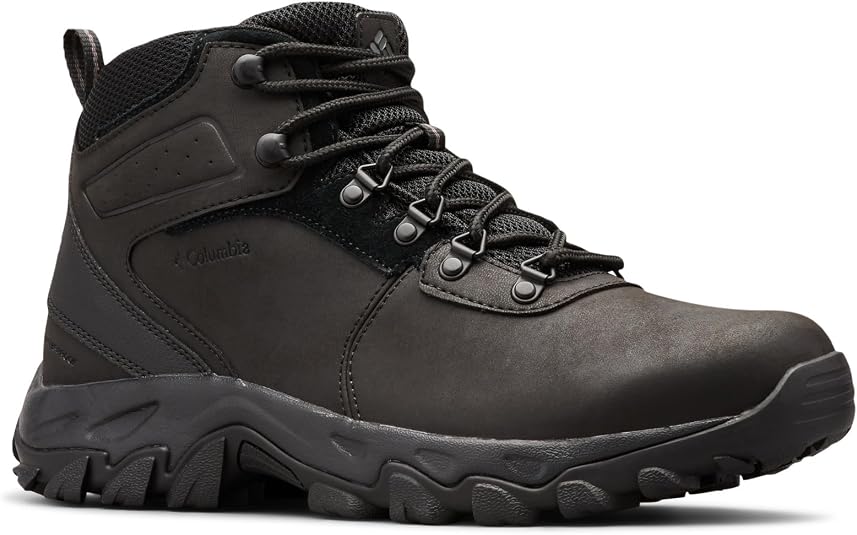 | Columbia Newton Ridge Plus II | Check Price |
Our Top Picks 3  | Merrell Chameleon 8 Stretch | Check Price |
Our Selected Top 10 Ultra Lightweight Hiking Boots You Can Trust
This list features carefully chosen ultra lightweight hiking boots designed for comfort, durability, and performance on various trails. Each review highlights the key features, ideal user, strengths, and potential drawbacks to help you find the best fit for your hiking needs.
1. Mens Waterproof Hiking Boots
Excellent for anyone who needs a lightweight hiking boot that stays dry, these are designed specifically for summer trails. The main appeal lies in their waterproof feature combined with a comfortable fit, making them great for long days outdoors without bulk slowing you down.
Putting them on feels easy thanks to the round toe and flat heel design, which helps keep your feet comfortable on uneven terrain. Their black and red color makes them easy to spot without being flashy. Perfect for those who enjoy hiking during warm months, these boots offer solid protection from water while remaining breathable enough to keep feet from overheating.
The boots perform well on dry and damp paths, holding up steady through muddy patches thanks to their waterproofing. Built with a focus on hiking, their construction supports long treks without causing hot spots or sore feet.
While many appreciate the fit and water resistance, some mention that they can feel a bit tight when worn for extensive periods initially.
Many appreciate how well the waterproof feature works during wet conditions, keeping feet dry without sacrificing comfort. On the downside, a common complaint is the fit feeling a bit snug if worn all day, which can affect longer hikes until broken in.
Those hiking in warm weather and wet environments will find these boots a good match. Anyone looking for boots for colder seasons or who needs a roomier fit might want to look elsewhere for options more suited to those needs.
Pros
- Waterproof protection for summer hikes
- Comfortable round toe and flat heel
- Lightweight and easy to wear
- Solid build suitable for varied terrain
Cons
- May feel tight during extended wear
- Designed only for summer use
| Specification | Details |
|---|---|
| Color | Black/Red |
| Toe Style | Round Toe |
| Heel Type | Flat |
| Seasons | Summer |
| Style Name | Hiking |
| Boot Form Type | Hiking Boot |
2. Columbia Newton Ridge Plus II Waterproof
Hiking on wet or uneven trails often means needing boots that keep your feet dry without feeling heavy. These boots suit anyone looking for waterproof protection combined with a lightweight design.
Their biggest strength lies in handling outdoor conditions comfortably without weighing you down.
Getting started is simple with the closed-toe design protecting your feet from debris. The all-season suitability means you can wear them year-round without worrying about overheating. The solid black design fits most outdoor occasions, and the lack of heel type keeps your footing stable on rough terrain.
Wearing them is straightforward and comfortable for daily trail use.
Built for hiking, these boots provide dependable waterproofing that stands up to wet environments. The construction balances durability and lightweight feel well.
Praise highlights how well they perform on various trails, while some mention that break-in time can be a little longer than expected. The waterproof feature rarely lets water in but requires occasional cleaning to maintain performance.
The waterproof quality effectively protects feet on wet trails while the boots take some time to soften for full comfort. They hold up well across seasons but need attention to stay clean after tough hikes. The solid, no-heel design offers consistent stability on uneven ground.
Outdoor lovers who value dryness and light footwear will appreciate these boots. Those seeking immediate comfort without break-in or a design with heel support might want to consider other options better suited to cushioned walking or urban use.
Pros
- Waterproof keeps feet dry in wet conditions
- Lightweight enough for long hikes
- Stable fit with no heel design
- Durable material for rugged use
Cons
- Requires some break-in time
- Needs cleaning after mud or heavy use
| Specification | Details |
|---|---|
| Color | Black/Black |
| Toe Style | Closed Toe |
| Boot Form Type | Hiking Boot |
| Heel Type | No Heel |
| Seasons | All |
| Pattern | Solid |
3. Merrell Chameleon 8 Stretch Waterproof Hiking Shoes
Waterproof nubuck and mesh make these hiking shoes ideal for anyone looking for ultra-lightweight boots that handle wet conditions well. The Chameleon 8 Stretch Waterproof Hiking Shoes fit perfectly for casual fall hikes where comfort and durability matter most.
Lightweight construction means the shoes feel barely there during long walks. Stretchable material around the foot helps with a snug, flexible fit, adapting as you move. Flat heels support balance on uneven trails while the closed toe offers protection without sacrificing breathability.
Setting out in damp conditions doesn’t feel like a risk thanks to the waterproof upper that keeps feet dry without adding bulk.
Performance-wise, they hold up well on rugged terrain thanks to the strong mesh and nubuck blend. Most wearers appreciate how the waterproofing works without overheating the foot, but some mention occasional wear on the sole after extended use.
The military-inspired design balances style with practical function, making these a solid daily choice for light trail use and casual wear.
Waterproofing works effectively without making the boots heavy, making them comfortable on damp trails. The most common complaint is about the durability of the outsole after prolonged hiking use.
Those taking casual fall hikes or needing a lightweight, waterproof shoe will be pleased with the fit and protection. Those tackling hot-weather hikes or very rough terrain might want to consider sturdier options.
Pros
- Waterproof upper keeps feet dry
- Ultra-lightweight for comfort on long hikes
- Stretch material adapts to foot shape
- Flat heel improves stability on trails
Cons
- Sole shows wear after extended use
- Not suitable for very hot weather
| Specification | Details |
|---|---|
| Color | Coyote |
| Heel Type | Flat |
| Toe Style | Closed Toe |
| Upper Material | Waterproof Nubuck & Mesh |
| Season | Fall |
4. KEEN Hightrail Mid Waterproof Hiking Boots

Great for hikers who value lightweight gear, these boots stand out for their durable waterproof leather build. Perfect for those who want solid protection without the bulk, their key strength is balancing breathability with reliable weather resistance.
Lacing these up is straightforward, and the mid-height design offers decent ankle support without feeling heavy. The bump toe shape gives enough room without feeling sloppy. Wearing them daily, the boots feel breathable enough to avoid overheating while keeping moisture out, which matters a lot during longer walks or changing weather.
The waterproof leather holds up well on wet terrains, maintaining dryness and comfort. The lightweight form doesn’t compromise durability, making them suitable for all seasons. Common praise highlights their dependable waterproofing, while the main drawback noted is that they don’t have a heel, which some might miss for stability on steep descents.
The boots consistently receive praise for keeping feet dry with their waterproof leather, making them reliable in wet conditions. The most frequent complaint centers on the lack of a heel, which some find impacts stability on difficult descents. Daily use shows the blend of breathability and protection works well as long as you consider the terrain.
Those who hike mostly moderate trails with wet or variable conditions will appreciate these boots. People tackling very steep or technical terrain might want to look for footwear with more aggressive grip and heel support. The lightweight feel suits anyone wanting solid but not bulky boots.
Pros
- Waterproof leather keeps feet dry
- Breathable design suits all seasons
- Lightweight without sacrificing durability
- Mid-height offers decent ankle support
Cons
- No heel, less grip on steep slopes
- May feel stiff before breaking in
| Specification | Details |
|---|---|
| Color | Brindle/Oak Buff |
| Toe Style | Bump Toe |
| Boot Form Type | Hiking Boot |
| Heel Type | No Heel |
| Seasons | All |
| Style Name | Hightrail Mid Height Durable Lightweight Breathable Leather Waterproof |
5. Merrell Moab 3 Mid Waterproof Hiking Boots

Merrell Moab 3 Mid Waterproof boots stand out for their solid waterproofing in a lightweight design. Great for hikers who want dependable protection without hauling too much weight on fall trails.
Their balance between durability and comfort is the biggest advantage here.
Breaking them in is straightforward thanks to the round toe and mid-height design offering solid ankle support. Wearing them day to day feels secure and steady, with the flat heel helping maintain good footing.
The New Olive/Gum color also fits casual outings, making them versatile for hiking or everyday use in cooler weather.
They hold up well on rugged ground, keeping feet dry and comfy for extended periods. The waterproof feature works as expected, shielding from wet leaves and puddles.
Users appreciate the boot’s sturdy build, though some mention it could be a bit lighter. Their strongest point is protection; the common gripe involves weight compared to other ultra-light hiking options.
The waterproofing feature consistently receives praise for keeping feet dry on damp trails, providing reliable comfort. Some users find the weight a bit on the heavier side for those specifically seeking ultra-light boots, which can affect long-distance hiking.
People needing solid waterproof boots for fall hikes will appreciate these. Those who prefer extremely lightweight options for hot weather might want to consider other styles better suited for summer conditions.
Pros
- Effective waterproofing for wet fall trails
- Good ankle support with mid-height design
- Comfortable round toe fit for long walks
- Flat heel helps maintain stability
Cons
- Heavier than typical ultra-light boots
- Not ideal for summer or warm climates
| Specification | Details |
|---|---|
| Color | New Olive/Gum |
| Toe Style | Round Toe |
| Boot Form Type | Hiking Boot |
| Heel Type | Flat |
| Seasons | Fall |
| Style Name | Moab 3 Mid Waterproof |
6. Columbia Transverse Hike Waterproof
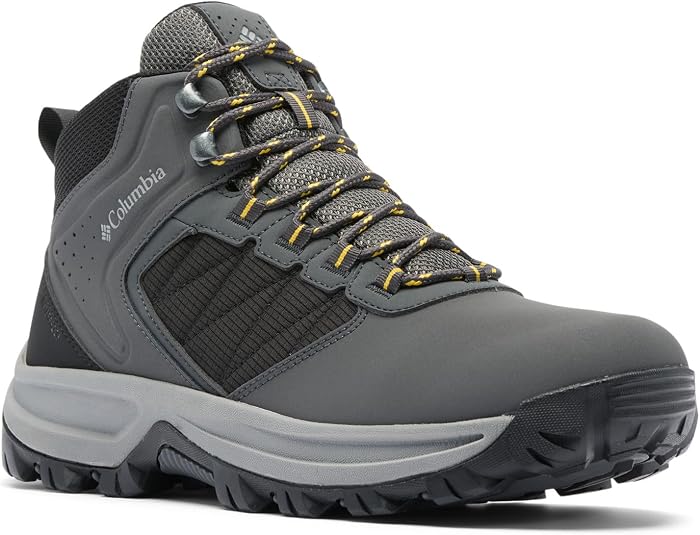
Columbia Transverse Hike Waterproof is designed for hikers needing a lightweight, waterproof boot that performs well in all seasons. Its biggest strength lies in combining comfort and protection without adding bulk, making it a great choice for long days on varied trails.
Breaking it in is straightforward thanks to a comfortable fit that doesn’t pinch or require extra sizing adjustments. The closed toe design keeps feet protected from rocks and roots, while the waterproof feature ensures dry feet even in wet conditions.
Dark Grey with Stinger accents gives it a versatile look that fits well on and off the trail.
The build feels durable but lightweight, emphasizing easy movement without sacrificing safety. Waterproof materials hold up well to unexpected puddles, though some mention the grip on slick surfaces could be better.
It balances weight and protection, though the lack of a heel might feel unusual to those used to traditional hiking boots.
The strongest praise highlights the comfortable and lightweight feel combined with reliable waterproofing, making it suitable for long hikes even in wet conditions. Some users find the traction below expectations when surfaces are slippery, and the lack of a heel might feel uneasy at first.
Those who prioritize lighter boots that protect well and keep feet dry will appreciate these. Anyone requiring firmer grip or accustomed to heel support may want to explore other options better suited to those needs.
Pros
- Lightweight yet protective design
- Waterproof for all-season use
- Comfortable fit without break-in issues
- Closed toe guards against trail debris
Cons
- Grip can be less reliable on slick surfaces
- No heel may feel odd for some hikers
| Specification | Details |
|---|---|
| Color | Dark Grey/Stinger |
| Toe Style | Closed Toe |
| Boot Form Type | Hiking Boot |
| Heel Type | No Heel |
| Seasons | All |
| Style Name | Transverse Hike Waterproof |
7. FREE SOLDIER Waterproof Tactical Work Boots

Feels surprisingly light and flexible for a tactical work boot, suitable for anyone needing durable footwear that doesn’t weigh them down. Its greatest strength lies in combining solid protection with breathability, making it great for hot days out on rough terrain or demanding jobs.
Breaking in these boots is straightforward thanks to the cushioned EVA midsole that offers good shock absorption during long days. Suede leather paired with tough 1000D Cordura fabric keeps the build tough yet breathable, helped by vented collar holes that reduce heat. The non-slip outsole grips well on varied surfaces, while the cap toe and heel reinforcements add support without making them feel bulky.
Protection is reliable with a hardened toe cap and heel that resist impacts and scrapes. The all-terrain outsole performs well for hiking or tactical use, gripping firmly even on tricky ground. Praised often for durability and fit, some mention the boots may run a bit narrow at first and might need some breaking in for comfort.
Durability and strong protective features get consistent praise, while a common complaint focuses on the relatively narrow fit that might require a break-in period. The boots hold up well through tough use and keep feet comfortable with good ventilation.
Those working in rugged environments or on outdoor tactical tasks will benefit from the combination of support, grip, and breathability. Anyone needing a wider fit or a boot for warmer or wetter seasons might look for alternatives better suited to those conditions.
Pros
- Lightweight despite reinforced protection
- Good airflow around collar for breathability
- Strong grip on all terrain surfaces
- Durable materials resist scratches and wear
Cons
- Runs narrow, may feel tight out of the box
- Best suited for fall season, less versatile
| Specification | Details |
|---|---|
| Boot Form Type | Combat |
| Upper Material | Suede leather with 1000D Cordura fabric |
| EVA Midsole | Lightweight and flexible cushioning |
| Waterproof | Yes |
| Seasons | Fall |
| Color | Black |
8. Columbia Transverse Hike Waterproof
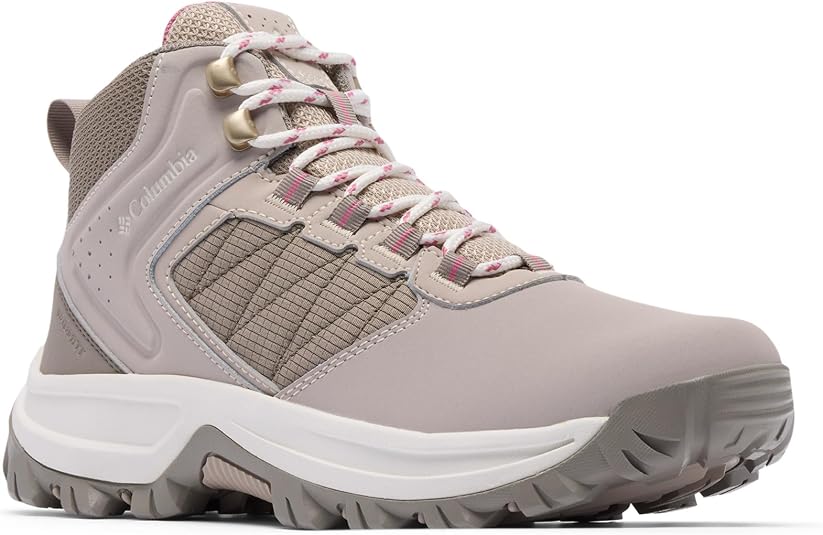
Great for those needing lightweight boots that handle wet conditions without weighing you down. It suits hikers looking for reliable waterproofing and comfortable all-day wear.
Its biggest strength lies in combining protection with a soft taupe and rosette design that feels light on your feet.
Breaking in happens quickly thanks to the closed toe design and soft materials. The fully waterproof feature keeps feet dry during unexpected puddles or wet trails.
No heel makes walking smoother and less strenuous on steeper paths. Wearing these boots in different seasons feels natural, and cleaning involves just a basic wipe-down.
Performance on trails is solid with dependable waterproofing and good grip. The build supports natural foot movement without stiff areas, making long days easier. Most people appreciate how light the boots feel, but some mention the waterproof membrane makes breathability a bit limited.
They balance protection and comfort well.
The boots are praised for feeling very light while effectively keeping water out, making them a strong choice for wet trail conditions. On the downside, some users find the limited breathability causes feet to heat up during strenuous activity.
Hikers needing dependable waterproof gear in a lightweight form will enjoy these boots. Those with wider feet or who prioritize breathability might want to explore other options that offer more ventilation or room.
Pros
- Lightweight enough for all-day hikes
- Waterproof membrane keeps moisture out
- No heel design eases downhill steps
- Works in all seasons comfortably
Cons
- Breathability reduced due to waterproofing
- Might feel tight in wider feet
| Specification | Details |
|---|---|
| Color | Soft Taupe/Rosette |
| Toe Style | Closed Toe |
| Boot Form Type | Hiking Boot |
| Heel Type | No Heel |
| Seasons | All |
| Style Name | Transverse Hike Waterproof |
9. Columbia Newton Ridge Plus Waterproof Womens

Built with waterproof materials and designed for the fall season, these hiking boots suit someone looking for a dependable, easy-to-wear option on trails. Their biggest strength lies in the balance of lightweight feel and practical durability, perfect for casual outdoor use and everyday hikes.
Putting them on was simple thanks to the closed toe design and no-heel build, which keeps the fit snug without feeling bulky. The Elk/Mountain Red color adds a bit of style while walking through the woods or running everyday errands.
They’re neither too heavy nor rigid, making them comfortable for all-day use without sacrificing protection from light rain or rough terrain.
The boots handle moderate trails well and keep feet dry with their waterproof feature, which is helpful on wet leaves or muddy paths. Constructed with solid materials, the build feels reliable and made to last. Most praise highlights their comfort and water resistance, while some point out the lack of padding around the ankle as the main drawback.
Waterproofing stands out as the strongest feature, keeping feet dry even in damp conditions. The most common complaint lies in the ankle padding, which can cause some discomfort, especially during longer hikes or rough terrain.
These boots suit well for casual hikers who want reliable wet weather protection without bulk. Those needing extra ankle support or year-round use might want to explore other options better built for heavy trekking or warmer seasons.
Pros
- Waterproof for wet trail protection
- Lightweight for easier hiking
- Closed toe protects against debris
- No heel design adds comfort
Cons
- Minimal ankle padding can feel stiff
- Limited to fall season use
| Specification | Details |
|---|---|
| Color | Elk/Mountain Red |
| Toe Style | Closed Toe |
| Boot Form Type | Hiking Boot |
| Heel Type | No Heel |
| Seasons | Fall |
| Style Name | Newton Ridge Plus Waterproof Amped |
10. NORTIV 8 Womens Lightweight Ankle Hiking Boots

Lightweight design stands out the most about these hiking boots, making them ideal for women who prefer ankle support without bulk. They suit outdoor enthusiasts who value comfort on long walks and a practical mid-top style for versatile use.
Putting them on is straightforward, thanks to the closed toe design and moderate ankle height that keeps everything snug. The khaki color works well for outdoor settings, and the solid pattern means no busy details that might hide dirt.
These boots handle various weather and terrain types, allowing all-season wear without constant changes.
They protect feet well on trails thanks to their sturdy hiking boot form while having no heel, which helps reduce weight and prevent foot fatigue. The most frequent compliment praises their lightweight comfort, while some users note that breathability could be better during hotter days.
The boots receive consistent praise for their lightweight comfort, making them easy to wear on long hiking days. Breathing during hot weather comes up as the main downside, with some users finding their feet get warm faster than expected.
Someone looking for lightweight, versatile hiking footwear with solid ankle support in cooler or moderate climates will appreciate these boots. Those often hiking in hot, very dry areas or needing extra heel traction might want to consider other options.
Pros
- Very lightweight for ankle hiking boots
- Good all-season use
- Closed toe protects well
- Simple khaki color complements outdoors
Cons
- Breathability could improve for hot weather
- No heel may affect downhill grip slightly
| Specification | Details |
|---|---|
| Color | Khaki |
| Toe Style | Closed Toe |
| Boot Form Type | Hiking Boot |
| Heel Type | No Heel |
| Seasons | All |
| Style Name | Mid-top |
Best Ultra Lightweight Hiking Boots Comparison Table
| Product | Toe Style | Heel Type | Seasons | Style Name |
|---|---|---|---|---|
| Mens Waterproof Hiking Boots | Round Toe | Flat | Summer | Hiking |
| Columbia Newton Ridge Plus II | Closed Toe | No Heel | All | Newton Ridge Plus II Waterproof |
| Merrell Chameleon 8 Stretch | Closed Toe | Flat | Fall | Chameleon 8 Stretch Tactical Work |
| KEEN Hightrail Mid Boots | Bump Toe | No Heel | All | Hightrail Mid Lightweight Waterproof |
| Merrell Moab 3 Mid | Round Toe | Flat | Fall | Moab 3 Mid Waterproof |
| Columbia Transverse Hike | Closed Toe | No Heel | All | Transverse Hike Waterproof |
| FREE SOLDIER Tactical Boots | Cap Toe | Flat | Fall | Outdoor Tactical |
| Columbia Transverse Hike II | Closed Toe | No Heel | All | Transverse Hike Waterproof |
| Columbia Newton Ridge Womens | Closed Toe | No Heel | Fall | Newton Ridge Plus Waterproof Amped |
| NORTIV 8 Womens Ankle | Closed Toe | No Heel | All | Mid-top |
- Toe StyleRound Toe
- Heel TypeFlat
- SeasonsSummer
- Style NameHiking
- Toe StyleClosed Toe
- Heel TypeNo Heel
- SeasonsAll
- Style NameNewton Ridge Plus II Waterproof
- Toe StyleClosed Toe
- Heel TypeFlat
- SeasonsFall
- Style NameChameleon 8 Stretch Tactical Work
- Toe StyleBump Toe
- Heel TypeNo Heel
- SeasonsAll
- Style NameHightrail Mid Lightweight Waterproof
- Toe StyleRound Toe
- Heel TypeFlat
- SeasonsFall
- Style NameMoab 3 Mid Waterproof
- Toe StyleClosed Toe
- Heel TypeNo Heel
- SeasonsAll
- Style NameTransverse Hike Waterproof
- Toe StyleCap Toe
- Heel TypeFlat
- SeasonsFall
- Style NameOutdoor Tactical
- Toe StyleClosed Toe
- Heel TypeNo Heel
- SeasonsAll
- Style NameTransverse Hike Waterproof
- Toe StyleClosed Toe
- Heel TypeNo Heel
- SeasonsFall
- Style NameNewton Ridge Plus Waterproof Amped
- Toe StyleClosed Toe
- Heel TypeNo Heel
- SeasonsAll
- Style NameMid-top
How to Choose the Best Ultra Lightweight Hiking Boots
Choosing ultra lightweight hiking boots involves considering comfort, durability, and fit to ensure they support your feet without adding extra weight. Prioritizing breathability and traction helps prevent injury and fatigue, saving money on replacements and avoiding discomfort on long treks.
Weight and Comfort
Long days on the trail can wear down your legs, and heavy footwear only makes it worse. Boots weighing under 14 ounces per shoe cut down fatigue significantly, making each step easier over rough terrain.
Padding around the collar and in the midsole plays a major role too, too little cushioning can leave feet sore by midday, while excess padding adds bulk and heat.
Breathability also matters since trapped moisture creates hot spots and blisters. Mesh panels combined with lightweight synthetics help airflow, keeping feet cooler. Look for boots with moisture-wicking liners and ventilated uppers.
These features combined with a well-balanced cushioning system keep foot comfort steady from the first mile to the last.
Fit and Support
Proper sizing is more than length; width must suit your feet to avoid pinching or slipping. Wearing boots that are too narrow or wide can cause pressure sores and instability. Trying different brands helps since sizing varies widely.
A snug but comfortable fit lets you tighten laces without cutting off circulation.
Ankle support prevents sprains, especially on uneven surfaces. Boots with a mid or high cut and firm collar stabilize your joint without restricting movement.
Stiff midsoles offer protection on rocky trails but limit flexibility, which some prefer for more dynamic hiking styles. Softer soles bend easier but provide less foot protection during climbs.
Durability and Materials
The upper should resist abrasions while staying lightweight. Leather offers durability but increases weight, so many choose synthetic blends for a good balance. Nylon mesh reinforcements combine breathability with moderate toughness.
Expect materials that flex without cracking or tearing after repeated use.
Outsoles must grip terrain and last through miles of wear. Rubber compounds with deep lugs provide traction but can add weight if too thick.
Look for soles rated for high abrasion resistance. Water resistance is essential but fully waterproof boots tend to trap heat; water-repellent coatings or membranes can protect from wetness without bulk.
Traction and Stability
Tread design shapes your grip on slippery rocks and loose dirt. Deep, widely spaced lugs shed mud and grip loose soil, while molded rubber improves durability. Low-profile treads relieve pressure on hard surfaces but reduce off-trail traction.
A boot that balances these suits mixed terrain best.
Midsole materials like EVA foam offer shock absorption to protect joints on long descents and rough paths. Adding a rock plate reduces puncture risk but increases weight.
A reliable heel brake feature abruptly slows the foot on steep declines, improving control and reducing slip hazards.
Ease of Care and Maintenance
Materials influence how often boots need cleaning and the effort required. Smooth synthetic uppers wipe clean easily, while mesh sections collect dirt and require brushing. Proper rinsing after wet hikes prevents mud buildup, which accelerates wear.
Boots with antimicrobial linings or treatments resist odors from sweat and moisture, extending fresh wear between washes. Quick-drying fabrics shorten downtime after rain but may lose shape if improperly dried. Stuffing damp boots with newspaper helps preserve form and speed drying without damage.
How to Break in Ultra Lightweight Hiking Boots for Maximum Comfort
Breaking in ultra lightweight hiking boots involves a few strategic steps to avoid discomfort on the trail. Start by wearing the boots indoors with the socks you’ll typically use for hiking. This helps the materials adjust to your foot shape without the added pressure of outdoor terrain.
Next, take short walks on varying surfaces, such as pavement and grass, to gradually soften the boot’s upper and sole. This prevents blisters and hotspots from forming during longer hikes.
Adjust the laces regularly to ensure the right tension, focusing on snugness around the arch and ankle for proper support. Keep an eye out for pressure points and consider adding padded insoles if needed.
Completing these steps over a week or two results in boots that conform better to your feet, making longer treks in lightweight boots more comfortable.
Essential Maintenance Tips to Prolong the Life of Your Hiking Boots
Maintaining your ultra lightweight hiking boots properly extends their usability and performance on trails.
- Clean the boots after each use by brushing off dirt and debris, especially around seams and the sole grooves.
- Use a damp cloth or a soft brush to remove stubborn mud but avoid soaking the boots in water, as excessive moisture can weaken materials and adhesives.
- Dry your boots naturally at room temperature and never use direct heat sources like radiators or hairdryers, which can cause cracking or warping.
- Apply a suitable waterproofing treatment based on the boot’s material, synthetic or leather, to maintain water resistance.
- Check soles regularly for wear and replace or repair as necessary to keep traction effective and protect foot stability.
Routine care helps keep lightweight boots functional over many seasons.
Comparing Ultra Lightweight Boots with Traditional Hiking Footwear for Different Trails
Ultra lightweight hiking boots differ notably from traditional hiking footwear in weight, support, and use cases.
- Weight: Ultra lightweight boots typically weigh significantly less, reducing fatigue during longer walks or fast-paced hikes.
- Support: Traditional boots usually provide more ankle and foot support due to stiffer construction and higher collars, beneficial on rocky or uneven trails.
- Durability: Heavier boots often withstand rugged conditions better, including sharp rocks and heavy loads, while lightweight boots prioritize flexibility and comfort over extreme durability.
- Trail type: Lightweight boots excel on well-maintained paths and for multi-day trips where carrying less weight is crucial, whereas traditional boots are preferred on technical terrain requiring extra protection.
Choosing between these types depends on the terrain, distance, and personal comfort preferences.
People Also Asked
How Do I Properly Break in Ultra Lightweight Hiking Boots?
Start by wearing the boots around the house or on short walks before hitting long trails. This helps the material soften and molds the boots to your feet, reducing the chance of blisters or discomfort during a hike. Increase wear time gradually over several days.
What Size Ultra Lightweight Hiking Boots Should I Buy for Hiking?
Choose boots that fit snugly but leave room for your toes to wiggle. Hiking often causes feet to swell, so having a half-size larger than your regular shoe can prevent pressure points during long hikes. Also consider thicker socks in your fitting process.
Are Ultra Lightweight Hiking Boots Safe for Rocky Terrain?
Ultra lightweight hiking boots can be safe on rocky terrain if they have good tread and ankle support, but they typically offer less protection than heavier boots. Using boots with sturdy soles and paying attention to your footing will help prevent slips and injuries.
How Long Do Ultra Lightweight Hiking Boots Usually Last Under Normal Use?
These boots usually last around one hiking season or roughly 300 to 500 miles depending on trail conditions and usage. Drying them properly after use and cleaning off mud quickly can extend their life somewhat.
What Common Problems Should I Watch for with Ultra Lightweight Hiking Boots?
Common issues include sole wear, tearing of lightweight materials, and loss of support over time. Inspect boots regularly for thinning soles or compromised uppers to avoid unexpected failures during hikes.
Conclusion
Choosing the right ultra lightweight hiking boots mainly depends on fit, durability, and breathability. Make sure the boots feel comfortable from the start; any tight spots can cause problems on longer hikes.
Look for materials that will hold up to the type of terrain you plan to cover, and consider how well they allow airflow to keep your feet dry.
Think about where and how often you will hike when making your decision. A pair meant for occasional use might not need the same features as boots for regular, extended trips.
Check the comparison table above to see how each option stacks up against your needs and budget, then pick the boots that strike the right balance for your adventures.