Top 10 Best Scaffolding Boots That Boost Safety Now!
Long shifts on scaffolds can quickly turn uncomfortable and even dangerous if the boots fail to provide proper support and protection. The best scaffolding boots help prevent slips on metal planks and reduce foot fatigue, which cheap or ill-fitting boots often overlook.
Without sturdy soles and secure ankle support, workers risk injuries that bring projects to a halt.
Durable materials like full-grain leather combined with a slip-resistant rubber sole make a big difference in both safety and lifespan. Proper fit is crucial, as boots too tight cause blisters while loose ones compromise stability.
Standards like ASTM F2413 for toe protection and puncture resistance indicate essential safety features. Ease of cleaning also matters since scaffolds often expose boots to grease and dirt, which can damage inferior footwear.
Need a Quick Check?
| Image | Product | Price |
|---|---|---|
Our Top Picks 1  | BRUNT Sullivan Work Boot | Check Price |
Our Top Picks 2  | Wolverine Overpass Waterproof | Check Price |
Our Top Picks 3 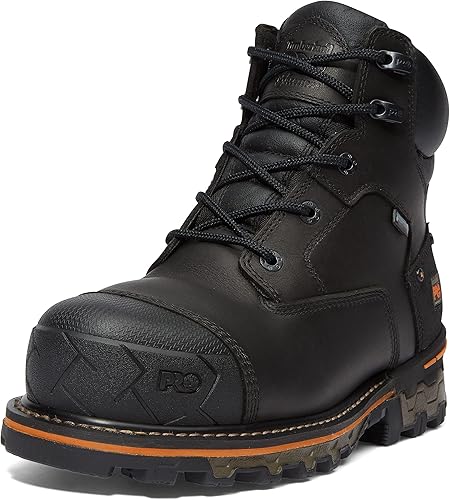 | Timberland PRO Boondock Boot | Check Price |
Our Selected Top 10 Scaffolding Boots Worth Buying
These top scaffolding boots have been carefully chosen for durability, comfort, and safety on construction sites. Each review explains how well the boots perform, highlights their advantages and drawbacks, and identifies the types of users who will benefit most from them.
1. BRUNT Sullivan Soft Toe Waterproof Work Boot
Dark brown waterproof boots with a soft, round toe stand out for anyone needing reliable spring and summer work footwear. The main strength lies in their water resistance combined with a comfortable fit, making them a solid pick for outdoor tasks in wet conditions.
Wearing these boots day to day feels manageable thanks to their 6-inch height and block heel, which provide stability without heaviness. The soft toe design means there’s more room for foot movement, and the waterproof feature keeps feet dry in damp environments. Their simple lacing keeps the fit snug, and the dark brown color hides dirt well, so cleanup is straightforward.
Performance-wise, the boots do a good job at keeping water out and supporting the foot. Their build focuses on comfort rather than heavy-duty protection, as seen in the soft toe style. Reviews often praise their waterproof quality but mention limited protection against sharp objects.
Materials offer decent durability for spring and summer use, though some mention the sole could have better grip on slick surfaces.
Waterproofing stands out as the most appreciated feature, keeping feet dry during outdoor tasks. A frequent downside is the soft toe providing less impact protection, which could be a concern in tougher environments.
Those working mainly in wet conditions with moderate hazards will find these boots comfortable and suitable. Anyone needing heavy-duty toe protection or maximum traction may want to look for boots with reinforced toes and specialized soles.
Pros
- Waterproof for wet work conditions
- Comfortable soft toe design
- Stable block heel without extra height
- Dark color conceals dirt well
Cons
- Less protection against sharp objects
- Sole grip could be improved on slick surfaces
| Specification | Details |
|---|---|
| Color | Dark Brown |
| Toe Style | Round Toe |
| Boot Form Type | Work Boot |
| Heel Type | Block Heel, No Heel |
| Seasons | Spring/Summer |
| Style Name | The Sullivan 6" Wp Soft Toe |
2. Wolverine Overpass Composite Toe Waterproof Work Boot
Choosing footwear that combines safety, comfort, and durability without breaking the bank can be tricky, but the Wolverine Overpass Composite Toe Waterproof Work Boot delivers on those fronts. Ideal for anyone working on scaffolding or in rugged conditions, its standout feature is reliable waterproof protection paired with a tough composite toe, offering solid defense where it counts.
Putting on these boots is straightforward thanks to their 6-inch mid-height design, which provides good ankle support without feeling restrictive. The closed toe style adds protection, while the waterproof material keeps feet dry during damp or fall weather. The summer brown color works well beyond construction sites, making them suitable for casual use as well.
Performance-wise, the composite toe manages to shield your feet from impacts without the heavy weight of steel toes, keeping you comfortable for longer days. Review comments often highlight how well the boots hold up despite rough use, while some note that they lack a heel, which might affect traction on certain surfaces. The build quality feels trustworthy, designed for work but styled for everyday wear.
The waterproof feature combined with the composite toe is praised for keeping feet safe and dry in challenging environments. Common complaints mention the lack of a heel, which can make footing less secure on uneven or slippery surfaces.
Workers needing solid protection and ankle support in wet conditions will appreciate these boots. Those wanting extra traction or a boot designed for warmer seasons might want to explore alternative options.
Pros
- Waterproof for dry, comfortable feet
- Composite toe lighter than steel but protective
- Mid-height for ankle support
- Neutral brown color suits casual wear
Cons
- No heel may reduce grip on some surfaces
- Designed mainly for fall, might be warm in summer
| Specification | Details |
|---|---|
| Color | Summer Brown |
| Toe Style | Closed Toe |
| Boot Form Type | Work Boot |
| Heel Type | No Heel |
| Seasons | Fall |
| Style Name | Overpass 6″ Mid Composite Toe Waterproof Work Boot |
3. Timberland PRO Boondock Composite Safety Toe Work Boot
Working on scaffolding demands boots that keep you steady, safe, and comfortable all day long. Ideal for construction or industrial jobs, these black boots stand out mainly for their protection and waterproof qualities, making them great when you need tough footwear in unpredictable conditions.
Putting these boots on is straightforward thanks to the standard work boot design, and they hold up well through long hours. The waterproof feature is handy during rainy days, keeping feet dry. A composite toe means lighter weight than steel but still offers solid protection without feeling bulky, which adds comfort when moving around on uneven surfaces.
Built with durability and safety in mind, these boots handle rough work environments well. The block heel adds stability, preventing slips on scaffold planks or wet ground. The most praised aspect is how protective yet comfortable they are for extended wear.
Some users mention that the fit can feel a bit stiff at first, requiring a short break-in period.
Users appreciate the combination of waterproof protection and composite toe safety, making these boots reliable throughout tough workdays. Most reports mention the boots feeling stiff initially, needing some time before they soften up for comfort.
The boots suit anyone who needs dependable, all-season scaffolding footwear with strong foot protection. Those seeking a lighter or more flexible option right out of the box might want to consider different styles.
Pros
- Waterproof design keeps feet dry
- Composite toe reduces weight compared to steel
- Block heel adds good grip and stability
- Suitable for year-round wear
Cons
- Stiff fit requires break-in time
- May feel bulky for some during extended wear
| Specification | Details |
|---|---|
| Color | Black-2024 New |
| Toe Style | Composite Toe |
| Boot Form Type | Work Boot |
| Heel Type | Block Heel |
| Seasons | All |
| Style Name | Boondock 6 Inch Composite Safety Toe Waterproof Industrial Work Boot |
4. Timberland PRO Gridworks Alloy Safety Toe Waterproof Work Boot

Aluminum toe protection is the standout feature of these work boots, making them ideal for anyone needing strong safety at construction sites or industrial jobs. Waterproofing means they hold up well through wet conditions, suitable for all seasons and rough environments.
Putting them on daily is straightforward, with a secure fit around the ankle thanks to the 6-inch wedge heel design. Brown leather and solid pattern keep them practical and easy to clean after dusty or muddy workdays.
The snug fit avoids slipping but doesn’t feel too tight for extended wear.
Built for durability, the aluminum toe guards against impacts without adding excessive weight. Reviews highlight how well the boots perform in protecting feet and staying intact over time.
A common complaint mentions that sizing can run a little narrow, so choosing the right fit carefully is important.
The aluminum toe safety feature stands out for protection, praised for lasting durability over time. Sizing issues with a narrow fit are most often noted, which can affect comfort if the right size isn’t chosen.
Ideal for those working in environments where foot safety and waterproof boots are essential. Anyone with wider feet might want to look for alternatives designed with more room in the toe box.
Pros
- Strong aluminum toe gives solid impact protection
- Waterproof for use in wet weather
- Comfortable wedge heel reduces foot fatigue
- Durable brown leather resists wear and tear
Cons
- Runs narrow, sizing can be tricky
- Less breathable in hot weather
| Specification | Details |
|---|---|
| Color | Brown |
| Toe Style | Aluminum Toe |
| Boot Form Type | Work Boot |
| Heel Type | Wedge Heel |
| Seasons | All |
5. Columbia Transverse Hike Waterproof Boot
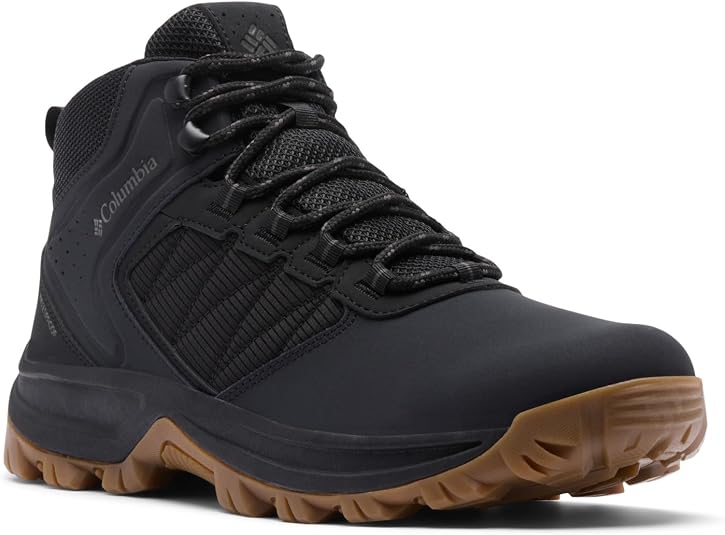
Anyone working on scaffolding or needing solid outdoor boots for tough conditions will appreciate the Columbia Transverse Hike Waterproof Boot. Its biggest strength lies in keeping your feet dry and protected, making it ideal for all-weather use while offering reliable comfort and stability.
Putting these boots on is easy enough, with a closed toe design that fits like a hiking boot you can wear all day. Waterproof materials mean rain or mud don’t become a problem. They don’t have a heel, which helps maintain balance on uneven surfaces.
The solid black color keeps them looking simple and practical for work or outdoor chores.
Built to handle rough terrain and wet conditions, these boots offer good protection and keep water out effectively. The toughest praise is for their waterproof feature that really holds up well. Some mention the boot might feel a bit stiff at first, so breaking them in takes some time.
Still, they’re quite durable and fit the purpose for those on their feet outdoors.
The waterproof feature of these boots stands out as their biggest advantage, effectively keeping feet dry throughout the day. Meanwhile, several note the initial stiffness that requires patience to soften up and become more comfortable. This is expected with durable, protective footwear but can be a drawback for some.
Anyone needing reliable waterproof boots for scaffolding or outdoor work in any season will find these fitting well. Those who want a cushioned heel or softer break-in might want to look elsewhere. The focus here is on rugged practicality and protection over immediate comfort or fashion.
Pros
- Waterproof design keeps feet dry in wet conditions
- No heel for better stability on uneven surfaces
- Simple black color suits work environments
- Comfortable hiking boot fit for long wear
Cons
- Boots feel stiff and require break-in time
- Not designed for heavy heel support or formal use
| Specification | Details |
|---|---|
| Color | Black/Black |
| Toe Style | Closed Toe |
| Boot Form Type | Hiking Boot |
| Heel Type | No Heel |
| Seasons | All |
| Pattern | Solid |
| Style Name | Transverse Hike Waterproof |
6. Wolverine Floorhand Steel Toe Waterproof Work Boot

Wolverine Floorhand Steel Toe Waterproof Work Boot suits those who need reliable protection and waterproofing on the job. What sets it apart is the combination of steel toe safety and solid waterproof features, making it a strong choice for tough work environments in fall.
Putting the boots on is straightforward thanks to their 6-inch height and round toe design, giving enough room without feeling bulky. They hold well on various surfaces and keep feet dry during damp conditions.
Fit feels secure with a flat heel that supports stability through a typical workday outdoor or indoors.
Performance centers around safety and durability with a steel toe that guards against impacts. The waterproof construction keeps feet dry in wet environments, a crucial feature for fall weather.
Durable dark brown leather strikes a balance between ruggedness and comfort. The most valued point is its toughness, though some find the boots a bit stiff at first.
The waterproof steel toe feature stands out for protecting feet in wet and hazardous conditions. Many find the boots reliable for safety but comment on stiffness during initial wear. Breaking them in takes some time but results in a solid fit.
Those needing dependable protection and waterproofing for fall work will find these boots meet their needs well. People prioritizing extra softness or lightweight boots might want to explore other options.
Pros
- Steel toe offers solid impact protection
- Waterproof design keeps feet dry
- Flat heel provides steady footing
- Durable dark brown leather construction
Cons
- Break-in period can feel stiff
- Lack of extra cushioning for long wear
| Specification | Details |
|---|---|
| Color | Dark Brown |
| Toe Style | Round Toe |
| Boot Form Type | Work Boot |
| Heel Type | Flat |
| Seasons | Fall |
| Style Name | Wolverine Men’s Floorhand Waterproof Steeltoe 6″ Work Boot |
7. Lugz Convoy Classic 6-inch Chukka Boot

Lugz Convoy Classic 6-inch Chukka Boot is a solid work boot designed to provide reliable comfort and durability for long days on scaffolding. Its key strength lies in balancing a sturdy build with stylish simplicity, making it well-suited for anyone needing dependable boots that work well in various conditions.
Day-to-day wear is straightforward with these boots, thanks to their chukka form which makes putting them on and taking them off quick and easy. The plain toe and block heel offer steady footing on uneven surfaces, while the solid pattern in Golden Wheat/Bark/Tan/Gum colors keeps them looking clean despite frequent use.
These boots handle all seasons comfortably, meaning no swapping out for different weather.
Performance-wise, they hold up well against wear and offer decent protection for scaffolding tasks. The strength of the build stands out with a block heel that supports stability, though some notice that the boots feel a bit heavier than lighter alternatives.
The biggest compliment is their lasting comfort, but the main complaint comes from those wanting a lighter boot for very extended use.
Comfort remains a standout feature even after long hours working, making these boots dependable day in and day out. Most users note the weight as a downside, indicating it’s not the lightest choice for those prioritizing minimal bulk.
Anyone looking for sturdy, comfortable boots that perform well through different seasons will be satisfied. Those who require extremely lightweight or specialized safety features might want to consider alternative options.
Pros
- Comfortable for extended wear
- Stable block heel for uneven surfaces
- Suitable for all seasons
- Easy to put on and take off
Cons
- Feels heavier than other boots
- Not for those needing ultra-lightweight footwear
| Specification | Details |
|---|---|
| Color | Golden Wheat/Bark/Tan/Gum |
| Toe Style | Plain Toe |
| Boot Form Type | Chukka |
| Heel Type | Block Heel |
| Seasons | All |
| Style Name | Convoy |
8. Moc Toe Steel Toe Work Boot

Comfort meets durability in a work boot designed for long days on construction sites and in warehouses. Ideal for those needing steady footing and reliable support, the Moc Toe Steel Toe Work Boot’s biggest strength lies in blending a soft toe style with wedge-heel comfort that suits all seasons.
Lacing up feels straightforward thanks to the solid build and classic design. Wearing them daily through outdoor labor or factory floors, the wedge heels provide stable traction without feeling heavy.
The soft brown color keeps things looking professional without calling too much attention, easily matching standard workwear. These boots are practical for hard surfaces and extend support where it counts.
Durability and safety take center stage with the steel toe construction, although the toe style listed is soft toe, which some might note for their safety needs. The work utility style fits the demands of tough environments and holds up to frequent wear well.
A common appreciation revolves around the sturdy heel design, while there is some mention of minor discomfort initially until broken in.
Many appreciate the comfortable wedge heel design that holds up through long workdays, while the soft toe style may not meet the safety expectations for those requiring rigid toe protection. Breaking in the boots can cause minor discomfort that wears off with use.
Anyone working in environments where moderate toe protection and all-season wearability matter will find these boots suitable. Those needing maximum toe safety or immediate comfort without break-in should consider other options.
Pros
- Comfortable wedge heel supports all-day wear
- Soft toe offers flexible protection
- Brown color matches various work environments
- Suitable across all seasons
Cons
- Soft toe less protective than steel toe alternative
- Some discomfort during initial break-in
| Specification | Details |
|---|---|
| Color | Soft Toe – Brown |
| Toe Style | Soft Toe |
| Boot Form Type | Work Boot |
| Heel Type | Wedge-heels |
| Seasons | All |
| Occasion | Construction sites, Factories, Outdoor Labor, Warehouses, Workshop |
9. Timberland PRO Keele Ridge Steel Safety Toe Work Boot

Sturdy and reliable, the Timberland PRO Keele Ridge Steel Safety Toe Work Boot suits anyone working in tough conditions who needs solid foot protection. Its biggest strength lies in the steel toe, ensuring safety without sacrificing comfort during long days on your feet.
Slip into these boots and you’ll notice the waterproof design keeps your feet dry in wet environments. The block heel provides stable footing on scaffolding, while the solid brown color hides dirt well. Day-to-day use is smooth thanks to the work boot form that fits securely without feeling bulky or heavy.
On the job, the steel toe takes hits well and protects against accidental drops. It’s built tough enough to withstand rough use.
Most praise goes to the boot’s durability and waterproofing, while some mention the fit could be tricky at first but settles over time.
The waterproof design and steel toe protection are highly praised for keeping feet safe and dry on the job. The most common complaint revolves around the boots feeling stiff at first before breaking in properly.
Anyone working outdoors or in industrial settings needing dependable safety and comfort will appreciate these boots. Those wanting a softer break-in or more color variety might want to look at other options.
Pros
- Waterproof for all-season use
- Steel toe offers reliable protection
- Block heel gives solid footing
- Durable materials handle tough work
Cons
- Initial fit may feel stiff
- Color options limited to brown
| Specification | Details |
|---|---|
| Color | Brown-2024 New |
| Toe Style | Steel Toe |
| Boot Form Type | Work Boot |
| Heel Type | Block Heel |
| Seasons | All |
10. KEEN Utility Cincinnati Composite Toe Waterproof Work Boot

Constructed with composite toes and designed for waterproof protection, these boots are tailored for work in wet environments. They suit anyone looking for reliable safety footwear that can stand up to spring and summer jobsite demands. The biggest strength lies in their ability to keep feet dry and protected without feeling bulky.
Putting them on is straightforward, thanks to the comfortable wedge heel that also offers stable support during long shifts. The Belgian and Sandshell color pattern hides dirt well throughout the day. Wearing these boots in various conditions reveals their breathability and waterproof qualities, helping keep feet comfortable even after hours on scaffolding or rough surfaces.
Built with a focus on durability and safety, the composite toe shields against impacts while staying lighter than steel alternatives. The waterproof construction holds up well under consistent exposure to moisture. Wearers often praise how dry their feet stay, but some note that the fit can feel a bit narrow for wider feet, which may require some breaking in.
The boots perform well in keeping feet dry and offer reliable composite toe protection, which is the most praised feature. Some experience a snug fit that may require time to loosen, which appears as the main complaint. The waterproof design and supportive sole cater to physically demanding jobs involving wet surfaces.
Anyone needing waterproof work boots with good safety features for warmer months should find them quite suitable. Anyone with wider feet or those needing boots for colder seasons might want to explore alternative options that offer broader sizes or more insulation.
Pros
- Effective waterproof protection for wet conditions
- Lighter composite toe for less foot fatigue
- Supportive wedge heel for stability
- Durable materials that handle rough workdays
Cons
- Fit can be narrow for wider feet
- Limited to spring and summer seasons
| Specification | Details |
|---|---|
| Color | Belgian/Sandshell |
| Toe Style | Composite Toe |
| Boot Form Type | Work Boot |
| Heel Type | Wedge Heel |
| Seasons | Spring/Summer |
| Pattern | BROWN |
Best Scaffolding Boots Comparison Table
| Product | Toe Style | Waterproof | Heel Type | Best For |
|---|---|---|---|---|
| BRUNT Sullivan Work Boot | Round Toe | Yes (Wp) | Block Heel | Spring/Summer Work |
| Wolverine Overpass Waterproof | Closed Toe | Yes | No Heel | Fall Casual Work |
| Timberland PRO Boondock Boot | Composite Toe | Yes | Block Heel | All Seasons Work |
| Timberland PRO Gridworks Alloy | Aluminum Toe | Yes | Wedge Heel | All Seasons Work |
| Columbia Transverse Hike | Closed Toe | Yes | No Heel | All Seasons Hiking |
| Wolverine Floorhand Steel Toe | Round Toe | Yes | Flat Heel | Fall Occupational Work |
| Lugz Convoy Chukka Boot | Plain Toe | – | Block Heel | All Seasons Work |
| Moc Toe Steel Work Boot | Soft Toe | – | Wedge Heels | All Seasons Labor |
| Timberland PRO Keele Ridge | Steel Toe | Yes | Block Heel | All Seasons Work |
| KEEN Utility Cincinnati | Composite Toe | Yes | Wedge Heel | Spring/Summer Work |
- Toe StyleRound Toe
- WaterproofYes (Wp)
- Heel TypeBlock Heel
- Best ForSpring/Summer Work
- Toe StyleClosed Toe
- WaterproofYes
- Heel TypeNo Heel
- Best ForFall Casual Work
- Toe StyleComposite Toe
- WaterproofYes
- Heel TypeBlock Heel
- Best ForAll Seasons Work
- Toe StyleAluminum Toe
- WaterproofYes
- Heel TypeWedge Heel
- Best ForAll Seasons Work
- Toe StyleClosed Toe
- WaterproofYes
- Heel TypeNo Heel
- Best ForAll Seasons Hiking
- Toe StyleRound Toe
- WaterproofYes
- Heel TypeFlat Heel
- Best ForFall Occupational Work
- Toe StylePlain Toe
- Waterproof–
- Heel TypeBlock Heel
- Best ForAll Seasons Work
- Toe StyleSoft Toe
- Waterproof–
- Heel TypeWedge Heels
- Best ForAll Seasons Labor
- Toe StyleSteel Toe
- WaterproofYes
- Heel TypeBlock Heel
- Best ForAll Seasons Work
- Toe StyleComposite Toe
- WaterproofYes
- Heel TypeWedge Heel
- Best ForSpring/Summer Work
How to Choose the Right Scaffolding Boots
Choosing scaffolding boots involves focusing on durability, comfort, and slip-resistant soles to ensure safety and long-term use. Selecting the right boots reduces the risk of injuries and the need for frequent replacements, ultimately saving money and avoiding work interruptions.
Safety Features
Walking on slippery surfaces is more common than you think when working on scaffolding, and a poor outsole grip can cause dangerous slips. The sole needs a slip-resistant tread pattern that grips concrete, metal, or wet surfaces firmly. Standard ratings like ASTM F2913 give a rough guide for slip resistance, but feeling stable in various conditions matters more in daily use.
Ankle support also plays a big role in preventing injuries. Boots with padded collars and firm side support protect against twists and impact from falling objects or accidental bumps on metal edges.
Waterproofing isn’t just about keeping feet dry but also about preventing hazardous substances from soaking in. Leather with treated membranes or full rubber components protect skin from harmful chemicals and keep feet comfortable throughout long shifts. Boots lacking these features often lead to discomfort or injuries down the line.
Comfort and Fit
Long hours on your feet demand boots that fit well and stay comfortable all day. Sizes vary, and some boots run narrow or wide, so having options that accommodate different foot shapes is essential. A properly fitting boot minimizes blisters and pressure points.
Cushioned insoles with arch support make a real difference for standing on hard scaffolding floors and moving around.
Materials that wick moisture away from the foot prevent sweating, which reduces slipping inside the boot and the risk of fungal infections. Mesh panels or breathable linings keep air flowing without compromising protection. Poor breathability leads to soggy, uncomfortable feet by midday, so this feature improves endurance and foot health significantly.
Durability and Materials
Leather uppers with full-grain quality last much longer than cheaper synthetics, surviving scrapes and scuffs typical on construction sites. However, some modern synthetics offer good durability with lighter weight.
The sole material has to handle rough surfaces without cracking or wearing thin quickly; rubber compounds with reinforced flexibility are best for toughness and traction.
Areas that take the most abuse, like toe caps and heel sections, benefit from extra reinforcement. Steel or composite toe caps greatly reduce damage and deformation over time.
Boots without reinforcement can wear out unevenly, exposing feet to injury and forcing earlier replacements, which gets expensive fast.
Weight and Mobility
Heavy boots cause fatigue by the end of the day, affecting balance and overall mobility. Lightweight designs, from 2.5 to 3.5 pounds per boot, offer better endurance. This helps maintain steadiness when climbing or standing on narrow scaffolding planks.
Flexible soles with segmented designs allow natural foot movement, making transitions easier without risking injury.
A stiff boot may offer protection but restricts movement and slows progress. Boots that balance protection with some sole bend avoid this problem. Slimmer ankle profiles also reduce bulk and improve ease of stepping onto tight spaces or ladders, making daily tasks less tiring.
Maintenance and Cleaning
Job sites leave boots covered in mud, concrete, and grease, so easy cleaning matters. Smooth leather or treated synthetic materials wipe down quickly, preventing dirt buildup that degrades the surface. Deep treads should be cleaned regularly to maintain grip but can trap debris if the sole pattern is too complex.
Materials resistant to staining hold up better in the long term. Using standard cleaning agents like mild soaps or specialized leather cleaners helps prevent deterioration.
Avoiding harsh chemicals keeps materials intact and extends the boot’s usable lifespan. Boots that require complex cleaning routines tend to be neglected, hastening wear.
Proper Safety Practices When Using Scaffolding Boots
Hard hat and gloves aren’t the only gear to check before climbing scaffolding; boots play a critical role in safety. Scaffolding boots need solid grip to prevent slips on metal or wood surfaces that often get dusty or wet. Ensure the soles are oil and slip-resistant.
Boots with reinforced toes, usually steel or composite, protect against falling debris and accidental impacts. Take time to check the boot’s fit, boots that are too loose can cause tripping or ankle twists, while tight ones reduce circulation.
Lace them up securely yet comfortably. Avoid boots with worn-out soles; their traction diminishes and increases fall risk.
Keeping boots free from mud and grease also helps maintain grip. Lastly, choose boots with good ankle support to stabilize movements across uneven scaffolding platforms.
Maintenance Tips to Extend the Life of Your Scaffolding Boots
Maintaining scaffolding boots isn’t difficult but requires routine attention. Clean boots regularly to remove dirt, grime, and other debris that reduce sole traction.
Use a stiff brush to clear off dried mud and a damp cloth for the upper part. Apply waterproofing products periodically to keep moisture out, especially if working in damp conditions. Check laces for signs of wear or fraying and replace them promptly to avoid sudden breaks.
Inspect the soles for any thinning or damage; worn soles should be resoled or replaced before they affect safety. Store boots in a dry, ventilated place to prevent mold and material breakdown. Avoid leaving them in direct sunlight or near heaters, which can crack the leather or weaken synthetic parts.
Following these steps helps the boots perform consistently and lasts longer in tough work environments.
Comparing Scaffolding Boots with Other Work Footwear Options
Scaffolding boots differ from other work footwear by focusing heavily on ankle support and slip resistance tailored to high elevations. Compared to standard steel-toe work boots, scaffolding boots usually have enhanced tread patterns to grip narrow scaffolding boards and metal components.
They also often feature higher collars to guard against ankle injuries on uneven surfaces. While hiking boots provide good grip, they lack the reinforced toe protection required for construction sites. Rubber boots might excel in waterproofing but typically do not offer the same level of impact resistance or traction needed at heights.
Choosing scaffolding boots means prioritizing a combination of stability, safety toe protection, and sole design specific to the unique challenges on scaffolding platforms.
People Also Asked
How Do I Choose the Right Size Scaffolding Boots?
Choose scaffolding boots by measuring your feet at the end of the day and trying on boots with the socks you typically wear on site. Make sure there is enough room to wiggle your toes but the boots fit snugly to avoid slipping inside.
Are Scaffolding Boots Safe for Extended Construction Work?
Scaffolding boots designed for construction usually provide good ankle support and slip-resistant soles for extended use. Rotating your footwear and taking breaks to remove the boots can help prevent foot fatigue during long shifts.
What Is the Proper Way to Clean and Maintain Scaffolding Boots?
Clean scaffolding boots by brushing off dirt and mud after each use, then wiping with a damp cloth. Applying a waterproofing product regularly keeps the leather or fabric durable and more resistant to water damage.
How Long Do Scaffolding Boots Typically Last with Regular Use?
Properly cared for scaffolding boots typically last about 6 to 12 months with regular use. Checking soles and seams for wear can help you decide when to repair or replace them before they become unsafe.
Can Scaffolding Boots Be Used on All Types of Surfaces Safely?
Scaffolding boots work best on firm, textured surfaces where the soles can grip well. Extra caution is needed on slick or oily floors, and specialized soles may be required for extremely slippery or uneven ground.
Conclusion
Comfort and safety should guide your choice of scaffolding boots since you’ll be on your feet for long stretches and working in potentially risky conditions. Look for boots with strong ankle support, slip-resistant soles, and durable construction that can handle rough terrain. Proper fit matters too; boots that pinch or rub will only distract and slow you down.
Consider how often you’ll be using the boots and the environment where you’ll wear them before making a decision. Spending a bit more on boots designed for frequent use can pay off in the long run, especially if you work outdoors or on uneven surfaces. For a straightforward comparison, check the table and the detailed reviews above to find the boots that fit your needs and budget best.