Top 10 Best Rubber Boots for Upland Hunting You Need Now
Stepping into a muddy field aching for game only to find your boots leaking or falling short on traction is a familiar frustration for upland hunters. The best rubber boots for upland hunting avoid that misery by keeping feet dry and secure over uneven, wet terrain. Cheap or poorly designed boots not only soak feet but often lack grip or comfort, which turns a day in the field into a slog.
The key differences in quality rubber boots for upland hunting lie in the density and thickness of the rubber, the fit around the calf and foot, and the outsole tread pattern. Boots made from dense, durable rubber around 4-6mm thick resist punctures and tears.
A snug fit prevents water from seeping in and stops rubbing that causes blisters. Deep, multi-directional lugs on the sole improve stability on slippery grass or rocks, making walking safer during long hikes.
Need a Quick Check?
| Image | Product | Price |
|---|---|---|
Our Top Picks 1  | Hunthor Xerogel Boots | Check Price |
Our Top Picks 2 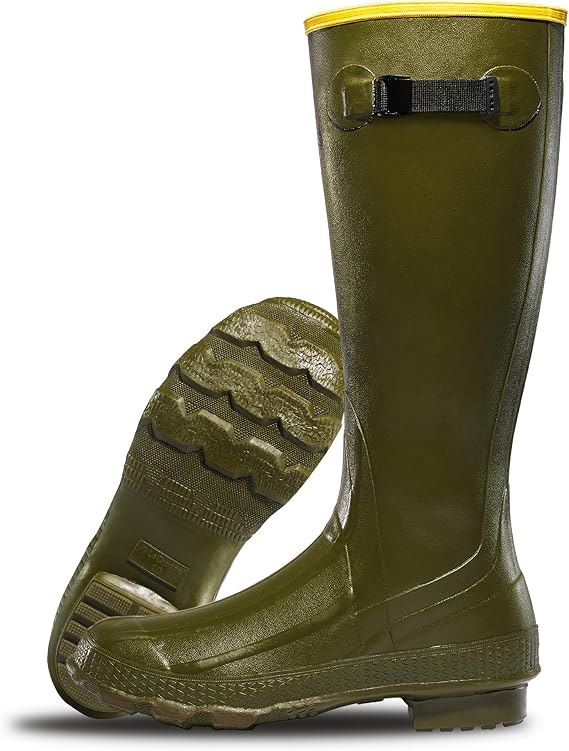 | LaCrosse Grange 18 | Check Price |
Our Top Picks 3  | Hunthor Full-Grain 8 | Check Price |
Our Selected Top 10 Rubber Boots for Upland Hunting for Every Budget
This selection features durable and comfortable rubber boots designed specifically for upland hunting. Each review covers performance, suitability for different conditions, and highlights strengths and weaknesses to help you find the best match for your needs and budget.
1. Hunthor Xerogel Hunting Boots
Sitting comfortably in a snow boot form with a round toe, the Hunthor Xerogel Hunting Boots are built for upland hunters who need durable waterproof footwear that handles all seasons. The standout feature is their waterproof build combined with a flat heel that offers stability on tricky terrain.
Slipping on these boots is straightforward thanks to their hunting waterproof design and flat heel style. The Next Camo G2 color blends well with outdoor settings, making them ideal for hunting trails. Wearing them day to day makes walking through wet brush and muddy fields manageable, while the snow boot form keeps your feet insulated and protected.
Performance shines in wet and snowy conditions, offering reliable waterproofing and warmth throughout seasons. The build’s flat heel adds secure footing, but some feel the round toe shape is a bit roomy for narrow feet. Durability stands out, although a few reviews mention the need for occasional cleaning due to the camo pattern.
The strongest praise highlights the waterproof and warm snow boot design that works well in wet hunting conditions. The most common complaint notes the roomy round toe shape, which can feel less snug for some wearers, and the camo surface needing more upkeep to stay clean.
Hunters who need reliable waterproof boots with solid insulation and stability will be happy with these. Those with narrow feet seeking a tighter fit or low-maintenance camo are likely better off considering other options.
Pros
- Durable waterproof construction for all seasons
- Flat heel provides good traction and stability
- Next Camo G2 color blends well outdoors
- Snow boot form keeps feet warm and protected
Cons
- Round toe may fit loosely on narrow feet
- Camo pattern can require regular cleaning
| Specification | Details |
|---|---|
| Color | Next Camo G2 |
| Toe Style | Round Toe |
| Boot Form Type | Snow Boot |
| Heel Type | Flat |
| Seasons | All |
| Style Name | Hunting Waterproof Boots |
2. LaCrosse Grange 18 Hunting Boots
LaCrosse Grange 18 Hunting Boots deliver serious waterproof protection tailored for upland hunters who need durable and scent-free footwear. Their hand-laid premium ZXT Rubber stands out for toughness and resistance to wear, perfect for rugged outdoor terrain where keeping dry and undetected matters most.
Breaking them in is straightforward thanks to the adjustable top strap and an ankle fit that secures the heel without pinching. Wearing them daily during spring and summer seasons feels confident, as the multilayer rubber on toe and heel areas handles rough paths, while the flat heel keeps footing stable across varying upland landscapes.
Durability plays a key role here, with the ZXT Rubber resisting ozone, tears, and abrasion exceptionally well. The round toe and ribbed double-layer vamp reinforce their lifespan in thick brush. Several praised how waterproof they stay, but some noted they can feel a bit stiff at first, requiring a short adjustment period.
Waterproofing and durability receive consistent praise, but the boots can feel stiff during the first few wears. Most find the comfort level improves after a short break-in. The ankle fit and adjustable strap help fine-tune the fit, which is critical for those long days on rugged trails.
Hunters spending time in wet, tough upland terrain will appreciate the material strength and water protection. People who need a lighter or more flexible boot or those hunting outside spring and summer might consider other options better suited to those needs.
Pros
- Highly durable and abrasion resistant rubber
- Waterproof and scent-free for hunting
- Adjustable top strap for custom fit
- Flat heel offers steady footing
Cons
- Initial stiffness needs breaking in
- Limited to spring and summer seasons
| Specification | Details |
|---|---|
| Material | Hand-laid premium ZXT Rubber |
| Color | Mossy Oak Original Bottomland |
| Toe Style | Round Toe |
| Boot Form Type | Rain Boot |
| Seasons | Spring/Summer |
| Heel Type | Flat |
3. Hunthor 8-Inch Full-Grain Leather Hunting Boots
Hunthor 8-Inch Full-Grain Leather Hunting Boots feel sturdy and reliable, designed for upland hunters who need durable footwear with solid camouflage. Their full-grain leather construction is perfect for those who want a rugged boot that holds up in all seasons, with the biggest strength being the lasting toughness of the materials.
Breaking them in took some time, but once settled, the boots offered firm support throughout long walks on uneven terrain. The closed toe design keeps toes protected while the low heel adds balance without feeling clunky. The Next Camo G2 pattern blends well in wooded areas, and the hiking boot form keeps fit comfortable for extended hours outdoors.
These boots do a good job keeping feet dry and shielded from brush. Heavy-duty leather helps resist scrapes, making them good for rough conditions. The most common issue mentioned is that the boots need a good break-in period before they soften up.
Users appreciate the solid build but note the weight can be a bit on the heavier side compared to lighter models.
The strongest praise focuses on the toughness and all-season readiness of the full-grain leather, which keeps feet well-protected. The most frequent complaint relates to the stiffness at first use, needing time for the boots to soften comfortably.
Those who spend long hours in rugged upland environments and want reliable protection will appreciate these boots. People looking for something lightweight or ready to wear out of the box might want to explore other options.
Pros
- Durable full-grain leather construction
- Effective camouflage pattern
- Low heel for balance on rough terrain
- Closed toe protects from brush and debris
Cons
- Requires significant break-in time
- Lighter boot options available
| Specification | Details |
|---|---|
| Color | Next Camo G2 |
| Toe Style | Closed Toe |
| Boot Form Type | Hiking Boot |
| Heel Type | low-heel |
| Seasons | All |
| Style Name | Camouflage |
4. MUCK Arctic Pro Insulated Boot

Reliable for harsh conditions, these boots fit well and provide exceptional insulation for upland hunting. Ideal for anyone needing warmth and durability on wet, cold terrain. Their biggest strength lies in keeping your feet comfortable no matter the weather.
Putting them on is straightforward thanks to the round toe and flexible work boot design. Daily wear feels secure and supportive without a heel to disrupt movement. The all-season build means you can rely on them from crisp autumn mornings to damp spring days, making them versatile for hunting trips that demand endurance.
Constructed to withstand muck and moisture, these boots focus on warmth and protection. The insulated lining makes chilly conditions bearable, while the tan/bark color helps blend into natural surroundings. The main praise is how well they keep feet warm and dry.
The biggest complaint centers on their weight, which can feel bulkier than some expect.
Insulation and warmth are the best features according to reviews, ensuring comfort on cold hunts. The most common downside is the boots’ weight, which some find makes long treks more tiring.
Hunters who prioritize warmth and durability will find these boots a solid choice. Those looking for lightweight boots or a heeled style might find other options that suit their tastes better.
Pros
- Excellent insulation keeps feet warm
- Secure fit without heel interference
- Suitable for all seasons
- Durable work boot construction
Cons
- Heavier than some lighter boots
- Not ideal for those preferring a heel
| Specification | Details |
|---|---|
| Color | Tan/Bark |
| Toe Style | Round Toe |
| Boot Form Type | Work Boot |
| Heel Type | No Heel |
| Seasons | All |
5. Waterproof Insulated Mens Rubber Hunting Boots

Rubber construction with waterproof insulation makes these boots a solid choice for hunting in wet and cold weather. Ideal for upland hunters seeking camo-patterned protection during fall and winter, their main strength lies in keeping feet warm and dry throughout long outdoor treks.
Putting them on is straightforward thanks to the easy slip-on rain boot design. The round toe and calf-high style give ample room and coverage without feeling restrictive.
Daily wear involves trudging through muddy, damp terrain where the waterproof quality helps prevent soggy feet, while the camouflage pattern blends well with natural surroundings.
Performance-wise, the boots do well maintaining dryness and warmth in cold conditions. Built without a heel and made entirely as rain boots, they focus purely on keeping water out rather than offering extra traction.
Among feedback, praise centers on reliable waterproofing, while some note the lack of heel can affect grip on uneven ground.
Reliable waterproof performance and insulation stand out as the main benefits, ensuring feet stay dry and warm in tough conditions. However, the absence of a heel reduces traction, which can be a drawback on uneven or slippery terrain.
Hunters focused on fall and winter upland trips who need durable, dry boots will appreciate these. Those wanting better traction or planning to hunt in warmer seasons might find other options better suited to their needs.
Pros
- Waterproof and insulated for cold weather
- Camo pattern suitable for upland hunting
- Calf-high coverage keeps out debris and moisture
- Roomy round toe for comfort
Cons
- No heel reduces grip on slippery surfaces
- Less suited for warm-season use
| Specification | Details |
|---|---|
| Color | Camo |
| Toe Style | Round Toe |
| Boot Form Type | Rain Boot |
| Heel Type | No Heel |
| Seasons | Fall, Winter |
| Pattern | Camouflage |
| Style Name | Excursion Calf High |
6. MUCK Mossy Oak Break up Country Woody Max Boot

Camouflage stands out the most with the Mossy Oak pattern on these rubber boots, ideal for hunters who want to blend into wooded upland environments. It suits anyone looking for reliable, no-heel boots that are made for casual outdoor use in the fall season.
Wearing these boots daily is straightforward thanks to their round toe design, which offers comfort for longer walks. The work-boot style gives solid support without the complication of a heel, making them stable on uneven ground. Cleaning is simple since the boots are primarily rubber, which is water-resistant and easy to wipe down after a day outside.
The boots perform well in keeping feet dry and protected during upland hunting trips. Their build centers on practicality, with a strong rubber material that can handle fall conditions without showing quick wear. Many appreciate how the camo color blends into natural settings, though some have found the fit to be a bit narrow in certain sizes.
The boots are praised for effective camouflage and sturdy protection during upland hunts, yet the narrow fit can be an issue for wider feet. Their no-heel, work boot design works well for casual outdoor use but limits versatility in heavy winter conditions.
Hunters wanting a reliable fall hunting boot with natural colors will appreciate these. Those needing more width or waterproof warmth in cold seasons should look at other options.
Pros
- Mossy Oak camo makes blending into woods easy
- Round toe comfort for extended wear
- Work boot style without any heel for stability
- Easy to clean rubber material
Cons
- Some find the fit narrow in certain sizes
- Designed mainly for fall, less suitable for wet winter
| Specification | Details |
|---|---|
| Color | Mossy Oak |
| Toe Style | Round Toe |
| Boot Form Type | Work Boot |
| Heel Type | No Heel |
| Seasons | Fall |
| Pattern | BROWN |
| Style Name | Woody Max |
| Occasion | Casual |
7. Irish Setter Wingshooter Waterproof Hunting Boots

Known for its durability and waterproof design, the Irish Setter Wingshooter Waterproof Hunting Boots suits upland hunters who need reliable protection in wet conditions. Its biggest strength lies in keeping feet dry without sacrificing comfort, making it ideal for trekking through soggy fields and marshy terrain in spring, summer, and fall.
Putting these boots on is straightforward thanks to the traditional design and round toe shape. They feel sturdy on foot without any heel, spreading your weight evenly as you walk over uneven ground. Cleaning after a long day outdoors is simple due to the rubber construction in an amber color that hides dirt well.
The no-heel design helps with stability during active hunting days.
Designed as a work boot style, it performs well against water and protects feet during long hours on the move. The build is solid, focusing on waterproof materials and a classic look that fits hunter needs. One of the top praises highlights dependable water resistance all day, while some find the lack of heel less ideal for certain types of terrain or gait preferences.
Many appreciate how well the boots keep water out during long hunts, maintaining dry comfort throughout the day. However, a common downside is the absence of a heel, which some find limits traction on rough or slippery terrain. The boots prove effective for wet environments but may not suit all walking styles.
The boots are great for upland hunters who prioritize waterproof protection and straightforward design across spring to fall. Those expecting warmth in colder months or needing more grip might want to explore other options more tailored to those needs.
Pros
- Waterproof rubber keeps feet dry
- Round toe allows roomy fit
- No heel offers flat, steady footing
- Amber color hides dirt well
Cons
- No heel may reduce traction in some spots
- Lacks insulation for colder weather
| Specification | Details |
|---|---|
| Color | Amber |
| Toe Style | Round Toe |
| Boot Form Type | Work Boot |
| Heel Type | No Heel |
| Seasons | Spring, Summer, Fall |
| Style Name | Classic, Traditional |
8. Hunthor 800g Insulated Waterproof Hunting Boots

Hunting in cold, wet conditions demands boots that keep your feet warm and dry for hours. Suited for upland hunters facing winter terrain, these 800g insulated boots stand out for their impressive waterproofing combined with solid insulation that helps fend off the chill.
Putting them on is straightforward thanks to their rain boot style and closed toe design that keeps the elements out completely. The camouflage pattern fits right into woodland environments. Day-long wear shows the platform heel provides good ground contact and some extra height from wet surfaces.
They handle mud and water well without feeling too heavy.
The build emphasizes durability with waterproof materials and insulation meant for winter use. The camo pattern helps blend into natural surroundings without sacrificing function.
Praises highlight the warmth and dryness maintained over long treks. Some mention the boots can feel a bit stiff breaking them in but appreciate the protection they offer once settled.
These boots deliver excellent warmth and keep feet dry, praised in cold, wet conditions. Some users find them stiff when first worn, needing time to soften up.
Hunters who spend long hours in winter upland areas will appreciate the strong insulation and waterproofing. Those looking for very flexible, lightweight boots might want to consider lighter options.
Pros
- Well-insulated with 800g filling for cold weather
- Fully waterproof design for wet conditions
- Camouflage pattern suited for upland hunting
- Platform heel adds extra elevation on rough terrain
Cons
- Initial stiffness requires some breaking-in
- Platform heel might not suit all walking styles
| Specification | Details |
|---|---|
| Color | Next Camo G2 |
| Toe Style | Closed Toe |
| Boot Form Type | Rain Boot |
| Heel Type | Platform Heel |
| Seasons | Winter |
| Pattern | Camouflage |
9. LaCrosse Burly Classic 18 Insulated Hunting Boots

Waterproof up to 18 inches, these rubber boots are designed for men tackling wet, muddy terrain. Ideal for upland hunting in fall, they combine insulation with a secure fit, keeping feet warm and dry during long hours outdoors.
Putting these boots on feels snug thanks to the innovative ankle fit that grips just right without being too tight. An adjustable top strap helps keep water and mud out, while the foam insulation handles cold conditions.
Wearing them all day remains comfortable because of the EVA footbed cushioning that reduces foot fatigue.
Built entirely from durable ZXT rubber, they hold up well against water and rough terrain year after year. The boots excel at preventing wetness even when standing in puddles or mud.
Reviews often mention how reliably waterproof they are, but some note the lack of heel means no extra traction on steep slopes.
These boots keep feet dry and warm even in cold water and mud, praised frequently for their reliable waterproofing. The main drawback is the absence of a heel, which some find limits grip on uneven, slippery surfaces.
Hunters who spend time in wet, muddy environments during fall will appreciate the insulation and durable build. Those needing extra traction or boots for colder or different seasons might look elsewhere for a better fit.
Pros
- 100% waterproof to 18 inches height
- Comfortable foam insulation for warmth
- Adjustable top strap for a snug fit
- Durable ZXT rubber construction
Cons
- No heel for added traction
- Only suitable for fall season use
| Specification | Details |
|---|---|
| Color | Od Green |
| Toe Style | Round Toe |
| Boot Form Type | Snow Boot |
| Heel Type | No Heel |
| Seasons | Fall |
| Style Name | Hunting Footwear |
10. Mens Ankle Waterproof Rubber Rain Boots

Ideal for hunters who need dependable ankle-high protection around wet terrain, these rain boots excel at keeping feet dry without the bulk of taller boots. The camouflage color improves stealth, making them a solid choice for upland hunting during wet conditions.
Putting these boots on takes no time thanks to their ankle-height design, which also helps with mobility through dense brush. The round toe and no-heel form offer a comfortable fit without pressure points.
Their rain boot style means they’re versatile enough for all seasons while standing up well to muddy, soggy grounds.
Constructed from waterproof rubber, they hold up well against water intrusion, effectively protecting feet during extended exposure to rain or wet grass. Many appreciate the snug fit and lighter weight compared to full-height rubber boots.
A common issue is limited ankle support, which might be noticeable on rougher trails or uneven ground but doesn’t affect basic waterproof performance.
The boots receive praise for effective waterproofing and comfortable fit, though many find the ankle support insufficient for rough or uneven terrain. Users value the lightweight feel but note the trade-off in lower coverage height compared to taller boots.
Those who hunt in marshy or wet grass areas and prefer a lightweight, easy-to-wear boot will appreciate these. Hunters facing deep mud or requiring more ankle stability might want to explore taller boot options with added reinforcement.
Pros
- Waterproof rubber keeps feet dry in wet environments
- Ankle-high design eases movement through brush
- Camouflage pattern blends well for upland hunting
- Comfortable round toe with no heel pressure
Cons
- Lacks ankle support on rough terrain
- Limited protection against deeper water or mud
| Specification | Details |
|---|---|
| Color | Next Camo Evo |
| Toe Style | Round Toe |
| Boot Form Type | Rain Boot |
| Heel Type | No Heel |
| Seasons | All |
| Style Name | Rain Boots |
Best Rubber Boots for Upland Hunting Comparison Table
| Product | Color | Boot Form Type | Heel Type | Seasons |
|---|---|---|---|---|
| Hunthor Xerogel Boots | Next Camo G2 | Snow Boot | Flat | All |
| LaCrosse Grange 18 | Mossy Oak Original Bottomland | Rain Boot | Flat | Spring/Summer |
| Hunthor Full-Grain 8 | Next Camo G2 | Hiking Boot | low-heel | All |
| MUCK Arctic Pro | Tan/Bark | Work Boot | No Heel | All |
| Waterproof Insulated Rubber | Camo | Rain Boot | No Heel | Fall, Winter |
| MUCK Mossy Oak Woody Max | Mossy Oak | Work Boot | No Heel | Fall |
| Irish Setter Wingshooter | Amber | Work Boot | No Heel | Spring, Summer, Fall |
| Hunthor 800g Insulated | Next Camo G2 | Rain Boot | Platform Heel | Winter |
| LaCrosse Burly Classic 18 | Od Green | Snow Boot | No Heel | Fall |
| Mens Ankle Rubber Boots | Next Camo Evo | Rain Boot | No Heel | All |
- ColorNext Camo G2
- Boot Form TypeSnow Boot
- Heel TypeFlat
- SeasonsAll
- ColorMossy Oak Original Bottomland
- Boot Form TypeRain Boot
- Heel TypeFlat
- SeasonsSpring/Summer
- ColorNext Camo G2
- Boot Form TypeHiking Boot
- Heel Typelow-heel
- SeasonsAll
- ColorTan/Bark
- Boot Form TypeWork Boot
- Heel TypeNo Heel
- SeasonsAll
- ColorCamo
- Boot Form TypeRain Boot
- Heel TypeNo Heel
- SeasonsFall, Winter
- ColorMossy Oak
- Boot Form TypeWork Boot
- Heel TypeNo Heel
- SeasonsFall
- ColorAmber
- Boot Form TypeWork Boot
- Heel TypeNo Heel
- SeasonsSpring, Summer, Fall
- ColorNext Camo G2
- Boot Form TypeRain Boot
- Heel TypePlatform Heel
- SeasonsWinter
- ColorOd Green
- Boot Form TypeSnow Boot
- Heel TypeNo Heel
- SeasonsFall
- ColorNext Camo Evo
- Boot Form TypeRain Boot
- Heel TypeNo Heel
- SeasonsAll
How to Choose the Right Rubber Boots for Upland Hunting
Comfort, waterproofing, and durability are key factors when selecting rubber boots for upland hunting because they ensure your feet stay dry and supported throughout long days outdoors. Choosing boots with good traction and the right fit helps prevent injuries and reduces the need for frequent replacements, saving money and hassle.
Waterproofing and Sealing
Stepping into a puddle or trudging through wet grass quickly reveals how well boots handle moisture. Boots that don’t keep water out tend to leave feet soaked, making long days uncomfortable and increasing the risk of blisters.
In these conditions, the effectiveness of sealed seams and closures is critical; loose stitching or poorly designed entry points allow water to seep in. Quality rubber boots typically use heat-sealed or vulcanized seams to create a waterproof barrier, while gusseted tongues or tight-fitting collars prevent water from entering at the top.
Waterproof materials vary in durability, with some rubbers becoming brittle or cracking after repeated exposure to moisture and temperature changes. Thicker, premium rubber compounds tend to last longer and maintain flexibility, keeping the barrier intact season after season.
Examining the warranty or manufacturer claims regarding waterproofing lifespan can help avoid frequent replacements.
Comfort and Fit
After hours of walking through uneven ground, poorly fitting boots lead to sore feet and blisters. Sizing here isn’t just about length; width and calf measurements matter too.
Boots with adequate arch support and cushioned insoles reduce foot fatigue and offer more stability on rough terrain. Too tight, and circulation cuts off, too loose, and there’s slipping that causes chafing.
Many upland hunters wear thick wool socks for warmth, so room inside the boots must accommodate those without constricting. Breathable linings or perforations help manage heat and sweat, which otherwise build up and cause discomfort.
Choosing boots with removable insoles can also allow for custom inserts or drying out after wet use.
Traction and Sole Design
Upland hunting often means walking on wet leaves, loose dirt, and slick rocks. Boots without strong grip become slippery, increasing the risk of falls.
A good sole combines traction with flexibility, too stiff, and the foot can’t adapt to uneven surfaces, too soft and durability suffers. Deep lugs that shed mud and debris independently prevent buildup that kills traction as the day goes on.
Reviewing the sole design helps identify models with specialized rubber compounds and tread patterns aimed at grip in wet or muddy terrain. Some soles feature self-cleaning channels that push out mud with each step, maintaining traction. Resistance to wear is equally important since worn tread becomes dangerously slick.
Durability and Material Quality
Walking through brush and over sticks routinely tests the toughness of boots. Thin rubber or poor material quality often leads to punctures or abrasions that compromise protection. Premium models use thicker, more flexible compounds that withstand such punishment without cracking or wearing through.
Areas like toes and heels face the most impact and abrasion, so reinforced sections here extend boot life significantly. Some boots add extra rubber overlays or internal protective plates. Checking for double-layered construction or armor padding in these zones is a practical way to judge long-term durability.
Weight and Noise Level
Heavy boots tire legs quickly over a full day in the field. Boots that feel bulky slow down movement and sap endurance.
Lighter rubber compounds or hybrid designs help reduce weight without sacrificing protection.
Noise level matters when trying not to alert nearby game. Solid rubber can be quieter than boots with hard plastic parts that clack or creak.
Balance comes from trimming unnecessary bulk and using softer materials in non-critical areas. Well-designed boots strike a balance between rugged construction and minimal bulk, allowing for stealthy and comfortable travel.
Optimizing Rubber Boot Traction for Upland Hunting Terrain
Traction is critical for upland hunting since you often traverse uneven, slippery ground.
Rubber boots designed for this purpose typically feature deep, multi-directional lugs on the sole. These help grip muddy trails and rocky inclines, reducing the chance of slips.
Look for soles made from durable rubber compounds that remain flexible in cold conditions, which helps maintain traction.
Boots with a wider sole base also distribute weight better and improve stability on soft soil or leaf-covered paths.
- Avoid smooth soles or shallow tread patterns that shed mud poorly.
- Some boots include self-cleaning tread designs to prevent clogging, essential for maintaining grip.
Pairing your boots with gaiters can keep debris out, preserving sole traction across long hikes.
Essential Maintenance Tips to Extend the Life of Your Hunting Boots
Proper maintenance can significantly extend the lifespan of rubber hunting boots.
After each use, especially in wet or muddy conditions, rinse off dirt and let boots dry naturally away from direct heat sources. Heat can crack the rubber and degrade boot materials.
Applying a rubber conditioner or protectant periodically prevents the rubber from drying out and losing flexibility.
Check the soles regularly for wear and clear any lodged debris, as compressed dirt can affect grip and accelerate wear.
- Store boots standing upright to avoid creases and deformation.
- Consider using boot trees or stuffing the boots with newspaper to maintain shape.
Inspect seams and stitching timely; small repairs prevent water ingress and more significant damage.
Comparing Rubber Boots to Alternative Footwear Options for Upland Hunting
Rubber boots offer waterproof protection and durability unmatched by many alternative hunting footwear options.
Hiking boots provide better ankle support but often lack full waterproofing during prolonged wet conditions. They can dry faster but might let water in over extended exposure to marshy terrain.
Leather boots are more breathable and often sturdier, but require regular treatment to stay waterproof and may be heavier.
In contrast, rubber boots excel in wet environments by keeping feet dry from puddles, mud, and wet vegetation.
- Downside is they can cause feet to sweat without adequate ventilation, which might affect comfort over all-day use.
- Some hunters combine rubber boots with moisture-wicking socks to manage foot temperature.
Choosing between rubber and other footwear depends on terrain wetness, support requirements, and personal comfort preferences.
People Also Asked
How Do Rubber Boots for Upland Hunting Fit Compared to Regular Boots?
Rubber boots for upland hunting usually fit a bit snugger than regular casual boots to keep moisture and debris out. Trying them on with the socks you plan to wear helps ensure a comfortable fit during long walks.
What Is the Best Way to Clean and Maintain Rubber Hunting Boots?
Cleaning rubber hunting boots is best done with warm water and a soft brush to remove mud and dirt. Avoid harsh chemicals which can degrade the rubber over time and dry them away from direct heat to prevent cracking.
Are Rubber Boots Safe for Rough and Uneven Upland Terrain?
Many rubber boots have soles designed to provide good traction on uneven ground, but some models may slip on wet rocks or loose soil. Choosing boots with lugged soles and maintaining good traction is important for safety.
How Long Do Rubber Boots Typically Last with Regular Hunting Use?
Rubber boots for upland hunting often last several seasons if cleaned and dried properly after each use. Storing them away from sunlight and extreme temperatures will also help maintain the rubber’s flexibility and durability.
Can I Wear Rubber Boots with Insulated Socks for Colder Weather?
Wearing insulated socks with rubber boots is common and helps keep feet warm in cold conditions. Make sure the boots have enough room to accommodate thicker socks without restricting circulation or causing discomfort.
Conclusion
Comfort, waterproofing, and durability are the most important factors when choosing rubber boots for upland hunting. Comfort keeps you moving through rough terrain without pain.
Good waterproofing prevents wet feet in damp conditions. Durability ensures the boots hold up against brush and mud. These basics help you stay effective and focused during your time outdoors.
Consider how often you’ll use the boots and the environment before making a choice. Matching your selection to your budget and hunting area will help you get the best value. Review the comparison table and the detailed picks above to find the boots that fit your needs best.