Top 13 Best Mud Hiking Boots That Conquer Any Trail!
Mud can turn a casual hike into a real struggle, especially if you’re wearing the wrong shoes. Cheap boots often get soaked through or lose their grip as soon as the trail gets slippery, making every step a risk for sliding or injury. Finding the best mud hiking boots means looking for ones that handle wet conditions without falling apart or getting heavy with mud.
Good mud hiking boots usually have thick, water-resistant uppers combined with deep, multi-directional lugs that provide traction on slick surfaces. They also need a sturdy yet flexible sole to absorb shock without sacrificing balance. Fit is crucial too; boots that are too tight will cause blisters, while loose ones allow mud and water to seep in.
Ease of cleaning matters as well since mud buildup can reduce grip and accelerate wear over time.
Need a Quick Check?
| Image | Product | Price |
|---|---|---|
Our Top Picks 1  | NORTIV 8 Hiking Boots | Check Price |
Our Top Picks 2  | Waterproof Ankle Rubber Boots | Check Price |
Our Top Picks 3 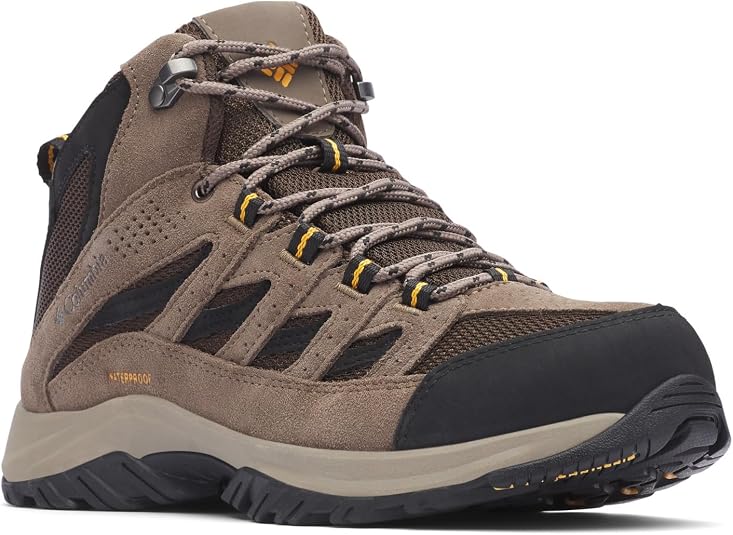 | Columbia Crestwood Mid Boots | Check Price |
Our Selected Top 13 Mud Hiking Boots for Every Budget
This list features carefully chosen mud hiking boots that balance durability, comfort, and traction for various terrains and budgets. Each review explains how the boots perform, the types of hikers they suit best, and highlights their main strengths and potential drawbacks.
1. NORTIV 8 Mens Waterproof Hiking Boots
Perfect for tackling muddy trails, these boots stand out because of their waterproof design and sturdy build. Suited best for those needing reliable grip and protection through wet, sloppy terrain, they make trudging through mud less of a chore. Their biggest strength lies in keeping feet dry without feeling too bulky.
Putting them on feels comfortable thanks to a round toe and mid-top style that supports ankles without locking movement. The color options blend well into outdoor environments, and their solid pattern means they hide dirt fairly well.
Daily use means these boots handle moisture and offer decent breathability, making them good companions for all-season hikes on uneven, muddy ground.
Construction leans heavily on waterproof materials that shield from mud and water, while the no-heel design helps maintain a natural stride on slippery trails. Many praise the tough waterproofing and durable sole, though a common drawback noted is that breathability could improve. These boots fulfill the basic need of keeping feet dry without weighing down the leg.
The strongest praise focuses on how well the boots keep feet dry and supported in muddy conditions. The most common complaint mentions the lack of breathability, which can make feet feel warm after longer hikes.
Those who regularly face wet and muddy environments will appreciate the waterproof protection and sturdy build. Those seeking maximum airflow or brighter styles might consider other options instead.
Pros
- Waterproof for reliable wet weather use
- Sturdy sole with solid grip on muddy surfaces
- Comfortable round toe for extended wear
- Mid-top design offers ankle support
Cons
- Breathability is limited during intense activity
- Color choices are fairly standard and muted
| Specification | Details |
|---|---|
| Color | Brown/Black/Tan |
| Toe Style | Round Toe |
| Boot Form Type | Hiking Boot |
| Heel Type | No Heel |
| Seasons | All |
| Style Name | Mid-Top |
2. Mens Waterproof Ankle Rubber Boots
Mens Waterproof Ankle Rubber Boots focus on keeping feet dry and comfortable in wet, muddy conditions, perfect for anyone who spends time outdoors during colder months. Their waterproof feature stands out as the biggest advantage, ensuring your feet stay protected against puddles and mud without feeling weighed down.
Putting on these boots is straightforward thanks to their ankle-length design which fits securely and offers reasonable flexibility. Wearing them daily in winter means you won’t have to worry about slipping mud or wet terrain.
The flat heel and round toe shape contribute to steady footing and comfort for long walks or work around muddy fields or gardens.
Built primarily for waterproof performance, the boots do a solid job at preventing moisture intrusion. The rubber material is sturdy enough to resist cracking or tearing, which adds to their durability. Most users appreciate how reliably dry their feet remain, though some mention the boots could offer more breathability during extended wear.
These boots keep feet reliably dry during muddy hikes, praised for waterproof durability. Common complaints focus on limited breathability, causing discomfort over longer periods of use. The rubber material holds up well against cracking, suiting wet conditions effectively.
Outdoor enthusiasts who prioritize dry feet in cold, wet weather will find these boots quite suitable. Those needing more ventilation or extra ankle protection might want to look for alternatives designed specifically for hiking rather than rain use.
Pros
- Fully waterproof for wet and muddy use
- Flat heel offers stable footing on slippery ground
- Round toe provides comfort during long wear
- The black color pairs well with different outerwear styles
Cons
- Lack of breathability can cause foot sweat
- Less flexible compared to some hiking boots
| Specification | Details |
|---|---|
| Color | Black |
| Toe Style | Round Toe |
| Boot Form Type | Rain Boot |
| Heel Type | Flat |
| Seasons | Winter |
| Style Name | Ankle Boot |
3. Columbia Mens Crestwood Mid Waterproof Boots
Columbia Mens Crestwood Mid Waterproof Boots keep your feet dry and comfortable in muddy conditions. Great for casual hiking, these boots fit snugly and offer reliable waterproof protection, making them perfect for anyone who spends time outdoors in wet or dirty terrain.
Putting them on is easy thanks to the mid-height design that supports the ankle without feeling bulky. The closed toe offers solid protection, while the waterproof feature means you don’t have to worry about puddles or mud soaking through.
The boots work well across all seasons, making them a versatile choice for daily wear in rough outdoor settings.
Built to withstand wet trails, these boots do a solid job of keeping water out while supporting your foot through varied terrain. The main strength lies in their consistent waterproofing, though some users find the fit slightly narrow. Construction feels sturdy and durable, but the style leans more toward casual than heavy-duty hiking.
The waterproof feature consistently keeps feet dry, which is the strongest highlight. Most common complaint revolves around the narrower fit that may be uncomfortable for some users. Construction is tough enough for daily hikes but leans toward casual rather than technical.
Ideal for those who want dependable waterproof boots for easy to moderate hikes or outdoor use in muddy environments. People needing a wider fit or more technical boots for challenging trails might look for other options.
Pros
- Reliable waterproofing for wet conditions
- Mid-height provides good ankle support
- Comfortable for extended use
- Suitable for all seasons
Cons
- Fit runs a bit narrow for wide feet
- Casual style may not suit heavy hiking needs
| Specification | Details |
|---|---|
| Color | Cordovan/Squash |
| Toe Style | Closed Toe |
| Boot Form Type | Hiking Boot |
| Heel Type | No Heel |
| Seasons | All |
| Style Name | Crestwood Mid Waterproof |
4. Columbia Mens PFG Dry Tortugas Boots
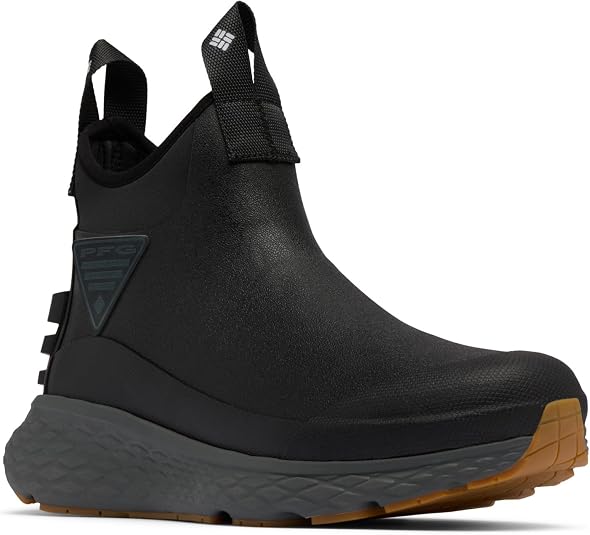
Great for outdoor enthusiasts who need dependable, casual boots that handle wet conditions. These boating-style boots are especially solid for fall hiking through muddy trails, focusing on comfort and dryness.
Putting them on feels simple, thanks to the no-heel design and closed-toe protection. The black and grey color keeps things versatile.
They’re geared toward outdoor lifestyles, so they handle casual wear and sport-focused activities comfortably. Breathability and quick drying matter in damp conditions, and these boots stick to those essentials.
They perform well in wet and muddy situations, keeping feet dry without any fuss. The solid pattern and sturdy build make them reliable during autumn hikes. Some find them a bit firm at first, but the durable setup wins high marks overall.
Comfort and traction are solid, though a few mention break-in time as a minor downside.
The boots consistently keep feet dry during boating or muddy hikes, which users appreciate. The most common complaint concerns some stiffness when first worn, suggesting a break-in period is needed for best comfort.
Outdoor lovers who want casual boots that handle wet and slippery fall terrain will likely find these a reliable fit. Those needing more flexible or colorful options might want to explore other choices.
Pros
- Waterproof enough for muddy trail hikes
- No heel for more natural foot movement
- Good grip on slippery surfaces
- Casual style fits outdoor and sport use
Cons
- Some users find initial stiffness uncomfortable
- Limited color options in black/grey only
| Specification | Details |
|---|---|
| Color | Black/Grey Ice |
| Occasion Type | Boating |
| Heel Type | No Heel |
| Toe Style | Closed Toe |
| Occasion Lifestyle | Outdoor |
| Seasons | Fall |
5. Columbia Mens Transverse Hike Waterproof Boots
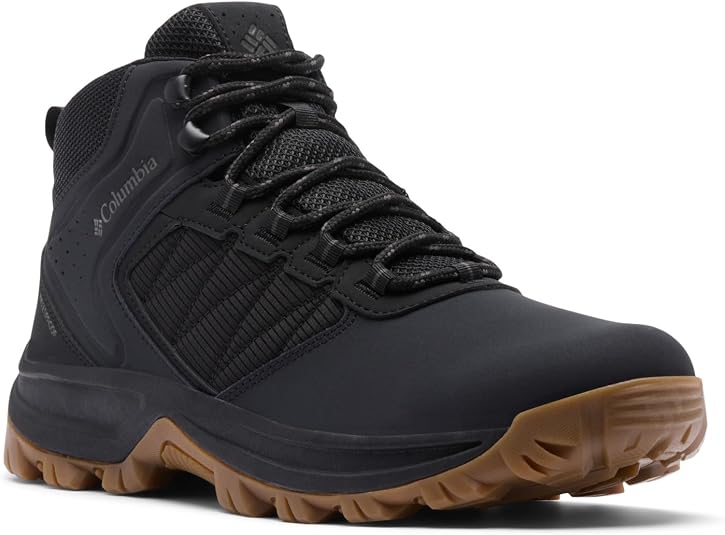
Built with durable waterproof materials, these boots suit anyone trekking through muddy trails wanting dry feet and steady footing. Their standout feature is the waterproof design that keeps moisture out without feeling heavy, making them a solid choice for all-season hiking.
Putting them on is straightforward thanks to the closed toe design and solid form type, offering good protection on uneven terrain. The boots feel comfortable during long walks, with no heel to add pressure or discomfort. Cleaning off mud is relatively easy given the solid pattern and waterproof surface.
They work well in various weather, making them versatile for frequent outdoor use.
Performing as intended, these boots hold up well against water and mud, keeping feet dry and supported on wet paths. The build is simple but effective, prioritizing protection over flashy features.
Among reviews, the biggest praise is their reliable waterproofing, while the most common complaint revolves around fit issues for those with wider feet or specific shape needs.
The waterproof feature gets high praise for performance on muddy trails, ensuring feet stay dry. Common feedback points to fit difficulties, especially for those with wider or uniquely shaped feet limiting comfort.
Those who need dependable waterproof boots for regular trail use will appreciate these, particularly if their feet fit standard widths. Hikers requiring extra cushioning or a wider fit might want to explore other options for added comfort.
Pros
- Waterproof design keeps feet dry in mud and rain
- No heel reduces pressure on the foot
- Solid pattern aids in cleaning off dirt
- Suitable for all seasons and terrains
Cons
- May not fit well for wider feet
- Lacks extra cushioning for long hikes
| Specification | Details |
|---|---|
| Color | Black/Black |
| Toe Style | Closed Toe |
| Boot Form Type | Hiking Boot |
| Heel Type | No Heel |
| Seasons | All |
6. Mens Waterproof Ankle Rubber Boots

Olive green stands out as the first thing you’ll notice, giving these ankle boots a rugged, outdoorsy look. Designed for winter wear, they suit anyone needing reliable, waterproof footwear for muddy trails where keeping dry is the priority.
The biggest strength lies in their full rubber build that keeps water out effectively.
Putting them on is straightforward with the ankle height allowing for decent mobility without sacrificing protection. The flat heel offers stable footing on wet and uneven terrain. Cleaning is simple since mud and dirt rinse off rubber easily.
Comfort depends on the socks worn underneath, as the boots themselves have no special cushioning but do keep feet dry.
Rain boots like these do well at blocking water and mud but sometimes lack breathability which can make longer hikes less comfortable. The olive green color and practical style feel modern yet functional.
One strength frequently praised is the waterproof feature holding up even in deep mud. A common downside mentioned is the limited arch support for prolonged wear.
The boots excel at waterproofing, keeping feet dry even through muddy terrain, which makes them reliable for wet winter conditions. The most common gripe comes from discomfort during longer use, mainly due to minimal arch support and breathability issues.
Those needing sturdy waterproof boots for short to moderate hikes will find these a practical choice. Anyone planning long-distance walks on rough terrain or requiring extra foot support should look for boots with added cushioning and ventilation.
Pros
- Waterproof rubber keeps feet dry in mud
- Flat heel provides stable footing
- Simple to clean after use
- Modern outdoor style in olive green
Cons
- Limited arch support for long wear
- Can feel unbreathable during extended hikes
| Specification | Details |
|---|---|
| Color | Olive Green |
| Boot Form Type | Rain Boot |
| Heel Type | Flat |
| Seasons | Winter |
| Style Name | Modern, Practical, Outdoor |
7. Columbia Transverse Hike Waterproof Boots
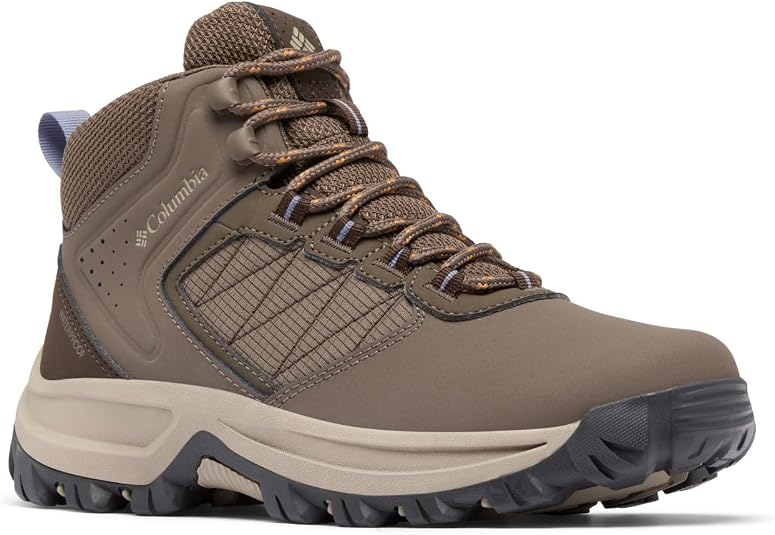
Perfect for tackling muddy trails, Columbia Transverse Hike Waterproof Boots offer reliable water resistance and all-day comfort for hikers who need durability without compromise. Their biggest strength is staying dry on wet, messy paths while providing solid support for long walks.
Putting these boots on is straightforward thanks to the closed toe design and easy lacing. They fit snugly around the foot, giving enough room to move without feeling loose.
Mud wipes off fairly quickly from the solid patterned surface, making cleaning after a hike manageable. Being waterproof, they keep feet comfortable even when crossing small streams or wet areas.
These boots do a solid job at protecting against moisture while maintaining grip on slippery surfaces. The all-season design means they handle a range of conditions without losing form. Most praise highlights the dependable waterproofing and comfort during extended use.
A frequent downside mentioned is the lack of a heel, which some find reduces traction on steep inclines.
The waterproof feature earns consistent praise for keeping feet dry throughout muddy hikes, while the most common complaint concerns the absence of a heel, which some find limits traction on more challenging slopes.
Anyone needing dependable waterproof boots for mixed conditions without steep uphill demands will appreciate these. Those planning intense climbs or needing extra heel grip might look for options with added traction and heel support instead.
Pros
- Waterproof design keeps feet dry in wet conditions
- Comfortable fit suitable for long hikes
- Easy to clean solid patterned surface
- Effective all-season versatility
Cons
- No heel reduces grip on steep terrain
- May feel tight for wider feet
| Specification | Details |
|---|---|
| Color | Mud/New Moon |
| Toe Style | Closed Toe |
| Boot Form Type | Hiking Boot |
| Heel Type | No Heel |
| Seasons | All |
| Pattern | Solid |
| Style Name | Transverse Hike Waterproof |
8. Columbia Mens Crestwood Waterproof Boots

Walking through slippery mud and wet trails calls for boots that truly protect your feet. Designed for casual fall outings, these boots fit well for anyone needing reliable waterproof footwear without fuss. Their key strength is keeping feet dry while moving comfortably through messy terrain.
Putting them on is straightforward with their casual style and closed-toe design. No heel keeps the fit stable and grounded during various activities. The solid mud/squash color works well for low-key outdoor days, and they handle typical outdoor wear without feeling heavy or stiff.
These boots are made for everyday muddy paths, not just isolated hikes.
They perform solidly in waterproofing, shielding your feet effectively from puddles and wet grass. The build lasts through multiple wet and dry cycles, making them dependable in fall’s unpredictable weather. The strongest praise notes their reliable waterproof function, though some mention the fit might feel a little snug initially and need break-in.
The waterproof feature is highly effective at keeping feet dry, making these boots reliable for wet fall outings. Most reports mention a snug fit that may feel tight until worn in a few times. They hold up well against moisture but are not designed for rough or steep hiking conditions.
Anyone needing casual, waterproof boots for muddy trails and everyday fall adventures will find them suitable. Those seeking more rugged or heavy-duty hiking boots should consider options with additional ankle support and technical features beyond casual waterproofing.
Pros
- Waterproof design keeps feet dry in wet conditions
- Closed-toe style protects from mud and debris
- No heel for stable footing on slippery ground
- Cleans easily after muddy use
Cons
- Fit can be tight, requiring break-in time
- Best suited for casual wear, not technical hikes
| Specification | Details |
|---|---|
| Color | Mud/Squash |
| Occasion Type | Multi Occasion |
| Heel Type | No Heel |
| Toe Style | Closed Toe |
| Occasion Lifestyle | Casual |
| Seasons | Fall |
9. MUCK Mens Muckster II Ankle Boots

Waterproof construction makes these ankle boots ideal for muddy trails and wet conditions. Perfect for casual outdoor use year-round, they keep feet dry without weighing you down. Their simple brown design fits well with a variety of outdoor outfits and gear.
Slip-on style means you can get moving quickly without fussing over laces. The round toe gives enough room for comfort during long walks. Wearing them daily is easy since they don’t have a heel to alter your gait.
The material resists water and mud, so cleanup is straightforward even after slogging through wet terrain.
These boots handle muddy trails with solid protection and reliable waterproofing. The build focuses on durability and comfort rather than aggressive tread, making them best for moderate mud rather than slippery, steep climbs. Most users praise how dry their feet stay, while some note the sole could have better grip in slippery conditions.
Feet stay dry during mud and rain, which is the biggest advantage of these boots. The less effective sole grip sometimes makes footing iffy on slick or steep paths, highlighting a compromise between waterproofing and traction.
Anyone spending a lot of time in wet, muddy but fairly stable environments will appreciate these boots. Those tackling slippery, steep hikes may want to look for boots with more aggressive traction instead.
Pros
- Completely waterproof for wet and muddy conditions
- Comfortable round toe allows natural toe movement
- No heel design offers stable footing on uneven ground
- Suitable for all seasons and casual outdoor use
Cons
- Sole grip is less effective on slippery surfaces
- Brown color may show mud stains easily
| Specification | Details |
|---|---|
| Color | Brown |
| Toe Style | Round Toe |
| Boot Form Type | Rain Boot |
| Heel Type | No Heel |
| Seasons | All |
| Style Name | M2a900 |
| Occasion | Casual |
10. Columbia Mens Strata Trail Mid Waterproof Boots
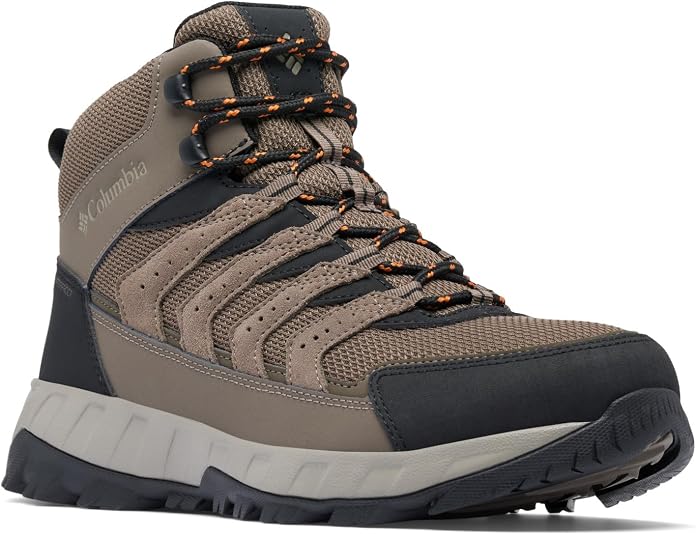
Perfect for hikers tackling muddy trails in the fall, these boots offer reliable waterproof protection and solid grip. They suit anyone needing sturdy, mid-height boots with a no-heel design that hold up well in slippery conditions.
The standout feature is how well they keep water out while maintaining comfort on rough paths.
Getting them on and off is straightforward thanks to the mid-height form, which provides good ankle support without bulk. The closed toe design feels secure, and the Mud/Desert Sun color hides dirt well during long treks.
Daily use involves trails with wet, uneven ground where waterproofing and a stable fit matter most.
Built as a hiking boot for fall, they do a solid job holding up against mud and moisture. The waterproof feature functions as expected, stopping water effectively. Some praise the durable yet lightweight feel, though a few mention wanting a bit more breathability.
The solid construction helps with foot safety but can feel a bit rigid during extended wear.
The boots are widely appreciated for their reliable waterproof capability, which keeps feet dry on muddy trails. The common downside mentioned is the stiffness, which can reduce comfort during extended hikes. The material and fit tend to favor protection over flexibility.
Those who often hike in wet, sticky environments will find these boots a practical choice. People seeking highly breathable footwear or softer flex might want to look for other options better suited for warmer or longer hikes.
Pros
- Waterproof design keeps feet dry in muddy conditions
- Mid-height form offers good ankle support
- Closed toe secures foot well on rugged terrain
- Color hides dirt during hiking trips
Cons
- Can feel stiff during longer walks
- Limited breathability for warmer conditions
| Specification | Details |
|---|---|
| Color | Mud/Desert Sun |
| Toe Style | Closed Toe |
| Boot Form Type | Hiking Boot |
| Heel Type | No Heel |
| Seasons | Fall |
| Style Name | Strata Trail Mid Waterproof |
11. Timberland Mens White Ledge Mid Waterproof Boots

Waterproof and sturdy, these hiking boots from Timberland are made for tackling muddy trails with confidence. Ideal for men who want reliable all-season footwear, their biggest strength lies in weather-resistant durability and solid support without the bulk of heavy boots.
Putting these boots on is straightforward thanks to the closed toe and mid-height design, giving good ankle coverage without restricting movement. Daily wear feels comfortable with a no-heel build that keeps the foot stable.
Easy to clean after a muddy hike, the solid color doesn’t show dirt quickly, making them practical for regular use outdoors or casual wear.
They hold up well in wet, muddy conditions, keeping feet dry and protected thanks to the waterproof construction. The build is solid but not overly heavy, making long hikes more bearable.
Strong praise often highlights their durability and comfort, while some users wish for a bit more breathability on warmer days.
Durability and waterproofing receive notable praise, ensuring dry, comfortable feet through challenging mud and rain. On the downside, the boots can feel a little narrow and may not ventilate well during hotter hikes.
Those needing dependable, all-season hiking boots for muddy environments will appreciate these well-built shoes. Anyone prioritizing breathability or wider fit might prefer exploring other options better suited to warmer conditions or different foot shapes.
Pros
- Waterproof to keep feet dry in wet conditions
- Mid-height protects ankles without bulk
- Durable construction for frequent use
- Easy to clean after muddy hikes
Cons
- Limited breathability in warm weather
- Some find fit a bit narrow
| Specification | Details |
|---|---|
| Color | Brown-2024 New |
| Toe Style | Closed Toe |
| Boot Form Type | Hiking Boot |
| Heel Type | No Heel |
| Seasons | All |
| Style Name | White Ledge Waterproof Hiking Boot |
12. Mens Legend MXT Waterproof Rubber Boots

Mens Legend MXT Waterproof Rubber Boots are made for tackling muddy trails with confidence. They suit anyone who needs solid waterproof protection combined with strong support and grip in wet, slippery conditions. Their standout feature is the aggressive tread pattern that keeps footing secure on all terrains.
Putting them on is straightforward since they’re simple rain boot style without complicated lacing. The leather-and-synthetic build gives a sturdy feel, while the high sidewalls protect your feet from mud and debris. Wearing them daily means you get reliable arch support from the steel shank and excellent traction on wet rocks or muddy paths thanks to the rugged MXT outsole.
Performance impresses with 100% waterproof coverage from top to bottom, keeping feet dry even in deep mud or puddles. The outsole’s high void areas and tread lugs are great for gripping slippery surfaces.
Most praise focuses on the secure support and durability, while a common downside mentioned is the lack of heel for those who prefer a bit of lift or cushioning.
Most appreciate how dry and supported feet stay in muddy or wet conditions, thanks to the full waterproofing and solid arch support. Some find the lack of heel a drawback, making the boots feel less cushioned or comfortable over time. The weight might also feel noticeable on longer hikes.
Ideal for those needing dependable water protection and grip during spring or fall hikes on muddy, uneven terrain. Not best suited for hikers looking for lightweight boots with cushioned heels or those needing options for summer use.
Pros
- 100% waterproof from top to bottom
- Steel shank provides strong arch support
- Rugged MXT outsole with aggressive tread
- High sidewalls protect sides, heel, and toe
Cons
- No heel for extra cushioning or lift
- Heavier feel thanks to sturdy construction
| Specification | Details |
|---|---|
| Toe Style | Closed Toe |
| Boot Form Type | Rain Boot |
| Heel Type | No Heel |
| Seasons | Spring, Fall |
| Material | Leather-and-synthetic |
| Color | Black |
13. Mens Waterproof Ankle Rubber Boots

Feels surprisingly snug and secure for a rubber boot, fitting well around the ankle without being too tight. Great for anyone who spends time tromping through muddy trails or wet terrain and needs reliable waterproof protection with a camo design that fits outdoor vibes perfectly. Its biggest strength lies in staying dry no matter what the weather throws at you.
Slipping them on is easy since they have a round toe and no heel, so your foot can move naturally. These boots work in all seasons, making them a practical choice for year-round outdoor activities. The camo-evos color blends well in forest environments, and the ankle-high form helps keep mud and water from getting inside without feeling restrictive.
Built as a rain boot, they handle wet conditions exactly as expected, keeping your feet dry during long walks in mud or puddles. The round toe shape offers enough room for comfort, while the rubber construction feels sturdy enough for rough use.
Most praise highlights how waterproof they truly are. On the downside, some find the lack of a heel makes it harder to walk on uneven ground.
Waterproof reliability is the most praised feature, as these boots keep feet dry even in heavy mud and rain. The most common complaint involves the lack of a heel, which some say makes walking on rough terrain a bit less stable.
Those needing dependable waterproof boots for muddy trails and wet weather will be satisfied. People looking for extra traction or support on uneven paths might want to consider boots with a defined heel for better balance.
Pros
- Reliable waterproof protection in muddy conditions
- Comfortable round toe for natural foot movement
- Ankle high form keeps debris out
- All-season versatility
Cons
- No heel can reduce stability on uneven ground
- Rubber material may feel stiff at first
| Specification | Details |
|---|---|
| Color | Camo-evos |
| Toe Style | Round Toe |
| Boot Form Type | Rain Boot |
| Heel Type | No Heel |
| Seasons | All |
| Style Name | Excursion |
Comparison of Top Mud Hiking Boots
| Product | Boot Form Type | Waterproof | Seasons | Style Name |
|---|---|---|---|---|
| NORTIV 8 Hiking Boots | Hiking Boot | – | All | Mid-Top |
| Waterproof Ankle Rubber Boots | Rain Boot | Yes | Winter | Ankle Boot |
| Columbia Crestwood Mid Boots | Hiking Boot | Waterproof | All | Crestwood Mid Waterproof |
| Columbia PFG Dry Tortugas | – | – | Fall | Pfg Dry Tortugas |
| Columbia Transverse Hike Boots | Hiking Boot | Waterproof | All | Transverse Hike Waterproof |
| Men’s Ankle Rubber Boots | Rain Boot | – | Winter | Modern, Practical, Outdoor |
| Columbia Transverse Hike | Hiking Boot | Waterproof | All | Transverse Hike Waterproof |
| Columbia Crestwood Waterproof | – | Waterproof | Fall | Crestwood Waterproof |
| MUCK Muckster II Ankle | Rain Boot | – | All | M2a900 |
| Columbia Strata Trail Mid | Hiking Boot | Waterproof | Fall | Strata Trail Mid Waterproof |
| Timberland White Ledge Mid | Hiking Boot | Waterproof | All | White Ledge Waterproof Hiking Boot |
| Legend MXT Rubber Boots | Rain Boot | – | Spring, Fall | Legend Mxt |
| Waterproof Ankle Rubber Boots | Rain Boot | – | All | Excursion |
- Boot Form TypeHiking Boot
- Waterproof–
- SeasonsAll
- Style NameMid-Top
- Boot Form TypeRain Boot
- WaterproofYes
- SeasonsWinter
- Style NameAnkle Boot
- Boot Form TypeHiking Boot
- WaterproofWaterproof
- SeasonsAll
- Style NameCrestwood Mid Waterproof
- Boot Form Type–
- Waterproof–
- SeasonsFall
- Style NamePfg Dry Tortugas
- Boot Form TypeHiking Boot
- WaterproofWaterproof
- SeasonsAll
- Style NameTransverse Hike Waterproof
- Boot Form TypeRain Boot
- Waterproof–
- SeasonsWinter
- Style NameModern, Practical, Outdoor
- Boot Form TypeHiking Boot
- WaterproofWaterproof
- SeasonsAll
- Style NameTransverse Hike Waterproof
- Boot Form Type–
- WaterproofWaterproof
- SeasonsFall
- Style NameCrestwood Waterproof
- Boot Form TypeRain Boot
- Waterproof–
- SeasonsAll
- Style NameM2a900
- Boot Form TypeHiking Boot
- WaterproofWaterproof
- SeasonsFall
- Style NameStrata Trail Mid Waterproof
- Boot Form TypeHiking Boot
- WaterproofWaterproof
- SeasonsAll
- Style NameWhite Ledge Waterproof Hiking Boot
- Boot Form TypeRain Boot
- Waterproof–
- SeasonsSpring, Fall
- Style NameLegend Mxt
- Boot Form TypeRain Boot
- Waterproof–
- SeasonsAll
- Style NameExcursion
How to Choose the Right Mud Hiking Boots
Look for boots with strong traction, waterproof materials, and good ankle support to handle slippery, wet conditions. Choosing the right features ensures comfort and durability, preventing injuries and costly replacements during muddy hikes. Prioritizing these factors saves time and money in the long run.
Waterproofing and Breathability
Boots with waterproof membranes that don’t breathe well can turn a muddy hike into an uncomfortable sauna for your feet. Sealed seams and waterproof treatments keep water from seeping in, but if moisture from sweat has nowhere to escape, your feet end up wet on the inside anyway. This often leads to blisters and cold feet when the temperature drops.
A good balance comes from membranes like Gore-Tex or similar proprietary materials that block water entry while allowing some vapor to pass out. It’s common to see boots with ratings around 10,000 mm for waterproofing combined with breathability ratings in grams to indicate moisture escape.
Look for boots that specify both numbers and include mesh panels or venting spots to help air circulation when moving.
Traction and Sole Design
Walking on slippery mud covered with rocks challenges the grip of most soles. A shallow or tight lug pattern can fill up with wet soil, making slippage common and dangerous.
Boots that leave mud packed into treads fail fast in maintaining traction.
Durable rubber soles with deep, widely spaced lugs prevent mud from sticking and create bite on uneven ground. The lugs should be at least 5-6 millimeters deep to work well in wet conditions. Some soles combine softer rubber spots for grip with harder compounds for wear resistance, giving you a grip that lasts without wearing down quickly.
Fit and Comfort
Wearing boots that let your foot slide inside causes blisters and makes walking awkward, especially on uneven, wet trails. Supporting the ankle firmly reduces the chance of sprains on slick surfaces.
Boots that feel too loose or stiff will result in sore feet by day two of hiking through mud.
Look for boots with padded collars and adjustable lacing that lock your foot in place without pinching. Cushioning underfoot is essential, memory foam or dual-density footbeds help absorb impact.
Weight is a factor, as heavier boots wear you out faster; choosing lightweight but durable models balances protection and energy savings.
Durability and Materials
Repeated contact with sharp rocks, branches, and prolonged wetness quickly wears down poor quality materials. Uppers made of thick leather or treated synthetic fabrics better resist abrasion and hold up in muddy conditions without soaking through or tearing.
Boots with extra reinforcement on toes and heels prevent early damage where boots usually fail. Strong stitching and bonded seams matter since muddy water seeps into weak points and accelerates deterioration.
Pay attention to well-known brands using proven construction techniques for longer-lasting results.
Ease of Cleaning and Maintenance
Muddy boots can become heavy and smelly if the dirt gets trapped in fabric or tight crevices. Materials that repel mud and are smooth enough to wipe off easily save time and effort after a trail.
Designs with fewer stitch lines and seams reduce places where mud lodges.
Resistance to staining and mold depends on synthetic uppers or treated leathers that dry faster. The faster a boot dries, the less chance of odor or material breakdown. Some boots include drain holes or mesh lining for quicker drying while you rest.
Preparing Your Feet for Mud Hiking: Essential Warm-Up and Stretching Techniques
Properly warming up your feet before tackling muddy trails reduces the chance of injury and improves comfort. Start by gently rotating your ankles in circles for about 30 seconds on each foot to increase joint mobility. Next, perform calf stretches by standing on a step with your heels hanging off the edge, lowering them slowly to stretch the muscles.
This helps prevent cramps and stiffness during your hike.
A few simple foot exercises can also prepare your feet for uneven terrain:
- Toe curls: Scrunch your toes downward and then spread them apart.
- Heel raises: Stand on your toes and lower back down slowly.
- Arch stretches: Sit and roll a tennis ball under your arch for a minute.
Incorporating these stretches and movements before putting on your boots wakes up the muscles and joints, improving balance and traction when you’re on the trail.
How to Clean and Maintain Mud Hiking Boots for Longevity
Cleaning mud hiking boots promptly after each trip is crucial for maintaining their performance and lifespan. Start by removing the laces and insoles for separate cleaning. Use a soft brush to knock off dried mud and debris from the outsole and upper.
Avoid harsh scrubbing which can damage waterproof coatings.
For deeper cleaning:
- Rinse boots with lukewarm water, avoiding soaking them completely.
- Use a mild soap or specialized boot cleaner to gently clean tough stains.
- Wipe down with a damp cloth and allow boots to air dry naturally, away from direct heat sources.
Once dry, treat the leather or fabric with a conditioner or water repellent product suitable for your boot’s material. Regular maintenance keeps the boots flexible and resistant to water penetration, ensuring they stay reliable for muddy trails season after season.
Comparing Mud Hiking Boots with Trail Running Shoes: Which Is Right for You?
Mud hiking boots and trail running shoes serve different purposes despite both being designed for rugged outdoor use. Mud hiking boots generally offer structured ankle support and thicker soles with deeper lugs to provide stability and grip on slippery, soft surfaces. Their waterproof materials and reinforced construction help protect feet from wet conditions and rough terrain.
Trail running shoes tend to be lighter and more flexible, focusing on speed and agility over long distances rather than maximum support. They work well for firmer trails and dry conditions but may lack the durability and water protection needed in muddy environments.
Choosing between the two depends on the terrain and hiking style. For slower-paced hikes on wet, muddy trails, boots provide better protection and traction. Trail shoes usually feel more comfortable and breathable when you want quicker movement on drier ground.
People Also Asked
How Do I Clean and Maintain Mud Hiking Boots Properly?
Clean mud hiking boots by brushing off dry dirt first, then rinse with water and mild soap if needed. Avoid soaking the boots and dry them slowly away from heat sources to prevent cracking or warping of materials. Regular cleaning keeps the soles grippy and prevents mud buildup that can wear out the boots faster.
What Is the Correct Size for Mud Hiking Boots to Fit?
Mud hiking boots should fit snugly around the heel and midfoot but leave about a thumb’s width of space at the toe to avoid pressure and blisters. Wear the socks you plan to hike in when trying on boots to get the true fit. Boots that are too tight or too loose will cause discomfort and affect stability.
Are Mud Hiking Boots Safe for Slippery and Uneven Terrain?
Mud hiking boots designed with deep lugs and waterproofing provide good traction on slippery, muddy, and uneven ground. The sole material should feel firm but flexible; worn-out soles lower safety on slippery terrain. Choosing boots with good ankle support can help reduce the risk of twisting an ankle.
How Long Do Typical Mud Hiking Boots Last with Regular Use?
A typical pair of mud hiking boots lasts around two to three hiking seasons when used regularly on rough trails. How long they last depends on the trail conditions and maintenance. Frequent cleaning and conditioning extend their life by protecting the leather and waterproof membranes.
What Common Problems Should I Watch for in Mud Hiking Boots?
Common problems include sole separation, waterproofing failure, and worn-down tread patterns reducing grip. Also watch for developing pressure points or areas where the lining wears thin. Inspect boots after each trip and consider resoling or treating them before damage worsens.
Conclusion
Choosing the best mud hiking boots comes down to grip, water resistance, and comfort. Good traction helps prevent slipping in muddy conditions. Waterproof materials keep feet dry during wet hikes.
Comfort matters because you may be wearing the boots for hours on uneven ground. Durable construction also counts since mud and moisture wear boots down faster.
Think about how often you’ll use the boots and the type of terrain you usually hike. When mud is a regular challenge, investing in a well-made pair is worth it.
For occasional use, a simpler, budget-friendly boot might be enough. Check the comparison table and product details above to match the features with your hiking needs and budget.