Top 13 Best Lightweight Upland Hunting Boot You Must Try
Plodding through fields and brush in heavy, poorly made boots can quickly turn an upland hunting trip into a tough experience. The best lightweight upland hunting boot avoids the common pitfalls of excessive weight and lack of support, which often lead to sore feet and slower movement. A boot that feels like it weighs a ton or rubs awkwardly can spoil even the most promising days in the wild.
A good upland hunting boot balances durability and weight by using materials like full-grain leather combined with breathable mesh or synthetic fabrics. The fit is crucial; it should be snug enough to prevent slipping but roomy enough to avoid blisters during long walks. Outsoles designed with aggressive tread patterns, often around 400 to 600 grams in weight, provide needed traction on rocky or uneven terrain while keeping the boot light.
Need a Quick Check?
| Image | Product | Price |
|---|---|---|
Our Top Picks 1  | Irish Setter Wingshooter 7 | Check Price |
Our Top Picks 2  | Hunthor Full-Grain 8 | Check Price |
Our Top Picks 3  | ROCKY Outback Gore-Tex | Check Price |
Our Selected Top 13 Lightweight Upland Hunting Boot for Different Needs
This list features a variety of lightweight upland hunting boots designed for different terrains and weather conditions. Each review explains how the boot performs, highlights its advantages and drawbacks, and identifies the type of hunter or environment it is best suited for.
1. Irish Setter Wingshooter 7 Mens Hunting Boot
Constructed with a solid amber color and a round toe design, these boots suit upland hunters looking for a lightweight but reliable option. Its biggest strength lies in offering a work boot form without a traditional heel, making it comfortable for varied outdoor terrain during spring, summer, and fall seasons.
Day-to-day use involves slipping on boots that feel supportive without the bulk of heavy waterproof options. The absence of a heel and solid pattern means less snagging and easier walking through fields and woodland paths.
Their straightforward style and material handle outdoor conditions well, especially when the weather isn’t too wet.
Performance in terms of protecting feet through uneven terrain is solid while remaining light enough for long treks. Building as a work boot gives them sturdy resilience but not the insulated or waterproof features some might expect. The strongest praise focuses on comfort and light weight, while a common complaint involves lack of heel support for some hunting styles.
Most users praise the comfort and lightweight design allowing long periods outdoors without fatigue. The main drawback noted is the lack of heel, which may reduce support during certain types of hunting or in uneven terrain. This style fits well with moderate outdoor use rather than rugged winter conditions.
Hunters spending time in spring, summer, or fall will appreciate these boots for their comfort and weight. Those needing extra ankle or heel support, or multi-season waterproofing, might want to look for boots offering more specialized features.
Pros
- Lightweight for long walks
- Comfortable round toe shape
- Good for three seasons
- Simple, solid design
Cons
- Lack of heel support
- Not suitable for wet winter conditions
| Specification | Details |
|---|---|
| Color | Amber |
| Toe Style | Round Toe |
| Boot Form Type | Work Boot |
| Heel Type | No Heel |
| Seasons | Spring, Summer, Fall |
| Pattern | Solid |
2. Hunthor Mens 8 Full-Grain Leather Hunting Boots
You’ll probably notice right away how lightweight these full-grain leather hunting boots feel. They suit hunters who want a mix of camouflage style and durability without lugging around heavy gear.
Their standout feature is the low-heel design that keeps you steady on uneven terrain.
Putting them on is straightforward, and the closed-toe design offers solid protection throughout the day. Wearing them for all seasons makes them versatile, and the hiking boot form keeps your feet comfortable during long upland hunts.
The camouflage color blends nicely into natural surroundings without looking flashy.
The boots hold up well in wet and dry conditions thanks to their solid leather build. They do a good job keeping feet supported for long treks, with the low heel adding stability.
Most users appreciate the durability and fit, though some mention it can take a little break-in time before they feel perfect.
Most praise centers on the boots’ durability and lightweight feel for leather, making them comfortable enough for extended wear. The most common issue is the necessary break-in period before they feel fully comfortable on the feet.
Hunters looking for a dependable, stable boot that works year-round will appreciate this model. Those wanting a boot with more immediate comfort or a wider range of color choices might look elsewhere.
Pros
- Lightweight for a full-grain leather boot
- Low-heel adds stability on rough ground
- Camouflage blends well with natural environments
- Suitable for use in all seasons
Cons
- Requires some break-in time for ideal comfort
- Limited color options, just Next Camo G2
| Specification | Details |
|---|---|
| Color | Next Camo G2 |
| Toe Style | Closed Toe |
| Boot Form Type | Hiking Boot |
| Heel Type | low-heel |
| Seasons | All |
| Style Name | Camouflage |
3. ROCKY Outback Gore-Tex Waterproof Boot
Lightweight and waterproof, the ROCKY Outback Gore-Tex Waterproof Boot suits upland hunters who value comfort and durability without the bulk. Its standout feature is the Gore-Tex lining, keeping feet dry no matter the terrain or weather. Perfect for those who need reliable protection during long days afield.
Putting these boots on feels like stepping into something ready for work right away. The round toe design creates extra space for natural foot movement, and the lack of a heel means less strain during lengthy walks. Easy to pair with casual outdoor gear, they’re solid for all-season use and light enough not to tire you out fast.
Built as a work boot, these deliver strong waterproof performance thanks to the Gore-Tex membrane that reliably blocks water while allowing sweat to escape. Feedback shows users praise the dry feet and good fit, but some mention the boots can feel stiff at first. The light brown color hides dirt well, making them look fresh after long trips.
Keeping feet dry is a major strength thanks to the Gore-Tex lining, which reviewers consistently praise. The usual drawback noted is that the boots feel stiff at the start and require a break-in period for comfort.
Hunters who need waterproof boots that won’t weigh them down will be satisfied here. Those seeking a softer boot out of the box or with more ankle support might want to consider other options.
Pros
- Reliable waterproof Gore-Tex lining
- Lightweight for a work boot
- Round toe adds extra comfort
- Good all-season durability
Cons
- Initial stiffness can be uncomfortable
- No heel may affect downhill stability
| Specification | Details |
|---|---|
| Color | Light Brown |
| Toe Style | Round Toe |
| Boot Form Type | Work Boot |
| Heel Type | No Heel |
| Seasons | All |
| Style Name | Fq0008729 |
4. Irish Setter Wingshooter Waterproof Hunting Boots

Walking through wet grass and muddy fields calls for reliable footwear that’s sturdy yet light enough to keep you moving without fatigue. Ideal for upland hunting in warmer seasons, these boots stand out for their waterproof quality and comfortable fit that suits long outdoor days.
Slipping into them is straightforward thanks to the hiking boot design that fits snugly without pressure points. Wearing them spring through fall works well, especially since there’s no heel to catch on uneven ground.
The amber color feels outdoorsy but casual enough to wear beyond just hunting trips.
Built with a round toe shape that allows enough room for your feet, they hold up well to rough terrain while keeping moisture out. Waterproofing earns positive notes from users who expect dry feet in wet conditions. Some mention the fit runs a bit narrow for wider feet but appreciate the lightweight feel during long walks.
Waterproofing stands out as a major benefit, keeping feet dry and comfortable throughout hunting trips. The most common drawback mentioned is the narrower fit, which can feel restrictive for wider feet.
Those hunting in milder seasons and needing a lightweight, waterproof option will find these boots a good match. People requiring a wider fit or winter-specific protection might want to explore other options better suited to those needs.
Pros
- Waterproof finish keeps feet dry in damp conditions
- Lightweight design reduces fatigue on long walks
- Comfortable round toe offers ample toe space
- Suitable for multiple outdoor activities
Cons
- Fit can be tight for those with wide feet
- Not designed for winter or heavy snow
| Specification | Details |
|---|---|
| Color | Amber |
| Toe Style | Round Toe |
| Boot Form Type | Hiking Boot |
| Heel Type | No Heel |
| Seasons | Spring, Summer, Fall |
5. Danner Cedar River 8 Moc Toe Hunting Boots
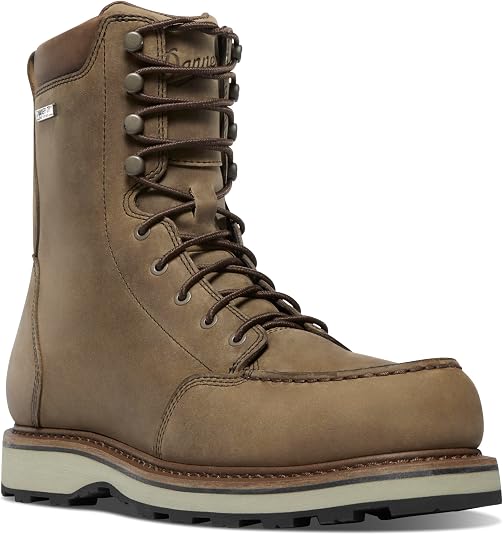
Timberwolf-colored with a moc toe design, these boots are built for summer upland hunting where lightweight comfort matters most. They suit those needing dependable, breathable footwear that holds up during long days in the field without weighing you down.
The combat-style form keeps things practical and straightforward.
Putting them on is easy, and their design focuses on comfort for extended wear in warm conditions. The no-heel structure helps maintain stability on uneven terrain, while the solid color and moc toe provide a classic look that transitions easily from work to hunting. Breathability ensures feet stay cooler when the heat rises.
They deliver solid performance in summer environments with a build designed to meet the demands of upland hunting. The moc toe style adds durability at the front, and the combat form offers good foot support.
Most appreciate how lightweight and comfortable they are, though some find they lack extra ankle protection found in taller boots.
Users find them remarkably lightweight and comfortable throughout the summer heat, making long upland outings easier on the feet. A common complaint is the lack of ankle support, which limits use in rougher or more technical terrain.
Hunters focusing on upland game in warm weather will appreciate how well these boots breathe and fit into a casual or work environment. Those needing extra ankle protection or working in colder seasons should consider alternative options.
Pros
- Lightweight for long, hot days
- Comfortable moc toe design
- Breathable for summer conditions
- Simple, work-ready combat form
Cons
- No heel can reduce traction on steep slopes
- Lacks ankle support for rough terrain
| Specification | Details |
|---|---|
| Color | Timberwolf |
| Toe Style | Moc Toe |
| Boot Form Type | Combat |
| Heel Type | No Heel |
| Seasons | Summer |
| Pattern | Solid |
| Style Name | Cedar River Hunter |
| Occasion | work |
6. Danner Vital 8 Waterproof Hunting Boots

Hunters looking for lightweight boots that stay dry and comfortable will find a great match in these. Best suited for upland hunting, their standout feature is toughness combined with reliable waterproofing.
Putting them on is simple thanks to the Lock & Load lacing system that ensures a snug fit quickly without drawing attention. The breathable mesh-lined tongue helps regulate temperature, while the open cell footbed and Plyolite midsole keep the boots surprisingly light and cushioned during long days on the move.
They hold up well in rough terrain with a durable upper made from split leather and 900 Denier polyester. Water stays out thanks to the Danner Dry barrier allowing moisture out without leaking in.
While many praise the quietness during stalking, some note the laces can loosen a bit over time.
Quiet operation and waterproof performance are definite highlights, though some people mention that the laces can loosen during all-day wear. The leather upper paired with polyester creates a durable boot ready for rough conditions.
Perfect for hunters who prioritize lightweight comfort and staying dry in varied weather. Those needing more aggressive traction on steep or slippery terrain might want to consider boots with a different heel design.
Pros
- Durable split leather with polyester upper
- Waterproof yet breathable Danner Dry barrier
- Quick, secure Lock & Load lacing system
- Lightweight with cushioned shock absorption
Cons
- Laces may loosen after extended walking
- Flat heel means less traction on steep slopes
| Specification | Details |
|---|---|
| Color | Dark Brown |
| Boot Form Type | Hiking Boot |
| Heel Type | Flat |
| Seasons | All |
| Style Name | Vital |
7. Danner Sharptail 17 Gore-Tex Hunting Boot
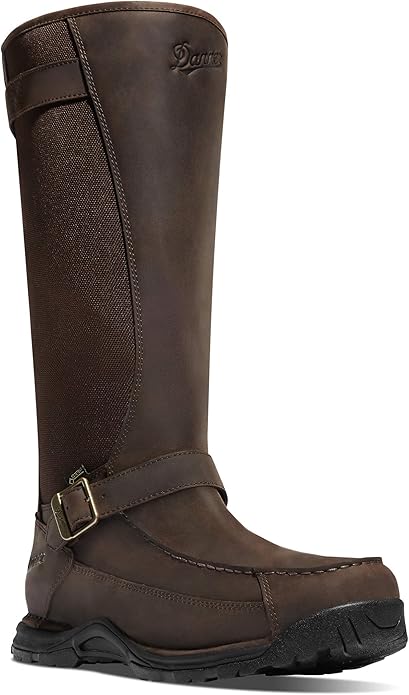
Perfect for upland hunting in spring and summer, the Danner Sharptail 17 Gore-Tex boot stands out with its lightweight design and reliable waterproof Gore-Tex lining. It suits hunters who want solid protection without heavy boots slowing them down through brush and uneven terrain.
Putting on these boots feels comfortable thanks to the soft-toe design and platform heel that offers good stability on rough ground. The brown color blends well outdoors, and the 17-inch height keeps legs protected from tall grass and ticks. The Gore-Tex membrane keeps feet dry even on damp mornings, making them practical for daily use on the hunt.
Performance-wise, these boots handle spring and summer conditions well, especially in wet or muddy areas due to Gore-Tex breathability and waterproofing. The materials hold up to wear from brush and debris. Praised for being lightweight while providing firm foot support, a common complaint is that the fit can feel stiff initially during longer walks.
The strongest praise highlights the boots’ lightweight feel combined with effective waterproofing thanks to Gore-Tex, making them practical for wet, warm conditions. The most frequent complaint points to a stiff initial fit that can cause discomfort on prolonged use before the boots break in.
Hunters seeking spring or summer upland boots with good protection and dryness will find these a good match. Those planning to hunt in colder seasons or wanting immediate softness might want to consider other options.
Pros
- Lightweight design eases long walks
- Waterproof Gore-Tex keeps feet dry
- Platform heel offers solid stability
- 17″ height protects from brush
Cons
- Initial fit feels stiff on longer treks
- Only suited for warmer seasons
| Specification | Details |
|---|---|
| Color | Brown |
| Toe Style | soft-toe |
| Boot Form Type | Work Boot |
| Heel Type | Platform Heel |
| Seasons | Spring/Summer |
| Style Name | Sharptail Snake Boot 17″ Dark Brown |
8. ROCKY Upland Waterproof Hunting Boots

Rocky Upland Waterproof Hunting Boots are built to handle all-day upland hunting with a lightweight feel. Perfect for hunters prioritizing waterproof protection without heavy, clunky footwear.
Their standout ability is combining effective water resistance with a casual work boot style.
Getting ready for the hunt is straightforward as these boots break in comfortably fast. They support your feet well with a western heel that offers stability on varied terrain. The brown color blends easily with natural surroundings, and their waterproof design keeps your feet dry during wet conditions, making them reliable companions on damp mornings.
Performance-wise, these boots deliver solid waterproofing, and the mock toe style protects without feeling bulky. The work boot form provides durability while maintaining a relatively light weight for all-day wear.
Most users appreciate how well they keep feet dry. The main downside mentioned involves the fit, as they can run a bit snug for some foot shapes.
The boots are praised most for their reliable waterproofing that holds up across various weather conditions. Common complaints focus on a tighter fit that may not suit wider feet comfortably. They perform best in wet environments where keeping dry is essential.
Hunters seeking a lightweight, waterproof boot with solid all-season versatility will appreciate these boots. Those needing more room or specialized breathability might want to explore other options better tailored for wider feet or warmer climates.
Pros
- Waterproof construction keeps feet dry
- Comfortable western heel for stability
- Lightweight for long upland hunting days
- Durable work boot design
Cons
- Runs snug for wider feet
- No detailed breathability features
| Specification | Details |
|---|---|
| Color | Brown |
| Toe Style | MOCK |
| Boot Form Type | Work Boot |
| Heel Type | Western Heel |
| Seasons | All |
| Pattern | BROWN |
9. LaCrosse Alpha Agility Field 12 Hunting Boot

Feels surprisingly light for a rain boot designed for hunting, making it great for staying nimble on tricky upland terrain. Perfect for hunters who want reliable protection without lugging heavy footwear.
Its standout feature is the slim, round-toe form that avoids bulk while covering your feet completely.
Putting it on is quick with its rain boot style that doesn’t require laces or adjustments. The Mossy Oak Country DNA color helps blend into fall surroundings. Walking through damp or muddy fields is easier compared to heavier boots since it doesn’t have a traditional heel that can snag or slow you down.
It performs well keeping wetness out and offers good agility in close brush and fields. The build favors simplicity, acting as a solid rain boot capable of handling fall weather conditions. Strong points include its lightweight feel and ease of cleaning; complaints mostly mention limited ankle support due to lack of additional structure.
The lightweight design and waterproof construction are praised highly for comfort and dry feet during fall hunts. A frequent downside is the lack of ankle support, which can feel less stable on uneven ground. It’s also more of a rain boot than an insulated hunting boot.
Hunters focused on staying agile and dry in wet, mild fall weather will find it a suitable choice. Those needing extra ankle stability or planning to hunt in cold conditions should look for boots with more structure and insulation.
Pros
- Lightweight and easy to move in
- Waterproof rain boot design
- No heel avoids catching on brush
- Camouflage color fits fall environments
Cons
- Minimal ankle support
- Lacks insulation for colder conditions
| Specification | Details |
|---|---|
| Color | Mossy Oak Country Dna |
| Toe Style | Round Toe |
| Boot Form Type | Rain Boot |
| Heel Type | No Heel |
| Seasons | Fall |
| Style Name | Hunting |
10. NORTIV 8 Mens Waterproof Ankle Hiking Boots

Great for upland hunting, the NORTIV 8 Mens Waterproof Ankle Hiking Boots fit light on your feet while keeping water out. These boots serve hunters who need a durable, all-season boot that won’t weigh them down during long walks through varied terrain.
The mid-top design offers ankle support without restricting movement, making it easy to walk through brush and uneven ground. The solid pattern and round toe add practical protection, and while they don’t have a heel, their general build keeps the foot stable. Wearing them day after day won’t feel clunky thanks to their lightweight nature.
These boots hold up well against moisture, confirming their waterproof claim in wet conditions across seasons. The round toe shape lets you move naturally without feeling cramped. Most praise centers on the comfort and dryness they offer.
Some mention the fit can be a bit narrow, which makes sizing important to check before purchase.
The boots consistently keep feet dry and comfortable across different terrains, praised for their lightweight build that doesn’t tire you out. The main drawback is the narrow fit, which might cause discomfort for those with wider feet.
Hunters needing dependable waterproof boots that won’t feel heavy will find these a solid choice. Those requiring wider toe space or a heel for extra grip might want to explore other options.
Pros
- Waterproof for all-season use
- Lightweight design eases long walks
- Mid-top style supports ankles well
- Round toe allows natural toe movement
Cons
- Fit can feel narrow for wider feet
- No heel may reduce varied grip options
| Specification | Details |
|---|---|
| Color | Brown/Black/Tan |
| Toe Style | Round Toe |
| Boot Form Type | Hiking Boot |
| Heel Type | No Heel |
| Seasons | All |
| Style Name | Mid-Top |
11. Mens 7 Waterproof Insulated Hunting Boots

Constructed with waterproof and insulated materials, these boots are ideal for upland hunting in all seasons. Their camouflage color and round toe design make them practical for work and sports, offering reliable protection without any heel to slow you down.
Getting ready for the day involves simply pulling these hiking-style boots on, with their fit catering to a mens size 7. The waterproofing is key for wet fields and chilly conditions, while the insulation keeps feet comfortable during colder hunts. The camo pattern blends well with natural surroundings, making them suitable for stealthy outings.
Built to handle rough terrain, these boots focus on durability and weather resistance. The round toe gives ample room and the absence of a heel aids in stable footing. Many appreciate how dry their feet stay, though a few mention they could feel stiff initially.
They hold up well for prolonged use in outdoor work and hunting.
Waterproofing and insulation deliver steady comfort and dryness, making them excellent for wet and cold conditions. The most common drawback noted is the boots feel a bit stiff when first worn.
Those spending long hours outdoors in varied weather will appreciate these boots’ protection and durability. Hunters looking for easy break-in and some heel support might consider other options.
Pros
- Reliable waterproof protection throughout the day
- Insulation keeps feet warm in cold weather
- Camouflage pattern blends well in natural environments
- Round toe provides roomy and comfortable fit
Cons
- Initial stiffness may require break-in period
- No heel reduces lift but may affect some walking styles
| Specification | Details |
|---|---|
| Color | Green |
| Toe Style | Round Toe |
| Boot Form Type | Hiking Boot |
| Heel Type | No Heel |
| Seasons | All |
| Pattern | Camouflage |
12. Thorogood 1957 Flyway 8 Moc Toe Hunting Boots

Briar Pitstop is the color of these Flyway 8 Moc Toe boots, which catch the eye instantly and offer solid waterproof protection without the extra bulk. They’re especially good for upland hunting where lightweight and comfortable boots matter most.
Slipping these on feels natural thanks to their hiking boot form and heeled design, which supports your footing when trekking varied terrain. The soft-toe adds comfort during long days, while the waterproof build keeps feet dry whether you’re crossing damp grass or wet trails.
They fit snug enough for stability but aren’t too tight, so you can wear them all day without discomfort.
Designed to handle rough outdoor use, these boots deliver on durability and protection. The solid pattern and build of the American Heritage 1957 Series show in how well they stand up to hunting conditions.
People appreciate the waterproof feature the most, while some mention the break-in period can feel a bit stiff at first.
Waterproofing receives the most praise as it reliably keeps feet dry during wet hunts. The initial stiffness when breaking in the boots is the common drawback mentioned in reviews. Taking some time to loosen the material improves comfort significantly.
Hunters seeking a boot that combines waterproofing with lightweight comfort and a hiking-style fit will appreciate this choice. Those needing steel-toe protection or wanting a softer feel right away might find better options elsewhere.
Pros
- Waterproof construction keeps feet dry
- Soft-toe offers better all-day comfort
- Lightweight hiking boot design
- Heeled sole aids in maintaining balance
Cons
- Break-in period can feel stiff
- Not steel-toe for maximum protection
| Specification | Details |
|---|---|
| Color | Briar Pitstop |
| Toe Style | soft-toe |
| Boot Form Type | Hiking Boot |
| Heel Type | heeled |
| Style Name | American Heritage 1957 Series – Flyway Waterproof 8″ Moc Toe |
| Occasion | Work |
13. Extremus by KastKing AntlerRidge Waterproof Hunting Boots

Extremus by KastKing AntlerRidge Waterproof Hunting Boots in Terrene color are ideal for upland hunters looking for durable winter footwear without unnecessary weight. Their biggest strength lies in combining waterproof protection with a comfortable, flat-heel design, making them practical for long days in wet, chilly conditions.
Putting them on is straightforward thanks to their round toe and flat heel, which helps when walking over rough terrain. The boots perform well in cold weather, keeping feet dry and warm.
Their lightweight style reduces fatigue, allowing easier movement during hikes or stalking game, and they’re easy enough to clean after use in muddy or snowy areas.
These boots hold up to winter hunting challenges with reliable waterproofing and solid construction. The flat heel provides steady footing, though some wearers mention the fit can be snug for wider feet.
Durability is praised for consistently resisting wear despite tough conditions, while the relatively narrow build may limit comfort for all foot shapes.
The waterproofing and warmth are consistently praised as strong points in cold conditions. A common complaint involves the narrow fit, which can make wearing them uncomfortable for those with broader feet. These boots withstand tough winter weather without sacrificing comfort for most wearers.
Hunters who prioritize dry, lightweight footwear in winter will find these boots suit their needs well. Anyone with wider feet or needing ventilation for warmer seasons should look at other options for better fit and breathability.
Pros
- Waterproof for wet winter terrain
- Lightweight, reduces foot fatigue
- Flat heel for stable walking
- Easy to clean after use
Cons
- Fit can feel tight for wider feet
- Not suited for non-winter seasons
| Specification | Details |
|---|---|
| Color | Terrene |
| Toe Style | Round Toe |
| Heel Type | Flat |
| Seasons | Winter |
| Style Name | Terrene |
Best Lightweight Upland Hunting Boots Comparison Table
| Product | Boot Form Type | Heel Type | Seasons | Toe Style |
|---|---|---|---|---|
| Irish Setter Wingshooter 7 | Work Boot | No Heel | Spring, Summer, Fall | Round Toe |
| Hunthor Full-Grain 8 | Hiking Boot | low-heel | All | Closed Toe |
| ROCKY Outback Gore-Tex | Work Boot | No Heel | All | Round Toe |
| Irish Setter Wingshooter Waterproof | Hiking Boot | No Heel | Spring, Summer, Fall | Round Toe |
| Danner Cedar River 8 | Combat | No Heel | Summer | Moc Toe |
| Danner Vital 8 Waterproof | Hiking Boot | Flat | All | – |
| Danner Sharptail 17 Gore-Tex | Work Boot | Platform Heel | Spring/Summer | soft-toe |
| ROCKY Upland Waterproof | Work Boot | Western Heel | All | MOCK |
| LaCrosse Alpha Agility 12 | Rain Boot | No Heel | Fall | Round Toe |
| NORTIV 8 Waterproof Ankle | Hiking Boot | No Heel | All | Round Toe |
| Insulated Waterproof 7 | Hiking Boot | No Heel | All | Round Toe |
| Thorogood 1957 Flyway 8 | Hiking Boot | heeled | – | soft-toe |
| KastKing Extremus AntlerRidge | – | Flat | Winter | Round Toe |
- Boot Form TypeWork Boot
- Heel TypeNo Heel
- SeasonsSpring, Summer, Fall
- Toe StyleRound Toe
- Boot Form TypeHiking Boot
- Heel Typelow-heel
- SeasonsAll
- Toe StyleClosed Toe
- Boot Form TypeWork Boot
- Heel TypeNo Heel
- SeasonsAll
- Toe StyleRound Toe
- Boot Form TypeHiking Boot
- Heel TypeNo Heel
- SeasonsSpring, Summer, Fall
- Toe StyleRound Toe
- Boot Form TypeCombat
- Heel TypeNo Heel
- SeasonsSummer
- Toe StyleMoc Toe
- Boot Form TypeHiking Boot
- Heel TypeFlat
- SeasonsAll
- Toe Style–
- Boot Form TypeWork Boot
- Heel TypePlatform Heel
- SeasonsSpring/Summer
- Toe Stylesoft-toe
- Boot Form TypeWork Boot
- Heel TypeWestern Heel
- SeasonsAll
- Toe StyleMOCK
- Boot Form TypeRain Boot
- Heel TypeNo Heel
- SeasonsFall
- Toe StyleRound Toe
- Boot Form TypeHiking Boot
- Heel TypeNo Heel
- SeasonsAll
- Toe StyleRound Toe
- Boot Form TypeHiking Boot
- Heel TypeNo Heel
- SeasonsAll
- Toe StyleRound Toe
- Boot Form TypeHiking Boot
- Heel Typeheeled
- Seasons–
- Toe Stylesoft-toe
- Boot Form Type–
- Heel TypeFlat
- SeasonsWinter
- Toe StyleRound Toe
How to Choose the Right Lightweight Upland Hunting Boot
Choosing the right lightweight upland hunting boot means focusing on comfort, durability, and waterproofing to ensure long-lasting wear and protection during hunts. Prioritizing these factors helps prevent injury and unnecessary replacements, ultimately saving money and avoiding inconvenience in the field.
Weight and Comfort
After a full day covering miles of rugged upland terrain, the weight of your footwear becomes immediately noticeable. Heavy boots can lead to quicker fatigue, sore muscles, and an overall less enjoyable experience. Lightweight designs make extended walking less taxing, allowing you to stay out longer without your feet feeling worn down.
Boots around 2 to 3 pounds per pair strike a balance between durability and comfort.
Cushioning plays a critical role in reducing foot fatigue, especially in the insole and midsole areas. Good models often include EVA or other foam materials that absorb shock with every step. Breathability is equally important because feet sweat a lot during hikes, and poor ventilation can lead to discomfort and blisters.
Look for mesh panels or perforated materials integrated with waterproof liners to keep feet cool and dry over time.
Waterproofing and Weather Resistance
Encountering wet grass, rain, or snow is unavoidable in upland environments. Boots equipped with waterproof membranes like Gore-Tex or treated uppers keep water out while allowing sweat to escape.
This balance prevents feet from getting soggy inside without turning the boots into sweatboxes.
Durability goes hand in hand with weather resistance. Materials such as treated leather or synthetic mixes hold up well against mud, snow, and rain over multiple seasons.
Cheap fabrics may absorb water quickly or degrade after repeated exposure, while quality waterproofing treatments last and maintain performance after dozens of hunts.
Traction and Outsole Design
The variety of terrain in upland hunting, from slick rocks to wet grass and muddy patches, demands good traction. Boots with lugged outsoles made from durable rubber provide solid grip in different conditions.
Look for deep tread patterns that shed mud effectively but aren’t so aggressive that they drag or make noise during quiet walking.
Flexibility is vital for natural foot movement across uneven surfaces, so soles that balance firmness with bendability help prevent slips and fatigue. A sole thickness of about 6 to 8 millimeters with multi-directional lug patterns works well.
This type of design encourages silent, confident steps without compromising traction.
Fit and Sizing
A poor fit is one of the quickest ways to ruin a day out. Boots labeled true to size reduce frustration, but given variation in foot shape, having wide or narrow options matters.
Fitting issues often cause blisters or hotspots during long walks, so finding a pair that matches your foot width and volume makes a big difference.
Breaking in boots shouldn’t take weeks, and secure lacing or locking systems help keep feet snug without pinching. Look for boots with padded collars and adjustable eyelets, which provide a customizable fit.
Lightweight models with these features tend to conform to your foot faster and minimize early discomfort.
Durability and Construction Quality
Repeated contact with brush and rocks quickly wears down poorly made boots. Strong seams and double or triple stitching boost durability, keeping the product from coming apart even with frequent use.
Reinforced overlays at key abrasion points such as toes and heels also extend the lifespan.
Materials that combine toughness with lightness, like premium full-grain leather or high-quality synthetics, stand up better to rough terrain. Thin fabrics might weigh less but generally don’t last as long.
Durable construction means the boots maintain their structure and protection over many seasons without significant degradation.
How to Break in Your Lightweight Upland Hunting Boots for Maximum Comfort
Breaking in your lightweight upland hunting boots properly makes a noticeable difference during long days in the field. It’s best to start by wearing them around the house or during short walks to allow the materials to soften without causing blisters. Pay attention to any tight spots and gently flex the boots by hand to help loosen stiff areas.
Wearing thick or hunting-specific socks during this phase can protect your feet and simulate actual conditions. Gradually increase the time spent wearing the boots outdoors, preferably on terrain similar to where you’ll hunt.
Avoid using harsh heat sources or soaking the boots to speed up the process, as this can damage waterproofing and the leather. Proper break-in ensures the boots conform to your feet’s shape and improves overall comfort, which helps reduce fatigue and the risk of sores during extended use.
Essential Maintenance Tips to Extend the Life of Your Upland Hunting Boots
Regular maintenance is key to keeping upland hunting boots in good shape, especially lightweight models designed for agility. After each hunt, remove dirt and mud with a soft brush or damp cloth, focusing on seams and soles to prevent buildup.
Let the boots dry naturally at room temperature, avoiding direct heat that can dry out leather and compromise waterproof membranes. Treat the leather periodically with a conditioner suitable for the material, which helps maintain flexibility and prevents cracking. Inspect the soles for wear and tear; replacing them early avoids more expensive repairs later.
Store boots in a cool, dry place, preferably with boot trees or crumpled paper inside to preserve shape. These practical steps keep boots functioning effectively and extend their lifespan despite rough outdoor conditions.
Comparing Lightweight Upland Hunting Boots with Traditional Heavy-Duty Models
- Weight Difference: Lightweight upland hunting boots typically weigh less than half of traditional heavy-duty models, allowing for quicker movement across rough terrain.
- Material Construction: Lightweight boots often use thinner leather or synthetic materials that increase breathability but might sacrifice some of the rugged durability found in heavier boots.
- Protection and Support: Heavy-duty boots provide more ankle support and sturdier soles which are better for dense brush and rocky environments, while lightweight boots prioritize comfort and flexibility in open upland habitats.
- Waterproofing: Many lightweight boots feature waterproof membranes that keep feet dry without adding bulk, but these may require more careful maintenance compared to the thicker waterproof leather on heavy boots.
- Use Case: Lightweight boots suit hunters who cover long distances on foot, whereas heavy-duty boots are preferred for tougher terrain with more obstacles or colder weather.
Choosing between the two depends on terrain and hunting style. Lightweight boots reduce leg strain during fast-paced upland hunts, but they might not stand up to rugged environments as well as traditional models.
People Also Asked
How Do I Properly Size Lightweight Upland Hunting Boots?
Proper sizing means having about a half-inch of space in the toe box to prevent discomfort while walking. Trying on boots with the socks you plan to wear while hunting helps get a more accurate fit. Make sure to test them indoors by walking around to spot tight spots or pressure points.
What Is the Best Way to Clean and Care for Hunting Boots?
Clean boots after each use with a soft brush or cloth to remove dirt and mud. Avoid soaking them in water since that can damage materials; instead, use a damp cloth and mild soap for tougher spots. Regularly applying conditioner or a waterproofing product suited to the boot’s material keeps leather flexible and water-resistant.
Are Lightweight Upland Hunting Boots Safe for Rocky Terrain?
Lightweight upland hunting boots can be used on rocky terrain but may provide less ankle support and protection compared to heavier boots. Wearing thicker hiking socks can reduce rubbing and blisters when moving over uneven surfaces. Inspect the soles regularly for wear to maintain good traction in rough areas.
How Long Do Lightweight Upland Hunting Boots Typically Last?
The lifespan of lightweight upland hunting boots varies but typically lasts several hunting seasons with proper care. Using them only during upland hunting and storing them in a cool, dry place extends their durability. Replacing insoles when worn out helps maintain comfort over time.
What Are Common Problems with Lightweight Upland Hunting Boots?
Common issues include sole wear, reduced waterproofing, and lack of ankle support. Boots can lose shape or stiffen if not dried properly after use. Regularly checking for loose stitching or sole separation and addressing these early prevents bigger problems.
Conclusion
Look for boots that balance light weight with durable materials to handle rough terrain without wearing out quickly. Comfort and fit are key since you’ll be on your feet for long hours, so check padding and support. Water resistance matters depending on your typical hunting conditions, keeping feet dry and comfortable through moisture and dew.
Choose boots that suit the environment where you hunt and how often you head out, since heavier investment may not be worth it for occasional use. Keep your budget realistic and check the comparison table to review features side by side.
The reviews above provide a good guide to help pick the best option for your specific needs.