Top 13 Best Lightweight Insulated Boots You Need Now!
Cold feet by mid-morning and boots that feel like bricks slow down anyone tackling winter chores or outdoor hikes. Many who have worn cheap or poorly insulated boots know the frustration: heavy boots that soak up moisture or lose warmth after a short time.
The best lightweight insulated boots solve these issues by combining warmth and comfort without adding extra bulk or weight.
Key factors that set good lightweight insulated boots apart include the insulation material, waterproofing, and fit. Synthetic insulation or merino wool lining delivers warmth without heavy padding, often rated between 200 to 400 grams for everyday cold conditions.
Proper waterproof membranes keep feet dry but still allow breathability to avoid overheating. A snug, secure fit prevents foot fatigue and rubbing, while durable outsoles provide traction on snow and ice without excessive weight.
Need a Quick Check?
| Image | Product | Price |
|---|---|---|
Our Top Picks 1  | ALEADER Mens Snow Boots | Check Price |
Our Top Picks 2  | Womens Insulated Winter Boots | Check Price |
Our Top Picks 3 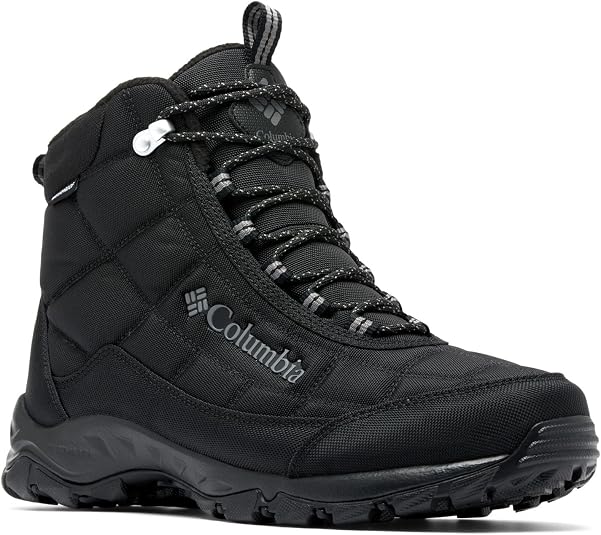 | Columbia Firecamp Mens Boots | Check Price |
Our Selected Top 13 Lightweight Insulated Boots Worth Your Money
This list features lightweight insulated boots designed for warmth and comfort without bulk. Each review explains how well the boots perform, highlights their best uses, and covers their strengths and limitations to help you find the right fit for your needs.
1. ALEADER Mens Winter Waterproof Snow Boots
Walking through snow or slushy streets without heavy boots that weigh down your steps can be tough. Here’s a pair suited for winter hikers or anyone who needs waterproof, warm footwear without the bulk.
The standout feature is how lightweight they feel despite the thick insulation.
Slipping them on is easy thanks to the round toe and no-heel design that fits naturally with your foot shape. The boot keeps feet dry on wet, snowy days thanks to the waterproof construction. Daily wear involves no break-in time since the hiking boot form supports movement and comfort on icy or uneven ground.
These boots do well keeping your feet warm thanks to 400g Thinsulate insulation. Their waterproof ability keeps moisture out during winter conditions but some find the traction could be better on ice. The build focuses on solid materials without fancy additions, making them practical for snow wear.
Many appreciate the lightweight feel, while the biggest complaint involves sole grip in extreme icy spots.
These boots are praised for their lightweight design combined with 400g Thinsulate insulation that keeps feet warm and dry during winter. The most frequent complaint centers on the sole’s grip, which can feel slippery on icy roads or trails.
People looking for warm, waterproof boots that won’t slow them down will be happy with this pair. Anyone needing extra traction or heel support for deep snow or very icy conditions might want to explore other options.
Pros
- Lightweight despite thick insulation
- Waterproof for wet winter conditions
- Comfortable fit with round toe shape
- Good support for hiking on snowy terrain
Cons
- Traction could be better on icy surfaces
- No heel for added stability in deep snow
| Specification | Details |
|---|---|
| Color | Black |
| Insulation | 400g Thinsulate |
| Toe Style | Round Toe |
| Boot Form Type | Hiking Boot |
| Seasons | Winter |
| Style Name | Snow Boots |
2. Womens Insulated Waterproof Winter Boots
Lightweight design makes these Womens Insulated Waterproof Winter Boots perfect for winter casual wear, especially when you want to stay warm without feeling bogged down. The white lace color adds a simple but attractive touch to typical winter gear.
Putting them on is easy thanks to the round toe and platform heel that give a comfortable fit and stable step. Their waterproof quality means stepping through snow or slush doesn’t soak your feet, keeping you dry during usual winter errands or short walks. The solid pattern keeps things classic with just enough style for everyday use.
These boots do well in keeping feet insulated while not feeling heavy or stiff. Built as snow boots, they handle cold and moisture with solid protection. Most people mention comfort and sure footing as highlights, although some feel the platform heel could be tricky on uneven surfaces.
The waterproof feature and lightweight feel earn strong praise for comfort and dryness in winter, while some users note the platform heel creates balance concerns on uneven terrain. Dirt visibility on the white lace color is another consideration raised.
These boots suit anyone wanting warmth and dryness for casual winter activities in urban or smooth environments. Those expecting rugged outdoor use or needing something easier to clean might want to look at other options.
Pros
- Keeps feet warm without bulk
- Waterproof for snowy conditions
- Comfortable round toe design
- Platform heel offers stable support
Cons
- Platform heel can feel unstable on rough ground
- White color may show dirt quickly
| Specification | Details |
|---|---|
| Color | White Lace |
| Toe Style | Round Toe |
| Boot Form Type | Snow Boot |
| Heel Type | Platform Heel |
| Seasons | Winter |
| Pattern | Solid |
| Style Name | Casual |
3. Columbia Mens Firecamp Boots
Someone looking for a lightweight, insulated boot for casual fall outings and winter strolls will appreciate the Columbia Mens Firecamp Boots. Made for outdoor, casual, and winter use, these boots offer good warmth without extra bulk, making them easy to wear throughout the day.
Putting these boots on is straightforward thanks to the closed toe design and no heel, which lets you move easily on uneven terrain or city streets. The solid black and city grey color mix fits both casual and outdoor settings.
They keep feet cozy during fall and mild winter days without feeling heavy or restricting movement.
The boots do a solid job at providing warmth and comfort for mild outdoor conditions thanks to their hiking boot form designed for fall use. The build focuses on comfort and usability rather than heavy insulation or traction for extreme weather. Many appreciate the lightweight feel, though some find them less suited for deep snow or heavy rain conditions.
The boots receive praise for being lightweight and comfortable in everyday outdoor and casual settings. Common issues include limited use in harsh winter weather due to lighter insulation and low water resistance.
People who want a simple, comfortable boot for fall and mild winter days will find these suitable. Those needing heavy-duty insulation or waterproofing should look for options designed specifically for harsher conditions.
Pros
- Lightweight and comfortable for daily wear
- Closed toe protects feet without bulk
- Neutral colors suit various casual occasions
- Suitable for mild fall and winter conditions
Cons
- Not ideal for deep snow or heavy rain
- Lacks heavy insulation for extreme cold
| Specification | Details |
|---|---|
| Color | Black/City Grey |
| Toe Style | Closed Toe |
| Boot Form Type | Hiking Boot |
| Seasons | Fall |
| Occasion | Outdoor, Winter, Casual |
4. Mens Waterproof Insulated Winter Snow Boots

Lightweight and insulated, these Mens Waterproof Insulated Winter Snow Boots suit anyone needing warmth without the bulk during cold weather. What stands out the most is their casual style combined with practical winter protection, making them ideal for everyday wear in snowy conditions.
Lacing up is straightforward with the closed toe design giving a snug fit that doesn’t feel heavy on your feet. The boots’ snow boot form ensures good coverage, while the waterproof element keeps your feet dry even in slush.
Wearing them throughout the day remains comfortable thanks to the absence of heels and the boot’s lightweight nature.
These boots hold up well against winter elements, providing reliable insulation and waterproofing. Reviews most often praise how well they keep feet warm and dry, but some mention that the fit can be a bit narrow for wider feet. Built to last through winter seasons, they feel casual but sturdy enough for everyday snow use.
The boots effectively provide warmth and waterproof protection during winter conditions while maintaining a lightweight feel. Many note the fit is secure but can be tight for those with broader feet, which might affect comfort over long periods.
People looking for a casual, insulated, and lightweight winter boot will find these suitable. Anyone needing wider sizing or additional heel support might want to look at other options better tailored to those preferences.
Pros
- Keeps feet warm and dry
- Lightweight for easier walking
- Waterproof for snowy conditions
- Casual style fits most wardrobes
Cons
- May feel narrow on wider feet
- Lacks heel support for some users
| Specification | Details |
|---|---|
| Color | A1_black |
| Toe Style | Closed Toe |
| Boot Form Type | Snow Boot |
| Heel Type | No Heel |
| Seasons | Winter |
| Style Name | Casual |
5. MUCK Mens Arctic Pro Insulated Boot

MUCK Mens Arctic Pro Insulated Boot stands out as a reliable choice for anyone seeking warmth without extra weight in cold conditions. Made for casual wear in all seasons, it suits those who want solid insulation paired with a simple, comfortable fit.
Its biggest strength lies in providing insulation while staying relatively lightweight for an insulated work boot.
Putting these boots on is straightforward thanks to the round toe design and no heel structure, which helps keep them comfortable for long hours. Their tan/bark color and brown pattern fit casual occasions easily. Maintenance is manageable since they don’t have excessive materials or complicated features.
Daily wear feels secure yet flexible enough for varied situations.
The insulation keeps feet warm effectively during typical cold-season weather. Construction is solid, focusing on comfort over extra features, ensuring reliable durability without complications.
Many appreciate how they balance warmth and weight. Occasionally, some might find the fit a bit snug or the style too plain compared to other options.
Boots do well maintaining warmth while being noticeably lighter than typical insulated options. Common concerns include a snug fit that might not suit everyone and a very simple style presentation.
Those who prioritize lightweight insulation and need a casual boot will find these suitable. People seeking more roomy toe space or stylish flair may want to explore other designs.
Pros
- Warm insulation without heavy bulk
- Comfortable round toe design
- Durable construction for regular use
- Neutral brown pattern suitable for casual wear
Cons
- Fit can be a bit snug for some feet
- Style is plain compared to other boots
| Specification | Details |
|---|---|
| Color | Tan/Bark |
| Toe Style | Round Toe |
| Boot Form Type | Work Boot |
| Heel Type | No Heel |
| Seasons | All |
| Pattern | BROWN |
| Style Name | Acp998k |
| Occasion | Casual |
6. Mens Insulated Waterproof Winter Snow Boots

Feeling surprisingly light on your feet during cold months, these insulated snow boots suit anyone looking for warmth without bulk. Their biggest strength is how they keep your feet dry and comfortable while being noticeably lightweight compared to typical winter boots.
Putting these on is simple thanks to the round toe design that gives ample room. Throughout the day, their waterproof construction makes trudging through snow or slush less of a worry. No heel keeps your steps stable, and the solid black color keeps them versatile for winter festivities like Christmas or New Year.
Built specifically for winter with solid waterproofing, these boots perform well in cold and wet conditions. They offer good insulation to retain warmth but aren’t heavy or cumbersome.
Most praise focuses on how dry and cozy they keep feet. Some find the lack of heel a downside for long walks or rugged terrain.
The boots receive strong praise for keeping feet dry and warm during winter activities. The most common complaint is the absence of a heel, which some find limiting when walking on rough or uneven surfaces. The construction focuses on insulation and waterproofing while remaining lightweight.
People who spend most of their winter time around town or at events like holiday gatherings will appreciate these boots. Those requiring more foot support or extra cushioning during long hikes might want to consider options with a heel or added padding instead.
Pros
- Waterproof to handle snow and slush
- Lightweight compared to typical winter boots
- Round toe offers comfortable space
- Simple, solid black style
Cons
- No heel support for uneven terrain
- May lack cushioning for extended walks
| Specification | Details |
|---|---|
| Color | Black |
| Toe Style | Round Toe |
| Boot Form Type | Snow Boot |
| Heel Type | No Heel |
| Seasons | Winter |
| Pattern | Solid |
7. Columbia Mens Bugaboot III Snow Boot
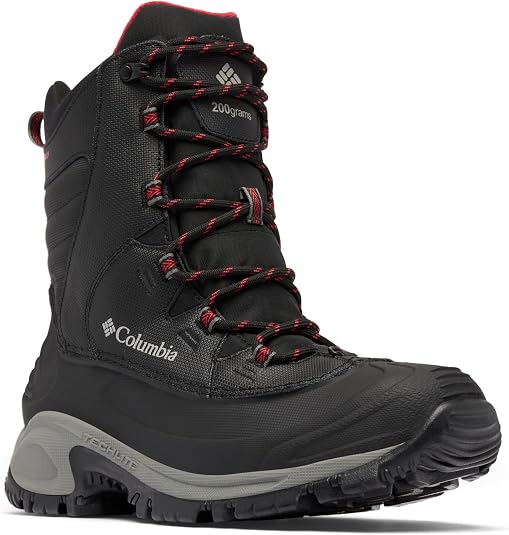
Ideal for winter hiking, these boots stand out for their balance of warmth and lightweight feel. Designed for those needing reliable insulation without bulk, they keep feet comfortable in cold conditions while still being easy enough to handle for active use.
Putting them on is straightforward thanks to the closed toe design, which offers solid protection. They’re built to withstand snowy terrain during winter seasons, making them a practical choice for outdoor occasions.
Their solid pattern and bright red accent bring a bit of style to functional wear.
These snow boots do well in keeping feet warm and dry while hiking in cold weather. The lack of a heel provides stable footing on snowy trails, although some might find the fit less tailored for narrow feet. Materials hold up well to moisture and cold, while being light enough for day-long use.
A notable strength is how well the boots maintain warmth during cold, snowy hikes while staying relatively light. The most common drawback involves the fit, which some find too wide or bulky, impacting comfort for narrower feet.
Those often trekking in snowy places and needing warmth without heavy boots will appreciate these. People with slender feet or looking for versatile boots beyond winter might want to consider other options more suited to their needs.
Pros
- Warmth suitable for winter hiking
- Lightweight for snow boots
- Stable no-heel footing
- Stylish color combination
Cons
- May feel bulky for narrow feet
- Limited use outside snowy conditions
| Specification | Details |
|---|---|
| Color | Black/Bright Red |
| Toe Style | Closed Toe |
| Boot Form Type | Snow Boot |
| Heel Type | No Heel |
| Seasons | Winter |
| Occasion | Hiking |
8. Columbia Mens Newton Ridge Plus II Waterproof
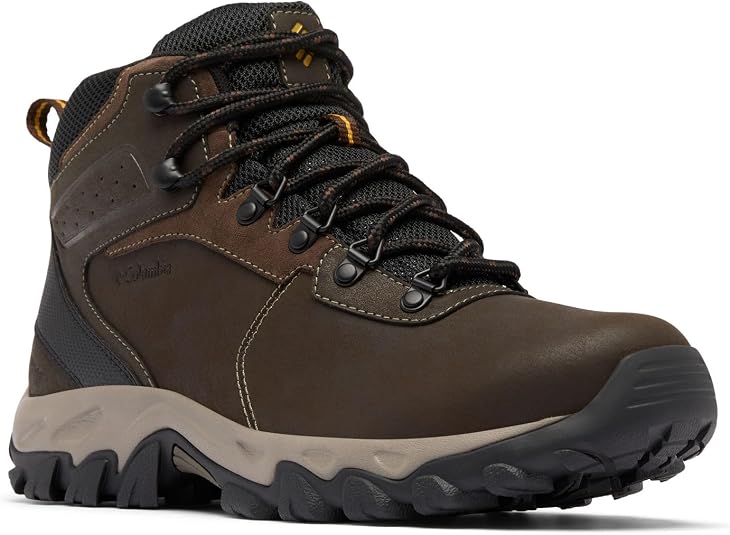
Constructed with sturdy waterproof materials, these hiking boots suit anyone needing reliable, lightweight cold weather footwear. Their standout feature is keeping feet dry and warm without feeling bulky, making them great for outdoor adventures that blend comfort with protection.
Putting them on is straightforward thanks to a secure lace-up design that holds the foot firmly. The boots’ weight is light enough to avoid fatigue during long hikes, helping you move easily on all types of terrain. Cordovan and Squash coloring adds a bit of style while sticking to a solid, no-nonsense look.
Performance excels at keeping moisture out while still allowing the foot to breathe during extended wear. The build uses a closed toe design and emphasizes waterproofing, which is praised for reliability.
One downside often mentioned is that some find the fit a bit narrow, so breaking them in may take time.
The waterproof feature is highly praised for consistently keeping feet dry, which is crucial for outdoor use. A recurring issue is the narrow fit, making the boots less comfortable initially for wider feet. The closed toe style supports protection but may feel confined during extended wear.
Those looking for reliable, lightweight boots for hiking in wet conditions will appreciate this model. People needing a wider fit or quicker break-in might want to explore alternative options to avoid discomfort.
Pros
- Lightweight and easy to wear for long periods
- Effective waterproofing keeps feet dry
- Secure fit with referenced lace-up system
- Good all-season versatility
Cons
- Some users find the fit narrow
- Breaking in may require time
| Specification | Details |
|---|---|
| Color | Cordovan/Squash |
| Toe Style | Closed Toe |
| Boot Form Type | Hiking Boot |
| Heel Type | No Heel |
| Seasons | All |
| Style Name | Newton Ridge Plus II Waterproof |
9. KEEN Mens Anchorage 3 Waterproof Insulated Boots

Dark Earth and Mulch colors give these boots a solid, work-ready look that suits anyone wanting reliable warmth without bulk. Their pull-on design is especially good for those who need quick and easy wear, making them stand out as a straightforward insulated option for winter work.
The boots slip on easily and stay secure all day with enough insulation to keep out cold during winter workdays. Waterproof material keeps feet dry in wet or snowy conditions, which helps maintain comfort when moving through icy or muddy terrain.
The round toe provides room without feeling loose, and there’s no heel to worry about snagging or uneven surfaces.
Work boots built to resist moisture and cold perform fairly well in these boots, blocking water efficiently and maintaining warmth over several hours. Strong points include their tough construction to withstand rough use. Some reports mention the fit can feel a bit tight around the ankle on the pull-on style, which might affect comfort for some wearers.
KEEN Mens Anchorage 3 Waterproof Insulated Boots offer reliable waterproofing and good insulation for cold weather. Many find the boots durable and comfortable for extended wear. The most frequent complaint is that they run a bit bulky and heavy compared to other insulated boots, which can make long walks less comfortable.
Those who spend time outdoors in cold, wet conditions will appreciate the warmth and protection these boots provide. They suit people needing solid waterproof and insulated footwear rather than a lightweight option. Those prioritizing minimal weight or a sleeker fit might want to look for lighter insulated boots instead.
Pros
- Quick pull-on style for easy wear
- Effective waterproofing for winter use
- Roomy round toe design
- Good insulation against cold
Cons
- Fit can feel tight around the ankle
- No heel may reduce traction on slick surfaces
| Specification | Details |
|---|---|
| Color | Dark Earth/Mulch |
| Toe Style | Round Toe |
| Boot Form Type | Snow Boot |
| Heel Type | No Heel |
| Seasons | Winter |
| Style Name | Anchorage 3 Waterproof Pull on Insulated |
10. MUCK Womens Arctic Sport II Mid Boot

Ideal for anyone needing durable winter-outdoor footwear, the MUCK Womens Arctic Sport II Mid Boot stands out due to its lightweight design paired with reliable insulation. It’s suitable for those who want a warm boot without the bulk and heaviness usually associated with insulated options.
Putting them on feels straightforward thanks to the mid height that balances ankle support and easy slipping on. The soft-toe style means comfort over rigid protection, making these boots feel less restrictive for daily wear.
Black color helps hide winter grime, and they perform well around fall conditions when temperatures start to drop.
Built as a work boot without a heel, the structure prioritizes stability and grip on slippery surfaces. Insulation keeps feet cozy through cold fall days, though the temperature range suits cooler rather than extreme winter. Reviews often note how well the boots stay warm and dry, but some mention that the fit can be a bit snug for wider feet.
Warmth and dryness are consistent positives in daily use, but fit issues arise for some due to narrower sizing. The boot’s simplicity and no-heel setup work well on uneven, wet terrain in cooler weather.
Those needing lightweight warmth for fall adventures will appreciate these boots. People requiring more room or protection in severe winter may want to consider other options.
Pros
- Lightweight with reliable insulation for fall wear
- Soft-toe design offers flexibility and comfort
- No heel for better stability on slippery ground
- Black color hides dirt well
Cons
- Fit can feel tight for wider feet
- Best suited for fall, not harsh winter conditions
| Specification | Details |
|---|---|
| Color | Black/Black |
| Toe Style | soft-toe |
| Boot Form Type | Work Boot |
| Heel Type | No Heel |
| Seasons | Fall |
| Style Name | Arctic Sport II Mid |
11. NORTIV 8 Mens Zip Winter Snow Boots

Cold winter days demand boots that keep feet warm without feeling heavy or bulky. Great for anyone chasing a balance between protection and lightness, these boots stand out for their weight, making them easy to wear for long periods in snowy conditions.
Putting them on is straightforward thanks to the zip closure, which saves time compared to traditional laces. The flat heel and closed toe design provide comfort and security on slippery surfaces.
Daily wear feels comfortable as the boots don’t weigh down your legs, and the solid brown and black colors make them versatile for casual winter outfits.
They perform well during winter, offering reliable insulation while being lighter than many other snow boots. The build focuses on practicality and warmth without overcomplicating the design. Reviews often highlight how comfortable and warm the boots are, while the most frequent complaint centers on fitting, which may require some adjustment for wider feet.
Warmth and lightness come across strongly in daily use, making the boots comfortable over hours outside. The typical struggle comes down to fit, with some wearers finding the boots too narrow.
Those who prioritize light winter boots that still offer protection will appreciate these. Anyone needing more room or wider sizing might want to look elsewhere.
Pros
- Lightweight for winter snow boots
- Easy zip closure for quick wear
- Flat heel adds stability on slippery ground
- Warm and comfortable for long wear
Cons
- Fit runs narrow for wider feet
- Limited color options
| Specification | Details |
|---|---|
| Color | Brown/Black |
| Toe Style | Closed Toe |
| Boot Form Type | Snow Boot |
| Heel Type | Flat |
| Seasons | Winter |
| Pattern | Solid |
12. ROCKY Blizzard Stalker Waterproof Insulated Boot

Waterproof protection and steel toe safety are key features making these boots a solid pick for anyone needing lightweight insulated footwear. Brown color and hiking boot style suit outdoor and casual use alike.
The biggest strength is dependable protection in all seasons without feeling too heavy on your feet.
Putting them on is straightforward with a comfortable block heel that provides stability for day-long wear. Lightweight design helps reduce fatigue during extended walks or hikes.
Waterproof materials mean rainy or snowy environments don’t slow you down, while the steel toe adds safety without sacrificing comfort. Casual enough to wear daily but rugged enough for rougher terrain.
Built to withstand all-season weather, these boots handle wet and cold conditions well, keeping feet warm and dry. Construction feels sturdy, especially around the toe where the steel cap sits solidly.
Most praise centers on effective waterproofing and insulation. The main complaint is the steel toe making the boots feel a bit stiff and less flexible than regular hiking boots.
Waterproofing and insulation stand out as the most praised features, keeping feet warm and dry in various weather. Some find the steel toe limits foot movement, making the boots less flexible compared to standard hiking footwear.
Great for those prioritizing foot safety and weather protection during outdoor activities or casual use. Less ideal for anyone needing maximum flexibility or those worried about appearance in muddy conditions.
Pros
- Effective waterproof protection for wet conditions
- Steel toe adds safety during outdoor work
- Lightweight enough for hiking and casual wear
- Block heel offers good stability
Cons
- Steel toe can reduce boot flexibility
- Brown color may show dirt easily
| Specification | Details |
|---|---|
| Color | Brown |
| Toe Style | Steel Toe |
| Boot Form Type | Hiking Boot |
| Heel Type | Block Heel |
| Seasons | All |
| Occasion | Casual |
13. HOBIBEAR Womens Waterproof Winter Snow Boots

Great for anyone who spends time outdoors in cold, snowy weather and needs a lightweight yet insulated boot to keep feet warm. The biggest strength lies in its combination of waterproof material and comfort, making it ideal for winter days that call for dry, cozy footwear without bulk.
Putting these boots on is easy thanks to their round toe and flat heel design, which allows for comfortable walking during daily errands or winter outings. They fit true to size with a solid pattern that works well across different winter outfits.
The waterproof feature really helps when snow piles up or surfaces get slushy, so you don’t have to worry much about wet feet.
Performance-wise, these boots handle winter conditions well by keeping feet warm and dry. The build feels durable enough for snow boots, though some find them a bit narrow if you have wider feet. Most praise comes from the waterproof capability and light weight, while a common complaint is that the fit can feel tight for some wearers.
Many users appreciate how these boots stay waterproof and keep feet dry in snowy weather. The main downside mentioned is the narrow fit, which can make them uncomfortable for people with wider feet. The lightweight design remains a strong point, balancing warmth with comfort.
Those who want a waterproof, warm winter boot without heavy bulk will be pleased with this choice. People with wider feet or who want more color options might want to consider other boots that offer a roomier fit or variety in style.
Pros
- Waterproof to handle snow and slush
- Lightweight for easy walking
- Flat heel for stability
- Simple solid color matches many outfits
Cons
- Can feel narrow for wider feet
- Limited color option
| Specification | Details |
|---|---|
| Color | Grey/New |
| Toe Style | Round Toe |
| Boot Form Type | Snow Boot |
| Heel Type | Flat |
| Seasons | Winter |
| Pattern | Solid |
Best Lightweight Insulated Boots Comparison Table
| Product | Seasons | Boot Form Type | Toe Style | Heel Type |
|---|---|---|---|---|
| ALEADER Mens Snow Boots | Winter | Hiking Boot | Round Toe | No Heel |
| Womens Insulated Winter Boots | Winter | Snow Boot | Round Toe | Platform Heel |
| Columbia Firecamp Mens Boots | Fall | Hiking Boot | Closed Toe | No Heel |
| Mens Insulated Snow Boots | Winter | Snow Boot | Closed Toe | No Heel |
| MUCK Arctic Pro Mens Boot | All | Work Boot | Round Toe | No Heel |
| Mens Waterproof Winter Boots | Winter | Snow Boot | Round Toe | No Heel |
| Columbia Bugaboot III Mens | Winter | Snow Boot | Closed Toe | No Heel |
| Columbia Newton Ridge II | All | Hiking Boot | Closed Toe | No Heel |
| KEEN Anchorage 3 Mens Boots | Winter | Snow Boot | Round Toe | No Heel |
| MUCK Arctic Sport II Womens | Fall | Work Boot | Soft Toe | No Heel |
| NORTIV 8 Mens Zip Boots | Winter | Snow Boot | Closed Toe | Flat |
| ROCKY Blizzard Stalker Boots | All | Hiking Boot | Steel Toe | Block Heel |
| HOBIBEAR Womens Winter Boots | Winter | Snow Boot | Round Toe | Flat |
- SeasonsWinter
- Boot Form TypeHiking Boot
- Toe StyleRound Toe
- Heel TypeNo Heel
- SeasonsWinter
- Boot Form TypeSnow Boot
- Toe StyleRound Toe
- Heel TypePlatform Heel
- SeasonsFall
- Boot Form TypeHiking Boot
- Toe StyleClosed Toe
- Heel TypeNo Heel
- SeasonsWinter
- Boot Form TypeSnow Boot
- Toe StyleClosed Toe
- Heel TypeNo Heel
- SeasonsAll
- Boot Form TypeWork Boot
- Toe StyleRound Toe
- Heel TypeNo Heel
- SeasonsWinter
- Boot Form TypeSnow Boot
- Toe StyleRound Toe
- Heel TypeNo Heel
- SeasonsWinter
- Boot Form TypeSnow Boot
- Toe StyleClosed Toe
- Heel TypeNo Heel
- SeasonsAll
- Boot Form TypeHiking Boot
- Toe StyleClosed Toe
- Heel TypeNo Heel
- SeasonsWinter
- Boot Form TypeSnow Boot
- Toe StyleRound Toe
- Heel TypeNo Heel
- SeasonsFall
- Boot Form TypeWork Boot
- Toe StyleSoft Toe
- Heel TypeNo Heel
- SeasonsWinter
- Boot Form TypeSnow Boot
- Toe StyleClosed Toe
- Heel TypeFlat
- SeasonsAll
- Boot Form TypeHiking Boot
- Toe StyleSteel Toe
- Heel TypeBlock Heel
- SeasonsWinter
- Boot Form TypeSnow Boot
- Toe StyleRound Toe
- Heel TypeFlat
How to Choose the Right Lightweight Insulated Boots
Focus on insulation quality, weight, and waterproofing when selecting lightweight insulated boots, as these factors ensure warmth and comfort without causing fatigue. Choosing the right balance prevents unnecessary expenses and discomfort during cold weather activities.
Insulation Quality
Cold feet can quickly turn an outdoor trip miserable, especially during long hours in freezing temps. The type and thickness of insulation inside boots make a difference you feel.
Synthetic insulations like Thinsulate provide solid warmth without bulk, while natural materials like wool or down can offer very good heat retention, though down struggles if it gets wet. A thickness of 200 to 400 grams of insulation works well for most winter activities, balancing warmth and weight.
Breathability should not be overlooked. Boots that trap moisture inside lead to clammy feet and faster heat loss.
Look for options with breathable linings that allow sweat vapor to escape, like Gore-Tex or similar membranes. This avoids overheating during active use and reduces moisture buildup, keeping feet dry and warm for longer periods in cold conditions.
Weight and Bulkiness
Heavy boots can weigh you down quickly during hikes or daily wear in winter. The overall weight depends largely on the insulation type and the sole construction. For example, boots with thick rubber soles and dense insulation add significant heft.
Modern designs cut down on bulk by optimizing insulation placement and using lightweight synthetic materials. Some manufacturers use EVA midsoles instead of heavier foam, saving ounces without sacrificing support.
Compact designs that avoid unnecessary padding or overly rugged outer shells feel better on the foot and allow easier movement. A pair keeping weight under 2.5 pounds per boot is reasonable for insulated options designed for all-day use.
Excess weight not only tires your legs but can also cause chafing or blisters from extra friction during walking.
Fit and Comfort
A poor fit ruins even the warmest boots after a few hours. Wide and narrow foot types need options beyond standard medium widths. Many models come in half sizes and multiple width fittings, which improves comfort dramatically.
Boots that include extra cushioning in the heel and arch support reduce foot fatigue during long wear in chilly environments.
The toe box space is another critical aspect. Boots that feel cramped in the front limit circulation and can cause numbness or discomfort. Good boots drop about half an inch of clearance in the toe box, paired with flexible uppers that allow natural toe movement.
Flexibility combined with solid support makes a noticeable difference after several hours in snow or cold pavement.
Durability and Materials
The outer materials determine how well your boots hold up under tough conditions. Leather, if properly treated, offers great abrasion resistance while also repelling water.
Some nylon or synthetic uppers sacrifice durability for lightness but often include reinforced panels in high-wear zones. The way seams and layers are constructed plays a big role in long-term wear; stitch patterns and bonding techniques can prevent early splits or tears.
The sole must endure constant contact with ice, rocks, and wet surfaces without breaking down. Rubber soles built with deep lug patterns provide better traction on slippery terrain and can extend boot life considerably. Cheaper soles tend to wear thin quickly, reducing grip and increasing the risk of slips or falls during daily winter activities.
Waterproofing and Weather Resistance
Nothing spoils a day’s plans like soggy boots. Effective waterproofing generally involves membranes like Gore-Tex or polyurethane coatings.
These stop water from entering while still allowing sweat to escape. Fully taped seams add another layer of defense by preventing water penetration at stitching points, which are common weak spots in wet conditions.
Performance in wet snow, slush, and rain depends on this waterproofing and how well the boot seals against the foot. Some models feature gusseted tongues that block debris and water from sneaking inside.
Proper waterproof boots keep feet dry even in extended exposure to damp environments, improving comfort and reducing the chance of frostbite or cold-related foot problems.
Tips for Maximizing Warmth Without Adding Bulk
Choosing boots with effective insulation is only part of staying warm on cold days. Layering your socks can provide extra warmth without making your feet feel cramped.
Thin, moisture-wicking liner socks paired with thicker wool or fleece socks help maintain heat while managing sweat. Using insoles designed for insulation can add a thermal barrier between your feet and the cold ground without much added weight.
Additional tips to maximize warmth include:
- Ensuring your boots fit well to avoid circulation restrictions that can cause cold feet.
- Keeping your feet dry by wearing waterproof boots or using water-resistant sprays.
- Avoiding tight lacing that cuts off circulation.
These small adjustments help trapped heat do its job without the need for bulky boots that can become uncomfortable during extended wear.
Proper Cleaning and Maintenance to Extend Boot Lifespan
Lightweight insulated boots require regular care to retain their protective qualities over time. Dirt and salt from winter environments can break down materials if not removed promptly. Use a soft brush or damp cloth to clean off debris after each use, focusing on seams and soles where buildup often occurs.
For maintenance:
- Apply a water-repellent treatment regularly to preserve waterproofing.
- Let boots dry naturally at room temperature; direct heat sources can damage insulation and adhesives.
- Store boots in a cool, dry place away from direct sunlight to prevent material degradation.
Maintaining your boots with these simple steps helps them perform longer and protects your investment from premature wear.
Comparing Lightweight Insulated Boots to Heavy-Duty Winter Footwear
Lightweight insulated boots focus on balancing warmth and comfort without the heaviness common to traditional winter boots. They typically feature less bulky insulation and slimmer profiles, making them more comfortable for daily activities or long walks.
This means reduced fatigue and easier movement, especially on uneven terrain.
In contrast, heavy-duty winter footwear often includes thicker insulation and rugged construction designed for extreme cold and harsh conditions.
- They tend to be bulkier and heavier, which can feel cumbersome during casual use.
- Extra features such as reinforced soles, steel toes, or aggressive treads provide protection but add weight.
- These boots excel in deep snow and subzero temperatures but might be overkill for moderate climates.
Choosing between them depends on your typical conditions and how much time you plan to spend outdoors in cold weather.
People Also Asked
How Do I Properly Size Lightweight Insulated Boots for Winter?
Pick a size that leaves some room for thick socks without being loose; your toes should wiggle slightly. Trying them on at the end of the day helps because your feet swell naturally by then.
How Long Do Lightweight Insulated Boots Typically Last with Regular Use?
Lightweight insulated boots often hold up well for several winters if used regularly, around 2 to 4 seasons depending on conditions. Rotating between pairs can extend their life.
What’s the Best Way to Clean and Care for Insulated Boots?
Use a soft brush or cloth to remove dirt after each use, and air dry boots naturally away from heat sources. Applying a water repellent treatment periodically keeps insulation dry and effective.
Are Lightweight Insulated Boots Safe for Trekking on Icy Surfaces?
Some lightweight insulated boots come with slip-resistant soles that work moderately well on ice, but they won’t replace dedicated traction devices like spikes for serious icy trekking. Checking sole grip patterns helps judge performance.
What Common Problems Should I Expect with Insulated Boots over Time?
Insulation may compress and lose warmth over time, and seams or waterproof membranes can wear out causing leaks. Keeping boots dry and storing them properly slows these problems.
Conclusion
Choosing lightweight insulated boots comes down to warmth, weight, and fit. The boots need to keep your feet warm without feeling heavy or bulky. A good fit is crucial to avoid discomfort during long wear, especially if you plan on walking a lot in cold conditions.
Consider where you’ll use the boots most often and how much you’re willing to spend. Heavier insulation might be best for very cold climates but could be unnecessary for milder conditions. Check the comparison table and the picks above to find options that suit your needs and budget.