Top 13 Best Hunting Boots Cold Weather Hunters Swear By
A common frustration for hunters who don’t choose the right footwear is ending up with cold, wet feet that sap energy and make long days uncomfortable. The best hunting boots cold weather have to keep your feet dry and warm despite freezing temperatures and unpredictable terrain.
Cheap boots often fail at insulation or let water in easily, which quickly turns a promising hunt into a cold, miserable experience.
Good cold-weather hunting boots rely on thick, waterproof insulation, often using materials rated around 400 to 1000 grams for warmth depending on conditions. Fit matters a lot since boots that are too tight reduce circulation and warmth, while boots that are too loose allow cold air inside.
Durable outsoles with good traction also play a key role in safety on ice or snow. Ease of cleaning helps maintain waterproofing and prolongs the life of the boots after muddy or snowy outings.
Need a Quick Check?
| Image | Product | Price |
|---|---|---|
Our Top Picks 1  | MUCK Arctic Pro Boots | Check Price |
Our Top Picks 2  | TIDEWE Rubber Hunting Boots | Check Price |
Our Top Picks 3  | ROCKY Blizzard Stalker Boots | Check Price |
Our Selected Top 13 Hunting Boots Cold Weather You Can Trust
This list features reliable cold weather hunting boots designed for warmth, comfort, and durability. Each review covers how the boots perform in harsh conditions, who they are best suited for, and highlights their strengths and potential drawbacks to help you make an informed decision.
1. MUCK Arctic Pro Insulated Boot
Wearing these boots feels solid and warm right from the start, especially in chilly conditions. Designed for anyone who needs reliable protection against cold weather during outdoor activities, they really shine in keeping your feet comfortable in tough, cold environments without slowing you down.
Breaking them in is straightforward since they fit like a typical work boot, with a round toe that doesn’t squeeze your foot. The tan/bark color hides dirt well, making them look good even after long days outside. No heel means they feel stable on uneven ground, and their all-season rating means you don’t have to switch boots as temperatures drop.
Built to handle cold weather, they perform well when it comes to insulation and durability. The strongest point is how well they keep feet warm during long periods outdoors.
Some users mention they can feel a bit bulky compared to lighter boots, which might slow down movement. The solid construction makes these boots tough enough for rugged use.
The boots are praised for keeping feet consistently warm during cold conditions, while their bulkier design is the main drawback noted. Longevity and cold protection stand out as their key strengths.
Best suited for hunters or outdoor workers needing sturdy, insulated boots in cold weather, especially where durability matters more than lightweight convenience. Those prioritizing speed or lighter footwear may want to explore different options.
Pros
- Warm insulation suitable for cold weather
- Stable feel with no heel design
- Durable work boot construction
- Neutral tan/bark color hides dirt
Cons
- Heavier than some other hunting boots
- Bulkier fit might limit agility
| Specification | Details |
|---|---|
| Color | Tan/Bark |
| Toe Style | Round Toe |
| Boot Form Type | Work Boot |
| Heel Type | No Heel |
| Seasons | All |
| Style Name | Acp998k |
2. TIDEWE Rubber Hunting Boots
Ideal for cold-weather hunting, these boots excel in keeping feet dry and warm through rough, wet conditions. Suitable for those who prioritize waterproof protection and camouflage while working outdoors, their standout feature is the heavy-duty rubber construction paired with winter-ready insulation.
Wearing them means sliding into boots made for wet and cold environments without worrying about soggy feet. The flat heel offers stable footing on slippery surfaces, while the round toe gives enough space for comfortable movement. The camouflage pattern is great for hunters who need stealth, and as rain boots, they provide strong water resistance.
Cleaning after use involves simple rinsing since the rubber material doesn’t absorb dirt.
Performance shines mainly in water resistance and warmth. The 800g insulation helps maintain temperature in cold weather, making them suitable for extended outdoor work or hunts. Reviews highlight durability and strong waterproofing as key positives.
However, some mention the boots can feel bulky, affecting agility. They perform solidly in winter hunting conditions but may not suit those seeking lightweight gear.
These boots offer excellent protection against water and cold, thanks to their heavy insulation and waterproof rubber. The main drawback noted is their bulkiness, which may reduce ease of movement for some. They also clean easily since the material doesn’t absorb grime.
Anyone hunting or working in wet, cold conditions will appreciate the warmth and waterproofing. Those needing lightweight or highly flexible boots might want to consider other options more suited to quick, agile movement.
Pros
- Strong waterproof rubber material
- 800g insulation for cold temperatures
- Flat heel provides good stability
- Camouflage pattern suits hunting
Cons
- Can feel bulky during long walks
- Less flexible compared to lighter boots
| Specification | Details |
|---|---|
| Color | 800g Next Camo G2 |
| Toe Style | Round Toe |
| Boot Form Type | Rain Boot |
| Heel Type | Flat |
| Seasons | Winter |
| Pattern | Camouflage |
3. ROCKY Blizzard Stalker Insulated Waterproof Boot
Built with a steel toe and designed for hiking, the ROCKY Blizzard Stalker Insulated Waterproof Boot is great for anyone needing durable protection in cold conditions. Its waterproof and insulated qualities make it especially suitable for cold weather hunts, keeping feet dry and warm throughout long outings.
Putting the boots on is straightforward thanks to their hiking boot form, which offers a solid fit without being too bulky. The block heel provides stable footing on uneven terrain, and the brown color blends well for casual outdoor use. Waterproofing means stepping through snow or wet brush doesn’t soak through, making daily wear less stressful when conditions turn wet or cold.
Performance-wise, these boots do well holding up against cold and wet elements, with the steel toe adding a layer of safety. Build quality reflects durability, made to withstand rough outdoor activity. The main positive is their solid insulation and protection, while some users might mention a bit of heaviness or stiffness breaking in as a downside.
The boots are praised for keeping feet warm and dry even in wet, cold environments thanks to their insulation and waterproof materials. A common drawback noted is that the toe box stiffness can make initial wear somewhat uncomfortable until the boots mold to the feet.
Hunters who need solid protection and insulation in harsh weather will find these boots reliable. Those seeking a lighter or more flexible option might need to look elsewhere, especially if comfort during long walks is a priority.
Pros
- Waterproof to keep feet dry in snow and rain
- Insulated to maintain warmth in cold weather
- Steel toe adds reliable protection
- Block heel offers good stability on rough trails
Cons
- Can feel heavy after extended wear
- May require break-in period for comfort
| Specification | Details |
|---|---|
| Color | Brown |
| Toe Style | Steel Toe |
| Boot Form Type | Hiking Boot |
| Heel Type | Block Heel |
| Seasons | All |
| Occasion | Casual |
4. ROCKY Sport Utility Insulated Waterproof Boot

Mossy Oak Break Up camo catches the eye immediately, fitting perfectly for hunters who need cold-weather endurance. Its biggest strength lies in keeping feet warm and dry without feeling overly bulky, ideal for long days outdoors in rough conditions.
Setup involves a straightforward lace-up that hugs your foot well, helping with secure rides on uneven ground. The hiking boot form and round toe give enough room for movement and comfort, while the waterproof design means you don’t have to worry about damp terrain.
It works well across seasons but shines in colder weather.
Performance meets build in solid waterproofing and insulation that handle snow and mud reliably. The western heel adds stability on trails, and the sturdy materials hold up through rugged use. Most appreciate how warm and dry it keeps feet, though some mention the boot could feel heavy during extended wear.
The waterproof insulation is highly praised for keeping feet warm and dry during wet, cold conditions. Some find the boot weighs down the feet during extended hunting trips, which could affect comfort.
Hunters spending full days in cold, wet environments will appreciate these boots. Those seeking lightweight footwear or something for warmer conditions might prefer other options.
Pros
- Effective insulation for cold weather
- Waterproof to handle wet terrain
- Secure fit with lace-up design
- Good stability thanks to western heel
Cons
- Can feel heavy after long use
- Not designed for extremely warm weather
| Specification | Details |
|---|---|
| Color | Mossy Oak Break Up |
| Toe Style | Round Toe |
| Boot Form Type | Hiking Boot |
| Heel Type | Western Heel |
| Seasons | All |
| Pattern | MOSSY OAK BREAK UP |
5. MUCK Mossy Oak Break up Country Woody Max Boot

Ideal for cold fall hunting trips, this boot offers reliable warmth and comfort in a tough, mossy oak design. It suits those needing a solid work-style boot that blends into wooded environments and handles rugged terrain without weighing you down.
Putting them on is easy with a round toe that doesn’t pinch, and the no-heel design keeps steps stable throughout long days. The casual style blends seamlessly into everyday wear, and the brown pattern provides great camouflage during fall outings.
These boots don’t require much fuss, just slip on and go, even on chillier mornings.
Built as a work boot, the materials focus on durability and keeping feet protected during tough use. The biggest plus seen in comments is its dependable warmth in colder weather, making it a great companion for fall hunts.
On the downside, some note it lacks a high heel for added ankle support, which might matter on rougher terrain.
Warmth and comfort in cold weather stand out as the strongest points, with many appreciating how well the boot handles chilly fall conditions. On the other hand, the absence of a heel for ankle support is a frequent drawback mentioned.
Good for hunters who spend time in moderately cold fall environments needing reliable warmth and camouflage while working or hiking. Those facing deeper snow or requiring more ankle support may want to look at boots designed specifically for harsh winter conditions.
Pros
- Warm and comfortable in cold weather
- Round toe offers good foot space
- No-heel design for stable footing
- Mossy Oak camo pattern blends well outdoors
Cons
- Lacks ankle support due to no heel design
- Not intended for heavy snow or extreme winter use
| Specification | Details |
|---|---|
| Color | Mossy Oak |
| Toe Style | Round Toe |
| Boot Form Type | Work Boot |
| Heel Type | No Heel |
| Seasons | Fall |
| Pattern | BROWN |
6. Hunthor Waterproof Insulated Hunting Boots

Cold, wet ground can ruin a hunting day quickly, so waterproof boots that keep feet warm and dry are essential. These camo hunting boots are built for hunters who spend long hours in cold weather and need reliable insulation without sacrificing grip or comfort.
Putting them on feels straightforward thanks to the round toe and rain boot design, which makes slipping them on and off easy. They work well across seasons, perfect not only for deer hunting but also farm work or fishing.
The platform heel provides steady footing whether you’re trekking muddy terrain or standing still for a long time.
Strong waterproofing and insulation keep feet comfortable against the cold and wet, making these boots dependable in harsh, damp environments. The camo pattern helps with concealment, while the rain boot form resists water entry effectively.
Some find the platform heel a bit stiff at first, but most praise the durability and weatherproof materials as dependable for hours outdoors.
The most noted strength is the solid waterproof and insulated protection that keeps feet dry and warm during extended outdoor use. Many mention the platform heel providing stable footing. The common drawback relates to initial stiffness in the heel, which some find takes time to break in.
Those who need waterproof, insulated footwear across different outdoor activities, including hunting and farm work, will appreciate these boots. People looking for a softer sole or precise fit options might want to explore alternatives better suited to their preferences.
Pros
- Effective waterproof insulation for cold, wet conditions
- Good fit with easy on-and-off rain boot style
- Platform heel offers solid traction on uneven ground
- Camouflage pattern blends well in hunting environments
Cons
- Platform heel can feel rigid initially
- Lack of detailed sizing options might affect fit precision
| Specification | Details |
|---|---|
| Color | Next Camo G2 |
| Toe Style | Round Toe |
| Boot Form Type | Rain Boot |
| Heel Type | Platform Heel |
| Seasons | All |
| Style Name | Camo Hunting Boots |
7. Hunthor 1600G Insulated Waterproof Hunting Boots

Hunthor 1600G Insulated Waterproof Hunting Boots come in a camouflage pattern designed specifically for cold winter conditions. They are ideal for hunters who spend long hours outdoors and need reliable warmth combined with waterproof protection. Their insulation keeps feet comfortable without sacrificing the ability to move quietly.
Putting these boots on is straightforward thanks to the standard round toe snow boot shape and a flat heel that offers stability. They feel solid without being bulky, making it easy to move through snow and cold ground without extra strain. The waterproof feature means slipping in damp areas is not a concern, and the camo pattern helps blend in well with wooded environments.
Built with winter use in mind, these boots handle cold and moisture effectively while providing decent grip on slippery surfaces. Reviews highlight how well the insulation performs in freezing weather, but some mention that they can feel a bit heavy after extended periods. The design focuses on warmth and durability rather than ultralight comfort.
Strong insulation and waterproofing keep feet warm and dry in tough winter conditions while the most common drawback is the boots’ weight, which some find tiring after hours of use. They are built solidly to handle cold, wet environments but lean toward being more substantial than lightweight.
Hunthor 1600G boots suit hunters who prioritize warmth and protection in harsh winter weather. Those looking for ultralight footwear for all-day mobility might prefer a different pair. These work best when snow and moisture resistance take priority over minimal weight.
Pros
- Good insulation for cold weather
- Waterproof to keep feet dry
- Camouflage pattern blends well in snow
- Flat heel improves stability on uneven ground
Cons
- Can feel heavy during long wear
- Not the lightest option available
| Specification | Details |
|---|---|
| Color | Next Camo G2 |
| Toe Style | Round Toe |
| Boot Form Type | Snow Boot |
| Heel Type | Flat |
| Seasons | Winter |
| Style Name | Camo Hunting Boots |
8. Hunthor Waterproof Xerogel Insulated Boots

Hunthor Waterproof Xerogel Insulated Boots fit hunters who need reliable warmth and waterproof protection in cold conditions. Most praised for their waterproofing, these boots are ideal for those facing snowy or wet terrain and require a boot that holds up without letting in moisture.
Putting them on is straightforward thanks to their snow boot design and flat heels. The round toe shape gives room without feeling bulky. They handle wet and snowy trails well with their waterproofing, making them suitable for extended wear outside.
Their Next Camo G2 color helps blend into natural surroundings during hunts.
Performance-wise, these boots keep feet dry and provide solid insulation against cold. They are built solidly for all-season use but especially cold weather, standing out for winter hunting.
Most users say they offer great warmth and water resistance. Some mention the boots can feel heavy during long walks, which is a common drawback.
Waterproofing stands out as a key strength, keeping feet dry during wet weather, while some users find the boots heavy on extended outings. The solid insulation helps maintain warmth even in cold conditions.
Hunters prioritizing dryness and warmth in snowy or wet environments will appreciate these boots. Those seeking lightweight options for long hikes might want to consider alternative models.
Pros
- Strong waterproofing for wet conditions
- Good insulation against cold weather
- Comfortable round toe shape
- Flat heel suits uneven terrain
Cons
- Feel a bit heavy on long walks
- Limited style options beyond Next Camo G2
| Specification | Details |
|---|---|
| Color | Next Camo G2 |
| Toe Style | Round Toe |
| Boot Form Type | Snow Boot |
| Heel Type | Flat |
| Seasons | All |
| Style Name | Hunting Waterproof Boots |
9. Guide Gear Leather Monolithic Extreme Insulated Boots

Hunters looking for reliable insulation and comfort on chilly days will appreciate the Realtree Apx camo pattern on these boots, which blends well in cold outdoor environments. Their biggest strength lies in keeping feet warm during extended time outdoors without compromising on protection or fit.
Putting on the boots reveals a comfortable round toe and flat heel that offer stable footing on uneven terrain. The leather construction feels sturdy yet flexible enough for hiking. Daily wear involves dealing with some break-in time, but once settled, the insulation does a great job keeping feet cozy in cold weather.
They are best suited for those who spend hours walking through brush or snow-covered trails.
These boots excel at maintaining warmth and shielding feet against moisture, thanks to their solid build and careful materials selection. The Realtree Apx camo is subtle yet effective for blending into hunting environments.
Most praise highlights the insulation’s effectiveness, while the common downside involves the boots feeling a bit stiff at first. Protection and durability are solid.
Insulation provides consistent warmth on long outdoor treks, though the boots require some time to become comfortable. Leather construction offers durability but initially feels stiff until worn in. The Realtree Apx camo helps keep a low profile in natural settings.
Hunters looking for warm, reliable boots in cold weather will appreciate these, especially when hunting in wooded or snowy areas. Those needing more flexible footwear or specialized heel support might want to explore other options.
Pros
- Effective insulation for cold weather
- Durable leather upper
- Realtree Apx camo blends well
- Comfortable round toe design
Cons
- Initial stiffness requires break-in
- Flat heel may not suit all terrain types
| Specification | Details |
|---|---|
| Color | Realtree Apx |
| Occasion Type | Hiking |
| Heel Type | Flat |
| Toe Style | Round Toe |
| Occasion Lifestyle | Outdoor Adventures |
| Seasons | All |
10. Extremus MudRidge Waterproof Insulated Hunting Boots
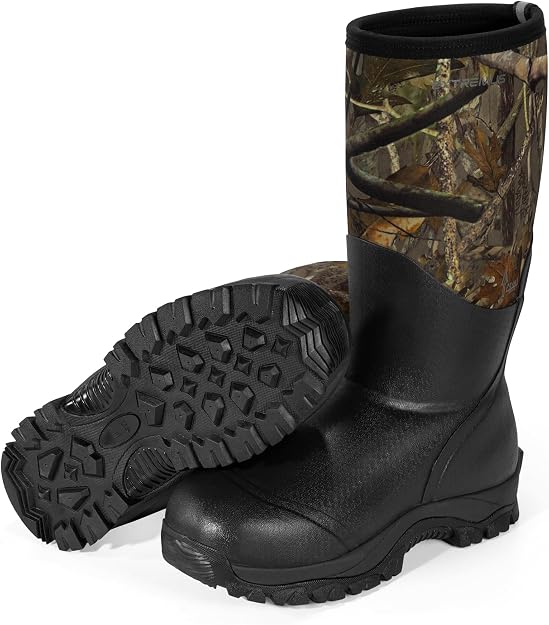
Extremus MudRidge Waterproof Insulated Hunting Boots deliver reliable warmth and durability for cold weather hunting. Designed to keep your feet dry and comfortable in wet, snowy conditions, they suit hunters needing solid insulation combined with effective waterproofing. Their standout strength is the 400g insulation that handles winter’s chill well.
Putting these boots on is straightforward thanks to their rain boot form, offering a roomy round toe for comfort during long hours in the field. Wearing them day-to-day involves less worry about moisture thanks to the waterproof design.
The flat heel provides stability on uneven, slippery terrain, while the original forest color helps with blending into natural surroundings.
Performance-wise, the boots maintain warmth and dryness effectively across winter hunts, making them dependable in harsh environments. Build quality supports heavy-duty wear, backed by strong, waterproof materials.
Common praise highlights their insulation and comfort, while a noted drawback is the bulkiness some feel when maneuvering through dense brush or tight spaces.
The boots are praised for their warmth and ability to keep feet dry during winter hunts. Some find them bulky and less suited for agile movement through thick vegetation.
Hunters prioritizing waterproof insulation and stability will appreciate these boots. Those needing lightweight, nimble footwear might seek other options better suited for active terrain.
Pros
- 400g insulation keeps feet warm in cold weather
- Waterproof design prevents moisture entry
- Flat heel offers steady footing on slippery grounds
- Round toe allows comfortable toe movement
Cons
- Bulky in dense brush or tight spaces
- May feel heavy during extended walks
| Specification | Details |
|---|---|
| Color | 400g Insulated – Original Forest |
| Toe Style | Round Toe |
| Boot Form Type | Rain Boot |
| Heel Type | Flat |
| Seasons | Winter |
| Style Name | Hunting Boots |
11. NORTIV 8 Waterproof Hiking Winter Snow Boots
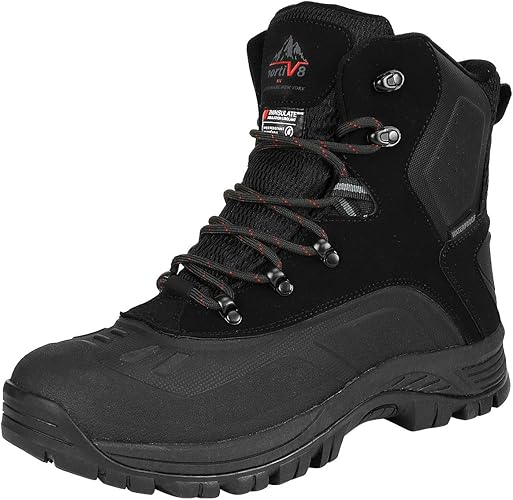
Kicking around in snow or slushy trails, these boots keep feet dry and warm without feeling bulky. They suit cold-weather hikers who need reliable waterproofing and solid insulation but prefer a low-top design that isn’t cumbersome.
The biggest strength lies in how well they handle moisture and cold, making outdoor time much more comfortable.
Lacing them up is straightforward, and the low-top style offers freedom of movement while still delivering winter protection. The closed toe design keeps out snow, and the waterproof feature really holds up, even on soggy hikes.
They feel sturdy on your feet but don’t weigh you down, which helps during longer walks or quick trips outdoors.
Built as snow boots with a solid pattern and no heel, they perform reliably in cold, wet conditions. The waterproofing works well to keep feet dry, and the closed toe adds to protection. Some remarks mention they could use better ankle support, but most appreciate the warmth and comfort during winter outings.
Cleaning is simple since the surfaces don’t attract much dirt.
The boots keep feet dry and warm throughout snowy and wet conditions, but some users point out the limited ankle support as a downside. They combine practicality with comfort, making them easy to clean and dependable in winter weather.
Those who want light, waterproof boots for cold trails without heavy ankle coverage will find these suitable. Anyone needing better support or a higher-cut boot for more extreme hiking should look at other options.
Pros
- Effective waterproofing for wet winter conditions
- Low-top style offers good ankle mobility
- Closed toe protects against snow and cold
- Lightweight yet warm for longer wear
Cons
- Lacks strong ankle support for rugged terrain
- Design may feel too basic for some users
| Specification | Details |
|---|---|
| Color | Black/1 |
| Toe Style | Closed Toe |
| Boot Form Type | Snow Boot |
| Heel Type | No Heel |
| Seasons | Winter |
| Style Name | Low-top |
12. ArcticShield over the Boot Insulators

ArcticShield Over The Boot Insulators work well for hunters facing cold, windy conditions, offering solid warmth without heavy boots. Their biggest advantage is patented heat retention technology, making them ideal for anyone wanting to keep feet warm over regular boots without bulk.
Putting these insulators on is straightforward. They slip over your existing boots with a draw cord to tighten the fit and a locking zipper to hold them in place. The material is windproof and water resistant, which means you’re getting protection against bad weather while keeping everything lightweight and packable enough to fit into a pocket or backpack.
Available in various sizes, it’s best to size up if planning to wear over thick boots.
Insulation performance is reliable for cold weather thanks to patented heat retention. The polyester fabric is durable, but some users find sizing tricky, especially between sizes. Positive points include easy packing and decent weather resistance.
Draw cord and zipper provide a snug fit, though these components add some complexity to putting them on quickly.
These insulators provide solid warmth and protect well against wind, relying heavily on heat retention technology. Most users praised the packing convenience and lightweight feel while noting some difficulty getting the right size and the extra effort needed for zipper and draw cord adjustments.
Cold-weather hunters who want to add warmth without switching boots will appreciate these insulators. People needing quick on/off abilities or those unsure about sizing might prefer other solutions that fit more directly to boots.
Pros
- Patented heat retention technology
- Windproof and water resistant fabric
- Lightweight and easy to pack
- Draw cord and locking zipper for snug fit
Cons
- Sizing can be tricky, especially between sizes
- Zipper and draw cord make putting on slower
| Specification | Details |
|---|---|
| Material | 100% polyester tricot fabric |
| Weight | 12.96 ounces |
| Item Dimensions | 17.25 x 6.75 x 3.25 inches |
| Package Weight | 0.61 kg |
| Sizes Available | Small to 2X-Large, including X-Large (12-13) |
13. ROCKY Retraction 800G Insulated Waterproof Boot

Rocky Retraction 800G boots come in Realtree Xtra camouflage, built tough as waterproof work boots suited for cold weather hunting. Their standout feature is the 800 grams of insulation, designed to keep feet warm when the temperature drops significantly. Hunters prioritizing warmth without sacrificing durability will find these boots especially fitting.
Putting these boots on is straightforward with the round toe and western heel design, allowing a comfortable fit for long hours outdoors. The waterproof shell holds up in wet conditions, while the Realtree Xtra pattern helps blend in naturally with forest environments. The boots perform well across all seasons, making them a consistent choice regardless of weather changes.
Made like work boots, they take rugged wear in stride while maintaining insulation through the cold. Reviewers often praise how well they keep feet warm and dry. On the downside, some mention they feel a bit bulky and heavier compared to other hunting boots, which can slow down movement on long treks.
The strongest point is its ability to maintain warmth and dryness with 800 grams of insulation and waterproof build. The most frequent complaint is about the weight and bulkiness, which affects mobility during extended time on foot.
Hunters who need warmth and protection in cold, wet environments will be satisfied with these boots. Those prioritizing lightness and agility should consider other options better suited for fast, long-distance travel.
Pros
- 800 grams of insulation for extreme cold
- Waterproof to keep feet dry in wet conditions
- Durable work boot construction
- Camouflage pattern blends in with surroundings
Cons
- Boots feel bulky during long walks
- Heavier weight compared to lighter hunting boots
| Specification | Details |
|---|---|
| Color | Realtree Xtra |
| Toe Style | Round Toe |
| Boot Form Type | Work Boot |
| Heel Type | Western Heel |
| Seasons | All |
| Pattern | REALTREE XTRA |
Best Hunting Boots for Cold Weather Comparison Table
| Product | Season | Boot Form Type | Insulation Level | Heel Type |
|---|---|---|---|---|
| MUCK Arctic Pro Boots | All | Work Boot | – | No Heel |
| TIDEWE Rubber Hunting Boots | Winter | Rain Boot | 800g | Flat |
| ROCKY Blizzard Stalker Boots | All | Hiking Boot | – | Block Heel |
| ROCKY Sport Utility Boots | All | Hiking Boot | – | Western Heel |
| MUCK Mossy Oak Woody Max | Fall | Work Boot | – | No Heel |
| Hunthor Waterproof Hunting Boots | All | Rain Boot | – | Platform Heel |
| Hunthor 1600G Hunting Boots | Winter | Snow Boot | 1600g | Flat |
| Hunthor Xerogel Insulated Boots | All | Snow Boot | – | Flat |
| Guide Gear Leather Extreme Boots | All | Leather Boot | – | Flat |
| Extremus MudRidge Hunting Boots | Winter | Rain Boot | 400g | Flat |
| NORTIV 8 Hiking Snow Boots | Winter | Snow Boot | – | No Heel |
| ArcticShield Boot Insulators | – | Boot Insulators | – | – |
| ROCKY Retraction 800G Boots | All | Work Boot | 800g | Western Heel |
- SeasonAll
- Boot Form TypeWork Boot
- Insulation Level–
- Heel TypeNo Heel
- SeasonWinter
- Boot Form TypeRain Boot
- Insulation Level800g
- Heel TypeFlat
- SeasonAll
- Boot Form TypeHiking Boot
- Insulation Level–
- Heel TypeBlock Heel
- SeasonAll
- Boot Form TypeHiking Boot
- Insulation Level–
- Heel TypeWestern Heel
- SeasonFall
- Boot Form TypeWork Boot
- Insulation Level–
- Heel TypeNo Heel
- SeasonAll
- Boot Form TypeRain Boot
- Insulation Level–
- Heel TypePlatform Heel
- SeasonWinter
- Boot Form TypeSnow Boot
- Insulation Level1600g
- Heel TypeFlat
- SeasonAll
- Boot Form TypeSnow Boot
- Insulation Level–
- Heel TypeFlat
- SeasonAll
- Boot Form TypeLeather Boot
- Insulation Level–
- Heel TypeFlat
- SeasonWinter
- Boot Form TypeRain Boot
- Insulation Level400g
- Heel TypeFlat
- SeasonWinter
- Boot Form TypeSnow Boot
- Insulation Level–
- Heel TypeNo Heel
- Season–
- Boot Form TypeBoot Insulators
- Insulation Level–
- Heel Type–
- SeasonAll
- Boot Form TypeWork Boot
- Insulation Level800g
- Heel TypeWestern Heel
How to Choose the Right Cold Weather Hunting Boots
Choosing the right cold weather hunting boots means focusing on insulation, waterproofing, and comfort to keep feet warm and dry during long hours outdoors. Getting these factors right prevents frostbite, blisters, and unnecessary replacements, ultimately saving money and ensuring a better hunting experience.
Insulation and Warmth
Spending hours outside in freezing temperatures highlights the importance of insulation in maintaining warmth. Boots with poor insulation let cold seep in quickly, leading to numb toes and discomfort that ruins focus.
Common insulation types include Thinsulate, PrimaLoft, and wool linings; each varies in thickness and warmth-to-weight ratio. A typical warmth rating for extreme cold boots is around 400-800 grams of insulation, enough to stay comfortable in sub-zero conditions.
Breathability also plays a key role. Without it, sweat accumulates inside, making feet damp and cold. Materials that balance heat retention and moisture escape, like synthetic insulations paired with breathable linings, prevent this problem.
A boot that keeps heat in but moisture out is essential for long outings in harsh weather to avoid frostbite and blisters.
Waterproofing and Weather Resistance
Encounters with snow and slush show how a boot’s waterproofing can make or break a day outside. Boots with Gore-Tex or similar waterproof membranes create a reliable barrier against moisture but still allow sweat to escape.
On the other hand, boots relying solely on water-repellent coatings tend to lose effectiveness quickly after repeated wears or exposure to heavy wetness.
Seam sealing and reinforced zipper areas boost a boot’s ability to keep out water. Look for fully taped or welded seams and waterproof gussets to avoid leakage points. Wet feet not only cause discomfort but can lead to numbness and frostbite in freezing conditions.
Proper waterproofing means dry feet even after trekking through wet terrain for hours.
Comfort and Fit
Finding a pair that fits well makes long days comfortable and prevents foot pain or blisters. Different widths and half sizes allow better accommodation of foot shape. Boots with good cushioning and built-in arch support help reduce fatigue when walking over uneven ground.
Weight matters too, heavier boots tire legs faster, especially when carrying gear. Boots made from lightweight materials that still provide warmth and protection are easier to wear all day. Flexibility in the sole ensures natural foot movement without stiffness.
A boot that fits right and supports well changes hunting trips from exhausting to manageable.
Traction and Sole Durability
Slipping on icy or muddy paths shows how critical the tread design and sole quality are. Deep, multi-directional lugs in rubber soles usually deliver good traction.
Some soles incorporate softer compounds that grip better on ice but wear faster. Durable materials hold up over seasons without significant loss of traction.
For hunters using crampons or spike accessories, soles must have enough clearance and firmness for secure attachment. A sole that combines grip, durability, and accessory compatibility is vital for safe movement across varied winter terrain.
Quietness and Noise Reduction
Movement noise can easily give away a hunter’s position. Boots with rubber or EVA soles designed to absorb sound reduce footstep noise on dry or frozen surfaces.
Materials that don’t harden excessively in the cold help silence impacts.
Quiet construction also means reducing creaks from stitching and rubbing parts inside the boot. Attention to flexible leather and softly clashing components cuts down distractions. Staying undetected is simpler when the footwear is engineered for minimal noise.
Proper Care and Maintenance to Extend the Life of Cold Weather Hunting Boots
Cleaning your boots promptly after each hunt prevents dirt and moisture from degrading the materials. Use a soft brush to remove mud and debris, then wipe with a damp cloth.
Allow boots to dry naturally away from direct heat sources to avoid cracking the leather or synthetic fabrics.
Applying waterproof treatments regularly keeps moisture out and maintains insulation properties. Check for damaged seams or soles and repair them to keep your feet dry and warm.
Proper storage also plays a role, storing boots in a cool, dry place with room to breathe prevents mold and odor buildup.
- Avoid prolonged exposure to salt or snow chemicals that can damage leather
- Remove insoles and laces for full cleaning and drying
- Condition leather parts periodically to keep them supple
Consistent care can significantly extend the lifespan of your cold weather hunting boots, ensuring reliable performance season after season.
Safety Considerations When Using Hunting Boots in Extreme Cold Conditions
Traction is critical when walking on ice and snow. Many hunting boots feature lugged soles designed to grip slippery terrain, but adding compatible traction devices can improve stability further.
Proper insulation should balance warmth without causing overheating, which leads to sweating and cold feet.
Fit is also a safety factor. Boots that are too tight restrict circulation, increasing the risk of frostbite. Too loose, and they can cause blisters or reduce balance.
Layering with moisture-wicking socks helps manage sweat and reduces cold-related injuries.
- Check boots for signs of wear that can compromise cold protection
- Use boots rated for temperatures you expect to encounter
- Be mindful of how boots interact with your gaiters or bindings for hunting equipment
Proper footwear preparation supports both comfort and safety during cold weather hunts.
Comparing Insulated Hunting Boots with Alternative Cold Weather Footwear Options
Insulated hunting boots typically use materials like Thinsulate or wool linings that trap body heat while remaining lightweight. These boots are designed specifically for extended outdoor use in cold, wet environments.
By contrast, some hunters opt for layering multiple thinner socks inside uninsulated boots, gaining flexibility in temperature management.
Other alternatives include mountaineering boots or winter work boots. These may offer better waterproofing or ruggedness but might sacrifice some mobility or breathability. Athletic-style winter boots can be lighter but often lack the durability needed for rough trails and heavy brush.
- Insulated boots generally provide consistent warmth without bulk
- Alternative footwear might require additional gear like gaiters or liners
- Consider the terrain and expected weather conditions when choosing
Hunting boots built for cold weather serve well in their intended conditions, but alternative options can fit different priorities or budgets.
People Also Asked
How Do I Choose the Right Size Cold Weather Hunting Boots?
Pick boots with enough room for thick wool socks without feeling tight. Trying them on at the end of the day is best since feet swell as you move around, helping ensure comfort during long hunts.
What Are the Best Ways to Care for Cold Weather Hunting Boots?
Clean off mud or debris after each use and apply a water-repellent treatment regularly. Storing boots in a cool, dry place helps prevent mold and keeps the insulation intact.
Can Cold Weather Hunting Boots Keep My Feet Dry and Warm?
Cold weather hunting boots usually have insulation and waterproof layers that keep feet warm and dry in wet or snowy conditions. Removing liners after use allows them to dry fully, preventing dampness inside.
How Long Do Insulated Hunting Boots Typically Last with Regular Use?
Insulated hunting boots typically last a couple of hunting seasons with regular use, but this depends on terrain and maintenance. Replacing worn-out insoles can extend comfort without needing new boots right away.
What Common Problems Should I Watch for with Cold Weather Hunting Boots?
Watch for sole wear and separation, lost waterproofing, and compressed insulation reducing warmth. Treating the boots for moisture regularly and avoiding excessive exposure to rough terrain can delay these issues.
Conclusion
Choosing the right hunting boots for cold weather means focusing on insulation, waterproofing, and comfort. Good insulation keeps your feet warm without overheating.
Waterproof materials prevent moisture from getting in, which is crucial for long days in snow or wet terrain. Comfort is important for extended wear, so look for boots that fit well and support your feet.
Consider how often you will use the boots and the type of terrain you’ll be in to pick one that fits your budget and needs. Spend time reviewing the comparison table and detailed picks above to find the boots that best match your hunting conditions and preferences.