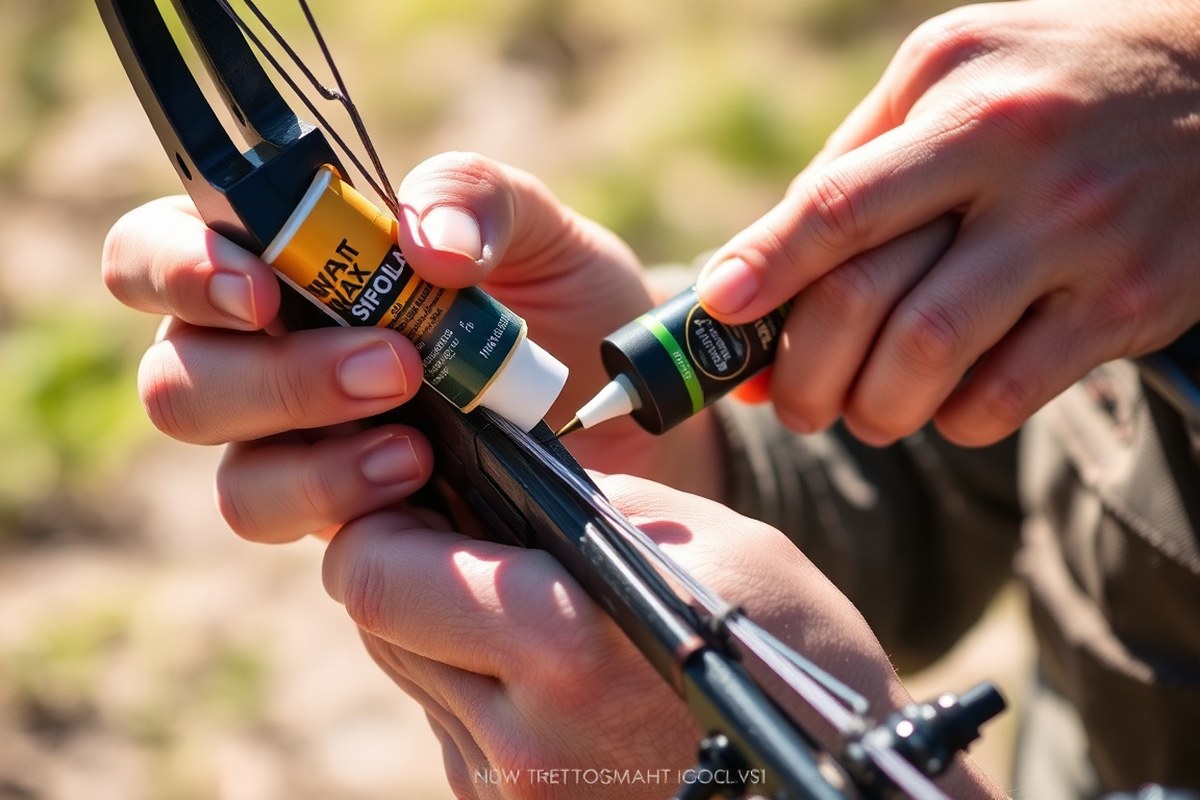
How to Wax Crossbow Strings Properly: Simple Steps for Longer Life
To wax your crossbow string properly, apply a light bead of bowstring wax along the exposed strands and rub it in until conditioned. Avoid waxing the center serving, as it can cause damage. This simple step helps protect your string and cables from moisture and wear, extending their life and maintaining performance.
Crossbow owners looking to keep their equipment in good shape will find clear advice on when and how to wax strings safely. You’ll also learn how often to wax, which wax to choose, and how waxing fits into your overall crossbow maintenance routine.
Key Takeaways
- Apply bowstring wax every 75 shots or more often in wet or rough conditions to extend string life.
- Never apply wax to the center serving to avoid weakening the string’s critical support area.
- Use a quality bowstring wax designed for crossbows to seal and condition your string strands effectively.
- Rub wax into the string fibers for 2 to 3 minutes until strands look well-conditioned and burnished.
- Replace your string and cables at least every 2 years regardless of visible wear or waxing frequency.
- Keep string wax separate from rail lube by applying each only to their appropriate parts to reduce friction and damage.
How to Wax Your Crossbow String and Cables Safely
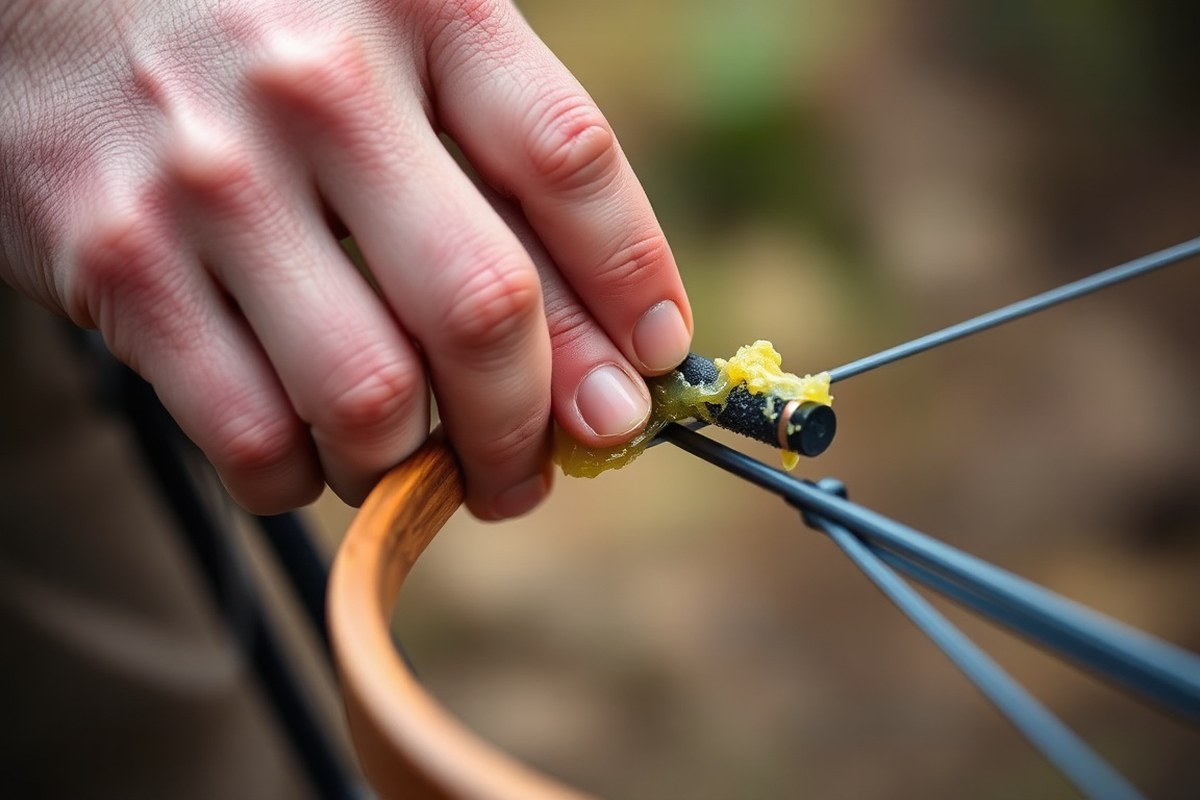
Waxing your crossbow string and cables correctly involves applying bowstring wax only to the exposed strands and cables, avoiding the center serving and trigger box areas. Keeping the string and cables well waxed conditions the fibers, protects against moisture, and prevents fraying, which helps extend their lifespan and maintains reliable performance.
Prepare Your Crossbow and String
Start by uncocking your crossbow safely to prevent any tension on the string during waxing. Clean the string and cables to remove dirt, debris, or old wax residue that could affect waxing quality. Having a clean workspace with a soft cloth and your bowstring wax ready makes the process smoother.
- Uncock the crossbow carefully according to the manufacturer’s instructions, ensuring no tension remains on the string or cables.
- Wipe down the string and cables with a dry, clean cloth to remove dirt and dust.
- Inspect the string and cables for any signs of damage or excessive wear before applying wax.
Apply Wax Evenly to Strings and Cables
Use a bowstring wax stick designed for crossbows to apply a thin, even coating along the full length of the exposed string strands and cables. Avoid the center serving, the wrapped section that contacts the flight rail, as wax buildup there can interfere with the trigger mechanism and cause premature wear. Apply wax gently, running the stick up and down the twisted strands.
- Hold the wax stick firmly and run a light bead of wax along one section of the string, moving from the end loops toward the center.
- Cover the entire length of the string strands, including cable strands if applicable, except the center serving and the areas directly above the flight rail.
- Repeat the process slowly to ensure all exposed fibers have a thin coat of wax without layering too heavily.
Work in and Buff Off Excess Wax
After applying wax, rub it gently into the fibers using your fingers. This helps the wax penetrate deep into the strands, sealing the fibers and providing moisture resistance. Follow by buffing the string with a clean cloth to remove any excess wax that could build up and attract dust or cause gumming, especially near the trigger box. Avoid applying wax on the center serving and flight rail areas to prevent mechanical issues.
- Use your fingertips to massage the wax firmly into the string and cable strands, covering the fibers evenly.
- Take a soft, clean cloth and buff the waxed areas to remove any remaining surface wax, leaving a smooth, dry finish.
- Check carefully for any wax deposits near the center serving or trigger box, wiping those areas free to avoid buildup.
How Often Should You Wax Your Crossbow String?
Waxing your crossbow string and cables regularly is essential for maintaining their condition and extending their lifespan. The frequency depends primarily on how often you shoot, the weather conditions you encounter, and the type of crossbow you have. Wax keeps the fibers from drying out and fraying, which can reduce string strength and safety.
Shooters often follow waxing intervals ranging from every 5 to 10 shots to every few weeks, depending on use intensity. Target archers typically wax every two to three weeks, while hunters might apply wax before the season and immediately after shooting in wet conditions. Cold, dry weather causes strings to lose moisture faster, pressing the need for more frequent waxing. Conversely, in humid environments, daily moisture can help preserve the string, but rain or water exposure still requires immediate waxing after drying.
| Use Condition | Recommended Waxing Interval |
|---|---|
| Heavy shooting (target practice, 5, 10 shots) | Wax after every 5-10 shots |
| Moderate hunting use | Wax once every 2, 3 weeks |
| After exposure to rain or humidity | Wax immediately after drying |
| Before storage and after long-term storage | Wax thoroughly before and after storage |
| Cold, dry weather | Increase waxing frequency, about weekly |
| Warm, humid environment | Wax when string stops feeling tacky or after wet use |
Using this schedule helps prevent the string from drying out, which can shorten its life by about 20%. Two simple but effective habits are critical: apply wax before the string feels dry and replace the string or cables before they show significant wear. Regular waxing prevents damage and costly early replacements, such as buying new strings and cables that can range between $40 and $60 depending on the model.
Never attempt to apply bowstring wax while your crossbow is cocked or loaded, as this can cause injury or damage.
Track your shooting and environmental conditions to decide when to wax your crossbow’s string and cables. If you notice your string losing its tacky feel, or after any time it has been exposed to rain or heavy humidity, apply wax promptly. Before putting your crossbow into storage, wax everything thoroughly to avoid moisture damage during downtime. Following these rules helps maintain safe, reliable performance season after season.
What Type of Wax Is Best for Crossbow Strings?
For crossbow string maintenance, using a dedicated bowstring wax is the best choice. This wax softens and protects the fibers, preventing dryness and fraying. Alternatives like candle wax or lip balm can damage the string or offer inadequate protection.
Bowstring Wax vs Alternatives
Bowstring wax is specially formulated to maintain the integrity of synthetic fibers in crossbow strings and cables. It usually comes in a stick similar to deodorant, making it easy to apply evenly. Unlike candle wax, which can be too hard or brittle, or lip balm that contains additives and oils not suited for synthetic fibers, bowstring wax penetrates deeply without leaving residue that attracts dirt.
Using candle wax or lip balm may cause the string fibers to become sticky or attract grime, which leads to faster wear. Candle wax often has a lower melting point that can make it soft in hot conditions, while lip balm lacks the protective agents needed to prevent fiber drying. Applying the wrong wax risks reducing the lifespan of your bowstring or cables and can result in unsafe string conditions.
Features to Look for in Good Wax
Choose a bowstring wax with water resistance to help prevent moisture from breaking down the fibers. A melting point that stays solid through typical outdoor temperatures (usually above 120°F) ensures the wax remains effective in heat. The wax’s texture should be smooth but firm enough to allow controlled application in thin layers without clumping or flaking.
Many quality waxes are designed to restore the ‘thirsty’ gray fibers back to a healthy, protected state after waxing. They typically do not contain perfumes or additives that could degrade synthetic materials. Consistent use restores the bowstring’s flexibility and helps avoid the dry, chalky appearance that signals fiber deterioration.
| Wax Type | Texture/Form | Water Resistance | Melting Point | Typical Cost | Effect on String Fibers |
|---|---|---|---|---|---|
| Dedicated Bowstring Wax | Stick (like deodorant) | High | Above 120°F | $7, $15 per stick | Softens and protects synthetic fibers |
| Candle Wax | Solid block or stick | Low | Varies; often below 120°F | $1, $5 per candle | Can be brittle or sticky; attracts dirt |
| Lip Balm | Stick or pot | Low | Melts at body temperature (~95°F) | $3, $8 per tube | Contains additives; may degrade fibers |
Good quality wax not only protects but also extends the life of your crossbow string, preventing premature fraying. Avoid cheaper substitutes as they often lead to increased maintenance or replacement costs down the road.
Where to Buy and Cost Expectations
You can purchase reliable bowstring wax at archery pro shops, sporting goods stores, and popular online retailers specializing in bowhunting or archery equipment. Look for brands used by experienced crossbow users or recommended by trusted manufacturers for best results. Typical prices range from $7 to $15 per stick, which lasts multiple waxing sessions depending on frequency and amount applied.
Buying from a reputable source ensures you get the correct product formulated for synthetic strings rather than hardware or candle wax that may be cheaper but harmful. Some crossbow parts sellers also bundle wax with other maintenance items. Watch for shipping costs and delivery times if ordering online to have your wax ready when needed for regular maintenance.
Why You Should Never Wax the Center Serving on Your Crossbow String
The center serving on your crossbow string is the tightly wrapped section that runs over the rail and holds the arrow in place at the nocking point. Its main function is to protect the underlying strands of the string from abrasion and friction against the rail, making sure the string maintains structural integrity and consistent shooting accuracy. This serving undergoes more wear than any other part of the string because it slides rapidly along the crossbow rail with every shot.
Applying wax directly to the center serving can cause more harm than good. Wax attracts grit and dirt, turning the rail’s contact surface into an abrasive that wears the serving down faster. Instead of protecting the string, this buildup can cause the center serving to slide, open up, or develop gaps. When that happens, the string strands underneath are exposed and wear quickly, which leads to inconsistent shot grouping and drifting zero. When the center serving gets damaged, repairs cost around £2, but ignoring wear could cause expensive damage or personal injury from misfired arrows.
To care properly for the center serving, avoid waxing it altogether. Concentrate your waxing efforts on the string strands beyond the center serving to maintain flexibility and water resistance. Use a dedicated rail lubricant on the flight rail to reduce friction. Rail lube prevents buildup and protects the serving by keeping the rail smooth without introducing abrasive particles. Check the center serving regularly for signs of wear or separation, especially where the arrow nocks. Should any problems appear, get the serving repaired or replaced without delay. This approach extends the life of your center serving and ensures consistent performance and safety.
This means refraining from heavy waxing or applying waxy substances on the wrapped section. Instead, focus on routine inspections and moderate rail lubrication. Proper maintenance balances protection with preventing abrasive grit accumulation. Treat the center serving as a critical but delicate protective layer rather than just another part to wax. The result is a longer-lasting, more reliable crossbow string that holds zero shot after shot with minimal need for servicing.
How to Tell When Your Crossbow String Needs Waxing or Replacement
Your crossbow string needs waxing when it looks dry, feels fuzzy, or the fibers are brittle. Regular waxing prevents wear and exposure to elements, which keeps the string strong and flexible. Skipping waxing causes the string to lose performance quickly and shortens its lifespan. Wax adds a protective layer that reduces friction and prevents the fibers from breaking down. With proper waxing, you can boost the lifespan of your string, but even well-maintained strings usually need replacing every two years.
Signs that your string requires replacement, not just waxing, include deep fraying, cut or broken fibers, and noticeable thinning of the strands. These are serious problems that can lead to string failure during use, which is dangerous. Strings and cables wear together, so if you replace one, replace the other as a matched set. String replacement often requires special tools and a press, so most people take it to a shop to avoid damage or injury.
- The string looks fuzzy and dry but has no deep frays or broken strands: wax it immediately.
- Fibers are brittle or the string feels rough to the touch: wax to restore some flexibility.
- Visible cuts, broken strands, or significant thinning: replace the string right away.
- When the cable shows similar wear as the string, you should replace both at the same time.
- After long use or hunting season, clean and dry the string before waxing for the best results.
Not waxing your crossbow string regularly allows moisture and dirt to penetrate the fibers, causing them to weaken faster. This leads to loss of tension and accuracy, increasing the chance of a string snapping under tension. Neglect also means more frequent and costly string replacements. Using oil on the crossbow rail reduces friction on the string serving, lowering wear in combination with regular waxing.
Check your string before every season and after heavy use; wax dry or fuzzy strings and replace any with cuts or frays to avoid accidents.
Crossbow String Waxing Safety and Maintenance Best Practices
Waxing your crossbow string requires a careful approach to safety and maintenance to avoid damage and ensure reliable performance. Never wax a string while the crossbow is cocked; storing it cocked for days or weeks puts unnecessary stress on the limbs, string, and trigger mechanism. This stress can lead to premature wear or failure, presenting a safety hazard. Always uncock your crossbow first by safely releasing the string according to your manufacturer’s instructions before applying wax. This practice reduces tension and prevents accidental firing while you work.
Another critical safety aspect is to avoid getting wax on the trigger box or the serving. Wax migrating into the trigger box can trap dirt and grit over time, which degrades the trigger’s performance and may cause it to stick or malfunction. The serving is the tightly wound center portion of the string; waxing this area can reduce its durability and increase dirt retention, accelerating wear on the string. To protect these parts, apply wax only on the exposed parts of the string and cables, carefully excluding the trigger box and center serving.
- Always uncock your crossbow fully before waxing the string and cables
- Avoid applying wax near or on the trigger box to prevent grime buildup
- Do not wax the center serving on the string as it reduces serving durability
- Inspect the string and cables regularly for fraying, wear, or damage
- Use only crossbow-approved string wax and follow product instructions
- Store the crossbow uncocked in a cool, dry place to prevent limb stress
- Clean debris from the string and trigger box before waxing to avoid trapping dirt
Routine inspections are essential to catch signs of wear early. Look for frayed strands, loss of wax coating, or discoloration. If you notice damaged or worn components, replace them immediately to avoid accidents. Regular maintenance, including waxing and cleaning, helps extend the life of your crossbow and keeps it operating safely throughout the hunting season. While maintenance of a crossbow is typically less burdensome than a traditional bow, the risks from neglecting these important safety steps can quickly outweigh the effort required.
Additional Crossbow Care: When to Use Rail Lube vs String Wax
Rail lube and string wax serve distinct purposes on a crossbow. Rail lube reduces friction between the rail and the string, protecting both from premature wear. String wax, on the other hand, conditions the string and cables to keep the fibers supple and prevent them from drying out or fraying.
Rail lube is not the same as string wax. Crossbow rail lube is specifically formulated to stay in place on the rail and withstand the constant sliding of the string. It usually appears thick and tacky. String wax is softer, designed to be rubbed directly onto the string fibers without causing buildup. Using string wax on the rail can cause excessive residue that slows the string, while using rail lube on strings can degrade the fibers. Here is a comparison table showing the main differences and recommended schedules for each:
| Feature | Rail Lube | String Wax |
|---|---|---|
| Purpose | Reduce friction between string and rail | Protect and condition string fibers and cables |
| Formulation | Thick, tacky lubricant designed for rail contact | Soft wax suitable for fiber conditioning |
| Application Location | Rail surface from string stops halfway towards trigger | Entire length of strings and cables; avoid center serving |
| Frequency | Every 75-100 shots or monthly during heavy use | Every 75-100 shots or monthly during heavy use |
| Application Method | Apply sparingly with fingers or applicator, spread evenly | Rub wax bar along string then massage in with fingers |
| Cost | Typically $5-$10 for a small tube (1-2 oz) | $5-$15 for wax bars, lasting for many applications |
| What Can Go Wrong | Over-lubing causes string slippage or dirt accumulation | Waxing center serving weakens string; too little wax causes fraying |
Applying rail lube should be done with care to keep your fingers well clear of the string path. Start at the string stops and move halfway down the rail toward the trigger. Use only a small amount, just enough to leave a thin, even layer. Overapplication can attract dirt and cause string slippage. Regularly lubricating the rail ensures smoother string travel and prolongs rail life.
For the string wax, firmly rub a wax bar along the length of both the string and cables, avoiding the center serving where the nocking point resides. Then lightly massage the wax into the fibers with your fingers. This helps maintain string elasticity and prevents damage from abrasion or dryness. Waxing frequency roughly matches rail lube schedules, every 75 to 100 shots or about once a month during peak hunting or shooting seasons.
How to Combine Waxing with Regular Crossbow Maintenance
Waxing your crossbow string is only one part of keeping your bow in peak condition. Pair waxing with regular inspections, cleaning, bolt checks, and proper storage to maintain the overall performance and longevity of your crossbow. Following a clear maintenance routine protects your investment and ensures safety during use.
Inspect and Clean Before and After Waxing
Removing dirt and checking for damage keeps your string and cables in good shape. Use a clean, dry cloth or a soft brush to clear away debris before applying wax. Carefully look for any frays, fuzziness, or discoloration, which can indicate wear or damage that needs attention.
Cleaning after waxing is just as important to prevent wax build-up and dirt accumulation, which could affect performance. Before each shooting session, inspect your string for signs of dryness or damage.
- Use a soft brush to gently remove dust, dirt, and grit from the string and cables.
- Wipe with a dry, clean cloth to remove fine particles.
- Check every inch of the string and cables for fuzziness, frays, or discoloration.
- Look over the limbs and cams for cracks or other damage.
- Repeat inspection and cleaning after waxing is complete and dry.
A dry, dirty string wears out faster and reduces accuracy; keep it clean and slightly tacky with wax for best results.
Tighten Screws and Check Bolts
Loose bolts and screws can cause misalignment and safety hazards. Keep a proper screwdriver or hex key handy and check the tightness of your crossbow’s bolts every 50 to 100 arrows fired. Focus on limb bolts, rail screws, scope mounts, and stirrup bolts. Doing this regularly prevents accidents and maintains consistent performance.
Always refer to your owner’s manual for torque specifications, as overtightening can cause damage. A quick check before each session saves time and ensures safety on the range or in the field.
- Gather the correct hex keys and screwdrivers specified for your model.
- Examine each bolt and screw for looseness or wear.
- Tighten them firmly but avoid overtightening.
- Record when you perform bolt checks to track maintenance intervals.
Checking bolts regularly reduces the risk of mechanical failure during shooting, which can lead to injury or equipment damage.
Proper Crossbow Storage Tips
Store your crossbow in a cool, dry place where temperature and humidity levels won’t damage the strings or other components. Avoid leaving it exposed to direct sunlight, moisture, or extreme temperatures, all of which accelerate wear. A gun safe or padded case in a climate-controlled room works well.
Always take your crossbow out of its case before shooting sessions to inspect and maintain it. Proper storage helps maintain string tackiness from wax and prevents corrosion or limb warping.
- Choose a storage area with stable temperatures below 85°F (29°C) and low humidity.
- Keep your crossbow off the floor to avoid moisture exposure.
- Store it in a padded case or secure gun safe to prevent accidental damage.
- Remove the string if you plan long-term storage as recommended by the manufacturer.
- Inspect the string for wax condition before storing to ensure it is protected.
Improper storage can cause your string to dry out, lose elasticity, or develop mildew, shortening its lifespan significantly.
Know When to Seek Professional Help
Crossbow strings usually require a press and specialized fixtures for replacement, so most owners should not attempt this themselves. Contact a licensed technician if you notice significant fraying, broken strands, or if the string fails energy or length tests described in the owner’s manual. Also seek professional repair advice after any dry fire, as this can cause hidden damage to strings, cables, limbs, or cams.
Having an expert inspect and replace strings can cost between $50 and $150, depending on the crossbow model and service provider. Early professional repairs save money by preventing more extensive damage.
- Inspect your string for severe fraying, fuzziness, or discoloration after each shooting session.
- Check for any unusual sounds or reduced bow performance.
- Contact a certified crossbow technician if you detect damage or after a dry fire.
- Schedule routine professional inspections based on your manufacturer’s recommendations or usage volume.
Attempting string replacement without proper tools and expertise risks damaging your crossbow and voiding warranties; trust a professional technician.
Step-by-Step Action Plan for Waxing Your Crossbow String
Follow these steps to keep your crossbow string in top shape and extend its lifespan through proper waxing and maintenance.
- Before Your First Use: Apply a thin layer of specialized crossbow string wax along the entire length of the string and cables, avoiding the center serving. Check that the wax evenly coats the fibers without clumps.
- After Every 5-10 Shoots: Inspect the string for dryness or fraying. When you notice rough spots, reapply wax there and rub it in with your fingers until smooth.
- Monthly Maintenance: Perform a thorough waxing session where you clean the string gently, then apply a fresh coat of wax from end to end. Confirm the string still feels flexible and protected.
- After Exposure to Harsh Weather: Dry your crossbow and inspect the string. When the string looks faded or stiff, re-wax it right away to protect against moisture and wear.
- When Not Shooting for Extended Periods: Wax the string before storage to prevent drying and cracking. Check the wax layer monthly during storage and refresh if necessary.
- Before Regular Use Each Season: Apply wax and check the rail for lubrication. Use rail lube alongside waxing for optimal performance.
- Every 6 Months: Consider replacing the string if you observe deep fraying, broken strands, or reduced string tension despite regular waxing.
Frequently Asked Questions
What Parts of a Crossbow Should You Wax?
You should wax the strings and cables, avoiding the center serving and cam servings, to keep the strands sealed and conditioned. Waxing the twisted strands protects them from moisture and wear without affecting critical components.
How Often Should You Wax Your Crossbow String?
Wax your crossbow string and cables about every 75 shots or every couple of weeks during the season. In wetter conditions, apply wax more often to maintain proper strand protection and performance.
What Type of Wax Is Best for Crossbow Strings?
Use a dedicated crossbow string wax designed to condition and seal string strands without leaving residue that attracts dirt. Avoid general-purpose waxes that can damage string fibers or affect serving areas.
Is It Necessary to Lubricate a Crossbow Along with Waxing?
Yes, lubricate the rail with proper rail lube every 12 to 15 shots to reduce friction, but do not use string wax on the rail or trigger box. Lube complements waxing by protecting different parts of your bow.
How Do You Avoid Damaging Your Crossbow When Waxing?
Never wax the crossbow while it is cocked; do it only when unstrung or uncocked. Always avoid waxing the center serving and cam servings to prevent reduced performance or damage.
Should You Wax Your Crossbow Before or After Shooting Sessions?
Apply a light coat of wax before each outing for strand protection, but do a full waxing and inspection after each session to ensure thorough maintenance and check for wear.
Before You Go
Maintaining your crossbow string with regular waxing is a simple but essential step to prolong its life and ensure reliable performance. Start by applying wax today, focusing on the string and cables but not the center serving. This straightforward care helps your crossbow stay smooth and prevents costly damage. Take a moment after your next session to inspect and wax your string, it’s a small effort that pays off in durability and safety.