Top 13 Best Police Scanner for Windows 10 You Can’t Miss!
Cheap or poorly chosen police scanners for Windows 10 often suffer from lagging audio, unclear signal reception, or complicated interfaces that frustrate users during urgent situations. The best police scanner for Windows 10 delivers quick, clear audio feeds without constant interruptions, which is critical when following live emergency broadcasts or local transmissions.
Reliable police scanners for Windows 10 usually stand out by offering stable software compatibility, strong signal processing, and straightforward controls. A good unit tends to work well with common audio formats and maintains a low CPU footprint, ensuring smooth multitasking. Signal reception quality hinges on an effective antenna setup and support for standard frequencies used by law enforcement, typically between 25 MHz and 512 MHz, while software should allow easy channel scanning and recording options for convenience.
Need a Quick Check?
| Image | Product | Price |
|---|---|---|
Our Top Picks 1  | Uniden Bearcat BC125AT | Check Price |
Our Top Picks 2 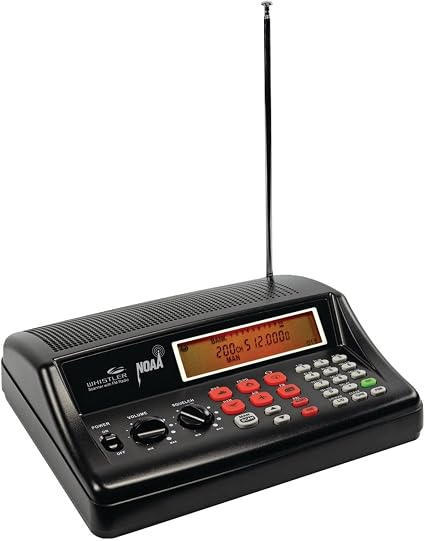 | Whistler WS1025 Analog Scanner | Check Price |
Our Top Picks 3  | Nooelec NESDR Mini Receiver | Check Price |
Our Selected Top 13 Police Scanner for Windows 10 Worth Buying
This list features a variety of police scanner applications designed for Windows 10, highlighting their usability and performance. Each review covers who the scanner is best suited for, along with its main advantages and potential drawbacks to help you make an informed choice.
1. Uniden Bearcat BC125AT Handheld Scanner
A compact design with 500 alpha-tagged channels is what stands out most for anyone looking to listen in on analog emergency frequencies. Ideal for those wanting to stay informed about local police and fire activity in areas without digital systems, it offers simple but effective scanning in a portable package.
Setting up the scanner is straightforward, thanks to its user-friendly digital display and Close Call RF capture technology, which helps you tune quickly to nearby signals. Runs on just 2 AA batteries, which last about 10 hours, making it easy to use throughout the day without constant recharging. The Do Not Disturb Mode is useful for avoiding interruptions during an active transmission.
Performance shines when picking up analog transmissions across a wide frequency range, though it does not support digital systems such as Project 25 or DMR. It feels sturdy enough for handheld use but isn’t water resistant, so care is needed outdoors.
Most users appreciate the instant frequency capture, while a common frustration is its inability to monitor newer digital signals in some cities.
The fastest signal capture through Close Call RF technology gets frequent praise for making it easy to tune in. Many note that the lack of digital scanning limits coverage in areas using newer trunked communication systems.
Those mainly interested in analog transmissions in smaller or rural areas will find this reliable and easy to use. Someone wanting to monitor digital and trunked radio systems should look for a scanner that supports those formats instead.
Pros
- Compact and easy to carry every day
- Quickly tunes to nearby signals with Close Call
- Clear digital display for simple navigation
- Long battery life for extended use
Cons
- Not compatible with digital radio systems
- Not water resistant for outdoor use
| Specification | Details |
|---|---|
| Number of Channels | 500 |
| Frequency Range | 25-54 MHz, 108-174 MHz, 225-380 MHz, 400-512 MHz (UHF) |
| Talking Range Maximum | 50 kilometer |
| Battery Type | 2 AA batteries (included) |
| Battery Average Life | 10 hours |
| Voltage | 3 volts |
2. Whistler WS1025 Analog Desktop Scanner
Designed for experienced users of desktop scanners, the Whistler WS1025 stands out by letting you prioritize channels during scans, making it easier to catch important communications quickly. It’s ideal for those wanting more control and detail than basic scanners offer.
Setup involves connecting through Bluetooth, which simplifies linking it with your Windows 10 system. Daily use centers on features like the priority channel, which checks one channel every two seconds, and the scan delay that pauses scanning to catch replies. The tune function helps discover new or unlisted frequencies, adding flexibility for active monitoring sessions.
Scanning performance reliably picks up analog signals with good clarity. The build feels solid and is aimed at frequent use, although some find the interface a bit dense at first.
The biggest praise involves its precision and tuning options, while some note a learning curve with the controls.
The priority channel and scan delay features help capture important communications clearly, which many appreciate. The most frequent complaint is the complexity of controls, leading to some frustration during initial setup and use.
Those with experience scanning and who want fine control over frequencies will benefit from this model. People new to scanning might prefer something simpler to start with before moving to this level of detail and function.
Pros
- Priority channel checks one every two seconds
- Scan delay allows hearing reply messages
- Tune feature finds unlisted frequencies
- Bluetooth connection for Windows 10
Cons
- Interface may be complex for beginners
- Limited primarily to analog frequencies
| Specification | Details |
|---|---|
| Scanner Type | Radio |
| Connection Type | Bluetooth |
| Resolution | 200 dpi |
| Standard Sheet Capacity | 300 |
| Optical Sensor Technology | CCD, CMOS |
| Light Source Type | LED |
3. Nooelec NESDR Mini USB RTL-SDR & ADS-B Receiver
Trying to pick up police scanner signals on a Windows 10 laptop without bulky equipment can feel tricky. This USB dongle fits right into your daily setup, making it super handy for anyone wanting a reliable, compact SDR receiver.
Its standout feature is the combination of custom-tuned components that deliver better signal reception than generic options.
Getting started involves plugging in the USB dongle and attaching the included antenna, which is simple enough. The device’s RTL2832U interface and R820T tuner chip work smoothly with SDR software on Windows 10 for day-to-day listening.
You’ll really notice the improved components in action when scanning police or ADS-B frequencies compared to a basic dongle.
Performance-wise, it handles scanning across a wide range of frequencies without trouble, capturing signals crisply thanks to the tuner IC. The solid build is lightweight at 66 grams and compact, perfect for moving around or setting up quickly. Most praise highlights signal clarity, but some mention the antenna size could be better for more distant signals.
Signal clarity is the top praise, with many noting how it outperforms generic dongles in picking up police frequencies. The most common issue mentioned is the antenna size, which can struggle with farther or weaker transmissions.
People looking for a compact, well-made SDR receiver with good out-of-the-box performance on Windows 10 will appreciate it. Those needing maximum range or simpler plug-and-play might want to explore other options with stronger antennas or more beginner-friendly setups.
Pros
- Custom-tuned USB dongle for better signal reception
- Includes antenna for immediate use
- Lightweight design at only 66 grams
- Compatible with Windows 10 SDR software
Cons
- Antenna length may limit distant signal pickup
- Requires some technical know-how for setup
| Specification | Details |
|---|---|
| Model Number | NESDR Mini |
| Interface IC | RTL2832U |
| Tuner IC | R820T |
| Unit Count | 1 Count |
| Item Weight | 66 g |
| Manufacturer | Nooelec Inc. |
4. Bingfu Police Radio Scanner Dipole Antenna

Covering an extensive frequency range from 20MHz to 1300MHz, this antenna fits nicely for anyone looking to boost their signal reception on Windows 10 police scanners. Its car window glass adhesive mounting makes it especially handy for mobile setups and easy placement.
Setup involves attaching the antenna to a car window or any glass surface with the adhesive mount, then connecting it using the BNC male connector. The 3-meter cable offers enough reach to place it in a spot that gets the best signal without cluttering your space.
It pairs well with various public radio scanners and Ham radios, making it versatile for day-to-day scanning activities.
Performance-wise, the antenna excels in catching a broad range of frequencies, crucial for police scanner use. The build quality feels solid, with an impedance of 50 ohms helping maintain clear connections.
A common praise is its ability to significantly improve reception, while the usual downside reported is that the adhesive mount may struggle on some surfaces over time.
Signal improvement stands out as a strong point, making many appreciate the broader reception range. The adhesive mounting method occasionally struggles with holding securely over time, which some find frustrating during mobile use.
Great for those wanting a ready-to-go antenna for their scanner without complex installation. Users needing a sturdier or multiple mounting options might want to consider alternatives better suited for rough or permanent setups.
Pros
- Wide frequency coverage for various radios
- Long 3m cable for flexible positioning
- Simple adhesive mount for easy setup
- Compatible with many Uniden scanner models
Cons
- Adhesive may lose grip on some surfaces
- No additional mounting options included
| Specification | Details |
|---|---|
| Frequency Range | 20MHz – 1300MHz |
| Compatibility | Public Radio Scanner, Ham Radio, Walkie Talkie & more |
| Connector Type | BNC Male Connector |
| Impedance | 50 ohm |
| Cable Length | 3m / 10 feet |
| Mounting Feature | Car Window Glass Adhesive Mounting |
5. Uniden SDS150 Digital Radio Scanner

People who need a reliable, portable police scanner for Windows 10 will find this model fitting well. Its biggest strength is how it pulls in digital signals with improved sensitivity, making sure you catch clear communications in busy radio environments.
Setup is straightforward with the new control layout and digital display that make tuning and scanning easy to manage daily. Bluetooth connectivity lets you pair with your smartphone for added convenience. The built-in GPS helps keep track of signals by location, which is handy in the field.
Using it on battery power feels light and comfortable thanks to its durable and portable design.
Performance is solid when decoding digital protocols like APCO P25 Phase I & II and Motorola, capturing a wide range of frequencies up to 1300 MHz. The scanner is rugged enough for daily professional use while remaining water resistant.
Most praise focuses on its enhanced signal reception and weather alert features, whereas some users wish for longer battery endurance despite improvements.
Many users appreciate the scanner’s enhanced sensitivity and signal filtering which deliver clear reception even in crowded radio environments. On the downside, battery life remains a frequent concern, requiring users to manage power carefully for extended field use.
Those needing reliable digital scanning with GPS and smartphone integration will benefit most, especially professionals requiring portability. Users seeking longer uninterrupted runtimes might consider alternatives with larger batteries or external power options.
Pros
- Improved signal reception reduces interference effectively
- Built-in GPS receiver adds location awareness
- Lightweight and rugged for daily professional use
- Bluetooth connectivity supports smartphone pairing
Cons
- Battery life good but not exceptional
- Nonstandard battery type may complicate replacements
| Specification | Details |
|---|---|
| Connectivity Technology | Bluetooth |
| Tuner Type | TrunkTracker X, APCO P25 Phase I & II, Motorola, EDACS, LTR DMR Tier III*, Hytera XPT*, Single-Channel DMR* NXDN 4800/9600*, EDACS ProVoice* |
| Power Source | Battery Powered |
| Frequency | 1300 MHz |
| Display Type | digital |
6. Uniden BC365CRS 500 Channel Scanner

Offering a blend of scanner, FM radio, and alarm clock, this model is perfect for those wanting a practical and affordable all-in-one device. Its standout feature is the 500 channel capacity with easy presets for police, fire, and emergency frequencies, making it accessible for beginners and handy for experienced listeners alike.
Setting it up involves plugging it into a power source and inserting 3 AA batteries for backup, which is straightforward. Day-to-day use is simple thanks to push button controls and preset memories for up to 30 FM stations, so switching between radio and scanning is quick.
The tabletop mount design keeps it stable and the ultrasonic sensor aids in user interaction.
Performance delivers clear reception across multiple bands like weather, marine, and amateur radio, matching its intended purpose well. The build feels solid for a desktop unit but is somewhat basic.
High marks go to its extensive channel capacity, while the main drawback people mention revolves around the audible noise level that can be noticeable in quiet settings.
The strongest praise lies in the variety of channels and straightforward presets that make monitoring emergency and other frequencies easy and accessible. The main complaint highlights the 50 dB noise, which can stand out in quieter environments, sometimes distracting from the listening experience.
Those looking for a combination scanner, radio, and alarm clock in one affordable device will find it suits their needs well. People who prioritize ultra-quiet operation or wireless-only setups might want to consider other options that better fit those specific preferences.
Pros
- Wide 500 channel scanning capacity
- Pre-set popular emergency and weather bands
- Built-in FM radio with 30 station presets
- Includes alarm clock functionality
Cons
- Noticeable audible noise at 50 dB
- Requires three AA batteries alongside corded power
| Specification | Details |
|---|---|
| Power Source | Corded Electric |
| Number of Channels | 500 |
| Battery Description | Alkaline |
| Number of Batteries | 3 AA batteries required |
| Control Method | Push Button |
| Mounting Type | Tabletop Mount |
7. Whistler WS1065 Digital Trunking Desktop Scanner

Whistler WS1065 Digital Trunking Desktop Scanner is built to deliver fast, reliable police and digital trunked radio monitoring. Best suited for anyone who wants clear alerts and automatic signal tracking, it stands out with its adaptive signal handling that avoids constant manual tweaks.
Setting up takes a few straightforward steps with Wi-Fi connection allowing you to access various frequencies. Day-to-day use becomes easier thanks to the programmable audible alarms and an LED that you can customize with eight different colors. It keeps you on top of multiple channels without needing to adjust anything manually thanks to its advanced tracking system.
The WS1065 excels at locking onto signals with real-time P25 decoding, adjusting more than 50 times per second to changes in signal quality. It filters out unwanted transmissions well using NAC filtering, and audio comes through clearly thanks to digital AGC support. Build quality feels solid for desktop use.
Most praise highlights how well it tracks digital trunking signals without manual interference. On the downside, some users find the resolution to be limited to 200, which could affect fine detail on the display.
Many people like that the scanner adjusts automatically to changing digital signals without any user input, making monitoring easy. On the other hand, some notice the display resolution is quite low and that output relies on paper, which may limit ease of use.
Anyone needing reliable, hands-off digital trunking monitoring will value its adaptive tracking and clear alert system. Those who want high-resolution screens or advanced visual interfaces might want to consider other models.
Pros
- Adaptive digital tracking requires no manual signal tuning
- Customizable multi-color LED alerts for clear notification
- Supports digital AGC and P25 NAC filtering
- Wi-Fi connection allows for flexible network use
Cons
- Limited screen resolution at 200
- No detailed visual interface beyond paper media type
| Specification | Details |
|---|---|
| Scanner Type | Radio |
| Connection Type | Wi-Fi |
| Resolution | 200 |
| Media Type | paper |
8. A330 Portable SSB Shortwave Radio Receiver

Using the A330 Portable SSB Shortwave Radio Receiver feels like having a mini communication hub in your hands. It’s great for anyone who wants to follow multiple types of signals, from police scanners to shortwave broadcasts. Its wide frequency coverage is the key feature that makes it stand out.
Setting up involves pairing its Bluetooth 5.2 for remote control or connecting a TF card to play music when you’re not scanning. Day-to-day, the large 1,400-station memory lets you store all your favorite channels, and the blue-backlit LCD screen remains visible outdoors. Fine-tuning single sideband signals with BFO adjustment gives a clearer signal, so you don’t miss a beat.
The radio delivers on its promise to cover a broad frequency range from FM and AM to VHF and UHF. The build feels solid, though it’s not water resistant, so keep that in mind for outdoor use.
Bluetooth connectivity and a large memory capacity receive praise, while some note the nonstandard battery can be a hassle to replace.
People appreciate the wide frequency coverage and built-in Bluetooth for convenient control. Most common complaint revolves around the nonstandard battery which isn’t as easy to swap as regular types.
Anyone looking for a versatile scanner with broad band support and memory will find it useful. Those needing a rugged, water-resistant unit or standard battery type should look elsewhere.
Pros
- Covers a very wide range of frequencies
- Stores up to 1,400 radio stations
- Supports Bluetooth 5.2 for remote control
- BFO tuning improves single sideband reception
Cons
- Nonstandard battery can be tricky to replace
- Not water resistant for outdoor use
| Specification | Details |
|---|---|
| Frequency Coverage | 64-108MHz FM, 520-1710kHz MW, 2.3-30MHz SW, 118-138MHz AIR, 25-28MHz CB, 20-250MHz VHF, 250-999MHz UHF |
| Number of Channels | 1400 |
| Connectivity Protocol | Bluetooth 5.2 |
| Tuner Type | FM, MW, SW, WB, AIR, VHF, UHF |
| Battery | 1 Nonstandard Battery (included) |
9. Bingfu 20-1300MHz Police Scanner Magnetic Antenna

Ideal for anyone needing reliable radio scanning on Windows 10, this magnetic antenna covers a wide frequency range from 20MHz to 1300MHz. Its biggest strength lies in its compatibility with a broad array of Uniden scanners and other radios, making it a versatile choice for police scanner users.
Setting it up is straightforward thanks to the magnetic base, allowing quick mounting on metal surfaces without extra tools. The 3-meter cable offers flexibility in positioning, while the BNC male connector fits securely on supported radios.
Day-to-day use involves minimal adjustments, with the antenna staying firmly in place and requiring no special maintenance or calibration for optimal reception.
The antenna performs well across its advertised frequency range, picking up signals clearly. Its build quality is solid, featuring a magnetic base that provides stable placement and a 50-ohm impedance suited for radio communication. The most common praise focuses on its wide compatibility and ease of installation, while some mention the limited cable length as a minor drawback.
The antenna receives well across its frequency range and holds steady due to its magnetic base, a feature praised for reliability. Common feedback notes the cable length can feel limiting depending on the scanning environment or radio setup.
Those needing broad compatibility and straightforward installation will appreciate this antenna. Users requiring longer cables or additional accessories may need to explore alternatives better suited to extended setups.
Pros
- Wide frequency coverage from 20MHz to 1300MHz
- Compatible with many Uniden radio scanner models
- Magnetic base ensures stable and easy mounting
- Long 3m cable for flexible placement
Cons
- Cable length might be short for some setups
- Only one antenna included in the package
| Specification | Details |
|---|---|
| Frequency Range | 20MHz – 1300MHz |
| Cable Length | 3m / 10 feet |
| Impedance | 50 ohm |
| Antenna Connector | BNC Male Connector |
| Mounting Feature | Magnetic Base Mounting |
10. Whistler WS1040 Handheld Digital Scanner

Lightweight and crafted for handheld use, this digital scanner suits anyone wanting straightforward access to local police and emergency frequencies. Its context-sensitive help menus stand out, simplifying setup and use for those less familiar with radio scanners.
Setup is guided by clear on-screen help that explains each menu option, so programming the scanner is less of a chore. The Scan List lets you organize groups of frequencies just how you prefer, making day-to-day scanning more focused.
USB connectivity enables easy updates or transferring data, while Skywarn Storm Spotter functions provide quick access to weather-related alerts.
The scanner performs reliably in picking up multiple channels and managing memory efficiently thanks to its free form memory organization. Its build favors portability with an LED display that stays clear in various lighting.
The main praise centers on how helpful the assisted menus are, while some critiques mention a learning curve navigating advanced features.
Many appreciate how the guided menu system helps demystify scanning for those new to such devices, removing much of the usual frustration. However, some find the deeper settings challenging without spending extra time learning the options. Portability and quick functionality are pluses but mastering it isn’t immediate.
People wanting straightforward use paired with flexibility in memory and scan list organization will find the scanner very suitable. Those looking for wireless operation or simpler, plug-and-play use might benefit from exploring other models built for instant access without extensive programming.
Pros
- Context-sensitive help for easy programming
- Free form memory organization for efficient use
- Scan List functionality for custom frequency groups
- Instant access to storm spotter networks
Cons
- Advanced features can be confusing at first
- Limited to USB connection with no wireless option
| Specification | Details |
|---|---|
| Scanner Type | Radio Scanner |
| Connection Type | USB |
| Resolution | 10000 |
| Standard Sheet Capacity | 300 |
| Light Source Type | LED |
| Media Type | USB |
11. Uniden Bearcat BCD160DN Handheld Digital Scanner
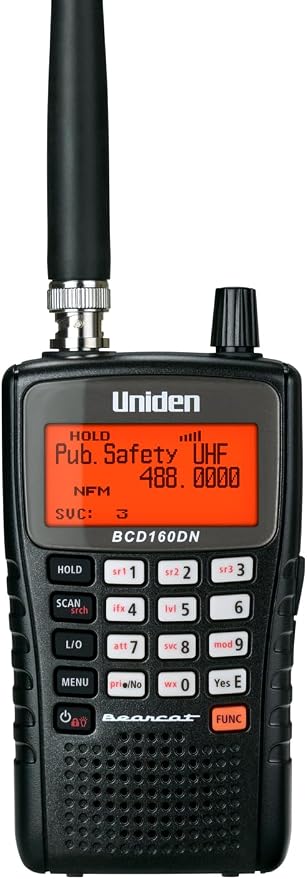
Uniden Bearcat BCD160DN stands out with its ability to quickly detect tones and codes, perfect for anyone serious about monitoring digital signals on a Windows 10 setup. Its rapid decoding of CTCSS and DCS tones makes it easier to dial into the exact channels you want without wasting time.
Connecting via USB, the scanner sets up smoothly with Windows 10 and gets you scanning fast. Day-to-day use focuses on its helpful band scope and channel tagging features, which save you from hunting through endless frequencies manually. Searching for digital systems feels less tedious thanks to its built-in DMR and NXDN decoding, enhanced further by a free firmware upgrade for APCO P25 support.
Performance-wise, it handles conventional digital signals well, making quick work of decoding those CTCSS tones and DCS codes. Build quality matches the device’s purpose with a solid handheld design that feels dependable.
Positive remarks often mention its accuracy and fast response, while some note the lack of trunking support limits scanning more complex digital systems.
Rapid detection and decoding of tones and digital formats stand out as the scanner’s key advantage, making channel scanning efficient and precise. The absence of trunking support is frequently mentioned as a drawback, especially for users wanting more advanced system scanning options.
People focusing on conventional digital signals and wanting an easy Windows 10 USB connection will find this scanner well suited to their needs. Those looking to monitor encrypted or trunked systems may need to consider alternatives with broader decoding capabilities.
Pros
- Instant CTCSS and DCS tone detection
- Supports major digital decoding modes
- Simple USB connection to Windows 10
- Band scope and channel tagging included
Cons
- No trunking system support
- Cannot decode encrypted signals
| Specification | Details |
|---|---|
| Scanner Type | Radio Scanner |
| Connection Type | USB |
| Digital Decoding | Supports DMR, NXDN, APCO P25 via firmware update |
| Tone Detection | DCS/CTCSS Rapid Decode |
| Trunking Support | Not supported |
12. Uniden SDS100 I/Q Digital Handheld Scanner

Choosing this digital handheld scanner means you prioritize clear reception and easy programming, which the True I/Q receiver delivers exceptionally well. It suits anyone serious about tracking digital and trunked radio communications, especially in areas with weak signals or complex simulcast setups.
Setting it up is straightforward since entering your zip code loads the full HomePatrol database, covering all known radio systems in the US and Canada. The color display can be customized to focus on the details that matter most to you. Daily tuning and scanning feel responsive, with USB connectivity and a MicroSD card slot simplifying updates and data management.
Performance in difficult RF environments is impressive due to the True I/Q receiver technology. Construction feels solid and portable enough for handheld use, though some find the complexity of advanced features requires a learning curve. The most frequent praise highlights its superior digital clarity, while the common complaint touches on the initial setup being less intuitive for newcomers.
The scanner’s standout strength is its superior digital performance, especially in weak-signal and simulcast environments, as reported frequently. Meanwhile, some find the programming process less straightforward, which may slow down initial use.
Those who seek detailed access to a wide range of radio systems and appreciate customizable displays will appreciate this model. Users looking for a simpler or more basic scanner might want to consider other options with easier out-of-the-box setup.
Pros
- True I/Q receiver improves digital signal reception
- HomePatrol database covers US and Canada
- Customizable color display
- Weekly database updates via Sentinel software
Cons
- Initial programming can be complex for beginners
- Advanced features may require learning effort
| Specification | Details |
|---|---|
| Scanner Type | Digital Handheld Scanner |
| Connection Type | USB |
| Resolution | 24 Bits |
| Color Depth | 24 |
| Media Type | MicroSD Card |
13. Uniden SDS200 I/Q TrunkTracker X Scanner

Trying to catch all the action on multiple police and emergency channels can get tricky, especially with complicated systems. The Uniden SDS200 I/Q TrunkTracker X Scanner suits anyone who wants detailed radio system coverage without a confusing setup, offering clear info on a bright, customizable color screen.
Setting it up involves connecting via USB and updating the HomePatrol database through the Sentinel software. This database covers almost all radio systems across the US and Canada and gets weekly updates. The large 3.5 color display shows as much or as little as you want, and you can pick colors for each part on screen, making it easy to glance at important info while scanning.
The main task, handling tough digital simulcast systems, is handled well thanks to the Software Defined Radio and True I/Q technology. It delivers solid performance even in challenging conditions.
The build feels sturdy and practical, with LED lighting for the display. The main praise is about the dependable and up-to-date database, while some mention the need to frequently update the software as a bit of a hassle.
The scanner stands out for its comprehensive and frequently updated database, making it reliable for tracking various systems. Many users appreciate the clarity of the customizable color display and the strong signal performance on digital simulcast systems. Common concerns revolve around the need to keep the software updated often, which some find inconvenient.
Those needing detailed access to police, fire, and EMS radio traffic across wide areas will find this scanner fitting well. Users wanting a portable, standalone device without USB dependency might want to consider other options that don’t require constant software updates.
Pros
- HomePatrol database covers US and Canada
- 3.5″ color display customizable by user
- True I/Q technology handles digital signals well
- Weekly database updates via Sentinel software
Cons
- Requires regular software updates for latest info
- Not a handheld unit, depends on USB connection
| Specification | Details |
|---|---|
| Scanner Type | Radio Scanner |
| Connection Type | USB |
| Light Source Type | LED |
| Media Type | USB |
| Standard Sheet Capacity | 10 |
Best Police Scanners for Windows 10 Comparison Table
| Product | Connectivity | Channels | Power Source | Additional Features |
|---|---|---|---|---|
| Uniden Bearcat BC125AT | – | 500 | 2 AA batteries | Digital Display |
| Whistler WS1025 Analog Scanner | Bluetooth | – | – | – |
| Nooelec NESDR Mini Receiver | – | – | – | – |
| Bingfu Police Dipole Antenna | – | – | – | – |
| Uniden SDS150 Digital Scanner | Bluetooth | – | Battery Powered | Weather Alert |
| Uniden BC365CRS 500 Channel | – | 500 | 3 AA batteries | Push Button Control |
| Whistler WS1065 Trunking Scanner | Wi-Fi | – | – | – |
| A330 Portable Shortwave Radio | Bluetooth | 1400 | 1 Nonstandard battery | Auto Power Off |
| Bingfu 20-1300MHz Magnetic Antenna | – | – | – | – |
| Whistler WS1040 Handheld Scanner | USB | – | – | – |
| Uniden Bearcat BCD160DN Digital | USB | – | – | – |
| Uniden SDS100 I/Q Handheld | USB | – | – | MicroSD Card |
| Uniden SDS200 TrunkTracker X | USB | – | – | LED Light |
- Connectivity–
- Channels500
- Power Source2 AA batteries
- Additional FeaturesDigital Display
- ConnectivityBluetooth
- Channels–
- Power Source–
- Additional Features–
- Connectivity–
- Channels–
- Power Source–
- Additional Features–
- Connectivity–
- Channels–
- Power Source–
- Additional Features–
- ConnectivityBluetooth
- Channels–
- Power SourceBattery Powered
- Additional FeaturesWeather Alert
- Connectivity–
- Channels500
- Power Source3 AA batteries
- Additional FeaturesPush Button Control
- ConnectivityWi-Fi
- Channels–
- Power Source–
- Additional Features–
- ConnectivityBluetooth
- Channels1400
- Power Source1 Nonstandard battery
- Additional FeaturesAuto Power Off
- Connectivity–
- Channels–
- Power Source–
- Additional Features–
- ConnectivityUSB
- Channels–
- Power Source–
- Additional Features–
- ConnectivityUSB
- Channels–
- Power Source–
- Additional Features–
- ConnectivityUSB
- Channels–
- Power Source–
- Additional FeaturesMicroSD Card
- ConnectivityUSB
- Channels–
- Power Source–
- Additional FeaturesLED Light
How to Choose the Right Police Scanner
The key factors to consider are compatibility with Windows 10, ease of use, and reliable frequency coverage to ensure you receive clear, consistent signals. Choosing the right scanner avoids connection issues and frustration, ultimately saving money by preventing unnecessary upgrades or replacements.
Software Compatibility
Many scanners fail to work correctly after a Windows update because the software is not built for the latest versions of the OS. Running outdated software on Windows 10 can cause crashes or inability to load the scanner interface.
Ensuring the scanner supports current Windows 10 builds prevents constant glitches and keeps the device responsive.
Integration with your PC hardware plays a crucial role in everyday use. Scanner drivers that conflict with existing devices can cause errors or prevent the scanner from being recognized at startup.
Look for devices that explicitly state driver compatibility with Windows 10 and have support for common USB or internal card interfaces. Some scanners also work with popular decoding apps, which can add flexibility by letting you use familiar third-party tools.
Frequency Range and Coverage
Not all police scanners pick up every band used for emergency communications. You could miss important signals if the device lacks coverage for your local VHF and UHF frequencies. Scanners that cover wide bands offer a clearer picture of activity, especially in areas with multiple agencies.
Receiving digital signals is trickier but necessary nowadays as many services moved to encrypted or trunked systems. The ability to handle these transmissions depends on both hardware and software decoding features.
Pay attention to whether the scanner supports digital protocols standard in your region. It’s common to find models covering frequencies from 25 MHz to 1.3 GHz or higher, which covers most public safety bands.
User Interface and Usability
Some scanners come with clunky software that makes tuning and filtering signals a headache. Clear menus on Windows 10 with logical layouts speed up access to channels and features.
Customizable scanning lets you prioritize certain agencies or set quiet times so you aren’t overwhelmed with alerts.
Visual and audio notifications are essential for catching important transmissions without having to monitor constantly. The best products allow you to adjust alert types and thresholds to suit your environment. Having the option to disable sounds or use popup alerts helps when scanning in shared spaces.
Connectivity Options
Connectivity can make or break usability; slow or dropped USB connections lead to lost signals or frozen apps. A stable, high-speed connection ensures real-time updates without lag. Some scanners support Ethernet or Wi-Fi connections, which can let you access the system remotely via Windows 10 apps.
Flexibility in connecting to external antennas improves reception, especially in weak signal areas. Options to link multiple scanners allow scanning several frequency groups simultaneously. Check for hardware and software support for these setups to avoid compatibility headaches.
Update Support and Community Resources
Scanning software that rarely receives updates quickly becomes outdated, missing new frequencies or failing with system changes. Devices with regular firmware and software releases provide ongoing improvements and bug fixes that keep scanning reliable and accurate.
Active communities and official support forums are valuable for solving problems or getting configuration tips. Access to shared frequency databases keeps your scanner tuned to the latest known channels, saving time searching manually. These resources help maintain the scanner’s usefulness over time.
Optimizing Audio Settings for Clearer Police Scanner Reception
Adjusting the audio settings directly affects how well you can hear transmissions on a police scanner app for Windows 10. Start by setting the volume to a consistent mid-level to avoid distortion or missed sounds from sudden loud bursts. Most apps allow tweaking the equalizer or audio filters; focus on boosting mid-range frequencies where voices usually sit.
Reduce background noise by enabling any built-in noise suppression features or using an external audio enhancement tool.
Connecting quality headphones instead of relying on built-in speakers often results in clearer reception, especially in noisy environments. When your scanner software allows, adjust the squelch control to reduce static interference while preserving quieter transmissions.
- Set volume at a steady level to prevent clipping
- Boost mid-range frequencies for clearer voice clarity
- Use noise suppression options if available
- Consider headphones over speakers
- Fine-tune squelch settings to balance static and reception
Essential Safety Precautions When Using a Police Scanner on Windows 10
Listening to police scanners on a Windows 10 device involves understanding local laws about scanner use, as regulations differ widely. Using scanner software responsibly helps avoid legal issues, especially if the app accesses encrypted transmissions illegally in some jurisdictions.
Maintain privacy and avoid sharing sensitive or emergency information heard over the scanner.
Secure your setup by keeping the software updated to patch vulnerabilities that might expose your system to risks. Use trusted applications downloaded from official sources to minimize the chance of malware infections.
Avoid using scanner apps on public or unsecured Wi-Fi networks to reduce interception or hacking chances. Finally, remember that a scanner is primarily a monitoring tool; it should never interfere with active emergency responses or replace official information sources.
- Know local scanning laws to avoid violations
- Use official software sources and keep updates current
- Protect your computer with good security practices
- Do not disclose or misuse sensitive transmissions
- Keep scanning activities passive and lawful
Comparing Software-Based Scanners with Hardware Scanner Alternatives
Software-based police scanners on Windows 10 rely on internet streams or digital decoding, which makes them flexible and easy to update. This approach allows users to access a wide variety of radio feeds without physical hardware costs.
Software scanners are usually lightweight, require less space, and provide additional tools like logging and alerts.
Hardware scanners function with direct radio frequency reception, offering real-time tuning and signal quality dependent only on the device’s capabilities and antenna. They do not depend on internet connectivity, which can be beneficial in areas with spotty online coverage.
Hardware models may perform better in urban environments where signal interference and transmission encryption are concerns.
- Software scanners offer broad access and convenience
- Hardware scanners provide independent, direct signal reception
- Internet dependency limits software scanners in remote areas
- Hardware devices often require physical space and initial cost
- Choice depends on use case: mobility, location, and user preference
People Also Asked
Is This Police Scanner Compatible with Windows 10 Updates?
Most police scanners designed for Windows 10 continue to work after updates but check the software developer’s site for the latest compatibility notes. Keeping the scanner’s software updated increases the chance it will run well after OS updates.
How Do I Set up a Police Scanner on Windows 10?
Set up involves installing the scanner’s software and connecting the device to your PC, often via USB. Listening to frequencies requires configuring the scan lists based on your area’s bandwidth.
What Safety Measures Are Needed When Using a Police Scanner?
Avoid scanning encrypted or restricted channels as doing so could be illegal. It is wise to review local laws around radio scanning to ensure lawful use.
How Long Does a Typical Police Scanner Last with Regular Use?
A typical police scanner device or software can last several years with basic maintenance like keeping firmware updated. Battery-based units may require battery replacement or charging over time.
What Common Problems Do Users Face with Windows 10 Police Scanners?
Network dropouts, audio glitches, and software crashes are common issues on Windows 10 scanners. Disabling background programs and updating drivers often improves scanner stability.
Conclusion
Choosing a police scanner for Windows 10 should focus on clear audio quality, the ease of use of the software, and compatibility with your hardware. Look for scanners that update their frequency databases regularly to keep up with changes in police and emergency channels. A good balance between features and simplicity usually works best for everyday use.
Consider how often you plan to listen and the environment where you’ll use the scanner. A model that fits your budget and matches your interest level can save you frustration. Check the comparison table and earlier sections to review which options meet your needs without overspending or adding unnecessary complexity.