Top 13 Best Fire EMS Scanner for 22041 You Can’t Miss!
Choosing the best fire ems scanner for 22041 is crucial when clarity and reliability matter most during emergencies. A cheap or poorly designed scanner often misses important signals or gets overwhelmed by local noise, leading to delayed or missed alerts. Users in this area know how frustrating it is when a scanner fails to provide precise, timely updates, especially in critical moments.
Dependable scanners for fire and EMS use in 22041 typically offer strong reception across key frequencies, including the VHF and UHF bands, which cover most local dispatch channels. The device’s sensitivity and selectivity help filter out background interference, improving signal clarity.
Battery life also plays a significant role; a scanner that can run for at least 8 to 12 hours without recharge ensures coverage through long shifts or emergency events without interruption.
Need a Quick Check?
| Image | Product | Price |
|---|---|---|
Our Top Picks 1  | Uniden Bearcat BC125AT | Check Price |
Our Top Picks 2  | Uniden BC365CRS Scanner | Check Price |
Our Top Picks 3  | Uniden BCD996P2 Mobile | Check Price |
Our Selected Top 13 Fire Ems Scanner for 22041 for Every Budget
This list features a variety of reliable fire and EMS scanners designed for the 22041 area. Each review details performance, suitability for different users, and highlights key advantages and drawbacks to help you choose the best scanner for your specific needs and budget.
1. Uniden Bearcat BC125AT Analog Handheld Scanner
Compact size and analog-only operation stand out for anyone wanting simple fire and EMS scanning around the 22041 area. Suited for those who want to catch local analog signals without fuss, it offers 500 channels and a nifty Close Call feature that jumps to nearby transmissions automatically.
Setting up involves entering channels with alpha tags for easy ID, making daily listening straightforward. It runs on two AA batteries, giving about 10 hours of use, and the digital display helps keep track of frequencies.
The Do Not Disturb Mode stops it from scanning when you’re already tuned to a transmission, which is handy during busy emergency calls.
The scanner picks up analog signals clearly across a wide frequency range, from low VHF to UHF, covering many local fire and EMS channels. It’s compact but not water-resistant, so it needs some care if used outdoors. The biggest plus is how well the Close Call RF capture works, but since it can’t scan digital systems, some signals in larger cities won’t come through.
The Clear Call RF capture is praised for quickly tuning to nearby signals, making catching local alerts convenient. Most common complaint relates to lack of digital scanning capabilities, limiting use where agencies have switched to digital trunking systems. It performs well for analog signals but misses newer digital ones.
Those who rely on analog public safety channels around 22041 will find it reliable and easy to use. People needing access to digital trunked systems or outdoor use in rainy weather should look for a different scanner model that covers those features.
Pros
- Compact design fits easily in your hand or pocket
- Close Call technology finds nearby transmissions fast
- 500 alpha-tagged channels for organized scanning
- Digital display helps track frequencies clearly
Cons
- No support for digital radio systems like Project 25
- Not water resistant, so careful in wet conditions
| Specification | Details |
|---|---|
| Number of Channels | 500 |
| Frequency Range | 25-54 MHz, 108-174 MHz, 225-380 MHz, 400-512 MHz (UHF) |
| Voltage | 3 volts |
| Battery Average Life | 10 hours |
| Number of Batteries | 2 AA batteries required. (included) |
2. Uniden BC365CRS 500 Channel Scanner
Great for anyone needing a multi-use scanner that covers a wide range of channels, the Uniden BC365CRS stands out with 500 channels pre-set for easy access to police, fire, weather, and other emergency broadcasts. Its combination of scanner, alarm clock, and FM radio suits someone wanting more than just a basic scanner in one desktop setup.
Setting it up is straightforward with push button controls that make cycling through the presets simple. Daily use involves tuning into pre-set channels or saving favorite FM stations from the 30 available presets.
It runs on corded electric power but also requires 3 AA batteries for backup, which can be handy during power cuts. Its tabletop mount design fits comfortably on a desk or nightstand.
Performance in picking up analog conventional channels is solid, with clear reception on the non-digital police, fire, marine, and other bands it searches. The build feels practical though not overly rugged, and audible output stays around 50 db, which works well indoors. The biggest praise praises its wide channel coverage and ease of use.
A common complaint notes that no digital scanning is available, which limits its scope compared to some models.
Many users appreciate the broad range of presets that let them quickly find relevant emergency and weather channels, making it a versatile listening device. The lack of digital channel scanning comes up frequently as a downside, limiting what you can hear compared to scanners that cover newer digital signals.
This unit suits those wanting reliable analog channel coverage with added features like FM radio and an alarm clock all in one. Anyone needing digital scan functions or more rugged build should explore other options better matched to those requirements.
Pros
- 500 channels covering multiple emergency bands
- Includes FM radio with 30 station presets
- Combines scanner, alarm clock, and radio
- Simple push button controls
Cons
- No digital channel scanning capabilities
- Requires batteries despite corded power
| Specification | Details |
|---|---|
| Channels | 500 |
| Power Source | Corded Electric |
| Battery Description | Alkaline, 3 AA batteries required |
| Control Method | Push Button |
| Audible Noise | 50 db |
| Mounting Type | Tabletop Mount |
3. Uniden BCD996P2 Digital Mobile TrunkTracker Scanner
Tracking emergency signals and weather alerts around 22041 can be a challenge, but this scanner focuses on giving you thorough coverage with 25,000 channels. It suits people who want reliable updates from fire, EMS, and weather sources without fuss.
Its biggest strength lies in the Clear Call RF Capture combined with TrunkTracker V technology, making it easy to catch transmissions in busy radio environments.
Setting up the scanner takes a bit of attention initially because of the many channels and features. After linking it with your smartphone via IR for added control, it works well both in a vehicle and a fixed spot with a 12 volts DC power source.
Close Call Do-Not-Disturb prevents interruptions while tuning, so you stay focused on important broadcasts. Weather alerts help you stay safe during severe local conditions with instant notifications.
The performance is solid in picking up emergency channels and NOAA weather band transmissions, important when monitoring local fire and EMS responses. The hardware feels sturdy though not weather-resistant, so indoor or protected outdoor use is best.
Many appreciate how well the location-based scanning and weather alerts function, but the lack of water resistance can be inconvenient in some situations.
The strongest praise comes from its reliable detection of emergency and weather transmissions with excellent channel coverage. The most common complaint is the lack of water resistance, which restricts use in wet or exposed environments.
Those wanting detailed monitoring of local fire, EMS, and weather activity will appreciate its long channel list and alert features. Users needing rugged, all-weather performance might consider alternative scanners with full water protection.
Pros
- Access to 25,000 channels with varied emergency coverage
- Close Call technology detects nearby transmissions effectively
- S.A.M.E. alert system for timely weather warnings
- Includes lithium ion battery for portable use
Cons
- Not water-resistant; sensitive to moisture
- Radio frequency connectivity limits remote control options
| Specification | Details |
|---|---|
| Close Call RF Capture Technology | Yes |
| TrunkTracker V technology | Included |
| S.A.M.E. weather alert | Supported |
| Connectivity Technology | IR |
| Power Source | 12 volts Direct Current (DC) |
| Number of Batteries | 1 Lithium Ion battery required (included) |
4. Uniden SDS100 True I/Q Digital Handheld Scanner

True I/Q receiver technology leads the way in digital performance, tailored for scanning fire and EMS channels around 22041. It fits well for anyone wanting improved reception in tricky signal areas and values an easy setup based on postal code input.
The standout feature is the scanner’s ability to handle digital and weak signals better than most handheld models.
Getting started is straightforward since programming involves simply entering a zip code that connects to a regularly updated database of radio systems across the US and Canada. The color display can be customized to show exactly what interests you most, making everyday use more intuitive.
It supports microSD cards for media, and connects via USB for easy updates and data transfers.
Reception clarity for emergency channels is impressive thanks to the True I/Q design, which tackles weak and simulcast signals effectively. The build feels solid and portable, perfect for carrying around.
Praise often revolves around its digital scanning ability, while the main complaint tends to focus on its learning curve for first-time users.
The scanner excels in delivering strong digital performance with sharp reception in weak and simulcast signal conditions. Users commonly note the advanced scanning features but find the initial programming and interface challenging to master without guidance.
Ideal for those willing to spend time learning the system and wanting reliable digital audio scanning. People seeking instant operation or less complex devices may prefer a simpler scanner model.
Pros
- True I/Q receiver improves signal reception
- Programming by zip code simplifies setup
- Customizable color display for preferred info
- Includes comprehensive HomePatrol database
Cons
- Initial setup can be confusing for beginners
- Learning curve may slow early use
| Specification | Details |
|---|---|
| Scanner Type | Digital Handheld Scanner |
| Connection Type | USB |
| Resolution | 24 Bits |
| Color Depth | 24 |
| Media Type | MicroSD Card |
5. Uniden BC355N 300-Channel Base/Mobile Scanner

People interested in monitoring local analog emergency and fire frequencies will appreciate this scanner. Suited for areas without digital trunking systems, its standout feature is the Close Call RF Capture Technology that tunes quickly to nearby signals.
Setup involves plugging into a power source and programming the channels you want to follow, making the start straightforward for analog monitoring. The LCD display makes it easy to cycle through stored frequencies, and USB connectivity opens up options for more advanced programming if you’re tech-savvy. Daily use centers around scanning the 800 MHz band, catching transmissions effectively in a single-band format.
The main job of picking up analog signals performs reliably, responding quickly to nearby radio traffic. The construction feels solid but basic, focusing on function over style.
The strongest praise centers on how fast the scanner locks onto local signals. Common complaints highlight that it does not support digital systems, limiting use in many modern urban areas.
The scanner is praised for its quick and accurate reception of analog signals on nearby transmitters, thanks to the Close Call RF Capture Technology. Commonly noted drawbacks include the absence of digital scanning capabilities, which restricts usefulness in regions transitioning to digital systems.
People living in areas relying on analog emergency communications will find this quite suitable. Those in locations where digital trunking dominates should consider models designed to decode digital transmissions instead.
Pros
- Quickly tunes to nearby signals
- Simple setup for analog frequencies
- Supports a wide frequency range
- USB connection for programming
Cons
- Does not support digital radio systems
- Single-band limits monitoring options
| Specification | Details |
|---|---|
| Radio Bands Supported | 1-Band |
| Frequency | 800 MHz |
| Number of Channels | 300-Channel |
| Connectivity Technology | USB |
| Power Source | Corded Electric |
| Display Type | LCD |
6. Uniden SDS150 Digital Radio Scanner

Uniden’s SDS150 Digital Radio Scanner stands out with its advanced digital capabilities and built-in GPS, making it ideal for fire and EMS responders who need reliable signals and easy navigation. Its enhanced sensitivity and simplified interface make it great for anyone requiring precise scanning in busy areas.
Setup is straightforward thanks to the intuitive digital display and new control layout. Daily use benefits from Bluetooth connectivity for smartphone pairing and the U/AWARE app, allowing easy access to critical information.
A water-resistant design adds durability, and the charge cradle simplifies keeping the battery ready for long shifts.
Signal reception holds up well even in challenging environments, thanks to improved filtering that reduces interference. Users praise its lightweight yet rugged construction, making it ideal for field use.
Some voices mention the nonstandard battery as a drawback, complicating replacements outside of included options.
The best feature praised is the scanner’s enhanced sensitivity and ability to filter out interference for clearer reception. The most frequent complaint involves the nonstandard battery, which can make replacements less convenient and more expensive to source.
Anyone who needs reliable digital scanning and values portability will find this scanner a good match. Those seeking simpler battery maintenance or less complex tuner options might prefer a different model better suited for basic scanning needs.
Pros
- Improved signal reception and filtering
- Lightweight and durable design
- Built-in GPS receiver for location tracking
- Bluetooth connectivity with smartphone support
Cons
- Requires nonstandard replacement battery
- More complex tuner types may require learning curve
| Specification | Details |
|---|---|
| Tuner Type | TrunkTracker X, APCO P25 Phase I & II, Motorola, EDACS, LTR DMR Tier III*, Hytera XPT*, Single-Channel DMR* NXDN 4800/9600*, EDACS ProVoice* |
| Radio Bands Supported | AM, NFM, FM, WFM, or FMB |
| Power Source | Battery Powered (1 Nonstandard Battery included) |
| Connectivity Technology | Bluetooth |
| Additional Features | Weather Alert, Built-in GPS receiver, Charge cradle, Support for U/AWARE app |
| Water Resistance Level | Water Resistant |
7. Whistler WS1025 Analog Desktop Scanner
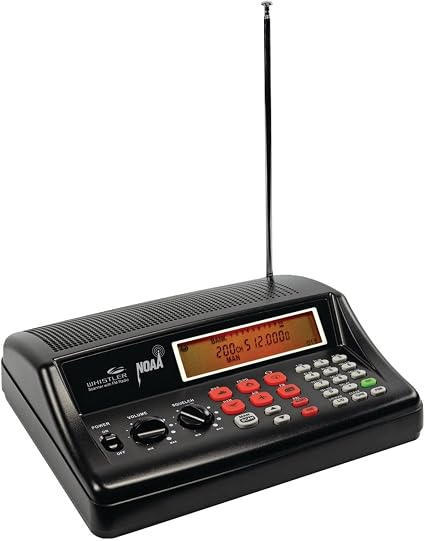
Whistler WS1025 Analog Desktop Scanner stands out as a solid choice for experienced users who need a reliable tool to monitor fire and EMS frequencies in the 22041 area. Its strength lies in giving precise control over scanning with features like priority channel scanning and tune functions, making it ideal for anyone serious about catching important transmissions promptly.
Setting up includes connecting via Bluetooth and programming channels you want to monitor closely. The priority channel feature is handy, checking a critical frequency every two seconds to catch any urgent calls quickly. Scan delay pauses for two seconds on channels to pick up replies, which is practical when conversations happen.
Using the tune option allows you to find new frequencies starting from a specific number, so you can stay updated with unlisted or changing channels.
The scanner performs its job with solid accuracy and reliability. It has a sturdy desktop design that fits well on a workspace without taking up much room.
The main praise is its ability to pick up priority channels consistently without missing important transmissions. Some users mention the complexity of setup and the need to be somewhat tech-savvy might pose a challenge for beginners.
Users appreciate how reliably it picks up priority channels quickly, ensuring critical transmissions are not missed. The most common drawback mentioned is that its setup and advanced features require a learning curve, which limits ease of use for those new to desktop scanners.
People comfortable with technology and scanning tools who want detailed control will find this model very useful. Those who prefer a simpler or plug-and-play experience may want to consider other scanners designed with beginners in mind.
Pros
- Priority channel checks every two seconds
- Bluetooth connection for easy setup
- Scan delay captures full replies
- Tune function finds new frequencies
Cons
- Setup can be complicated for beginners
- Designed mainly for experienced users
| Specification | Details |
|---|---|
| Scanner Type | Radio |
| Connection Type | Bluetooth |
| Resolution | 200 dpi |
| Priority Channel Checking | One channel every two seconds |
| Scan Delay | Two seconds before moving on |
8. Whistler WS1065 Digital Trunking Desktop Scanner

Hearing emergency and fire services clearly without constant fiddling feels reassuring with the Whistler WS1065 Digital Trunking Desktop Scanner. Ideal for anyone in the 22041 area wanting precise, real-time digital decoding.
Its standout feature is adapting instantly to changing signals, so alerts won’t miss important updates.
Setting it up involves connecting through Wi-Fi, which quickly brings up local channels. The multi-color LED and audible alarms are easy to customize, making it simple to track specific transmissions without distraction.
Digital AGC automatically balances audio levels, so you don’t need to adjust volume manually during calls, keeping your attention on what matters.
Performance is solid, with real-time P25 decoding that reacts fast to signal fading and multipath interference. The build feels dependable, matching well with desktop placement for clear listening.
Praise often goes to its no-hassle automatic adjustments. On the downside, some mention the scan resolution of 200 isn’t the clearest for all signal types.
The quick adaptation to changing signals and customizable alerts are highly valued for clear emergency monitoring. However, some find the audio resolution could be sharper for complex transmissions, which may affect detailed listening experiences.
People looking for steady, desktop-based digital trunking scanning will appreciate this model. Those needing more portability or higher scan resolution might want to explore other options.
Pros
- Adjusts instantly to shifting P25 digital signals
- Customizable multi-color LED alerts
- Automatic audio level control
- Wi-Fi connection simplifies setup
Cons
- Scan resolution of 200 may limit clarity
- Desktop design limits portability
| Specification | Details |
|---|---|
| Scanner Type | Radio |
| Connection Type | Wi-Fi |
| Resolution | 200 |
| Media Type | paper |
9. Uniden SDS200 True I/Q TrunkTracker X Scanner

Highly reliable for anyone needing a fire and EMS scanner in the 22041 area, it stands out for combining intuitive controls with strong digital signal handling. Its biggest strength is its clear and fully customizable color display, making monitoring multiple channels manageable without overwhelming you.
Setting it up is straightforward thanks to the built-in HomePatrol database preloaded with all US and Canada radio systems. The scanner’s USB connection allows for easy software updates, keeping frequencies current.
On a daily basis, adjusting the display colors for different fields helps you focus on the info you want without distraction. Navigating channels feels simpler than many other scanners around.
This model delivers impressive clarity and minimal dropout while handling complex digital simulcast systems. The build feels solid and well-made, designed for frequent use and portability. Most praise revolves around its reliable reception and crisp screen, while some note the database updates require regular attention to stay current but it does its scanning job well.
The scanner is praised for its clear, reliable reception and effective digital signal handling. Its weekly database updates keep it current, though keeping up with these can feel demanding for some. The custom color display is a hit, while getting it perfectly tuned takes patience.
Ideal for hobbyists or professionals wanting detailed fire and EMS monitoring with strong digital support. Those preferring a scanner that needs less maintenance might explore other models with simpler, less frequent update needs.
Pros
- Easy-to-use HomePatrol database included
- 3.5″ customizable color display
- Strong performance on digital simulcast systems
- USB connection for software updates
Cons
- Requires frequent database updates
- Display customization can be time-consuming
| Specification | Details |
|---|---|
| Scanner Type | Radio Scanner |
| Connection Type | USB |
| Resolution | scanner |
| Standard Sheet Capacity | 10 |
| Light Source Type | LED |
| Media Type | USB |
10. Uniden Bearcat BCD260DN Base/Mobile Digital Scanner

Solidly built with a focus on digital scanning, this Uniden Bearcat model suits anyone needing reliable access to fire, EMS, and other emergency communications in the 22041 area. Its biggest strength lies in quick signal detection through features like Band Scope and Channel Number Tagging, designed to catch elusive frequencies fast.
Setup is straightforward thanks to the pre-programmed service bands covering emergency services, weather alerts, aviation, and more. Daily operation involves scanning multiple frequency bands with ease, with USB connection allowing convenient updates or programming from a computer.
The inclusion of direct access to 10,000 frequencies means no important transmission should slip by unnoticed.
Performance excels at picking up digital and non-digital signals with narrowband reception aiding clarity. The build feels sturdy and practical for mobile or base use.
Most praise notes how it quickly locks onto channels that are typically hard to find. The top complaint revolves around the complexity of navigating some of the advanced features until familiar with the interface.
The scanner quickly finds hard-to-catch signals thanks to its advanced Band Scope and tagging features, but users often find the interface a bit complex while getting used to it. This can slow down initial navigation through functions.
Those who need a comprehensive, mobile or base scanner covering many types of emergency frequencies will appreciate it. Someone wanting a simple, lightweight handheld might want to consider a different model.
Pros
- Pre-programmed for emergency and weather bands
- USB connection for easy updates
- Band Scope speeds up frequency detection
- Supports narrowband reception
Cons
- User interface can be complicated at first
- Bulkier compared to handheld scanners
| Specification | Details |
|---|---|
| Scanner Type | Radio Frequency scanner |
| Connection Type | USB |
| Resolution | 300 dpi |
| Service Bands Pre-programmed | Yes, including emergency and weather |
| Direct Frequency Access | 10,000 frequencies |
11. Uniden BCD436HP HomePatrol Digital Handheld Scanner

Offering a very straightforward setup, the Uniden BCD436HP HomePatrol Digital Handheld Scanner is perfect for anyone in 22041 wanting to track fire, EMS, police, and other public safety signals. Its biggest strength lies in the easy zip code programming that quickly gets it scanning relevant channels without fuss.
Getting it running is as simple as turning it on and entering your zip code. The TrunkTracker V technology then automatically scans and locks onto the right frequencies, so no manual programming is needed.
The large screen is clear and makes browsing channels and options easier throughout the day. Built-in weather alerts add a useful extra for staying informed during emergencies.
Performance-wise, it picks up communications fast, scanning up to 85 channels per second across a wide frequency range, which covers everything from UHF to military and weather bands. The handheld design fits well in your hand but is not water resistant, so it requires care outdoors. Positive feedback praises the simplicity and functionality, although some note it needs AAA batteries and lacks waterproofing.
The scanner gets high marks for being straightforward to set up and use straight away without needing complicated programming. However, it does require AAA batteries and is not water resistant, which limits its durability for heavy outdoor use.
Anyone wanting quick, reliable scanning in a handheld device with a large screen will appreciate this model. Those needing a waterproof or rechargeable scanner might want to consider other options better suited to rough conditions or longer battery life.
Pros
- Easy setup with zip code entry only
- Wide frequency coverage includes many services
- Clear, extra-large display for daily use
- Integrated weather alerts for emergency info
Cons
- Requires three AAA batteries, no rechargeable option
- Not water resistant, careful use outdoors needed
| Specification | Details |
|---|---|
| Number of Channels | 85 |
| Scan Speed | 85 channels per second |
| Frequency Range | 25-512 MHz, 758-824 MHz, 849-869 MHz, 894-960 MHz, 1240-1300 MHz |
| Battery Requirement | 3 AAA batteries |
| Battery Life | 8 hours |
12. Uniden BCD325P2 Handheld TrunkTracker V Scanner

Perfect for those wanting to monitor local fire and EMS channels around 22041, the Uniden BCD325P2 Handheld TrunkTracker V Scanner stands out for its ability to scan up to 25,000 channels with GPS support. Its Close Call RF Capture Technology ensures you always catch nearby signals quickly, making it ideal for serious hobbyists or professionals needing real-time updates.
Setting it up is straightforward since its Quick-Key System Access lets you save up to 100 frequently used systems for instant tuning. Day-to-day use benefits from the Advanced Dynamic Memory System that helps organize and manage your scanned channels efficiently.
The GPS connection type adds location awareness, automatically focusing on relevant transmissions around you without needing constant manual adjustments.
This scanner delivers solid performance by capturing both conventional and the latest APCO Project 25 Phase II systems clearly. It’s built to last with durable materials, though some note the screen resolution at 2400 dpi could feel a bit dated compared to modern devices. The most praised feature from reviews is the Close Call RF Capture, while the occasional complexity in setting up more advanced functions appears as a frequent downside.
The Uniden BCD325P2’s strongest praise revolves around how effectively the Close Call RF Capture Technology finds and locks onto nearby transmissions, making it easy to stay current with emergency communications. On the downside, some find the learning curve steep when trying to configure more complex features.
Those who want detailed scanning with quick channel access and GPS integration will find it very useful. Users prioritizing a high-resolution display or simple setup may want to consider other models better suited to their preferences.
Pros
- Scans up to 25,000 channels
- Quick-Key System for fast access
- Captures latest APCO Project 25 Phase II
- Includes Close Call RF Capture Technology
Cons
- Screen resolution feels somewhat outdated
- Advanced functions can be tricky to set up
| Specification | Details |
|---|---|
| Scanner Type | Radio |
| Connection Type | gps |
| Resolution | 2400 dpi |
| Wattage | 20 watts |
| Media Type | USB |
13. Whistler WS1040 Handheld Digital Scanner

Trying to keep tabs on emergency frequencies and weather alerts gets a lot easier with a handheld digital scanner like the Whistler WS1040. It’s well suited for people in the 22041 area looking to stay updated on fire and EMS communications without fuss. The biggest strength lies in its menu-driven programming and helpful guidance that cuts down on setup headaches.
Setting it up is straightforward thanks to on-screen help at every programming step. The Scan List functionality lets you organize channels to your liking for quick access. Because memory dynamically adapts rather than sticking to fixed banks, managing different frequencies feels flexible.
Using it daily involves just flipping through your custom groups to catch relevant scanner traffic, with LED indicators making it clear when it’s active.
Performance-wise, it picks up radio communications with clear resolution and supports instant access to storm spotter frequencies, essential for emergency watchers. The build quality feels solid and durable in hand, designed to handle field use. The strongest praise is for its easy programming menu and organized memory, while a common complaint revolves around the relatively small standard sheet capacity which may limit extensive external data handling.
Clear onscreen help in programming and flexible memory have earned praise for making daily use straightforward and tailored. The 300-sheet capacity limit sometimes hampers managing extensive data collections, creating a noticeable bottleneck for heavy users.
People needing quick setup and organization will find this a solid, dependable choice. Those requiring broader data handling or advanced connectivity might want to look into devices with larger capacities and more flexible transfer modes.
Pros
- Menu-driven programming with clear help text
- Customizable scan lists for personal channel grouping
- Dynamic memory allocation maximizes usage efficiency
- Instant access to storm spotter frequencies
Cons
- Standard sheet capacity limited to 300
- USB connection restricts data transfer options
| Specification | Details |
|---|---|
| Scanner Type | Radio Scanner |
| Connection Type | USB |
| Resolution | 10000 |
| Standard Sheet Capacity | 300 |
| Light Source Type | LED |
| Media Type | USB |
Best Fire EMS Scanners for 22041 Comparison Table
| Product | Number of Channels | Frequency Range | Power Source | Additional Features |
|---|---|---|---|---|
| Uniden Bearcat BC125AT | 500 | 25-512 MHz | 2 AA batteries | Digital Display |
| Uniden BC365CRS Scanner | – | – | 3 AA batteries | Ultrasonic Sensor |
| Uniden BCD996P2 Mobile | – | 25 MHz | 12 volts DC | Close Call RF Capture |
| Uniden SDS100 Handheld | – | – | Battery Powered | USB Connection |
| Uniden BC355N Scanner | – | 800 MHz | Corded Electric | Close Call RF Capture |
| Uniden SDS150 Digital | – | – | Battery Powered | Weather Alert, Bluetooth |
| Whistler WS1025 Desktop | – | – | – | Bluetooth Connection |
| Whistler WS1065 Trunking | – | – | – | Wi-Fi Connection |
| Uniden SDS200 TrunkTracker X | – | – | – | USB Connection |
| Uniden Bearcat BCD260DN | – | – | – | USB Connection |
| Uniden BCD436HP HomePatrol | 85 | 25-1300 MHz | 3 AAA batteries | Weather Alert |
| Uniden BCD325P2 Handheld | – | – | – | GPS Connection |
| Whistler WS1040 Handheld | – | – | – | USB Connection |
- Number of Channels500
- Frequency Range25-512 MHz
- Power Source2 AA batteries
- Additional FeaturesDigital Display
- Number of Channels–
- Frequency Range–
- Power Source3 AA batteries
- Additional FeaturesUltrasonic Sensor
- Number of Channels–
- Frequency Range25 MHz
- Power Source12 volts DC
- Additional FeaturesClose Call RF Capture
- Number of Channels–
- Frequency Range–
- Power SourceBattery Powered
- Additional FeaturesUSB Connection
- Number of Channels–
- Frequency Range800 MHz
- Power SourceCorded Electric
- Additional FeaturesClose Call RF Capture
- Number of Channels–
- Frequency Range–
- Power SourceBattery Powered
- Additional FeaturesWeather Alert, Bluetooth
- Number of Channels–
- Frequency Range–
- Power Source–
- Additional FeaturesBluetooth Connection
- Number of Channels–
- Frequency Range–
- Power Source–
- Additional FeaturesWi-Fi Connection
- Number of Channels–
- Frequency Range–
- Power Source–
- Additional FeaturesUSB Connection
- Number of Channels–
- Frequency Range–
- Power Source–
- Additional FeaturesUSB Connection
- Number of Channels85
- Frequency Range25-1300 MHz
- Power Source3 AAA batteries
- Additional FeaturesWeather Alert
- Number of Channels–
- Frequency Range–
- Power Source–
- Additional FeaturesGPS Connection
- Number of Channels–
- Frequency Range–
- Power Source–
- Additional FeaturesUSB Connection
How to Choose the Right Fire EMS Scanner
Choosing a reliable fire EMS scanner involves considering range, frequency coverage, and ease of use, as these features ensure clear communication and quick access to important information. Getting the right scanner prevents missed alerts and reduces frustration, ultimately saving both time and money.
Frequency Compatibility
Scanners that don’t cover the right frequency bands quickly become frustrating because they miss important transmissions from fire and EMS units. Typical fire and EMS radios in the 22041 area use both VHF and UHF frequencies, so a scanner limited to one band won’t provide complete coverage. Solid models cover at least 150–174 MHz (VHF) and 450–512 MHz (UHF) ranges.
Services occasionally update or change their channel assignments, so scanners that allow firmware updates or easy manual programming are much better for long-term use. Without this, you could find yourself stuck listening to outdated channels.
Reception Quality
Signal reception quality directly impacts how well emergency transmissions come through. In urban areas, buildings and other signals cause a lot of interference which some scanners handle poorly.
A sensitive receiver helps, but just as important is good noise filtering to reduce static and background chatter.
Practical features to look for include noise reduction and audio clarity improvements, often marked as DSP (digital signal processing). Scanners without these will struggle with weak signals or noisy environments, making it harder to catch urgent details.
Portability and Design
A bulky or heavy scanner feels inconvenient when carried around for extended periods. Lightweight models, around 10 to 14 ounces, with compact dimensions fit easily in a jacket pocket or bag. Durable construction and some level of weather resistance matter too, since outdoor monitoring exposes the device to drops and moisture.
Quick access to controls and a backlit, readable screen improve usability on the move. Avoid scanners with complicated menus or tiny buttons that slow you down in an active situation.
Battery Life and Power Options
Battery life makes a big difference during long monitoring sessions, especially in situations without easy power sources. Scanners offering 12 hours or more of continuous use on a single charge prove useful for all-day listening.
Rechargeable batteries add convenience, but compatibility with common AA or AAA batteries is a good backup option.
Some models include power-saving modes that extend battery life by dimming displays or pausing scanning between signals. External power adapters or USB charging capabilities give flexibility for stationary monitoring.
Programming and Usability
Programming new or updated frequencies quickly makes the scanner more useful. Devices with a simple manual programming interface suit occasional tweaks, but computer software compatibility speeds up scanning setup, especially for multiple channels or groups.
Look for scanners supporting popular programming tools, and those that offer over-the-air or direct USB updates. Built-in or downloadable frequency databases save time when starting out, avoiding manual entry errors. A clear menu system and good documentation are essential for straightforward daily use.
Optimizing Scanner Settings for Clearer Fire and EMS Channels
Adjusting the scanner’s frequency and squelch settings directly impacts how well you hear fire and EMS communications. Strong signal reception depends on correctly programming the scanner with local frequencies, especially those used around the 22041 area code. A scanner with a fine-tunable squelch control helps cut down on background noise, allowing only clear transmissions to come through.
Holding or scanning specific channels used for fire and EMS ensures quicker access to vital updates. Many models let you prioritize channels or create custom groups, which reduces wait times and simplifies operation during emergencies.
Volume control and audio output options also play a role, particularly in noisy environments.
- Program exact local frequencies for precise reception
- Use squelch adjustments to minimize static
- Create priority lists for urgent channels
Essential Maintenance Tips to Ensure Long-Lasting Scanner Performance
Keeping your fire and EMS scanner in good working order involves regular cleaning and battery care. Dust and debris can build up around buttons and speaker grills, which might affect sound quality and functionality.
Wiping the device with a soft, dry cloth and using compressed air periodically prevents this. Checking and replacing batteries on a schedule avoids unexpected shutdowns, especially during long monitoring sessions. For models using rechargeable batteries, follow manufacturer guidelines on charging cycles to preserve battery life.
Storing the scanner in a dry, vibration-free space also reduces wear and tear caused by environmental factors.
- Clean buttons and speaker areas to maintain clear audio
- Replace or recharge batteries regularly to avoid power loss
- Store the scanner properly to prevent physical damage
Comparing Handheld vs. Base Station Scanners for Fire and EMS Monitoring
Handheld scanners offer mobility and ease of use, making them ideal for on-the-go monitoring or quickly scanning multiple locations. They typically come with built-in antennas, though some allow external antenna attachments to boost reception.
Base station scanners, on the other hand, are designed for home or fixed use, offering stronger reception thanks to larger external antennas. These units can scan more channels simultaneously and often include more advanced programming features. Monitoring fire and EMS activity near 22041 regularly from one spot calls for a base station to ensure more consistent clarity.
For users who need portability and quick access during outings or travel, handheld options are preferable despite a slight trade-off in range and sound quality.
- Handheld scanners suit mobility but may have shorter reception range
- Base stations offer stronger signals and wider channel access
- Choose based on the balance between portability and performance needs
People Also Asked
How Do I Care for My Fire EMS Scanner Properly?
Keep your fire EMS scanner dry and avoid dropping it to maintain proper function. Regularly clean the antenna and contacts with a dry cloth to prevent signal issues.
What Size Fire EMS Scanner Is Ideal for 22041 Area?
A handheld scanner with moderate range works well in the 22041 area given its suburban layout. Larger, base station scanners aren’t usually necessary unless for extensive outside monitoring.
Are Fire EMS Scanners Safe to Use Around Children?
Fire EMS scanners emit low radio frequency signals and are generally safe around children. Still, store the device out of reach to prevent accidental damage or settings changes.
How Long Does a Typical Fire EMS Scanner Battery Last?
Most fire EMS scanner batteries last around 8 to 12 hours on a full charge or set of fresh batteries. Carry spare batteries if you anticipate prolonged use in emergencies.
What Are Common Problems with Fire EMS Scanners and Fixes?
Common problems include weak signals and scrambled audio often fixed by repositioning the antenna and fine-tuning the frequency settings. Resetting the device usually solves minor glitches.
Conclusion
Choosing a fire EMS scanner for the 22041 area should focus on signal range to cover local channels, ease of programming for quick setup, and durability since these devices often get frequent use outdoors. Prioritizing clear reception and simple controls can prevent missing urgent transmissions during critical moments.
Consider how often you will use the scanner and where it will be stored before making a purchase. Smaller models might suit occasional indoor use, while larger ones with stronger antennas work better outside. Take another look at the comparison table and the detailed picks above to find the scanner that fits your needs and budget without unnecessary features.