Top 13 Best Scanner for Califonaiscanner Radio Revealed!
Using the best scanner for califonaiscanner radio matters when the signal cuts out or the device fails to pick up important channels. Cheap scanners often miss transmissions or have sluggish tuning, which can be frustrating during critical moments.
The difference between a reliable scanner and a poor one becomes clear when you need consistent reception and quick response times for real-time listening.
A good scanner for califonaiscanner radio usually has a durable build with solid buttons and a clear display. Scan speed is important, around 100-200 channels per second is typical for smooth operation. Battery life also plays a key role, with many models offering 8 to 12 hours of continuous scanning on a full charge.
Portability matters too, as a compact size makes it easier to carry while staying functional enough for varied signal environments.
Need a Quick Check?
| Image | Product | Price |
|---|---|---|
Our Top Picks 1 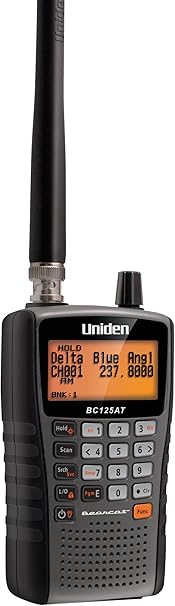 | Uniden Bearcat BC125AT | Check Price |
Our Top Picks 2  | Uniden SDS150 Digital | Check Price |
Our Top Picks 3  | Uniden BC365CRS Alarm Scanner | Check Price |
Our Selected Top 13 Scanner for Califonaiscanner Radio You Can Trust
This list features a range of reliable radios designed for scanning Californian frequencies, highlighting their performance, suitability for different users, and key advantages and disadvantages. Readers will gain clear insights to help choose the best scanner that matches their specific needs.
1. Uniden Bearcat BC125AT Analog Handheld Scanner
Great for anyone wanting a solid analog scanner without complications, the Uniden Bearcat BC125AT pulls in a wide range of frequencies and provides 500 alpha-tagged channels. Its best feature is the Close Call RF capture technology, which locks onto nearby signals instantly, making it a reliable choice for casual monitoring in California.
Setting up the scanner is straightforward, with a digital display that makes navigating channels easy on the go. It runs on two included AA batteries, lasting about 10 hours, so you can keep it powered for long trips or shifts.
The Do Not Disturb Mode is handy, stopping Close Call checks during transmissions, ensuring clear listening without interruptions.
The performance in catching analog signals across VHF and UHF is solid, covering a broad frequency range up to 512 MHz, which suits many local broadcasts. It’s lightweight and compact but not water-resistant, so it needs some care outdoors. Praised for its sensitive scanning, the most frequent complaint is the lack of digital trunking capability, which limits its use as agencies move to digital systems.
The scanner is praised for its quick tuning to nearby analog signals and clear channel tagging, which helps users stay informed without fiddling through menus. Its primary drawback comes from its inability to handle digital trunking systems, which are becoming more common with emergency agencies.
Those focusing on traditional analog scanning will find it reliable and easy to use, especially in areas where digital signals aren’t dominant yet. Anyone needing to monitor digital or trunked radio systems will want to look elsewhere for a device that supports those newer technologies.
Pros
- Instant tuning with Close Call RF capture tech
- 500 alpha-tagged channels for easy identification
- Long battery life around 10 hours
- User-friendly digital display
Cons
- Cannot scan digital radio systems
- Not water resistant, needs indoor or cautious outdoor use
| Specification | Details |
|---|---|
| Number of Channels | 500 |
| Frequency Range | 25-54 MHz, 108-174 MHz, 225-380 MHz, 400-512 MHz (UHF) |
| Battery Type | 2 AA batteries (included) |
| Battery Life | 10 hours |
| Tuner Type | UHF |
2. Uniden SDS150 Digital Radio Scanner
Keeping track of multiple radio signals around California demands a scanner that’s sensitive and easy to handle on the go. Built to be lightweight yet tough, this digital scanner fits those who need reliable signal reception without fuss. Its standout feature is the enhanced sensitivity, cutting through interference better than older models.
Setting up takes just a few steps, with a clearer control layout making navigation straightforward even when you’re moving around. The digital display helps quickly identify frequencies, while the built-in GPS and Bluetooth connectivity provide handy location awareness and smartphone integration.
Battery life is well-optimized, letting the scanner perform well during long hours outdoors.
Signal reception impresses daily, picking up a wide range of frequencies from 1300 MHz bands, including trunking systems and different digital modes. The casing feels durable enough for professional use while being light enough to carry comfortably.
Praise often focuses on its improved filtering for clearer audio, while some users mention a desire for longer battery runtime beyond the already optimized setup.
Clearer audio and strong signal reception are frequent highlights, showing how improved sensitivity really works in everyday field use. Meanwhile, some mention that despite good battery life, it still could run longer for those extended monitoring sessions.
Someone needing a rugged, portable scanner with modern features will appreciate this model, especially with smartphone support. It might not suit those who want ultra-long battery life or prefer universally standard batteries for quick replacements.
Pros
- Improved signal filtering reduces interference significantly
- Lightweight and durable for demanding use
- Built-in GPS and Bluetooth for added connectivity
- Optimized battery life suitable for long sessions
Cons
- Battery life could be longer for extended use
- Uses a nonstandard battery, replacement may not be easy
| Specification | Details |
|---|---|
| Power Source | Battery Powered |
| Radio Bands Supported | AM, NFM, FM, WFM, or FMB |
| Frequency | 1300 MHz |
| Connectivity Technology | Bluetooth |
| Additional Features | Weather Alert |
| Tuner Type | TrunkTracker X, APCO P25 Phase I & II, Motorola, EDACS, LTR DMR Tier III*, Hytera XPT*, Single-Channel DMR* NXDN 4800/9600*, EDACS ProVoice* |
3. Uniden BC365CRS Scanner with Alarm Clock
500 channels ready for scanning make this Uniden BC365CRS perfect for anyone wanting to stay glued to local police, fire, weather, or marine broadcasts. Its alarm clock and FM radio functions add useful extras, fitting right on a desktop for easy access throughout the day.
Getting it set up is straightforward. The scanner comes with preset channels for popular searches, allowing you to jump right into listening without hunting down frequencies.
Storing up to 30 FM stations means switching between talk radio and scanner feeds is quick. Powered by corded electric with 3 AA batteries as backup, it stays reliable in daily use.
Performance-wise, the scanner identifies analog signals clearly with its 500-channel capacity. The build feels solid for a tabletop device, though the push-button controls can be a bit fiddly for some. It gets the job done in tuning and alerting you promptly, but the 50 dB audible noise level might be noticed in quieter rooms during scanning.
Many find the channel range and preset options invaluable for quick access to varied signals, although some feel the buttons could be easier to handle. The scanner delivers dependable listening but the noise it produces can be distracting in some environments.
People wanting a combination scanner and radio/alarm clock with solid channel coverage will appreciate this model. Those needing digital scanning or quieter operation might want to look for an alternative.
Pros
- 500 channels for broad scanning coverage
- Includes an alarm clock and FM radio
- Supports up to 30 FM station presets
- Compact desktop design
Cons
- Push-button controls feel small and fiddly
- Audible noise level might be intrusive in quiet rooms
| Specification | Details |
|---|---|
| Power Source | Corded Electric |
| Number of Channels | 500 |
| Battery Description | Alkaline |
| Number of Batteries | 3 AA batteries required |
| Control Method | Push Button |
| Audible Noise | 50 db |
4. Uniden Bearcat SR30C Analog Handheld Scanner

People looking to monitor a wide range of radio frequencies on a budget will find the Uniden Bearcat SR30C a practical choice. It suits radio hobbyists who want a compact scanner with plenty of preset channels ready to go.
Its biggest strength is the extensive preset bank covering over 32,000 frequencies for immediate listening.
Setting up involves either using the pre-loaded channel banks or programming the scanner through a PC with USB connectivity. Daily use is straightforward thanks to pre-set frequencies for police, fire, weather, marine, aircraft, and more. It runs on AA batteries or USB power, letting you stay mobile or plugged in.
The Close Call RF Capture feature helps lock onto nearby signals quickly, making it easy to catch important transmissions without lengthy searches.
Performance-wise, it handles analog signals well across diverse bands, making it useful in many listening scenarios. The compact design feels solid and fits comfortably in hand.
Positive comments highlight its wide frequency support and preset channels that get you started fast. Criticism often points to its mono audio output and the need for separate PC programming to customize channels deeply.
The scanner stands out with over 32,000 preset frequencies, letting users jump into listening right away without much setup. The most frequent downside is the mono audio output, which some find less satisfying for clarity compared to stereo options. Programming channels beyond presets also requires connecting to a PC, adding a step some might not prefer.
Those who want a cost-effective, ready-to-use analog scanner with plenty of preset options will appreciate this model’s simplicity and coverage. Anyone needing stereo sound or fully on-device programming might consider alternatives better suited to those specific demands.
Pros
- Extensive preset service banks for quick use
- Compact and comfortable handheld design
- Close Call RF Capture to find nearby signals fast
- Supports PC programming via USB
Cons
- Audio output is mono, not stereo
- Requires PC programming for deep customization
| Specification | Details |
|---|---|
| Frequency | 32000 MHz |
| Number of Channels | 500 |
| Power Source | USB, Battery-Powered |
| Connectivity Technology | USB |
| Audio Output Mode | Mono |
5. Uniden SDS100 True I/Q Digital Handheld Scanner

True I/Q digital reception sets this handheld scanner apart, making it ideal for anyone wanting to pick up clear signals in areas with weak or overlapping transmissions. It suits those who want straightforward programming through their zip code and want regular updates to stay current with US and Canadian radio systems.
Setting up takes just a few steps thanks to the simple zip code entry, so no complex programming is needed. The customizable color display provides easy access to exactly the information you want, making daily scanning more intuitive. Updates to the HomePatrol database are done via Sentinel software, keeping your scanner current without much fuss.
Reception quality is impressive, especially in difficult RF conditions and simulcast signals. The construction feels solid and ready for frequent handling, with a responsive color interface. Many users praise its superior digital performance, while some mention the steep learning curve when exploring advanced features beyond basic scanning.
Uniden SDS100 delivers strong digital reception even in areas with weak signals or tricky RF conditions. Programming is straightforward, especially using the HomePatrol database by just entering a zip code. A common drawback is its learning curve for the interface, which can confuse those new to scanners. Weekly updates keep the database current, maintaining good system compatibility.
People interested in scanning diverse radio traffic across the US and Canada will find this model useful. Those who need a scanner with a simpler setup or less digital complexity might want to consider alternatives. Anyone prioritizing detailed system access in regions like California will appreciate how well it handles simultaneous digital signals.
Pros
- True I/Q receiver for strong digital performance
- Easy programming using just zip code
- Weekly updates from a comprehensive HomePatrol database
- Customizable color display for information
Cons
- Advanced features can be complex to learn
- Single sheet capacity limits physical media use
| Specification | Details |
|---|---|
| Scanner Type | Digital Handheld Scanner |
| Connection Type | USB |
| Resolution | 24 Bits |
| Color Depth | 24 |
| Media Type | MicroSD Card |
6. Uniden SDS200 True I/Q TrunkTracker X Base Scanner

Uniden SDS200 True I/Q TrunkTracker X Base Scanner stands out as a top choice for anyone interested in scanning Californian radio broadcasts with precision. It suits tech-savvy listeners who want detailed control over their scanning experience and need solid digital performance.
Setting up the scanner is straightforward thanks to the HomePatrol Database covering all known US and Canadian radio systems. Updating with Uniden’s weekly database refreshes keeps it current.
The 3.5 customizable color display is easy to read at a glance and lets you pick how much information is shown. Using USB for connection and updates keeps the workflow simple and modern.
Performance shines when catching signals from tricky digital simulcast systems, maintaining good clarity and speed. The build feels sturdy and reliable, with a bright LED display that helps usability. Reviews mention impressive real-time audio quality as a strong point, while some note that the scanner’s digital decoding can be challenging for beginners.
Strong points include excellent performance with difficult digital signals and a clear, customizable display, making it easy to keep track of multiple channels. Most common frustration relates to the complexity of digital decoding for new users, which might slow down beginners.
Those experienced with radio scanners or willing to spend time learning digital functions will appreciate this unit. Casual or first-time scanner users may find more straightforward models better suited to their needs.
Pros
- Accurate decoding of digital simulcast systems
- Customizable 3.5″ color display
- Regular weekly database updates
- USB connection simplifies updates and power
Cons
- Digital decoding requires some learning curve
- Standard sheet capacity option unclear in manual
| Specification | Details |
|---|---|
| Scanner Type | Radio Scanner |
| Connection Type | USB |
| Resolution | scanner |
| Standard Sheet Capacity | 10 |
| Light Source Type | LED |
| Media Type | USB |
7. Uniden BCD996P2 Digital Mobile TrunkTracker V Scanner

Handling radio traffic in California feels straightforward with the BCD996P2 around. It suits anyone needing a detailed, reliable mobile scanner that prioritizes staying informed about local weather and radio transmissions. Its biggest strength lies in tracking trunked systems, making it valuable for scanning complex public safety channels efficiently.
Setting up taps into a wealth of options, starting with easy integration of NOAA weather data and S.A.M.E. alerts. Daily operation benefits from Close Call RF Capture, which catches nearby signals without interrupting your current listening.
The interface is clear thanks to the LCD display, and Location Based Scanning optimizes channels by the region you are in, keeping the process mostly hands-free after installation.
Its main job of picking up and following thousands of channels works well, especially with the TrunkTracker V technology aimed at complex radio networks. Build quality feels solid, powering on a 12 volts DC source with a sturdy lithium-ion battery included. Praised for its dependable weather alerts, some have found it lacks water resistance, which could limit use outdoors in wet conditions.
Users praise it highly for its reliable weather alerts and ability to follow complex trunked radio systems with TrunkTracker V. The main complaint concerns the lack of water resistance, which means it is less suitable for use in rainy or wet locations. Its LCD display enables clear information viewing but doesn’t compensate for environmental limits.
This scanner fits well for anyone needing a powerful single-band radio scanner with excellent weather and safety alerts, especially vehicle operators or serious scanner enthusiasts. People seeking a scanner that can handle multiple bands or that performs well outdoors in all weather conditions might want to explore other options.
Pros
- Access to 25,000 channels for broad coverage
- Effective TrunkTracker V technology for trunked systems
- Includes NOAA weather and S.A.M.E. weather alerts
- Close Call RF Capture detects nearby transmissions
Cons
- Not water resistant, limits outdoor use in wet weather
- Supports only 1 radio band, less versatile in multi-band environments
| Specification | Details |
|---|---|
| Radio Bands Supported | 1-Band |
| Frequency | 25 MHz |
| Power Source | 12 volts Direct Current (DC) |
| Additional Features | Close Call RF Capture Technology, TrunkTracker V technology, S.A.M.E. weather alert, Location Based Scanning |
| Display Type | LCD or LED |
| Number of Batteries | 1 Lithium Ion batteries required. (included) |
8. Uniden BC355N Base/Mobile Scanner

Great for analog radio fans, this scanner tunes into local 800 MHz signals with solid reliability. Its standout feature is Close Call RF Capture Technology that quickly locks onto nearby transmissions, perfect for those wanting quick access without fuss.
Best suited for areas still using analog systems rather than digital ones.
Setting it up is straightforward with a corded electric power source and easy-to-read LCD screen. Day-to-day use benefits from its USB connectivity, making signal monitoring smooth. It supports one radio band, keeping things simple for anyone focused on a specific frequency range.
The Close Call feature is handy for grabbing transmissions as soon as they pop up nearby.
Performance stays steady on analog channels, doing its main job well with clear reception around 800 MHz. Built solidly with a reliable radio frequency tuner, it handles daily use without issue.
The strongest praise highlights how well Close Call tracks nearby signals, while the main complaint is the lack of digital system support, which limits use in many urban areas now shifting to digital radios.
Close Call RF Capture Technology gets instant signal locks nearby, making it convenient for quick analog listening. Most common complaint centers on no digital system compatibility, restricting use in areas using newer public safety communications.
Those living in regions still relying on analog dispatch systems will find it quite effective. Anyone needing digital trunking system monitoring must opt for a different model designed for digital radios.
Pros
- Close Call RF Capture Technology catches nearby signals fast
- Simple single-band support focused on 800 MHz
- Clear LCD display for easy reading
- Stable corded electric power source
Cons
- No support for digital radio systems
- Limited to analog scanning only
| Specification | Details |
|---|---|
| Connectivity Technology | USB |
| Power Source | Corded Electric |
| Radio Bands Supported | 1-Band |
| Frequency | 800 MHz |
| Display Type | LCD |
| Additional Features | Close Call RF Capture Technology, Wide Frequency and Service Bank Support |
9. Uniden BCD325P2 Handheld TrunkTracker V Scanner

Built from durable materials with a compact handheld design, the BCD325P2 fits well for anyone tracking radio signals in California. Its most notable feature is the Close Call RF Capture Technology, which automatically finds the closest signals, making it ideal for people needing quick access to local frequencies.
Setting up the scanner involves programming channels or relying on its Advanced Dynamic Memory System to scan through up to 25,000 channels smoothly. The Quick-Key System Access lets you save and toggle frequently used systems quickly, which simplifies daily use.
GPS compatibility helps keep the scanner tuned as you move around, making it a solid choice for users on the go.
The scanner performs reliably with crisp signal reception and supports the latest APCO Project 25 Phase II systems. It has a sturdy build designed for handheld convenience, but the weight and bulk might feel noticeable during extended use. Many appreciate its precise scanning abilities, though some find the interface a bit tricky to use at first.
Users praise the scanner for quickly locking onto nearby signals and delivering clear reception, which helps keep track of local radio traffic easily. The most frequent complaint revolves around the complex interface that takes some time to get used to.
People wanting a reliable handheld radio scanner with location-aware tuning will find this a solid pick. Those seeking a lighter or simpler scanner might want to consider other options.
Pros
- Automatically tunes closest signals with RF Capture Technology
- Quick-Key access for 100 frequently used systems
- Supports latest APCO Project 25 Phase II systems
- GPS compatible for location-based scanning
Cons
- Interface can be confusing at first use
- Handheld design may feel bulky during long sessions
| Specification | Details |
|---|---|
| Scan and search channels | 25,000 |
| Connection Type | GPS |
| Wattage | 20 watts |
| Resolution | 2400 dpi |
| Optical Sensor Technology | CCD |
10. Whistler WS1025 Analog Desktop Scanner
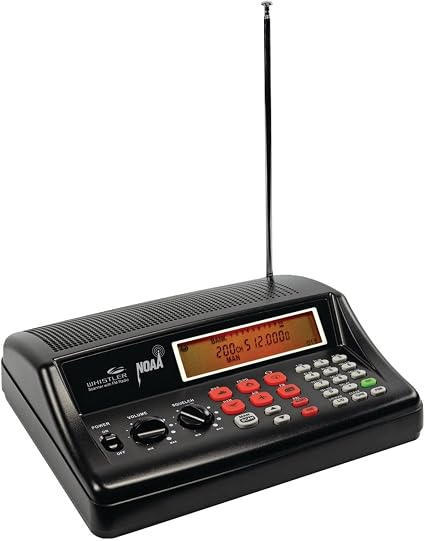
Easy channel priority setting immediately stands out, ideal for experienced desktop scanner users looking for precise control. Its biggest strength lies in the ability to regularly check priority channels without missing key communications.
Setup involves connecting via Bluetooth, making it straightforward to get running. Daily use benefits from the scan delay feature, giving enough time to catch replies before moving on.
The tune function helps find new frequencies starting from any point, keeping the scan thorough and up to date without frequent manual input.
Performance is solid, picking up a wide range of analog radio signals with 200 dpi resolution. Built with both CCD and CMOS optical sensors, it handles different types of media consistently.
Strongest praise centers on its reliable scanning and fine-tuned priority scanning, while the common complaint is that it’s best suited for those already familiar with desktop scanners due to its complexity.
Reliable priority channel scanning gets constant praise for capturing all activity on key channels. Many find the advanced settings challenging initially, requiring time to fully understand all options.
Ideal for those comfortable with desktop scanners who want control over priority and scanning behavior. Beginners or casual listeners may prefer simpler models with fewer customizable features.
Pros
- Bluetooth connection for flexible placement
- Priority channel checking every two seconds
- Scan delay helps catch reply transmissions
- Tune function finds unlisted frequencies
Cons
- Best for experienced desktop scanner users only
- Complex features can be overwhelming at first
| Specification | Details |
|---|---|
| Scanner Type | Radio |
| Connection Type | Bluetooth |
| Resolution | 200 dpi |
| Standard Sheet Capacity | 300 |
| Optical Sensor Technology | CCD, CMOS |
| Light Source Type | LED |
11. Whistler WS1065 Digital Trunking Desktop Scanner

Great for enthusiasts wanting strong digital trunking performance, the Whistler WS1065 offers impressive automatic signal tracking without constant tweaks. Its standout feature is the advanced adaptive decoding that keeps up with California’s busy radio signals, making it a solid choice for anyone serious about scanner radio.
Setting it up involves connecting via Wi-Fi, which makes programming channels straightforward. The multi-color LED lets you set up to 8 user-defined colors, helping you quickly spot important alerts.
The audible alarms are fully programmable as well, so everyday monitoring becomes more personalized and easier to follow amid multiple transmissions.
Automatic Adaptive Digital Tracking handles signal fading smoothly, which is a big plus for staying locked on during fluctuating reception. The build feels solid on the desktop, with clear audio adjustment through Digital AGC and the ability to filter transmissions using P25 NAC codes.
One downside mentioned includes occasional complexity when customizing alerts, which may require some patience at first.
The adaptive signal tracking adapts quickly to fading and multipath issues more than 50 times per second, making digital radio monitoring reliable and stable. While alert customization offers variety, it can be somewhat confusing to set up initially for some users.
Anyone who follows digital trunking signals frequently will appreciate this scanner’s advanced decoding and alert options. Casual listeners or those who prefer a simpler setup might find the learning curve steeper and could consider less feature-heavy alternatives.
Pros
- Tracks digital trunking signals automatically
- Customizable multi-color LED alerts
- Programmable audible alarms
- Wi-Fi connectivity for easy programming
Cons
- Alert customization can be complex
- Paper media type may feel outdated
| Specification | Details |
|---|---|
| Scanner Type | Radio |
| Connection Type | Wi-Fi |
| Resolution | 200 |
| Media Type | paper |
12. Uniden BCD436HP HomePatrol Digital Handheld Scanner

Trying to catch local police, fire, or EMS chatter in California can be tricky without a scanner that’s both powerful and easy to use. This model fits someone who wants a handheld scanner that’s simple to set up and works right out of the box, while covering tons of important frequencies and channels.
Getting started is straightforward: just power it on, punch in your zip code, and watch it begin scanning immediately. No need to program anything complicated. The large display makes it easy to read, and with GPS connectivity, it tracks radio systems nearby automatically.
Features like Weather Alert keep you informed, and the Close Call RF Capture can pick up nearby signals you didn’t even know were there.
Performance is impressive with a scan speed of 85 channels per second, so you don’t miss anything important. The device covers a broad frequency range and has a user-friendly interface that’s tough to beat. It isn’t water resistant and needs 3 AAA batteries, lasting about 8 hours per charge.
The most common praise mentions how intuitive it is, while the main downside is the absence of water resistance.
This scanner is praised mainly for its simplicity and quick setup, allowing immediate reception of public safety communications without complicated programming. The biggest complaint centers on its lack of water resistance, which limits use in outdoor or rainy environments.
People wanting a straightforward, powerful handheld scanner for urban or suburban use will find this a solid choice. Those needing durability in harsh, wet conditions should consider models built to withstand water exposure instead.
Pros
- No programming needed, enter zip code only
- Extra-large display for easy reading
- Includes Weather Alert feature
- Fast scan speed covers multiple channels
Cons
- Not water resistant, avoid wet conditions
- Runs on AAA batteries requiring frequent replacement
| Specification | Details |
|---|---|
| Number of Channels | 85 |
| Frequency Range | 25-512 MHz, 758-824 MHz, 849-869 MHz, 894-960 MHz, 1240-1300 MHz |
| Battery Average Life | 8 hours |
| Battery Type | 3 AAA batteries required |
| Scan Speed | 85 channels per second |
| Connectivity Protocol | GPS |
13. Uniden BearTracker BCT15X Base/Mobile Scanner

9,000 channels make this scanner a perfect fit for anyone serious about covering a wide range of police, DOT, and highway patrol frequencies in California. It suits both mobile users and those wanting a base scanner due to its mix of advanced features and location-based channel selection.
Setting it up involves attaching the included antenna and connecting power sources either at home or in a vehicle using the provided cords. The location-based scanning activates when paired with a compatible GPS receiver, seamlessly switching between state-specific channels. Programmers will appreciate the included serial cable for easy updates or custom tweaks.
Day-to-day use is straightforward, with individual channel volume controls and alpha tagging making it easy to identify what you’re listening to at a glance.
Performance-wise, the TrunkTracker III technology helps track Motorola, EDACS, and LTR systems accurately, making it highly efficient for monitoring. Built solidly with mounting hardware and a decent antenna, it handles life on the move well. The standout praise is its vast channel capacity and dynamic memory system.
Some commentary points to occasional complexity in programming despite included tools.
Daily use benefits from the scanner’s ability to hold a huge number of channels and advanced trunking tech, but some find the programming interface challenging without prior experience. The location-based features really streamline scanning across different areas.
Those who want a versatile scanner covering many systems and traveling around California will find it suitable. Users preferring plug-and-play simplicity or remote head inclusions might want to look elsewhere.
Pros
- Massive 9,000 channel capacity
- Automatic state-based channel selection
- Individual channel volume offset
- Comes with all necessary installation accessories
Cons
- Programming can be complicated for beginners
- Remote head sold separately
| Specification | Details |
|---|---|
| Channels | 9,000 |
| Trunking Technology | TrunkTracker III |
| Compatibility | BC-RH96 Remote Head |
| Location-Based Scanning | Yes, with GPS receiver |
| Included Accessories | Antenna, mounting bracket, power cords, programming cable |
Best Scanners for Califonaiscanner Radio Comparison Table
| Product | Power Source | Connectivity | Frequency Range | Additional Features |
|---|---|---|---|---|
| Uniden Bearcat BC125AT | 2 AA batteries included | – | 25-512 MHz | Digital Display |
| Uniden SDS150 Digital | Battery Powered | Bluetooth | – | Weather Alert, TrunkTracker X |
| Uniden BC365CRS Alarm Scanner | Corded Electric, 3 AA batteries | – | – | Ultrasonic Sensor, Push Button |
| Uniden Bearcat SR30C | USB, Battery-Powered | USB | 32000 MHz | Close Call RF Capture |
| Uniden SDS100 I/Q Handheld | – | USB | – | Digital Handheld Scanner |
| Uniden SDS200 TrunkTracker X | – | USB | – | TrunkTracker X |
| Uniden BCD996P2 Mobile Scanner | 12 volts DC | IR | 25 MHz | Close Call RF Capture |
| Uniden BC355N Base Scanner | Corded Electric | USB | 800 MHz | Close Call RF Capture |
| Uniden BCD325P2 Handheld | – | GPS | – | – |
| Whistler WS1025 Analog | – | Bluetooth | – | CCD, CMOS Optics |
| Whistler WS1065 Trunking | – | Wi-Fi | – | – |
| Uniden BCD436HP HomePatrol | 3 AAA batteries | – | 25-1300 MHz | Weather Alert |
| Uniden BearTracker BCT15X | AC Adapter, Vehicle Power Cord | – | – | Mounting Hardware Included |
- Power Source2 AA batteries included
- Connectivity–
- Frequency Range25-512 MHz
- Additional FeaturesDigital Display
- Power SourceBattery Powered
- ConnectivityBluetooth
- Frequency Range–
- Additional FeaturesWeather Alert, TrunkTracker X
- Power SourceCorded Electric, 3 AA batteries
- Connectivity–
- Frequency Range–
- Additional FeaturesUltrasonic Sensor, Push Button
- Power SourceUSB, Battery-Powered
- ConnectivityUSB
- Frequency Range32000 MHz
- Additional FeaturesClose Call RF Capture
- Power Source–
- ConnectivityUSB
- Frequency Range–
- Additional FeaturesDigital Handheld Scanner
- Power Source–
- ConnectivityUSB
- Frequency Range–
- Additional FeaturesTrunkTracker X
- Power Source12 volts DC
- ConnectivityIR
- Frequency Range25 MHz
- Additional FeaturesClose Call RF Capture
- Power SourceCorded Electric
- ConnectivityUSB
- Frequency Range800 MHz
- Additional FeaturesClose Call RF Capture
- Power Source–
- ConnectivityGPS
- Frequency Range–
- Additional Features–
- Power Source–
- ConnectivityBluetooth
- Frequency Range–
- Additional FeaturesCCD, CMOS Optics
- Power Source–
- ConnectivityWi-Fi
- Frequency Range–
- Additional Features–
- Power Source3 AAA batteries
- Connectivity–
- Frequency Range25-1300 MHz
- Additional FeaturesWeather Alert
- Power SourceAC Adapter, Vehicle Power Cord
- Connectivity–
- Frequency Range–
- Additional FeaturesMounting Hardware Included
How to Choose the Best Scanner Radio
Choosing a good scanner radio involves considering factors like frequency range, ease of programming, and reception quality to ensure it picks up all desired signals clearly. Getting these right prevents frustration and costly upgrades by providing reliable, long-term performance tailored to your needs.
Frequency Coverage
Many scanners fail to pick up important signals simply because their frequency range is too limited. A model covering only a narrow band leaves out emergency channels or aviation transmissions that are essential in California. The useful devices cover from at least 25 MHz up to 1300 MHz, including VHF, UHF, and public safety bands.
Analog and digital support matters a lot here. Police and fire departments increasingly use digital systems, so a scanner stuck on analog misses big chunks of traffic. Units that handle both analog and digital modes allow listening to a variety of services, from local airports to highway patrol, without switching devices or missing out on crucial activity.
Ease of Programming
Adding new frequencies to a scanner can be frustrating if the controls are complicated or the menus unclear. Many brands still rely on tiny buttons and complex button sequences that slow you down.
A user-friendly model includes a clear interface or companion software that lets you upload and organize channels on a computer or phone.
Quick scan and lock functions make a real difference during active events. With these features, the scanner spots live transmissions fast and holds onto them until they finish, preventing missed updates. This is especially handy when monitoring multiple agencies or areas with heavy radio traffic.
Portability and Power Options
Carrying a bulky scanner during outdoor activities quickly becomes tiring. A lightweight, compact design fits better in hand and weighs less in a backpack. Devices under 1.5 pounds and about the size of a large smartphone offer a balance between portability and easy control access.
Multiple power options are essential. Having both a rechargeable battery and an AC adapter means flexibility, use the battery during hikes and plug in at home. Battery life of at least 8 hours supports longer listening without constant recharging, which is crucial during emergencies or special events.
Audio Quality
Understanding transmissions depends heavily on audio clarity. Poor speakers or noisy output make it tough to catch call signs or instructions, causing missed information. A scanner with clean, distortion-free sound can make a big difference, especially in noisy environments.
Volume and tone controls are necessary to tailor the audio. Sometimes sharp tones help distinguish overlapping voices.
The ability to connect headphones or an external speaker makes private or group monitoring easier. Look for models with a standard 3.5mm headphone jack or Bluetooth options for convenience.
Durability and Build Quality
Using a scanner outdoors exposes it to rough conditions. Dropping it on pavement or running it in light rain shouldn’t end its use.
Solid construction, with impact-resistant plastics or metal chassis, prevents damage from everyday knocks.
Dust and moisture resistance protect internal components. Units with an IP rating or sealed controls perform more reliably when monitoring in parks, fairs, or roadside emergencies. Comfortable grips and ergonomic button layout also reduce hand fatigue during extended handheld use, allowing hours of scanning without discomfort.
Optimizing Reception for California Scanner Radio Users
Placement plays a critical role in improving signal clarity for California scanner radios. Position the antenna away from thick walls or metal objects that can block or interfere with signals.
Elevating the antenna, such as near a window or high shelf, helps capture weaker frequencies that often occur in urban environments with tall buildings.
Using an external antenna designed for specific frequency ranges found in California can further improve reception. These antennas are tuned to pick up local public safety, fire, and emergency services better than standard built-in ones.
- Adjust the scanner’s location based on signal strength readings to find optimal spots.
- Regularly recalibrate or rescan frequencies to catch local updates that affect reception.
- Minimize electronic interference from nearby devices like Wi-Fi routers or microwaves.
Small changes in setup can lead to a noticeable difference in listening experience, especially in areas with complex signal environments like California’s cities and suburbs.
Essential Maintenance Tips to Prolong Scanner Lifespan
Keeping a scanner working well over time involves simple, routine steps to avoid wear and signal problems. Dust and dirt buildup can affect the scanner’s buttons, display, and ports, so cleaning with a soft cloth is essential.
Battery care is another key factor. Replace rechargeable batteries before they leak or lose capacity. For scanners using disposable batteries, avoid mixing old and new cells, which can cause damage.
- Store the scanner in a cool, dry place to prevent moisture damage.
- Perform regular firmware updates if available, ensuring the device accesses the latest frequency data.
- Check and tighten any antenna connections to maintain a strong signal.
Following these basic maintenance tips will help avoid frequent repairs and maintain reliable scanning performance.
Comparing Portable Versus Base Station Scanners for California Frequencies
Portable scanners offer flexibility for scanning various locations throughout California, while base station models provide more power and stability at a fixed site. Portables are lightweight and can run on batteries, making them suitable for on-the-go listening during events or emergencies.
Base station scanners typically offer better reception and wider frequency range. Their larger antennas and higher power output allow more consistent signal capture, especially in remote or densely built areas.
- Portables are convenient for casual users or those who move between locations frequently.
- Base stations can handle complex scanning needs and are ideal for dedicated monitoring setups.
- Consider local topography when choosing; mountainous regions can benefit from base stations with external antennas.
Choosing between the two depends on how and where you plan to listen to California’s various public safety and emergency channels.
People Also Asked
How Do I Set up a California Scanner Radio Correctly?
Set up a California scanner radio by programming the correct frequencies you want to monitor. Use the manual or online frequency databases for your area, then fine-tune the squelch setting to reduce background noise. Remember to position the antenna for best reception, often near a window or higher elevation.
What Safety Precautions Should I Take Using a Scanner Radio?
Keep your scanner away from moisture and extreme temperatures to avoid damage. Use the device in accordance with local laws, as scanning certain communications might be restricted. It helps to avoid using headphones at high volumes to protect your hearing during extended listening sessions.
Will This Scanner Radio Work with My Current Radio System?
Most modern scanner radios can operate independently from your existing radio system since they have their own receiver and antenna. Check the frequency ranges of your scanner and your current equipment to see if they overlap. Compatibility mainly depends on the bands supported, not the manufacturer.
How Long Does a Typical Scanner Radio Last with Regular Use?
A scanner radio typically lasts several years with regular use, though battery life might diminish sooner if it uses rechargeable packs. Maintaining the battery by occasional full discharges and charging cycles can extend its lifespan. Proper storage and avoiding drops or spills also help keep it functional longer.
What Are Common Problems Experienced with Scanner Radios in California?
Common problems in California include interference from many overlapping radio signals in urban areas and weak reception in remote locations. Some people have experienced issues with outdated firmware or found it difficult to program the scanner for new frequencies. Regularly updating the scanner’s software and using external antennas can address these issues.
Conclusion
Choosing the right scanner for CalifonaiScanner radio depends mainly on clear reception, ease of use, and the range of frequencies covered. Make sure the scanner can handle local public safety channels and other feeds you want to monitor. Also, consider how portable you need the scanner to be and whether you want digital, analog, or a hybrid model.
Think about where you’ll use the scanner most and how much you want to spend before making a decision. Scanners suitable for home use might be different from those better for mobile or outdoor use.
Review the comparison table and picks above to find a scanner that fits your needs and budget without overspending on extra features you won’t use.