Top 13 Best Police Scanner for F150 You Need to Try Now!
Drivers who rely on a police scanner in their F150 know the frustration of devices that don’t hold a signal or become unusable due to poor mounting options. The best police scanner for F150 delivers consistent reception and fits well within the truck’s interior, avoiding distractions or obstructions. Cheap or ill-fitting scanners can slip easily or block essential controls, which isn’t just annoying; it’s unsafe on the road.
Key features that separate a good police scanner for F150 include durable materials that resist vibration and wear, since trucks like the F150 often face rough terrain. A compact design that fits securely either on the dashboard or console is crucial to prevent movement. Power options matter too, devices that can plug directly into the vehicle’s 12V outlet without adapters tend to last longer and cause fewer issues.
Clear, easy-to-read displays help maintain focus while driving, contributing to safer use overall.
Need a Quick Check?
| Image | Product | Price |
|---|---|---|
Our Top Picks 1 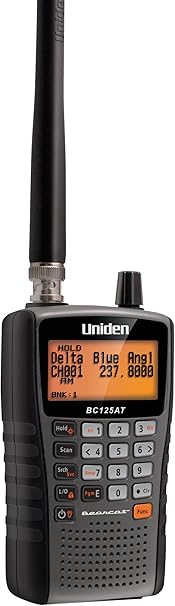 | Uniden Bearcat BC125AT | Check Price |
Our Top Picks 2  | Uniden BC365CRS Clock Scanner | Check Price |
Our Top Picks 3  | Uniden BCD996P2 Mobile Scanner | Check Price |
Our Selected Top 13 Police Scanner for F150 Worth Buying
This list features police scanners ideal for F150 vehicles, focusing on performance, ease of use, and compatibility. Each review highlights the strengths and limitations of the scanners, helping readers understand which model suits their needs and driving conditions best.
1. Uniden Bearcat BC125AT Handheld Scanner
500 alpha-tagged channels make this handheld scanner a solid choice for anyone wanting to keep tabs on local emergency frequencies around an F150. Its compact size fits well on the go, while the Close Call RF capture instantly tunes to nearby transmitters, helping you catch signals quickly.
Setup is straightforward with two AA batteries included, powering around 10 hours of use before needing a replacement. The digital display is easy to read, and the Close Call feature works well to detect nearby transmission signals without you hunting through channels.
The Do Not Disturb mode is handy during active transmissions to avoid interruptions. It connects to a PC for programming, though its analog-only nature limits some digital signal monitoring.
The scanner handles analog bands from low VHF to UHF efficiently, picking up police, fire, and other emergency frequencies clearly within a 50-kilometer range. It’s built to be lightweight and portable but is not water-resistant, so care is needed in wet conditions.
Reviews often praise its instant signal catch but note it cannot monitor digital trunked systems found in many large cities.
Instant signal capture from nearby transmitters makes it quick to lock onto active channels. The main limitation comes from its analog-only design, leaving digital trunked signals undetectable in many urban areas.
Anyone monitoring analog public safety channels around smaller cities or rural areas will find this ideal. Users needing access to digital, trunked radio systems should look for a digital-capable scanner instead.
Pros
- Instantly tunes to nearby transmitters with Close Call RF
- Large capacity with 500 alpha-tagged channels
- Compact, lightweight design fits well for mobile use
- Includes two AA batteries with about 10 hours runtime
Cons
- Cannot monitor digital trunking systems
- Not water-resistant for outdoor use in wet conditions
| Specification | Details |
|---|---|
| Number of Channels | 500 |
| Frequency Range | 25-54 MHz, 108-174 MHz, 225-380 MHz, 400-512 MHz (UHF) |
| Battery Average Life | 10 hours |
| Voltage | 3 volts |
| Number of Batteries | 2 AA batteries required (included) |
| Water Resistance | Not Water Resistant |
2. Uniden BC365CRS Scanner and Alarm Clock
People who want a simple, affordable way to monitor police, fire, and emergency radio channels in their home or garage will appreciate this scanner. Its biggest strength lies in offering 500 channel capability along with an alarm clock and FM radio, all packed into one device that sits conveniently on a tabletop.
Setting it up involves plugging it in and using the push buttons to cycle through presets for police, fire, weather, and other channels. Daily use is straightforward since it comes with presets for popular channels, so you don’t waste time scanning.
The built-in FM radio with memory for 30 stations provides easy access to local broadcasts, and the alarm clock adds practical functionality without taking extra space.
Reception quality is clear for most non-digital signals it’s designed to catch, making its main job reliable for analog communications. The build feels solid and compact, meant to stay on a desktop or table without wobbling. The loudness sits at an average 50 db, which is adequate for room listening.
One downside noted is reliance on being plugged in since it’s corded electric with backup batteries, which limits portability.
Its main praise is for combining multiple functions, scanner, FM radio, and alarm clock, in one affordable unit that’s easy to operate via push buttons. The most common complaint revolves around needing to stay plugged in since it depends on corded power, limiting use to stationary locations.
Those wanting a straightforward, multi-functional scanner to keep on a desk or nightstand will find it useful. Anyone needing something more portable or cordless will want to consider a different model.
Pros
- 500 channel capacity with popular presets
- Built-in FM radio with 30 preset memories
- Compact tabletop design
- Includes alarm clock function
Cons
- Requires constant power connection
- Limited portability due to size and power source
| Specification | Details |
|---|---|
| Power Source | Corded Electric |
| Channels | 500 |
| Control Method | Push Button |
| Audible Noise | 50 db |
| Battery Description | 3 AA batteries required |
| Mounting Type | Tabletop Mount |
3. Uniden BCD996P2 Digital Mobile TrunkTracker Scanner
Uniden BCD996P2 stands out by combining advanced trunk tracking with weather alerts, making it ideal for anyone who wants real-time police, fire, and weather updates on the move. Its ability to scan up to 25,000 channels offers extensive coverage, especially for use in an F150 or any vehicle where reliable communication monitoring is needed.
Plugging it into a 12-volt DC power source, setup feels straightforward once mounted. Location Based Scanning and TrunkTracker V technology mean it automatically locks onto active trunked radio systems nearby.
Close Call RF Capture helps catch nearby transmissions without scrolling manually. The LCD display is clear enough to check channels fast, and alerts from the NOAA are loud and clear when severe weather rolls in.
It performs strongly, picking up even faint signals quickly, thanks to the precise radio frequency tuner and the Close Call Do-Not-Disturb feature that avoids interrupting active listening. The build leans on solid hardware, though it isn’t water resistant.
Most users find it reliable but some mention the interface takes a bit to get used to during initial programming.
Strong points include quick and accurate scanning of trunked systems and clear weather warnings that improve situational awareness on the road. The common downside is the learning curve involved in setting up the scanner and navigating its controls initially.
Those needing reliable, detailed scanning combined with weather alert functions will appreciate this model, particularly for use in vehicles like the F150. Users wanting a plug-and-play easy interface might look elsewhere due to the more advanced features that require time to master.
Pros
- Scans up to 25,000 channels for wide coverage
- Includes NOAA weather alerts for safety
- Close Call technology finds nearby transmissions quickly
- Compatible with smartphones for added convenience
Cons
- Not water resistant, needs protection in wet conditions
- Programming interface can be complex for beginners
| Specification | Details |
|---|---|
| Power Source | 12 volts Direct Current (DC) |
| Radio Bands Supported | 1-Band |
| Frequency | 25 MHz |
| Number of Batteries | 1 Lithium Ion battery (included) |
| Display Type | LCD or LED |
| Additional Features | Close Call RF Capture, TrunkTracker V, S.A.M.E. Weather Alert, Location Based Scanning |
4. Uniden BC355N Base/Mobile Scanner

Uniden BC355N Base/Mobile Scanner serves well for those needing a solid analog police scanner for an F150. Its biggest strength lies in the Close Call RF Capture Technology that locks on nearby signals instantly, making it reliable for real-time scanning of local emergency channels.
Setup involves plugging into power since it uses corded electric power and running it with its LCD display and single-band 800 MHz frequency. Day-to-day use revolves around tuning into analog signals clearly, though it does not support digital formats used by many modern police and emergency services. It’s straightforward without extra wireless connectivity, relying on USB for any data interface.
Performance hinges on analog signal reception which it handles well with quick frequency capture. Built solid with basic controls and an easy-to-read LCD, it serves wherever analog scanning suffices. The most common praise praises its immediate tuning to nearby transmitters, while the frequent complaint points to its inability to receive newer digital transmissions.
The scanner receives analog frequencies quickly, thanks to Close Call RF Capture, which many appreciate for immediate detection of nearby transmissions. However, the scanner cannot monitor digital radio signals, which restricts its use in areas switching to digital systems.
People relying on analog emergency channels will find the scanner suitable, especially in regions without digital trunking. Those in areas where agencies use digital formats should consider a digital-capable scanner for broader coverage.
Pros
- Instant tuning to nearby signals
- Clear LCD display for easy frequency monitoring
- Simple plug-in power source
- Wide frequency and service bank support
Cons
- Not compatible with digital radio systems
- Limited to 800 MHz single-band reception
| Specification | Details |
|---|---|
| Close Call RF Capture Technology | Yes |
| Connectivity Technology | USB |
| Tuner Type | Radio Frequency |
| Power Source | Corded Electric |
| Radio Bands Supported | 1-Band |
| Frequency | 800 MHz |
5. Uniden Bearcat SR30C Handheld Radio Scanner

Compact and lightweight, the Uniden Bearcat SR30C fits comfortably in hand, making it easy to carry around anywhere. Great for those who want quick, reliable access to local emergency and public service frequencies, its biggest advantage is the wide range of preset channels tailored for everyday scanning needs.
Getting started takes little time thanks to the ten preset service banks covering police, fire, weather, marine, and more. Programming it through a PC is straightforward for those who want to customize frequencies. It runs on AA batteries or USB power, making it flexible for use on the go or in the truck.
The tuner supports over 32,000 frequencies, so finding relevant channels is simple without needing constant manual input.
Performance-wise, it picks up signals crisply across all preset bands, with helpful features like Close Call RF Capture and Turbo Search speeding up scanning. The build feels solid yet portable, suitable for outdoor use and daily handling.
Most users mention how easy it is to use straight out of the box, while the common downside is the mono audio output, which can feel a bit limiting during extended listening sessions.
The scanner’s strongest feature is its rich selection of preset frequencies, allowing instant access to important local and emergency channels with minimal fuss. Users praise how reliably it picks up signals and how simple it is to use right away. The most common drawback is the single audio channel, which can reduce sound clarity during longer listening sessions.
People wanting a straightforward, portable scanner with easy setup and broad preset coverage will appreciate this model. Those needing stereo audio or multiple active bands at once might consider alternatives better suited for advanced listening demands or more professional use.
Pros
- Compact, easy to carry and hold
- Pre-programmed with 10 popular service banks
- Supports PC programming for custom channels
- Runs on AA batteries or USB power
Cons
- Mono audio might feel limiting for some
- Only supports 1 radio band
| Specification | Details |
|---|---|
| Frequency | 32000 MHz |
| Channels | 500 |
| Power Source | USB, Battery-Powered (AA batteries required) |
| Additional Features | Close Call RF Capture, Turbo Search, PC Programming |
| Connectivity Technology | USB |
6. FOXWELL NT301 OBD2 Diagnostic Code Reader

Great for anyone wanting to quickly check engine codes in their F150, the FOXWELL NT301 OBD2 scanner lets you diagnose problems without needing a mechanic. Its standout feature is simple plug-and-play use that reveals diagnostic trouble codes within seconds, making it ideal for DIYers aiming to save on repair bills.
Setup involves connecting the scanner to the 16-pin DLC port under the dashboard and turning on the ignition. No technical background is needed. The screen displays codes clearly, and with a quick reference guide included, you can look up fault meanings right away.
The USB cable also allows for easy updates or connecting to a computer, helping you keep the tool current and ready.
It consistently reads and clears engine fault codes accurately. Constructed to be lightweight at just 0.16 kg, this device fits neatly in your hand and stores easily in your truck. Strong points include reliable performance and straightforward operation, but a common drawback noted is the limited scope, it focuses solely on engine codes and doesn’t cover other diagnostics.
The NT301 is praised for how fast and simple it makes identifying engine trouble codes, helping you know exactly what’s wrong before going to a mechanic. Some find it lacks broader diagnostic functions, focusing solely on engine codes which might not cover every vehicle issue.
People wanting straightforward engine code reading and clearing for their F150 will be happy with this scanner. Those looking for a more advanced tool with multiple system diagnostics should consider other options.
Pros
- Quickly reads and clears engine fault codes
- Lightweight at only 0.16 kg
- Easy plug-and-play connection
- Includes USB cable and quick reference guide
Cons
- Limited to engine code diagnostics only
- Minimal additional features beyond basic scanning
| Specification | Details |
|---|---|
| Model Number | NT301 |
| Item Weight | 0.16 kg |
| Included Components | 1*NT301 obd2 scanner, 1* usb cable, 1* quick reference guide |
| Manufacturer Warranty Description | 12 Months |
| Item Type Name | FOXWELL Professional Enhanced OBDII Diagnostic Code Reader |
7. Uniden SDS150 Digital Radio Scanner

Rugged and lightweight design makes the Uniden SDS150 a solid choice for anyone wanting an easy-to-carry digital radio scanner. Ideal for those with a Ford F150 who want reliable scan performance on road trips or outdoor activities, its standout feature is crystal-clear signal reception in all conditions.
Setup involves syncing the scanner with your smartphone via Bluetooth, which is straightforward thanks to the simplified control layout and digital display. The built-in GPS receiver comes in handy for location-based scanning through the U/AWARE app.
Battery life holds up well for extended use in the field, so charging pauses are infrequent and the included charge cradle keeps it ready.
The SDS150 picks up a wide range of frequencies including digital formats like APCO P25 Phase I & II, making it capable for serious scanning needs. It’s built tough enough for daily professional use and water resistant, balancing portability and durability.
Most users appreciate the improved sensitivity and filtering, though some find the interface takes getting used to at first.
Strong sensitivity and signal filtering allow clear reception even in busy areas. The digital display and control layout make scanning easier once familiar, but some find getting started a bit challenging. Battery life supports long sessions without recharging, though the nonstandard battery may require extra care.
Those who rely on professional-grade scanning capabilities with portable convenience will appreciate what it offers. People wanting a truly plug-and-play scanner might look elsewhere due to initial complexity and specialized battery needs.
Pros
- Lightweight and rugged for daily professional use
- Enhanced signal reception with effective interference filtering
- Includes built-in GPS and supports U/AWARE app
- Long battery life with charge cradle included
Cons
- Interface can be confusing initially
- Uses a nonstandard battery type
| Specification | Details |
|---|---|
| Connectivity Technology | Bluetooth |
| Tuner Type | TrunkTracker X, APCO P25 Phase I & II, Motorola |
| Power Source | Battery Powered |
| Frequency | 1300 MHz |
| Display Type | digital |
| Water Resistance Level | Water Resistant |
8. Uniden SDS200 TrunkTracker X Base/Mobile Scanner

Bright, customizable color display stands out on this scanner, aimed at anyone who wants easy access to detailed police communications in an F150. Its biggest strength lies in managing complex digital simulcast systems with unmatched clarity and responsiveness.
Setup involves connecting via USB and updating the built-in HomePatrol database to cover all known radio systems in the US and Canada. Daily use benefits from the 3.5 display where you control exactly what information appears, from detailed signal data to simplified views. The scanner’s software-defined radio technology means it adapts well to changing frequencies without constant manual tuning.
Performance is impressive for picking up challenging digital signals that often confuse lesser models. The construction feels solid, designed to stay mounted and operational in a vehicle environment. Most praise focuses on its accuracy and display customization.
Common complaints mention occasional complexity in mastering the full range of features and software updates.
The scanner is highly praised for its clear and adjustable display that makes following police communications straightforward even with digital simulcast. However, the biggest challenge lies in navigating its extensive software features and the update process, which can feel daunting at times.
Drivers comfortable with technology and wanting detailed, reliable scanning in diverse areas will enjoy this device. Those who prefer simpler or more plug-and-play models may want to look elsewhere for something easier to manage without frequent updates.
Pros
- Customizable 3.5″ color display
- Includes updatable HomePatrol database
- Handles digital simulcast signals well
- Easy USB connection for updates
Cons
- Learning curve for software features
- Some users find updates complex
| Specification | Details |
|---|---|
| Scanner Type | Radio Scanner |
| Connection Type | USB |
| Resolution | scanner |
| Standard Sheet Capacity | 10 |
| Light Source Type | LED |
| Media Type | USB |
9. Uniden SDS100 Digital Handheld Scanner

Choosing a scanner that handles digital signals clearly and reliably makes all the difference when tracking police and emergency channels in your F150. It excels in tough radio environments, capturing signals that other scanners often miss, making it a solid pick for serious enthusiasts needing precise digital reception.
Setup gets simplified by entering your zip code to program local channels quickly. The customizable color display lets you see exactly what you want without clutter. Regular updates through the included Sentinel software keep all known US and Canadian radio systems fresh in the scanner, avoiding manual programming hassles day-to-day.
Its digital True I/Q receiver genuinely improves performance in weak-signal and simulcast areas where many scanners struggle. The handheld design feels sturdy enough for regular use, though some find the touchscreen less responsive at times.
Most feedback praises signal clarity while a frequent downside cited is the occasional fiddliness with the touch interface under certain conditions.
Signal clarity and digital handling stand out as the strongest points, helping users catch broadcasts other scanners might miss. The touchscreen control can frustrate some users when its responsiveness drops during use, demanding patience to move through menus smoothly.
People who want detailed, up-to-date scanning across many systems and don’t mind paying extra will find this ideal. Those looking for a simple, budget option or who dislike touchscreen interfaces might wish to consider alternative models better suited to those needs.
Pros
- Clear digital reception in tough RF environments
- Easy zip code programming with detailed database
- Customizable full-color display for better info access
- Regular weekly updates via Sentinel software
Cons
- Touchscreen can be unresponsive at times
- Somewhat pricey compared to basic models
| Specification | Details |
|---|---|
| Scanner Type | Digital Handheld Scanner |
| Connection Type | USB |
| Resolution | 24 Bits |
| Color Depth | 24 |
| Media Type | MicroSD Card |
10. Whistler WS1065 Digital Trunking Desktop Scanner

Trying to keep track of police and emergency channels while on the road can be tricky, especially in a Ford F150 where space and focus are priorities. The Whistler WS1065 Digital Trunking Desktop Scanner fits well for anyone needing clear and reliable alerts from digital trunked systems.
Its biggest strength lies in adapting instantly to changing signal quality without manual tweaks.
Setting it up involves connecting through Wi-Fi, which makes adjusting frequencies straightforward. Daily use is easy as it offers programmable audible alarms paired with a multi-color LED that you can customize with up to eight different colors. You get real-time P25 decoding that adjusts over 50 times per second to handle signal fading or multipath issues, meaning it stays tuned in without constant fiddling.
It performs solidly when scanning digital police systems, decoding signals accurately, and filtering out unrelated chatter using NAC codes. The build as a desktop radio scanner is practical but meant to stay in one spot, so portability is not its focus.
Most users appreciate how quietly it operates and the alert customization; some mention the limitation of it being paper-based media and its bulkier desktop style as a drawback.
The scanner handles digital signals well with automatic adjustments that minimize signal dropouts. Custom alerts keep you informed without constant attention. At the same time, some find the physical size and paper media less convenient compared to portable units or newer digital formats.
People who want a reliable, stationary scanner with strong performance on digital police systems will find it well suited for extended use. Those needing a compact or mobile scanner with modern storage options might want to look elsewhere.
Pros
- Adaptive digital tracking adjusts automatically
- Customizable multi-color alert LED
- Wi-Fi connection simplifies programming
- Filters unwanted transmissions effectively
Cons
- Not portable, designed as a desktop unit
- Uses paper media, which feels outdated
| Specification | Details |
|---|---|
| Scanner Type | Radio |
| Connection Type | Wi-Fi |
| Resolution | 200 |
| Media Type | paper |
11. ANCEL FD500 OBD2 Scanner

Full-system diagnostics tailored specifically for Ford, Lincoln, and Mercury vehicles sets this scanner apart. Perfect for anyone with these brands from 1996 onward, it covers key systems and includes special functions, making it a practical choice for those wanting detailed insight without overpaying.
Setting it up takes minimal effort since it plugs right into the OBD2 port on your F150. Day-to-day use revolves around reading and clearing trouble codes on systems like Engine, ABS, SRS, Transmission, and more. The lifelong free updates help keep it current, so you don’t have to worry about compatibility as Ford updates their software.
The scanner performs accurately across all supported systems, providing solid diagnostics without missing key codes. Its build feels durable and thoughtfully designed for regular garage work. Most praise focuses on the breadth of system coverage and user-friendly operation.
A common criticism is the limited warranty period, only lasting one year.
The strongest praise highlights the scanner’s comprehensive system coverage and ease of reading/clearing codes, making it ideal for maintaining Ford vehicles. The most frequent drawback centers on its limited one-year warranty, which may concern those seeking longer-term support.
People with Ford, Lincoln, or Mercury trucks looking for thorough diagnostics at home will find this tool valuable. Users needing broader brand compatibility or extended warranty options might want to look elsewhere.
Pros
- Covers all vital Ford vehicle systems from 1996 onward
- Includes 4+ special functions for deeper diagnostics
- Lifetime free software updates included
- Simple plug-and-play setup and operation
Cons
- Supports only Ford, Lincoln, Mercury models
- One-year warranty may feel short for some users
| Specification | Details |
|---|---|
| Brand Name | ANCEL |
| Model Number | R5 |
| Manufacturer Part Number | R5 |
| Number of Items | 1 |
| Manufacturer Warranty Description | 1 year Warranty |
12. Uniden BearTracker BCT15X Base/Mobile Scanner

Anyone running an F150 who wants reliable police and emergency scanner coverage will appreciate the Uniden BearTracker BCT15X. It suits drivers looking for extensive channel coverage alongside smart features like location-based scanning. Its strongest point lies in automatically adjusting the channels based on where you are, making it practical for road trips or daily driving in varying regions.
Setup involves mounting it in the vehicle and connecting the included power cords, both for your truck’s accessory outlet and direct wiring with the three-wire harness. Once it’s powered, it taps into GPS to switch scanning frequencies to local police, DOT, and highway patrol channels statewide, which means minimal programming hassle while on the move. The built-in dynamic memory system and Alpha Tagging ease organization, letting you tailor the listening experience.
Performance-wise, it tracks talkgroups across Motorola, EDACS, and LTR systems efficiently using TrunkTracker III technology. The unit handles 9,000 channels with good clarity and the volume offset per channel lets you balance different signals easily.
Build quality includes a solid mounting bracket and antenna, ensuring it stays put and functional in the F150’s mobile environment. A commonly noted drawback is the complexity for less tech-savvy users during initial setup or advanced tuning options.
The scanner receives strong praise for its automatic location-based switching and the vast number of channels it can manage, making it highly adaptable for traveling. Many find the initial configuration challenging, particularly when dealing with the complex trunking systems and programming options.
Drivers who want broad coverage across various police and emergency channels and value automatic adjustments will find this a solid choice. Those who prefer a setup requiring less technical knowledge or no GPS dependency might want to explore simpler alternatives.
Pros
- Automatically selects state preprogrammed channels
- Supports 9,000 channels with advanced memory system
- Individual channel volume offset for sound balance
- Works with Motorola, EDACS and LTR trunked systems
Cons
- Setup can be complicated for beginners
- Requires compatible GPS receiver for location-based scanning
| Specification | Details |
|---|---|
| Channels | 9,000 |
| Connectivity | Compatible with BC-RH96 Remote Head |
| Technology | TrunkTracker III (Motorola, EDACS, LTR) |
| Power Cords | Vehicle Accessory Power Cord, Three-Wire Harness |
| Included Accessories | AC Adapter, Mounting Bracket and Hardware, Antenna |
13. Uniden BCD325P2 Handheld TrunkTracker Scanner

Uniden BCD325P2 Handheld TrunkTracker Scanner stands out with its Close Call RF Capture Technology that tunes into the nearest signals automatically. Perfect for anyone with an F150 who wants to stay tuned to local emergency chatter without dealing with complicated settings.
It offers a wide scan range and quick access keys that make tuning in straightforward and fast.
Setting up the scanner is fairly direct with its Quick-Key System Access allowing you to save and reach 100 of your most used channels on the go. Pairing with GPS helps keep location-specific monitoring accurate, key for tracking local law enforcement frequencies. Scanning and searching through up to 25,000 channels makes daily use easier, reducing manual effort and keeping you informed with ease.
Performance-wise, the scanner handles its core job with strong reception and responds well to emergency signals nearby. It’s solidly built with a black finish and USB media type for updates or data management.
Many appreciate its large range of capabilities and sensitivity, though some note the complexity of initial setup as a drawback, requiring patience to configure fully.
Many appreciate how well the scanner picks up nearby signals automatically, making local monitoring easy and effective. The most common issue is the complexity during the initial setup, which can be a bit overwhelming without some experience or patience.
People wanting a powerful scanner that adapts to their location and covers vast channels will find this suitable. Those looking for a simpler, more compact device with quicker out-of-the-box use might want to consider other options.
Pros
- Automatically tunes to nearby signals with Close Call RF
- Quick-Key System Access for instant channel selection
- Supports up to 25,000 channels for wide coverage
- GPS compatible for location-based monitoring
Cons
- Initial setup can be complicated for some users
- Large size may be bulky for handheld comfort
| Specification | Details |
|---|---|
| Scanner Type | Radio |
| Connection Type | gps |
| Resolution | 2400 dpi |
| Wattage | 20 watts |
| Optical Sensor Technology | CCD |
| Media Type | USB |
Best Police Scanners for F150 Side by Side Comparison
| Product | Power Source | Frequency Range | Additional Features | Connectivity |
|---|---|---|---|---|
| Uniden Bearcat BC125AT | 2 AA batteries | 25-54,108-174,225-380,400-512 MHz | Digital Display | – |
| Uniden BC365CRS Clock Scanner | Corded Electric, 3 AA batteries | – | Ultrasonic Sensor | – |
| Uniden BCD996P2 Mobile Scanner | 12 volts DC | 25 MHz | Close Call, TrunkTracker V, S.A.M.E. | IR |
| Uniden BC355N Base Scanner | Corded Electric | 800 MHz | Close Call, Wide Frequency Support | USB |
| Uniden Bearcat SR30C Scanner | USB, Battery-Powered | 32000 MHz | Close Call, Turbo Search, PC Programming | USB |
| FOXWELL NT301 OBD2 Reader | – | – | Diagnostic Code Reader | USB |
| Uniden SDS150 Digital Scanner | Battery Powered | – | Weather Alert, TrunkTracker X, APCO P25 | Bluetooth |
| Uniden SDS200 Base Scanner | – | – | – | USB |
| Uniden SDS100 Handheld Scanner | – | – | – | USB |
| Whistler WS1065 Desktop Scanner | – | – | – | Wi-Fi |
| ANCEL FD500 OBD2 Scanner | – | – | – | – |
| Uniden BearTracker BCT15X Scanner | AC Adapter, Vehicle Power Cord | – | Includes Antenna, Mounting Hardware | – |
| Uniden BCD325P2 Handheld Scanner | – | – | – | GPS, USB |
- Power Source2 AA batteries
- Frequency Range25-54,108-174,225-380,400-512 MHz
- Additional FeaturesDigital Display
- Connectivity–
- Power SourceCorded Electric, 3 AA batteries
- Frequency Range–
- Additional FeaturesUltrasonic Sensor
- Connectivity–
- Power Source12 volts DC
- Frequency Range25 MHz
- Additional FeaturesClose Call, TrunkTracker V, S.A.M.E.
- ConnectivityIR
- Power SourceCorded Electric
- Frequency Range800 MHz
- Additional FeaturesClose Call, Wide Frequency Support
- ConnectivityUSB
- Power SourceUSB, Battery-Powered
- Frequency Range32000 MHz
- Additional FeaturesClose Call, Turbo Search, PC Programming
- ConnectivityUSB
- Power Source–
- Frequency Range–
- Additional FeaturesDiagnostic Code Reader
- ConnectivityUSB
- Power SourceBattery Powered
- Frequency Range–
- Additional FeaturesWeather Alert, TrunkTracker X, APCO P25
- ConnectivityBluetooth
- Power Source–
- Frequency Range–
- Additional Features–
- ConnectivityUSB
- Power Source–
- Frequency Range–
- Additional Features–
- ConnectivityUSB
- Power Source–
- Frequency Range–
- Additional Features–
- ConnectivityWi-Fi
- Power Source–
- Frequency Range–
- Additional Features–
- Connectivity–
- Power SourceAC Adapter, Vehicle Power Cord
- Frequency Range–
- Additional FeaturesIncludes Antenna, Mounting Hardware
- Connectivity–
- Power Source–
- Frequency Range–
- Additional Features–
- ConnectivityGPS, USB
How to Choose the Right Police Scanner
Choosing a police scanner with clear reception, easy mounting options, and durable design ensures reliable use in your truck. Prioritizing these factors helps avoid frequent replacements and compatibility issues, ultimately saving money and reducing frustration during important listening moments.
Compatibility with Vehicle
Trying to mount a scanner in a full-size truck can quickly become frustrating if the device doesn’t fit well in the available space. Scanners designed without the F150’s cabin layout in mind often end up loose or awkwardly positioned, making operation difficult and distracting. A proper fit means a secure mounting system, like a dash or window mount that holds the scanner steady over bumpy rides.
The power connection needs to match the F150’s 12-volt system, typically via cigarette lighter plugs or direct hardwiring for a cleaner setup.
Signal reception suffers when the unit’s antenna and placement aren’t optimized for the truck’s metal body. Look for scanners with detachable antennas or position flexibility to boost reception.
Strong signal input is essential since metal cabins can block or weaken transmissions, reducing scanner effectiveness.
Frequency Range and Coverage
Coverage can make a big difference depending on local communication setups. Some scanners only pick up basic police and emergency bands, which might miss important channels used in certain areas. A wider frequency range capturing UHF, VHF, and marine bands covers more ground.
More importantly, modern police and emergency services use trunking systems that require specialized scanning abilities to follow conversations spread across multiple frequencies.
Digital transmissions have largely replaced analog in many areas, so the scanner must support both signal types to catch all broadcasts. Without both analog and digital support, certain agencies’ communications might be missed or distorted.
- Frequency range: Typically 25 MHz to 1300 MHz
- Trunk tracking capability
- Analog and digital signal support
- Coverage of local public safety bands
Ease of Use and Interface
A scanner’s controls can make or break safe usage inside a moving vehicle. Complex menus or tiny buttons increase distraction, which can lead to missed transmissions or even unsafe conditions. Preference goes to devices with physical buttons arranged logically and some preset scanning modes for quick access.
The display should be easy to read in direct sunlight and dim enough for night driving without glare. Adjustable brightness and backlighting prove useful. Programmable scanning lets you focus on important channels, cutting down how often you have to dig through menus while on the road.
Power Options and Battery Life
Running a scanner solely on vehicle power is convenient but limits portability. Some scanners include internal rechargeable batteries, allowing use away from the truck. Battery life varies widely, but a practical device should provide at least a few hours of standalone operation.
Power-saving features like automatic shutoff after inactivity or customizable scanning schedules can stretch battery life. Reviewing specs for battery capacity and checking if the unit charges via USB or dedicated adapters matters if you plan to use the scanner in different locations.
Durability and Build Quality
Trucks have a lot of vibrations and occasional jostles during travel. Scanners built with thick plastic or metal casings resist wear better and stay operational despite bumps. Water resistance or at least some level of dust protection is important given the exposure to dirt and occasional moisture inside the cabin or when mounted near an open window.
Look for devices with IP ratings indicating protection levels against water and dust. Rugged construction ensures the scanner stays functional over years of use, avoiding problems like loose buttons or cracked screens caused by rough conditions.
Tips for Effective Use of Police Scanners in Your F150
Installing a police scanner in your F150 is more than just mounting the device and tuning channels. Proper placement can significantly affect reception quality.
Position the antenna outside or near a window to reduce signal obstruction by metal parts of the truck.
Follow these tips for effective use:
- Use a scanner with priority channels to focus on specific frequencies such as local law enforcement or emergency services.
- Program commonly used frequencies in advance to save time during active scanning.
- Keep volume at a level where messages are clear but not distracting during driving.
- Update frequency lists regularly, as many agencies change their channel assignments.
- Consider a scanner with weather alert capabilities to stay informed about severe weather conditions while on the road.
These practical steps help maintain situational awareness without overshadowing driving attention.
Common Mistakes to Avoid When Operating a Police Scanner in Your Truck
Operating a police scanner inside the cab of an F150 can be less effective if common mistakes are made. One frequent issue is placing the scanner too far from the antenna or having the antenna improperly mounted, causing weak or dropped signals.
Watch for these pitfalls:
- Failing to mute or lower volume during routine traffic stops can cause distractions.
- Not updating frequencies regularly limits access to current dispatch information.
- Ignoring scanner power requirements might lead to unexpected shutdowns or battery drain.
- Using generic antennas instead of models designed for vehicle use reduces signal clarity.
- Trying to monitor too many frequencies simultaneously may cause missed important transmissions.
Avoiding these errors improves reception and keeps attention on the road.
Comparing Police Scanners with Smartphone Apps: Pros and Cons for F150 Owners
Police scanner devices and smartphone scanner apps each offer distinct advantages and drawbacks for F150 drivers. Dedicated scanners provide reliable reception with specialized antennas and no reliance on cellular signals, making them ideal in remote areas.
Pros of dedicated scanners:
- Consistent signal quality through vehicle-mounted antennas.
- No data usage or reliance on cell coverage.
- Often include quick scan and priority channel features.
Smartphone apps offer flexibility:
- Access to many channels without extra hardware.
- Portability across different vehicles.
- Frequent database updates and user-shared frequencies.
Apps depend on cellular signal strength and may drain phone battery quickly. Choosing between the two depends on driving routes and level of scanner use in your F150.
People Also Asked
Will This Police Scanner Fit Properly in My F150 Cabin?
Most police scanners designed for vehicles will fit well in an F150 cabin. They usually mount easily on the dashboard or windshield, but it helps to measure your available space beforehand to avoid awkward positioning or interference with driving visibility.
How Do I Safely Install a Police Scanner in My F150?
Use a mounting bracket that suits your F150’s interior and secure the antenna outside the vehicle. Keep all wiring neat and away from pedals or gear shifts to prevent accidents.
What Common Issues Do Police Scanners Have in Trucks?
Truck scanners often face interference from the vehicle’s larger metal body and electrical system, which can cause static or dropped signals. Placing the antenna higher and away from other electronics helps reduce this issue.
How Long Do Police Scanners Usually Last with Regular Use?
Police scanners typically last several years when used regularly, but lifespan depends on build quality and exposure to rough conditions. Regular cleaning and avoiding moisture inside the unit can extend its life.
Is This Police Scanner Compatible with My F150’s Electrical System?
Most police scanners operate on standard 12V systems found in the F150, so compatibility is generally not a problem. Checking the scanner’s power requirements against your truck’s electrical specs before purchase is still a good practice.
Conclusion
Choosing a police scanner for your F150 should focus on clear reception, ease of installation, and durability to handle outdoor conditions. You want something that picks up a wide range of frequencies reliably and fits well within the truck without taking up too much space.
Simple controls matter too, so you can adjust settings quickly while on the go.
Think about how much space you have in your truck and how often you plan to use the scanner. This will help determine the size and features you need without overspending. Revisit the comparison table and product details above to match the key features with your requirements before making a choice.