Top 13 Best Low Cost Police Scanner Deals You Can’t Miss
Picking a police scanner without paying attention to quality can lead to missing important transmissions or dealing with constant static and interference. The best low cost police scanner avoids the frustration of dropouts and unclear audio while staying affordable.
Many low-end options cut corners on key features, making it hard to follow fast-moving chatter or stay tuned to multiple channels at once.
A reliable budget scanner balances signal range and audio clarity, often offering coverage of VHF and UHF frequencies from about 25 MHz up to 512 MHz. The unit needs a solid antenna connection and enough memory banks to store commonly monitored channels, usually at least 100 channels.
Portability is important too, with compact models around 6 to 8 inches fitting easily in a coat pocket. Battery life ranges from 6 to 12 hours on rechargeable packs, allowing for extended use without frequent recharging.
Need a Quick Check?
| Image | Product | Price |
|---|---|---|
Our Top Picks 1 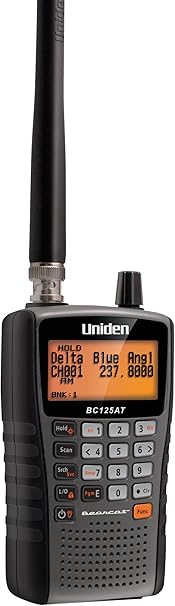 | Uniden Bearcat BC125AT | Check Price |
Our Top Picks 2  | Uniden BC365CRS Alarm Scanner | Check Price |
Our Top Picks 3  | Uniden Bearcat SR30C Scanner | Check Price |
Our Selected Top 13 Low Cost Police Scanner Worth Considering
This list features affordable police scanners chosen for their performance, ease of use, and reliability. Each review covers the device’s functionality, ideal users, advantages, and limitations to help readers find a suitable model that meets their specific needs and budget.
1. Uniden Bearcat BC125AT Handheld Scanner
Uniden Bearcat BC125AT is a straightforward analog police scanner built for those wanting reliable channel coverage without complex digital capabilities. Best suited for users interested in analog signals, it shines with its 500 alpha-tagged channels and Close Call RF capture technology for quick local tuning.
Setup involves inserting the included 2 AA batteries, and the compact design fits comfortably in hand for long sessions. Its digital display makes scanning through frequencies easy, and the Do Not Disturb Mode stops scanning interruptions during active transmissions. Pairing with a PC is possible, allowing for channel programming or updates if desired.
Performance is solid within its analog range across VHF and UHF bands, offering a maximum talking range of up to 50 kilometers. Constructed for portability rather than rugged use, it is not water resistant.
Positive feedback highlights how well it locks onto analog signals nearby, though many point out it cannot handle digital systems now common in bigger cities.
Uniden Bearcat BC125AT fits well in the hand and offers clear reception for analog signals. It can store up to 500 alpha-tagged channels, making it easy to organize. Close Call RF capture helps spot nearby transmissions quickly. Some users note it does not support digital signals, which limits access to some emergency channels switching to digital systems.
Ideal for people who want a simple, affordable scanner concentrating on analog frequencies like local town or volunteer fire departments. Those needing access to modern digital police or fire transmissions would benefit from a scanner designed for digital protocols. Perfect for casual listening or basic monitoring without extra complexity.
Pros
- 500 alpha-tagged channels for organized scanning
- Close Call RF technology finds nearby signals quickly
- Do Not Disturb Mode prevents scanning interruptions
- Compact design fits comfortably in hand
Cons
- Not compatible with digital trunking systems
- Not water resistant; delicate in wet conditions
| Specification | Details |
|---|---|
| Number of Channels | 500 |
| Frequency Range | 25-54 MHz, 108-174 MHz, 225-380 MHz, 400-512 MHz (UHF) |
| Battery Type | 2 AA batteries (included) |
| Battery Average Life | 10 hours |
| Talking Range Maximum | 50 kilometer |
2. Uniden BC365CRS Scanner with Alarm Clock
Easy to fit on a desk and ready to go, the Uniden BC365CRS is designed for anyone wanting a simple way to listen to police and emergency channels without spending a lot. Its greatest strength is the convenience of combining a police scanner with an alarm clock and FM radio in one compact device.
Setup takes just a few minutes since it comes with pre-set channels for popular emergency services, weather, marine, and more. Running on corded electric power and using push button controls, it holds up to 500 channels and stores 30 FM radio presets. Daily use is straightforward, switching between scanner, radio, and alarm clock functions smoothly without fuss.
Performance on the scanning front is solid for analog signals, picking up a wide range of channels clearly with a moderate noise level around 50 dB. The build feels sturdy with a tabletop mount style, though some mention it relies on 3 AA batteries for backup, which can require occasional replacement. Users appreciate its all-in-one design, but a common gripe is the lack of digital scanning capability.
The scanner receives a wide range of analog emergency channels well and is praised for its straightforward operation and built-in alarm clock. Many note that it lacks digital scanning capability, which limits reception of newer communication systems.
Anyone who wants an easy-to-use analog police scanner with extra features like FM radio and an alarm clock will like this. Those needing digital signal coverage or portable power options should consider other models.
Pros
- 500 channels with popular presets included
- Built-in FM radio with 30 presets
- Includes alarm clock function
- Simple push button controls
Cons
- Only supports analog scanning, no digital
- Requires AA batteries for backup power
| Specification | Details |
|---|---|
| Power Source | Corded Electric |
| Number of Channels | 500 |
| Audio Noise | 50 db |
| Preset FM Stations | 30 |
| Batteries Required | 3 AA batteries |
| Control Method | Push Button |
3. Uniden Bearcat SR30C Handheld Scanner
Affordable and compact, the Uniden Bearcat SR30C is perfect for anyone wanting a simple way to listen to emergency and public service channels without breaking the bank. Its biggest strength lies in offering a wide range of preset frequencies in a handheld device that fits easily in your hand or pocket.
Setting up involves using the USB connection to program the scanner from a PC, which saves a lot of time compared to manual entry. Daily use revolves around scanning through ten preset service banks like police, fire, weather, and marine frequencies.
The Close Call RF Capture helps catch nearby transmissions quickly, while Turbo Search speeds up scanning, making it straightforward to stay informed throughout the day.
Performance is solid for its price, picking up over 32,000 frequencies clearly in mono audio. The build is compact and lightweight, powered by AA batteries or USB, convenient for long use without bulky gear.
Most praise is for easy setup and good reception. A common complaint is the mono audio output and limited single-band support, which might not be ideal for users wanting more advanced features.
The scanner is praised for its clear reception and simple programming process, making it quick to get started and stay tuned to important local signals. Users often note the lack of stereo audio and single-band limitation as the biggest drawbacks when compared to pricier models.
People looking for a low-cost, easy-to-use police scanner will find this a solid choice, especially those new to scanning or on a budget. Those needing multi-band support or higher audio quality should consider more advanced options available on the market.
Pros
- Preloaded with ten service banks
- Close Call RF Capture feature included
- Compact and lightweight handheld design
- Easy PC programming via USB
Cons
- Mono audio output only
- Supports only a single radio band
| Specification | Details |
|---|---|
| Channels | 500 |
| Frequency | 32000 MHz |
| Power Source | USB, Battery-Powered |
| Programming | PC Programming via USB |
| Audio Output Mode | Mono |
4. Uniden BCD996P2 Digital Mobile Scanner

Solidly built with an LCD display and radio frequency interface, the Uniden BCD996P2 is best suited for those wanting reliable access to a wide range of channels. Its biggest strength lies in advanced scanning features like Close Call RF Capture and TrunkTracker V technology, helping you stay informed about nearby radio transmissions.
Setup involves integrating it with a 12-volt DC power source, typically in a vehicle, and linking to your smartphone via infrared connectivity. Daily use benefits from location-based scanning and NOAA weather alerts, which provide important warnings about severe weather.
Close Call Do-Not-Disturb helps avoid interruptions on active channels while still detecting nearby transmissions quietly.
Performance in picking up digital and analog signals across 25,000 channels is strong, offering a comprehensive scanning experience. The unit’s build is sturdy but not water resistant, so it requires some care when used outdoors. The clearest praise mentions the wide channel range and alert functionality, while complaints most often relate to the lack of water resistance and the dependence on a DC power supply.
Strong points highlighted include the extensive channel options and useful severe weather alerts, which keep users well-informed. Common issues focus on its lack of water resistance and the need for a steady DC power source, which can restrict flexible use.
Anyone wanting extensive radio coverage with weather updates will find this scanner very suitable. Those who need a portable, battery-powered scanner or require outdoor ruggedness might want to consider alternatives.
Pros
- Wide range of 25,000 channels
- Includes NOAA weather access and alerts
- Close Call RF Capture detects nearby transmissions
- Compatible with smartphones via IR
Cons
- Not water resistant, needs careful handling outdoors
- Requires 12 volts DC power source, limiting portability
| Specification | Details |
|---|---|
| Power Source | 12 volts Direct Current (DC) |
| Radio Bands Supported | 1-Band |
| Frequency | 25 MHz |
| Connectivity Technology | IR |
| Additional Features | Close Call RF Capture Technology, TrunkTracker V technology, S.A.M.E. weather alert, Location Based Scanning |
5. Uniden SDS150 Digital Radio Scanner

Lightweight and water-resistant, the Uniden SDS150 Digital Radio Scanner stands out with enhanced sensitivity that helps pick up even weak signals. It suits anyone looking for an affordable scanner that combines both modern digital technology and practical features like built-in GPS.
Setting up involves connecting it to your smartphone through Bluetooth to access the U/AWARE app, which makes managing frequencies straightforward. The digital display is clear and easy to understand, while the charge cradle simplifies keeping it powered for long hours in the field.
Weather alerts add useful updates without extra hassle.
Signal reception improves noticeably thanks to advanced filtering, cutting down on interference during important scans. The device feels sturdy without being heavy, designed for daily carry without getting in the way.
Frequent compliments mention its extended battery life, but some users find the single nonstandard battery less convenient when replacements are needed.
Signal reception and filtering perform well enough to reduce interference, making scanning reliable. Many appreciate the battery life for extended daily use, though having only one nonstandard battery can cause delays when replacements are necessary. The controls and display help beginners and experienced users alike.
Those needing a portable scanner with modern digital support and weather alert features will find this model satisfying. People expecting standard AA battery swaps or flawless smartphone connections may need to consider other options for easier maintenance or compatibility.
Pros
- Clear digital display with intuitive control layout
- Built-in GPS receiver for precise location info
- Long battery life optimized for field use
- Rugged yet lightweight for daily portability
Cons
- Uses single nonstandard battery, limiting quick swaps
- Some reported challenges pairing with smartphones
| Specification | Details |
|---|---|
| Connectivity Technology | Bluetooth |
| Tuner Type | TrunkTracker X, APCO P25 Phase I & II, Motorola, EDACS, LTR DMR Tier III*, Hytera XPT*, Single-Channel DMR* NXDN 4800/9600*, EDACS ProVoice* |
| Power Source | Battery Powered |
| Display Type | digital |
| Water Resistance Level | Water Resistant |
| Radio Bands Supported | AM, NFM, FM, WFM, or FMB |
6. Uniden SDS200 TrunkTracker X Scanner

Combining advanced technology with ease of use, the Uniden SDS200 is ideal for those wanting a low-cost police scanner that handles digital signals smoothly. Its single biggest strength lies in its ability to work well with tough digital simulcast systems while still being user-friendly.
Setting up the scanner is straightforward thanks to the HomePatrol Database, which automatically includes all known radio systems across the US and Canada. The 3.5 color display can be customized to show just what you want, making everyday operation clear and simple.
Updating the scanner’s database is done via USB and the Sentinel software, so it stays current with minimal effort.
Performance-wise, it catches a wide range of signals with strong reliability, especially in digital environments that trip up simpler models. Build quality is solid, with a vibrant LED backlight on the screen and a well-thought-out interface.
The most frequent praise points to its sharp signal reception, while the common complaint notes that some users find the software updates a bit fiddly.
The scanner gets high marks for its reliable signal reception, especially with digital systems that many others struggle to catch. A noticeable gripe is that managing updates through the software can be confusing at times, requiring patience to keep everything current.
Those wanting consistent performance from a scanner at a low cost will be satisfied with this model. Individuals who want a completely straightforward update process or don’t need advanced digital reception might want to look at simpler scanners instead.
Pros
- Handles tough digital simulcast systems well
- Customizable 3.5″ color display
- Comes with an extensive, regularly updated database
- Easy USB connection for updates
Cons
- Software updates can be somewhat complicated
- Standard sheet capacity listed but not relevant for scanner
| Specification | Details |
|---|---|
| Scanner Type | Radio Scanner |
| Connection Type | USB |
| Display Size | 3.5″ |
| Light Source Type | LED |
| Media Type | USB |
| Standard Sheet Capacity | 10 |
7. Uniden SDS100 Digital Handheld Scanner

Keeping track of police and emergency communications can be tricky, especially with signals fading in tough areas. Great for those who want reliable scanning without complicated setups, it stands out by offering solid digital reception in low-signal and simulcast zones.
Getting started involves a straightforward process like entering your zip code, which pulls in local channels automatically from a built-in database covering the US and Canada. Daily use benefits from a customizable color display that puts the info you want front and center. Updates come weekly, making sure your scanner stays current with new radio systems without extra effort on your part.
Digital performance holds up well, catching signals other scanners often miss in challenging RF environments. The build feels sturdy enough to take regular use on the go.
A strong point is its True I/Q receiver, improving signal clarity. The main drawback users mention is the complexity of some advanced settings, which can be confusing beyond basic scanning.
The Uniden SDS100 is praised for its impressive digital performance, especially in areas with weak signals or complex trunked systems. Its True I/Q receiver technology delivers clear audio and accurate decoding. Common complaints involve a learning curve when first programming the scanner and navigating the menus, which can be less intuitive for beginners despite the zip code setup option.
People interested in monitoring police and other digital radio traffic with a compact handheld scanner will find it suits their needs well. Those who prefer a scanner with simpler operation or fewer advanced features might prefer a different model. The SDS100 is best for users willing to invest some time in learning the programming to take full advantage of its.
Pros
- Simple programming using zip code
- Customizable color display
- Weekly database updates
- True I/Q receiver improves signal clarity
Cons
- Advanced settings can be complicated
- Some users find setup overwhelming at first
| Specification | Details |
|---|---|
| Scanner Type | Digital Handheld Scanner |
| Connection Type | USB |
| Resolution | 24 Bits |
| Color Depth | 24 |
| Media Type | MicroSD Card |
8. Whistler WS1010 Analog Handheld Scanner

Offers 400 channels split across 10 memory banks, making it perfect for anyone needing access to many frequencies without confusion. Suits casual listeners or storm spotters who want a straightforward, no-frills analog handheld scanner.
The big draw is how much you can store, keeping things organized and easy to access.
Setting it up involves using its preprogrammed service banks for police, fire, marine, aircraft, ham, and weather frequencies. Everyday use centers on flipping through these memory banks or activating the Spectrum Sweeper to scan nearby transmissions quickly. Weather alerts for specific counties notify you about hazards, which is practical and reassuring.
Power comes from 4 AA batteries, so it’s simple to keep running without special chargers.
Performance-wise, it nails analog scanning with reliable reception and consistent alerts in various environments. The build is compact and surprisingly light at just 7.7 ounces, which makes it easy to carry around. Praise often mentions how well the weather alerting works, while the main complaint revolves around the need for a PC interface cable and third-party software when updating or backing up, which adds some complexity.
Many find the weather alerting system very reliable and useful while the main hassle comes from needing a PC connection and third-party software for programming updates. This makes quick changes less intuitive for some users.
The scanner works well for those focused on analog channels and weather updates in a lightweight device. People who want digital scanning or faster programming without extra PC gear should look elsewhere.
Pros
- Stores up to 400 frequencies comfortably
- Convenient weather alerting per county
- Spectrum Sweeper scans fast for signals nearby
- Lightweight and fits well in hand
Cons
- Requires PC cable and software for programming
- Analog only, no digital signal support
| Specification | Details |
|---|---|
| Channels | 400 in 10 memory banks |
| Dimensions | 1.56 x 2.37 x 5.68 inches |
| Weight | 7.7 ounces |
| Batteries | 4 AA batteries required (included) |
| Special Feature | Skywarn Storm Spotter functionality |
9. Whistler WS1025 Analog Desktop Scanner
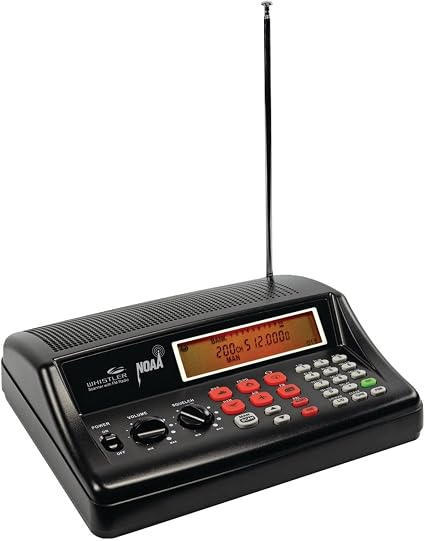
Experienced radio hobbyists and serious scanner fans will appreciate this desktop scanner for its detailed channel control and tuning options. Its biggest strength lies in the priority channel feature, letting you keep an ear on important frequencies while scanning a wider range.
It’s suited for those who want more from their scanner than just basic scanning.
Setting it up involves plugging it in and configuring channels through the intuitive interface. Scanning feels flexible due to the scan delay feature, which pauses for two seconds on each channel to catch replies, making conversations easier to follow. The tune function helps find new frequencies starting from a chosen point, revealing unlisted activity that keeps scanning interesting day-to-day.
The scanner performs consistently in picking up analog signals, proving reliable for serious monitoring sessions. Its build is solid, designed for desktop use rather than portability, which suits dedicated listening spots. Common praise highlights its precise scanning options while some mention the technical nature can feel complex for beginners aiming for a quick setup.
Priority channel scanning and the two-second scan delay make conversations easier to follow, which many appreciate. Some find the technical setup challenging, reflecting the scanner’s appeal mainly to experienced users rather than casual listeners.
Anyone comfortable with radio monitoring and who wants detailed frequency control will be happy with this scanner. Those seeking a simple, portable unit might want to look at other models better suited to quick, on-the-go scanning.
Pros
- Priority channel checks every two seconds
- Scan delay ensures clear reception of replies
- Tune function finds unlisted frequencies
- Bluetooth connectivity improves device integration
Cons
- Setup and options may be complex for beginners
- Designed for desktop, not portable use
| Specification | Details |
|---|---|
| Scanner Type | Radio |
| Connection Type | Bluetooth |
| Resolution | 200 dpi |
| Optical Sensor Technology | CCD, CMOS |
| Standard Sheet Capacity | 300 |
10. Uniden BC355N Base/Mobile Scanner

Analog radios still have their place, and this scanner is great for those wanting a simple, low-cost way to listen to nearby police and emergency channels. Its strongest feature is the Close Call RF Capture Technology, which quickly tunes into nearby signals without needing to manually search frequencies.
Setting it up takes a few minutes, mainly plugging it in and turning it on. Day-to-day use is straightforward with its LCD display and wide frequency support, making it easy to find relevant channels.
Since it’s corded electric, power is constant, but it does need a specific battery to keep settings saved. The USB connectivity also allows firmware updates or connection to a computer for scanning preferences.
Performance meets expectations for analog signals, effectively picking up transmissions within its 800 MHz range. The build is basic but durable enough for everyday desk or mobile use. Praised most is how quickly it locks onto nearby signals, while complaints usually mention its inability to handle digital trunking systems, limiting usefulness in larger cities switching to digital radio.
Close Call RF Capture Technology stands out for quickly locating nearby analog signals, making it easy to tune in without manual scanning. The main drawback is the lack of digital trunking support, so it won’t pick up modern police or emergency systems in larger areas using digital radios.
Those living in areas still relying on analog frequencies will find it perfectly adequate and affordable. People needing digital trunking scanners should look at more advanced models since this one doesn’t pick up those newer communications.
Pros
- Quick signal capture nearby
- Simple LCD display
- Wide frequency support
- USB connection for updates
Cons
- Analog only, no digital scanner
- Requires special battery for memory
| Specification | Details |
|---|---|
| Close Call RF Capture Technology | Yes |
| Radio Bands Supported | 1-Band |
| Frequency | 800 MHz |
| Power Source | Corded Electric |
| Display Type | LCD |
| Connectivity Technology | USB |
11. Whistler WS1065 Digital Trunking Scanner

Whistler WS1065 Digital Trunking Scanner is designed for people who want reliable police scanning on a budget. It stands out with its adaptive technology that keeps monitoring signals smoothly without constant tweaks, ideal for anyone tracking local communications closely.
Setting up involves connecting through Wi-Fi, which is straightforward for most. The multi-color LED alerts are easy to customize, making it quick to notice important signals at a glance.
Daily use benefits from its automatic adjustments that handle weak or shifting signals so you don’t need to fiddle with manual settings.
Performance-wise, it keeps up with digital transmissions well, decoding signals fast and clearly. Build quality feels solid, designed to withstand regular handling.
The most praised feature is its adaptive digital tracking, while the most common complaint revolves around limited media options since it only supports paper for output.
Adaptive digital tracking earns high marks for consistently clear reception even in tricky signal areas. Some users note the limited media handling, as only paper output is available, which may restrict flexibility. Audio levels can occasionally be low, but digital AGC helps adjust automatically.
Those looking for a straightforward, budget-friendly digital scanner with smart signal tracking will find this works well. Anyone needing more diverse media support or louder audio could consider other models instead. It suits users focused on local police and public safety channels with clear digital code decoding.
Pros
- Automatic adjustment for changing digital signals
- Customizable multi-color LED alerts
- Wi-Fi connectivity for easy setup
- Filters out unwanted transmissions using NAC
Cons
- Only supports paper media output
- Audio might be low without volume boost
| Specification | Details |
|---|---|
| Scanner Type | Radio |
| Connection Type | Wi-Fi |
| Resolution | 200 |
| Media Type | paper |
12. A330 Portable SSB Shortwave Radio Receiver

Using the A330 Portable SSB Shortwave Radio Receiver feels like having a versatile communication tool in your pocket. It suits anyone wanting wide frequency access without spending much.
Its standout strength is covering numerous radio bands, including police, air, and shortwave signals, all in one low-cost package.
Setup mainly involves charging its single included battery and connecting through Bluetooth 5.2 when streaming music or using the app-based remote control. Day-to-day operation benefits from the large 1,400 station memory and clear blue-backlit display, making preset channels easy to find whether indoors or outdoors. The fine-tuning feature lets you adjust SSB signals precisely for quiet, clear reception.
Reception across FM, MW, SW, AIR, VHF, and UHF bands works well, capturing distant and local broadcasts with solid clarity. Build quality is practical but not water-resistant, so care during outdoor use is essential. Positive notes highlight the wide frequency range and easy controls, while common complaints mention the lack of water protection and reliance on a nonstandard battery type.
Reception quality stands out due to the fine-tunable SSB capability, making it easy to get clear signals from different sources. A common downside is its vulnerability to moisture since it is not water-resistant and uses a less common battery type that could be tricky to replace quickly.
People needing extensive frequency coverage and a lot of memory for presets will appreciate its features. Those frequently outdoors in wet conditions or wanting simple standard batteries may find better options elsewhere.
Pros
- Wide coverage of multiple frequency bands
- Stores up to 1,400 radio stations
- Bluetooth 5.2 for remote control and music playback
- Clear outdoor visibility with blue-backlit display
Cons
- Not water resistant, requires careful handling
- Uses a nonstandard battery, limiting replacements
| Specification | Details |
|---|---|
| Number of Channels | 1400 |
| Connectivity Protocol | Bluetooth 5.2 |
| Tuner Type | FM, MW, SW, WB, AIR, VHF, UHF |
| Battery | 1 Nonstandard Battery (included) |
| Display | STN LCD blue-backlit screen |
13. Uniden BearTracker BCT15X Scanner

Great value for anyone needing a mobile police scanner with a vast number of channels and location-based features. Perfect for travelers or hobbyists who want reliable scanning on the go without a high price tag. Its standout feature is the automatic selection of channels based on your GPS location, keeping you tuned in wherever you drive.
Setup involves mounting the unit and connecting it to power in your vehicle, which comes with all the necessary hardware and cords. Programming is easier with state-by-state preprogrammed channels, so no need to manually input local police or highway patrol frequencies. The advanced dynamic memory system and close call RF capture help catch broadcasts nearby, while trunk tracking keeps you synced with Motorola and EDACS systems during your trips.
Performance impresses with the TrunkTracker III technology, reliably following transmissions on complex radio systems. The build includes a solid mounting bracket and antenna, designed for vehicle use and constant operation.
Alpha tagging makes identifying channels straightforward. Some users mention that getting familiar with the many settings takes time, but the scanner’s coverage and responsiveness stand out as strong points.
The automatic location-based scanning combined with TrunkTracker III technology earns praise for consistent reception across multiple systems. At the same time, some find the initial setup and feature navigation a bit complex, especially for those new to scanners.
This scanner suits those who spend a lot of time in their vehicles and appreciate having relevant channels selected automatically. For casual or home-only listeners, a simpler handheld might be a better option due to the installation needs and feature depth.
Pros
- Automatic channel selection via GPS
- Preprogrammed state-by-state channels
- TrunkTracker III for Motorola, EDACS, LTR
- Advanced memory captures close call signals
Cons
- Steeper learning curve with many features
- Setup requires vehicle installation effort
| Specification | Details |
|---|---|
| Channels | 9,000 |
| Compatibility | BC-RH96 Remote Head |
| Trunk Tracking | TrunkTracker III |
| Memory System | Advanced dynamic memory system |
| Included Accessories | AC Adapter, Vehicle Power Cord, Harness, Mounting Bracket, Antenna |
| Warranty | 1 year manufacturer |
Best Low Cost Police Scanners Side by Side Comparison
| Product | Number of Channels | Power Source | Additional Features | Water Resistance |
|---|---|---|---|---|
| Uniden Bearcat BC125AT | 500 | 2 AA batteries included | Digital Display | Not Water Resistant |
| Uniden BC365CRS Alarm Scanner | – | Corded Electric | Ultrasonic Sensor | – |
| Uniden Bearcat SR30C Scanner | – | USB, Battery-Powered | Close Call RF Capture | – |
| Uniden BCD996P2 Mobile Scanner | – | 12 volts DC | Close Call RF, TrunkTracker | – |
| Uniden SDS150 Digital Scanner | – | Battery Powered | Weather Alert | – |
| Uniden SDS200 TrunkTracker X | – | USB | TrunkTracker X | – |
| Uniden SDS100 Handheld Scanner | – | USB | Digital Handheld Scanner | – |
| Whistler WS1010 Analog Scanner | – | 4 AA batteries included | – | – |
| Whistler WS1025 Desktop Scanner | – | Bluetooth | – | – |
| Uniden BC355N Base Scanner | – | Corded Electric | Close Call RF Capture | – |
| Whistler WS1065 Trunking Scanner | – | Wi-Fi | – | – |
| A330 Portable Shortwave Radio | 1400 | 1 Nonstandard Battery | Auto Power Off, Bluetooth | Not Water Resistant |
| Uniden BearTracker BCT15X | – | AC Adapter, Vehicle Power | Included Accessories | – |
- Number of Channels500
- Power Source2 AA batteries included
- Additional FeaturesDigital Display
- Water ResistanceNot Water Resistant
- Number of Channels–
- Power SourceCorded Electric
- Additional FeaturesUltrasonic Sensor
- Water Resistance–
- Number of Channels–
- Power SourceUSB, Battery-Powered
- Additional FeaturesClose Call RF Capture
- Water Resistance–
- Number of Channels–
- Power Source12 volts DC
- Additional FeaturesClose Call RF, TrunkTracker
- Water Resistance–
- Number of Channels–
- Power SourceBattery Powered
- Additional FeaturesWeather Alert
- Water Resistance–
- Number of Channels–
- Power SourceUSB
- Additional FeaturesTrunkTracker X
- Water Resistance–
- Number of Channels–
- Power SourceUSB
- Additional FeaturesDigital Handheld Scanner
- Water Resistance–
- Number of Channels–
- Power Source4 AA batteries included
- Additional Features–
- Water Resistance–
- Number of Channels–
- Power SourceBluetooth
- Additional Features–
- Water Resistance–
- Number of Channels–
- Power SourceCorded Electric
- Additional FeaturesClose Call RF Capture
- Water Resistance–
- Number of Channels–
- Power SourceWi-Fi
- Additional Features–
- Water Resistance–
- Number of Channels1400
- Power Source1 Nonstandard Battery
- Additional FeaturesAuto Power Off, Bluetooth
- Water ResistanceNot Water Resistant
- Number of Channels–
- Power SourceAC Adapter, Vehicle Power
- Additional FeaturesIncluded Accessories
- Water Resistance–
How to Choose the Right Low Cost Police Scanner
Look for scanners with clear reception, easy programming, and durable design to ensure reliable use and long-term value. Choosing the right features prevents frequent replacements and frustration, ultimately saving money and making listening more enjoyable.
Frequency Coverage
Many emergency scanners struggle to cover a broad range of important frequencies, leaving users missing critical communications. A scanner that only picks up a few local police channels can quickly become frustrating, especially if fire or EMS signals are out of range. A good device supports a wide frequency spectrum including VHF and UHF bands, covering police, fire, EMS, and other emergency services.
Daily use benefits from broad frequency coverage and the ability to scan both analog and digital transmissions. Many agencies now use digital, so a scanner limited to analog will miss key conversations. Checking that the scanner covers local and nearby agencies is important to avoid dead air.
Standard coverage often spans 25 MHz to 512 MHz or more, which handles most urban and suburban emergency communications effectively.
Ease of Use
Switching through channels in a hurry can be a hassle on some scanners with complicated menus or slow response times. An intuitive interface means you spend less time adjusting settings and more time listening. Practical scanners offer easy navigation with dedicated buttons or simple menus for channel selection, search modes, and priority channel setup.
A clear, backlit LCD screen that stays readable in daylight and at night is crucial in daily use. Without it, reading frequencies or settings becomes a strain. Memory storage for dozens or even hundreds of channels helps avoid constant manual tuning.
Features like scanning priority channels first or locking out quiet ones make scanning faster and less distracting.
Portability and Power
Crowded pockets or a heavy bag become annoying if the scanner is bulky or heavy, especially on long outings. Compact, lightweight designs under 10 ounces are easier to carry around without fatigue. Portability also means battery life must support extended use without frequent recharges or replacements.
Devices that offer both rechargeable batteries and the option to swap standard AA or AAA cells add convenience. USB charging is handy on the go, but having the option to use an AC adapter at home avoids dead batteries.
Typical battery life ranges from 8 to 15 hours depending on usage, which suits most casual or professional users.
Audio Quality
Listening to emergency communications is useless if the audio is muddy or too quiet. Built-in speakers need to deliver clear sound with enough volume to hear from a short distance, even in noisy environments. Some models struggle with low volume or distortion, making it difficult to catch important details.
Support for external headphones or speakers improves flexibility, especially in public or quiet spaces. Noise filtering features that reduce background static or interference can make a real difference in clarity.
Common noise reduction tech focuses on digital signal processing to keep voices intelligible without cutting out faint transmissions.
Build Quality and Durability
Scanners that feel flimsy or have cheap plastic buttons rarely last beyond a few months of daily use. A solid build with durable materials like ABS plastic or rubberized edges helps withstand drops and rough handling.
Some models include water resistance or protective bumpers to guard against environmental damage.
Buttons and controls should have a firm, responsive feel that doesn’t degrade after repeated presses. Wear-resistant labeling on keys is a plus since worn-off prints make operation confusing over time.
A dependable build means fewer repairs and less worry about accidental damage ruining the device.
Maximizing Reception: Tips for Using Your Police Scanner Effectively
Placement plays a significant role in the reception quality of a police scanner. Positioning the scanner near a window improves the chances of picking up signals without interference from walls or other obstacles. Raise the device when possible, since placing it higher often reduces signal blockages.
Using an external antenna can also help improve the reception of low-cost models, especially in areas with weak signals. Some scanners come with connectors for external antennas, which can be purchased separately.
Additional tips for better scanning:
- Turn off nearby electronic devices that might cause interference.
- Regularly update the scanner’s frequency database to keep up with changes in local police channels.
- Learn how to properly program your scanner to focus on relevant channels only.
These practical steps can make a noticeable difference without the need for more expensive equipment.
Common Mistakes to Avoid When Operating a Police Scanner
One common mistake is scanning too many channels at once. This can slow down the scanner and cause you to miss important transmissions. Narrow down the frequencies you really want to monitor for a more focused experience.
Another issue is neglecting regular updates to the scanner’s software or frequency lists. Police departments often change their communication systems, and outdated information means dead air or incorrect channels.
More errors to avoid:
- Ignoring antenna placement, keeping the scanner in a drawer or far from windows results in poor reception.
- Turning the volume too low or too high; setting a comfortable volume ensures you can catch messages clearly without missing quiet ones.
- Failing to learn the scanner’s manual, many features might improve use but require understanding commands and functions.
Avoid these pitfalls to get the most out of your scanner.
Comparing Police Scanners to Scanner Apps: Pros and Cons
Police scanners provide hardware dedicated solely to receiving local radio frequencies, often delivering clearer audio and more reliable reception than smartphone apps. Scanners don’t rely on internet connections, making them useful in areas with poor cell service.
On the other hand, scanner apps can cover a wider range of locations since they tap into feeds from users across the country. Apps require no additional devices and are convenient for casual users.
Consider these points:
- Scanners work offline and avoid delays common with app streaming.
- Apps offer easy access to many channels but depend on stable data connections.
- Hardware scanners usually have longer battery life compared to phone use for scanning.
- Apps may include additional features like recording or text-based communication highlights.
Choosing between the two depends on your priority for portability, coverage, and reliability.
People Also Asked
How Long Does a Low Cost Police Scanner Typically Last?
Low cost police scanners usually last several years with normal use. Battery life and build quality vary, so keeping it clean and storing it properly helps extend its lifespan.
Is It Safe to Use a Police Scanner While Driving?
Using a police scanner while driving can be distracting and may be illegal in some areas. It is safer to set the scanner before starting to drive or have a passenger operate it.
What Frequencies Are Compatible with Low Cost Police Scanners?
Most low cost police scanners cover common public safety frequencies like VHF and UHF bands. They may not access encrypted or newer digital channels used by some police forces.
How Do I Properly Set up a Cheap Police Scanner?
Proper setup involves scanning and programming the correct local frequencies, often found online or from community sources. Adjusting the squelch and antenna placement improves reception quality.
What Common Problems Should I Expect with Budget Police Scanners?
Common issues with budget scanners include poor reception, limited channel memory, and occasional freezing. Updating firmware or resetting the device can fix some problems but expect simpler features overall.
Conclusion
Choosing a low cost police scanner comes down to simplicity, range of frequencies covered, and ease of operation. A scanner that picks up the channels you need without too much setup saves time. Battery life matters if you plan to use it on the go.
Avoid models that require complex programming if you prefer ready-to-use options.
Think about where you’ll keep the scanner and how often you’ll listen. A compact model fits small spaces and is easier to carry.
Check your budget but don’t overlook basic functionality. Review the comparison table and detailed descriptions above to find a unit that fits your needs without extra features you won’t use.