Top 12 Best Work Shoes Construction Pros Swear By!
Long shifts on rough, uneven surfaces quickly reveal the flaws of poorly made footwear. Shoes that lack proper support or grip wear out fast, causing discomfort and increasing the risk of trips or foot injuries. Finding the best work shoes construction means getting boots that hold up without causing pain or distraction, even on demanding job sites.
The key features that separate reliable work shoes for construction include sturdy soles with slip-resistant tread meeting ASTM F2913 standards, protective toe caps often steel or composite rated to ASTM F2413 for impact resistance, and durable, water-resistant uppers made of full-grain leather or synthetic materials. Fit is critical too; a secure, roomy toe box combined with good arch support prevents fatigue. Ease of cleaning often comes down to straightforward materials that don’t trap dirt and can be wiped down quickly at the end of a day.
Need a Quick Check?
| Image | Product | Price |
|---|---|---|
Our Top Picks 1  | Skechers Cankton Steel Toe | Check Price |
Our Top Picks 2  | CAT Threshold Waterproof Boot | Check Price |
Our Top Picks 3  | Timberland PRO Keele Ridge | Check Price |
Our Selected Top 12 Work Shoes Construction Worth Considering
This list features twelve carefully chosen work shoes designed for construction environments. Each review highlights key performance aspects, suitability for different users, and the main advantages and drawbacks to help you find the right footwear that meets your specific job needs.
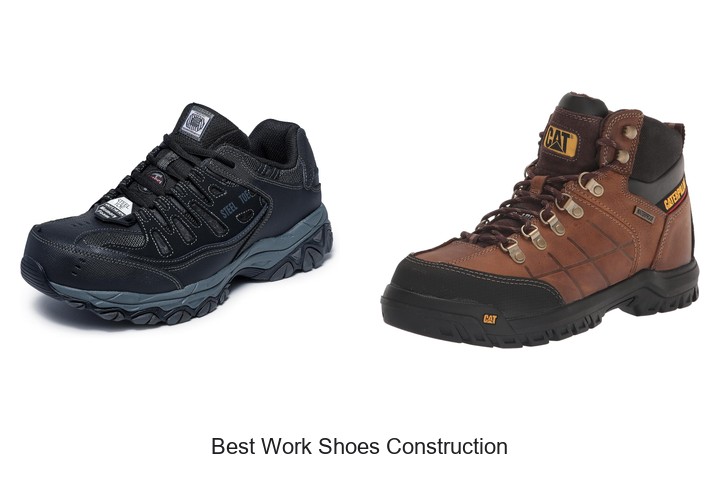
1. Skechers Cankton Steel Toe Lace Up
A standout feature of these work shoes is the steel toe combined with memory foam for comfort, making them ideal for anyone on a construction site needing reliable foot protection without sacrificing comfort. The black/charcoal color keeps a professional look while providing electrical hazard protection for added safety.
Wearing them daily involves a straightforward lace-up system that gives a snug fit suited for long shifts. The memory foam conforms to your foot shape, so after a while, it feels personalized.
Low heels prevent fatigue, and the solid pattern means easy cleaning after dusty, muddy work days. These shoes fit comfortably during the warmer spring and summer seasons, adding to their usability on site.
Performance centers on their steel toe that effectively guards against heavy impacts, which is critical on construction sites. Being electrical hazard rated adds an essential layer of protection that some other work shoes lack.
The build is solid with durable materials designed to last through tough conditions. The most praised aspect is the comfort from the memory foam, while the most noted drawback is that they can feel a bit heavier compared to non-steel-toe shoes.
The memory foam is widely praised for making the shoes comfortable even during extended wear. Most people report the steel toe protects well but mention the shoes feel heavier than simpler models.
Those needing strong safety features and comfort for long hours on construction sites will appreciate this shoe. Anyone looking for extremely lightweight footwear may want to consider alternative options.
Pros
- Steel toe provides solid protection
- Memory foam offers all-day comfort
- Electrical hazard rated for safety
- Low heel reduces foot fatigue
Cons
- Heavier than some other work shoes
- Limited color options available
| Specification | Details |
|---|---|
| Color | Black/Charcoal |
| Toe Style | Steel Toe |
| Heel Type | Low Heel |
| Occasion Type | Work |
| Electrical Hazard Rated | Yes |
| Memory Foam | Yes |
2. CAT Threshold Waterproof Steel Toe Boot
CAT Threshold Waterproof Steel Toe Boot is designed for construction workers who need reliable protection and comfort on tough job sites. Its biggest strength lies in being waterproof while offering slip-resistant traction, ideal for wet and hazardous environments.
Putting on these boots feels straightforward thanks to the foam insole that cushions your steps without feeling stiff. The medium arch support suits many feet, making all-day wear doable without excessive fatigue.
The steel toe adds safety without making them overly heavy, and the waterproof feature keeps feet dry during rainy or muddy workdays.
Built solidly with ASTM classification and electrical hazard protection, these boots handle rough use on construction sites well. They perform strongly in slip resistance and water protection. Some mention the boots can feel a bit bulky at times, but their durability and safety features are what stand out most clearly.
This boot is praised for keeping feet dry and secure on slick surfaces thanks to its waterproof material and slip resistance. However, some find the bulkiness a drawback during extended periods of use, which might affect comfort for those moving constantly.
Ideal for workers who need sturdy, safe footwear in wet or hazardous environments without specialized foot support. Those requiring corrective arch or foot support might want to look elsewhere for options addressing those needs.
Pros
- Waterproof for wet and muddy conditions
- Slip-resistant sole enhances safety
- Steel toe protection
- Medium arch for general comfort
Cons
- Boots can feel bulky during long wear
- No corrective support for foot problems
| Specification | Details |
|---|---|
| Target Use Body Part | Foot |
| Slip Resistant | Yes |
| Waterproof | Yes |
| ASTM-classification | Yes |
| Electrical-Hazard | Yes |
| Insole Type | Foam |
| Arch Type | Medium Arch |
| Corrective Support | False |
3. Timberland PRO Keele Ridge Steel Toe Work Boot
Comfortable from the first step, these work boots suit anyone needing reliable protection on tough job sites. The biggest strength lies in their sturdy steel toe, providing solid safety without feeling overly bulky or heavy throughout the day.
Slipping into the boots is straightforward thanks to their work boot form, which fits snugly and holds the foot securely. The block heel adds stability on uneven surfaces while keeping a strong grip. All-season durability makes them functional indoors or outside, even in wet conditions thanks to waterproof features.
Built to handle industrial environments, the steel toe guards against impact and compression hazards effectively. The waterproof design keeps feet dry during long shifts, though some find the boot a little stiff initially.
Durable materials and solid stitching come through as positives, but breaking them in requires patience.
The steel toe and waterproof design receive consistent praise for safety and durability, while many note the boots feel stiff when new and take time to soften up. The build suits demanding work environments but needs time to adjust to your feet.
Workers looking for tough, all-season protection and solid stability will appreciate these boots. Those needing a lighter, more flexible option or quick break-in might want to explore alternatives better suited for immediate comfort.
Pros
- Strong steel toe protection
- Waterproof for all-season use
- Stable block heel
- Secure, comfortable fit
Cons
- Initial stiffness requires break-in time
- Heavier than some other work boots
| Specification | Details |
|---|---|
| Color | Brown-2024 New |
| Toe Style | Steel Toe |
| Boot Form Type | Work Boot |
| Heel Type | Block Heel |
| Seasons | All |
| Style Name | Keele Ridge Steel Toe Waterproof Industrial Boot |
4. Furuian Pioneer Series Steel Toe Boots

Great choice for anyone needing durable work shoes that prioritize safety and comfort. These brown steel toe boots suit people who spend long hours on construction sites and appreciate solid foot protection alongside a stable fit.
The boots break in relatively quickly and feel supportive throughout the day. No heel design means stable footing on uneven surfaces, important when moving around a busy job site.
The steel toe offers reliable protection without feeling overly bulky, and the all-season build keeps feet comfortable through various weather conditions.
Performance is solid with a focus on safety, thanks to the steel toe feature that guards against common construction hazards. The stable form supports your feet well, but some find the boots a bit stiff during the first uses. Most praise centers on protection and durability, while a few mention breaking them in takes time.
The steel toe protection and stable no-heel design make it a reliable choice for tough environments. Many appreciate the durability, but the stiffness when new is mentioned often, requiring some time to get comfortable.
Professionals needing dependable safety footwear with a solid build will be satisfied, especially for all-season use. Anyone wanting a softer first-day feel or more stylish heel options might want to look at other alternatives.
Pros
- Offers solid steel toe protection
- All-season wearability keeps feet comfortable
- Stable fit with no heel design
- Durable for rough construction work
Cons
- Initial break-in period can be stiff
- Limited heel height limits style options
| Specification | Details |
|---|---|
| Color | Brown |
| Toe Style | Steel Toe |
| Boot Form Type | Work Boot |
| Heel Type | No Heel |
| Seasons | All |
| Style Name | Stable Work Shoes |
5. Skechers Respected Boswell Boot

Dark brown leather makes up these boots, designed for outdoor work life in fall conditions. They suit anyone who wants comfortable, casual construction footwear with a moc toe style and a solid pattern.
Their biggest strength lies in how well they balance occupational demands with a laid-back look.
Putting the boots on daily feels straightforward thanks to no heel design, which keeps movements natural during long shifts. The casual style and soft material fit well for extended wear outside. The sport theme aligns with active days, while the solid pattern hides dirt and scuffs better than lighter shoes might.
Build-wise, these boots focus on comfort over heavy-duty protection but still hold up well in everyday outdoor tasks. Most praise highlights the comfortable fit and supportive feel, especially for those needing casual yet practical footwear. Some mention that the moc toe style may not provide the toughest toe protection compared to steel-toe boots.
Comfort stands out as the main praise, making these boots easy to wear throughout workdays. The most frequent complaint points to the moc toe design offering less protection compared to traditional steel-toe boots.
Workers looking for casual, comfortable outdoor boots for fall will find these a good fit. Those needing reinforced toe safety or shoes built for harsh weather might want to consider other options.
Pros
- Comfortable fit for long hours
- Dark brown hides dirt well
- No heel helps natural movement
- Casual look suitable for various settings
Cons
- Lacks heavy-duty toe protection
- Better suited for fall, not extreme weather
| Specification | Details |
|---|---|
| Color | Dark Brown |
| Heel Type | No Heel |
| Toe Style | Moc Toe |
| Season | Fall |
| Occasion Lifestyle | Outdoor |
| Formality Level | Casual |
6. [No Brand] Steel Toe Lightweight Work Shoes
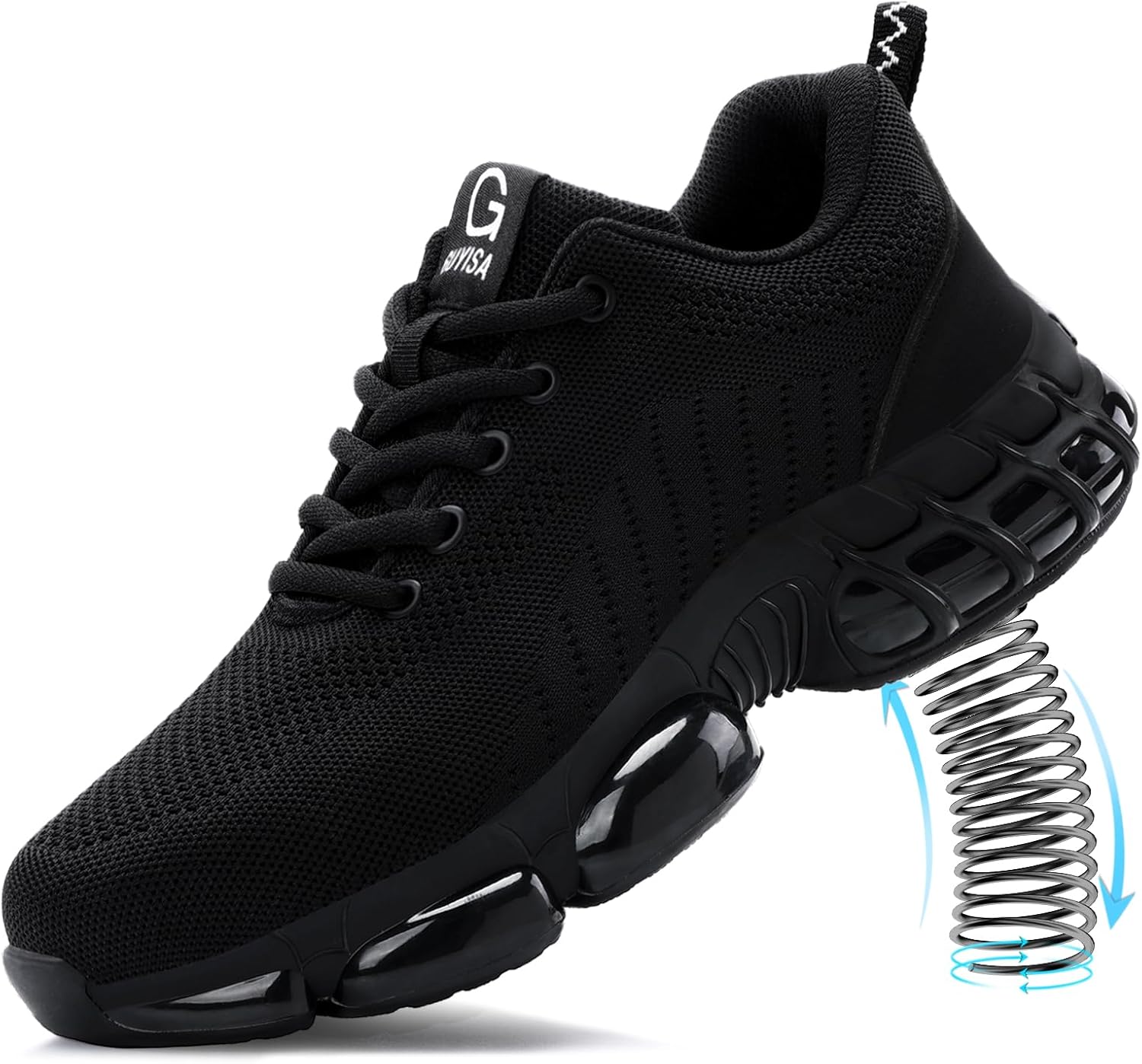
Lightweight and built for construction work, these black steel toe shoes suit anyone needing reliable foot protection without heavy boots. Their main appeal is the balance between sturdy safety features and a surprisingly light feel, making them ideal for long hours on a worksite.
Putting them on is straightforward because there’s no heel to worry about, which keeps them comfortable throughout the day. The solid black pattern means they don’t show dirt easily, and they work well in any season thanks to their all-season design. Being lightweight helps reduce fatigue during tasks that require constant movement.
Steel toes provide essential protection on light-duty worksites, and the shoes stand up well under typical construction conditions. The industrial style keeps things simple and practical, although some users might find the lack of heel less supportive during intense jobs.
Complaints usually revolve around fit and some wishing for more cushioning, but the build feels durable and keeps feet safe.
The shoes are praised for their lightweight protection, which helps reduce foot fatigue during construction work. The most common drawback is the no-heel design, leading some to feel less support in demanding tasks. Fit can be a concern, requiring careful sizing choices.
Ideal for workers who want steel toe protection without bulky boots, especially for light-duty sites. Those needing extra arch support or cushioning during heavy labor may want to consider other options.
Pros
- Steel toe safety without heavy boot weight
- Comfortable for extended wear
- Durable solid pattern hides worksite dirt
- Works well in all seasons
Cons
- Lack of heel may reduce support
- Some find fit less adjustable
| Specification | Details |
|---|---|
| Color | Black-3033 |
| Toe Style | Steel Toe |
| Heel Type | No Heel |
| Occasion Type | Construction |
| Seasons | All |
| Style Name | Industrial |
7. New Balance Speedware Composite Toe Work Shoes
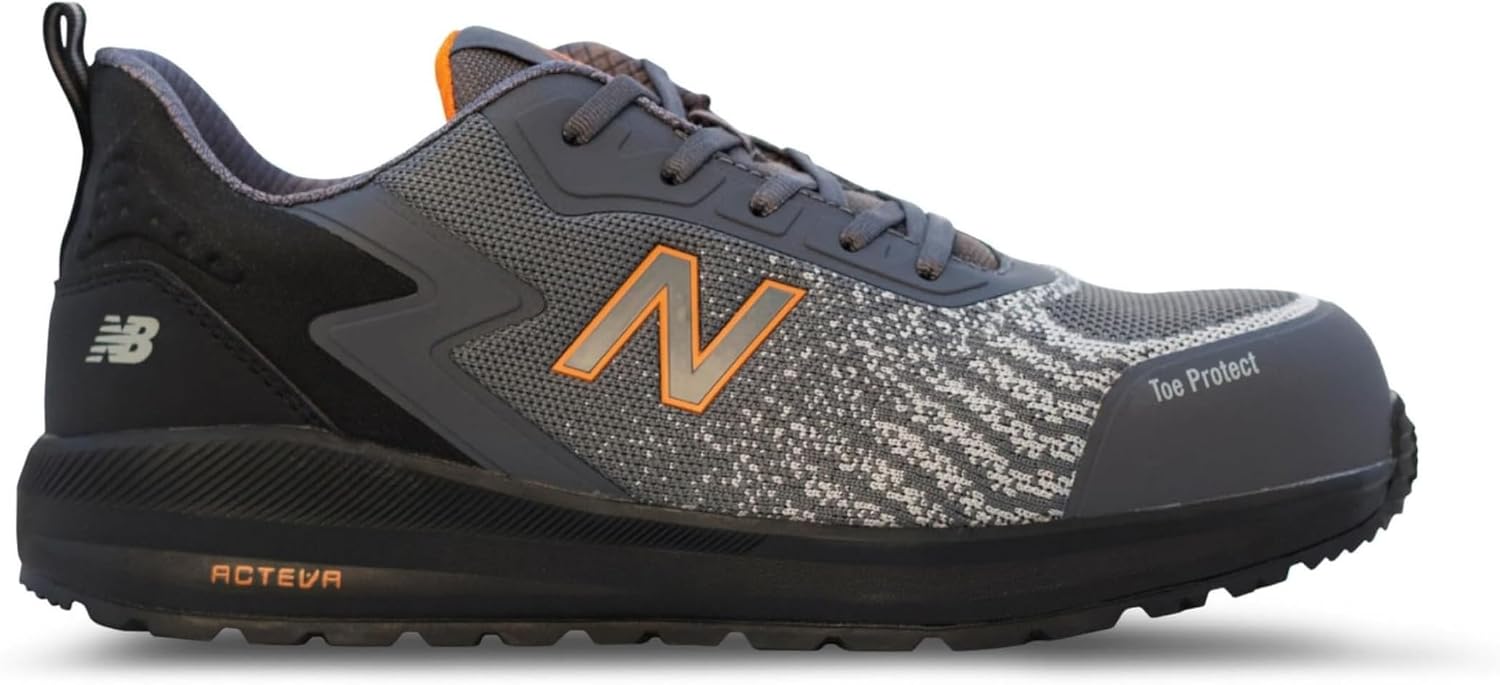
Great for construction work where foot protection and comfort are priorities, the New Balance Speedware Composite Toe Work Shoes combine safety with a casual look. Their standout feature is the composite toe that guards against impacts without the weight of traditional steel toes, making them ideal for long shifts on your feet.
Putting these shoes on feels straightforward since they don’t have a heel to manage, which helps with stability on uneven ground. The fit leans toward comfort to keep up with active workdays.
The grey and orange color keeps the style simple but visible enough for safety environments. Their solid pattern and occupational professional design make them suitable beyond just the construction site, showing versatility for casual work occasions.
Durability and safety are where these shoes focus most of their strengths. The composite toe provides good protection against workplace hazards and reduces fatigue from heavy materials. Reviews often highlight their reliable build and comfortable fit as major positives, while the most frequent downside mentioned is the lack of ventilation, which might affect breathability during hotter months.
These shoes receive strong praise for their comfortable fit and sturdy protection thanks to the composite toe. Reviewers frequently mention the downside involving limited ventilation, which can make the shoes feel hot in warmer weather. The no-heel design is noted as a plus for stability.
Workers who need reliable foot protection without heavy steel toes will appreciate this model. Those who work in very hot environments or need extra breathability might want to look for alternatives with better airflow.
Pros
- Lightweight composite toe for safety without extra bulk
- No heel design improves stability on uneven surfaces
- Casual style fits work and off-job occasions
- Durable construction suited for industrial environments
Cons
- Limited breathability may cause discomfort in warm conditions
- Lack of ventilation affects airflow during long wear
| Specification | Details |
|---|---|
| Color | Grey/Orange |
| Toe Style | Composite Toe |
| Heel Type | No Heel |
| Occasion Type | work |
| Pattern | Solid |
| Theme | Work, Industrial |
8. [No Brand] Waterproof Steel Toe Work Boots

Working long hours on tough construction sites demands shoes that protect and last. These black waterproof steel toe boots fit that bill, delivering solid protection against hazards while standing up to all-weather conditions. Best suited for those needing dependable foot safety with reliable waterproofing.
Putting them on feels straightforward with a typical work boot design. The platform heel adds a bit of height without compromising balance, which helps when moving on uneven or rough ground.
The all-black color keeps them looking clean longer during daily wear, and their solid build means they are ready for any season and weather.
They do a strong job protecting toes thanks to the steel cap, which meets the main demand of construction footwear. Waterproofing prevents water intrusion, keeping feet dry even through puddles and slush. The build feels sturdy, though some mention the boots can feel a bit heavy during extended wear.
Protection is excellent, but a little less emphasis on lightweight comfort.
The boots provide excellent waterproof protection and strong steel toe defense, which is their biggest strength. The most common drawback mentioned is their weight and how this can make them feel tiring after prolonged use.
Anyone working in wet or rough environments requiring foot safety will appreciate these boots. Those who prioritize very light footwear or need immediate soft comfort might want to explore lighter options.
Pros
- Reliable steel toe protection
- Waterproof for all weather use
- Platform heel for stable footing
- All-black solid look
Cons
- Boots feel somewhat heavy during long wear
- May take time breaking in for comfort
| Specification | Details |
|---|---|
| Color | All-black |
| Toe Style | Steel Toe |
| Boot Form Type | Work Boot |
| Heel Type | Platform Heel |
| Seasons | All |
| Pattern | Solid |
9. [No Brand] Steel Toe Lightweight Work Shoes

Steel toe protection stands out for anyone working in construction or industrial settings. These shoes bring together safety and lightweight comfort, making them solid for long shifts on hard surfaces where foot protection is non-negotiable.
Wearing them daily is straightforward since the flat heel keeps footing stable and the modern style fits in well even off the job site. They arrive in a classic black, which helps keep things looking clean despite tough work environments.
The solid pattern means no fancy designs to worry about wearing down over time.
Construction holds up well, focusing heavily on the protective toe feature. The build feels reliable with a sturdy outer layer, though some might find them less cushioned than other options. Common feedback praises the durable steel toe, while a typical gripe concerns comfort over extended use.
Strong steel toe protection is consistently praised for preventing injuries in tough work environments. Most commonly, discomfort arises from limited cushioning especially after extended periods on the job.
Anyone needing solid safety shoes without extra bulk will find these fitting well. Those who prioritize plush comfort over protection might seek different models offering more padding.
Pros
- Lightweight for steel toe shoes
- Flat heel ensures stable footing
- Simple solid black style
- Suitable for all seasons
Cons
- May feel stiff during long wear
- Lacks extra cushioning for comfort
| Specification | Details |
|---|---|
| Color | 0251-black |
| Occasion Type | Work/Industrial |
| Heel Type | Flat |
| Toe Style | Steel Toe |
| Style Name | Modern |
10. CAT Invader Hi Steel Toe Boot

People working in construction or industrial environments that demand steel toe protection will appreciate the CAT Invader Hi Steel Toe Boot. Its strongest feature is the reliable safety it offers with a classic Chelsea boot style, making it a smart choice for those needing solid foot protection without sacrificing convenience.
The honey reset color and Chelsea boot form make it easy to slip on and off every day. It suits fall conditions well, providing comfort through steady work hours. The block heel offers stability without being too bulky, and the solid pattern keeps the boot straightforward and easy to clean after long days on site.
Built with a steel toe for protection against heavy objects, the boot holds up reliably in rough conditions. The main praise centers on its solid safety features combined with practical construction.
Some users mention the fit can take a little getting used to because of the boot’s form type, but overall it performs well under demanding tasks.
The most common praise highlights the boot’s strong steel toe protection and durable build. Some find the fit a bit snug at first, especially around the ankle due to the Chelsea style. The simple design goes well beyond just aesthetics, keeping the focus on functionality for tough jobs.
People needing dependable safety footwear during fall will likely be satisfied with the comfortable yet protective design. Those looking for boots suited to multiple seasons or who prefer adjustable lacing might want to explore other options better tailored to those preferences.
Pros
- Reliable steel toe for strong foot protection
- Easy slip-on Chelsea design
- Stable block heel for consistent support
- Simple solid color easy to maintain
Cons
- Fit may feel tight initially
- Limited to fall season wear
| Specification | Details |
|---|---|
| Color | Honey Reset |
| Toe Style | Steel Toe |
| Boot Form Type | Chelsea |
| Heel Type | Block Heel |
| Seasons | Fall |
| Pattern | Solid |
11. Timberland PRO Pit Boss Steel Toe Work Boot

Sturdy, dependable, and designed for long shifts on tough terrain, the Timberland PRO Pit Boss Steel Toe Work Boot suits anyone in construction needing reliable foot protection. Its standout feature is the steel toe, which offers solid safety without sacrificing all-day comfort. This boot balances protection and comfort better than many others in its class.
Breaking in these boots is straightforward thanks to the well-shaped block heel and solid construction. They feel supportive from the first wear and offer good ventilation for all-season use.
The brown color hides dirt well, keeping the boots looking presentable through rough days. Laces hold tight and the 6-inch height provides excellent ankle support when climbing or moving around uneven surfaces.
Protection-wise, the steel toe guards against impact and compression effectively. Build quality is solid with dependable stitching and durable leather materials that stand up to daily wear and tear. Most who wear them praise their long-lasting durability, though some mention a slightly heavier feel compared to lighter work boots.
They deliver on safety and toughness, but the weight might not suit those wanting ultra-light footwear.
The steel toe offers reliable safety while the leather’s durability keeps the boots going through heavy use. A common downside is their weight, which can feel bulky after long hours. The block heel supports well but adding extra cushioning could be beneficial.
Anyone working in demanding environments needing strong safety features will appreciate these boots. Those looking for lightweight footwear or faster break-in comfort might want to explore other options better suited to those priorities.
Pros
- Strong steel toe protection for safety
- Comfortable block heel supports all-day wear
- Durable leather withstands tough conditions
- Good ankle support with 6-inch height
Cons
- Heavier than many other work boots
- Some find them stiff during break-in
| Specification | Details |
|---|---|
| Color | Brown-2024 New |
| Toe Style | Steel Toe |
| Boot Form Type | Work Boot |
| Heel Type | Block Heel |
| Seasons | All |
| Style Name | Pit Boss 6 Inch Steel Safety Toe Industrial Work Boot |
12. CAT Second Shift Steel Toe Boot

CAT Second Shift Steel Toe Boot is a solid choice for anyone needing sturdy work shoes that prioritize safety. The standout feature is the steel toe protection, ideal for construction sites or heavy-duty environments requiring reliable foot safety.
Putting these boots on feels straightforward thanks to their classic work boot design. They fit snugly, providing enough room without feeling bulky, which helps during long days on your feet. The flat heel offers stability across rough surfaces, and their black color keeps them looking clean through fall projects and outdoor work days.
Construction holds up well in rugged conditions, with the steel toe offering dependable protection from impacts. The material is tough, suited to resist wear and tear, though some might find them a bit stiff initially. Reviews point out the boots maintain durability, but a common issue is break-in time being on the longer side.
Most people praise the safety features and durability, while a frequent complaint is that these boots take some time to soften and fit comfortably. They hold up well over time once broken in but might not feel comfortable right out of the box.
The boots suit anyone working in construction or industrial jobs needing dependable foot protection and durability. Those looking for immediate comfort or lighter footwear should consider alternatives that require less breaking in or are designed with softer materials.
Pros
- Steel toe offers solid protection
- Flat heel improves stability
- Durable material withstands tough work days
- Classic black color hides dirt well
Cons
- Requires long break-in period
- May feel stiff at first use
| Specification | Details |
|---|---|
| Color | Black |
| Toe Style | Steel Toe |
| Boot Form Type | Work Boot |
| Heel Type | Flat |
| Seasons | Fall |
| Style Name | Second Shift Steel Toe |
Comparison of Top Work Shoes Construction Features
| Product | Toe Style | Waterproof | Heel Type | Occasion |
|---|---|---|---|---|
| Skechers Cankton Steel Toe | Steel Toe | – | Low Heel | Work |
| CAT Threshold Waterproof Boot | – | Yes | – | – |
| Timberland PRO Keele Ridge | Steel Toe | Yes | Block Heel | Work |
| Furuian Pioneer Steel Toe | Steel Toe | – | No Heel | – |
| Skechers Respected Boswell | Moc Toe | – | No Heel | Outdoor |
| Lightweight Steel Toe Shoes | Steel Toe | – | No Heel | Construction |
| New Balance Speedware Toe | Composite Toe | – | No Heel | Work |
| Waterproof Steel Toe Boots | Steel Toe | Yes | Platform Heel | Work |
| Lightweight Steel Toe Shoes 2 | Steel Toe | – | Flat | Work/Industrial |
| CAT Invader Hi Steel Toe | Steel Toe | – | Block Heel | – |
| Timberland PRO Pit Boss | Steel Toe | – | Block Heel | Work |
| CAT Second Shift Steel Toe | Steel Toe | – | Flat | – |
- Toe StyleSteel Toe
- Waterproof–
- Heel TypeLow Heel
- OccasionWork
- Toe Style–
- WaterproofYes
- Heel Type–
- Occasion–
- Toe StyleSteel Toe
- WaterproofYes
- Heel TypeBlock Heel
- OccasionWork
- Toe StyleSteel Toe
- Waterproof–
- Heel TypeNo Heel
- Occasion–
- Toe StyleMoc Toe
- Waterproof–
- Heel TypeNo Heel
- OccasionOutdoor
- Toe StyleSteel Toe
- Waterproof–
- Heel TypeNo Heel
- OccasionConstruction
- Toe StyleComposite Toe
- Waterproof–
- Heel TypeNo Heel
- OccasionWork
- Toe StyleSteel Toe
- WaterproofYes
- Heel TypePlatform Heel
- OccasionWork
- Toe StyleSteel Toe
- Waterproof–
- Heel TypeFlat
- OccasionWork/Industrial
- Toe StyleSteel Toe
- Waterproof–
- Heel TypeBlock Heel
- Occasion–
- Toe StyleSteel Toe
- Waterproof–
- Heel TypeBlock Heel
- OccasionWork
- Toe StyleSteel Toe
- Waterproof–
- Heel TypeFlat
- Occasion–
How to Choose the Right Construction Work Shoes
Choosing the right construction work shoes means focusing on durability, comfort, and safety features like slip resistance and toe protection. These factors ensure your feet stay protected and reduce the risk of injury, ultimately saving money on medical bills and preventing work interruptions.
Safety Features
Working on a construction site means stepping on nails, working near live wires, and moving across slippery surfaces daily. Shoes with steel or composite toe caps prevent serious toe injuries, while high-quality slip-resistant outsoles keep footing secure on wet or oily floors.
Not all slip resistance is equal; look for shoes with ASTM or OSHA certification to ensure reliable traction.
Electrical hazard resistance is crucial for those dealing with electrified equipment, as it provides a secondary shock protection layer. Puncture-resistant midsoles shield against sharp objects, but some midsoles use flexible steel, others use Kevlar or composite plates.
The key is balancing protection with comfort, as bulky protection can make shoes feel heavy or stiff.
Comfort and Fit
Standing or walking for long hours highlights the need for good arch support and cushioning in work shoes. Shoes lacking proper arch support often cause foot fatigue and pain after a few hours.
Select shoes with molded insoles that offer substantial heel and forefoot cushioning. Removable insoles can also help customize comfort by inserting orthotics.
Widths matter as much as length, too narrow and toes cramp; too wide and feet slide inside, causing blisters. Many brands offer multiple width options from narrow to extra wide.
Breathable materials with moisture-wicking linings reduce sweaty feet, which helps prevent blisters and odor during extended wear.
Durability and Materials
Uppers made from full-grain leather tend to last longer and handle scuffing and abrasions better than cheaper synthetic materials. However, modern tough synthetics can be lighter and more water-resistant but may not breathe as well. The outsole needs to resist abrasive surfaces like gravel and concrete; rubber with a tight tread pattern usually outperforms EVA or softer compounds.
Waterproof membranes or coatings protect against puddles and wet conditions but watch out for shoes that trap heat inside. Some offer water resistance enough for light moisture without sacrificing breathability. For wet or muddy jobs, look for shoes labeled with Gore-Tex or similar waterproofing tech.
Weight and Flexibility
Wearing heavy boots all day quickly wears down energy and mobility. Lightweight shoes reduce this fatigue, making it easier to stay productive. Materials like composite toes and EVA soles help cut down weight compared to steel toes and traditional rubber soles.
Flexibility in the sole ensures natural foot movement; rigid soles can cause discomfort and even increase injury risk on uneven ground.
Shoes need to strike a balance between protection and flexibility so that the foot is guarded against hazards without feeling imprisoned. A sole with multi-directional flex grooves usually provides good movement while maintaining grip and protection.
Ease of Maintenance
Construction work gets shoes caked with mud, paint, or chemical splashes. Shoes that clean up easily, such as those with smooth leather or synthetic uppers, save time at the end of the day.
Stain-resistant treatments help maintain appearance and reduce the need for harsh cleaning methods that wear down materials.
Frequent exposure to substances like concrete dust and oils can quickly degrade shoes not designed for such conditions. Shoes with protected seams and abrasion-resistant panels last longer. Quick-dry linings prevent moisture buildup inside, stopping odor problems that build up over time from sweat and wetness.
Proper Maintenance Tips to Extend the Lifespan of Construction Work Shoes
Construction work shoes face tough conditions daily, making maintenance essential. Dirt and debris should be removed after each use to prevent damage to the sole and upper material.
Wet shoes take longer to dry during cold or humid weather, which can cause the materials to break down or develop odors. It helps to stuff shoes with newspaper to absorb moisture quickly. Regularly check the soles for wear and tear; worn-out soles reduce traction and increase the chance of slipping.
Applying a leather conditioner keeps leather shoes supple and prevents cracking. Storing shoes in a dry, ventilated area avoids buildup of mold and mildew.
- Clean shoes after each use
- Dry shoes promptly, avoid direct heat
- Condition leather parts routinely
- Inspect soles and replace if worn
- Store in a cool, dry place
Following these steps helps work shoes last longer, saving money while maintaining safety on the job.
Common Safety Hazards and How the Right Work Shoes Can Prevent Injuries
Construction sites come with risks like sharp objects, heavy falling materials, electrical hazards, and slippery surfaces. Shoes that feature steel or composite toe caps protect feet from impacts and compression injuries. Slip-resistant outsoles reduce chances of falls on wet or oily floors.
Puncture-resistant midsoles prevent sharp nails or debris from penetrating the sole. Electrical hazard rated shoes offer insulation, lowering the risk of electric shocks.
Shoes with good ankle support help prevent sprains from uneven terrain. Using footwear lacking these features increases the likelihood of worksite accidents and injury.
Important safety features to look for in construction shoes:
- Toe protection (steel or composite)
- Slip-resistant soles
- Puncture-resistant midsoles
- Electrical hazard insulation
- Good ankle support
Picking shoes equipped with these safety elements minimizes the risk of common hazards and contributes to a safer work environment.
Comparing Work Shoes to Work Boots: Which Is Better for Construction Sites?
Work shoes and work boots both serve in construction but differ in design and function. Work boots usually offer higher ankle coverage, which adds stability and protection against twists and impacts in rough terrain.
They tend to be heavier, which some find tiring for long shifts while others like the strong support they provide. Work shoes are lighter and offer greater flexibility, making them more comfortable for workers who remain on flat surfaces or perform tasks requiring more foot mobility. Boots often have thicker soles and more insulation, beneficial in colder climates or on rugged job sites.
Choosing between them depends on job demands:
- Boots for ankle support and rugged conditions
- Shoes for lighter weight and flexibility
- Consider climate and terrain
- Personal comfort during long hours
Assessing work environment and physical needs helps determine whether work shoes or boots provide the best protection and comfort.
People Also Asked
How Do I Know What Size Work Shoes Fit Best?
Work shoes that fit best usually feel snug but not tight, with enough room to wiggle your toes comfortably. Trying them on at the end of the day helps since feet tend to swell by then. Always wear the socks you plan to use on site to get a true fit.
Are Construction Work Shoes Safe for Heavy-Duty Environments?
Construction work shoes are designed with features like steel toes or composite caps that protect your feet from impacts and compression. Check for slip-resistant soles, especially if you work on wet or oily surfaces. It’s important to pick shoes rated for the hazards you face daily.
How Long Do Typical Construction Work Shoes Last with Regular Use?
Most construction work shoes last about six to twelve months with daily use depending on the build quality and working conditions. Shoes exposed to rough terrain or heavy moisture wear out faster. Regular cleaning and proper drying can extend their life noticeably.
What Common Problems Should I Expect with Construction Work Shoes?
Common problems include sole wear, loss of cushioning, or seams coming apart from constant bending and contact with rough surfaces. Bad odor and water penetration can also be issues if shoes aren’t properly dried after use. Inspect them regularly to catch damage before it worsens.
Can I Use Construction Work Shoes for Other Types of Manual Labor?
Construction work shoes generally work well for many manual jobs like warehouse or landscaping tasks. They provide good foot protection and support across heavy-labor environments. Just ensure they meet the specific safety requirements if your non-construction job has unique risks.
Conclusion
Durability, comfort, and safety are the main factors to consider when choosing work shoes for construction. The shoes need to protect against potential hazards while allowing you to move easily throughout the day. Proper fit matters just as much because poorly fitting shoes can cause discomfort or injuries over time.
Think about how often you will be wearing these shoes and the type of conditions on site before making a choice. Shoes that work well in one setting might not be the best in another, and the budget can limit options. Review the comparison table and the detailed picks to find the shoes that suit your needs best.