Top 12 Best Backpacking Rain Coat You Can’t Miss Today!
Hiking through a sudden downpour with a flimsy raincoat means getting soaked, weighed down, and uncomfortable for hours. The best backpacking rain coat should keep you dry without adding bulk or restricting movement, something not all rain gear manages.
Cheap options often lack durability or breathability, leading to clammy layers and chafing by the end of the day.
A good backpacking rain coat balances waterproofness and breathability, typically rated around 10,000 mm for waterproofing and 5,000 g/m² for breathability in a 24-hour period. Weight and packability matter too, as heavy coats become a burden on longer treks. The fit should allow enough room for layering underneath without excess material flapping in the wind or snagging on branches.
Need a Quick Check?
| Image | Product | Price |
|---|---|---|
Our Top Picks 1  | Generic Hooded Poncho | Check Price |
Our Top Picks 2 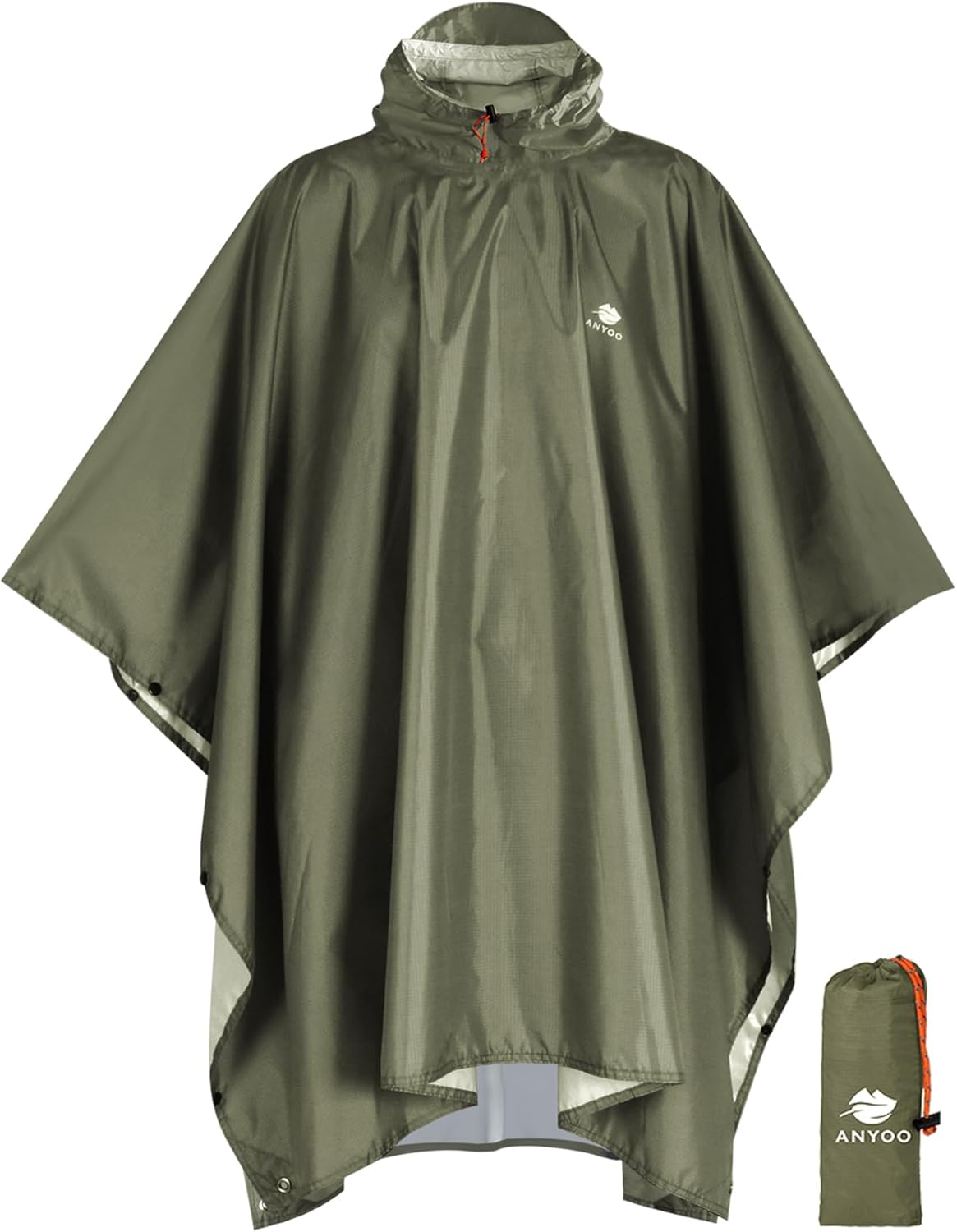 | ANYOO Rain Poncho | Check Price |
Our Top Picks 3  | The North Face Antora | Check Price |
Our Selected Top 12 Backpacking Rain Coat Worth Considering
This list features carefully chosen rain coats designed for backpacking, highlighting key aspects like durability, weight, waterproofing, and breathability. Each review explains how they perform in different conditions, who they are best suited for, and their main advantages and drawbacks.
1. Hooded Rain Poncho
Hooded Rain Poncho is a loose-fitting, camouflage-patterned raincoat designed for mild weather and outdoor activities. Its biggest strength lies in the roomy poncho style that easily fits over backpacks, making it a practical choice for backpackers who want quick and simple rain protection.
Putting on the poncho is straightforward because of its hooded collar and half sleeves. The loose fit allows air circulation and space for layers beneath, which suits changing weather.
The camouflage design adds a touch of style while blending into outdoor surroundings. It’s easy to carry along and slip on during sudden rain.
The raincoat performs well at keeping you dry in mild weather without feeling stifling due to its loose cut. The build favors simplicity and practical coverage rather than form-fitting protection.
Users frequently praise how roomy it is, but some dislike that the half sleeves offer less arm protection compared to full sleeves.
The roomy poncho design gets a lot of praise for fitting over gear comfortably, making it convenient when rain starts suddenly. The most noted downside is the half sleeves, which can leave arms partly exposed in more intense rain or wind.
Those hiking or camping in mild, wet conditions and needing quick coverage will find this raincoat handy. People facing colder, heavier downpours should consider coats with full sleeves and higher weather protection.
Pros
- Easy to put on and take off
- Spacious fit accommodates backpacks
- Camouflage pattern for outdoor blending
- Lightweight for carrying on trails
Cons
- Half sleeves leave forearms less covered
- Not ideal for heavy rain or cold climates
| Specification | Details |
|---|---|
| Color | Black-pro |
| Sleeve Type | Half Sleeve |
| Coat Silhouette Type | Poncho |
| Climate Suitability | Mild Weather |
| Fit Type | Loose |
2. ANYOO Hooded Rain Poncho
Light and roomy, this poncho is great for anyone who needs reliable rain protection on hiking trips or while commuting. Its biggest strength lies in the generous coverage over both wearer and backpack, shielding from heavy rain without feeling overly hot or tight.
Putting it on takes seconds thanks to the loose, unisex design with wide armholes that allow air to flow. The adjustable drawstring hood and side hook-and-loop fasteners secure it in place, making it stable even when moving around.
Snap fasteners on the sides help tailor the fit for different body sizes, and the bottom flare keeps you comfortable during active use.
Waterproof performance is solid with PU 8000MM protection and sealed seams that keep water out reliably. Made of durable 210T ripstop polyester with a TPU coating, the material feels sturdy yet flexible. Users appreciate how well it covers backpacks and maintains breathability.
The most common downside is the loose fit that some find too baggy for tight spaces or when layering underneath.
Strong waterproofing and backpack coverage are standout features appreciated in everyday wet conditions. The main complaint involves the oversized cut, which some find cumbersome when movement or layering is needed.
Anyone carrying a backpack in wet weather who wants airflow and simple adjustments will enjoy using this poncho. Those looking for a more fitted coat or sleeves for full arm coverage might want to consider alternatives.
Pros
- Generous coverage for wearer and backpack
- Adjustable hood and side fasteners
- Breathable with loose armholes
- Durable ripstop polyester material
Cons
- Loose fit can feel bulky in some situations
- Sleeveless design offers less arm protection
| Specification | Details |
|---|---|
| Material | 210T ripstop polyester with TPU coating |
| Waterproof rating | PU 8000MM |
| Fit type | Loose |
| Color | Army Green |
| Season suitability | All |
| Style | Outdoor Poncho |
3. The North Face Antora Waterproof Jacket
Reliable and straightforward, the Antora Waterproof Jacket suits backpackers facing mild, rainy fall weather. Its biggest strength is staying waterproof without feeling bulky, making it a solid choice for those needing a dependable rain coat on the trail.
Putting it on is easy with the adjustable 3-piece hood that lets you customize coverage against wind and rain. The long sleeves and regular fit provide comfortable layering options.
The flat collar keeps rain from seeping in, and the jacket isn’t overly heavy, so carrying it all day feels manageable.
Its waterproof and windproof design does well at keeping moisture out during unpredictable fall rains. The fabric holds up nicely without tearing, and the build quality feels solid for the price. Some note the jacket can feel a bit stiff at first, but it softens with wear.
Breathability could be better during intense activity.
The jacket is praised for its effective waterproof and windproof protection, but many mention it feels a bit stiff initially. It softens over time, which makes it more comfortable for everyday use under rainy conditions.
Anyone hiking in mild fall weather and wanting reliable rain protection without extra weight will find this a solid pick. Those looking for a lighter or more breathable raincoat for intense activity might prefer alternatives.
Pros
- Adjustable 3-piece hood for better rain protection
- Windproof and waterproof layers hold up well
- Regular fit allows for layering underneath
- Flat collar prevents rain entry around neck
Cons
- Breathability limited during high exertion
- Material feels stiff when new
| Specification | Details |
|---|---|
| Color | Tnf Black-npf |
| Style | Antora Waterproof Jacket (Standard & Big Size) | Windproof & Waterproof Rain Coat, Adjustable 3-piece Hood |
| Sleeve Type | Long Sleeve |
| Climate Suitability | Mild Weather |
| Fit Type | Regular |
| Coat Silhouette Type | Rain Coat |
4. Outdoor Ventures Mens Rain Jacket
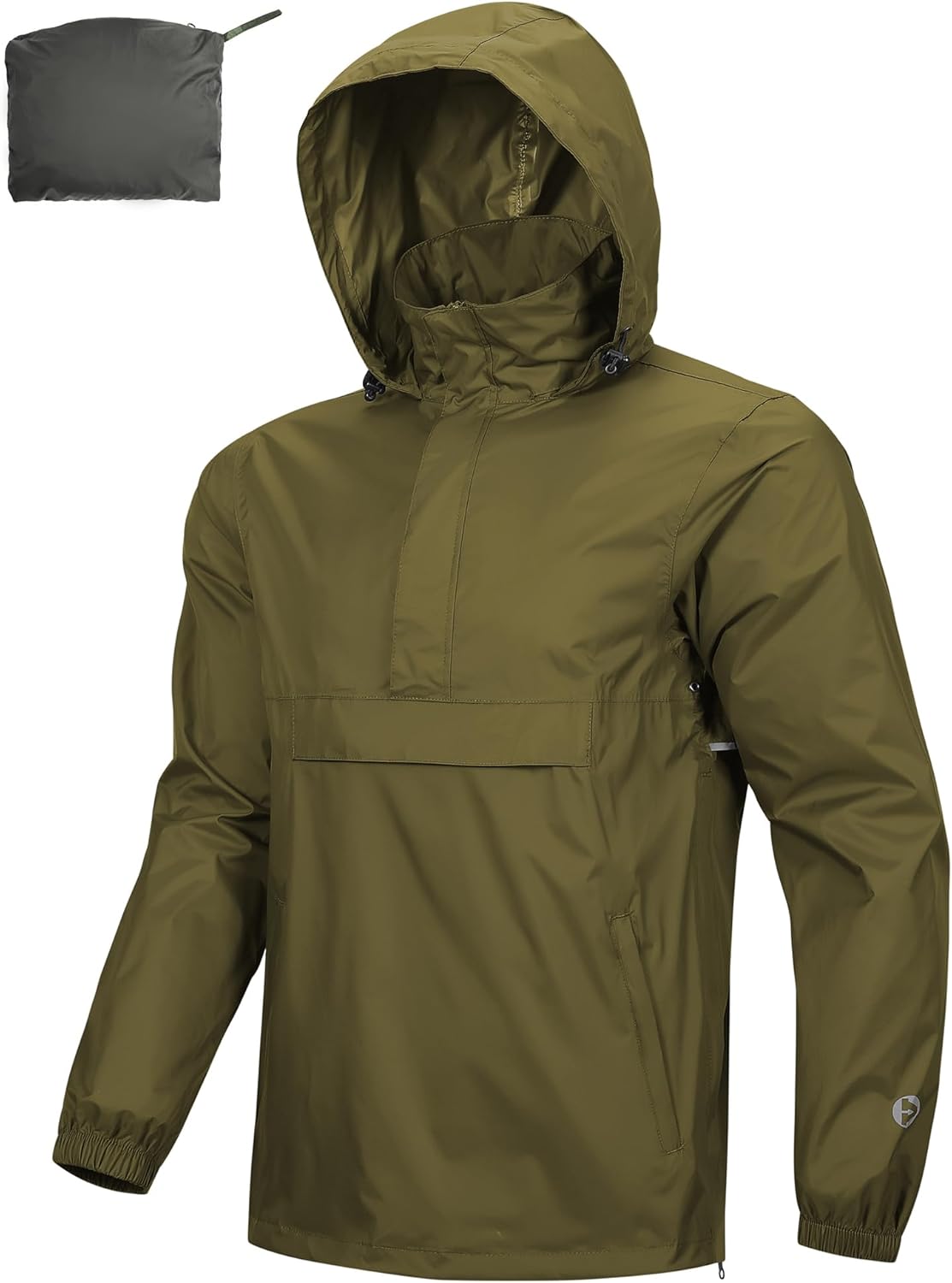
Lightweight olive raincoat designed for mild weather, the Outdoor Ventures Mens Rain Jacket suits men seeking a practical and straightforward rain shield. It stands out for its regular fit and hooded collar, making it suitable for everyday use in drizzly or light rain conditions.
Putting it on is simple thanks to its cuff sleeves that prevent water from sneaking in. The hood protects the head well, and its regular fit allows comfortable movement without being too bulky. It works fine for layering when the temperature drops, and the solid color keeps the look clean and low-key during the rainy days.
Rain protection holds up well in steady, mild rainfall but may fall short in heavier storms. Built with a focus on functionality rather than advanced materials, its strength lies in being a reliable barrier without extra frills.
Common feedback notes solid weather resistance as a plus, while some users wish for better breathability or waterproofing for more intense conditions.
Users often highlight the jacket’s reliable protection in mild rain and appreciate the thoughtful cuff sleeves that keep moisture out. Common critiques focus on its performance dropping during stronger downpours and the desire for better ventilation during active wear.
Men looking for a straightforward, all-season mild weather raincoat will find this work well. Those expecting top-tier waterproofing or moisture-wicking properties should consider alternatives made with more technical fabrics for tougher environments.
Pros
- Comfortable regular fit for layering
- Effective cuff sleeves stop water ingress
- Hood offers good head coverage
- Solid olive color for versatility
Cons
- Not ideal for heavy or intense rain
- Limited breathability in warmer conditions
| Specification | Details |
|---|---|
| Color | Olive |
| Style | Men’s Rain Jacket |
| Sleeve Type | Cuff Sleeve |
| Fit Type | Regular |
| Collar Style | Hooded |
| Climate Suitability | Mild Weather |
5. Waterproof Rain Poncho with Hood

Navy blue color and a loose poncho fit make it stand out for relaxed backup rain protection. It suits anyone wanting an easy-to-wear cover for mild weather and occasional outdoor use.
The biggest strength lies in its simple, no-fuss design that slips on quickly and keeps rain off without feeling bulky.
Putting it on takes seconds thanks to the long sleeves and hooded collar style, which help keep rain out from most angles. Its loose fit allows for breathing room, layering, and freedom of movement during hikes or walks.
Cleaning is straightforward due to its solid pattern and smooth fabric, making it ready for the next outing with minimal upkeep.
Rain stays off reliably in mild conditions, the poncho’s waterproof nature preventing dampness underneath. Built with a durable silhouette meant to last, the coat excels in covering both body and pack comfortably.
Most users praise how roomy and comfortable it is for outdoor activities, while some mention it is best for light rain and mild climates rather than heavy storms.
The waterproof design comforts by keeping rain out effectively in light weather, while a common drawback is its limited use in more intense storms. Its loose, poncho-style fit makes it practical for quick coverage and prevents feeling restricted.
Anyone seeking a basic, easy-to-wear raincoat for mild weather and casual activities will appreciate this piece. Those needing protection from heavy rain or harsh elements might look for a more fitted or technical option.
Pros
- Quick to put on with easy hood fit
- Comfortable loose fit for layering
- Waterproof for mild rain conditions
- Simple solid color easy to maintain
Cons
- Not suitable for heavy or harsh weather
- Poncho style may feel bulky for some
| Specification | Details |
|---|---|
| Color | Navy Blue |
| Sleeve Type | Long Sleeve |
| Coat Silhouette Type | Poncho |
| Seasons | All |
| Fit Type | Loose |
| Climate Suitability | Mild Weather |
6. Helly Hansen Mens Raincoat

Helly Hansen Mens Raincoat stands out due to its sturdy build and straightforward design, great for those who want reliable mild-weather protection without extra fuss. It fits straight and offers solid coverage, perfect for anyone wanting a dependable raincoat during backpacking trips where weight and comfort matter.
Wearing the raincoat daily is convenient thanks to its long sleeves and band collar that keep water out without feeling bulky. The solid pattern and army green color blend well into outdoor settings.
Its straight fit helps when layering clothes underneath, making it easy to adjust for various temperatures while hiking or walking through wet environments.
The raincoat handles mild weather well, blocking rain as intended without added weight. Construction is straightforward without many bells and whistles, focusing on straightforward weather protection. Most praise centers on how well it holds up during drizzles and light rain, while the common complaint cites limited use in heavier or colder conditions.
The raincoat is praised for its reliable protection against mild rain and the straightforward design that doesn’t complicate wearing or caring for it. The biggest drawback comes from its limited performance when conditions turn harsh or colder, leaving it less useful beyond light, wet weather.
Backpackers and hikers in regions with mild, occasional showers will appreciate its balance of comfort and protection. Those expecting heavy rain or needing something for colder, challenging climates should consider other jackets with more specialized features.
Pros
- Good water resistance in light rain
- Comfortable with a straight fit
- Durable material for mild weather
- Simple, effective band collar design
Cons
- Not suited for heavy rain or extreme cold
- Lacks features like adjustable hoods or ventilation
| Specification | Details |
|---|---|
| Color | 480 Army Green |
| Style | Rain Jacket |
| Sleeve Type | Long Sleeve |
| Coat Silhouette Type | Rain Coat |
| Seasons | All |
| Climate Suitability | Mild Weather |
7. MARMOT Precip Eco Waterproof Jacket
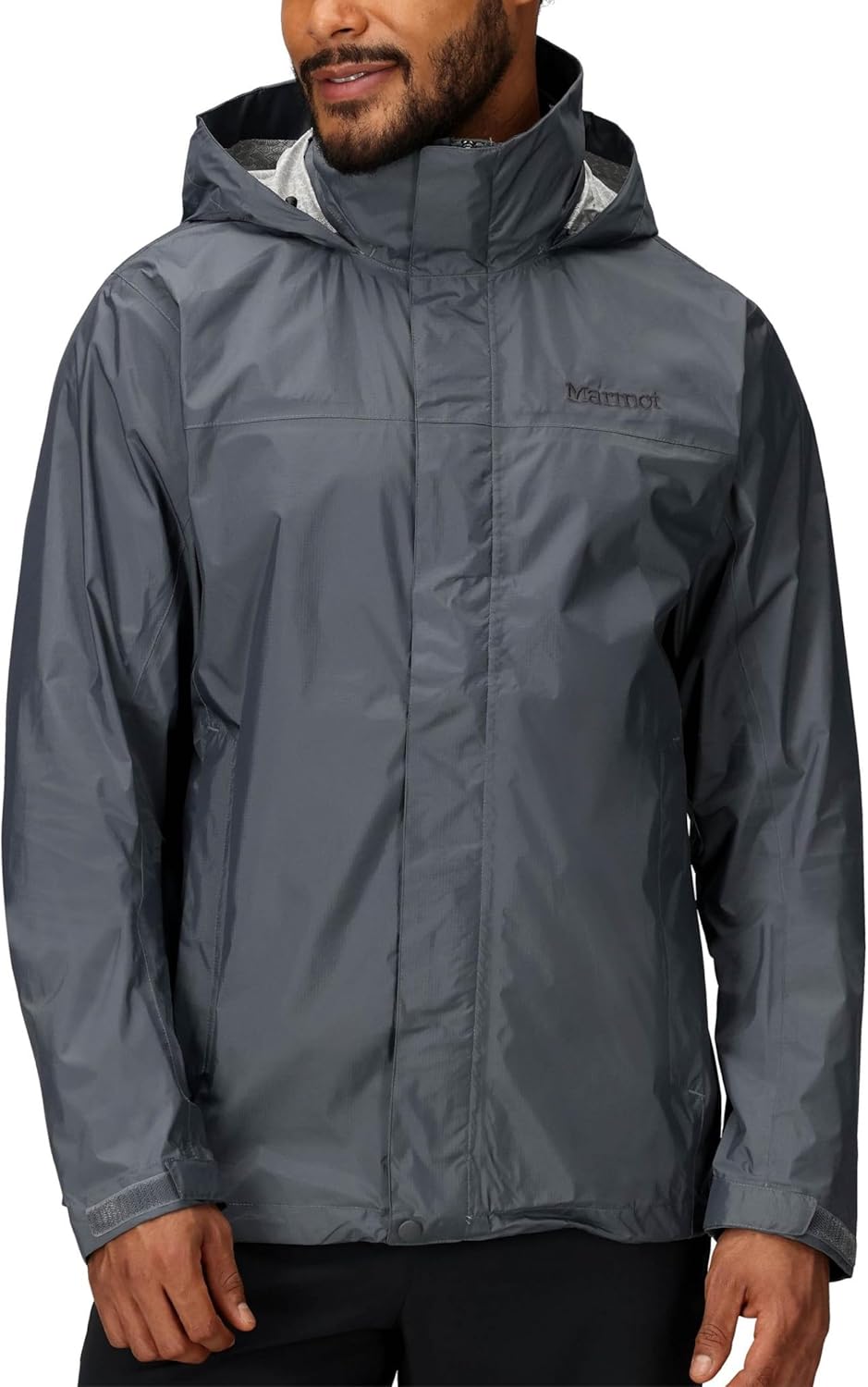
Wet weather on hikes calls for reliable gear that won’t weigh you down or leave you soaked. Perfect for mild fall and winter days, this rain jacket stands out for its eco-friendly fabric and solid waterproof protection, keeping the rain from ruining your plans without feeling bulky.
Packing it up is easy since it folds neatly into its own pocket, saving space in your backpack. Adjustable cuffs and a drawcord hem help block chilly drafts, while pit zips offer solid ventilation when you start working hard on the trail. The jacket features zippered hand pockets for safe storage, and the lined chin guard cuts down on face irritation, a nice touch for long hours outdoors.
The Marmot NanoPro membrane makes sure rain stays out and moisture escapes, so you stay dry without overheating. The shell uses recycled nylon ripstop and polyester mesh lining, reinforcing durability and comfort.
Jacket seams are fully taped, providing strong leak-proof performance. The main gripe is the fit, which runs a bit roomy for some, but most note it moves well with a regular fit.
The jacket keeps rain out effectively while also offering breathability, with the full seam-taping making its waterproofing reliable. Many appreciate the eco-conscious materials, though some mention that the fit can be looser than expected, which might affect layering choices.
Outdoor enthusiasts looking for a sustainable, lightweight rain shell for mild temperatures will find it a solid option. Those needing something for harsher climates or a more fitted style might want to explore other jackets designed for colder or more intense weather conditions.
Pros
- Environmentally conscious recycled materials
- Fully seam-taped for waterproofing
- Pit zips provide good airflow
- Chin guard reduces irritation
Cons
- Fit can feel a bit roomy for some
- Limited to mild weather use
| Specification | Details |
|---|---|
| Material | 100% Pre-Consumer Recycled Nylon Ripstop Shell |
| Lining | 100% Post-Consumer Recycled Polyester Mesh Lining |
| Waterproof Technology | Marmot NanoPro membrane |
| Seams | 100% seam-taped construction |
| Weather Suitability | Mild Weather |
| Ventilation | Pit zips |
8. Little Donkey Andy Mens Rain Jacket
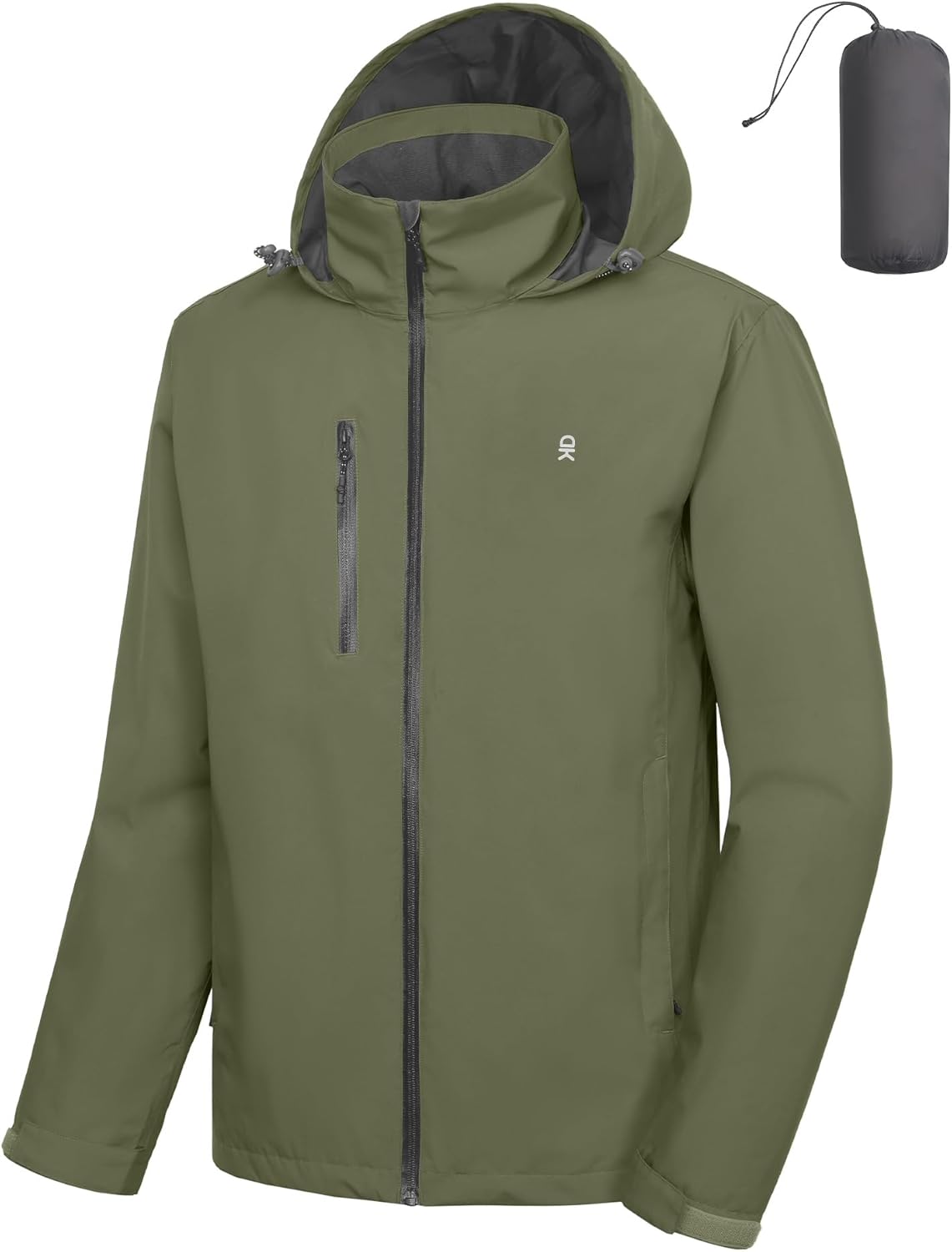
Mild weather protection in a modern style makes the A1 Upgraded Sage color jacket a great fit for those hiking or backpacking in fall or spring. Its biggest strength is its ability to provide consistent rain coverage without bulk, offering a regular fit that suits various body types.
Putting it on in the morning is straightforward with a band collar that doesn’t get in the way. Long sleeves add to the coverage, and the solid pattern keeps it looking simple but functional.
The jacket works well in mild climate conditions, making it practical for quick changes in the weather during outdoor activities. Daily care is easy without needing special cleaning effort.
The raincoat handles light rain effectively because of its raincoat silhouette designed for wet weather. It’s made to be durable while staying lightweight enough for backpacking trips.
Strong points include consistent performance in mild seasons and a modern look. Some notes mention it’s not for heavy storms or very cold conditions, limiting its use in harsher environments.
Consistent praise highlights its reliable protection in mild rainy conditions while some users find it unsuitable for more intense downpours or cold days. It offers a solid balance of style and functionality without feeling too heavy or stiff during activity.
People seeking a straightforward raincoat for spring or fall hikes will appreciate this jacket’s design and fit. Those needing heavy-duty weather protection or warmth should look for alternatives suited to harsher climates.
Pros
- Lightweight and easy to pack
- Regular fit suits most body types
- Works well in mild weather conditions
- Simple solid color fits outdoor style
Cons
- Not designed for heavy rain or storms
- Lacks insulation for cold weather
| Specification | Details |
|---|---|
| Color | A1 Upgraded Sage |
| Style | Modern |
| Season Suitability | Fall, Spring |
| Fit Type | Regular |
| Climate Suitability | Mild Weather |
9. MARMOT Minimalist Pertex Rain Jacket

Backpackers planning spring or summer trips in mild, unpredictable weather will appreciate a jacket that stays light yet effective. The Marmot Minimalist Pertex Rain Jacket stands out with its minimalist design and reliable waterproofing, making it easy to carry without bulk.
Slipping into the jacket is simple since it’s designed with long sleeves and a solid fit that doesn’t get in the way during activities. Packing it up feels natural due to its lightweight construction and compact style.
Wearing it daily, the brick red color is bright enough to spot easily on a trail.
The jacket handles light to moderate rain well, keeping you dry while remaining breathable enough not to overheat. It’s assembled with quality seams and materials tailored for mild climates, which suits spring and summer conditions perfectly. Reviews highlight that the waterproof fabric is dependable, though some mention it could be less noisy in wind.
The jacket delivers solid waterproof performance and keeps wearers dry during mild weather, but its fabric sometimes rubs loudly against itself in breeze or wind. The minimal design and color get positive comments for trail visibility and comfort.
People who seek a light, simple rain jacket for spring or summer backpacking will find it useful. Those planning trips in heavy rain, cold, or harsh weather should consider a heavier-duty option aimed at those conditions.
Pros
- Lightweight and easy to pack
- Effective waterproof protection in mild weather
- Bright color for visibility on trails
- Comfortable sleeve length for active use
Cons
- Material can be noisy when windy
- Not suited for heavy rain or cold weather
| Specification | Details |
|---|---|
| Color | Brick Red |
| Style | Minimalist Pertex Jacket |
| Sleeve Type | Long Sleeve |
| Seasons | Spring/Summer |
| Climate Suitability | Mild Weather |
10. 33,000ft Mens Fleece Lined Rain Jacket

Darkgrey Melange color and fleece lining make this rain jacket a solid choice for cold weather backpacking, especially in fall and spring. Its windbreaker style and classic fit suit those looking for warmth with a simple, hooded design that stands out for occasional use during unpredictable weather.
Putting it on is straightforward with the hood and long sleeves offering good coverage on windy, chilly days. Classic fit allows layering underneath without bulk, while the anorak silhouette keeps things snug around the waist. It’s easy to pack, and the solid pattern means no worries about fading on the trail.
Built with cold weather in mind, it handles wind well and keeps you warm thanks to the fleece lining. The main praise centers around its warmth during cold, wet days, but some say the occasional use label means it’s not suited for heavy or extended rain exposure. The hood is dependable, though the jacket might feel a bit heavy for summer hiking.
It keeps you warm during cold and windy conditions due to its fleece lining, which users highlight as its best feature. However, its occasional use designation means it isn’t great for very wet days or extended rain, causing some dissatisfaction for those expecting full waterproof performance.
People who want a cozy, warm jacket for chilly, mildly wet backpacking trips will like this one. Those needing a lightweight or fully waterproof raincoat for long hikes in heavy rain might want to look elsewhere.
Pros
- Fleece lined for warmth in cold weather
- Classic fit accommodates layering
- Hooded design protects against wind
- Solid dark grey color hides wear well
Cons
- Not ideal for heavy rain or long exposure
- Heavier than typical summer rain jackets
| Specification | Details |
|---|---|
| Color | Darkgrey Melange |
| Style | Windbreaker |
| Sleeve Type | Long Sleeve |
| Coat Silhouette Type | Anorak |
| Climate Suitability | Cold Weather |
| Life Event | Occasional Use |
11. 2 Pack Reusable Rain Ponchos

2 Pack Reusable Rain Ponchos offer solid rain protection for backpackers looking for a lightweight and durable option. Military green color and EVA material make these ponchos perfect for anyone wanting a quick-drying raincoat that’s easy to pack and reuse multiple times.
Putting on the poncho is quick thanks to the snap button closure. The large drawstring hood keeps your head and neck covered well, while the loose fit allows room for backpack straps underneath.
It folds down small so carrying it in a pack won’t add much weight or bulk, making it convenient for day-to-day use on wet trails.
Water resistance is reliable in moderate rains, with the 0.15mm EVA material holding up without tearing. The raincoat dries quickly after use, cutting down prep time for the next shower.
Most praise highlights how lightweight and tear-resistant it is. A typical complaint points to the loose poncho style not sealing well against heavy or wind-driven rain, allowing water to get inside at times.
The biggest praise given is for the poncho’s lightweight and durable EVA material that withstands multiple uses while drying quickly. The most common complaint revolves around the loose fit allowing rain to seep in when worn during heavy or windy showers.
People needing a simple, reusable rain layer for moderate weather will appreciate this poncho. Those expecting tight waterproof seals or heavy rain protection should consider a different style or a fully waterproof rain jacket with secure closures.
Pros
- Lightweight and easy to carry
- Durable and tear resistant material
- Quick drying after use
- Reusable multiple times
Cons
- Loose fit may let in rain during heavy storms
- Snap button closure less secure than zippers
| Specification | Details |
|---|---|
| Material | EVA, 0.15mm thickness |
| Color | Military Green |
| Style | Poncho |
| Sleeve Type | Long Sleeve |
| Fit | Loose |
| Features | Drawstring hood, snap button closure |
12. Mens Waterproof Cycling Jacket

Wearing this waterproof cycling jacket feels solid and comfortable during mild weather hikes or bike rides. The regular fit accommodates layering, making it suitable for backpackers wanting protection without bulk. Its biggest strength lies in keeping you dry without overheating or feeling stiff.
Putting it on is straightforward thanks to the long sleeves and simple cut. The solid black color hides dirt well in the outdoors.
Since it’s designed for cycling, the rain coat silhouette offers some wind resistance while remaining breathable. Layering underneath works well, and the jacket doesn’t restrict movement on the trail or road.
The jacket handles rain adequately in mild conditions, thanks to its waterproof fabric tailored to cycling rather than heavy storms. Construction feels durable for everyday wear, but some find the regular fit a bit loose for intense activity. Most appreciate its lightweight feel, while others wish for better breathability during warmer days.
Most praise goes to the jacket’s reliable waterproofing in mild weather and comfort during active use. A common complaint revolves around the fit feeling too loose for vigorous activity and reduced breathability when worn for extended periods.
This jacket suits those looking for lightweight rain protection on hiking or cycling trips in moderate climates. It may not work well for backpackers needing heavy-duty rain gear or those who prefer a snug, performance-focused fit.
Pros
- Comfortable regular fit for layering
- Effective waterproofing in mild rain
- Long sleeves offer good arm coverage
- Solid black color hides dirt well
Cons
- Not ideal for heavy downpours
- Fit can feel loose for high-intensity use
| Specification | Details |
|---|---|
| Color | Black |
| Sleeve Type | Long Sleeve |
| Coat Silhouette Type | Rain Coat |
| Seasons | All |
| Climate Suitability | Mild Weather |
| Fit Type | Regular |
Best Backpacking Rain Coats Comparison Table
| Product | Style | Sleeve Type | Fit Type | Climate Suitability |
|---|---|---|---|---|
| Generic Hooded Poncho | Raincoat | Half Sleeve | Loose | Mild Weather |
| ANYOO Rain Poncho | Outdoor Poncho | Sleeveless | Loose | Mild Weather |
| The North Face Antora | Rain Coat | Long Sleeve | Regular | Mild Weather |
| Outdoor Ventures Jacket | Rain Jacket | Cuff Sleeve | Regular | Mild Weather |
| Waterproof Hooded Poncho | Raincoat | Long Sleeve | Loose | Mild Weather |
| Helly Hansen Raincoat | Rain Jacket | Long Sleeve | Straight | Mild Weather |
| MARMOT Precip Eco | Rain Coat | Long Sleeve | Regular | Mild Weather |
| Little Donkey Andy Jacket | Rain Coat | Long Sleeve | Regular | Mild Weather |
| MARMOT Minimalist Pertex | Minimalist Pertex Jacket | Long Sleeve | – | Mild Weather |
| 33,000ft Fleece Jacket | Windbreaker | Long Sleeve | Classic | Cold Weather |
| 2 Pack Rain Ponchos | Raincoat | Long Sleeve | Loose | – |
| Mens Cycling Jacket | Cycling Jackets | Long Sleeve | Regular | Mild Weather |
- StyleRaincoat
- Sleeve TypeHalf Sleeve
- Fit TypeLoose
- Climate SuitabilityMild Weather
- StyleOutdoor Poncho
- Sleeve TypeSleeveless
- Fit TypeLoose
- Climate SuitabilityMild Weather
- StyleRain Coat
- Sleeve TypeLong Sleeve
- Fit TypeRegular
- Climate SuitabilityMild Weather
- StyleRain Jacket
- Sleeve TypeCuff Sleeve
- Fit TypeRegular
- Climate SuitabilityMild Weather
- StyleRaincoat
- Sleeve TypeLong Sleeve
- Fit TypeLoose
- Climate SuitabilityMild Weather
- StyleRain Jacket
- Sleeve TypeLong Sleeve
- Fit TypeStraight
- Climate SuitabilityMild Weather
- StyleRain Coat
- Sleeve TypeLong Sleeve
- Fit TypeRegular
- Climate SuitabilityMild Weather
- StyleRain Coat
- Sleeve TypeLong Sleeve
- Fit TypeRegular
- Climate SuitabilityMild Weather
- StyleMinimalist Pertex Jacket
- Sleeve TypeLong Sleeve
- Fit Type–
- Climate SuitabilityMild Weather
- StyleWindbreaker
- Sleeve TypeLong Sleeve
- Fit TypeClassic
- Climate SuitabilityCold Weather
- StyleRaincoat
- Sleeve TypeLong Sleeve
- Fit TypeLoose
- Climate Suitability–
- StyleCycling Jackets
- Sleeve TypeLong Sleeve
- Fit TypeRegular
- Climate SuitabilityMild Weather
How to Choose the Best Backpacking Rain Coat
Look for a rain coat that balances waterproofing, breathability, and weight to stay dry and comfortable on the trail. Choosing the right fit and durable materials prevents wear and tear, saving money and avoiding the hassle of replacements during your trips.
Waterproofing and Breathability
Heading out in steady rain with a jacket that traps heat or leaks at the seams quickly turns an otherwise enjoyable hike into a miserable experience. Good outerwear uses a waterproof membrane like Gore-Tex or eVent, materials known for blocking water while letting sweat escape.
Breathability ratings around 15,000 to 20,000 g/m²/24h mean the fabric can handle moderate to heavy exertion without causing clammy conditions inside.
Seam sealing is critical since tiny needle holes can let in water during downpours. Fully taped seams prevent this, along with design touches such as storm flaps over zippers and adjustable hoods.
Jackets that lack these features often let moisture creep in at vulnerable points, dampening clothes and gear underneath even if the main fabric remains dry.
Weight and Packability
Carrying extra weight every mile wears you down faster, so the ideal rain jacket should be lightweight without sacrificing durability. Many modern options weigh between 8 to 12 ounces, making them easy to wear all day.
The way the jacket compresses matters as well; a coat that packs into a small, attached pouch fits neatly inside a backpack pocket and frees space.
Material thickness plays a big role in that balance. Thin fabrics save weight but risk tearing on branches or rocky surfaces, so somewhere around 20 to 40 denier thickness provides reasonable protection. Durability and packability should work hand in hand to avoid ending a hike with bulk or repeated repairs.
Fit and Mobility
A stiff, tight-fitting jacket that restricts movement can quickly become irritating on a long trek, especially when wearing multiple layers underneath. Jackets designed for active use allow room to layer thermal or insulating layers without feeling constricted. Features like adjustable cuffs, hems, and hoods help customize the fit to prevent drafts and keep rain out.
Articulated sleeves or gussets, a type of fabric panel under the arms, allow your arms to bend and stretch more naturally. Without these, sleeves tend to pull tight or ride up, making simple actions like putting on a pack or grabbing a water bottle less comfortable.
The freedom to move smoothly impacts how long you can comfortably stay out.
Durability and Material Quality
Frequent encounters with branches and rocks demand a jacket that won’t shred after a few trips. Hardwearing materials with good abrasion resistance are key, especially in high-contact spots like elbows and shoulders.
Jackets with reinforced panels in these areas last noticeably longer.
Seams and zippers should also be strong and resistant to snagging or delaminating since failures here are common weak points. Quality hardware feels smooth to operate even after months of use and doesn’t corrode or break easily. A tough jacket reduces the risk of unexpected tears and keeps you protected season after season.
Ventilation and Comfort Features
Being soaked inside your jacket isn’t just uncomfortable; it chills you. Ventilation options such as pit zips, zippers under the arms, allow you to quickly release excess heat and sweat.
You gain control over airflow, helping balance warmth and dryness as activity levels change or clouds part.
Linings made from mesh or lightweight fabrics prevent the inside from sticking to sweaty skin, improving comfort during movement. Hood design also matters; a well-shaped hood stays out of your line of sight and doesn’t constantly slip down, improving visibility and keeping rain off your face.
Maximizing Comfort: Layering Your Rain Coat for Variable Weather Conditions
Choosing the right layers under a rain coat can make a big difference when you face changing weather on the trail. Start with a moisture-wicking base layer to keep sweat away from your skin, which helps prevent chills. Adding an insulating mid-layer like a fleece or lightweight down jacket offers warmth without too much bulk.
Keep these points in mind for layering:
- The rain coat should fit comfortably over all your layers without restricting movement.
- Breathable fabrics help avoid moisture buildup inside the jacket.
- Pack layers that you can easily add or remove to adjust for temperature changes.
Adjusting your layers lets you stay dry and comfortable whether you’re facing light drizzle or heavy rain. The flexibility to modify what you wear beneath the coat is key for all-day comfort on variable hikes.
Essential Maintenance Tips to Extend the Lifespan of Your Backpacking Rain Coat
Regular cleaning of your backpacking rain coat is necessary to keep its water-repellent finish effective. Dirt and oils from your body naturally build up on the fabric and reduce its ability to shed water. Use a gentle wash with specialized cleaner designed for technical outerwear, avoiding harsh detergents or fabric softeners.
Consider these care tips:
- Wash the coat after several outings or if it looks visibly dirty.
- Rinse thoroughly to remove all soap residues that could affect waterproofing.
- Reapply a durable water repellent (DWR) treatment after cleaning if water stops beading.
- Store the coat hanging rather than crumpled to maintain its shape and avoid creases.
Following these steps will help maintain the functional performance and extend the useful life of the rain coat through many seasons on the trail.
Comparing Rain Coats vs. Rain Ponchos: Which Is Better for Backpacking?
Backpacking rain coats and rain ponchos serve similar purposes but differ in design and usability. Rain coats are tailored garments with zippers, hoods, and often adjustable cuffs that provide a close fit.
This fit tends to be better for active movement and keeps rain from seeping in at the openings.
Points to weigh when choosing between them:
- Rain coats offer more protection and durability for long hikes and rough terrain.
- Rain ponchos are lighter and can double as emergency shelters but may flap in wind and provide less protection from side rain.
- Coats pack smaller and fit better under backpacks, while ponchos cover your pack but take more space.
- Ponchos can be easier to put on quickly, but coats generally feel more secure for extended use.
Your choice depends on the weather conditions, desired pack weight, and type of hiking you plan to do.
People Also Asked
How Do I Properly Care for a Backpacking Rain Coat?
Clean your rain coat regularly according to the label, usually with a gentle wash and no fabric softener. Dry it away from direct heat and use a spray-on or wash-in waterproofing treatment occasionally to maintain water repellency.
What Size Rain Coat Is Best for Layering During Backpacking?
Choose a size that allows a lightweight insulating layer underneath, usually your normal size or one size up. Avoid too tight coats that restrict movement or too loose ones that flap in the wind.
Are Backpacking Rain Coats Safe in Heavy Thunderstorms?
Rain coats protect well from rain but do not offer lightning protection. Seek shelter indoors or in a car during heavy thunderstorms instead of relying on the coat alone.
How Long Do Backpacking Rain Coats Typically Last with Regular Use?
A backpacking rain coat lasts around 3 to 5 years with average use and care. Abrasions or loss of waterproof coating usually signal when replacement is needed.
What Common Problems Should I Watch for in Backpacking Rain Coats?
Look out for worn-out seams, zippers that stick or break, and areas where the waterproof coating wears thin. Small tears or delamination of materials can cause leaks.
Conclusion
The main factors to focus on when choosing a backpacking rain coat are weight, waterproofing, and packability. A coat that stays dry without adding extra bulk to your pack makes a big difference on long hikes.
Breathability also matters if you plan to wear it during strenuous activity to avoid getting too sweaty inside.
Consider how often you will use the coat and how much room you have in your pack before deciding on a price range. Lighter and more waterproof coats tend to cost more, so balance your needs with your budget.
Check the comparison table and the detailed picks above for options that best fit your priorities and conditions.