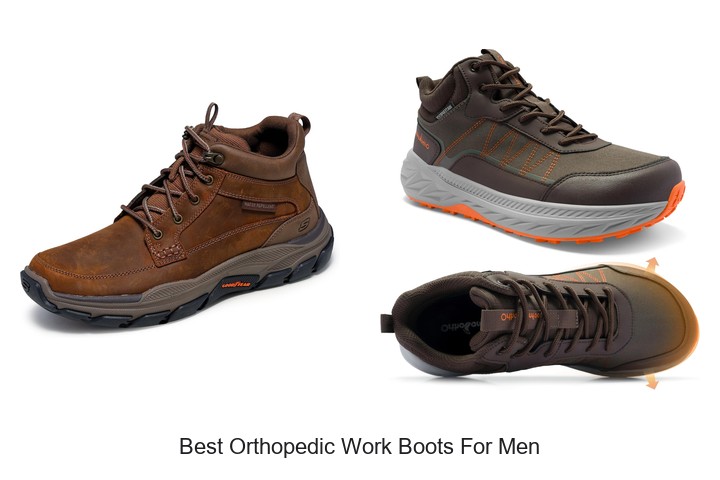
Top 12 Best Orthopedic Work Boots for Men You Must Try
Working long hours on your feet means the wrong pair of boots can leave you dealing with sore arches, swollen joints, and constant foot fatigue. The best orthopedic work boots for men provide support where most casual or cheap boots fail, like stable arch support and a cushioned sole that absorbs impact.
A poorly designed boot might look tough but often falls short in comfort during a tough workday.
Orthopedic work boots stand out by combining firm arch support and a roomy toe box to prevent pinching and pressure points. Materials matter, with full-grain leather offering durability and breathability while often meeting ASTM safety standards like impact resistance and electrical hazard protection.
Fit is critical; boots need to accommodate any custom orthotics without compromising stability, and outsoles should have good traction to prevent slips on wet or oily surfaces.
Need a Quick Check?
| Image | Product | Price |
|---|---|---|
Our Top Picks 1  | Skechers Boswell Boot | Check Price |
Our Top Picks 2  | OrthoComfoot Wide Hiking | Check Price |
Our Top Picks 3  | Orthofeet Graphite Slip-On | Check Price |
Our Selected Top 12 Orthopedic Work Boots for Men for Different Needs
This list features carefully chosen orthopedic work boots designed to provide support and comfort for various foot and workplace needs. Each review covers how the boots perform, who they are best suited for, and highlights their advantages and drawbacks to help you find the right fit.
1. Skechers Respected Boswell Boot
Dark Brown Skechers Respected Boswell Boot fits anyone looking for casual, outdoor wear with orthopedic support. Its standout feature is a moc toe design combined with zero heel height, offering solid comfort for daily tasks and a sports-inspired look that pairs well with fall outfits.
Putting these on is straightforward, thanks to the casual style and no heel type, making them easy to slip into for a full day outside. The solid, sport-themed pattern keeps the boots versatile, suitable for outdoor activities or just walking around town comfortably during fall. The moc toe adds a bit of style without sacrificing flexibility.
The boots hold up well for casual outdoor wear, providing the fit needed for people prioritizing orthopedic comfort. Built for fall season use, they don’t have a heel, so stepping feels flat and stable. The most praised aspect is the comfort in everyday use, while the main complaint tends to be the casual style not fitting more formal or heavily rugged needs.
Users appreciate the comfort and support these boots provide during everyday activities. The moc toe and flat heel keep the foot stable, but some mention the casual style doesn’t work for more formal settings. These are best suited for light outdoor use rather than heavy-duty work.
People seeking comfortable, orthopedic-friendly boots for casual outdoor occasions in autumn will find these a solid option. Those needing boots for rigorous work or formal events might want to look for alternatives better tailored to those purposes.
Pros
- Comfortable fit with orthopedic support
- Easy to wear with no heel design
- Suitable for casual outdoor activities
- Moc toe adds a stylish casual look
Cons
- Not ideal for formal occasions
- Limited to fall season use
| Specification | Details |
|---|---|
| Color | Dark Brown |
| Heel Type | No Heel |
| Toe Style | Moc Toe |
| Occasion Lifestyle | Outdoor |
| Seasons | Fall |
2. OrthoComfoot Mens Orthopedic Wide Hiking Boots
Long days on your feet demand boots that support without sacrificing comfort. Designed for men needing extra room and orthopedic care, these wide hiking boots stand out for their natural fit and flat heel, making walking or light trail use easier on sore feet or sensitive joints.
Wide enough to accommodate swollen or wider feet, these boots feel comfortable from the first wear. The closed toe provides protection during walks or hikes, while the flat heel supports stable steps on various terrains. They suit all seasons, so switching from work to outdoor errands doesn’t require shoe changes.
Crafted to offer orthopedic support and comfort, the bootie form keeps your foot secure throughout the day. Its solid build withstands regular walking and light hiking challenges without wearing down quickly. Most users praise the roomy fit; some note the style is more functional than fashionable.
The wide fit and flat heel receive strong praise for easing foot discomfort over long wear times. Some users find the appearance too plain, prioritizing comfort and support over fashion. These boots handle everyday walking and light trail use well but lack ruggedness for tougher outdoor challenges.
Men needing orthopedic-friendly, roomy boots for work or casual walks will appreciate this choice. Those looking for rugged hiking boots with aggressive traction or a modern style might want to look elsewhere. The boots are versatile enough for year-round wear in moderate conditions.
Pros
- Wide fit ideal for swollen or broad feet
- Flat heel offers stable footing
- Multi-season use comfortable all year
- Closed toe adds foot protection
Cons
- More functional look, less stylish
- Not meant for heavy-duty hiking
| Specification | Details |
|---|---|
| Color | K2-brown Coffee |
| Toe Style | Closed Toe |
| Boot Form Type | Bootie |
| Heel Type | Flat |
| Seasons | All, Fall, Spring, Summer |
| Style Name | Walking, hiking, trail |
3. Orthofeet Graphite Orthopedic Slip-On Work Boots
Black color and round toe design make these orthopedic slip-on work boots suitable for those needing comfort in winter conditions. The biggest strength lies in offering orthopedic support without a traditional heel, aiming to reduce foot strain during long working hours.
Slip-on style allows for quick wearing and removal, practical during busy workdays. The solid pattern and no-heel form keep feet stable and warm in colder seasons. These boots fit like a typical work boot but with extra cushioning to help those who stand on hard surfaces all day.
Built as a work boot, they provide stability and comfort with a focus on orthopedic needs. The round toe gives enough room for toe movement, preventing discomfort.
Most users praise the support and cushioning, although some find the boots a bit bulky for everyday wear outside work.
Comfort and orthopedic support get strong praise, especially for standing or walking on hard surfaces. A common complaint is that the boots feel bulky when worn casually, limiting their use beyond work environments.
People who spend long hours on their feet in winter appreciate this boot’s support features. Those wanting lighter or more versatile footwear might prefer different boots with less bulk or seasonal limitation.
Pros
- Slip-on design for easy wear
- Orthopedic cushioning eases foot pain
- Round toe provides ample toe space
- No heel reduces pressure on feet
Cons
- Can feel bulky outside work use
- Only suited for colder seasons
| Specification | Details |
|---|---|
| Color | Black |
| Toe Style | Round Toe |
| Boot Form Type | Work Boot |
| Heel Type | No Heel |
| Seasons | Winter |
| Pattern | Solid |
| Style Name | Graphite |
4. Orthopedic Wide Toe Box Hiking Boots

People who need comfortable footwear with extra space for their toes will appreciate these boots. Ideal for hiking and everyday wear, they offer a wide toe box that reduces pressure and pain, making long hours on your feet much more bearable.
Putting them on takes no fuss, and they adjust nicely to your feet without feeling tight. The closed toe design and flat heel provide stability on various terrains. Suitable for all seasons except winter, they are light enough for casual walks yet sturdy enough for trails.
The casual style keeps them versatile for different occasions, from birthdays to Earth Day events.
Built like a typical hiking boot, they provide solid foot support with room to spare in the toes. The flat heel keeps your stance steady, especially on uneven ground.
Most praise focuses on the comfort from the extra toe space, while some mention the material could be more durable under heavy use.
The spacious toe box is the most appreciated feature, easing discomfort during extended wear. Some report the materials wear out faster than expected when used for heavy-duty hiking. The boots handle daily walking and light hiking well but are less suited for rough or wet terrains.
Anyone looking for comfortable, wide-toe footwear for light outdoor activities or casual use will find these a solid choice. Those needing rugged boots for intense hiking or winter protection should look elsewhere for more specialized options.
Pros
- Wide toe box reduces foot pressure
- Flat heel offers good stability
- Suitable for all seasons except winter
- Casual style works for multiple occasions
Cons
- Material durability could be improved
- Not designed for winter conditions
| Specification | Details |
|---|---|
| Color | K1-black |
| Toe Style | Closed Toe |
| Boot Form Type | Hiking Boot |
| Heel Type | Flat |
| Seasons | All, Fall, Spring, Summer |
| Style Name | Casual |
5. NORTIV 8 Tactical Hiking Boots

Built with a round toe and combat-style form, the NORTIV 8 Tactical Hiking Boots suit men who need durable, orthopedic support during long walks or demanding outdoor tasks. Its biggest strength lies in combining solid construction with consistent all-season use, perfect for those who want comfort and toughness in one package.
Putting them on is straightforward thanks to their tactical build, which offers a secure fit without the usual break-in time. The boots hold up well for walking and hiking, even on rough terrain, while providing stable support without the discomfort of a raised heel.
Their black color keeps them looking clean and versatile throughout the year.
The boots excel at protecting feet with a sturdy sole and well-shaped toe that handles tough conditions comfortably. Generally, they stand up well to long hours on your feet without causing pain.
Some users mention the boots can feel a bit rigid at first, but most agree they soften with wear and remain reliable over time.
The boots receive strong praise for consistent orthopedic support and lasting durability under tough use. A common drawback is their initial stiffness, making the first few days of wear less comfortable until they soften up.
Those who spend long hours on diverse terrains and need solid foot protection will find these boots suitable. People looking for a softer fit right out of the box or boots with less visible wear marks might want to consider other options.
Pros
- Comfortable round toe offers plenty of room
- Tough combat-style construction for durability
- Works well in all seasons
- No heel prevents strain during extended wear
Cons
- Initially stiff, requiring a break-in period
- Black color shows scuffs easily
| Specification | Details |
|---|---|
| Color | Black |
| Toe Style | Round Toe |
| Boot Form Type | Combat |
| Heel Type | No Heel |
| Seasons | All |
| Style Name | Walking |
6. OrthoComfoot Mens Orthopedic Waterproof Hiking Boots

OrthoComfoot Mens Orthopedic Waterproof Hiking Boots are made to provide solid support and comfort for those who need extra care for their feet during all-day wear. Best suited for anyone seeking durable, flat-heeled footwear that adapts to different seasons while keeping feet dry and comfortable.
Setting up the boots is straightforward, with a closed toe design that adds protection in rugged environments. Being waterproof means you don’t have to worry about wet conditions, and the flat heel reduces strain on the feet.
Wearing them daily involves no break-in period, as they fit comfortably right from the start and remain stable on different surfaces.
Performance centers on offering steady support and cushioning, especially good for longer walks or standing sessions. The build focuses on hiking boot durability, with materials that resist wear across all seasons. Strong praise highlights their comfort and waterproof feature, although some mention that the style leans more toward casual than technical hiking boots.
Praise mostly focuses on the boots’ comfortable fit and reliable waterproofing, which shine in everyday use under various conditions. The most common issue revolves around their casual appearance, which might not impress users seeking aggressive hiking boot styles.
Anyone needing supportive, waterproof boots for everyday wear or light hiking during any season will appreciate these. Those wanting standout ruggedness or more color variety might need to look elsewhere.
Pros
- Waterproof design protects feet in wet conditions
- Flat heel offers better stability and support
- Comfortable right out of the box
- Suitable for use across all seasons
Cons
- Lacks rugged style for serious hiking enthusiasts
- Limited color options available
| Specification | Details |
|---|---|
| Color | Brown |
| Toe Style | Closed Toe |
| Boot Form Type | Hiking Boot |
| Heel Type | Flat, No Heel |
| Seasons | All, Fall, Spring, Summer, Winter |
| Style Name | Casual |
7. Orthofeet Granite Orthopedic Work Boots

Comfort and support stand out with these boots, designed specifically for long hours on your feet. Great for anyone who needs orthopedic support while working, they offer a cushioned feel that lessens foot fatigue significantly. The no heel design suits those who prefer a stable, flat footing throughout their shift.
Putting them on is straightforward with a round toe that doesn’t squeeze your toes. The solid black color matches any uniform and works well year-round.
Breathability and the orthopedic fitting provide relief during long days, while the work boot style offers durability you can depend on. Maintenance is simple thanks to the sturdy materials used.
These boots perform reliably in tough work conditions, providing effective support where it counts. Strong construction stands up to daily wear, contributing to their lasting appeal. Most praise focuses on the exceptional comfort that reduces pain, while some find them heavier than expected which might take adjustment.
Exceptional comfort relieves foot pain during long shifts, but the weight can be a drawback for some. Solid construction and orthopedic features make a clear difference in daily wear.
Workers needing strong foot support and comfort will appreciate these boots. Those prioritizing lightweight boots may want to explore other options.
Pros
- Excellent orthopedic cushioning for foot support
- Durable build suitable for work environments
- Flat sole design offers good foot stability
- Neutral color fits various work dress codes
Cons
- Heavier than some other work boots
- May feel bulky for those used to lighter footwear
| Specification | Details |
|---|---|
| Color | Black |
| Toe Style | Round Toe |
| Boot Form Type | Work Boot |
| Heel Type | No Heel |
| Seasons | All |
| Pattern | Solid |
8. OrthoComfoot Mens Orthopedic Waterproof Hiking Boots

Great for men looking for supportive, waterproof hiking boots that handle various outdoor conditions well. Its biggest strength lies in combining orthopedic support with reliable waterproofing, making it ideal for anyone dealing with foot pain who still wants an all-season hiking option.
Getting started is straightforward with a closed toe design and flat heel for stability. The boots fit snugly around the foot, providing solid arch support that makes long hikes or daily outdoor work less tiring.
You won’t have to worry about wet weather since they are waterproof and suitable for fall, spring, and summer adventures without overheating.
Built like a hiking boot but with added orthopedic benefits, these shoes hold up well on different terrains. The waterproof feature keeps your feet dry, which is a strong point noted often. Some find the styling a bit basic, which isn’t a dealbreaker but worth knowing.
Comfort is widely praised, especially for those needing extra foot support.
Praise centers on the effective waterproofing and orthopedic fit, making it comfortable in wet conditions and easy to wear throughout the day. The most frequent drawback mentioned is the plain appearance which some find too simple for their taste. Waterproofing and support tend to be the standout features that users rely on the most.
Those regularly outdoors in warmer or moderate climates dealing with foot discomfort will find these boots very useful. Anyone needing footwear for icy or snowy settings or looking for more fashionable designs might want to explore other options better suited to those needs.
Pros
- Waterproof design suitable for various weather
- Flat heel offers solid stability
- Good orthopedic support for foot pain relief
- Versatile for multiple outdoor occasions
Cons
- Style options are limited and basic
- Not suited for heavy winter or snow conditions
| Specification | Details |
|---|---|
| Color | W1-black |
| Toe Style | Closed Toe |
| Boot Form Type | Hiking Boot |
| Heel Type | Flat, No Heel |
| Seasons | All, Fall, Spring, Summer |
| Style Name | Hiking |
9. Orthofeet Dalton Orthopedic Hiking Boots

Crafted with a round toe and bootie form, these black orthopedic boots suit anyone needing reliable support on hiking trails. Their biggest strength lies in providing comfort without the hindrance of a heel, making long walks easier on sensitive feet.
Putting them on feels natural, thanks to the bootie style that snugly wraps around the ankle. Made for fall conditions, their solid build helps keep feet stable while walking over uneven surfaces.
The absence of a heel means less strain, and the fit feels secure yet not tight, accommodating foot swelling during extended wear.
Performance shines with noticeable support where it counts, especially for those dealing with joint or foot issues. Construction focuses on stability and cushioning appropriate for hiking occasions. Most praise points to the comfortable fit and good support, while a recurring complaint mentions the boots being a bit heavy for all-day use.
Comfort and foot support stand out as major benefits, easing joint stress during hikes. Weight is a noted downside, making them less ideal for very long durations on foot or for summer wear.
Those needing firm yet cushioned support for fall hikes will find satisfaction here. People looking for lighter boots or year-round versatility might want to consider alternatives better suited to their needs.
Pros
- Comfortable fit without heel pressure
- Good ankle support from bootie design
- Suitable for fall weather conditions
- Stable footing on uneven terrain
Cons
- Feels somewhat heavy during extended wear
- Limited to fall season use
| Specification | Details |
|---|---|
| Color | Black |
| Toe Style | Round Toe |
| Boot Form Type | Bootie |
| Heel Type | No Heel |
| Seasons | Fall |
| Occasion | Hiking |
10. Orthopedic Wide Waterproof Hiking Boots

Notice the wide fit and waterproof design right away, making these boots ideal for anyone needing extra room and protection in summer hikes. The soft-toe style gives them a comfortable feel without the bulk of heavier boots.
Perfect when you want solid support without heel pressure.
Wearing these boots day to day feels secure thanks to their roomy fit that prevents pinching and irritation. They handle wet conditions well, keeping feet dry on trails or city streets. Being lightweight for hiking boots means you don’t get weighed down during longer walks, and the lack of heel keeps your posture natural.
The build feels sturdy for outdoor use, with materials that stand up to moisture without getting stiff or uncomfortable. Performance in wet summer conditions is reliable, offering good traction and support.
Most praise centers on the comfortable wide fit, though some find the soft-toe less protective for rough terrain.
These boots are widely praised for their roomy fit and effective waterproofing, which together provide comfort and dry feet on summer hikes. A commonly noted downside is the soft-toe design, which some feel does not offer enough protection on rough or rocky surfaces.
People who need wide, comfortable boots for warm-weather hiking or everyday use in wet environments will appreciate these. Those who require extra protection for rugged terrain or cold conditions should consider boots with reinforced toes and insulation instead.
Pros
- Wide fit allows comfortable toe movement
- Waterproof for wet conditions
- No heel for natural walking posture
- Soft-toe reduces bulk and stiffness
Cons
- Soft-toe offers less protection on rocky terrain
- Designed primarily for summer, not cold weather
| Specification | Details |
|---|---|
| Color | K1-black |
| Toe Style | soft-toe |
| Boot Form Type | Hiking Boot |
| Heel Type | No Heel |
| Seasons | Summer |
| Style Name | Hiking |
11. Wolverine Overpass Composite Toe Work Boots

Built tough for long shifts and rough conditions, these boots suit anyone needing reliable foot protection without compromising comfort. Their standout feature is the composite toe, offering solid safety without the weight of steel.
Putting them on is straightforward; the flat heel and 6-inch mid-height keep your ankles supported while staying easy to move in. The summer brown color stays versatile enough for casual wear beyond work hours.
On cooler fall days, the waterproof design keeps moisture out, which is handy for unpredictable weather. Fit feels snug without squeezing, making daily wear manageable.
Protection feels reliable thanks to the composite toe, guarding against impacts while not dragging down your steps. Built mainly for occupational professionals working indoors or out, these boots hold up well over time. The most praised aspect is how waterproof they remain through wet workdays.
Some mention the boots could feel a bit rigid initially before breaking in.
The waterproofing stands out as a big plus for wet environments, while several note the boots need a break-in period due to initial stiffness. This is a common trade-off for the durability and protection they offer.
Those working in fall or damp settings looking for solid toe protection without unnecessary weight will appreciate these boots. Anyone needing softer, more flexible footwear right out of the box or summer-specific breathability may want to look elsewhere.
Pros
- Lightweight composite toe protection
- Waterproof for wet conditions
- Flat heel aids steady footing
- Mid-height supports ankles well
Cons
- Initial stiffness requires break-in time
- Designed mainly for fall use, less for summer
| Specification | Details |
|---|---|
| Color | Summer Brown |
| Toe Style | Closed Toe |
| Boot Form Type | Work Boot |
| Heel Type | Flat |
| Seasons | Fall |
| Style Name | Overpass 6″ Mid Composite Toe Waterproof Work Boot |
12. Skechers Relment-Pelmo Hiking Boot

Comfort during tough hikes on uneven terrain is essential, and the Skechers Relment-Pelmo Hiking Boot offers just that. Built for men who need supportive, orthopedic-friendly footwear in the fall, its biggest strength is providing steady, comfortable wear with a moc toe design that feels natural to the foot.
Lacing up these boots is straightforward, and their chukka style fits easily under pants without bulk. The no-heel design keeps the boot feeling stable on your feet, perfect for navigating rocky trails or long walks. The khaki color stays practical and doesn’t show dirt quickly, which is helpful on outdoor adventures during fall and early winter.
These boots deliver reliable support with a moc toe that allows enough room without sacrificing protection. The solid build holds up against rough uses, while the lack of a significant heel might feel unusual for those used to traditional hiking boots. Common praise focuses on comfort and fit, but some mention the boot could use more aggressive traction for slipperier conditions.
Comfort and fit stand out as major highlights, with the boots providing good orthopedic support and a natural feel during hikes. The common drawback involves the sole’s grip, which can struggle on slippery or steep surfaces.
Those looking for a comfortable, fall-season hiking boot that fits well with casual wear will find these boots a good match. People needing serious traction or heel support might want to explore other options suited for more extreme hiking conditions.
Pros
- Comfortable moc toe design for natural foot movement
- Chukka form fits easily under most pants
- Durable and solid construction for tough trails
- Neutral khaki color hides dirt well
Cons
- Lacks aggressive traction for slippery conditions
- No heel might feel less secure for some users
| Specification | Details |
|---|---|
| Color | Khaki |
| Toe Style | Moc Toe |
| Boot Form Type | Chukka |
| Heel Type | No Heel |
| Seasons | Fall |
| Occasion | Hiking |
Best Orthopedic Work Boots for Men Comparison
| Product | Color | Toe Style | Boot Form Type | Seasons |
|---|---|---|---|---|
| Skechers Boswell Boot | Dark Brown | Moc Toe | Respected – Boswell Boot | Fall |
| OrthoComfoot Wide Hiking | K2-brown Coffee | Closed Toe | Bootie | All, Fall, Spring, Summer |
| Orthofeet Graphite Slip-On | Black | Round Toe | Work Boot | Winter |
| Wide Toe Hiking Boots | K1-black | Closed Toe | Hiking Boot | All, Fall, Spring, Summer |
| NORTIV 8 Tactical Boots | Black | Round Toe | Combat | All |
| OrthoComfoot Waterproof Hiking | Brown | Closed Toe | Hiking Boot | All, Fall, Spring, Summer, Winter |
| Orthofeet Granite Work Boots | Black | Round Toe | Work Boot | All |
| OrthoComfoot Waterproof Hikers | W1-black | Closed Toe | Hiking Boot | All, Fall, Spring, Summer |
| Orthofeet Dalton Hiking | Black | Round Toe | Bootie | Fall |
| Wide Waterproof Hiking Boots | K1-black | Soft-toe | Hiking Boot | Summer |
| Wolverine Overpass Toe Boots | Summer Brown | Closed Toe | Work Boot | Fall |
| Skechers Relment-Pelmo | Khaki | Moc Toe | Chukka | Fall |
- ColorDark Brown
- Toe StyleMoc Toe
- Boot Form TypeRespected – Boswell Boot
- SeasonsFall
- ColorK2-brown Coffee
- Toe StyleClosed Toe
- Boot Form TypeBootie
- SeasonsAll, Fall, Spring, Summer
- ColorBlack
- Toe StyleRound Toe
- Boot Form TypeWork Boot
- SeasonsWinter
- ColorK1-black
- Toe StyleClosed Toe
- Boot Form TypeHiking Boot
- SeasonsAll, Fall, Spring, Summer
- ColorBlack
- Toe StyleRound Toe
- Boot Form TypeCombat
- SeasonsAll
- ColorBrown
- Toe StyleClosed Toe
- Boot Form TypeHiking Boot
- SeasonsAll, Fall, Spring, Summer, Winter
- ColorBlack
- Toe StyleRound Toe
- Boot Form TypeWork Boot
- SeasonsAll
- ColorW1-black
- Toe StyleClosed Toe
- Boot Form TypeHiking Boot
- SeasonsAll, Fall, Spring, Summer
- ColorBlack
- Toe StyleRound Toe
- Boot Form TypeBootie
- SeasonsFall
- ColorK1-black
- Toe StyleSoft-toe
- Boot Form TypeHiking Boot
- SeasonsSummer
- ColorSummer Brown
- Toe StyleClosed Toe
- Boot Form TypeWork Boot
- SeasonsFall
- ColorKhaki
- Toe StyleMoc Toe
- Boot Form TypeChukka
- SeasonsFall
How to Choose the Right Orthopedic Work Boots
Comfort, support, and durability are key factors when selecting orthopedic work boots. Proper fit and cushioning reduce foot pain and prevent injuries, while sturdy construction ensures long-lasting use. Choosing the right boots helps avoid medical issues and saves money on replacements and treatments.
Support and Cushioning
Spending long shifts on your feet magnifies the strain on arches and heels, often leading to soreness and joint pain by day’s end. Boots lacking proper arch support can cause the foot to flatten or roll unnaturally, increasing fatigue and discomfort.
Good boots include firm but cushioned arch support combined with heel padding to absorb impact.
Shock absorption plays a crucial role in protecting knees and hips from repetitive jolts, especially on hard surfaces. Orthopedic insoles or removable footbeds make a big difference; they allow customization of support and improve fit, preventing slipping inside the boot. Look for boots with insoles rated for impact cushioning and firm arch profiles to ease pressure for 8+ hour wear.
Fit and Sizing
Proper width and ample toe box space prevent pinching and numbness during extended wear. Too narrow or tight boots create painful pressure points that worsen over time. Boots sized with half sizes and available in wide widths better accommodate different foot shapes.
Adjustability features such as laces or multiple straps ensure a snug, secure fit and prevent heel slippage that leads to blisters. Elastic panels can offer flexibility if exact sizing is difficult.
Avoid boots with overly rigid uppers or fixed widths, as these limit comfort and cause issues on longer shifts.
Durability and Materials
Leather uppers provide rugged durability and natural water resistance but require some care. Synthetic alternatives often offer greater breathability and easier maintenance while still holding up to wear.
Breathable materials reduce moisture build-up, which can cause odor and skin irritation during hot or sweaty conditions.
Strong stitching rather than glue-only construction extends boot life under heavy daily use. Waterproofing treatments or membranes protect feet and material integrity against water and grime but should not reduce ventilation. Check for double or triple stitching in stress areas and proven waterproof technology for lasting protection.
Safety Features
Steel or composite toe caps are essential in environments with heavy objects or machinery; they shield toes from impact and compression injuries. Composite toes tend to weigh less and don’t trigger metal detectors, while steel toes often offer slightly stronger protection.
Slip-resistant soles made from durable rubber compounds improve grip on oily or wet surfaces, reducing accident risk. For electrical hazard work, boots rated to resist electric shocks safeguard against accidental contact. Puncture-resistant midsoles add protection when sharp objects might be present on the ground.
Ease of Maintenance
Materials like treated leather or synthetic fabrics clean easily with a wipe or scrub and dry quickly after dirt or water exposure. Stain and scuff resistance help maintain a neat, professional look despite daily rough use.
Removable insoles and liners support hygiene by allowing washing or replacement to reduce odor and bacterial build-up. Boots that allow easy access to these components save time and maintain foot health over months of wear.
Proper Maintenance and Care Tips for Orthopedic Work Boots
Keeping orthopedic work boots in good condition extends their life and maintains their support. Clean the boots regularly by removing dirt and debris with a soft brush rather than harsh chemicals that can damage materials. Let boots dry naturally after exposure to moisture to avoid warping or weakening of components.
Conditioning leather boots once a month prevents cracking and keeps the material flexible. For synthetic materials, check the manufacturer’s instructions for appropriate cleaners.
Replace worn insoles as they lose cushioning and support over time. Check the soles for excessive wear that could affect stability and slip resistance.
Store boots in a cool, dry place away from direct sunlight to prevent fading and material breakdown.
- Use a protective spray for water resistance if recommended.
- Avoid machine washing which can damage structural elements.
- Rotate between two pairs if worn daily to allow thorough drying.
Common Mistakes to Avoid When Choosing Orthopedic Work Boots
Choosing orthopedic work boots requires matching the boot’s features to individual foot needs rather than picking based on appearance or brand alone. Ignoring proper sizing is a frequent mistake; boots that are too tight restrict circulation and cause discomfort, while loose boots fail to provide adequate support.
Failing to consider the arch type can lead to improper support. Flat feet or high arches need different insole shapes than neutral feet.
Another common error is overlooking the level of support needed depending on job demands, heavy lifting jobs call for sturdier ankle support compared to light walking jobs.
Some buyers neglect to check if the boots accommodate custom or aftermarket orthotic inserts, which can make a significant difference in comfort and pain relief.
- Don’t skip trying boots on with the socks you normally wear at work.
- Test walking in the boots indoors before committing.
- Look for boots with ample toe box space to reduce pressure on toes.
Comparing Orthopedic Work Boots with Standard Work Boots: Key Differences and Benefits
Orthopedic work boots differ from standard work boots primarily in their specialized support and cushioning aimed at relieving foot pain and accommodating foot conditions. They typically include structured arch supports and reinforced midsoles that reduce strain on joints during long hours of standing or walking.
Standard boots focus mainly on durability, protection, and slip resistance, meeting workplace safety standards but often lacking tailored comfort features needed for foot health issues. Orthopedic boots tend to use softer insoles that provide shock absorption, helping to reduce fatigue.
Another benefit is the wider range of fit options available with orthopedic boots, allowing for different foot shapes including wider widths or higher insteps.
- Orthopedic boots often integrate removable insoles that accommodate custom orthotics.
- They usually prioritize ergonomic design over simple durability.
- While standard boots might work for general use, orthopedic boots support longer wear without aggravating foot problems.
People Also Asked
How Do I Properly Size Orthopedic Work Boots for Men?
Choose boots that have enough room to accommodate your foot’s width and any orthotic inserts without feeling tight. Trying them on later in the day helps because feet tend to swell over hours of standing or walking. Always wear the socks you plan to use with the boots during fitting.
What Safety Features Should Orthopedic Work Boots Have?
Look for steel or composite toe caps, slip-resistant soles, and waterproof materials. Proper ankle support and shock absorption are critical for long hours on hard surfaces. Some boots include electrical hazard protection, which is important for certain workplaces.
How Long Do Orthopedic Work Boots Typically Last with Regular Use?
Orthopedic work boots last about one to two years with daily use, depending on the work environment. Frequent exposure to rough terrain or water can shorten their lifespan. Regular cleaning and timely replacement of insoles extend their comfort and durability.
Can I Wear Orthopedic Work Boots with Custom Shoe Inserts?
Orthopedic work boots made with removable insoles are compatible with custom inserts. Removing the factory insert ensures better fit and function. It’s useful to check the boot’s depth and width so inserts fit without crowding the foot.
What Are Common Problems with Orthopedic Work Boots and How to Fix Them?
Common issues include heel slippage, arch pain, or sole wear. Adjusting laces or trying a different insole often fixes fit problems. For worn soles, resole services are an option if the upper is still intact, helping extend the boot’s life.
Conclusion
Comfort, support, and durability stand out as the most important factors in choosing orthopedic work boots for men. Proper arch support helps reduce foot strain, while enough cushioning protects against impacts on hard surfaces.
Durable materials and construction ensure the boots hold up through daily wear and tough conditions.
Consider where you’ll be working and how often you’ll wear the boots when making your choice. Budget also plays an important role since higher price doesn’t always mean better fit. Review the comparison table and detailed picks above to find the best match for your needs and workspace.