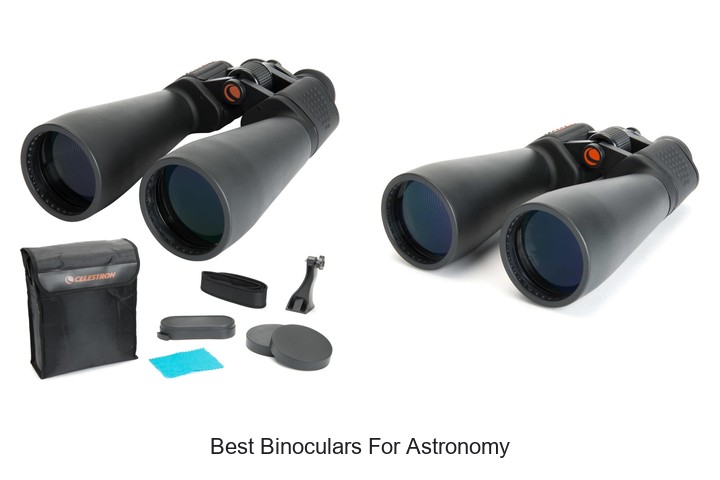
Top 12 Best Binoculars for Astronomy You Can’t Miss!
Many people trying to explore the night sky with binoculars struggle with dim, blurry views and shaky images. The best binoculars for astronomy bring distant stars and planets into clearer focus, making stargazing more rewarding.
Cheap or unsuitable models often have low light transmission or too high magnification, causing frustration and missed details.
Key factors that distinguish good astronomy binoculars include aperture size, magnification, and build quality. Aperture around 50mm or more gathers enough light to see faint objects, while magnification between 7x and 10x offers a wide field of view without excessive shake. Solid construction with waterproofing and easy-to-clean lenses ensures they hold up during outdoor use and provide clear images over time.
Need a Quick Check?
| Image | Product | Price |
|---|---|---|
Our Top Picks 1  | Celestron SkyMaster 25×70 | Check Price |
Our Top Picks 2  | Celestron SkyMaster 15×70 | Check Price |
Our Top Picks 3  | Celestron Cometron 7×50 | Check Price |
Our Selected Top 12 Binoculars for Astronomy for Different Needs
This list features carefully chosen binoculars ideal for stargazing, highlighting their performance, suitability for different users, and key strengths and weaknesses. Each review helps identify which model matches specific needs and preferences for exploring the night sky.
1. Celestron SkyMaster 25×70 Binoculars
Massive 70mm lenses and 25x magnification bring distant stars so close they almost feel touchable. Perfect for anyone serious about astronomy, these binoculars shine brightest when mounted on a tripod, delivering powerful views without straining your arms.
Setting up involves attaching them to a tripod using the built-in ¼”-20 adapter, which secures easily. Daily observations are comfortable thanks to the center manual focus and multi-coated optics, critical for atmospheric conditions around dawn and dusk. Lightweight handling is less practical since these are meant mainly as stationary devices for long viewing sessions.
Sharp and bright views stand out, thanks to BaK-4 prisms that improve light transmission significantly in dark skies. The build feels solid and water-resistant, making it durable for various outdoor environments.
The weight and need for a tripod are typical drawbacks, but no surprise for gear with this capability, causing some to regard portability as an issue.
The brightest and sharpest viewing experiences come from the BaK-4 prisms and big 70mm lenses, but the binoculars’ weight and need for a tripod limit handheld convenience during astronomy sessions. Users appreciate the brightness and detail but mention focusing requires patience.
Astronomy enthusiasts wanting detailed views of the night sky while stationary will find these ideal, especially with tripod support. Those needing something light and portable should consider smaller models that sacrifice some power for ease of carry.
Pros
- Bright BaK-4 prisms for clear night views
- Attaches quickly to most tripods
- Multi-coated optics reduce glare
- Durable water-resistant design
Cons
- Heavy; requires tripod for comfortable use
- Manual focus can be tricky at high magnification
| Specification | Details |
|---|---|
| Objective Lens Diameter | 7 centimeters |
| Magnification Maximum | 25 x |
| Focus Type | Manual Focus |
| Prism Type | Porro Prism |
| Exit-Pupil Diameter | 2.8 millimeters |
| Water Resistance Level | Water Resistant |
2. Celestron SkyMaster 15×70 Binoculars
Powerful 15x magnification combined with large 70mm lenses make these binoculars great for astronomy enthusiasts wanting bright, clear views of the night sky. Best suited for people who don’t mind using a tripod due to their size and weight.
The standout feature is definitely the light-gathering capability that brings distant stars and planets into focus.
Setting up involves mounting the binoculars on a tripod thanks to the built-in ¼”-20 adapter, which takes seconds to attach. Daily handling involves manual center focus adjustment to sharpen images. The water-resistant build means a bit of dew or light moisture won’t harm them during outside nighttime sessions.
An 18mm eye relief keeps viewing comfortable over longer periods.
Optical performance shines thanks to BaK-4 prisms that deliver bright, detailed images after dark or near dawn. The multi-coated lenses further improve clarity and brightness. The binoculars feel solid but are heavy enough that a tripod is practically a necessity.
Some users mention the weight as a downside, while many praise the brightness and sharpness in low light conditions.
The most praised feature is the bright and detailed image quality provided by the 70mm lenses and BaK-4 prisms, even in low light settings. The most common drawback is the binoculars’ weight, which makes handheld viewing uncomfortable and requires a tripod for steady use.
Anyone wanting to observe celestial objects clearly and who is ready to manage the setup with a tripod will be happy with these. People seeking a lighter, more portable option might prefer smaller binoculars that can be used handheld.
Pros
- Large 70mm lenses gather lots of light
- Built-in tripod adapter for stable viewing
- Water resistant to handle outdoor use
- Sharp images with BaK-4 prisms
Cons
- Too heavy for handheld use
- Tripod not included
| Specification | Details |
|---|---|
| Magnification Maximum | 15 x |
| Objective Lens Diameter | 7 centimeters |
| Eye Relief | 18 millimeters |
| Prism Type | Porro Prism |
| Field of View | 4.4 degrees |
| Focus Type | Manual Focus |
3. Celestron Cometron 7×50 Binoculars
Featuring sturdy porro prism construction and multi-coated optics, this pair is tailored for beginners intrigued by astronomy. Its standout feature is the 7x magnification combined with 50mm objective lenses that let you explore wide star fields and bright objects like comets with ease.
Setup involves attaching it to a tripod mount for steady views, which is helpful during extended sky watching. The individual focus and ±3 diopters adjustment allow clear images, while the water-resistant design means you don’t worry about dew or light rain during use.
Eye relief of 13mm makes them comfortable for glasses wearers during stargazing sessions.
Viewing is bright thanks to the multi-coated optics and 50.41 relative brightness, enhancing contrast and clarity across a 6.8-degree field of view. The manual focus requires a bit of patience, but it works well for its purpose. Reviews highlight the crisp, wide views as a strong point, though some find the focus a bit fiddly under low light conditions.
Brightness and wide views receive consistent praise, making it easy to spot constellations and large objects. At the same time, the manual focusing mechanism is mentioned often as a challenge during night use, requiring careful adjustment to maintain image sharpness.
This set will please beginners who want a simple, affordable entry to stargazing with bright, clear images. Those needing higher magnification or zoom flexibility might want to look elsewhere for more specialized instruments.
Pros
- Wide field of view for easier sky scanning
- Large 50mm lenses for bright images
- Water-resistant design adds durability
- Individual focus fine-tunes clarity
Cons
- Manual focus can be tricky in low light
- Magnification fixed at 7x, no zoom option
| Specification | Details |
|---|---|
| Magnification Maximum | 7 x |
| Objective Lens Diameter | 50 millimeters |
| Eye Relief | 13 |
| Field of View | 6.8 degrees |
| Focus Type | Manual Focus |
| Water Resistance Level | Water Resistant |
4. Celestron SkyMaster 20×80 Binoculars

Massive 80mm lenses and 20x magnification make these binoculars a solid pick for stargazers wanting detailed, bright views. Best suited for anyone comfortable using a tripod setup, they handle low-light conditions especially well, delivering sharp images of the night sky with impressive clarity.
Setup involves mounting on a tripod thanks to the built-in ¼”-20 adapter, which clicks into place easily. A center focus knob lets you quickly adjust views without fuss, and the wide 18mm eye relief ensures comfortable viewing during long sessions.
Multi-coated lenses keep images bright, making them great for astronomy or distant land viewing near dusk or dawn.
Viewing stars or landscapes through BaK-4 prisms leads to bright, crisp images with minimal distortion. Made with Porro prism design, these binoculars feel sturdy but do require tripod support due to their size and weight. Praise highlights clear, luminous views even in dim light, while some note the need for a tripod can be a bit cumbersome for casual use.
These binoculars deliver bright and sharp views thanks to BaK-4 prisms and multi-coated lenses, making celestial details pop even in dim conditions. Many people mention the need to use a tripod due to size and weight, which can feel like extra gear to carry and set up.
Anyone focused on serious astronomy or long-distance outdoor viewing will appreciate their power and clarity. Casual stargazers who want handheld ease might prefer lighter, smaller binoculars without tripod dependence for quicker, more spontaneous viewing sessions.
Pros
- Bright, detailed views in low light
- Tripod mount adapter included
- Comfortable eye relief for extended use
- Water resistant for outdoor conditions
Cons
- Heavy, requires tripod to hold steadily
- Narrow field of view limits panoramic scenes
| Specification | Details |
|---|---|
| Objective Lens Diameter | 8 centimeters |
| Magnification Maximum | 20 x |
| Eye Relief | 18 millimeters |
| Prism Type | Porro Prism |
| Field of View | 3.7 degrees |
| Water Resistance Level | Water Resistant |
5. 18×70 Astronomy Binoculars

Perfect for serious sky watchers, these binoculars stand out with their powerful 18x magnification and large 70mm lens, pulling in impressive amounts of light for detailed night sky views. They’re built to deliver clear images for astronomy enthusiasts wanting a sharper look at stars and planets.
Setting up involves mounting on a tripod for steady viewing, thanks to the included tripod mount. The center focus and manual diopter adjustment allow precise control, essential for focusing on dim objects in the night sky.
Eye relief of 18mm helps keep comfortable viewing sessions, and the waterproof design means these hold up well outdoors.
Image sharpness and brightness impress most, supported by quality BAK-4 prisms and fully multi-coated lenses that optimize light transmission. The sturdy build feels dependable, though the weight demands a tripod for steady observation. Common downsides mentioned are the need for careful handling due to its size and the complexity of manual focus adjustments for beginners.
The binoculars deliver bright, sharp images under low light because of BAK-4 prisms and FMC coatings, highly praised in reviews. A frequent complaint is the difficulty beginners face mastering the manual focus and managing the binoculars’ weight without a tripod.
Astronomy fans looking for powerful magnification and wide field views will appreciate this model. Casual or novice users might prefer lighter, easier-to-handle binoculars with simpler focusing mechanisms instead.
Pros
- Strong 18x magnification for detailed viewing
- Large 70mm lens gathers ample light
- Waterproof for outdoor durability
- Tripod mount ensures steady observations
Cons
- Relatively heavy, requires tripod support
- Manual focus can be tricky for beginners
| Specification | Details |
|---|---|
| Objective Lens Diameter | 7 centimeters |
| Magnification Maximum | 18 |
| Mount Type | Tripod Mount |
| Eye Relief | 18 |
| Prism Type | Roof Prism with BAK-4 glass |
| Exit-Pupil Diameter | 4.7 millimeters |
6. Celestron SkyMaster 25×100 Binoculars

Stargazing and spotting distant objects get seriously upgraded with these huge 25×100 binoculars, particularly for those who prefer mounted gear. Their biggest strength lies in delivering bright and detailed views thanks to large 100mm lenses paired with powerful 25x magnification, ideal for astronomy enthusiasts who want to see faint celestial bodies clearly.
Setting them up means using a tripod, as they’re quite heavy and bulky. The built-in tripod adapter makes attaching easy, and with individual focus controls, you can fine-tune each eye’s view.
Handling is a bit demanding due to their size, but the water resistance and multi-coated lenses make them ready for dim or damp conditions during night observations.
In terms of performance, these binoculars show impressive brightness and sharpness in low-light environments thanks to BaK-4 prisms and a 4mm exit-pupil diameter. The build feels solid, but many find the weight a challenge for handheld use.
They provide excellent clarity for long-distance viewing but really shine when secured on a tripod for stability.
Positive comments frequently highlight the excellent brightness and clarity in dim light conditions due to BaK-4 prisms and large lenses. The most common criticism revolves around how heavy the binoculars are, making handheld use impractical and necessitating a tripod for extended observations.
People looking for a powerful astronomy binocular that emphasizes image quality and are fine with using a tripod will appreciate this model. Those who need something lighter or simpler to handle without extra equipment should consider other options better suited to handheld use.
Pros
- Large 100mm lenses offer bright images
- 25x magnification ideal for astronomy
- Compatible with standard tripods
- Water resistant for outdoor use
Cons
- Hefty weight requires tripod support
- Fixed focus makes quick changes tricky
| Specification | Details |
|---|---|
| Objective Lens Diameter | 10 centimeters |
| Magnification Maximum | 25 |
| Field of View | 3 degrees |
| Eye Relief | 15 millimeters |
| Water Resistance Level | Water Resistant |
| Focus Type | Individual Focus |
7. 25×100 Astronomy Binoculars

Powerful 25x magnification combined with massive 100mm objective lenses makes these binoculars ideal for serious astronomy and long-distance viewing. Especially suited for those prepared to use a tripod, they excel at moon observation, star gazing, and wildlife spotting from afar.
Setting up requires a good quality tripod to manage the 8.8-pound weight, which is similar to carrying a gallon of milk. Day-to-day use involves adjusting individual focus for clear images, while the waterproof and fog proof design ensures they handle outdoor conditions without trouble. Compatible with cameras and smartphones, they offer versatile use beyond just stargazing.
These binoculars deliver sharp, bright views of stars and planets thanks to fully multi-coated lenses and porro prisms. Built to be shock and slip resistant, they feel solid and durable.
On the downside, the heavy weight means handheld use isn’t practical and requires steady mounting. Users frequently praise the clarity, while some struggle with using it without a tripod.
Clarity and brightness in viewing distant celestial objects are outstanding thanks to the large lenses and coatings, although the heavy weight means tripod use is a must for comfortable viewing sessions. Users often mention how difficult it is to hold steady without proper support.
Ideal for astronomers and wildlife observers who plan for tripod mounting and want powerful magnification. Not suited for casual users seeking lightweight, handheld binoculars or those who prefer wide field views without setup equipment.
Pros
- Excellent high magnification for detailed viewing
- Waterproof and fog proof for outdoor use
- Compatible with camera and smartphone attachments
- Shock resistant and slip resistant design
Cons
- Heavy weight requires tripod for steady use
- Narrow 2.8-degree apparent angle of view
| Specification | Details |
|---|---|
| Objective Lens Diameter | 10 centimeters |
| Magnification Maximum | 25 x |
| Weight | 8.8 lbs |
| Eye Relief | 15.5 millimeters |
| Focus Type | Individual Focus |
| Water Resistance Level | Waterproof |
8. Aurosports 20×80 Binoculars

Astronomy enthusiasts who want strong magnification will appreciate these binoculars. The standout feature is 20x magnification paired with large 80mm lenses, making faraway stars and planets clearly visible.
Ideal for those comfortable with a heavier setup who want detailed views of the night sky.
Setting up requires attaching the binoculars to a tripod due to their 8.45lb weight, which keeps viewing steady. The fully multi-coated optics and BAK4 Porro prisms help reduce glare for clearer images in low light conditions. Handling them takes some care because of their size, but once mounted, they provide an immersive look at celestial objects.
The binoculars deliver bright, high-contrast images with true-to-life colors thanks to quality prisms and coatings. The build feels solid but bulky, making handheld use tiring over time.
Most praise focuses on the impressive clarity and magnification, while common critiques mention the need for a tripod due to weight.
Bright and crisp views stand out as a key strength, especially under low light thanks to quality prisms and coatings. The main drawback is the binoculars’ weight, which makes holding them steadily without a tripod difficult over longer sessions.
Those who want detailed astronomical observation without handheld fatigue will enjoy these binoculars. People looking for lightweight, portable options might prefer smaller models instead.
Pros
- Powerful 20x magnification for deep sky viewing
- Large 80mm lenses gather plenty of light
- Fully multi-coated optics reduce glare
- Tripod mount stabilizes heavy build
Cons
- Heavy at 8.45lb requires tripod for comfortable use
- Tripod not included, must be purchased separately
| Specification | Details |
|---|---|
| Magnification Maximum | 20x |
| Objective Lens Diameter | 8 centimeters |
| Mount Type | Tripod Mount |
| Prism Type | Roof Prism |
| Coating | Fully Multi-Coated |
| Low Light Technology | yes |
9. Celestron SkyMaster Gemini 2×40 Binoculars

Expansive 24° field of view sets these binoculars apart for astronomy lovers wanting to explore wide sky scenes. Perfect for those who prefer low magnification, they deliver steady, natural views that handle light pollution well, making them ideal for city night sky watchers and beginners learning constellations.
Setup is straightforward with individual focus for each barrel, and adaptability to tripods adds stability during longer viewing. The compact design fits comfortably in hand, and the low 2x magnification makes scanning the night sky easy without causing shaky images.
Fully multi-coated lenses brighten celestial features, while the generous 40mm objective lenses pull in ample light for clear, immersive looks.
These binoculars provide bright and wide images of the Milky Way and meteor showers without overwhelming magnification. Build quality leans towards lightweight and portable rather than rugged, with strong praise for their wide field of view. A common downside is the limited zoom that restricts detailed close-ups, but the steady views and brightness often make up for it.
Users appreciate the ultra-wide field of view that captures broad sky scenes clearly, while many note the low magnification restricts seeing smaller details or distant objects closely. The steady, bright views balance this limitation well.
People enjoying relaxed sky watching and learning constellations under city skies will find these binoculars very satisfying. Those needing higher zoom or sharper focus adjustments might want to consider more powerful models with faster focusing systems.
Pros
- Wide 24° field of view reveals entire constellations
- Low 2x magnification stabilizes viewing experience
- Large 40mm lenses gather plenty of light
- Compact design with tripod adaptability
Cons
- Limited magnification limits close-up detail
- Individual focus can be slower to adjust
| Specification | Details |
|---|---|
| Objective Lens Diameter | 40 millimeters |
| Magnification Maximum | 2 x |
| Field of View | 24 degrees |
| Focus Type | Individual Focus |
| Mount Type | Tripod Mount |
| Exit-Pupil Diameter | 20 millimeters |
10. SVBONY SV407 2.1×42 Binoculars

SVBONY SV407 2.1×42 Binoculars excel at bringing entire constellations into clear view, perfect for anyone who wants wide, bright star fields without heavy magnification. Its biggest strength lies in the wide 26-degree field of view that makes stargazing feel immersive and natural.
Setting it up involves mounting on a tripod for steady use, which suits its low magnification better than handheld viewing. The manual focus and +/-5 diopters adjustment let you tailor sharpness precisely, while the fully multi-coated FMC lenses brighten stars more than naked eyes can.
Its compact 42mm objective lenses balance light-gathering with manageable size for travel and night use.
It delivers a surprisingly detailed and wide view of the night sky, showing many stars beyond the main constellation points. The build quality is solid, with water resistance adding durability. Most users praise how bright and clear the images are, while the often mentioned downside is the 2.1x magnification feeling too low for some who want closer-up views.
The brightest feature of these binoculars is the expansive, clear 26-degree view that reveals many stars beyond what the naked eye sees. Most users find the image quality excellent, but the low magnification limits detailed examination of smaller celestial objects. Stability depends on tripod mounting since handheld use can be shaky.
Those prioritizing wide sky coverage and bright star fields will enjoy these binoculars the most. People looking for higher magnification views of planets or small objects may want to consider different optics better suited to that purpose.
Pros
- Wide 26° field shows full constellations
- Fully multi-coated lenses brighten stars well
- Manual focus with diopter adjustment for sharp images
- Water resistant for outdoor use
Cons
- Only 2.1x magnification may feel low for close-up views
- Requires tripod for stable long viewing sessions
| Specification | Details |
|---|---|
| Objective Lens Diameter | 42 millimeters |
| Magnification Maximum | 2.1 x |
| Field of View | 26 degrees |
| Coating | Fully Multi-Coated |
| Focus Type | Manual Focus |
| Water Resistance Level | Water Resistant |
11. Celestron SkyMaster Pro 20×80 Binoculars

Holding these binoculars feels substantial yet balanced, perfect for long stargazing sessions. Designed for amateur astronomers, they offer a powerful 20x magnification that brings distant celestial objects clearly into view. Their large 80mm objective lenses gather plenty of light, making faint stars and planets easier to spot even on less-than-ideal nights.
Setting them up usually means attaching them to a tripod, since hand-holding can get tiring at this size and power. The center focus wheel is smooth and allows quick adjustments, while the waterproof design means you don’t have to worry about dewy or damp conditions.
The reflex sight-ready rail helps with pointing them in the right direction, which is a nice touch when aiming at moving objects in the sky.
These binoculars deliver crisp, bright images thanks to their BaK-4 prisms and fully multi-coated optics with XLT coatings. They’re built solidly to withstand outdoor use, though their weight makes a sturdy tripod essential. Most praise centers on the fantastic day and night views, while a common criticism is that the binoculars can feel bulky and heavy to carry around without support.
The binoculars receive strong praise for delivering bright and clear views at high magnification, especially in low light. Users often mention the weight and size as a drawback, making a tripod almost mandatory for comfortable use.
People who want serious amateur astronomy binoculars that work well in the dark will appreciate these. Those seeking something lightweight or easy to carry by hand might want to look for smaller, less powerful alternatives.
Pros
- Large 80mm lenses for excellent light gathering
- Waterproof for use in various conditions
- Reflex sight rail for easier targeting
- Brightness and color contrast well maintained
Cons
- Quite heavy, requires tripod for long use
- Bulky to carry without mounting support
| Specification | Details |
|---|---|
| Objective Lens Diameter | 8 centimeters |
| Magnification Maximum | 20 x |
| Field of View | 3.2 degrees |
| Eye Relief | 15.5 millimeters |
| Water Resistance Level | Waterproof |
| Focus Type | Center Focus |
12. 15×70 Astronomy Binoculars

Great for stargazers looking for high-powered views, these 15×70 binoculars deliver impressive clarity and brightness. Ideal for anyone wanting a strong magnification combined with a wide field of view, they really stand out for observing distant celestial and terrestrial objects without needing a telescope.
Setting them up takes a moment, especially attaching the tripod mount for steady viewing on longer sessions. The center focus and diopter adjustment make fine-tuning straightforward, while the slip-resistant grip helps keep them secure when moving outdoors.
Waterproof design lets you use them in different weather, and the shock resistance gives some confidence against occasional bumps.
Optical performance impresses with sharpness and good light intake, thanks to the large 70mm lenses and quality BAK-4 prisms. The full multi-coating helps maintain clear visuals across the entire field of view.
Built solidly with a porro prism design and comfortable eye relief, these can feel a bit heavy for handheld use but excel on a tripod. Most say they deliver crisp images but note the weight as a downside for extended handheld use.
Sharp, bright images from high-quality optics are the standout feature, providing stunning views of stars and natural scenery. The main complaint centers on the weight, making handheld use tiresome during long sessions without tripod support.
Anyone serious about astronomy and willing to use a tripod will appreciate the power and clarity here. Casual users wanting lightweight, easy handheld binoculars might look for something smaller and less heavy.
Pros
- Large 70mm lenses gather lots of light
- Sharp, clear views across wide field
- Waterproof and shock resistant design
- Tripod mount keeps image steady
Cons
- Heavy and bulky for handheld use
- Diopter range limited to -3 to 3
| Specification | Details |
|---|---|
| Magnification Maximum | 15 x |
| Objective Lens Diameter | 7 centimeters |
| Field of View | 222 feet |
| Mount Type | Tripod Mount |
| Water Resistance Level | Waterproof |
| Eye Relief | 15 millimeters |
Comparison of Top Astronomy Binoculars
| Product | Magnification | Objective Lens Diameter | Exit-Pupil Diameter | Waterproof |
|---|---|---|---|---|
| Celestron SkyMaster 25×70 | 25x | 7 cm | – | – |
| Celestron SkyMaster 15×70 | 15x | 7 cm | 4.7 mm | Water Resistant |
| Celestron Cometron 7×50 | 7x | 50 mm | 7.1 mm | Water Resistant |
| Celestron SkyMaster 20×80 | 20x | 8 cm | 4 mm | Water Resistant |
| Generic 18×70 Astronomy | 18x | 7 cm | 4.7 mm | Waterproof |
| Celestron SkyMaster 25×100 | 25x | 10 cm | 4 mm | Water Resistant |
| Generic 25×100 Astronomy | 25x | 10 cm | – | – |
| Aurosports 20×80 | 20x | 8 cm | – | – |
| Celestron SkyMaster Gemini 2×40 | 2x | 40 mm | 20 mm | – |
| SVBONY SV407 2.1×42 | 2.1x | 42 mm | 19 mm | – |
| Celestron SkyMaster Pro 20×80 | 20x | 8 cm | – | Waterproof |
| Generic 15×70 Astronomy | 15x | 7 cm | – | – |
- Magnification25x
- Objective Lens Diameter7 cm
- Exit-Pupil Diameter–
- Waterproof–
- Magnification15x
- Objective Lens Diameter7 cm
- Exit-Pupil Diameter4.7 mm
- WaterproofWater Resistant
- Magnification7x
- Objective Lens Diameter50 mm
- Exit-Pupil Diameter7.1 mm
- WaterproofWater Resistant
- Magnification20x
- Objective Lens Diameter8 cm
- Exit-Pupil Diameter4 mm
- WaterproofWater Resistant
- Magnification18x
- Objective Lens Diameter7 cm
- Exit-Pupil Diameter4.7 mm
- WaterproofWaterproof
- Magnification25x
- Objective Lens Diameter10 cm
- Exit-Pupil Diameter4 mm
- WaterproofWater Resistant
- Magnification25x
- Objective Lens Diameter10 cm
- Exit-Pupil Diameter–
- Waterproof–
- Magnification20x
- Objective Lens Diameter8 cm
- Exit-Pupil Diameter–
- Waterproof–
- Magnification2x
- Objective Lens Diameter40 mm
- Exit-Pupil Diameter20 mm
- Waterproof–
- Magnification2.1x
- Objective Lens Diameter42 mm
- Exit-Pupil Diameter19 mm
- Waterproof–
- Magnification20x
- Objective Lens Diameter8 cm
- Exit-Pupil Diameter–
- WaterproofWaterproof
- Magnification15x
- Objective Lens Diameter7 cm
- Exit-Pupil Diameter–
- Waterproof–
How to Choose the Right Astronomy Binoculars
Choosing astronomy binoculars comes down to balance between aperture, magnification, and weight, as these affect brightness, detail, and ease of use. Picking the right combination ensures clear views without causing strain or requiring extra gear, ultimately saving money and reducing frustration.
Optical Quality and Coatings
Using binoculars with poor lens quality often means the stars appear blurry or colors look washed out. Glass type and lens quality directly affect the sharpness and true color reproduction in your view. Cheaper optics tend to produce dim images with low contrast, making it harder to discern faint celestial details.
Fully multicoated lenses apply several layers of coatings on all air-to-glass surfaces. This results in brighter images with improved contrast, which helps stars and planets stand out against the night sky. Antireflective coatings reduce glare and internal reflections that can cause distracting halos or ghost images, particularly in urban areas with stray light.
For the best experience, choose binoculars labeled as fully multicoated, since these coatings greatly improve clarity during night observations.
Weight and Ergonomics
Holding heavy binoculars steady for long can tire your arms quickly, causing shaky views and cutting observation sessions short. Models weighing less than 30 ounces strike a good balance between solid optics and ease of handling.
Ergonomic factors like rubberized grips, textured barrels, and well-placed focus wheels also make a big difference in comfort.
Comfortable grip keeps your hands steady and reduces fatigue during prolonged use. Some designs include neck straps or harnesses to distribute weight better.
When using tripods or stabilization mounts, make sure the binoculars include tripod adapters or a threaded socket on the central hinge. This helps achieve a stable, shake-free image when scanning the night sky over extended periods.
Build Quality and Weather Resistance
Outdoor use exposes binoculars to bumps, drops, and changing weather. Models built with high-quality polycarbonate or aluminum housing hold up better against impacts and rough handling.
Plastics tend to crack easily, so sturdier materials pay off in reliability.
Waterproof and fogproof features prevent moisture from entering and fogging internal lenses, which can spoil the view. Seals and O-rings block water, dust, and dirt.
Nitrogen or argon purging fills internal spaces with dry gas, stopping fog buildup inside the optics during temperature changes or humid nights. These protections mean your binoculars stay clear and functional despite rain, dew, or sudden temperature drops.
Field of View and Eye Relief
A wide field of view lets you scan large sky areas faster and keeps targets visible as you track them. Typical fields for these binoculars run from about 5 to 7 degrees, roughly 8 to 12 times the angular size of the full Moon. Narrow views feel restrictive and demand constant repositioning.
Eye relief, the distance from the eyepiece lens to where your eye sees the whole field, matters especially for eyeglass wearers. Around 15mm or more provides comfortable viewing without needing to press your glasses against the lens, which reduces strain and keeps the full image visible. Both wider field of view and sufficient eye relief greatly ease the task of locating and following planets, stars, or star clusters on any stargazing session.
Optimizing Your Viewing Experience with Astronomy Binoculars
Binoculars designed for astronomy usually have larger objective lenses, allowing more light to reach your eyes. This is crucial for seeing faint stars and details on planets.
To get the clearest view, adjust the focus slowly and use a tripod for stability, especially with higher magnifications.
Tips to improve your viewing experience:
- Start with a low magnification to scan the sky, then increase as needed to focus on specific objects.
- Pick a dark location away from city lights to reduce light pollution.
- Allow your eyes time to adapt to the darkness before using the binoculars.
- Use the diopter adjustment to balance the focus between your eyes for sharper images.
Following these steps can help you make the most of your astronomy binoculars and enjoy clearer and more detailed celestial views.
Essential Maintenance Tips to Prolong the Life of Your Binoculars
Keeping binocular lenses clean and dry is essential to maintain clear images and prevent damage. Avoid wiping lenses with your shirt or other rough materials, as they can scratch delicate coatings.
Instead, use a microfiber cloth or lens cleaning wipes designed for optics.
Proper maintenance involves:
- Storing binoculars in a protective case to prevent dust and moisture buildup.
- Occasionally checking the hinges and focusing mechanisms for smooth operation and applying small amounts of lubricant if necessary.
- Ensuring binoculars are completely dry before storage to avoid mold growth.
- Handling binoculars by the barrels without touching the lenses.
Regular maintenance keeps the optics in good condition, improving durability and ensuring you get the best performance over time.
Common Mistakes to Avoid When Using Binoculars for Stargazing
One common mistake is using binoculars without proper stabilization, causing shaky or blurry images. Holding binoculars by the barrels with both hands and bracing your elbows against your body can reduce shake.
For prolonged viewing, using a tripod or monopod helps a lot.
Other errors to avoid include:
- Not adjusting the interpupillary distance to match your eyes, which leads to double images.
- Neglecting the diopter adjustment; each eye may require different focus settings.
- Using high magnification settings immediately; starting low helps locate objects more easily.
- Pointing binoculars near bright lights such as street lamps, which can cause glare and damage your eyes.
Avoiding these mistakes makes stargazing more enjoyable and improves the clarity of what you see through your binoculars.
People Also Asked
How Do I Properly Clean and Maintain Astronomy Binoculars?
Use a soft microfiber cloth or lens cleaning pen to gently wipe lenses, avoiding harsh chemicals. Store binoculars in a protective case when not in use to prevent dust buildup and accidental scratches. Regularly check for moisture inside to prevent fungus growth.
What Size Binoculars Are Ideal for Stargazing and Astronomy?
Binoculars with 7×50 or 10×50 specs offer a good balance between light gathering and portability. Larger lenses collect more light, helping you see faint stars, but they can be heavier and require steady hands or a tripod.
Are Binoculars Safe to Use for Extended Night Sky Viewing?
Binoculars do not pose any harm during night sky viewing since they don’t magnify sunlight or sources of harmful radiation. Take breaks to reduce eye strain, since focusing on distant details for long periods can tire your eyes.
How Long Do Good Quality Astronomy Binoculars Typically Last?
Good quality astronomy binoculars often last many years if properly cared for, sometimes a decade or more. Keeping them dry, clean, and stored in a case helps prolong their usable life.
What Are Common Problems with Binoculars Used for Astronomy?
Common issues include fogging inside lenses, misaligned optics causing blurred images, and scratched lenses from improper cleaning. Avoid touching lenses with fingers and use lens caps and cases to protect the optics.
Conclusion
Choosing binoculars for astronomy means focusing on aperture size and magnification. A larger aperture gathers more light, which helps in viewing faint stars and planets, while proper magnification balances detail and stability. Eye relief and weight also matter for comfort during longer stargazing sessions.
Consider where and how often you’ll use the binoculars. When you plan to carry them on hikes or trips, lighter models make sense. Matching your budget to your needs helps avoid overspending on features you may not use.
Check the comparison table and detailed reviews above to find the right fit for your night sky exploration.