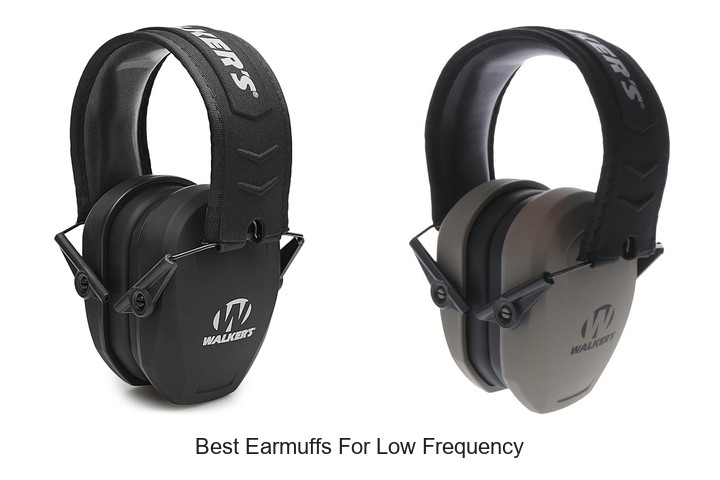
Top 12 Best Earmuffs for Low Frequency You Can’t Miss
Watching a cheap pair of earmuffs struggle to block low-frequency sounds like heavy machinery or bass-heavy music is frustrating. Many models labeled as the best earmuffs for low frequency fall short because they simply don’t seal well around the ears or use foam too thin to dampen deep rumble.
This leaves users exposed to persistent vibrations and noise that can cause discomfort or hearing damage over time.
A good pair of earmuffs designed for low frequencies typically features thick, dense ear cushions made from memory foam or similar materials that conform tightly to the head. Their construction often includes a wider cup size to fully cover the ear and reduce sound leakage. Effective models also meet recognized safety standards such as NRR ratings around 25 decibels or higher, specifically targeting reduction in the 50 to 500 Hz range where low-frequency noise is common.
Need a Quick Check?
| Image | Product | Price |
|---|---|---|
Our Top Picks 1  | Walkers Razor Slim Passive | Check Price |
Our Top Picks 2 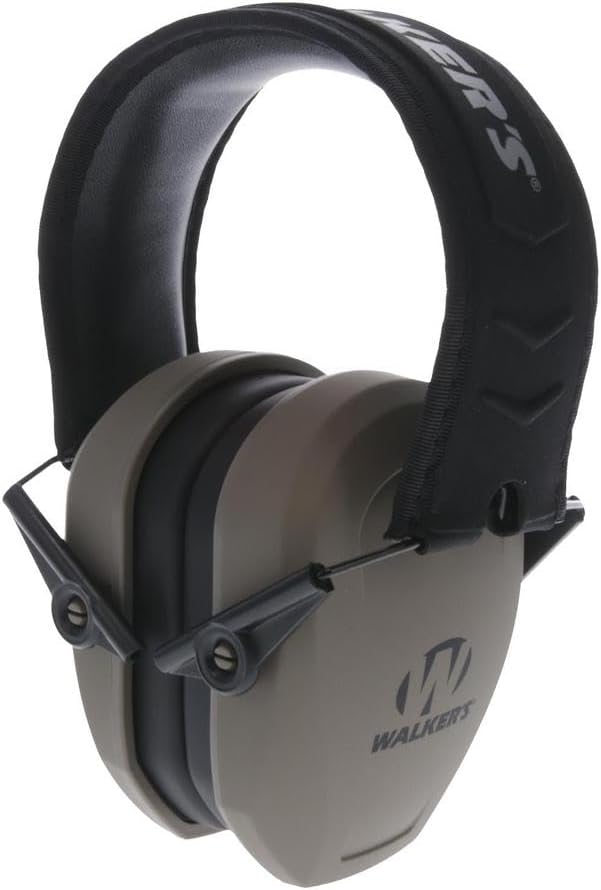 | Walkers Classic Earmuffs | Check Price |
Our Top Picks 3  | Walkers Razor Slim Passive V2 | Check Price |
Our Selected Top 12 Earmuffs for Low Frequency Worth Your Money
This list features carefully chosen earmuffs designed to reduce low-frequency noise effectively. Each product is reviewed for its performance, comfort, and suitability for different environments, highlighting key advantages and potential drawbacks to help you find the best option for your specific needs.
1. Walkers Razor Slim Passive Earmuff
Low-frequency noise can be really draining during long sessions at noisy workshops or shooting ranges. Walkers Razor Slim Passive Earmuffs are designed for people needing solid hearing protection without bulk.
Their ability to block out deep sounds stands out as the main benefit, making them suitable for those sensitive to droning engine noise or heavy machinery.
Putting the earmuffs on is straightforward due to their slim profile, which sits comfortably over the ears without too much pressure. The cups seal well around the ears but don’t feel overly tight, making them easier to wear for extended periods. They don’t have electronic components, so no batteries or adjustments are necessary, which keeps things simple.
The earmuffs effectively muffle low-frequency sounds, offering good passive noise reduction. Build quality is decent, with sturdy plastic and firm cushioning that holds up through repeated use.
Many appreciate the lightweight design, though some mention the earcups can get a bit warm over time. They perform solidly for their price and category.
The strongest praise highlights the solid passive noise blocking for low frequencies while users most often mention earcup warmth as a downside during extended wear. The earmuffs offer a straightforward solution without complications from electronics.
Those needing easy-to-use, no-fuss hearing protection with decent comfort will find these fitting. Individuals seeking maximum noise reduction or cooling features should consider other options.
Pros
- Slim, lightweight profile for extended wear
- Solid passive noise reduction rating
- Simple design without batteries or electronics
- Adjustable headband for a secure fit
Cons
- Earcups can become warm after long use
- Limited noise reduction compared to electronic models
| Specification | Details |
|---|---|
| Type | Passive |
| Noise Reduction Rating (NRR) | NRR 22dB |
| Weight | 8 ounces |
| Material | Durable plastic, foam padding |
| Fit | Adjustable headband |
2. Walkers Earmuffs
Noise reduction rating is what sets Walkers Earmuffs apart for blocking low-frequency sounds, perfect for those needing serious hearing protection. Ideal for anyone working around machinery or in noisy environments where low-frequency noise is a concern.
Setup is straightforward with a simple adjustable headband that fits securely without feeling tight. The cushioned ear cups provide comfort during long wear.
They are easy to slip on and off, and the materials feel durable enough to handle daily use without causing discomfort around the ears.
Performance in reducing low-frequency noise is solid, making it easier to concentrate or protect hearing in loud settings. The build quality is practical, featuring firm ear seals and a strong design.
Reviews often mention comfort over extended hours as a strong point, while the most common complaint concerns the size being a bit bulky for some users.
Comfort during long use stands out in reviews as users appreciate the cushioned ear cups and stable fit. The bulky design is the main drawback, with some finding the earmuffs too large for extended wear. This affects portability and convenience for those needing lighter gear.
Anyone needing strong low-frequency noise reduction who prioritizes comfort and durability will be satisfied. Those with smaller heads or who want a lighter, less bulky option may want to consider other products better suited to those needs.
Pros
- Effective low-frequency noise blocking
- Comfortable cushioned ear cups
- Adjusts easily to different head sizes
- Durable build quality
Cons
- Bulky design can feel heavy
- Not ideal for small head sizes
| Specification | Details |
|---|---|
| Noise Reduction Rating | NRR 23 dB |
| Weight | 12 oz |
| Adjustable Headband | Yes |
| Ear Cup Material | Foam Cushion |
| Color | Black/Green |
3. Walkers Razor Slim Passive Earmuff
Ideal for anyone needing reliable hearing protection against low frequency noise, these earmuffs excel at blocking out deep sounds. They suit people working in noisy environments where comfort and effectiveness matter most.
The biggest strength lies in their slim design, making them less bulky than many competing models.
Putting them on is straightforward thanks to an adjustable headband that offers a snug but comfortable fit. Their lightweight construction means you won’t feel weighed down during long periods of use. The ear cushions seal well around the ears, which helps keep out disruptive low frequency sounds without causing too much heat or pressure buildup.
Performance is solid when it comes to dampening low frequency noise. The build quality feels durable, with materials that seem built to last rather than wear out quickly. The most praised feature in reviews is the comfortable fit and effective noise reduction at deep frequencies.
Some complaints point to the slim design feeling a little tight on larger heads after extensive use.
Many users appreciate how comfortably the earmuffs fit while providing strong noise reduction, especially for deep sounds. The main complaint involves the tightness from the slim design during prolonged wear on bigger heads.
Those needing focused low frequency noise protection with a lightweight feel will find good value here. Users with wider head sizes may want to look at models offering a bit more room and padding.
Pros
- Effective low frequency noise attenuation
- Comfortable soft ear cushions
- Lightweight design reduces fatigue
- Adjustable headband for secure fit
Cons
- Can feel tight on larger heads
- Minimal padding around the band
| Specification | Details |
|---|---|
| Type | Passive Earmuff |
| Design | Slim profile |
| Weight | Lightweight |
| Padding | Soft ear cushions |
| Adjustability | Adjustable headband |
4. 3M Peltor Optime 105 Ear Muffs

Designed specifically for blocking low-frequency noise, the 3M Peltor Optime 105 Ear Muffs offer excellent sound reduction for adults working in louder environments. Its biggest strength lies in its ability to protect against heavy, persistent low tones, making it ideal for industrial or construction settings where deep rumble noise is common.
Putting these earmuffs on is straightforward thanks to their adjustable headband that fits comfortably over the ears. At 12.32 ounces, they feel sturdy without being too heavy for long shifts.
Daily use feels comfortable thanks to soft cushions that offer a snug fit with some breathability. They come in a convenient two-pack, which is handy for replacing old sets or sharing with a colleague.
The earmuffs perform very well at reducing low-frequency sounds, providing safety in noisy workspaces. The build quality is solid and durable, made for heavy use. Reviews often praise their effective noise blocking but mention the earmuffs can feel bulky around the head during extended wear.
Comfort and durability tend to balance out this minor drawback.
Highly effective at blocking low-frequency noise, these earmuffs provide consistent protection for loud environments. The main complaint is the bulkiness around the head, which some users may find uncomfortable during longer periods of use. The cushioning offers a soft fit but can cause heat buildup over time.
Ideal for people working in industrial or noisy outdoor settings needing serious noise reduction. Those seeking a lighter or less bulky option should consider alternative models with slimmer designs or enhanced breathability.
Pros
- Strong low-frequency noise reduction
- Adjustable and comfortable headband
- Includes two earmuffs in one pack
- Durable construction for long-term use
Cons
- Can feel bulky on the head
- Cushions may become warm during extended wear
| Specification | Details |
|---|---|
| Brand Name | 3M |
| Item Weight | 12.32 ounces |
| Number of Items | 2 |
| Age Range Description | adult |
| Manufacturer Part Number | MMMH10A |
5. Walkers Razor Slim Electronic Muff

Walker’s Razor Slim Electronic Muff offers excellent low-frequency noise reduction, making it ideal for hunters or anyone needing focused protection from loud, deep sounds. Its slim design stands out for comfort and clear electronic sound amplification without overwhelming bulk.
Setting it up involves a straightforward fit that feels light thanks to the 15.2-ounce weight. Wearing it daily, the ear cushions sit close to the ear without causing pressure, making long sessions bearable. The controls are easy to reach and use, adding convenience when adjusting volume or turning the electronics on and off during activity.
Performance in blocking low-frequency noise is solid while allowing for safe awareness of ambient sounds through the electronic muffs. Walkers has built the unit to balance protection and clarity, offering durable materials that keep their form without feeling heavy.
Some users find the design a bit too slim for very large ears, which could limit comfort on extended wear.
The strongest praise for these muffs highlights the clear sound amplification combined with solid low-frequency noise reduction. Common complaint centers on the slim profile feeling restrictive for people with bigger ears, which can impact comfort during prolonged use.
People needing reliable hearing protection with electronic hearing assistance will benefit from these muffs. Those requiring a looser or more cushioned fit might prefer alternatives designed with larger earcups. The lightweight design suits active use without causing fatigue.
Pros
- Lightweight at just over 15 ounces
- Slim profile fits close to the head
- Easy-to-use electronic volume controls
- Good protection against low-frequency noise
Cons
- Might feel tight for larger ears
- No detailed cleaning instructions included
| Specification | Details |
|---|---|
| Brand Name | Walker’s |
| Item Weight | 15.2 ounces |
| Number of Items | 1 |
| Item Type Name | hunting-earmuffs |
| Manufacturer | GSM LLC |
6. 180s Behind-the-Head Ear-Warmers

Wearing earmuffs that sit behind your head offers a different feel than the usual over-ear styles, and these are especially light at just 3 ounces. Perfect for adults looking for comfortable ear protection without bulk, their biggest strength is how they balance weight with adequate coverage.
Putting them on is simple since they wrap neatly behind your head, which keeps hair out of the way and doesn’t press heavily on top. Everyday use is convenient because they stay in place without constant adjustment, and their minimal design means you can carry them around easily without feeling weighed down. Cleaning is straightforward too, given there are no complicated parts.
They do a reliable job muffling low-frequency sounds, shielding ears without feeling overly tight. The build is lightweight but sturdy enough for regular wear. People often praise how comfortable the behind-the-head style feels for long periods, while some wish the earmuffs were a little thicker for more sound isolation.
The most common praise highlights the comfortable behind-the-head fit that doesn’t press down heavily, making it easy to wear all day. The most frequent complaint concerns the earmuffs’ thin padding, which some feel reduces the level of low-frequency noise isolation.
Those who want lightweight, easy-to-wear hearing protection for everyday use will appreciate this model. People needing very strong sound blocking or a more adjustable fit might want to explore other options better tailored to those needs.
Pros
- Lightweight design at just 3 ounces
- Comfortable behind-the-head fit
- Simple to wear for extended periods
- Includes two earmuffs per pack
Cons
- May lack thickness for stronger noise blocking
- One size may not fit all head sizes perfectly
| Specification | Details |
|---|---|
| Brand Name | 180s |
| Item Weight | 3 ounces |
| Age Range Description | Adult |
| Number of Items | 2 |
| Style Number | 21727-001 |
| Manufacturer Part Number | 21727-001-400-One Size |
7. Pro for Sho Ear Muffs

Pro For Sho Ear Muffs stand out with their impressive 34 dB noise reduction rating, ideal for anyone needing solid low frequency protection in shooting ranges or loud outdoor settings. Compact and lightweight, they suit users looking for effective, durable hearing protection without the bulk usually associated with high NRR earmuffs.
Putting them on feels snug due to the tight fit design that improves noise blocking over time. The folding feature makes it easy to carry in your pocket when not in use, which is handy for shifting between activities like hunting and yard work. They require a break-in period to reach optimal comfort but once settled, the fit feels secure without causing fatigue during extended wear.
These earmuffs deliver strong attenuation of low frequency sounds, meeting expectations for heavy noise environments while maintaining comfort. Constructed with plastic, the build is rigid yet surprisingly light at 7.2 ounces, contributing to wearability. Most users praise the quieting effect and compact form, while the tighter initial fit can feel restrictive until broken in.
Users highlight the powerful noise reduction and comfortable wear after breaking them in. The most frequent complaint is the initial tightness, which can be uncomfortable at first but improves with use.
Those who need dependable, high-level noise protection in a compact design will appreciate these earmuffs. People who prefer a looser fit right away or prefer softer materials might want to consider other options.
Pros
- High 34 dB noise reduction rating
- Compact fold-to-pocket design
- Lightweight at just 7.2 ounces
- Durable plastic construction
Cons
- Snug fit requires break-in period
- Plastic may feel less premium to some
| Specification | Details |
|---|---|
| Noise Reduction Rating (NRR) | 34 dB |
| Material | Plastic |
| Weight | 7.2 ounces |
| Unit Count | 1 |
| Age Range Description | Big Kid, Little Kid, Adult |
8. Klein Tools Behind-the-Head Earmuffs
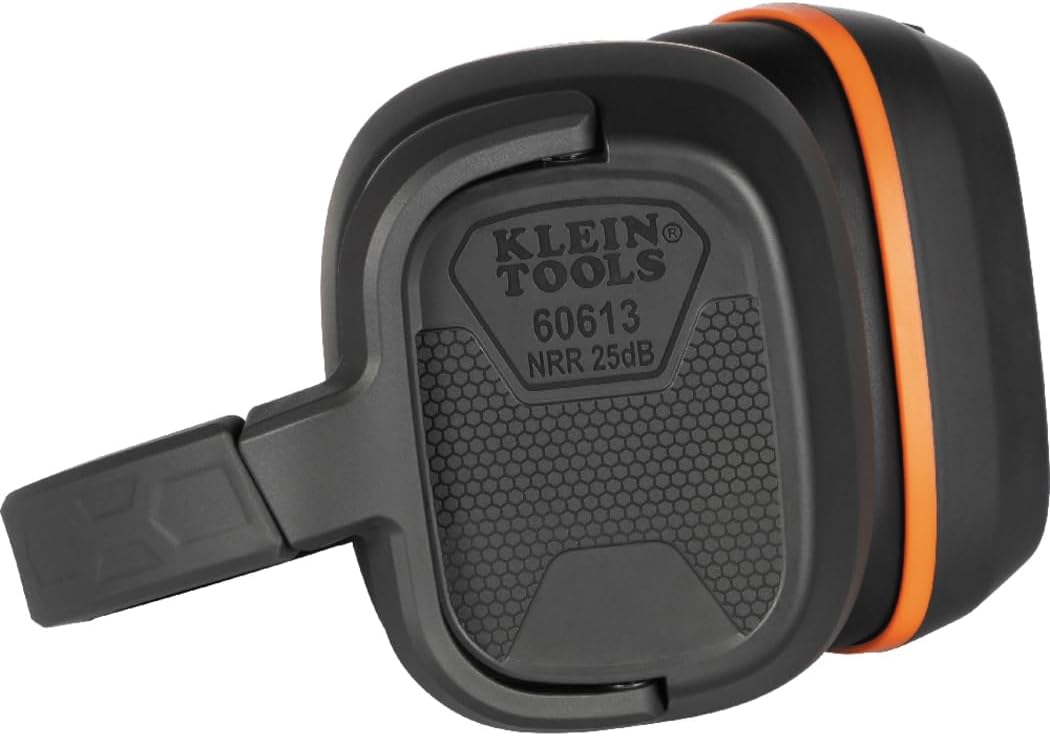
Plastic construction combined with a behind-the-head design makes these earmuffs suitable for anyone who needs hearing protection on a noisy jobsite and wants to avoid pressure on the top of the head. The standout feature is the Noise Reduction Rating (NRR) of 25dB, offering solid protection against low-frequency noise.
Putting them on is straightforward thanks to the adjustable headband, which you can extend for a customized fit. The pivot mechanism lets you hang the earmuffs around your neck easily when not in use, so you’re not constantly taking them on and off.
Soft foam cushions angle around your ears to block sound without feeling too tight during long hours.
They do a good job reducing noise and hold up well thanks to the tough ABS plastic cups. The slim and lightweight design keeps them comfortable for extended use.
Many appreciate how soft and effective the foam cushions are, but some mention that the fit behind the head can take getting used to.
These earmuffs are praised for their comfortable foam cushions and solid noise blocking at 25dB NRR, but some users find the behind-the-head style takes time to adjust to. They hold up well in demanding environments thanks to durable ABS plastic cups.
Anyone working in noisy conditions who prefers a low-profile design away from the top of the head will appreciate these. Those wanting a more traditional headband or easier cleaning options may want to look elsewhere.
Pros
- Comfortable soft foam cushions for acoustic seal
- Pivot mechanism for easy neck storage
- Adjustable headband for personalized fit
- Durable ABS plastic cup withstands tough jobs
Cons
- Behind-the-head design might feel unusual at first
- No specific cleaning instructions included
| Specification | Details |
|---|---|
| Noise Reduction Rating (NRR) | 25dB |
| Material | Plastic (ABS cups) |
| Style Number | 60613 |
| Weight | 8.8 ounces |
| Included Components | Behind-the-Head Earmuffs |
9. ProCase Noise Cancelling Ear Muffs

Extra large ear cups and a noise reduction rating of 30dB make it a solid pick for blocking out low-frequency noise. Suitable for anyone working around machinery or loud environments, it puts comfort front and center with a soft, breathable design that doesn’t pinch.
Setting it up involves adjusting the elastic, retractable headband for a good fit over most head sizes. Soft ear cups with thick noise-dampening foam ensure comfort for long wear.
The earmuffs work fine over most in-ear earbuds, so you can listen to music or calls without removing them.
Noise reduction lives up to its SNR rating, providing reliable protection against persistent low-frequency sounds. The impact-resistant shell adds durability, standing up well in tough conditions.
Users often praise the cushioning and comfort, while the headband can feel a bit tight on larger heads.
Praise often centers on how comfortable the ear cushions are, even after hours of use, along with effective noise reduction for low-frequency sounds. Complaints commonly mention the headband feeling a little too tight, which might affect fit for some users.
Those needing strong protection combined with comfort over long periods will appreciate these earmuffs. People who require looser headbands or prefer a lighter fit might want to consider other options. Good for industrial or workshop environments where low-frequency noise is prevalent.
Pros
- Soft ear cups for long-term comfort
- Works over most in-ear earbuds
- Durable, impact-resistant shell
- Adjustable headband fits various head sizes
Cons
- Headband may feel tight on larger heads
- Imported model with standard warranty terms
| Specification | Details |
|---|---|
| Maximum noise reduction | Professional SNR 37dB/NRR 30dB rating, ANSI S3.19 (US) certified |
| Headband | Durable, elastic, retractable design |
| Material | Soft imitation leather ear cups with thickened noise-dampening foam |
| Weight | 0.41 kg |
| Durability | Heavy-duty shell, impact-resistant |
10. 3M Peltor Optime 101 Ear Muffs
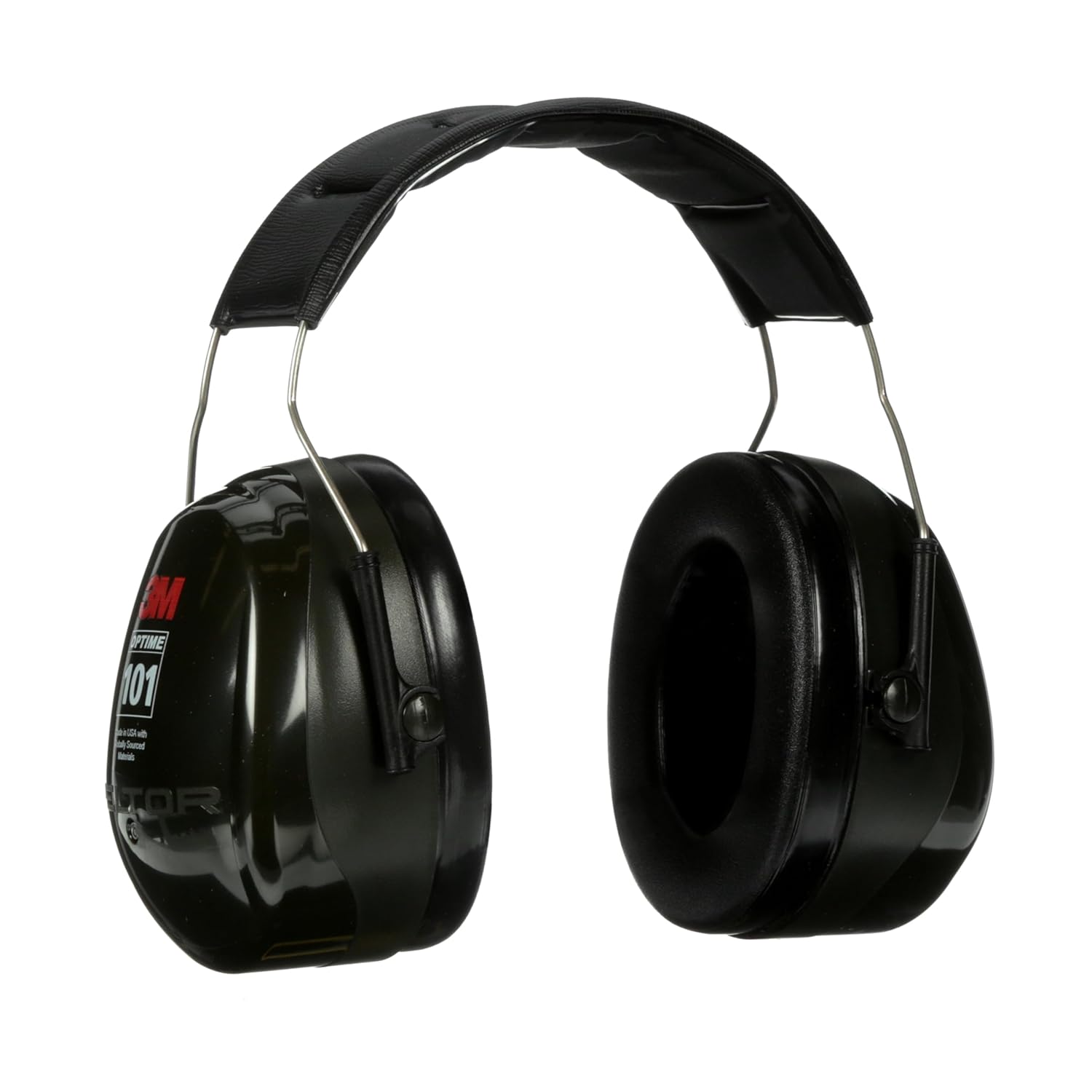
Built for industrial use, 3M Peltor Optime 101 earmuffs offer solid protection against loud, low-frequency noises. Best suited for workers exposed to high noise levels, their main advantage lies in delivering consistent noise reduction rated up to 25 dB, thanks to a heavy-duty design meant for extended wear.
Putting them on is straightforward, thanks to their adjustable stainless steel headband that balances pressure evenly across your head. The earcups pivot to fit comfortably, adapting to different head shapes.
The cushions use liquid and foam layering, making them feel soft while maintaining a secure seal around the ears, so you can wear them longer without discomfort.
These earmuffs provide effective noise blocking, especially for continuous industrial noise environments up to 101 dBA. The build quality stands out with metal components and thick ear cushions that hold up well over time.
Reviews highlight comfort as a strong point, but some mention a bit of weight, which might feel noticeable after long shifts.
Many users appreciate the comfortable fit created by the foam and liquid-filled ear cushions, which maintain a solid seal for long periods. However, the metal build adds weight, making the earmuffs a bit tiring to wear after several hours.
Industrial workers with regular exposure to loud, low-frequency noise will find these earmuffs practical and reliable. Those looking for lighter protection or casual noise reduction should look for options made for consumer use.
Pros
- Good noise reduction for industrial environments
- Comfortable liquid and foam cushions
- Adjustable stainless steel headband distributes weight well
- Pivots earcups for a better fit
Cons
- Could feel heavy during extended wear
- Not intended for consumer or casual use
| Specification | Details |
|---|---|
| Noise Reduction Rating (NRR) | 25 dB |
| Recommended for noise up to | 101 dBA |
| Weight | 1.6 ounces |
| Headband type | Stainless steel, low-pressure fit |
| Cushion filling | Liquid and foam |
| Style | Over-the-head, pivoting earcups |
11. Sordin Pro-X Active Electronic Ear Muffs

Low-frequency noise can be tough to block, especially in noisy environments like shooting ranges or construction sites. Sordin Pro-X Active Electronic Ear Muffs target that problem effectively and are best suited for those needing clear hearing protection while still catching subtle environmental sounds.
They stand out most for balancing noise reduction with active sound management.
Putting them on feels secure yet comfortable thanks to the padded ear cups and adjustable headband, easy to set up and get right for your head size. The electronic features work smoothly, cutting down loud noises while amplifying quieter sounds, letting you stay aware of conversations or commands around you.
Daily wear remains comfortable, and they’re straightforward to operate.
The performance on low-frequency noise is solid, with good clarity and clear noise cancellation for heavy-duty tasks. Built with quality materials, the headset feels durable and made to last many sessions outdoors or indoors. Most praise highlights excellent sound quality and comfort during long uses.
A common gripe mentions the battery life could be longer in some situations.
People appreciate the clear sound and comfort over long use, making it easy to wear for hours while still protecting hearing effectively. Battery life often comes up as the main drawback, with some wishing it lasted a bit longer during extended sessions.
Great choice for those needing reliable low-frequency protection and vocal clarity in active settings. Users valuing lighter weight or longer battery runtimes might want to explore other options better suited to those needs.
Pros
- Clear low-frequency noise reduction
- Comfortable padded ear cups
- Adjustable headband for secure fit
- Rechargeable battery included
Cons
- Battery life shorter than some competitors
- Heavier than some similar models
| Specification | Details |
|---|---|
| Noise Reduction Rating (NRR) | 20 dB |
| Power Consumption | 15W |
| Weight | 380 grams |
| Materials | ABS Plastic and Stainless Steel |
| Battery Type | Rechargeable Lithium-ion |
12. Sordin Pro-X Active Electronic Ear Muffs

Rated with an impressive 15W power output, the Sordin Pro-X Active Electronic Ear Muffs suit those wanting solid low-frequency noise reduction. Its biggest strength lies in the combination of electronic active noise cancellation with comfortable daytime wear.
Setting these earmuffs up is simple, requiring just battery insertion to activate the sound system. The adjustable headband ensures a snug fit over different head sizes, and the electronic components amplify low sounds while blocking harmful noise. Controls are straightforward, allowing easy volume adjustments during use.
Cleaning the earmuffs is manageable by wiping the soft ear cushions gently after use.
The earmuffs perform well at reducing low-frequency noise, delivering clear sound and reliable volume control. Constructed with durable materials and cushioned ear cups, they balance protection and comfort. The strongest praise is for effective noise reduction at gun ranges.
The most frequent complaint concerns the earmuffs’ bulkiness, making them less convenient for prolonged wear in hot weather.
The earmuffs receive strong praise for effectively reducing low-frequency noise, especially helpful in noisy environments like gun ranges. A common complaint is the bulkiness, which some find uncomfortable for long periods, especially in warmer conditions.
Those needing reliable noise reduction and clear sound amplification will appreciate these earmuffs. Users looking for a lightweight, compact option might want to explore alternatives better suited for all-day comfort in hot weather.
Pros
- Strong 15W power for active noise cancellation
- Comfortable fit with adjustable headband
- Clear amplification of low-frequency sounds
- Durable build with quality ear cushions
Cons
- Can feel bulky during extended wear
- No weight details provided for comparison
| Specification | Details |
|---|---|
| Power Output | 15W |
| Noise Reduction Rating (NRR) | Not specified |
| Active Electronic System | Yes |
| Weight | Not specified |
| Adjustable Headband | Yes |
Comparison of Best Earmuffs for Low Frequency
| Product | Brand | Weight | Count | Age Range |
|---|---|---|---|---|
| Walkers Razor Slim Passive | Walkers Razor Slim Passive | – | – | – |
| Walkers Classic Earmuffs | Walkers Classic Earmuffs | – | – | – |
| Walkers Razor Slim Passive V2 | Walkers Razor Slim Passive V2 | – | – | – |
| 3M Peltor Optime 105 | 3M Peltor Optime 105 | 3M | 12.32 ounces | 2 Pack |
| Walkers Razor Slim Electronic | Walkers Razor Slim Electronic | Walker’s | 15.2 ounces | 1 Count |
| 180s Behind-the-Head Warmers | 180s Behind-the-Head Warmers | 180s | 3 ounces | 1 Count |
| Pro For Sho Ear Muffs | Pro For Sho Ear Muffs | Pro For Sho | 7.2 ounces | 1 Count |
| Klein Tools Behind-the-Head | Klein Tools Behind-the-Head | KLEIN TOOLS | 8.8 ounces | 1 |
| ProCase Noise Cancelling Muffs | ProCase Noise Cancelling Muffs | ProCase | 0.41 kg | 1 |
| 3M Peltor Optime 101 | 3M Peltor Optime 101 | 3M | 1.6 ounces | 1 Count |
| Sordin Pro-X Active Electronic | Sordin Pro-X Active Electronic | – | – | – |
| Sordin Pro-X Active Electronic II | Sordin Pro-X Active Electronic II | – | – | – |
- BrandWalkers Razor Slim Passive
- Weight–
- Count–
- Age Range–
- BrandWalkers Classic Earmuffs
- Weight–
- Count–
- Age Range–
- BrandWalkers Razor Slim Passive V2
- Weight–
- Count–
- Age Range–
- Brand3M Peltor Optime 105
- Weight3M
- Count12.32 ounces
- Age Range2 Pack
- BrandWalkers Razor Slim Electronic
- WeightWalker’s
- Count15.2 ounces
- Age Range1 Count
- Brand180s Behind-the-Head Warmers
- Weight180s
- Count3 ounces
- Age Range1 Count
- BrandPro For Sho Ear Muffs
- WeightPro For Sho
- Count7.2 ounces
- Age Range1 Count
- BrandKlein Tools Behind-the-Head
- WeightKLEIN TOOLS
- Count8.8 ounces
- Age Range1
- BrandProCase Noise Cancelling Muffs
- WeightProCase
- Count0.41 kg
- Age Range1
- Brand3M Peltor Optime 101
- Weight3M
- Count1.6 ounces
- Age Range1 Count
- BrandSordin Pro-X Active Electronic
- Weight–
- Count–
- Age Range–
- BrandSordin Pro-X Active Electronic II
- Weight–
- Count–
- Age Range–
How to Choose the Right Low Frequency Earmuffs
Choosing earmuffs that effectively reduce low frequency noise depends on factors like sealing quality, noise reduction rating, and comfort for long wear. Selecting the right features ensures better protection and durability, saving money and preventing the hassle of replacements or ineffective noise blocking.
Lowfrequency Noise Reduction
Low-frequency sounds like heavy machinery or bass vibrations from subwoofers can easily penetrate poorly designed hearing protection. Muffs that fail to reduce these deep tones often leave users fatigued and exposed despite wearing them. A good model specifically addresses the Noise Reduction Rating (NRR) focused on bass frequencies, usually measured around 125 Hz to 500 Hz.
These earmuffs often incorporate materials that dampen vibrations rather than just blocking sound, such as specialized acoustic foams or multi-layer ear cups designed to counteract low-frequency waves.
Simple foam padding alone usually isn’t enough for this range; look for products tuned for low-frequency attenuation, often with dual-shell designs or active noise cancellation technology tailored to reduce those rumbling noises. Without this focus, everyday use in noisy environments won’t get the necessary protection, making your ears constantly ring or feel tired after short periods.
Comfort and Fit
Extended use of hearing protection can quickly become uncomfortable if the cushioning is too hard or thin, causing pressure points around the ears. High-quality earmuffs use soft foam or gel padding that molds gently around the ear, reducing soreness after hours of wear.
A well-padded adjustable headband ensures the muffs stay snug without squeezing the skull, which otherwise leads to headaches or shifting during movement.
Weight also matters. Heavier models can cause neck fatigue and irritation, especially if worn throughout a workday or long practice sessions.
Aim for earmuffs under 300 grams, with easily adjustable ear cups to accommodate different head sizes securely. This keeps the gear in place without constant readjustment and makes a noticeable difference in daily comfort.
Build Quality and Materials
Materials directly impact how long earmuffs last and how well they maintain sound isolation. Thick plastic shells resist cracking from drops but should still flex enough to maintain a good seal around the ear. The ear cushions need a durable yet soft material, often vinyl or leatherette, which doesn’t degrade after repeated sweats or exposure to outdoor moisture.
In hot or humid conditions, cheap foam inside the cups can absorb sweat, leading to unpleasant odors and faster wear. Look for models labeled as water- or sweat-resistant to ensure longevity.
Solid construction doesn’t just hold up against physical damage but maintains its acoustic properties over time, keeping the noise blockage consistent.
Compatibility with Other Gear
Wearing earmuffs along with glasses or helmets often causes discomfort or compromise in protection. Some models have thinner ear cups or deeper cavities to accommodate different ear shapes and glasses arms without crushing them.
This improves comfort and prevents leaks around the edges.
For those using communication devices, certain earmuffs include integration options or adapters for microphones and radios, making it easier to combine hearing protection with necessary gear. Not all muffs fit well under helmets, so check compatibility especially if you need to wear multiple pieces simultaneously during activities like shooting or construction.
Portability and Storage
Portability is important when earmuffs are not worn continuously. Models that fold at the headband hinges can fit easily into backpacks or tool bags without taking up too much space. Without folding ability, bulky designs become cumbersome and less likely to be carried at all.
Many paired units come with carrying cases or soft pouches to protect them from dust and damage during transport. The total weight and size also influence how easy it is to stow them away quickly during breaks.
Select lightweight earmuffs that balance size and protection but can collapse or fit in the included storage to keep them available whenever you need to block out noise.
Maximizing Low-Frequency Noise Reduction Through Proper Earmuff Fit
Low-frequency noise tends to be more persistent and harder to block because it travels through surfaces and gaps more easily. A tight and secure fit of earmuffs plays a crucial role in minimizing sound leakage.
The seal around the ears must be consistent, without pressure points that cause discomfort over time. Earmuff cushions made from dense materials like memory foam improve the seal, helping reduce vibrations that pass through.
Key points to maximize fit:
- Adjust the headband for firm but comfortable pressure.
- Ensure ear cups fully cover the ears without pinching.
- Replace worn-out cushions that can allow sound to leak.
Proper fit not only blocks more low-frequency sound but also keeps the earmuffs comfortable during longer use, which encourages consistent wearing in noisy environments.
Effective Maintenance Practices to Ensure Long-Lasting Low-Frequency Protection
The performance of earmuffs in reducing low-frequency noise decreases over time due to wear and environmental factors. Regular maintenance preserves the effectiveness of the cushions and headband. Cleaning the ear cushions with a mild detergent removes dirt and oils that can degrade the foam’s density, an important factor in sound attenuation.
Avoid excessive moisture, as it can cause the foam to break down prematurely.
Recommended maintenance tips:
- Wipe down external surfaces after use to prevent buildup.
- Check for cracks or tears in ear cushions and replace as needed.
- Store earmuffs in a dry, cool place away from direct sunlight.
Routine inspection and care extend the lifespan of earmuffs and maintain consistent low-frequency protection, reducing the need for frequent replacements.
Comparing Earmuffs and Earplugs for Optimal Low-Frequency Noise Attenuation
Comparing earmuffs and earplugs reveals differences in how each handles low-frequency noise. Earmuffs cover the entire ear, creating a physical barrier that reduces sound pressure levels across a wide range of frequencies, including low-frequency.
Their larger cushioning can form a better seal, which is particularly effective against bass-heavy noise sources.
Earplugs fit inside the ear canal and work by blocking the passage of sound directly into the ear. While custom-molded plugs can offer decent low-frequency attenuation, generic foam plugs often perform less effectively in this range due to their shape and material limitations.
Considerations for choosing between them:
- Earmuffs provide consistent and higher low-frequency noise reduction due to their seal and padding.
- Earplugs are more compact but may require careful insertion to be effective.
- Combining both can yield better overall attenuation for extremely noisy environments.
People Also Asked
How Do Earmuffs Reduce Low Frequency Noise Effectively?
Earmuffs reduce low frequency noise mainly through thick ear cushions and tight seals that block sound waves. A snug fit around the ears prevents vibrations from leaking in, which is crucial for these lower sounds. Make sure the cushion material stays soft and pliable, as hardening reduces effectiveness.
What Size Earmuffs Should I Choose for Proper Low Frequency Fit?
The right size covers your entire ear comfortably without pressing too hard. Larger earmuffs tend to perform better with low frequency noise by enclosing the ear fully and creating a better seal. Check that the earmuffs have adjustable headbands to customize the fit for your head shape.
Are Earmuffs Safe for Long-Term Use Against Low Frequency Sounds?
Long-term use of earmuffs protecting against low frequency sounds is generally safe if the earmuffs fit well and are worn correctly. Taking breaks during extended use prevents discomfort around the ears and head. Replace cushioned parts regularly to maintain protection and comfort during prolonged exposure.
How Do I Properly Clean and Maintain My Earmuffs?
Clean earmuffs by wiping cushions with a damp cloth and mild soap, avoiding soaking to prevent damage to padding. Let them air dry completely before use to avoid skin irritation. Regularly check for cracks or stiffness, which can compromise noise reduction.
What Common Problems Affect Earmuff Performance with Low Frequency Noise?
Common issues include cushion wear, loss of seal due to headband looseness, and material hardening from sweat or temperature changes. These reduce noise-blocking ability, especially for low frequencies. Replace damaged cushions and keep the headband adjusted snugly to maintain performance.
Conclusion
Choosing earmuffs that effectively block low frequency sounds mainly depends on the seal quality around your ears, the density and thickness of the ear cups, and the headband comfort for long use. These factors help reduce the deep, rumbling noises that are harder to block. Focus on products that prioritize these features to ensure better noise reduction performance.
Consider how often you will wear them and where, as heavier earmuffs might suit occasional use but feel uncomfortable during long sessions. Match your choice to your budget without sacrificing the core noise-blocking functions. Review the comparison table and detailed picks above to find the model that fits your needs best.