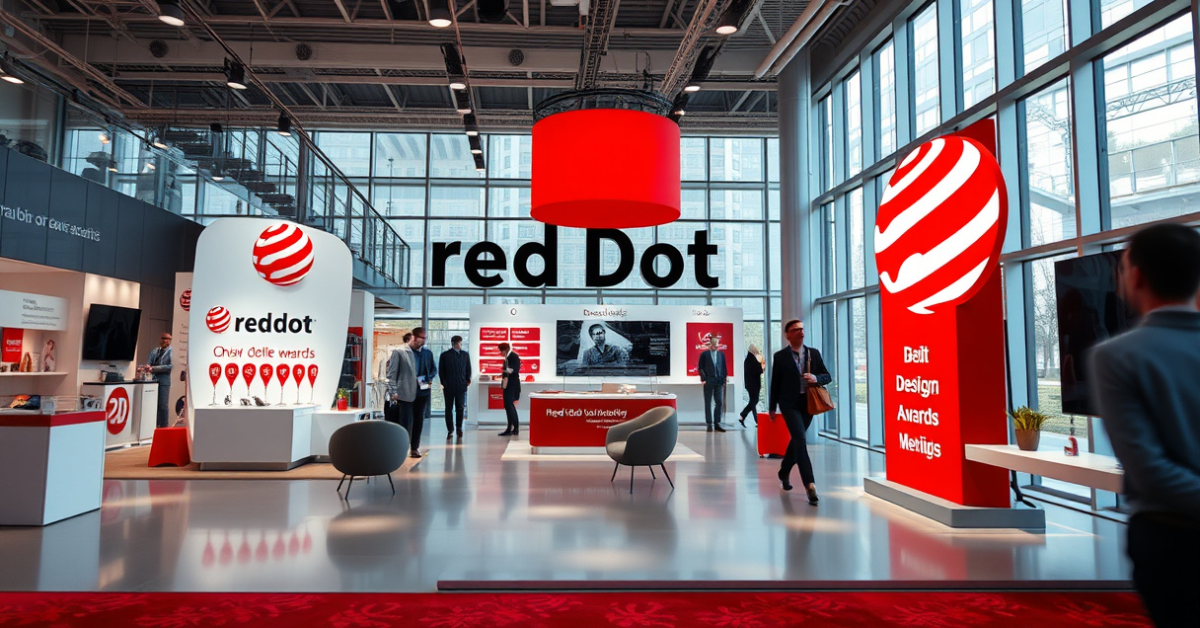
What Is Red Dot Design Awards? A Guide to the Prestigious Design Competition
Red Dot Design Awards is one of the world’s most influential international design awards, recognizing outstanding product, communication, and design concepts. Established in 1955, this prestigious competition honors cutting-edge innovations from designers, companies, and agencies globally. Winners receive the coveted Red Dot, a symbol of exceptional quality and design excellence acknowledged across industries.
The Red Dot Design Awards matter because they set international benchmarks for design, innovation, and creativity. Companies that achieve Red Dot status benefit from significant brand visibility, consumer trust, and heightened market opportunities. The competition is fierce, with thousands of entries each year, demonstrating the awards’ impact and reputation throughout the design community.
In this article, we’ll cover the origins and structure of the Red Dot Design Awards, the categories open for submission, judging criteria, what it takes to become a Red Dot winner, the significance of international design awards, and key differences between Red Dot and other global design competitions. We'll also answer common questions to help you understand why these awards are so highly respected.
Origins and Evolution of Red Dot Design Awards
The Founding and Historical Development

The Red Dot Design Awards traces its roots to 1955, originating in Germany as the 'Verein Industrieform.' It quickly evolved due to growing international interest and design advancements. The name 'Red Dot' was adopted in 1991, reinforcing its visual identity with the signature red dot logo as a hallmark of recognized design.
The philosophy behind the awards is to celebrate outstanding design across all industries. Over the decades, the competition expanded from industrial products to communication and design concepts, mirroring the dynamic evolution of global design itself.
- Founded in Germany, 1955
- Renamed to Red Dot in 1991
- Expanded to multiple categories over time
- Symbolizes design excellence worldwide
Growth and Global Influence

What began as a German initiative now attracts entries from over 60 countries annually. Red Dot’s influence expanded through worldwide exhibitions, workshops, and partnerships with design institutions.
The international prominence of Red Dot Design Awards has propelled countless designers and brands into the global spotlight, fueling trends and setting benchmarks for industry innovation.
Award Categories and Submission Process
Design Award Categories Explained

Red Dot distinguishes three main disciplines: Product Design, Communication Design, and Design Concept. Each discipline encompasses various subcategories, from furniture and electronics to branding, user interfaces, and conceptual prototypes.
The categories ensure the Red Dot Awards reflect a comprehensive view of the design world, covering both market-ready products and visionary ideas at the international level.
- Product Design: Physical goods and industrial design
- Communication Design: Branding, advertising, digital media
- Design Concept: Prototypes and forward-thinking solutions
How to Enter the Competition

To participate, designers and companies submit their work through the official Red Dot website. Entries are accepted annually during a specified registration period, with fees depending on the category and size of the submission.
Submissions are evaluated by an international jury of independent design experts who assess each work’s innovation, usability, and quality.
Judging Process and Evaluation Criteria
The Red Dot Jury: Who Judges?
The jury comprises around 40 independent experts from diverse backgrounds, including design, academia, and industry leadership. Each member brings unique perspectives, ensuring a fair and balanced assessment.
Jury members review every entry in person, thoroughly testing products and discussing their merits as a team before reaching final decisions.
- Experts from product, communication, and concept design
- No jury member may be involved with competing entries
For more on this, see our related guide: What Is the Red Dot Design Award? A Guide to the Prestigious Design Competition.
Criteria for Award Selection
Entries are evaluated on innovation, functionality, quality, ergonomics, and overall impact. Sustainability, ecological compatibility, and degree of elaboration also play important roles.
Achieving a Red Dot signifies that a work embodies outstanding design thinking and execution, often setting the standard for future trends.
- Innovation and uniqueness
- Functionality and usability
- Quality and longevity
- Aesthetic appeal
- Sustainability
Significance and Impact of Red Dot Design Awards
Benefits for Designers and Brands
Winning a Red Dot brings worldwide recognition, often boosting a designer’s or brand’s reputation. It serves as a third-party validation, aiding marketing efforts and opening doors to new business opportunities.
Many use the Red Dot seal on their products, packaging, and advertising to communicate trustworthiness and superior quality to consumers and clients.
- Prestige within the design community
- Increased market visibility
- Enhanced consumer trust
Industry Influence and Trends
The Red Dot Design Awards drive innovation by highlighting trendsetting products and creative solutions, helping dictate industry standards and consumer preferences year after year.
Recognizing both established brands and emerging talents, the awards support ongoing evolution and cross-pollination of ideas in design worldwide.
Red Dot Versus Other International Design Awards
Comparing Major Global Awards
While Red Dot is highly esteemed, other international design awards, like the iF Design Award, Good Design Award (Japan), and IDEA (USA), also hold prominence. Each has distinct judging frameworks, entry processes, and regional influences.
This diversity encourages designers to pursue multiple recognitions and adapt their work to varying cultural and technical criteria.
- Red Dot (Germany): Comprehensive, global scope
- iF (Germany): Historical focus on industrial design
- Good Design Award (Japan): Emphasis on social impact
- IDEA (USA): Strength in product innovation
Why Red Dot Stands Out
Red Dot’s international reach, rigorous judging, and large-scale exhibitions contribute to its unique reputation. Hosting annual gala ceremonies in Germany and Singapore, it remains a powerful force in elevating winners’ global standing.
Being awarded the Red Dot often signifies not just an achievement, but a statement of leadership and creativity within the design world.
Showcase and Promotion of Winning Designs
The Red Dot Design Museum
Winning works are featured at Red Dot Design Museums in Essen, Singapore, and Xiamen. These permanent exhibitions attract design enthusiasts, industry professionals, and tourists alike, providing an ever-evolving showcase of innovative works.
Physical displays and multimedia installations contextualize winners within broader design trends and histories, fostering global dialogue.
- Essen (Germany): Original and largest Red Dot Museum
- Singapore: Key Asia-Pacific hub
- Xiamen (China): Expanding global reach
Publications and Media Coverage
In addition to museum exhibitions, Red Dot winners are published in yearbooks, digital archives, and are widely covered in trade press and mass media. The Red Dot website serves as a rich resource for professionals and the public.
This multi-channel exposure reinforces the prestige of winning entries and amplifies their impact throughout the industry.
- Annual Red Dot Design Yearbook
- Global trade media features
- Comprehensive online archives
How to Maximize the Value of Winning a Red Dot
Marketing and Brand Strategy
Leveraging the Red Dot symbol on products, websites, and campaigns instantly communicates a premium standard to target audiences. Many brands integrate the award into launch events, packaging, and official communications.
This strategy is key to turning a design achievement into tangible commercial benefits, such as higher sales and lasting brand loyalty.
- Feature award seal on product packaging
- Include Red Dot story in PR releases
- Host award-themed promotional events
For a detailed overview of the competition’s history, judging, and categories, you can visit the comprehensive Wikipedia entry on the Red Dot Design Award. Red Dot Design Award.
Ongoing Engagement and Networking
Participating in Red Dot’s alumni events, exhibitions, and online platforms lets winners build networks with leading designers, companies, and press. These relationships foster further opportunities for collaboration and staying current with new trends.
Continued engagement sustains momentum and ensures the long-term value of winning a prestigious international design award.
Red Dot Design Awards Category Comparison
Here’s a comparison of the main Red Dot Design Awards categories to help you choose the right fit for your project.
| Category | Eligibility | Submission Focus | Recognition | Typical Entrants |
|---|---|---|---|---|
| Product Design | Market-ready products | Function, innovation, aesthetics | Trophy & exhibition | Manufacturers, industrial designers |
| Communication Design | Completed campaigns/content | Branding, media, digital work | Trophy & publication | Agencies, graphic designers |
| Design Concept | Forward-thinking prototypes | Idea, originality, feasibility | Trophy & concept showcase | Startups, students, inventors |
| Junior Award | Students/recent grads | Product or communication | Certificate & mentorship | Emerging talent |
| Brands & Communication | Entire brands | Holistic brand expression | Trophy & media event | Corporate teams, branding agencies |
Frequently Asked Questions
What are the Red Dot Design Awards?
The Red Dot Design Awards are one of the world’s most respected international design competitions, annually recognizing outstanding achievements in product, communication, and concept design across diverse industries.
Who can submit to the Red Dot Awards?
Designers, companies, agencies, and students from around the world can enter Red Dot Awards, as long as their work fits one of the eligibility criteria for the various categories offered.
How is judging conducted at Red Dot?
Entries are evaluated by independent, expert juries using criteria such as innovation, quality, functionality, and sustainability. Judging involves hands-on discussions and thorough inspections of each submission.
What do winners receive?
Winners earn the Red Dot trophy, a distinctive label that can be used for marketing, and inclusion in exhibitions and official publications. Many benefit from industry-wide publicity and new networking opportunities.
Why are international design awards important?
International design awards validate creativity on a global scale, enhance career development, and help set industry benchmarks, driving design innovation and best practices across fields.
Can students win a Red Dot Design Award?
Yes, students and recent graduates can participate, especially in categories such as the Junior Award or Design Concept, where emerging talents are given special recognition and support.
Key Takeaways
- Red Dot Design Awards are internationally recognized symbols of design excellence.
- Multiple categories accommodate products, communication, and conceptual work.
- Winning a Red Dot enhances brand reputation and industry influence.
- Careful preparation and category selection are crucial when entering.
Conclusion
Navigating the world of design competitions demands both creativity and strategic planning. The Red Dot Design Awards exemplify this intersection—setting clear standards by which innovation and quality are judged. For designers and brands alike, understanding the award's process, criteria, and impact is pivotal for making the most of an entry. Engaging with Red Dot not only validates design excellence but also places work on a truly global stage, inspiring ongoing growth and boundary-pushing results.
Specific categories, such as Product Design, Communication Design, and Design Concept, offer tailored opportunities depending on your project’s nature and stage of development. Established brands may benefit most from the enhanced trust and exposure that come with a Product Design Red Dot, while emerging talents might find the concept or junior categories ideal for gaining career-launching recognition. Careful selection and preparation significantly enhance the chance of standing out among thousands of international entries.
For anyone considering entering the Red Dot Design Awards, research past winners, align your work with category criteria, and leverage all opportunities for post-award promotion. The journey extends far beyond submission: active participation, from alumni events to museum showcases, can turn a prestigious accolade into a powerful long-term asset for your design reputation and business success.



2 Comments