Why Are Nods Green? Exploring the Reasons Behind Their Distinct Color
Nods are green primarily because of the presence of chlorophyll, a green pigment essential for photosynthesis. This pigment allows nods to absorb sunlight efficiently, converting it into energy needed for growth. The green color is a direct outcome of how chlorophyll interacts with light, reflecting green wavelengths while absorbing others.
Understanding why nods are green sheds light on the broader role of pigments in plant life. The green pigment plays a critical role in energy production and survival, making it fundamental to the plant's function and health. This color also helps distinguish nods from other organisms in their environment.
This article will explore the chemical nature of chlorophyll, how it causes the green color in nods, and compare this pigmentation to similar processes in other plants. Additionally, we'll look into environmental and biological factors that influence this coloration.
The Role of Chlorophyll in Nods
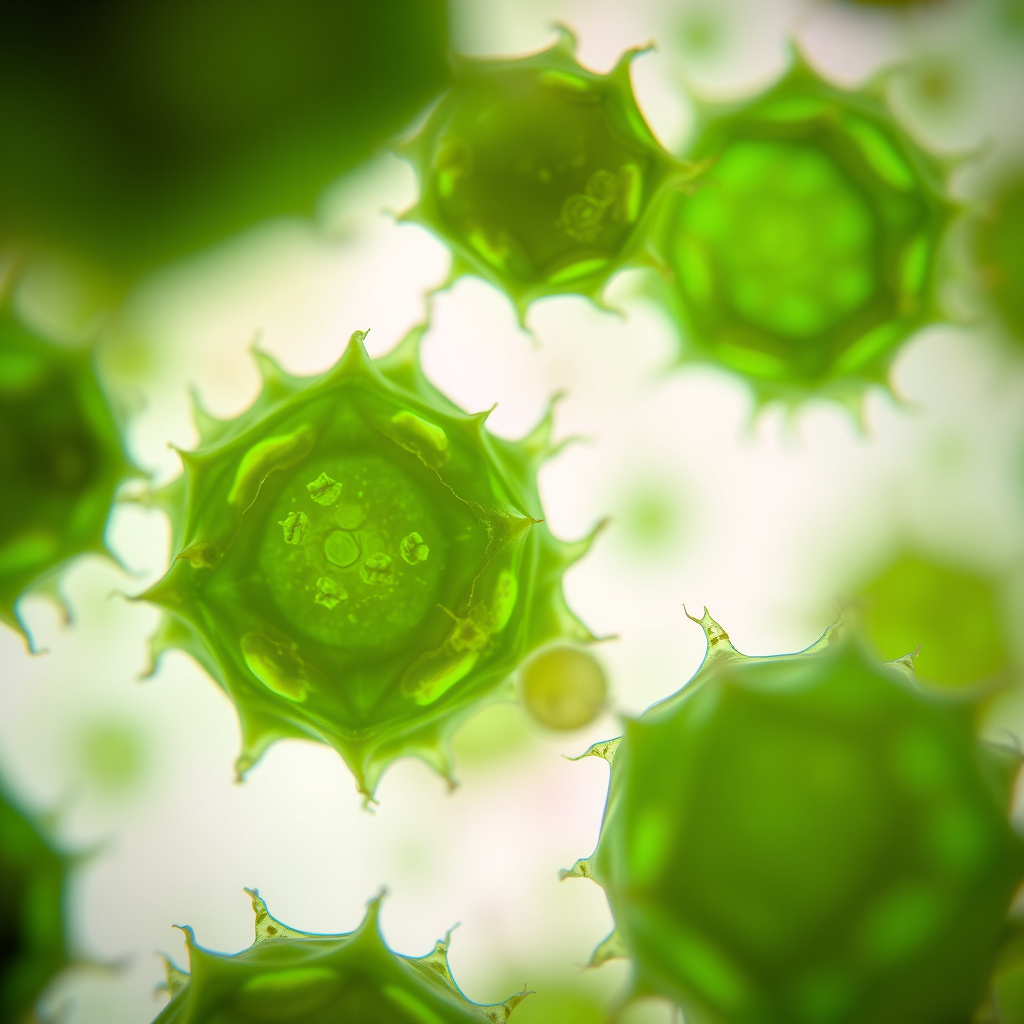
Chlorophyll Structure and Function
Chlorophyll molecules are complex structures containing magnesium at their core, which plays a central part in capturing sunlight for photosynthesis. This molecule absorbs mainly red and blue light but reflects green, leading to the nods' characteristic green color.
This pigment's efficiency in light absorption enables nods to convert solar energy into chemical energy, sustaining their growth and metabolism. Chlorophyll's presence is widespread among photosynthetic organisms, making it a fundamental biological compound.
Photosynthesis and Energy Conversion
Photosynthesis is the process where chlorophyll captures solar energy to convert carbon dioxide and water into glucose and oxygen. This energy supports the nods' cellular activities and overall health.
The green color indicates a healthy chlorophyll presence, reflecting an active photosynthetic stage. Any changes in this pigment can affect photosynthesis and, consequently, the nod's vitality.
Comparing Nods' Green to Other Green Pigments in Nature
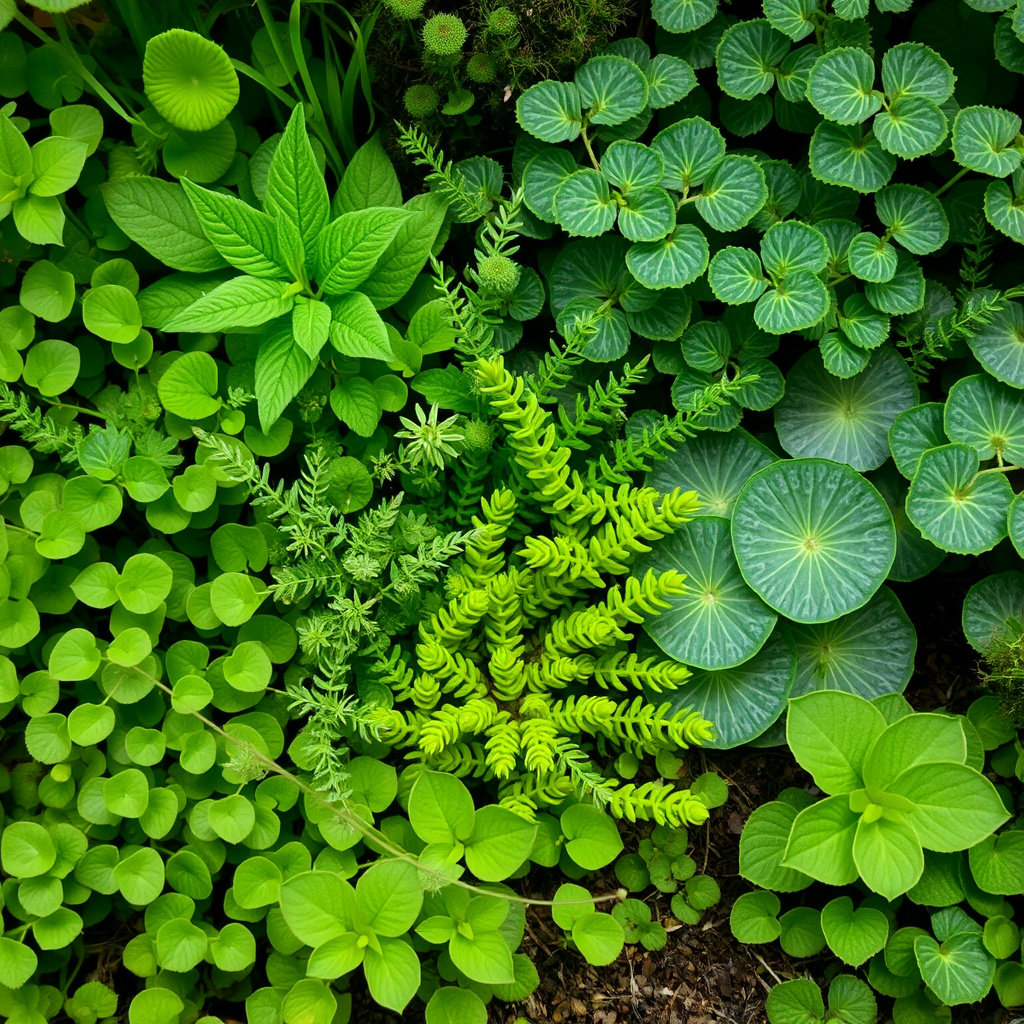
Different Types of Chlorophyll in Nature
Chlorophyll exists primarily in two forms, chlorophyll a and chlorophyll b, each absorbing light at slightly different wavelengths. Nods mainly contain chlorophyll a which gives a bright green color.
Other plants and algae have varying proportions of these chlorophyll types, resulting in subtle differences in their shades of green. This variation helps species adapt to different light conditions.
Accessory Pigments and Their Influence
Besides chlorophyll, accessory pigments like carotenoids and phycobilins can alter a plant's color palette. Though less prominent in nods, these pigments sometimes modify the overall shade of green seen in certain species.
These pigments expand light absorption capabilities and provide photoprotection, influencing how green or yellowish the nods' appearance might be under various lighting or stress conditions.
Environmental Effects on Nods’ Green Coloration
Light Intensity and Color Intensity
Exposure to sunlight impacts chlorophyll concentration in nods. Strong light can increase chlorophyll production, resulting in a richer green, while low light may cause the green to fade due to reduced pigment creation.
These changes adjust the nods’ ability to harness energy efficiently based on their environment, helping them survive in variable light habitats.
Stress Factors Affecting Green Pigmentation
Temperature extremes, nutrient deficiencies, and pollution can degrade chlorophyll or inhibit its production, causing nods to lose their green color or appear yellowish or brown.
Monitoring these pigment changes can serve as an indicator of environmental stress, signaling when nod populations might be struggling.
The Biological Importance of Green Pigmentation in Nods

Adaptation and Survival Benefits
Green pigmentation via chlorophyll allows nods to efficiently convert solar energy, a critical adaptation for survival in their habitats. This pigment's reflection of green light helps optimize energy absorption for photosynthesis.
By maintaining this specific coloration, nods can compete effectively for sunlight and thrive in various ecological niches.
Evolutionary Perspectives
The prevalence of green in nods is a result of millions of years of evolution favoring chlorophyll as the pigment best suited for photosynthesis. This evolutionary trend underscores the efficiency and success of chlorophyll-centric organisms.
Studying these evolutionary paths helps understand pigment diversity and biological strategies in different environments.
Human Uses and Observations of Green Pigmented Nods

Agricultural and Environmental Applications
Humans use nods’ green pigmentation as an indicator of plant health in agriculture and ecological monitoring. Healthy green nods typically signify optimal photosynthetic activity and nutrient availability.
This pigment-based indicator is invaluable for early detection of plant stress, prompting timely interventions.
For more detailed scientific information on chlorophyll and photosynthesis, refer to this comprehensive Wikipedia article. chlorophyll and photosynthesis.
Scientific Research and Innovations
Research on chlorophyll and green pigments from nods contributes to advancements in solar energy technologies and biodegradable dyes. Understanding these pigments informs bioengineering and sustainable practices.
Continued study of green nods supports developments in environmental science and renewable energy solutions.
Comparison of Nods and Other Green Photosynthetic Organisms
This table highlights key differences between nods and similar green organisms based on pigment composition and environmental adaptability.
| Organism | Primary Chlorophyll Type | Typical Green Shade | Light Adaptation |
|---|---|---|---|
| Nods | Chlorophyll a | Bright green | Moderate to high light |
| Green Algae | Chlorophyll a & b | Vibrant green | Variable light |
| Mosses | Chlorophyll a & b | Dark green | Shaded areas |
| Grasses | Chlorophyll a & b | Bright to pale green | High light |
| Fern | Chlorophyll a & b | Medium green | Shady to moderate light |
Frequently Asked Questions
Why specifically is chlorophyll green?
Chlorophyll is green because it absorbs mainly red and blue wavelengths of light, reflecting green light, which our eyes perceive as a green color.
Do all nods have the same shade of green?
No, the shade of green can vary based on chlorophyll concentration, species type, and environmental conditions like light exposure and soil nutrients.
Can nods change color if stressed?
Yes, under stress such as drought or nutrient deficiency, nods may lose chlorophyll, causing a faded or yellowish color.
Are there other pigments that affect nod coloration?
Besides chlorophyll, accessory pigments such as carotenoids can influence nod coloration by adding yellow or orange hues in low chlorophyll conditions.
How does the green color benefit nods biologically?
The green pigment chlorophyll allows nods to absorb solar energy efficiently, making photosynthesis possible and supporting growth and reproduction.
Key Takeaways
- Nods are green due to the chlorophyll pigment critical for photosynthesis.
- Chlorophyll absorbs red and blue light, reflecting green light we see.
- Environmental factors like light and stress can influence green coloration.
- Nods’ green pigment is vital for their energy conversion and survival.
Conclusion
Understanding why nods are green requires recognizing the central role of chlorophyll, which is tailored for absorbing sunlight to fuel photosynthesis. This pigment’s green color results from its molecular structure reflecting green wavelengths, serving a biological purpose beyond mere appearance. Considering pigment composition alongside environmental factors offers a layered perspective on the coloration of nods, revealing how their green hue supports their energy needs and adaptability.
When deciding how to interpret changes in nod coloration or applying this knowledge practically, focusing on chlorophyll’s condition is key. Shades of bright green typically indicate healthy photosynthetic activity, while fading or color shifts signal stress or environmental changes. For example, comparing nods to green algae or mosses clarifies how differing chlorophyll types and light adaptations create varied green hues across species. This understanding can guide agricultural or environmental assessments efficiently.
For those interested in observing or working with nods, monitoring the intensity and quality of their green coloration provides useful insights into their health and environment. This article’s explanations and comparisons offer a solid foundation to appreciate why nods are green and how that green pigment plays a central role in their survival strategy.